Top 17 Incredible Jumping Animals (With Amazing Photos)
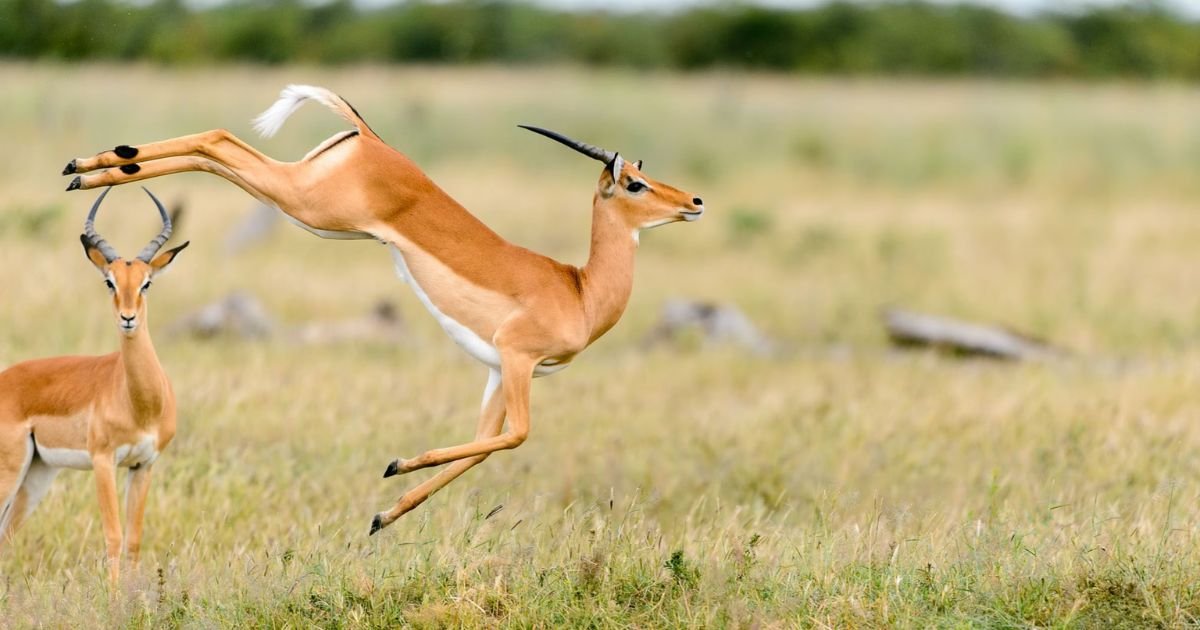
Did you know that some animals can jump over five times their body length in a single bound? In the world of nature, jumping animals showcase astonishing adaptations that help them survive and leave us in awe.
This article will take you on a visual journey through the top 17 incredible jumping animals, complete with stunning photos that capture their remarkable feats. You’ll have a new appreciation for these boundless creatures and their place in the animal kingdom.
List Of Jumping Animals
Below the list of jumping animal:
- Kangaroos
- Hares
- Bharal
- Jumping spiders
- Gazelle
- Jumping Mice
- Mountain lion
- Frogs
- Crickets
- wallabies
- Klipspringer
- Rabbits
- Flea
- Leafhoppers
- Kangaroo rats
- Mountain goat
- Grasshoppers
Kangaroos
Class: Mammalia
Diet: Herbivore
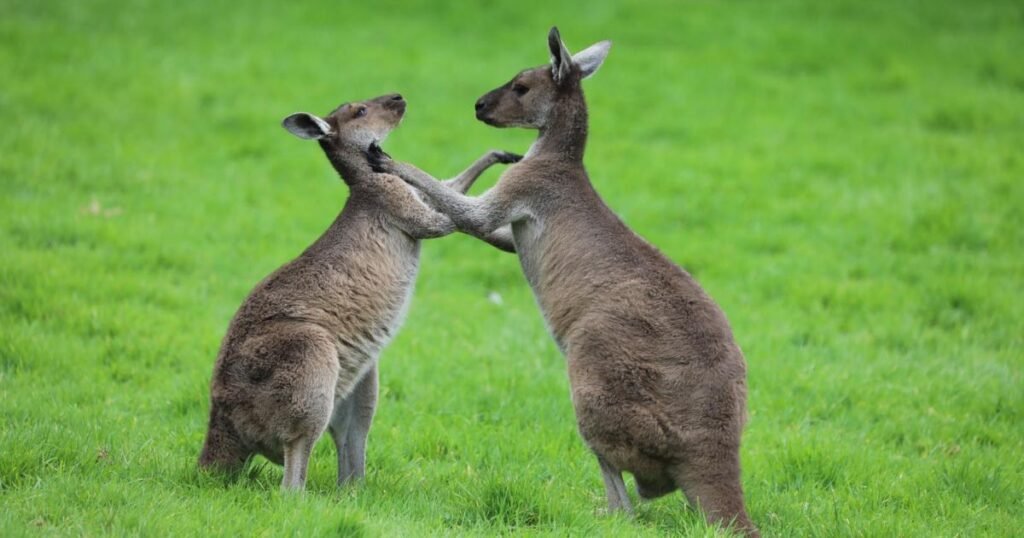
These are among the most iconic animals that jump, embodying a unique blend of agility and strength. These fascinating marsupials use their powerful hind legs for extraordinary leaps and as a means of energy-efficient travel across the vast Australian outback.
A single bound can cover up to 30 feet, showcasing their remarkable adaptation to a landscape that demands both speed and distance. Their distinctive hopping technique reflects an evolution finely tuned to escape predators while traversing the rugged terrain.
READ MORE: 17 Amazing Striped Animals Around the World (With Pictures & Facts)
Hares
Class: Mammalia
Diet: Herbivore
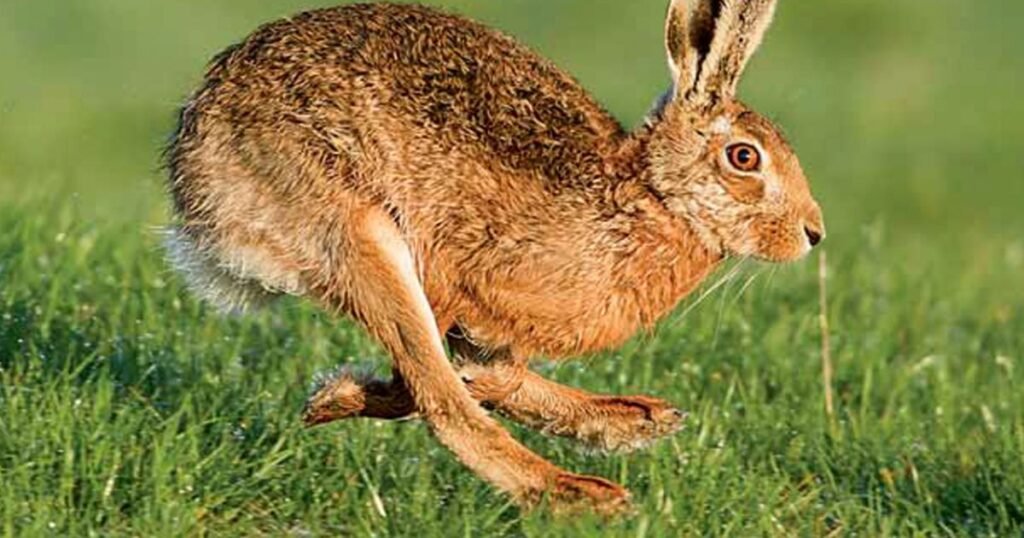
These, often mistaken for their smaller cousins, rabbits, exhibit a remarkable blend of agility and speed that defines the world of jumping animals. Unlike their burrowing relatives, hares are born precocial, emerging from the nest fully furred and capable of hopping within hours.
This unique trait underscores their adaptability and positions them as one of nature’s most fascinating animals that hop, allowing them to evade predators swiftly in open terrains.
Bharal
Scientific Name: Pseudois nayaur
Class: Mammalia
Diet: Herbivore
These, often overlooked in the vast tapestry of wildlife, stand out as one of nature’s most remarkable jumping animals. Native to the rugged terrains of the Himalayas, this wild sheep has evolved to survive and thrive in environments that would baffle most other species.
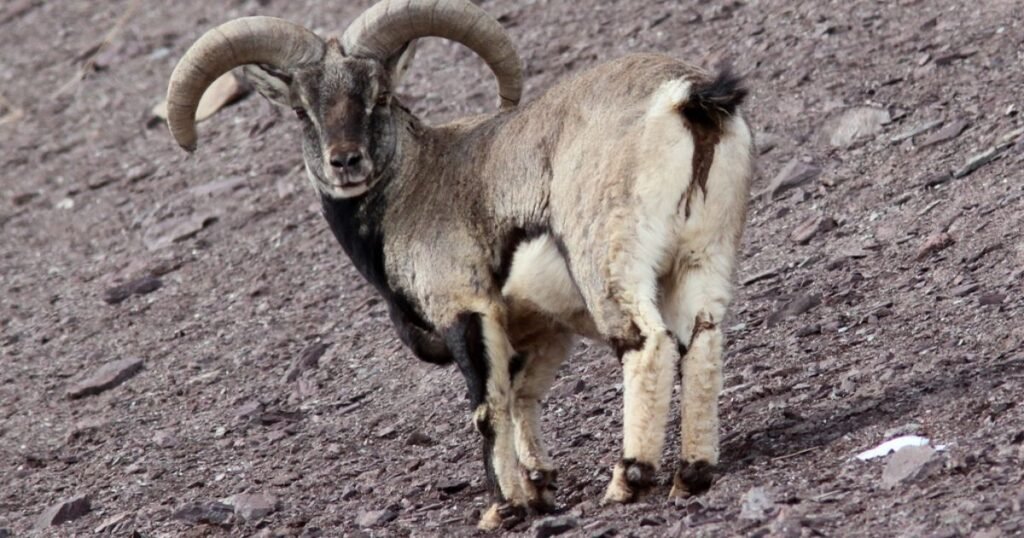
Their remarkable ability to navigate sheer cliffs and steep slopes, with leaps that seem almost acrobatic, highlights a unique combination of strength and agility. Each jump a means of traversing their challenging habitat; it’s a display of their evolutionary genius.
Jumping spiders
Class: Arachnida
Diet: Carnivore
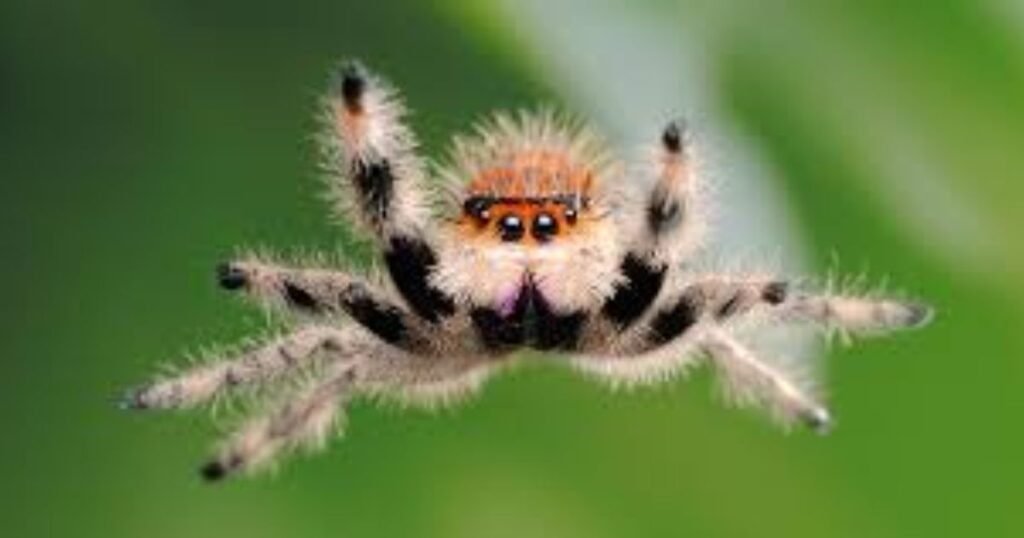
These, part of the Salticidae family, are the acrobats of the arachnid world, showcasing a unique blend of agility and intelligence. Unlike many of their eight-legged counterparts, these tiny predators possess impressive vision, with more than 30,000 lenses in their eyes.
This sharp sight allows them to detect movement from afar, making them skilled hunters. They exhibit remarkable jumping abilities, some species can leap up to 50 times their body length, a true marvel for a creature measuring mere millimeters.
ALSO READ: Top 12 Animals with Shells: Names, Facts, and Pictures
Gazelle
Class: Mammalia
Diet: Herbivore
These are among the most fascinating jumping animals on the planet, renowned for their incredible agility and grace. These nimble creatures have evolved to be true athletes of the savannah, utilizing their powerful hind legs to leap extraordinary distances, sometimes up to ten feet in a single bound.
This remarkable ability aids them in escaping predators and allows them to navigate the rugged landscapes of their habitats with ease and elegance. What sets gazelles apart from other jumping animals is their unique social structure, which includes intricate communication and group dynamics.
Jumping Mice
Class: Mammalia
Diet: Omnivore
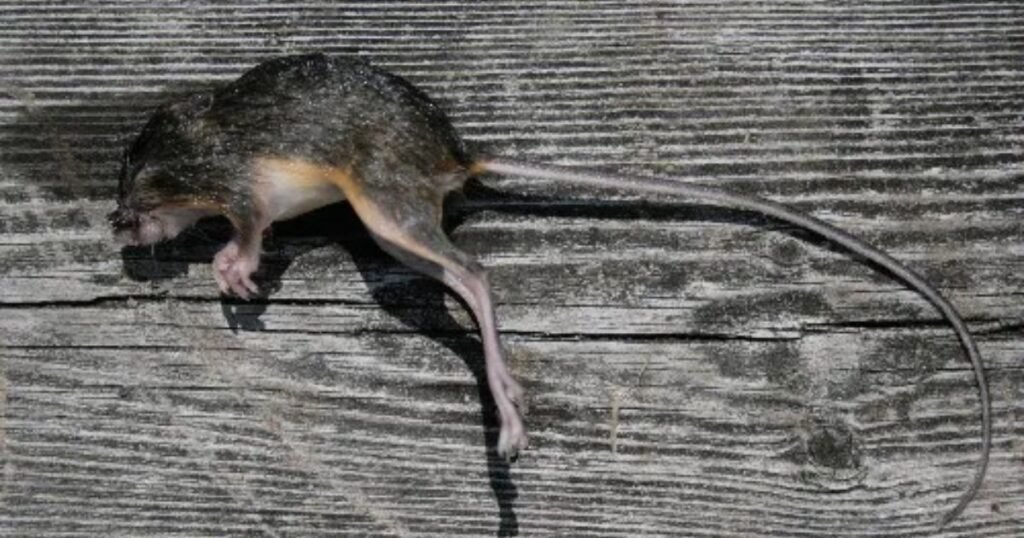
These, a fascinating group of small rodents, are remarkable for their ability to leap and for their unique adaptations that set them apart in the animal kingdom. Unlike many of their terrestrial counterparts, these nimble creatures rely on powerful hind legs to navigate their environment, allowing them to cover substantial ground in mere bounds.
Their remarkable agility aids in escaping predators and in foraging for food, making them exceptional survivors in a variety of habitats. What’s particularly intriguing about jumping mice is their hibernation behavior.
Mountain lion
Scientific Name: Puma concolor
Class: Mammalia
Diet: Carnivore
These, also known as cougars or pumas, are fascinating creatures that defy the traditional image of large cats. Unlike some animals that hop or jump, these excel in both agility and strength, making them incredible predators in their diverse habitats.
With a powerful build and extraordinary leaping ability, they can cover over 40 feet in a single bound, showcasing a grace that many jumping animals could only dream of achieving.
READ ALSO: What Animals Growl | Top 18 Animals that Growl (With Images)
Frogs
Class: Amphibia
Diet: Carnivore
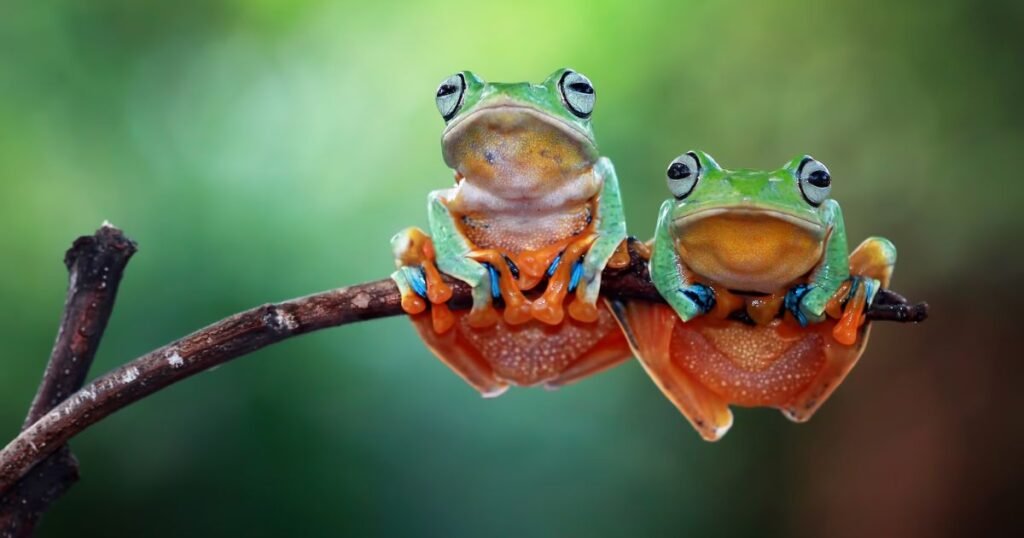
These, among the most fascinating of jumping animals, are remarkable for their impressive leaps and for their evolutionary adaptations. Their unique anatomy, including powerful hind legs and elongated bodies, allows them to propel themselves across distances that can be multiple times the length of their own bodies.
Beyond their impressive athleticism, these play a crucial role in ecosystems as indicators of environmental health. Their permeable skin makes them particularly susceptible to changes in climate and pollution, serving as vital barometers for ecological shifts.
Crickets
Class: Insecta
Diet: Omnivore
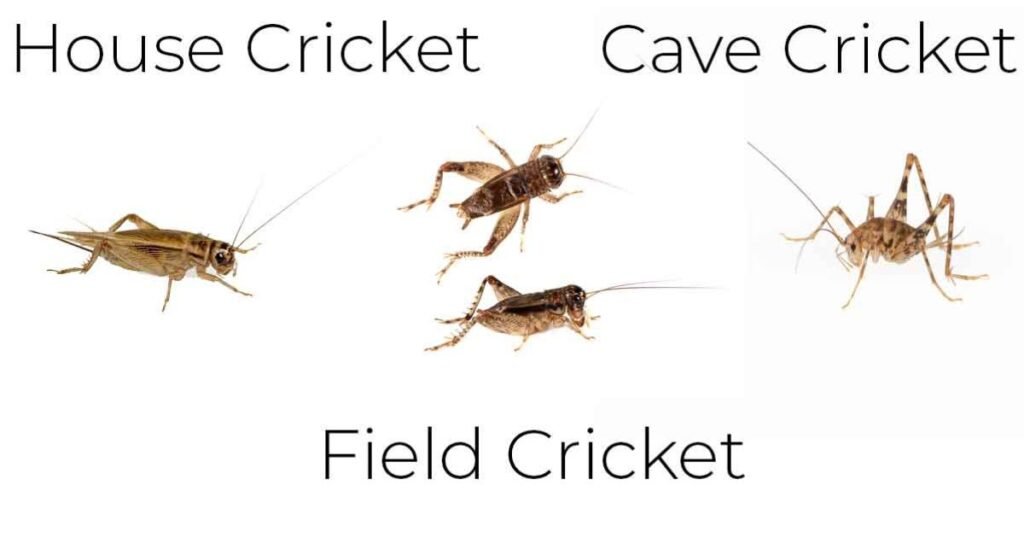
These, often categorized among the fascinating things that hop, are the backdrop of summer nights; they play a vital role in ecosystems and cultures worldwide. These agile jumping animals possess unique adaptations that allow them to thrive in a variety of environments.
Their distinctive chirping, generated by the rapid movement of their wings, serves as a mating call and a form of communication that can convey territorial boundaries and attract potential mates.
Wallabies
Class: Mammalia
Diet: Herbivore
These, often overshadowed by their larger kangaroo cousins, are fascinating jumping animals that embody the spirit of Australia. These agile creatures are remarkable for their impressive leaps; they also exhibit a unique social structure that allows them to thrive in diverse environments.
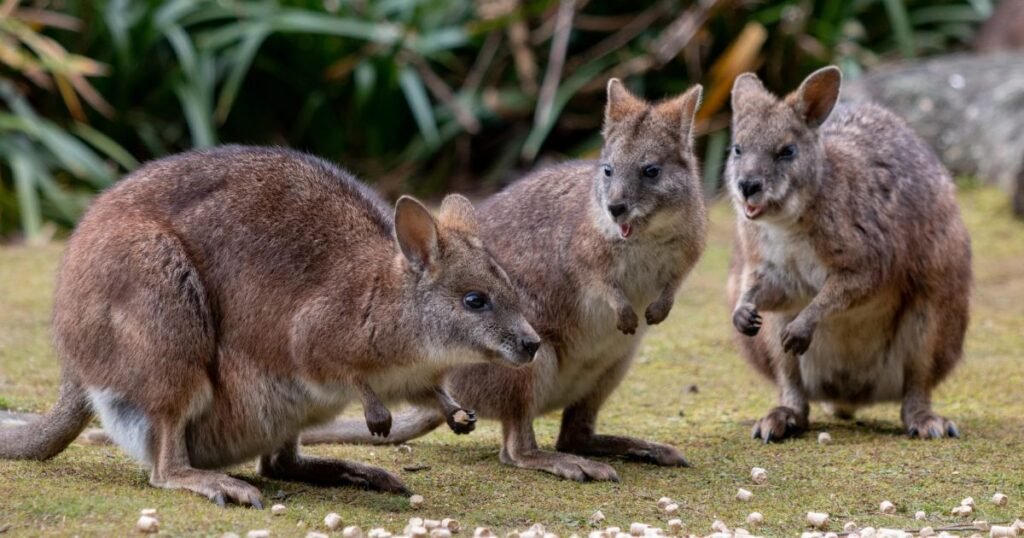
Each species of wallaby occupies a specific ecological niche, from the lush rain forests to arid regions, showcasing their adaptability. In a world where many animals rely on stealth or strength, these excel in swift movements, enabling them to escape predators and traverse challenging terrains.
Klipspringer
Scientific Name: Oreotragus oreotragus
Class: Mammalia
Diet: Herbivore
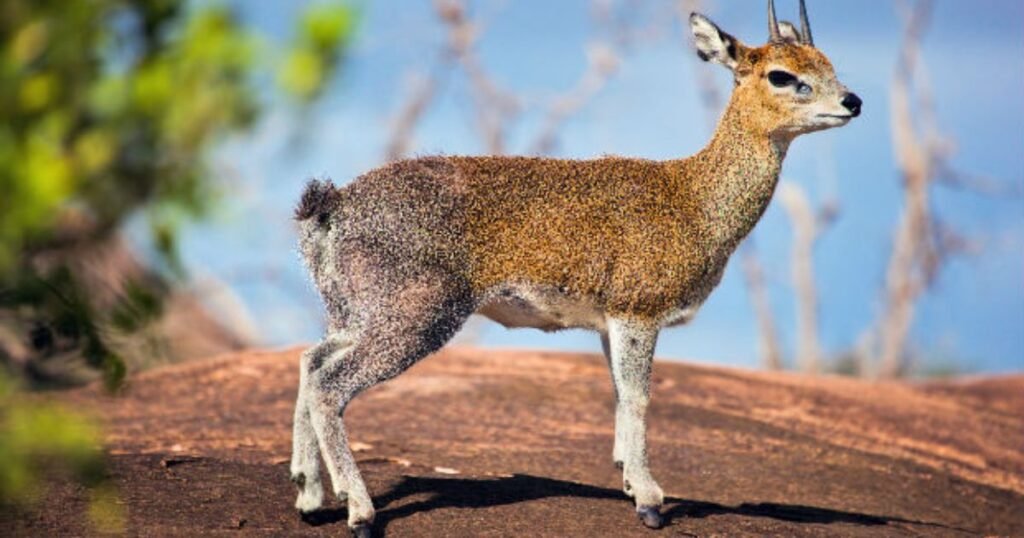
These, a remarkable small antelope native to the rocky hills and steep terrains of Africa, stand out among the pantheon of jumping animals due to their impressive agility and unique adaptations.
With an ability to leap up to 10 feet high, these animals that jump are perfectly suited for their rugged environment. Their specialized hooves, which feature a hard outer layer and a softer inner pad, provide exceptional traction on rocky surfaces, allowing them to maneuver effortlessly where other grazers might struggle.
ALSO READ: Discover 8+ Mammals That Cannot Jump (With Pictures)
Rabbits
Class: Mammalia
Diet: Herbivore
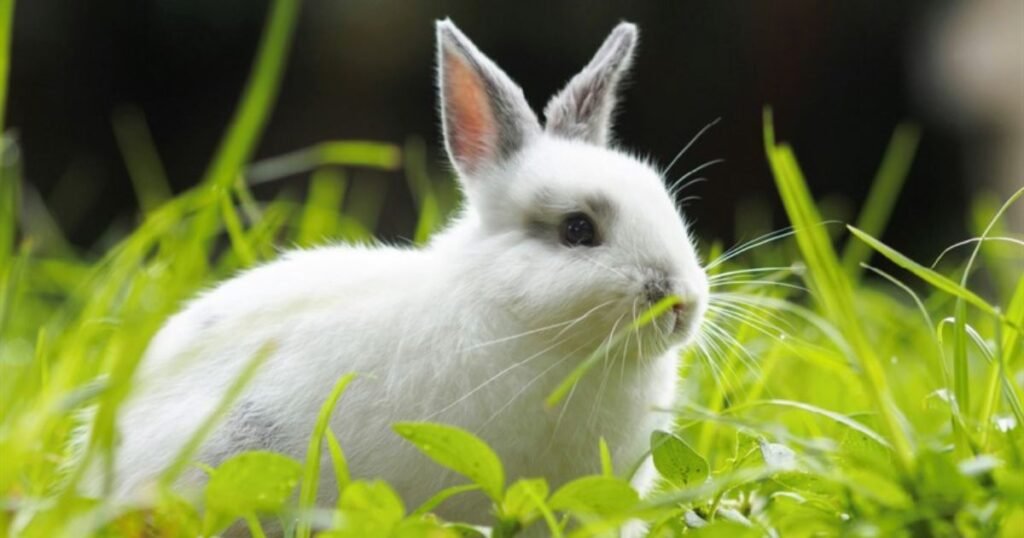
These are fascinating creatures that embody the essence of agility and play a significant role in many ecosystems. As skilled foragers, these animals that hop move with remarkable grace, navigating through grasslands and forests while avoiding potential predators.
Their powerful hind legs allow them to leap impressive distances, often up to three times their body length, making them one of the most efficient jumping animals in the wild.
Flea
Class: Insecta
Diet: Parasite
These, often overshadowed by more glamorous insects, are fascinating jumping animals that possess a unique biology finely tuned for survival. Their powerful hind legs enable them to leap distances over 200 times their own body length, making them the Olympic champions of the insect world.
This impressive ability helps them evade predators and easily navigate the fur of their hosts, where they thrive. These small creatures can be a window into larger ecological dynamics, revealing how their populations interact with those of other species in various environments.
Leafhoppers
Class: Insecta
Diet: Herbivore
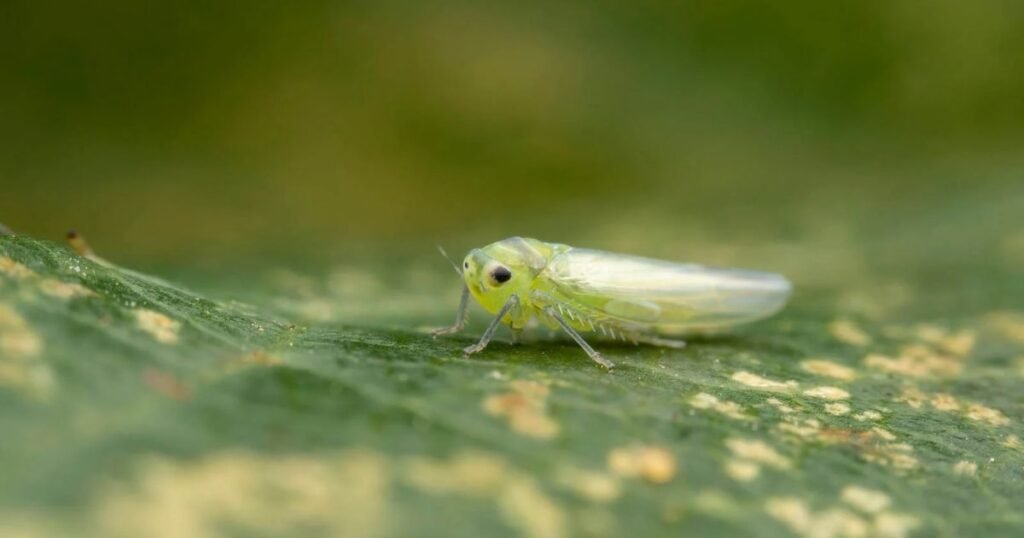
These, those enigmatic little creatures that exemplify the adage “great things come in small packages,” are fascinating in their own right. These tiny insects are masters of camouflage and agility, easily blending into their surroundings while employing their exceptional jumping skills to escape predators.
Unlike other small hopping animals, these possess specialized hind legs that allow them to leap many times their body length, a feat that seems almost magical in the realm of the insect world.
Kangaroo rats
Class: Mammalia
Diet: Granivore/Omnivore
These, remarkable desert-dwelling rodents, showcase an extraordinary adaptation to their arid environment. With their powerful hind legs, these agile creatures epitomize what it means to be a jumping animal, reaching distances of up to nine feet in a single bound.
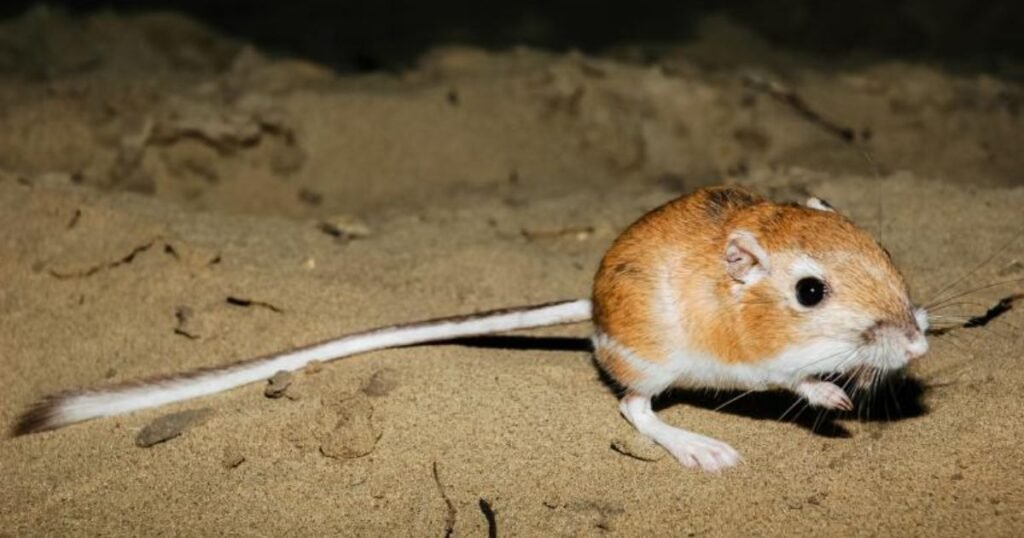
This impressive agility aids in escaping predators and helps them navigate the harsh terrain of their sandy habitats. Unlike many rodents, these are nocturnal, allowing them to conserve water and energy by foraging under the cover of night when temperatures are cooler.
Mountain goat
Scientific Name: Oreamnos americanus
Class: Mammalia
Diet: Herbivore
These are fascinating examples of the remarkable abilities found in the animal kingdom, agility and strength. These incredible creatures navigate the steepest cliffs and rocky terrains with an ease that leaves observers in awe.
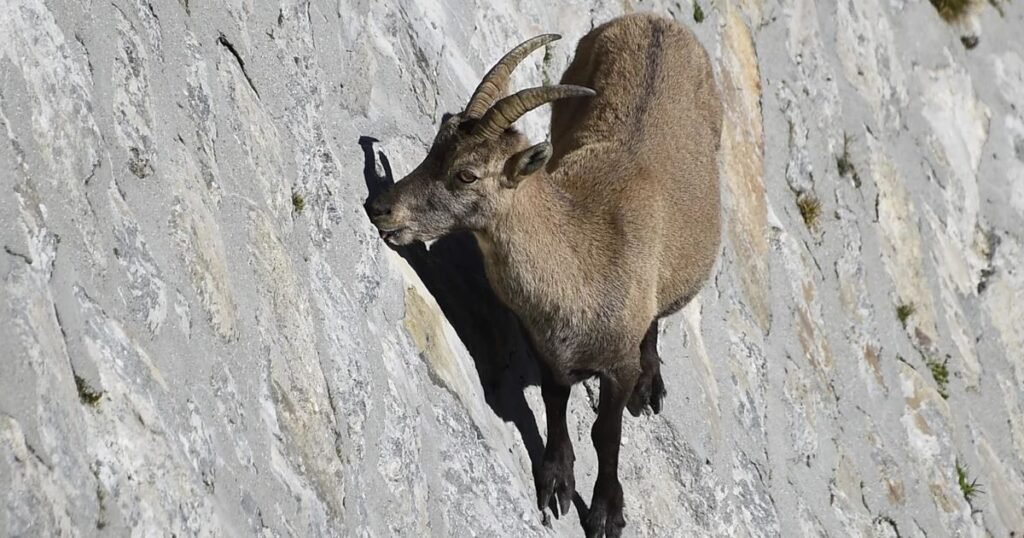
Their specialized hooves, equipped with soft pads and sharp edges, provide the perfect grip, allowing them to leap effortlessly from ledge to ledge. Watching these bound up a vertical slope feels like witnessing a dance between gravity and instinct, showcasing the beauty of nature’s engineering.
Grasshoppers
Class: Insecta
Diet: Herbivore
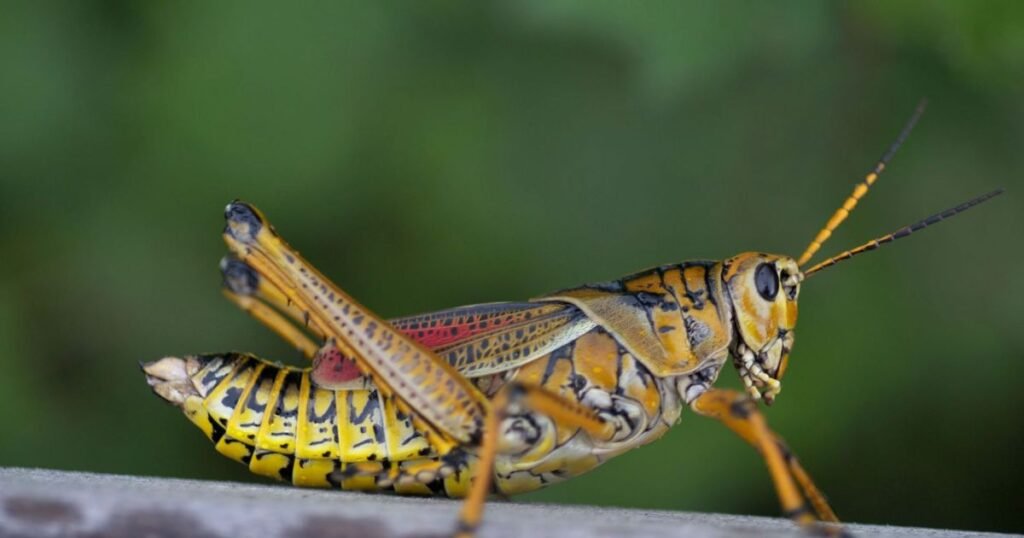
These, those remarkable jumping animals, are often underappreciated for their role in our ecosystems. Beyond their striking green hue, these creatures possess incredible adaptations that make them masters of survival.
Their powerful hind legs enable astonishing leaps; some species can jump over 20 times their body length! This ability aids in evading predators and helps them navigate the complex tapestry of their environment, from dense fields to open meadows.
ALSO READ: Top 18 Animals With 2 Legs: Complete List Pictures
Final Thoughts
The world of jumping animals is truly astonishing, showcasing the incredible adaptability and evolutionary prowess of these creatures. From the agile kangaroo to the extraordinary tree frog, each of these species possesses unique adaptations that allow them to thrive in their environments.
Their remarkable jumping abilities serve as vital survival mechanisms and serve to inspire awe and appreciation for the natural world. The richness of biodiversity, it’s essential to recogonize and protect these remarkable animals and their habitats
FAQs
What are the Top 10 Most Beautiful Jumping Animals?
Beauty in jumping animals is largely subjective, as it often depends on individual preferences and cultural influences.
What Animal can Jump the Best?
Animal can jump the best, the title often goes to the *frog*, particularly the green tree frog. These small amphibians can leap over 20 times their body length, showcasing an impressive combination of muscle strength and agility.
What Four Mammals Can’t Jump?
While many mammals are known for their jumping abilities, there are a few species that are unable to leap due to their unique anatomical structures.
What Jumping Animals are Beautiful But Fierce?
When considering jumping animals that embody both beauty and fierceness, the kangaroo stands out as a prime example. With its strong hind legs and powerful tail, the kangaroo can leap impressive distances, making it a remarkable sight in the Australian outback.
What is the highest jumping animal on Earth?
The highest jumping animal on Earth is often considered to be the flea. These tiny insects can leap distances over 100 times their body length, which translates to heights of around 7 inches (18 cm) when considering their size.