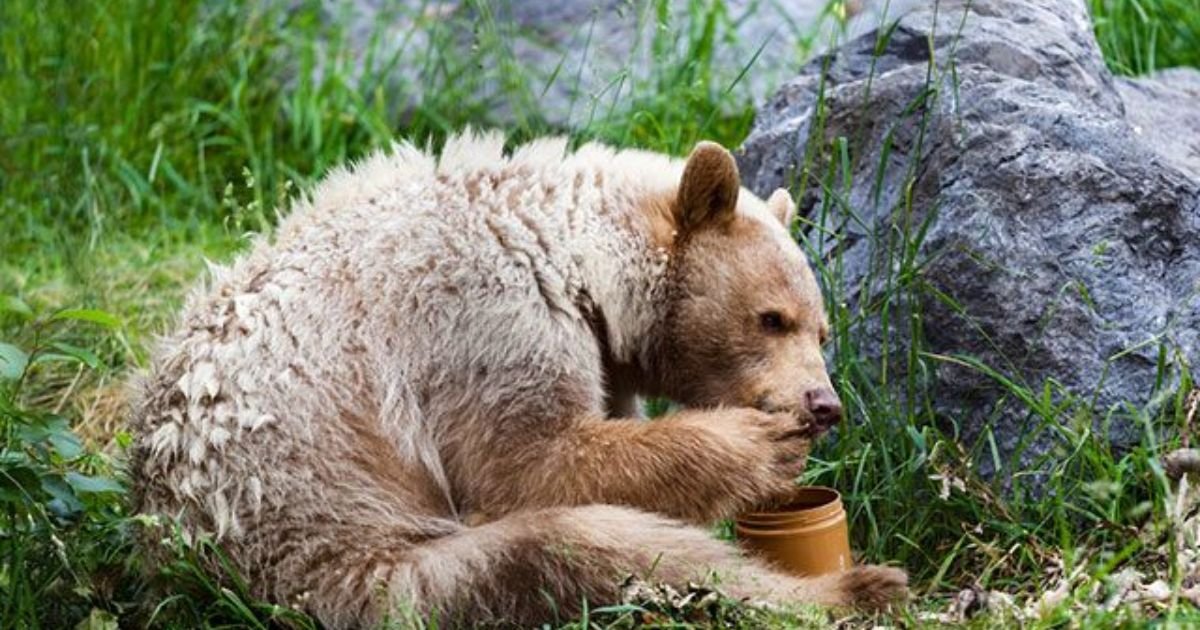
Animals That Eat Seeds:15 Fascinating Creatures of Nature
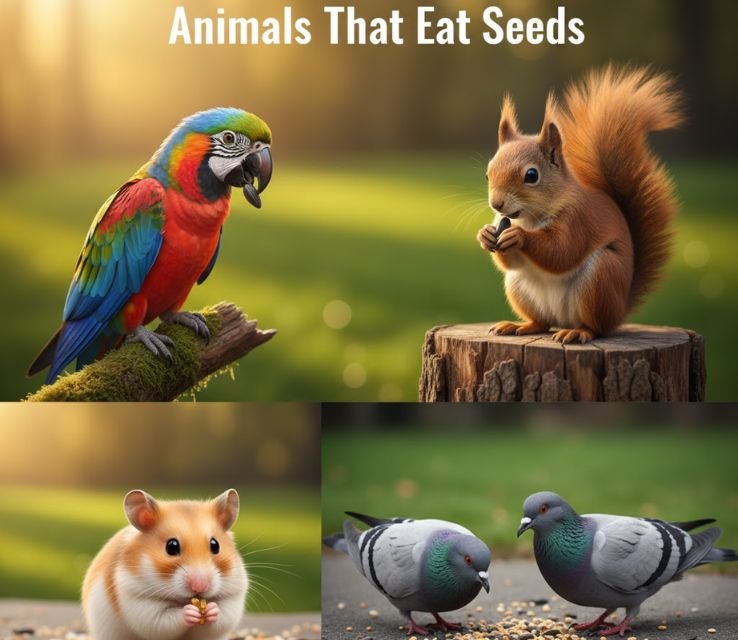
Animals That Eat Seeds are an important part of nature’s cycle, helping forests and plants grow by spreading seeds from one place to another. From tiny birds to large mammals, these creatures rely on seeds as a rich source of nutrients, making them essential for maintaining ecological balance. Their feeding habits not only support their survival but also contribute to the regeneration of plant life.
In the world of wildlife, Animals That Eat Seeds play a fascinating role in shaping ecosystems. Whether it’s squirrels storing seeds for winter or birds carrying them across long distances, these animals act as natural gardeners. Understanding their behavior gives us a deeper appreciation of how interconnected and beautifully balanced nature truly is.
List Of Animals That Eat Seeds
| Number Of Animals | Animals That Eat Seeds |
| 1 | Red Squirrel |
| 2 | Chipmunk |
| 3 | Capuchin monkeys |
| 4 | Deer |
| 5 | Bean Weevil |
| 6 | Pigeons |
| 7 | Rabbit |
| 8 | Parrot |
| 9 | Woodpecker |
| 10 | Hamster |
| 11 | Black bears |
| 12 | Ant |
| 13 | Mouse |
| 14 | Cricket |
| 15 | Blackbird |
Red Squirrel
Scientific Name: Sciurus vulgaris
Class: Mammalia
Red squirrels are charming little creatures that thrive in coniferous forests and play a crucial role in their ecosystem. As adept foragers, these animals primarily eat seeds from pine cones, acorns, and various nuts, showcasing their impressive ability to discern between edible and inedible options.
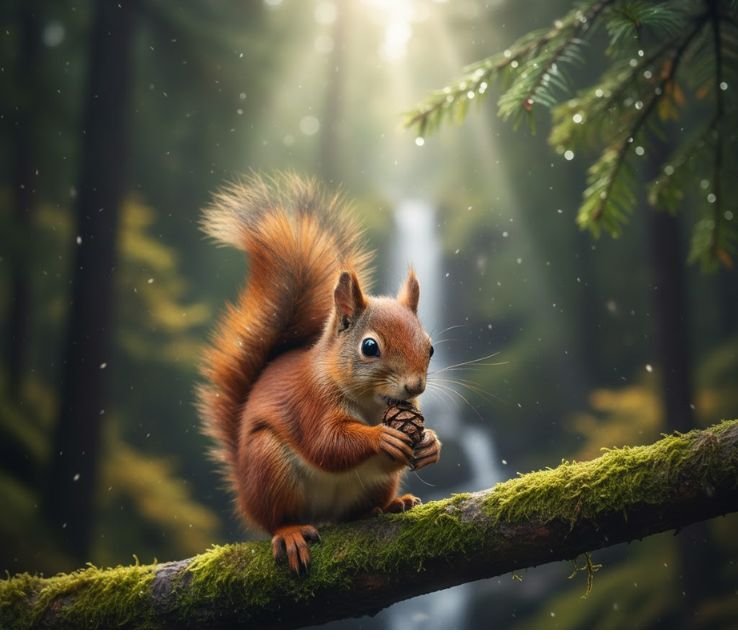
Red squirrels are sometimes considered among Stubborn Animals because of their persistent nature when protecting or retrieving their buried food. They engage in a fascinating behavior known as “scatter hoarding,” where they bury seeds in various locations, effectively planting future trees.
This behavior not only sustains their own food supply but also contributes to the regeneration of forests, highlighting their ecological importance.
Read More: Are Flamingos Smart? Amazing Facts About Flamingo Intelligence (With Photos)
Chipmunk
Scientific Name: Tamias
Class: Mammalia
Chipmunks, with their distinct striped fur and playful demeanor, are often seen darting through brush in search of seeds, nuts, and berries. These small animals are exceptional hoarders, storing food in an underground burrow system, which allows them to thrive during winter months when resources are scarce.
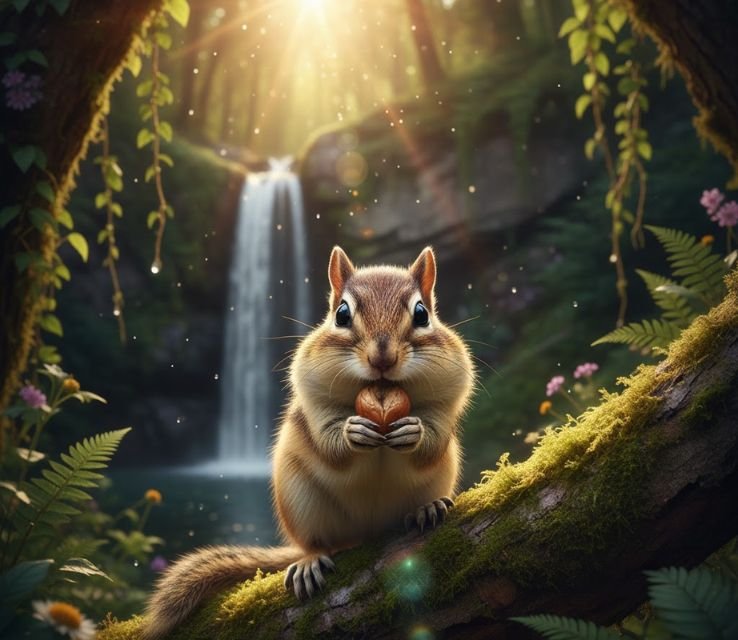
Chipmunks have developed a unique adaptation: they are capable of carrying multiple seeds in their cheek pouches, enabling them to maximize foraging efficiency. Their constant search for seeds and their role in dispersing plant life makes them key players in their habitats.
Capuchin monkeys
Class: Mammalia
Capuchin monkeys, known for their intelligence and sociable nature, exhibit a remarkable diet that often includes seeds, fruits, and nuts. Their nimble hands and strong cognitive skills allow them to crack open tough nuts and access hidden seeds, making them adept foragers.
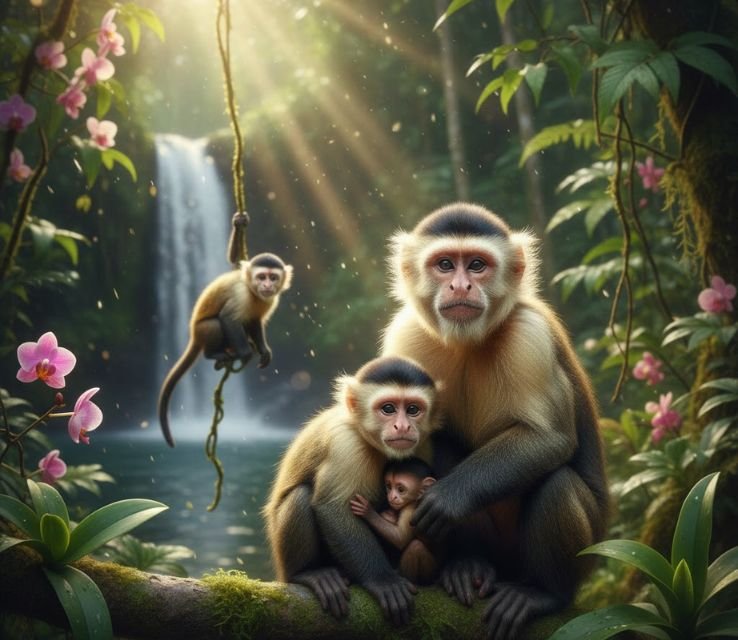
Recent studies suggest that these clever primates also utilize tools, such as rocks, to aid in food acquisition, showcasing a blend of ingenuity and skill. This behavior not only illustrates their adaptability in various environments but also emphasizes the importance of seed availability for the survival of countless species, including themselves.
Deer
Scientific Name: Cervidae
Class: Mammalia
Deer, in their numerous species, are herbivorous animals that play a fundamental role in maintaining the health of forests and grasslands. Their diet, rich in seeds, leaves, and tender shoots, helps control plant growth and promotes biodiversity.
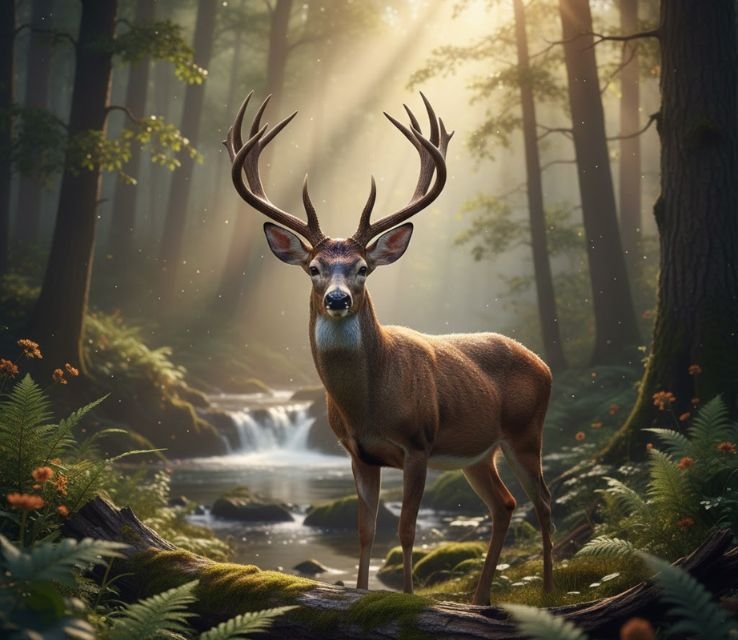
Deer’s seed dispersal through their droppings allows for the germination of various plant species over vast areas, essentially helping to propagate their environment. By consuming seeds, deer contribute to a complex web of interactions that sustain their ecosystems, making them vital players in promoting resilient habitats.
Read More:15 Weakest Animals on Earth You Won’t Believe Exist
Bean Weevil
Scientific Name: Acanthoscelides obtectus
Class: Insecta
The bean weevil, a tiny yet fascinating insect, is often overlooked in the animal kingdom. These pests, primarily known for their destructive feeding habits, primarily consume seeds, particularly in agricultural settings.
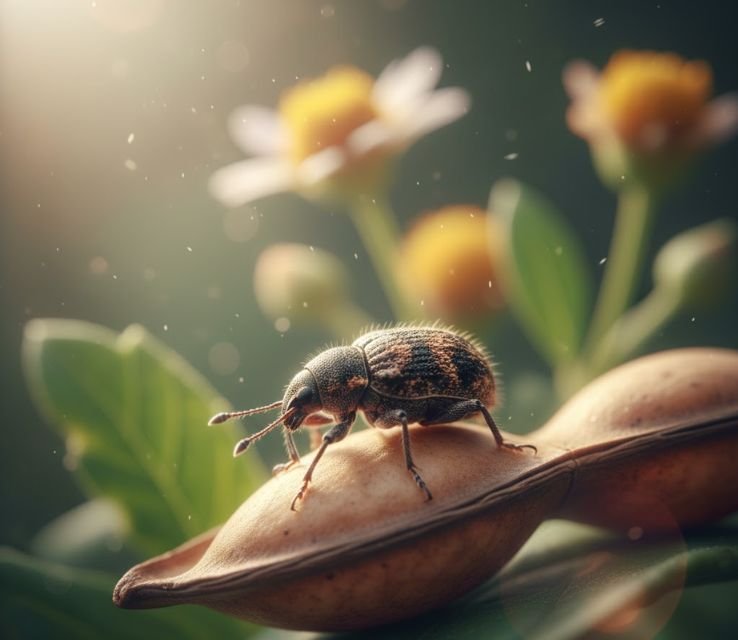
Despite their small size, bean weevils are pivotal in the decomposition of organic materials, contributing to nutrient cycling in their environments.
Their feeding habits, while sometimes problematic for farmers, ultimately play a key role in ecological balance, as they help regulate seed populations and unintended plant growth. Understanding the duality of such creatures opens new avenues for managing ecosystems effectively while appreciating the intricate roles of all organisms.
Pigeons
Scientific Name: Columba livia
Class: Aves
Pigeons might seem common in urban environments, yet their intelligence and adaptability are remarkable. They primarily feed on grains and small seeds, which makes city parks and streets an abundant buffet for them. Their unique ability to navigate vast distances using the Earth’s magnetic field showcases an extraordinary adaptation that researchers are still trying to fully understand.

In addition to their diet, pigeons have a fascinating social structure. They form strong pair bonds and even engage in cooperative breeding, where both parents care for the young. This not only strengthens their community ties but also ensures the survival of their species in fluctuating urban landscapes.
Read More: Top 12 Animals That Look Like Capybara (With Pictures)
Rabbit
Scientific Name: Oryctolagus cuniculus
Class: Mammalia
Rabbits are avid foragers that thrive in a variety of habitats, primarily munching on grass, leaves, and, notably, seeds. As herbivores, they play a vital role in their ecosystems by controlling plant growth. Their diet supports a delicate balance in their environment and makes them significant in their roles as both prey and plant regulators.
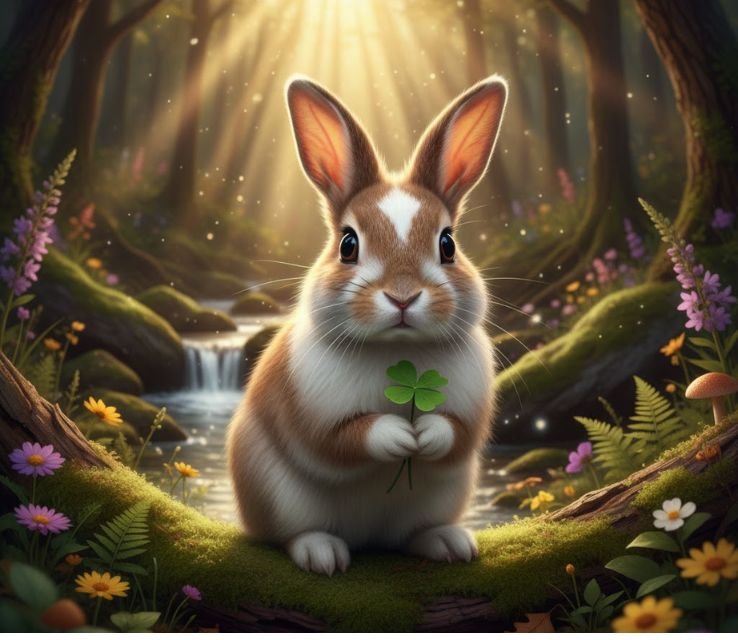
Rabbits have an exceptional digestive system designed to extract maximum nutrients from their food, leading them to consume their feces for a second round of digestion. This unique behavior highlights their biological adaptations and emphasizes the importance of their seed-eating habits in maintaining gut health and overall survival.
Parrot
Scientific Name: Psittacidae
Class: Aves
Parrots are not just beautiful creatures; they are also skilled foragers known for their keen ability to crack open tough seeds and nuts. Their strong beaks and agile tongues allow them to access nutrient-dense food sources that many other birds can’t reach. This ability also makes them vital players in seed dispersal, aiding in forest regeneration.
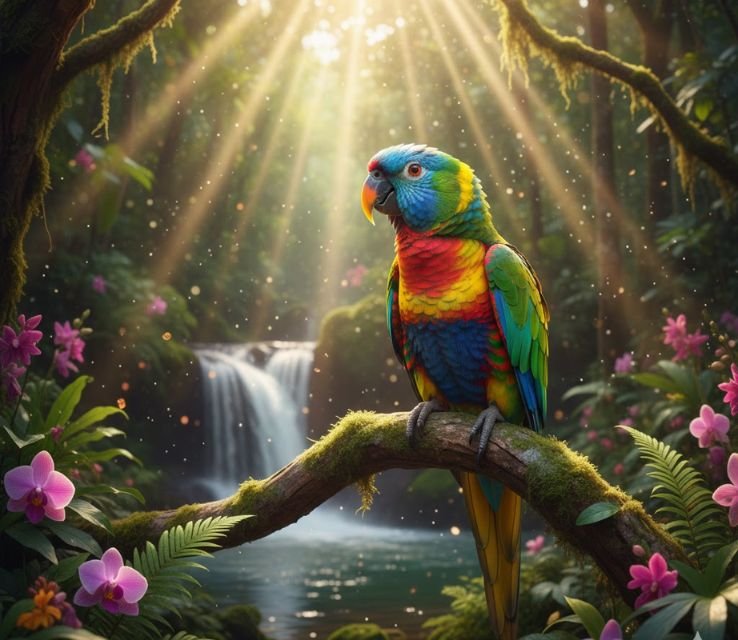
Socially intelligent, parrots communicate using an array of vocalizations and mimicry, often demonstrating emotions akin to human-like bonding. Their playful nature and curiosity further enrich their interactions with the environment, showcasing a complexity that goes far beyond their role as mere seed consumers.
Woodpecker
Scientific Name: Picidae
Class: Aves
Woodpeckers are fascinating birds that display remarkable adaptations for their feeding habits, primarily focusing on insects and seeds hidden within tree bark. Their sharp beaks allow them to drill into wood, creating nests while uncovering hidden food sources.
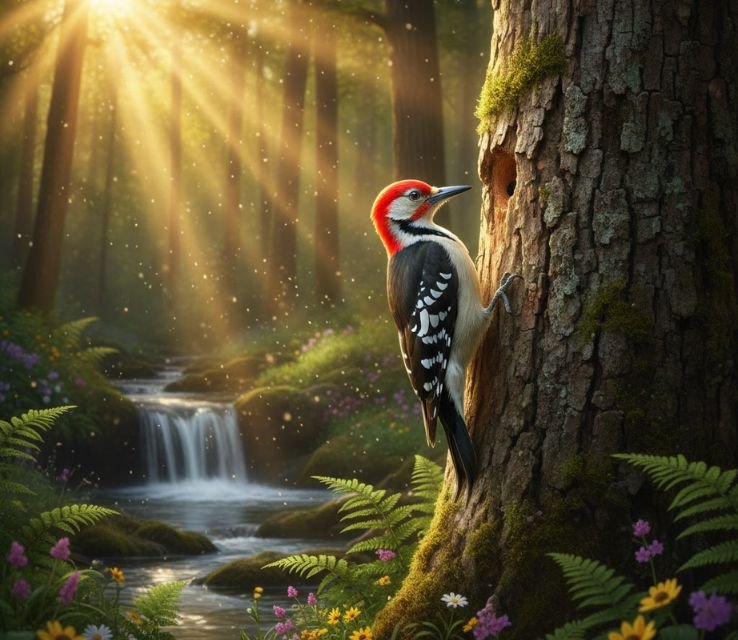
Woodpeckers also showcase a form of social behavior during mating that is rarely seen in many bird species. They engage in territorial drumming and displays, which strengthens their bonds and rivals’ warnings. Their commitment to their environments highlights how even seed-eating birds contribute to ecological balance.
Hamster
Scientific Name: Cricetus cricetus
Class: Mammalia
Hamsters, often kept as pets, have a well-documented love for seeds and grains, which form a significant part of their diet. These tiny rodents, known for their cheek pouches, store food for later consumption, making them efficient foragers. Their activities serve as a biological adaptation to their natural habitats, where competition for resources can be fierce.
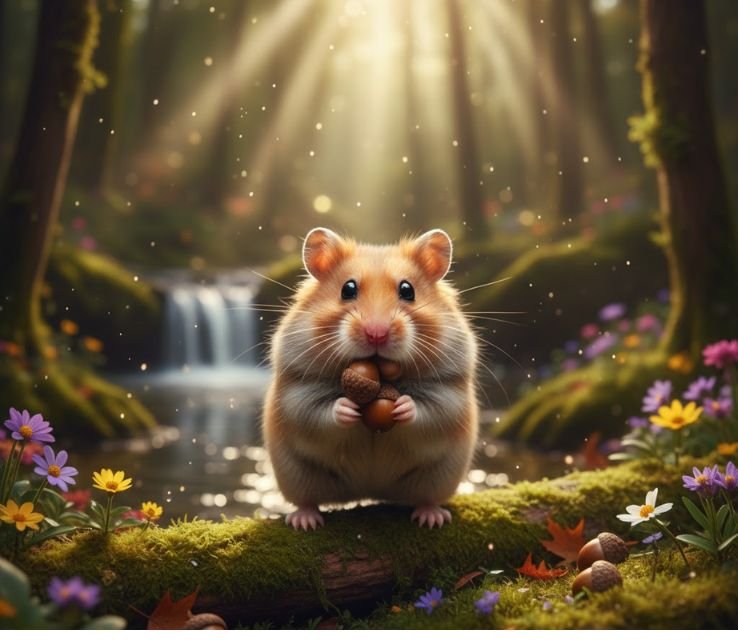
In addition to their dietary habits, hamsters exhibit fascinating nocturnal behaviors and social interactions. While some species thrive in solitude, others exhibit complex social dynamics, showcasing the diversity within this small animal group. Their unique ways of storing seeds not only demonstrate survival instincts but also highlight their role in their ecosystems.
Read More: Top 20 Animals With Long Tails – Names & Pictures Guide
Black bears
Scientific Name: Ursus americanus
Class: Mammalia
Black bears, often seen rummaging through forests for food, are remarkable creatures of adaptability. Their diet varies with the seasons and includes a surprising array of seeds, berries, and nuts, making them critical players in seed dispersal.
By consuming seeds and excrement, black bears help facilitate the growth of diverse plant species, showcasing their role in ecosystem health. They can consume up to 20,000 calories a day in preparation for hibernation, demonstrating their impressive foraging skills.

These bears are not just solitary foragers; they are also social animals with a complex communication system involving vocalizations and body language. As omnivores, their opportunistic eating habits allow them to thrive in varied environments, from lush forests to suburban areas, further illustrating their adaptability.
Ant
Scientific Name: Formicidae
Class: Insecta
Ants are often overlooked, yet they form the backbone of many ecosystems. Known for their industrious nature, these tiny insects play a crucial role in soil aeration and seed dispersal. Certain species, such as harvester ants, actively collect seeds, which they transport back to their colonies.
There, the seeds may be stored or buried, offering a fresh start for plant regeneration. This process not only helps maintain plant diversity but also exemplifies the intricate relationships within ecosystems.
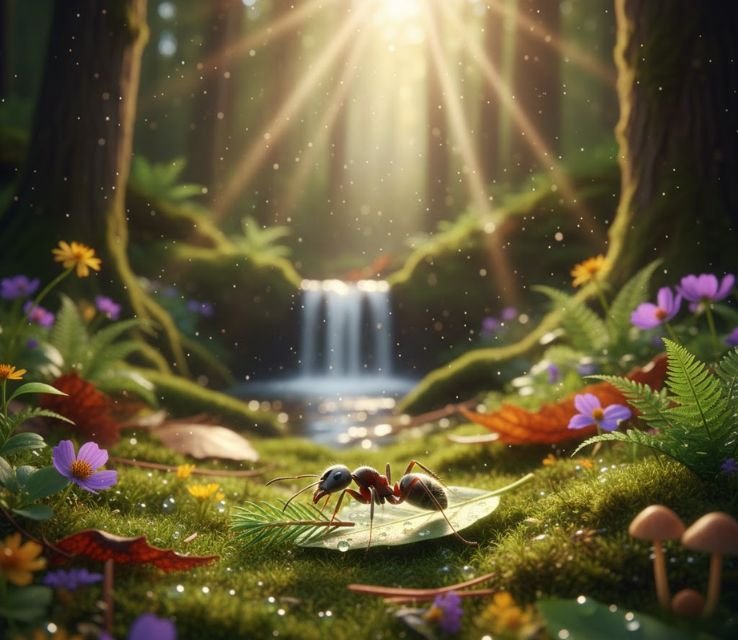
Ant colonies can be seen as super-organisms, working collaboratively towards a common goal. Their remarkable communication skills and division of labor foster efficiency that keeps their colonies thriving.
Mouse
Scientific Name: Mus musculus
Class: Mammalia
Mice are often seen as pests, but they play an essential role in the ecosystem as seed dispersers. Their penchant for nibbling on seeds directly contributes to plant propagation, as they accidentally bury seeds during foraging.
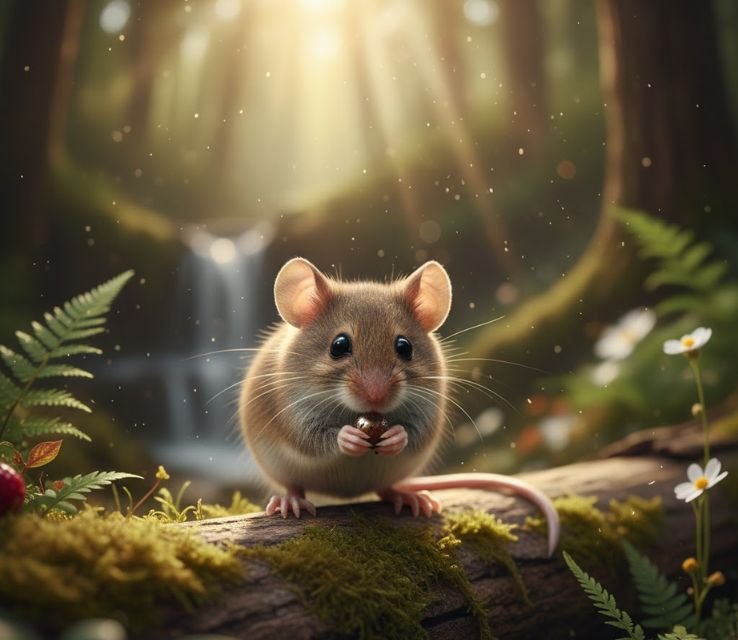
This behavior not only helps plants spread but also influences the composition of local flora, creating diverse habitats. Mice’s impact on seed germination is significant, making them unwitting allies in sustaining plant life.
Beyond their ecological contributions, mice are remarkable survivors, exhibiting a range of adaptations that allow them to thrive in various environments, including urban settings. Their social behaviors and ability to communicate through vocalizations add layers to their ecological role, underlining the intricate interconnections among species.
Cricket
Scientific Name: Gryllidae
Class: Insecta
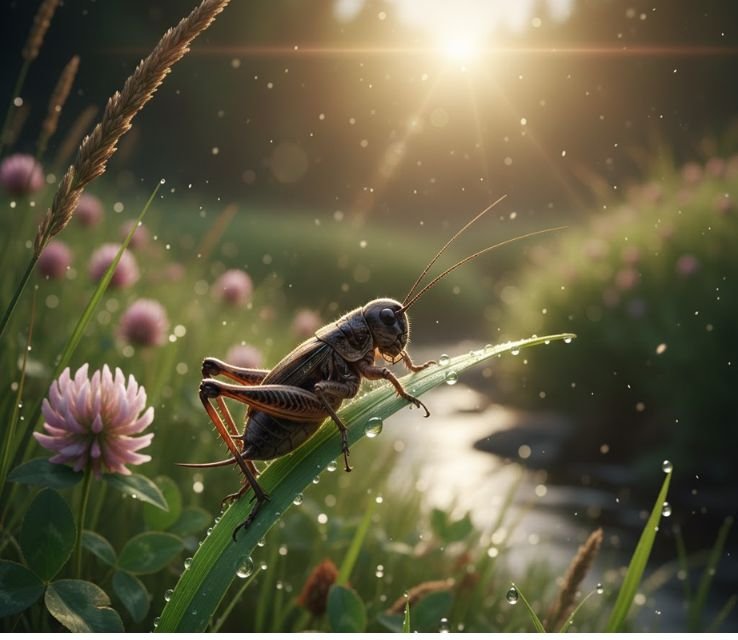
Crickets, often credited for their serenading nightly songs, also play a critical role in the ecosystem by consuming seeds and detritus. Their diet includes various plant materials, allowing them to act as both herbivores and decomposers.
Crickets help recycle nutrients back into the soil, which is essential for maintaining healthy plant growth. By breaking down organic matter, crickets contribute significantly to soil health, fostering an environment where seeds can flourish.
Beyond their ecological role, crickets display fascinating behaviors that capture the imagination. Their songs, produced primarily by males, serve not just as mating calls but also as signals to other species.
By studying these vocalizations, researchers can gain insights into animal communication, opening doors to understanding more about social structures within insect communities. Crickets remind us that even the smallest creatures can have a vast impact on the ecosystem.
Blackbird
Scientific Name: Turdus merula
Class: Aves
Blackbirds are not only beautiful but also important contributors to ecological balance. Their diet, rich in seeds, fruits, and insects, helps control insect populations while promoting plant diversity through seed dispersal.
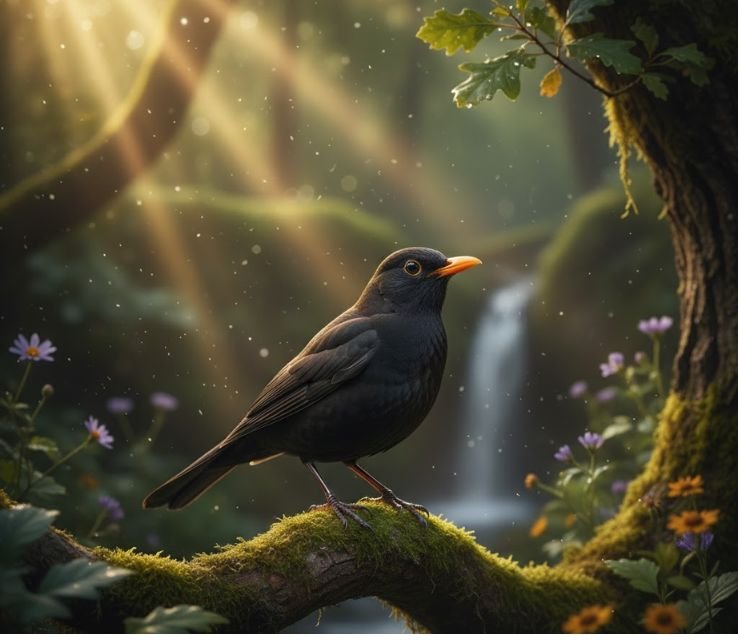
In agricultural settings, blackbirds can be seen as both allies and foes, as they aid in pest control but may also feed on crops. Understanding their dual role underscores the complex relationships between wildlife and human interests.
Blackbirds are incredibly engaging, often forming large flocks that display impressive aerial acrobatics. Their communal behavior offers fascinating insights into avian social structures and communication.
By watching their interactions, we gain a deeper appreciation for their intelligence and adaptability. These dynamic displays remind us of the richness of biodiversity and the vital contributions blackbirds make to the ecosystems they inhabit.
Read More: Animals Like Skunks: 9 Unique Creatures (With Pictures)
Conclusion
Seed-eating animals play a vital role in their ecosystems, helping to disperse seeds and promote plant diversity. From the colorful birds to the industrious squirrels, each species brings unique adaptations that allow them to thrive on a seed-based diet.
By understanding their habits and behaviors, we can appreciate the interconnectedness of wildlife and vegetation. As we continue to explore the incredible natural world, let’s commit to protecting these creatures and their habitats. Take a moment to observe the wildlife around you and consider how you can contribute to their conservation.
FAQs
What Kind Of Animal Eats Seeds?
Many animals eat seeds, including birds, rodents, and some insects. Examples include sparrows, squirrels, and ants.
Which Animals Eat Seeds and Grains?
Animals like finches, quails, mice, and various farm animals such as chickens and pigs enjoy seeds and grains.
Can Animals Eat Seeds?
Yes, many animals can safely eat seeds, which serve as an essential food source for various species.
What are 5 Examples of Seeds Dispersed By Animals?
Examples include acorns (by squirrels), dandelion seeds (by birds), berries (by bears), and maple seeds (by squirrels and birds).
Are There Any Risks for Animals Eating Seeds?
Yes, some seeds contain toxins or anti-nutrients that can be harmful in large quantities, so moderation is key.