Interesting Top 15 Animals with Long Horns (With Pictures)
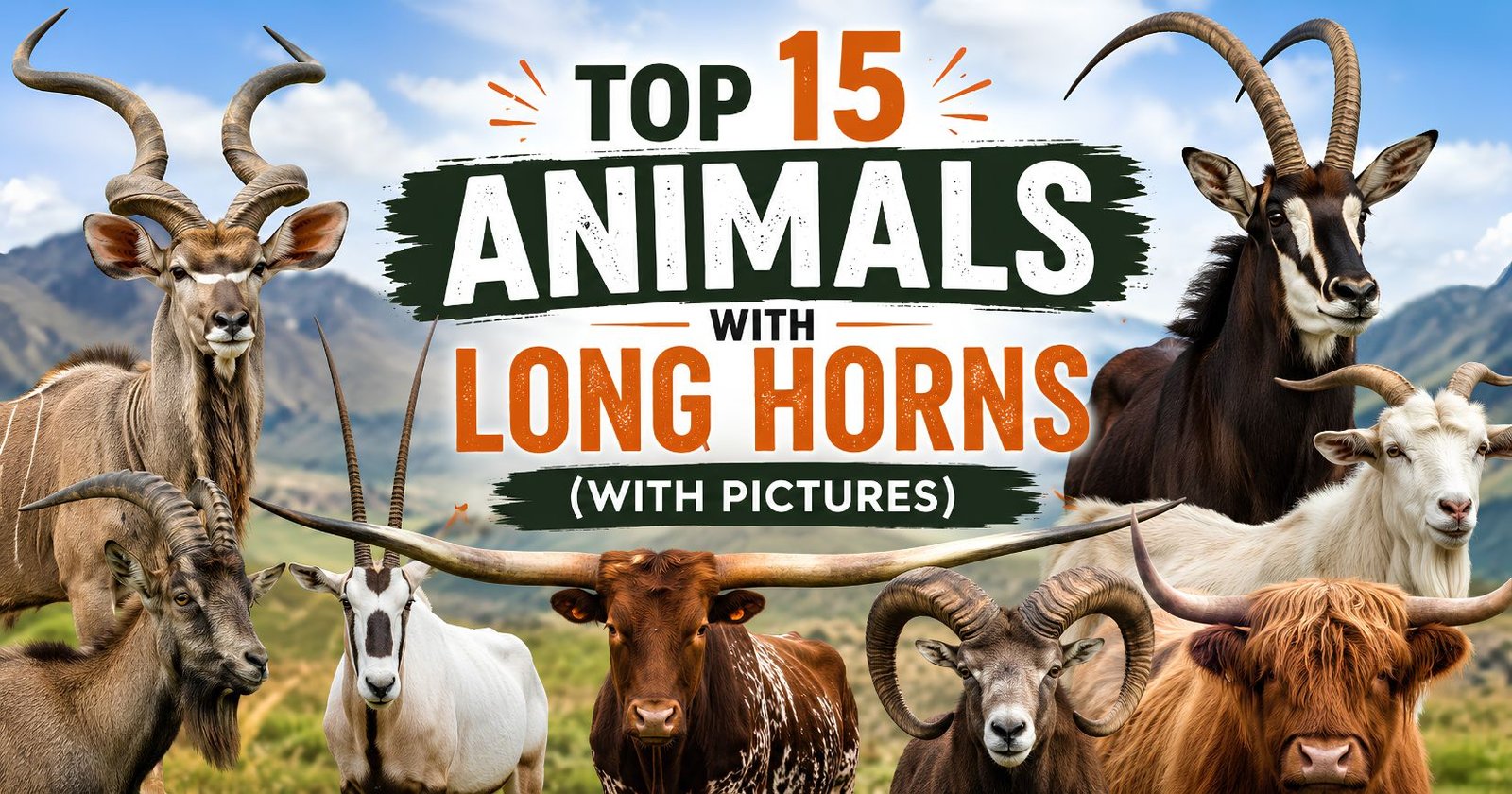
The sheer variety of long-horned animals is even more astonishing! We’ll introduce you to the top 15 animals with long horns, revealing the remarkable adaptations that help them thrive in their environments.
The fascinating traits and stories behind these creatures, you’ll see why understanding them is essential for conserving our planet’s biodiversity.
List of Animals with Long Horns
Below the list of animals with long horns:
- Springbok
- Texas Longhorn
- Giant Eland
- White Rhinoceros
- Ankole-Watusi
- Asian Water Buffalo
- Pronghorn
- Bighorn Sheep
- Wild Yak
- Greater Kudu
- Scimitar Oryx
- Markhor
- African Buffalo
- Sable Antelope
- Alpine Ibex
Springbok
Scientific Name: Antidorcas marsupialis
They are long-horned African animals with long horns and a captivating sight in arid environments. Known for their extraordinary agility, these antelopes can reach speeds of up to 55 miles per hour. Their remarkable ability to leap high and gracefully known as “pronking” plays a crucial role in both mating displays and evading predators.
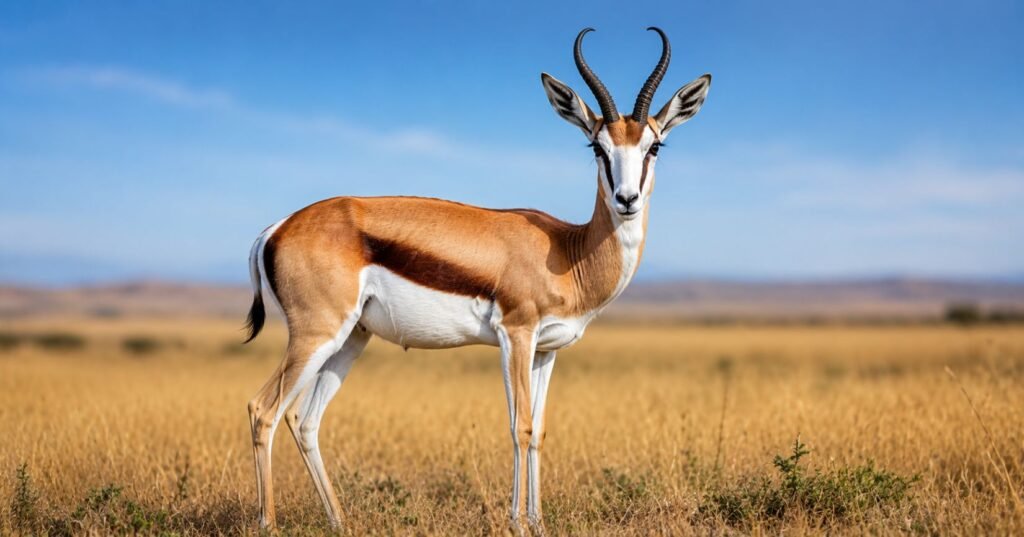
Observing this behaviour in the wild inspires a deep sense of wonder, as these animals navigate their harsh habitats with remarkable poise and speed. The Springbok, as a national symbol, represents the spirit of unity in South Africa, transcending the boundaries of sport and culture.
Texas Longhorn
Scientific Name: Bos taurus
They are known for their iconic sweeping horns, often making people wonder which animals with long horns. These impressive appendages can stretch over seven feet in length, creating a unique silhouette that is instantly recognizable.
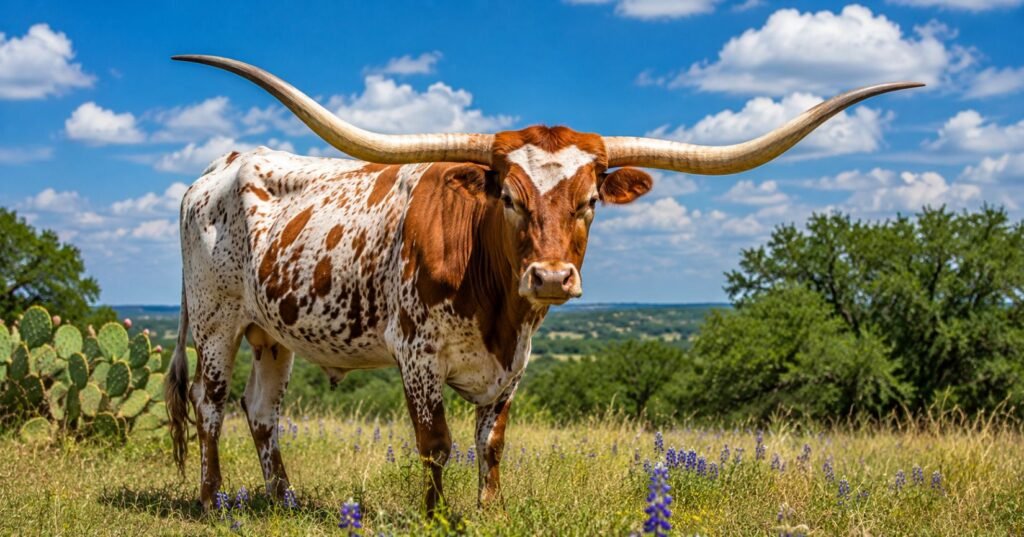
Originating from a mix of Spanish cattle brought to the Americas in the 1500s, they evolved to adapt to the rugged terrains and challenging climates of Texas, showcasing remarkable resilience that mirrors the enduring spirit of the state itself.
Giant Eland
Scientific Name: Taurotragus derbianus
They are often overlooked in discussions about Africa’s wildlife, yet they are impressive animals with long horns that hold the distinction of having some of the longest horns among all antelope species.
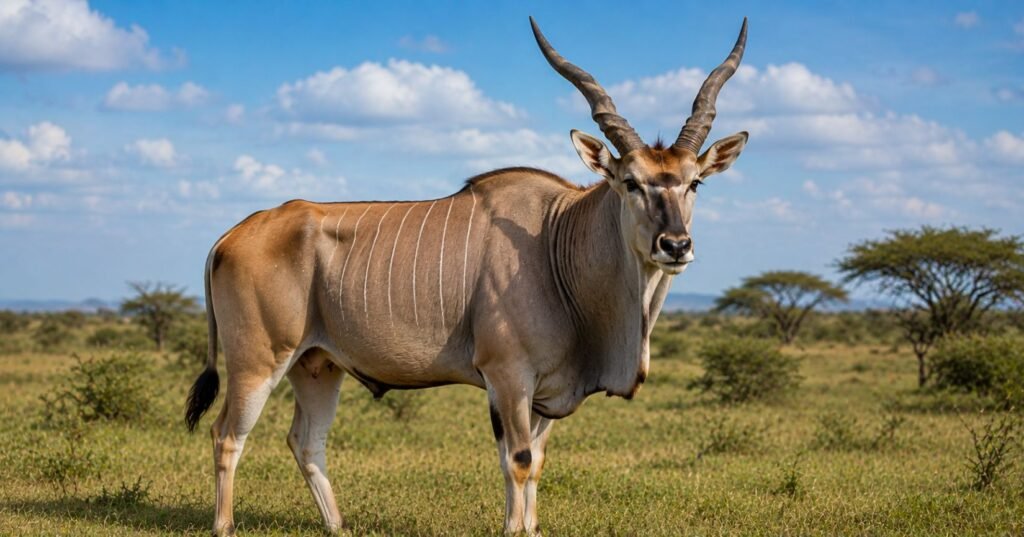
These majestic creatures display horns that spiral gracefully, reaching lengths of up to 39 inches, allowing them to stand out in both their natural habitat and the broader animal kingdom.
Their striking physical grandeur, combined with robust bodies weighing over 2,000 pounds, gives them an almost regal presence as they roam the savannas and woodlands of Central and West Africa.
White Rhinoceros
Scientific Name: Ceratotherium simum
These animals with long horns, towering and majestic, are symbols of Africa’s wilderness , a testament to nature’s resilience and fragility. They inhabit grasslands and savannas, where their square mouths are perfectly adapted for grazing on tough grasses. Their sheer size reaching up to 2,300 kilograms belies a vulnerability that demands urgent attention.
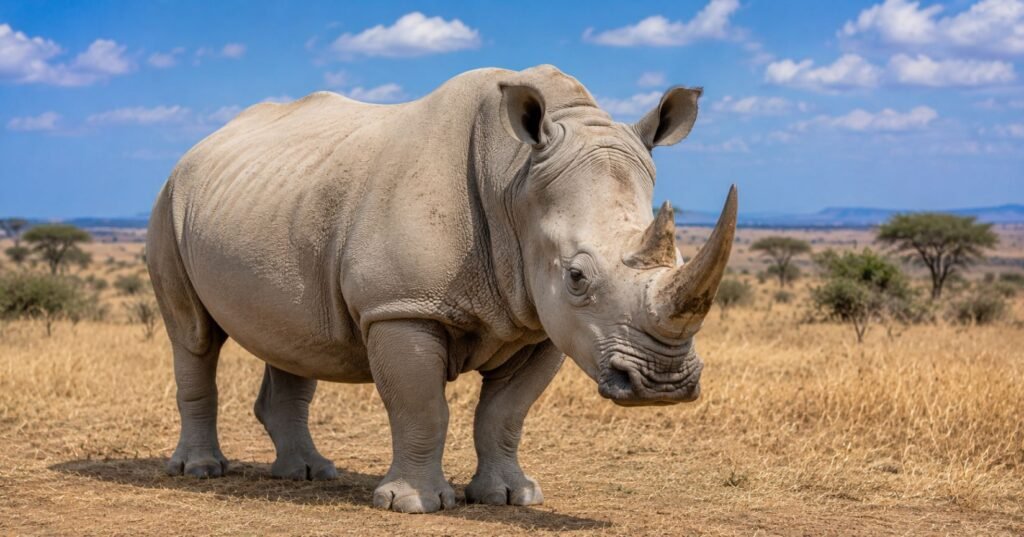
Despite significant conservation efforts, these creatures now stand at a critical crossroads, threatened by habitat encroachment and relentless poaching that fuels the illegal wildlife trade.
READ MORE: Top 17 Clumsy Animals in The World (With Pictures)
Ankole-Watusi
Scientific Name: Bos taurus
They are striking animals with long horns that captivate with their majestic beauty and deep cultural significance. Known for their impressive horns which can span up to 8 feet they hold the record for the longest horns among any cattle breed.
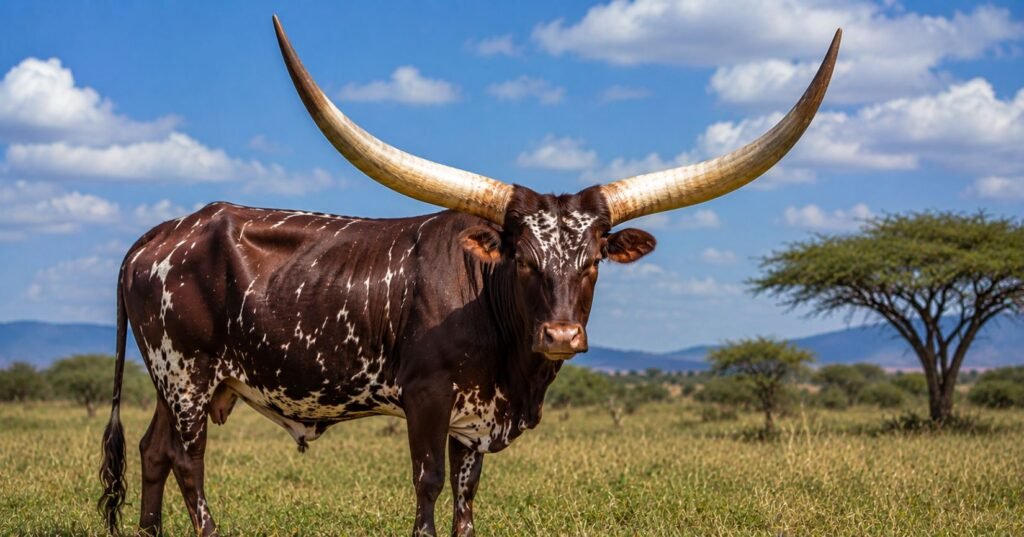
These remarkable appendages are not merely decorative; they play a crucial role in thermoregulation, allowing the Ankole-Watusi to thrive in the intense heat of the African savannah. The intricate, spiraled patterns of their horns showcase unique genetic traits refined over centuries.
Asian Water Buffalo
Scientific Name: Bubalus bubalis
They are often overshadowed by their African counterparts with impressive long horns, yet they possess a fascinating adaptability that highlights their remarkable resilience.
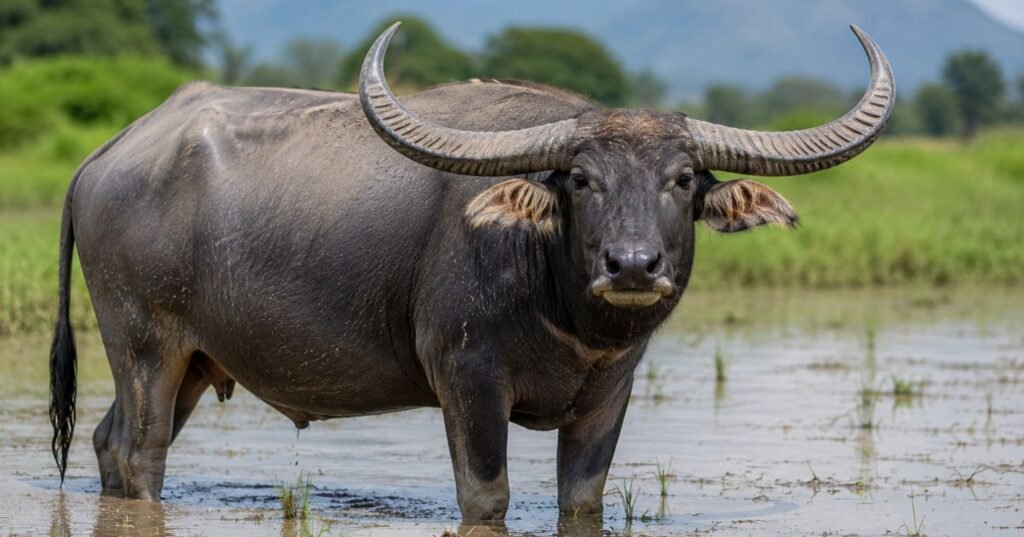
Unlike the iconic animals with long horns , they serve as vital assets in rural agricultural communities across Asia, valued for their ability to thrive in diverse environments. What’s truly remarkable is just their physical prowess, and their deep-rooted relationship with local cultures, embodying both strength and utility.
Pronghorn
Scientific Name: Antilocapra americana
They are often mistaken for antelopes, yet they hold a unique distinction as North America’s fastest land mammals, capable of reaching speeds of up to 60 miles per hour. Unlike Unlike animals with long horns that roam the savannas, these agile climbers navigate the rugged terrains of North America’s mountainous regions.
Their ability to scale steep cliffs is more than a simple survival tactic. Unlike animals with long horns that roam the savannas, these agile climbers navigate the rugged terrains of North America’s mountainous regions.
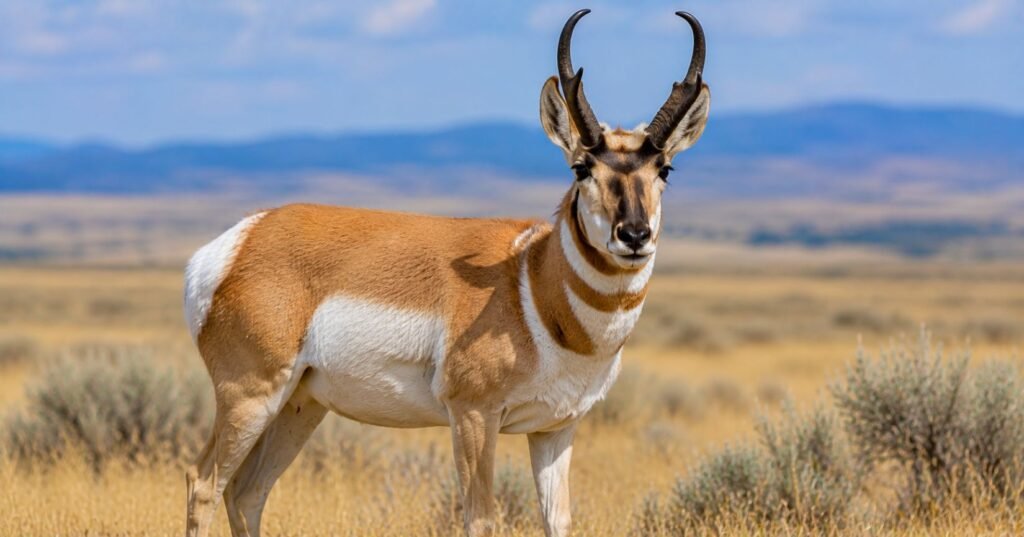
These swift creatures have evolved to thrive in the vast, open landscapes of the American West, where their exceptional speed and keen eyesight play a crucial role in evading predators.
Bighorn Sheep
Scientific Name: Ovis canadensis
They are characterized by their impressive curled horns, standing as a testament to nature’s artistry. Unlike animals with long horns that roam the savannas, these agile climbers navigate the rugged terrains of North America’s mountainous regions.
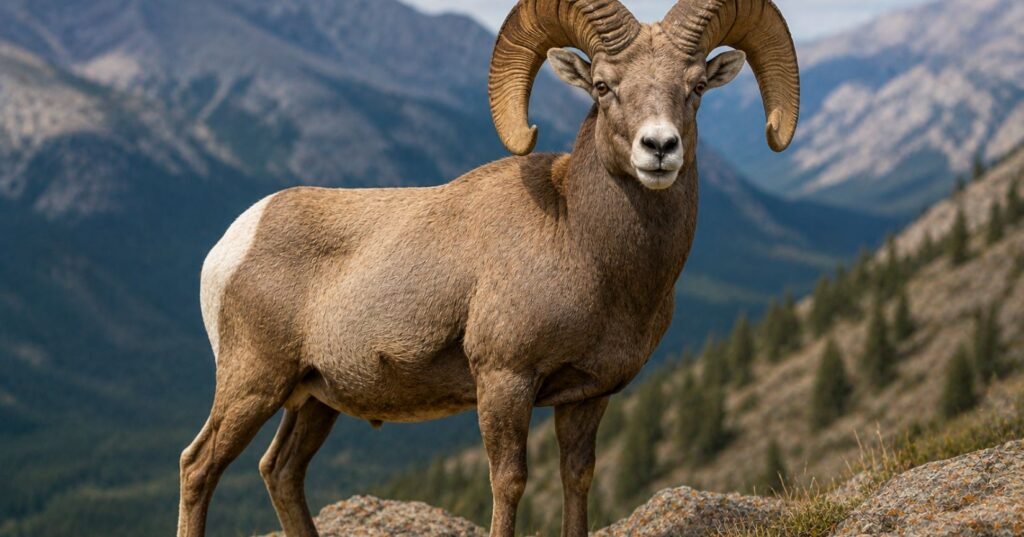
Their ability to scale steep cliffs is more than a simple survival tactic it is a striking example of evolution in action, highlighting their extraordinary agility and strength. Watching a ram ascend a rocky ledge reveals the raw power and grace inherent in animals with horns.
ALSO READ: Explore 14 Most Dangerous Animals in Puerto Rico (With images) in 2026
Wild Yak
Scientific Name: Bos mutus
The wild yak, a formidable long-horned Asian animal, roams the rugged landscapes of the Tibetan Plateau, showcasing one of nature’s most impressive adaptations. With its towering, curved horns and thick, shaggy coat, the wild yak has evolved to thrive in one of the harshest climates on Earth.
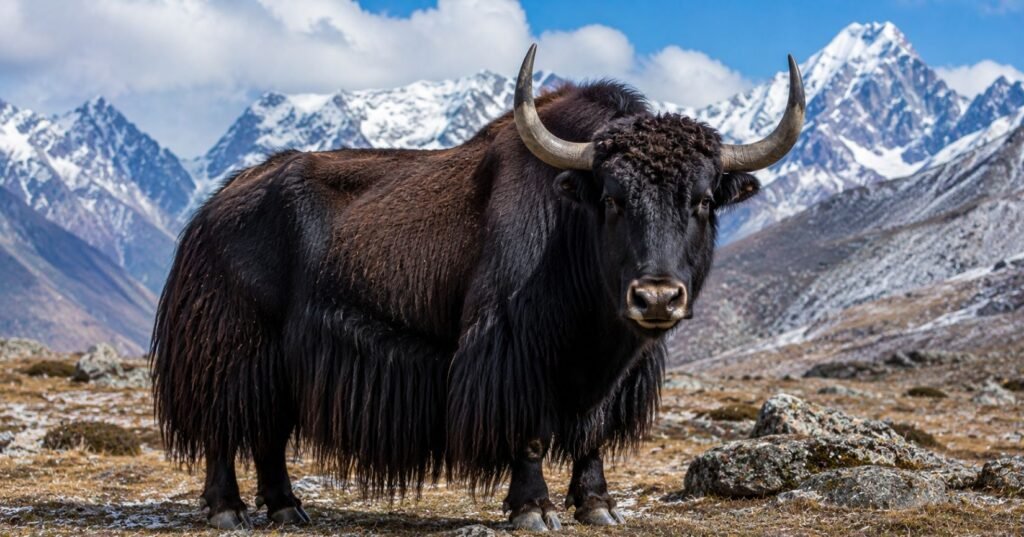
This resilient creature is more than just a survivor it plays a crucial role in the ecosystem, helping sustain the biodiversity of its high-altitude home. These majestic animals communicate through a range of vocalizations and body language, reflecting a level of intelligence that is often underestimated.
Greater Kudu
Scientific Name: Tragelaphus strepsiceros
Among the animals with long horns, it stands out for its impressive antlers as well as its grace and agility. Adult males boast spiraled horns that can reach lengths of up to 72 inches, creating a striking presence against the African savannah.
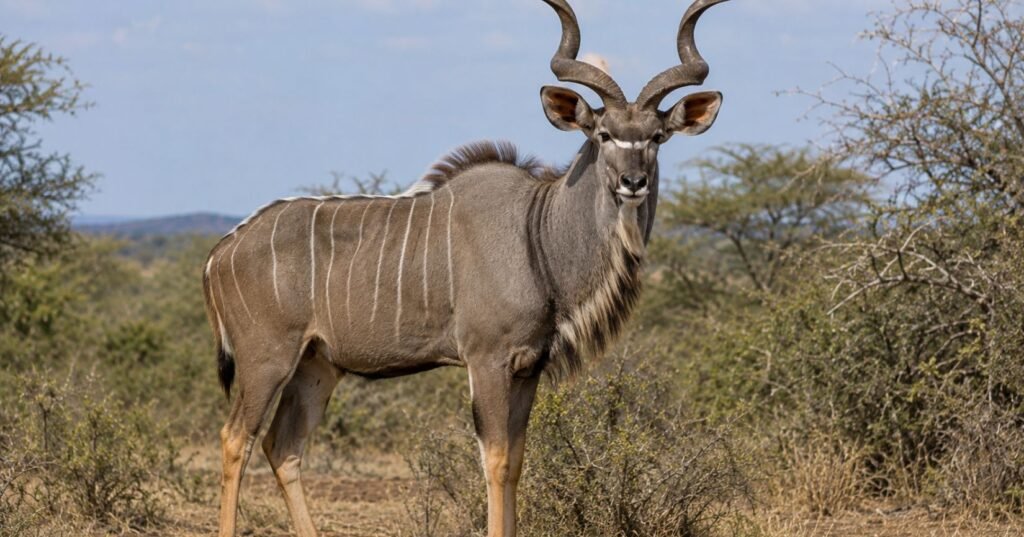
These magnificent antlers, while primarily a physical feature, play a crucial role in the kudu’s social dynamics, being central to mating displays and establishing dominance among competing males.
Scimitar Oryx
Scientific Name: Oryx dammah
These striking long-horned African animals display one of nature’s most beautiful adaptations. With their elegant curved horns stretching over three feet, they are not only visually captivating but also a testament to survival in harsh environments.
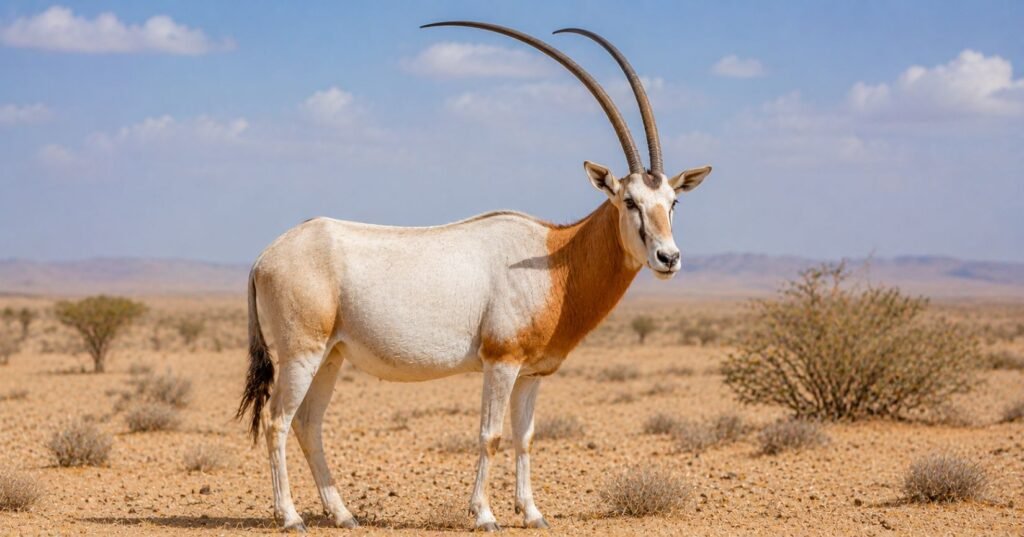
Once thought to be extinct in the wild, successful reintroduction efforts offer hope for conservation. These animals once roamed vast arid plains, perfectly adapted to thrive in the challenging conditions of the Sahara Desert.
READ ALSO: Top 20 Animals With Long Tails – Names & Pictures Guide
Markhor
Scientific Name: Capra falconeri
These impressive animals with long horns are notable for their magnificent twisted horns and remarkable adaptability to rugged terrains. Found primarily in the mountainous regions of Pakistan and Afghanistan, they thrive in steep, rocky environments where few other animals can navigate.
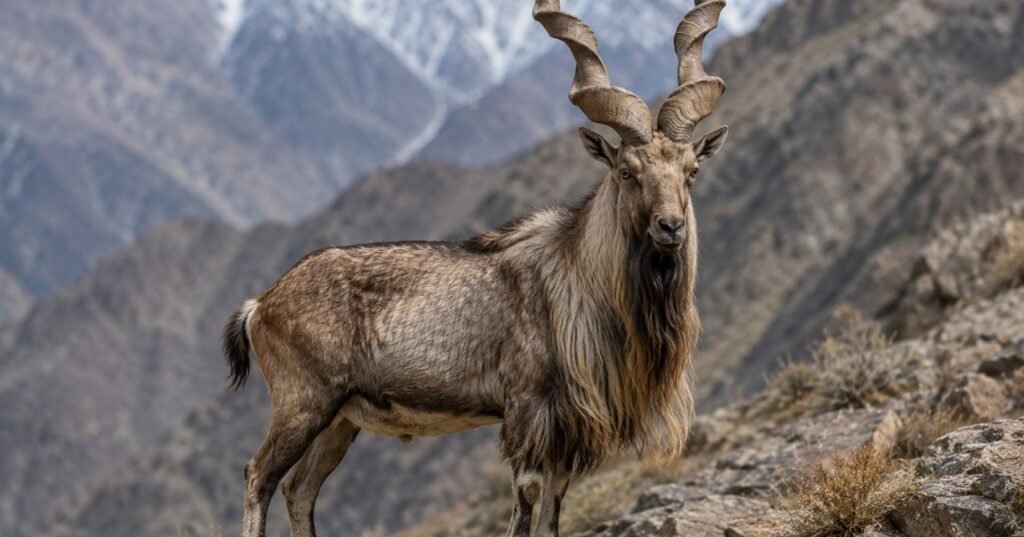
Their unique physical attributes, including a muscular build and agile limbs, enable them to evade predators while foraging for foliage and shrubs.
African Buffalo
Scientific Name: Syncerus caffer
These African buffaloes, often overshadowed by more glamorous counterparts in the African savanna, are remarkable creatures in their own right. Known for their formidable long horns that curve impressively from their heads, they are iconic symbols of the wild and play a crucial role in the ecosystem.
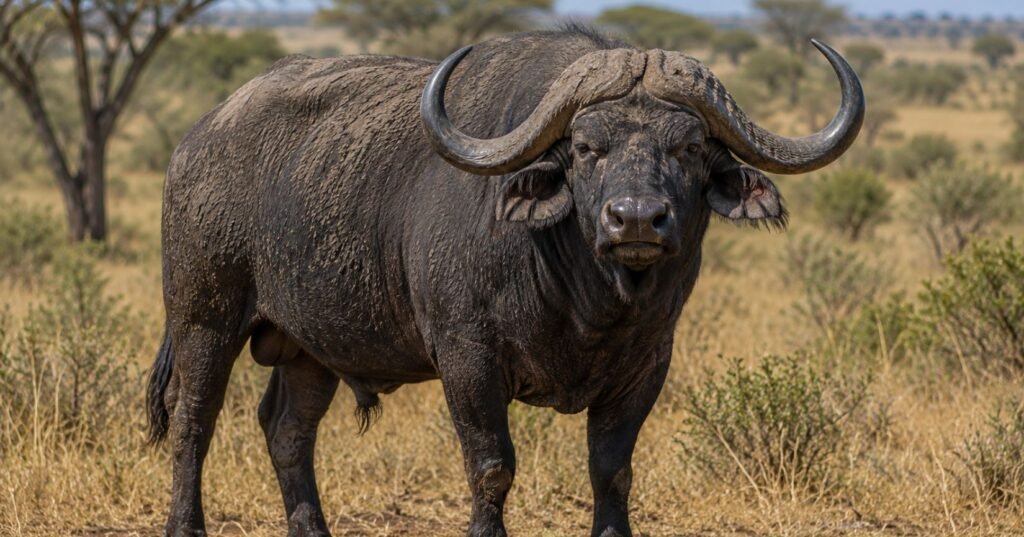
With their robust frames and strong herd instincts, they have developed a unique social structure that emphasizes cooperation, showcasing a complex interplay of individual roles within the herd.
READ MORE: Interesting Top 20 Most Docile Animals in the World (With Images)
Sable Antelope
Scientific Name: Hippotragus niger
These striking African animals with long horns are natural marvels and emblems of resilience in the wild. They boast impressive crescent-shaped horns that can reach lengths of up to 3 feet, making them a standout feature in any savanna landscape.
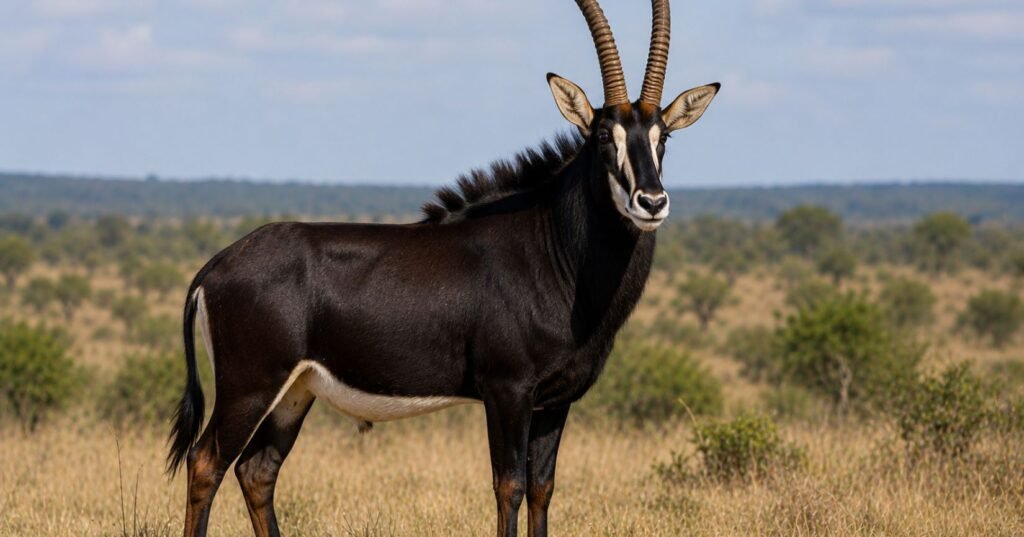
Their bold, dark coats contrast beautifully with the golden grasses of their habitat, creating a breathtaking spectacle for wildlife enthusiasts and photographers alike.
Alpine Ibex
Scientific Name: Capra ibex
They stand out in the animal kingdom for their remarkable ability to navigate steep, rocky terrains and for their impressive curved horns, which can grow up to 1 meter long, ranking among the longest horns in the animal kingdom.
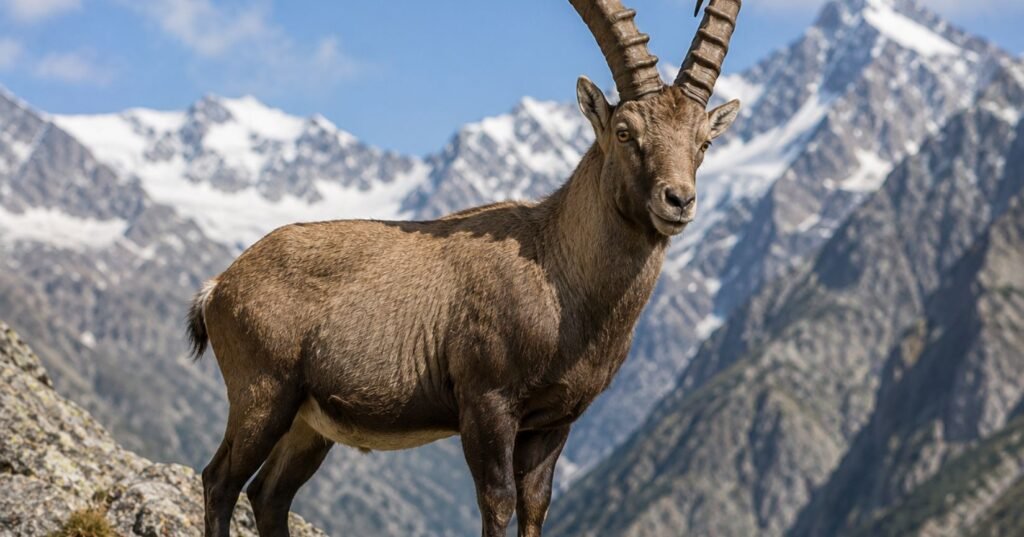
With unique adaptations that allow them to thrive in harsh alpine environments, they are a testament to nature’s ingenuity. Male ibexes use their formidable horns in breathtaking head-butting contests, which serve to establish dominance and attract mates a spectacular display of their strength and agility.
READ MORE: Top 20 Sneaky Animals In The World (Images Included)
Conclusion
The world of animals with long horns is as fascinating as it is diverse. From the majestic longhorn steer to the striking Arabian oryx, each species displays unique adaptations and characteristics that highlight the wonders of nature.
These animals with long horns contribute to their ecosystems and capture our imagination with their impressive features. Learning about them deepens our appreciation for wildlife and the intricate roles each creature plays.
FAQs
Which Animal has a long Horn?
These antelopes, native to the arid regions of Africa and the Arabian Peninsula, possess striking, straight horns that can grow up to 3 feet long.
What kind of Animal is a long Horn?
The term “longhorn” typically refers to the Texas Longhorn, a breed of cattle known for its distinctively long and curved horns that can span up to seven feet.
What Animal has One Long Horn?
The animal most commonly associated with having one long horn is the unicorn, a mythical creature often depicted as a horse with a single spiraling horn protruding from its forehead.
What Animals have Very Long Horns?
The oryx, a type of antelope found in arid regions of Africa and the Arabian Peninsula. Oryx horns can reach lengths of up to 39 inches and are stunning and serve as a defense mechanism against predators.
Which Animal doesn’t Fear Humans?
Many animals exhibit little to no fear of humans, often because they have adapted to living in close proximity to us. One of the most notable examples is the common urban pigeon.