14 Cute And Unique Animals with Big Eyes (With Pictures)
Big eyes can be both cute and fascinating. This piece takes you through 14 incredible Animals with Big Eyes, revealing why their unique features matter in the animal kingdom. With stunning pictures and fascinating facts, you’ll learn about which land animal has the largest eyes, their habitats and behaviors. Prepare to be amazed by the beauty and wonder of these extraordinary creatures.
List of Animals with Big Eyes
Here is the list of some primate with big eyes in the world:
| Number of Animals | Names of Animals with Big Eyes |
|---|---|
| 1 | Slow Loris |
| 2 | Tree Frog |
| 3 | Sphynx Cat |
| 4 | Aye-aye |
| 5 | Giant Squid |
| 6 | Swordfish |
| 7 | Owl |
| 8 | Tarsier |
| 9 | Chameleon |
| 10 | Lemur |
| 11 | Bushbaby |
| 12 | Rabbit |
| 13 | Pygmy Marmoset |
| 14 | Ostrich |
Slow Loris
Scientific name: Nycticebus coucang
Class: Mammalia
Diet: Omnivore
It is a special primate with big eyes found in Southeast Asia, known for its big, captivating eyes that help it see at night. These big eyes allow the slow loris to find food like fruits, nectar, and insects in the dark forests where it lives.
They look cute and innocent, slow lorises have a surprising feature: they can secrete toxins from their elbows.
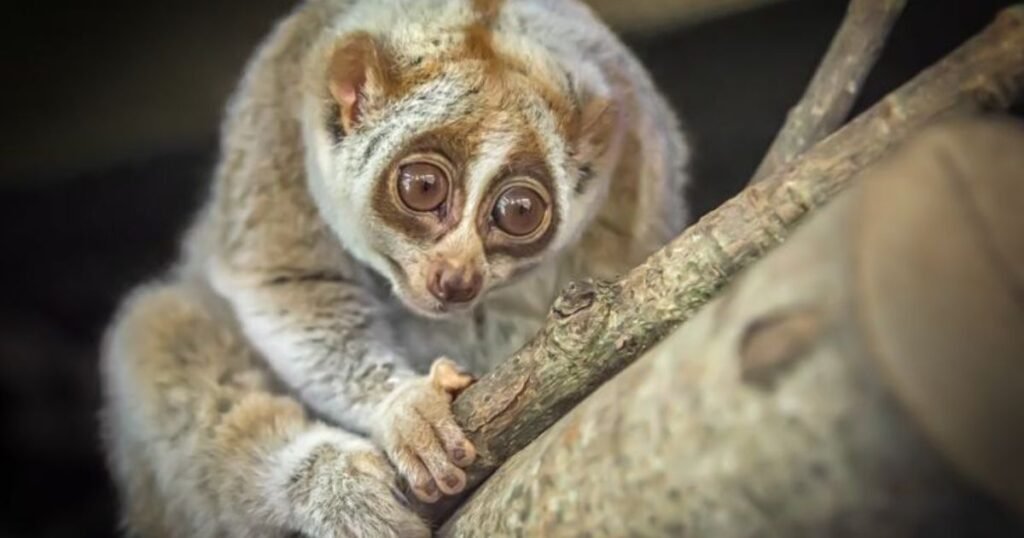
This means they can defend themselves if needed, making them both adorable and a bit dangerous. Sadly, their unique traits have made them targets in the illegal pet trade, which is why it’s important to protect them. Conservation efforts are crucial to help keep slow lorises safe in their natural homes.
Tree Frog
Class: Amphibia
Diet: Carnivore
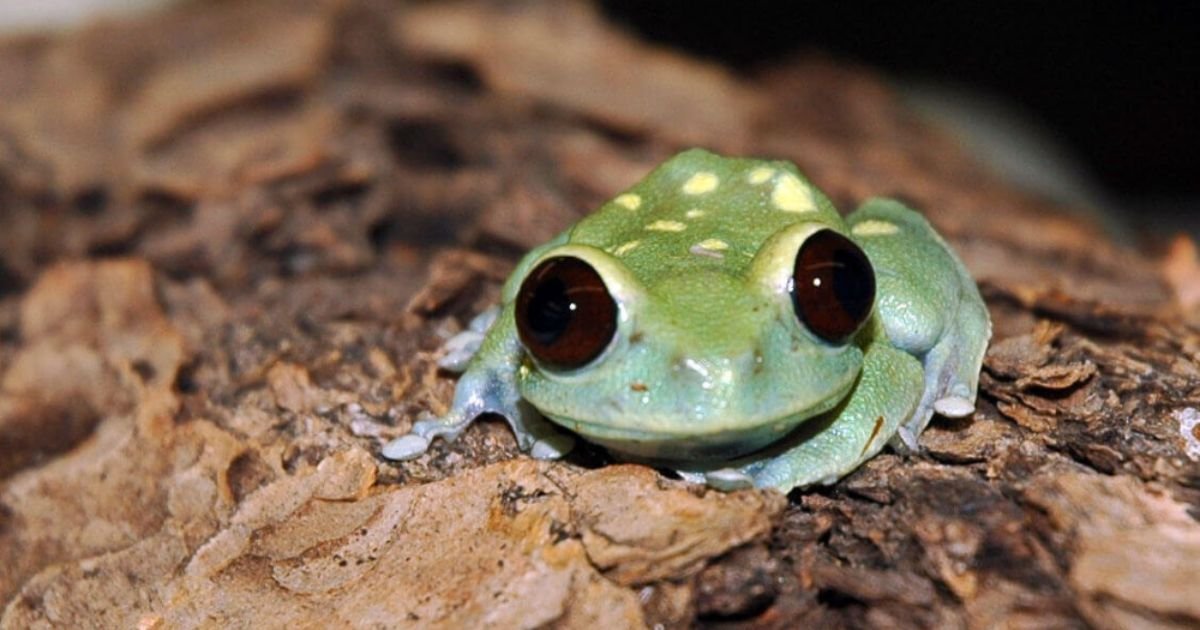
These are fascinating creatures that live in trees and are known for their big eyes. These large eyes help them see better, so they can spot both predators and potential mates easily. Thanks to their good vision, tree frogs can notice even small movements in their environment, which helps them stay safe.
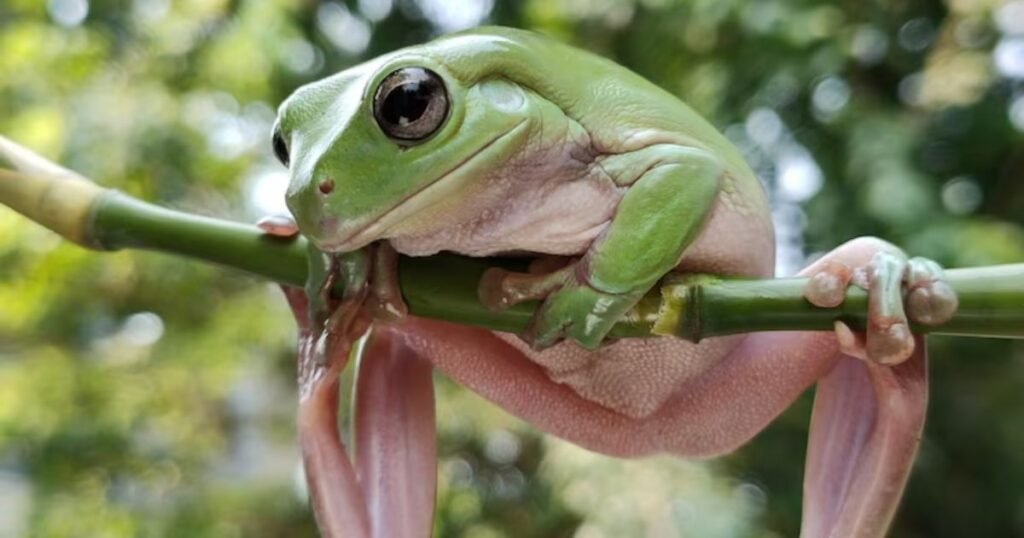
The colors of a tree frog’s eyes often match their bright skin, making them look even more beautiful. This clever coloring also helps them hide from danger. When they sit on a green leaf, their eyes blend in, making it harder for other animals to find them. This way, tree frogs can enjoy their home in the trees while staying protected.
Sphynx Cat
Class: Mammalia
Diet: Carnivore
It is a unique and interesting pet, famous for its hairless body and big, expressive eyes. These eyes are charming but also show how curious and smart these cats are. Their playful nature often leads them to explore and sometimes escape, looking for fun adventures.
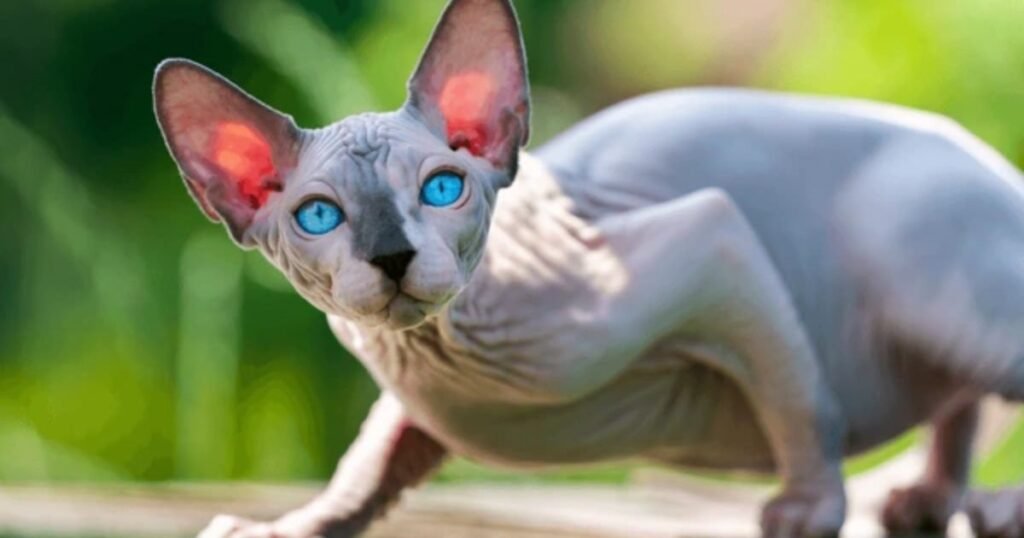
With their large eyes, Sphynx cats seem to have a lot of personality. They are known to be friendly and affectionate, making them wonderful companions. Each glance from their big eyes can show their quirky charm, making it easy to fall in love with them.
Aye-aye
Scientific name: Daubentonia madagascariensis
Class: Mammalia
Diet: Omnivore
It is a unique primate found only in Madagascar, known as big eye animals that help it see in the dark. These large eyes are crucial for spotting food and avoiding danger at night. It has a long middle finger, which it uses to tap on trees.
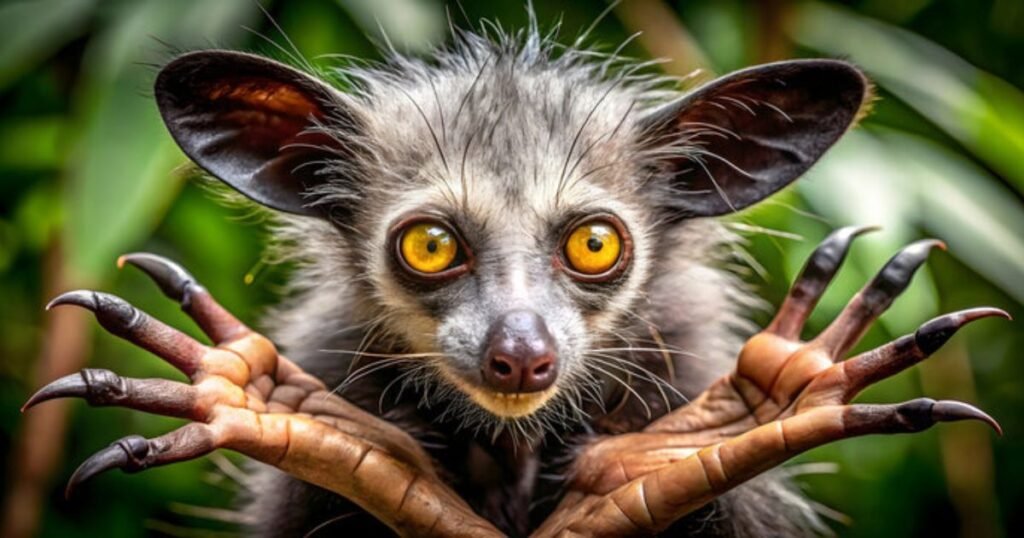
This special method, called percussive foraging, helps it find insects hiding under the bark. By listening for sounds and feeling vibrations, the aye-aye can locate its dinner. Its strange look and clever ways show how animals adapt to their environments.
Giant Squid
Scientific name: Architeuthis dux
Class: Cephalopoda
Diet: Carnivore
It is scientifically known as Architeuthis dux, lives deep in the ocean and has some incredible features. Its eyes are almost as big as basketballs, which helps it see in the dark waters where light is scarce. These large eyes allow the squid to find food and notice any dangers around it, including glowing creatures.
This amazing adaptation shows how the giant squid has evolved over time to survive in such a challenging environment. Similar adaptations can be seen in other deep-sea animals, making it clear that life in the deep ocean is full of surprises.
The giant squid, with its huge eyes and elusive nature, is just one of the fascinating mysteries of our oceans.
Read More: Top 14 Raccoon Like Mammal You Didn’t Know Existed
Swordfish
Scientific name: Xiphias gladius
Class: Actinopterygii
Diet: Carnivore
Swordfish are fascinating creatures known for their long, sharp bills and big eyes. These large eyes help them see well in the deep, dark ocean where they hunt for food. With strong bodies, they mainly eat fast-moving fish and squid.
Their big eyes let them spot prey and help them judge distances accurately. This ability is key when they make quick strikes to catch their dinner.
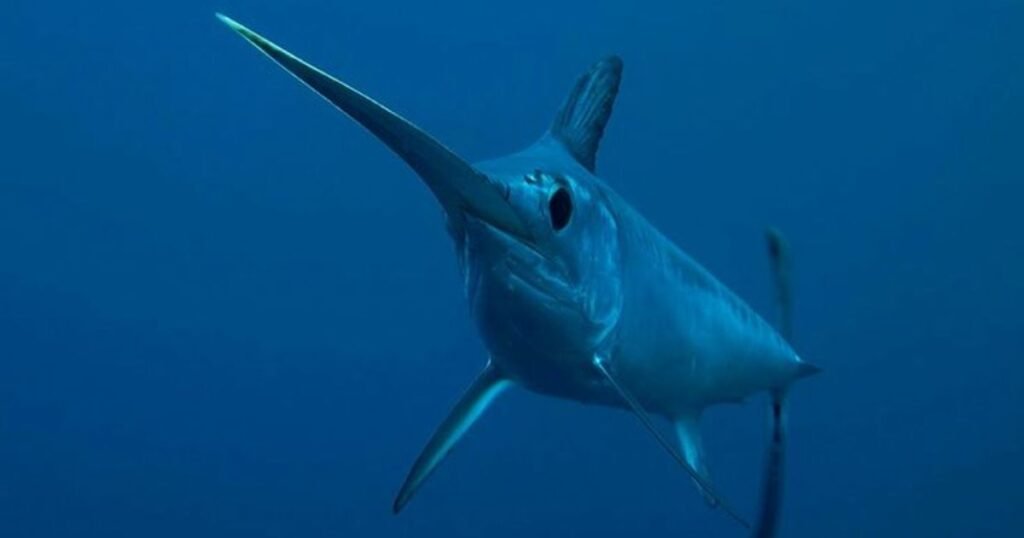
These are impressive predators, showcasing how nature adapts animals for survival in their environments. Their eye structure is just one example of how evolution shapes the marine world.
Owl
Scientific name: Strigiformes
Class: Aves
Diet: Carnivore
These are fascinating creatures known for their large, striking eyes that help them see well in the dark. These big eyes are specially designed for low-light conditions, allowing owls to spot their prey during twilight hours when many animals are active.
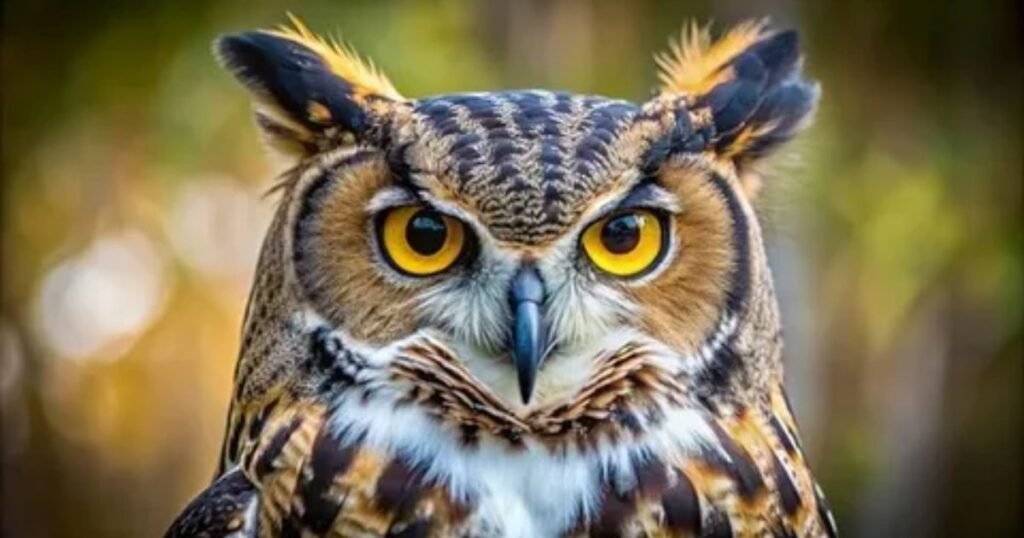
Because their eyes are fixed in their sockets, owls can turn their heads up to 270 degrees to get a full view of their surroundings. These are also equipped with many rod cells in their retinas, which gives them excellent night vision.
The color of an owl’s eyes can indicate when they are most active; for example, yellow-eyed owls usually hunt at night, while darker-eyed ones may be more active during the day.
Tarsier
Scientific name: Tarsius
Class: Mammalia
Diet: Carnivore
These are small primates found in Southeast Asia, famous for their huge eyes that can be over 16 millimeters wide. These big eyes help them see well in the dark, as they are active at night. Tarsiers mainly eat insects and small animals, using their sharp eyesight to hunt.
Even though they are fascinating to watch, tarsiers are not very social and usually like to be alone. Their unique appearance and behavior make them really interesting to study and observe. These are special creatures that perfectly fit their nighttime jungle homes.
Read More: Discover 8+ Mammals That Cannot Jump (With Pictures)
Chameleon
Scientific name: Chamaeleonidae
Class: Reptilia
Diet: Carnivore
These are amazing reptiles known as big eyed animals and have ability to change colors. Their eyes can move separately, giving them a nearly full view of everything around them. This helps them spot both predators and prey, making them skilled hunters.
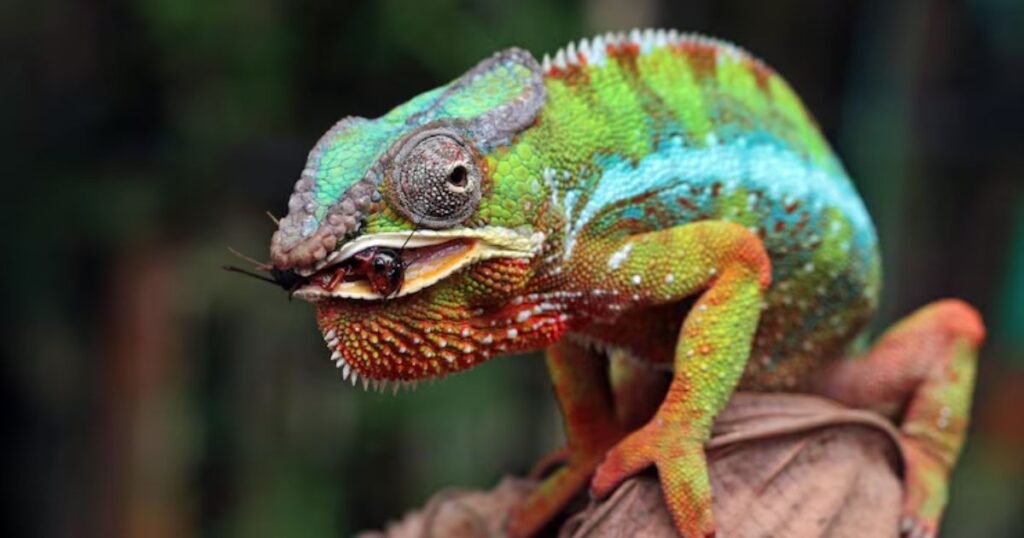
Besides seeing well, chameleons use their eyes to communicate with each other through small movements. They also catch insects using their long, sticky tongues. This mix of cool features shows how chameleons have adapted to survive, and to thrive in their environment. Their unique abilities make them special in the animal kingdom.
Lemur
Scientific name: Lemuroidea
Class: Mammalia
Diet: Omnivore
These are unique animals found only in Madagascar, known as big eyed animals. These large eyes help them see well at night when they look for food like fruits and leaves. Their fascinating gaze looks amazing and helps them connect with other lemurs.
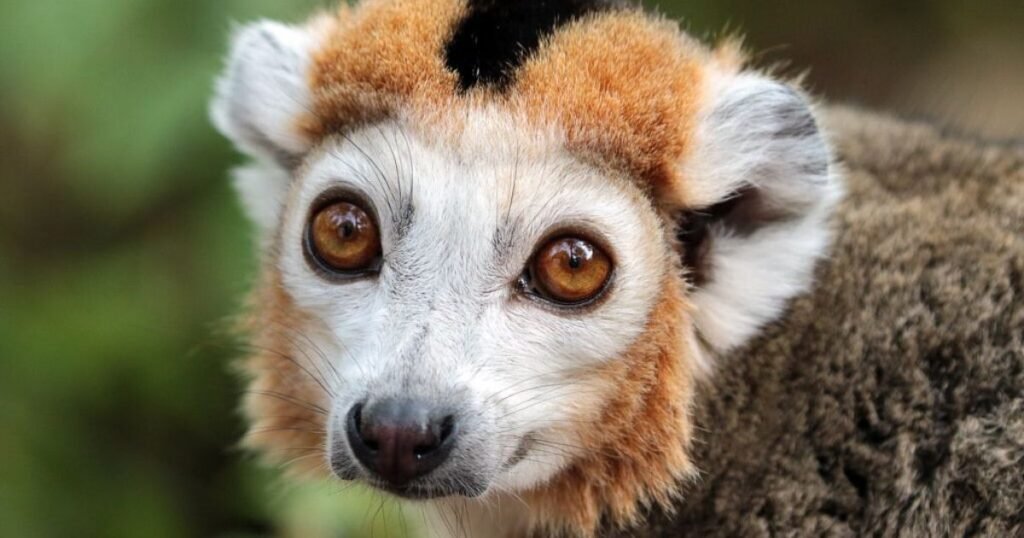
Lemurs use their eye contact to show different feelings, like playfulness or curiosity. As we learn more about these adorable creatures, we also realize how important it is to protect their homes and habitats. By saving lemurs, we help keep the balance of nature intact.
Bushbaby
Class: Mammalia
Diet: Omnivore
It is also known as a galago, is a small nocturnal primate with big, round eyes that help it see well in the dark. These large eyes can be half its face size, making it perfect for exploring its forest home at night. Along with their fantastic vision, bushbabies have an excellent sense of hearing to find insects and fruits hidden in the trees.
Their cute appearance, bushbabies are very agile and can leap up to ten times their body length. This skill helps them escape from predators while navigating through the trees. Their expressive eyes also reflect their feelings and social behavior, showing how evolution has shaped them for survival in the wild.
Read More: Top 12 Animals with Shells: Names, Facts, and Pictures
Rabbit
Scientific name: Oryctolagus cuniculus
Class: Mammalia
Diet: Herbivore
These are known for their cute floppy ears and twitching noses, but their big eyes are even more impressive. These large eyes are placed on the sides of their heads, giving them a wide view of their surroundings. This helps them spot predators before it’s too late, which is essential for their survival in the wild.
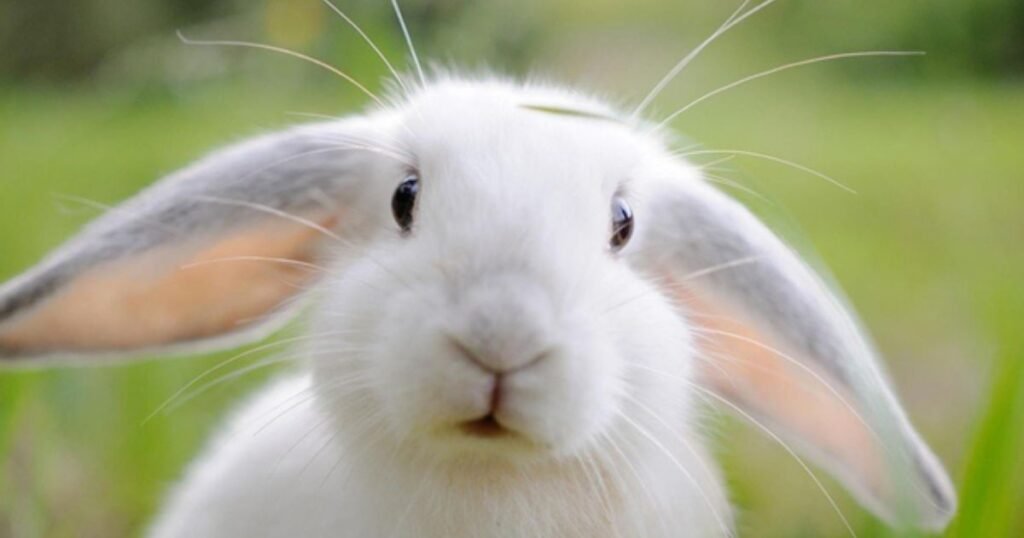
Besides being useful for spotting danger, a rabbit’s eyes also show how they feel. When they are happy or relaxed, their eyes look bright. But if they’re scared, their pupils get bigger.
This helps rabbits see better in low light, allowing them to feed safely during dawn and dusk while staying away from threats.
Pygmy Marmoset
Scientific name: Cebuella pygmaea
Class: Mammalia
Diet: Omnivore
It is often called the “finger monkey,” is one of the smallest monkeys in the world and known as big eye animals. With its big, bright eyes, it can see very well in the dark, which helps it find food like insects and fruits when the sun goes down. These adorable creatures live in family groups and use high-pitched sounds to talk to each other.
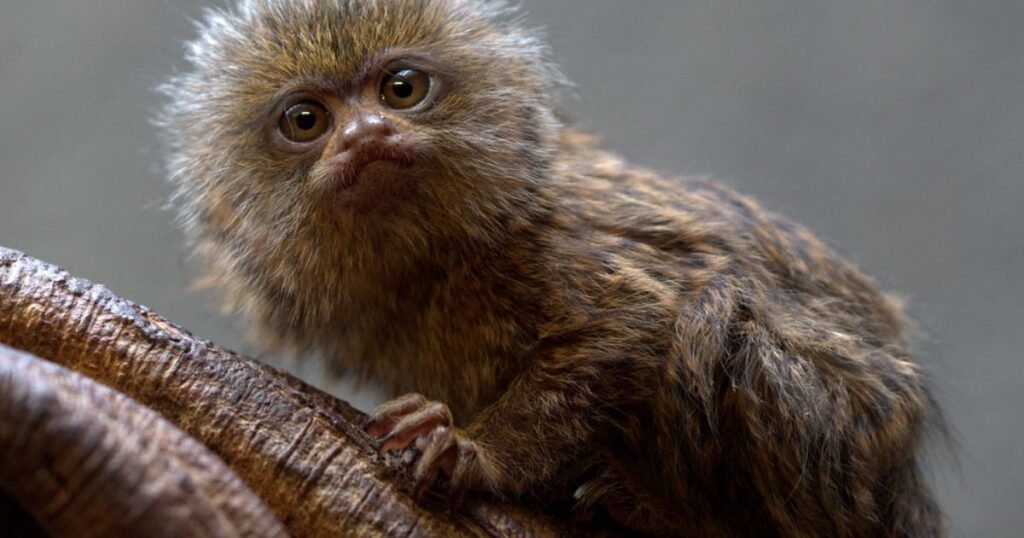
Their large eyes are not just cute; they help with both finding food and building strong bonds with their family. By seeing well in their leafy homes, pygmy marmosets can move easily through the trees and stay close to their loved ones. Their social skills and unique appearance make them special animals!
Ostrich
Scientific name: Struthio camelus
Class: Aves
Diet: Omnivore
These are the largest flightless birds in the world, and they have huge eyes that are about two inches wide. These big eyes help them see their surroundings well and spot predators from far away. Because their eyes are high on their heads, they can look around without moving much, giving them a broad view of the plains they live in.
Instead of flying away, ostriches are fast runners and can reach speeds of over 40 miles per hour. Their keen eyesight helps them react quickly to dangers and stay safe.
Read More: Top 18 Animals With 2 Legs: Complete List Pictures
Final Words
Animals with Big Eyes are captivating and play important roles in their environments. From the adorable tarsier to the majestic owl, these creatures remind us of the amazing diversity of life on our planet. Their large eyes help them see better in low light and make them look incredibly cute.
Next time you’re exploring nature or observing wildlife, take a moment to appreciate these fascinating animals. We encourage you to learn more about Animals with Big Eyes and discover the wonders they hold.
FAQ’s
What Animals Have Big Eyes?
Animals like owls, tarsiers, and certain species of deep-sea fish are known for their big eyes. These large eyes help them see better in low-light conditions, making it easier for them to hunt or navigate in their environments.
Are Big Eyes Cute?
Yes, big eyes are often considered cute. They can give a sense of innocence and make animals appear more expressive, which many people find endearing.
Which Animal Has the Largest Eyes?
The animal with the largest eyes relative to its body size is the vampire squid. Its enormous eyes help it see in the dark depths of the ocean, where light is scarce.
Why Do Animals Have Large Eyes?
Animals with large eyes often appear cuter and more appealing to humans, a phenomenon known as kindchenschema. This trait triggers nurturing instincts in us, making us more likely to care for them.