Explore Top 15 Most Anxious Animals In The World (With Pictures)
Imagine living your life in constant fear, this is the reality for some of the world’s animals. Anxiety isn’t just a human condition; numerous species exhibit extreme anxiety that shapes their behavior and habitats.
Lets explore top 15 most anxious animals, shedding light on why they are wired this way and how it impacts their interactions with the world.
List of 15 Most Anxious Animals
Following is the list of most anxious animals in the world.
- Dog
- Cat
- Horse
- Rabbit
- Deer
- Guinea pig
- Hamster
- Parrot
- Chimpanzee
- Elephant
- Dolphin
- Fox
- Sheep
- Goat
- Zebra
Dog
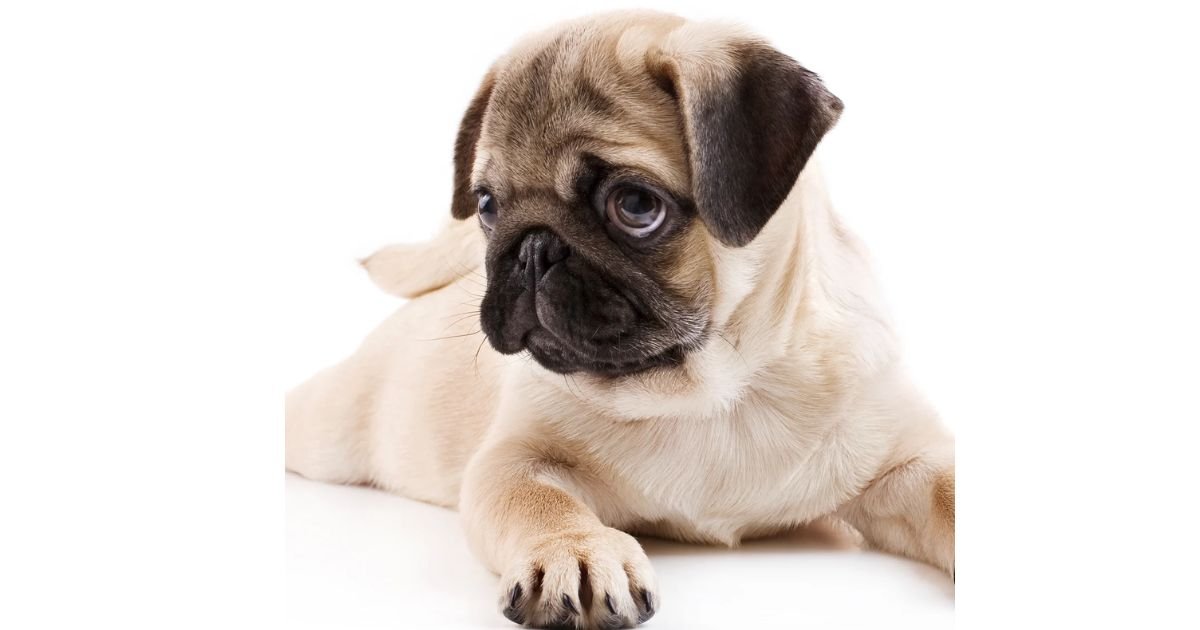
Dogs often find themselves among the most anxious animals, grappling with a variety of stressors ranging from environmental changes to separation from their owners. Their acute sensitivity to human emotions and surroundings make them particularly vulnerable to anxiety.

A dog’s instinctive nature compels them to read body language and vocal tones, meaning that even subtle shifts in their owner’s mood can trigger unease. This emotional attunement is a double-edged sword; while it enhances the bond between dog and owner, it also leads to a heightened state of alertness that can spiral into anxiety.
Moreover, certain breeds are predisposed to anxiety, exhibiting behaviors that clearly signal their internal struggles. For instance, breeds like Border Collies and Dachshunds often take on overwhelming responsibility for their surroundings, enabling a cycle of anxiety and restlessness.
Cat
Cats are often seen lounging in sunbeams or perched serenely in windows, but beneath that composed exterior lies a complex emotional landscape fraught with anxiety. Unlike dogs, whose loyalty often drives their responses, cats are inherently designed for survival and tend to be more sensitive to changes in their environment.
Sound is another significant trigger for anxious cats; even the subtlest of noises—a car horn or a door creaking—can send them into a tailspin of worry. This heightened sensitivity means that their environment must be meticulously curated to foster a sense of security. Incorporating vertical spaces, safe hiding spots, and interactive play can transform a terrified cat into a more confident one.
Horse
Horses, often seen as majestic creatures of grace and power, grapple with anxiety more than many realize. As prey animals, their instincts are finely tuned to detect threats in their environment. This heightened sensitivity means that even subtle changes — a rustle in the bushes or the arrival of a new scent — can trigger considerable stress.
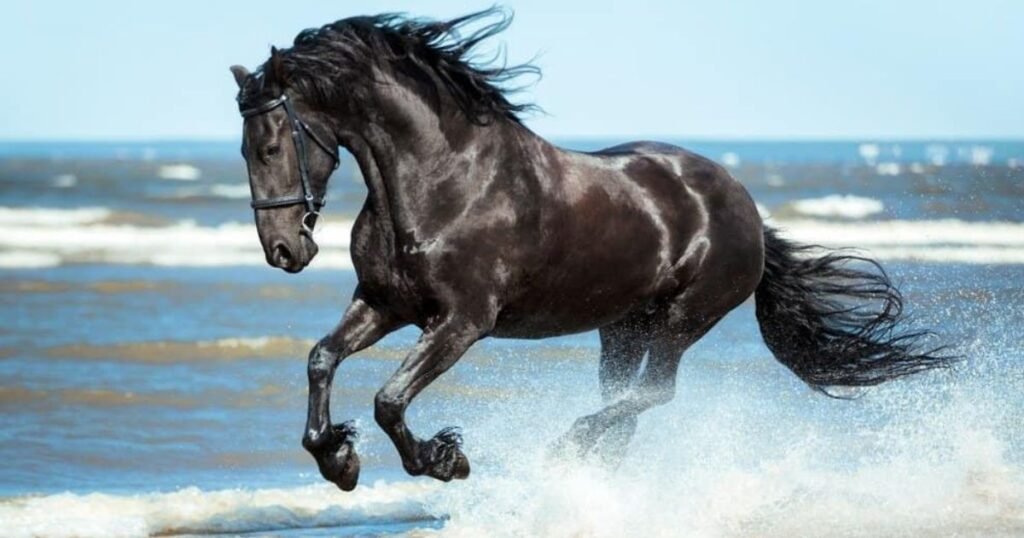
Their acute ability to sense emotional shifts in humans adds another layer; a nervous rider can inadvertently escalate a horse’s unease, creating a feedback loop of anxiety.
The social structure of horses can further complicate their emotional landscape. These highly social animals thrive in herds, where companionship offers a sense of security. Isolation, whether through separation during training or lack of social interaction, can lead to profound anxiety, manifesting as behaviors like pacing or excessive whinnying.
Rabbit
Rabbits are often among the most anxious animals, displaying a range of behaviors that reflect their sensitive natures. This anxiety stems from their innate position as prey animals; in the wild, a rabbit’s survival hinges on its ability to detect and escape predators.
As a result, they possess keen senses and heightened awareness, leading them to react dramatically to changes in their environment—be it a loud noise or unfamiliar presence. Whether it’s thumping their hind legs as a warning signal or freezing in place, these behaviors are instinctual survival tactics.
Domesticated rabbits often exhibit anxiety even in safe environments. Stressors such as sudden movements, loud sounds, or new household changes can trigger panic responses. They may resort to excessive grooming or chewing, actions that can lead to health issues over time.
Deer
Deer, often seen gracefully bounding through the woods, are among the most anxious animals in the wild. Their heightened sensitivity to their environment is a result of evolutionary adaptations that prioritize survival. With large, expressive eyes and keen senses, deer can detect the faintest sounds and movements, allowing them to evade predators.
Social hierarchies among deer also influence their anxiety levels. In groups, dominant individuals may dictate the flow of movement and feeding, leading to stress patterns among subordinate members. This dynamic creates an intricate balance — the need to forage safely often conflicts with the instinct to remain alert for threats.
Deer are sensitive to human activity, and the encroachment of urban areas increases their anxiety, making them more prone to erratic behavior as they navigate their changing habitat.
Read also: Non-Mammal Animals
Guinea pig
Guinea pigs rank among the most anxious animals, often displaying signs of stress in unfamiliar environments or situations. Unlike many pets, these small creatures thrive on routine and the comfort of their surroundings. When introduced to new sounds or events like loud noises or quick movements, they may freeze, hide, or even squeak in distress, a vocalization that often indicates their discomfort.
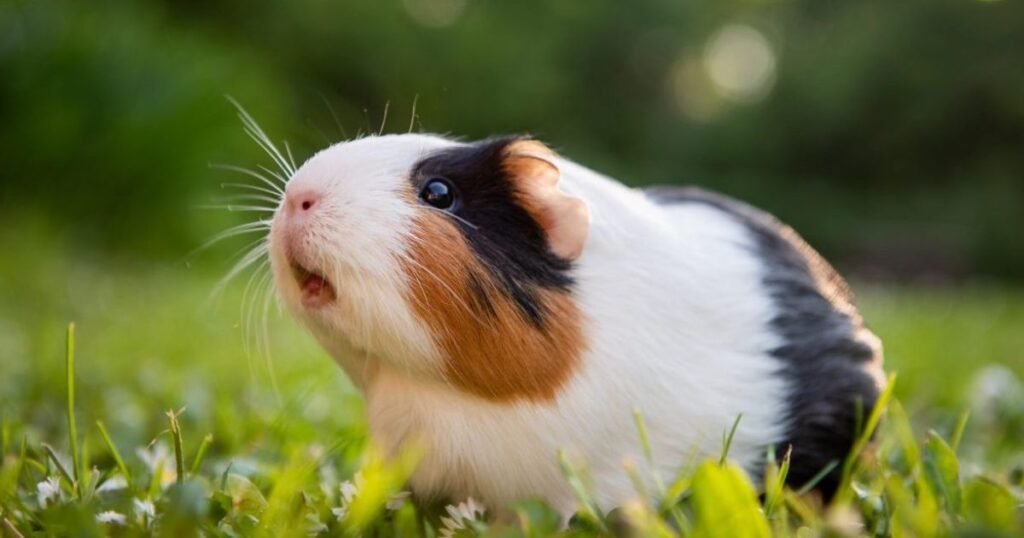
One might be surprised to learn that their anxiety is rooted in their social nature; guinea pigs are prey animals, meaning they are wired to be hyper-aware of their surroundings. This constant vigilance can lead to heightened anxiety, particularly when they feel isolated or lacking companionship.
Read Also: Honey Eating Animals
Hamster
Hamsters, tiny creatures, possess a natural predisposition to perceive many stimuli as threats, which explains their instinctive behaviors, such as burrowing and hoarding. Their heightened sensitivity to environmental changes, from new scents to loud noises, speaks to their hyper-awareness and reflects a survival instinct deeply rooted in their biology.
The anxiety displayed by hamsters can also be influenced by their environment and interactions with humans. A well-structured habitat, complete with hiding spots and tunnels, can alleviate some of their stress, allowing these little beings to thrive. When exposed to erratic handling or sudden changes, their anxiety can spike, leading to behaviors like excessive grooming or a propensity to freeze in place.
Parrot
These vibrant birds, known for their intelligence and social nature, thrive on interaction and stimulation. When deprived of social engagement or environmental enrichment, their anxiety levels can spike, leading to behaviors like feather plucking or excessive vocalization. This relationship with their mental state underscores the need for an enriched environment filled with toys, puzzles, and varied social interaction.
The anxiety seen in parrots often reflects their natural instincts. In the wild, they are prey animals, constantly on alert for potential threats. This heightened sense of awareness can translate into anxiety in captivity, making it essential for owners to recognize their parrot’s stress signals—like pacing or a sudden change in vocalization.
Chimpanzee
Chimpanzees, often regarded as one of the most anxious animals, exhibit a remarkable sensitivity to their environments, emotions, and social dynamics. Their anxiety can stem from various factors, such as changes in their troop hierarchy, the loss of companions, or even the proximity of unfamiliar humans.
Research has shown that these intelligent primates manifest stress through behaviors like excessive grooming, vocalizations, or even aggression, serving as a poignant reminder of their complex emotional landscapes.
What makes their anxiety particularly fascinating is how it intertwines with their social structures. In chimpanzee communities, an individual’s status and relationships can create a ripple effect, influencing the emotional well-being of the entire troop. For example, a shift in leadership may lead to widespread unrest or insecurity among members, highlighting the interconnectedness of their social bonds.
Read also: Mammals that can't jump
Elephant
This anxiety stems from their highly complex social structures and the emotional weight they carry. When separated from their herd or faced with environmental changes, such as habitat destruction or poaching, elephants exhibit signs of distress, often manifesting in excessive vocalizations or pacing.
Interestingly, researchers have found that elephants possess an innate sensitivity to the emotional states of one another. This social awareness can heighten their anxiety, especially in situations where they perceive danger or distress in their peers.
It’s not just the immediate threat; the anticipation of threats, such as droughts or human encroachment, keeps them in a constant state of alertness. This heightened vigilance can lead to chronic stress, affecting their behavior and even their health.
Dolphin
Dolphins’ heightened sensitivity to environmental changes and social dynamics can lead to stress-related behaviors. Unlike many creatures that exhibit anxiety in solitude, dolphins display their nervousness within their pods, demonstrating a profound interconnectedness that amplifies their emotional responses.
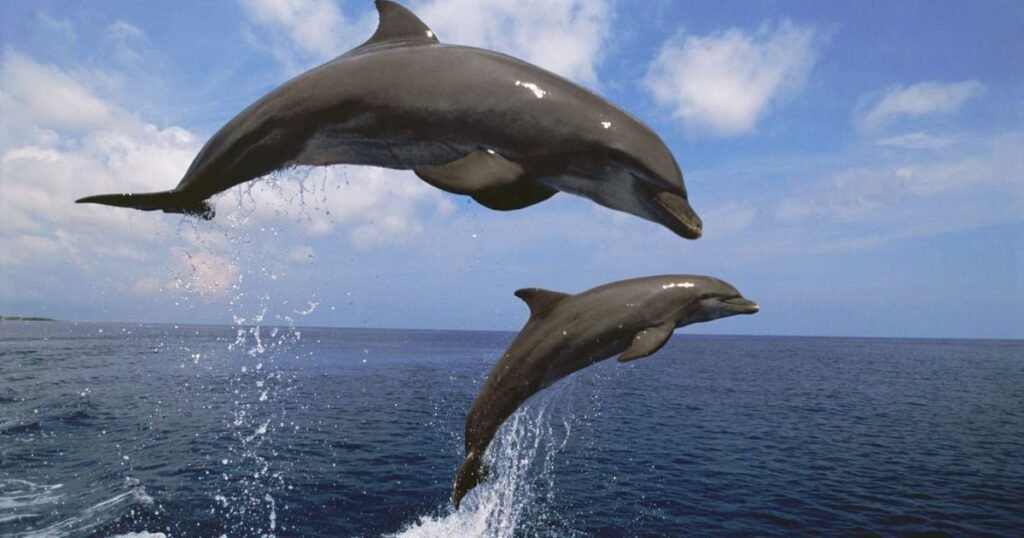
Scientists have found that dolphins communicate their stress through vocalizations and body language, providing insights into their emotional well-being. These behaviors not only reflect their anxiety but also alert other pod members, showcasing a keen awareness of the collective emotional state.
When a dolphin appears anxious, it can trigger a ripple effect throughout the pod, demonstrating how communal living influences individual mental health. Such connections highlight the importance of addressing environmental issues to protect not just the dolphins as a species, but the intricate emotional networks they inhabit.
Fox
As one of the most anxious animals in the wild, foxes display heightened wariness, constantly attuned to their surroundings. This instinctual vigilance is not merely a survival mechanism; rather, it reflects a deeper understanding of their ecological niche, where predators and human encroachment loom large.
Fox-like animals experience anxiety not only in their pursuit of prey but also in interactions within their social structures. Unlike more communal animals, they often thrive in solitude, leading to a fascinating juxtaposition of their boldness in hunting versus their reticence in vulnerability.
Their stress signals — such as tail posture and vocalizations — underscore this delicate balance, revealing a creature that, while resourceful, is perpetually navigating the thin line between survival and peril in an unforgiving world.
Related: Most Humble Animals
Sheep
Sheep often find themselves among the ranks of the most anxious animals, and their behavior offers fascinating insights into herd dynamics and survival instincts. These creatures rely heavily on social structures for safety, which can amplify their anxiety.
When separated from the flock, a sheep’s stress levels soar, triggering an innate response that propels them into frantic search for companionship. This emotional attachment isn’t just a social quirk; it’s a survival mechanism.
The phenomenon of “flocking” showcases sheep’s acute sensitivity to environmental stimuli. A sudden noise or unfamiliar scent can send a wave of panic through the group, demonstrating their heightened awareness and vulnerability.
Goat
Their natural instinct is to be alert, a trait developed for survival in the wild. This hyper-awareness can easily lead to stress in domestic environments, especially when they encounter unfamiliar challenges or changes in their surroundings.
A goat’s eyes, with their unique rectangular pupils, allow them to survey nearly 340 degrees of their environment, but this expansive view often heightens their anxiety, making even minor stimuli seem like potential threats.
The social dynamics within goat herds play a crucial role in their anxiety levels. Being herd animals, goats form strong bonds that help mitigate their fears, but any disruption, like the loss of a companion or the introduction of a new member, can unleash significant stress. Observing their body language reveals a lot; tail flicks and restlessness signify unease.
Related: Animals with small ears
Zebra
Unlike their more laid-back equine relatives, zebras are characterized by their heightened vigilance and sensitive social dynamics. This anxiety stems from a world fraught with predators, forcing them to remain constantly alert. Their stripes, while visually arresting, also serve a practical purpose; they can confuse predators and offer a form of camouflage in the herd.
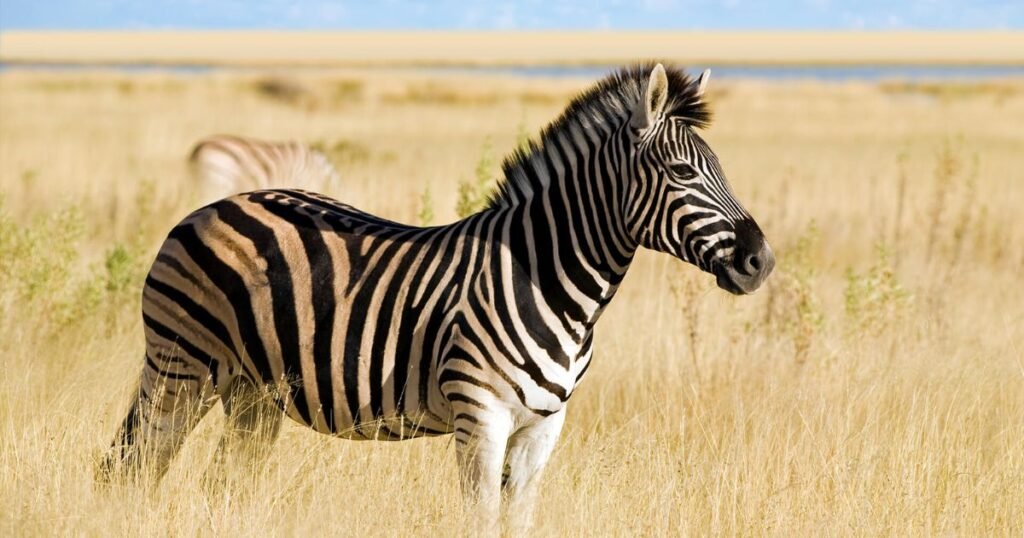
Zebras showcase a unique form of social anxiety too. They thrive within tightly knit groups, relying heavily on each other for reassurance. This communal behavior helps mitigate their stress levels but can fluctuate dramatically with the dynamics of the herd.
When faced with a predator, zebras emit high-pitched vocalizations, a response echoing the distress signals found in other social animals. Thus, their anxiety is not just an individual trait; it weaves into the very fabric of their community interactions, highlighting the complex interplay between stress and survival in the wild.
Conclusion
Recognizing the most anxious animals among us shines a light on the intricate emotional worlds of different species. These animals, whether solitary in their struggles or part of a social group, remind us of the multifaceted nature of anxiety in the wild.
By advocating for better habitats and compassionate treatment, we can help alleviate their stress and promote a healthier existence. This knowledge not only enhances our appreciation for wildlife but also encourages us to adopt a more compassionate approach towards all living beings.
FAQ’S
What are some of the most anxious animals?
Some of the most anxious animals include dogs, cats, horses, and certain species of primates, known for their stress-related behaviors.
What causes anxiety in animals?
Anxiety in animals can be caused by factors such as changes in their environment, lack of socialization, loud noises, or traumatic experiences.
How can I tell if my pet is anxious?
Signs of anxiety in pets may include excessive barking, hiding, destructive behavior, trembling, and changes in eating or sleeping habits.
Can anxiety be treated in animals?
Yes, animal anxiety can be treated through behavioral training, environmental changes, and, in some cases, medication prescribed by a veterinarian.