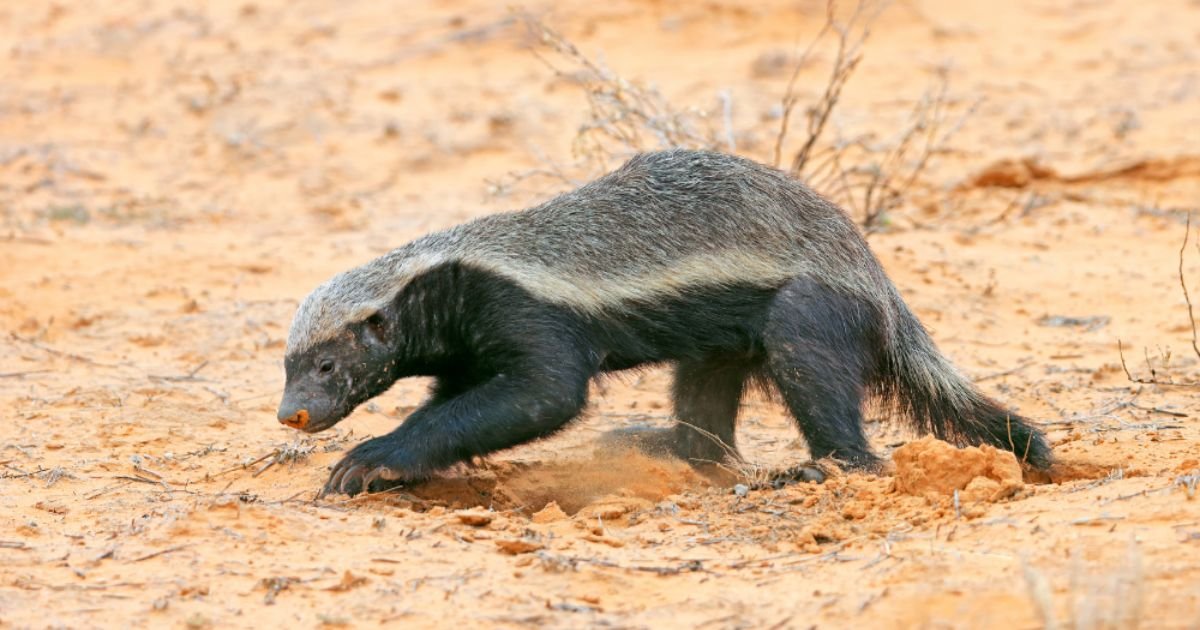
Top 11 Honey Eating Animals in the World: Names, Facts & Pictures
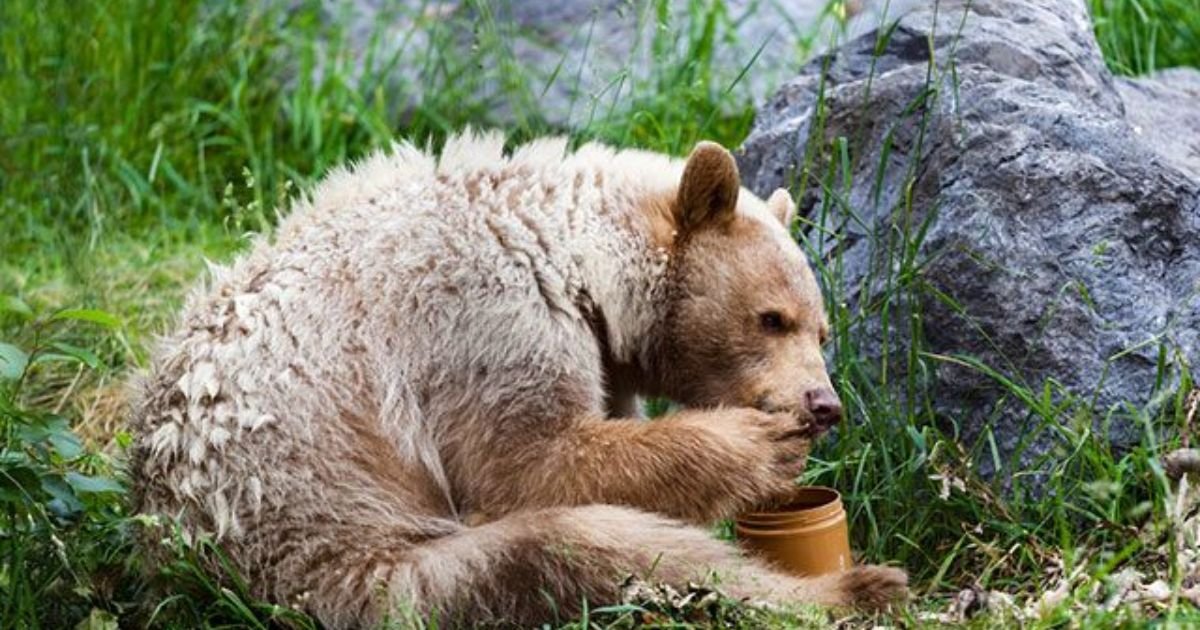
The natural world is full of surprises, especially when it comes to food. Among the most intriguing are the Honey Eating Animals that seek out this delicious substance.
Here, we will take you through a list of the top 11 honey-loving creatures, sharing interesting facts and stunning images. You’ll discover which animal likes honey, their unique traits and why honey plays such a vital role in their lives.
List of Animals That Eat Honey
Here is the list of animals that like to eat honey:
| Number of Animals | Animals That Loves to Eat Honey |
|---|---|
| 1 | Chimpanzees |
| 2 | Bees |
| 3 | Small Hive Beetles |
| 4 | Martens |
| 5 | Honey Buzzards |
| 6 | Raccoons |
| 7 | Honey Ants |
| 8 | Bears |
| 9 | Honeyguides |
| 10 | Skunks |
| 11 | Honey Badgers |
Chimpanzees
Scientific name: Pan troglodytes
Class: Mammalia
They love to eat honey, and they have some smart ways of getting it! They use tools like sticks to reach into beehives, showing how clever they are. Different groups of chimpanzees even have their own special techniques for finding honey, which they learn from each other.
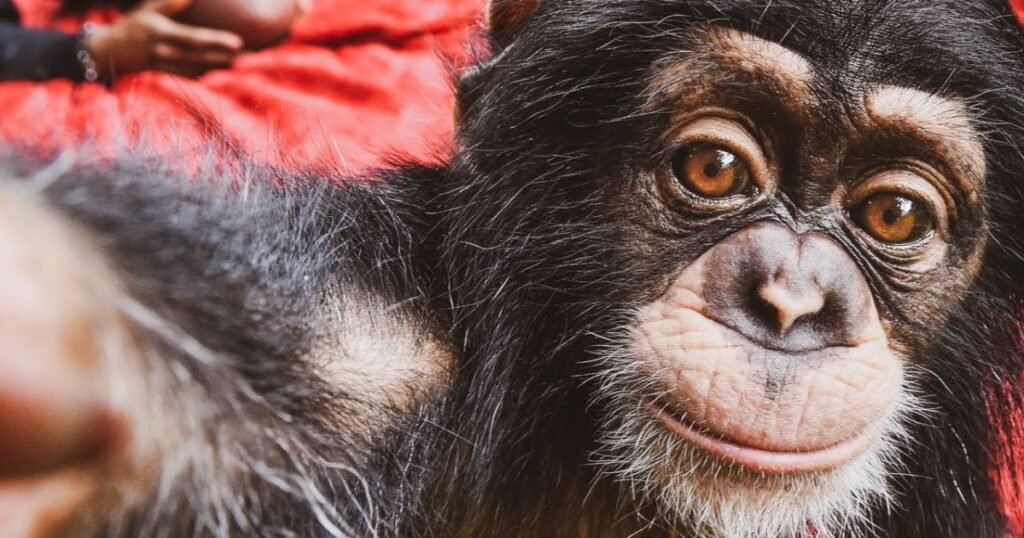
Eating honey is not just for fun; it gives them lots of energy and important nutrients, especially when other food is hard to find. When they hunt for honey together, it helps them bond and work as a team.
Bees
Class: Insecta
They are very important for our ecosystem because they help pollinate plants. This means they help flowers grow into fruits and vegetables that we eat. Besides making honey, which we love, bees rely on it for energy, especially during the cold winter. They collect nectar from flowers and turn it into honey through a special process.
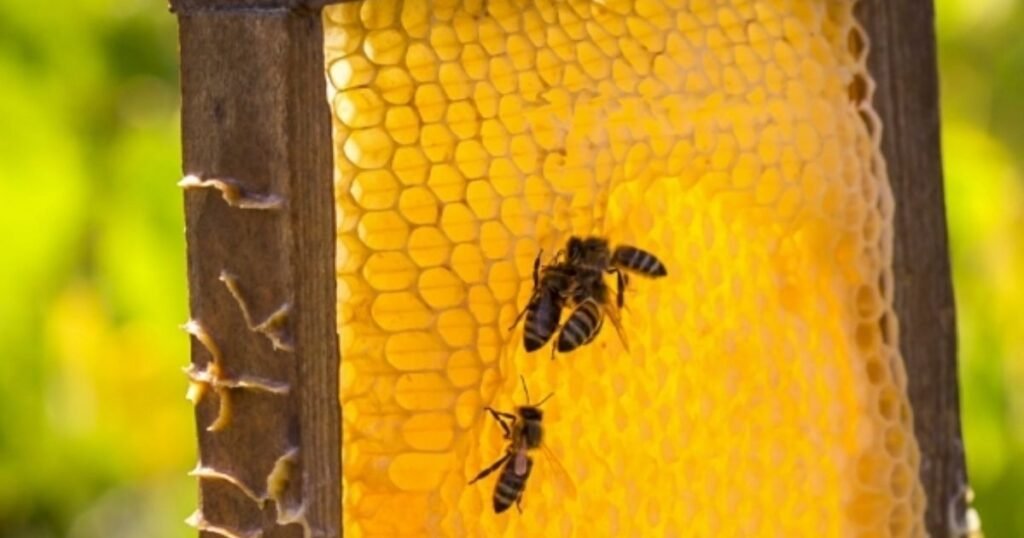
In the bee hive, sharing honey helps create strong friendships among the bees. This teamwork is crucial for their survival and shows how important bees are for keeping nature in balance.
Small Hive Beetles
Scientific name: Aethina tumida
Class: Insecta
They are known scientifically as Aethina tumida, are tiny insects originally from Africa but have spread to many parts of the world. While they are often thought of as pests, they have some interesting roles in beekeeping. These beetles specifically look for weak honeybee colonies to lay their eggs, and their presence can alert beekeepers to hives that need attention.
Once the beetle larvae hatch, they feed on honey and beeswax, which can actually help clean up leftovers in the hive. This is important because it prevents waste and helps in recycling nutrients back into the ecosystem. So, while small hive beetles can be a nuisance, they also contribute to the balance of the hive and the environment.
Read More: Animals Like Skunks: 9 Unique Creatures (With Pictures)
Martens
Scientific name: Martes martes
Class: Mammalia
These are small but agile members of the weasel family found in forests and mountains. They mostly hunt small animals and birds but also have a surprising love for honey. These clever creatures will brave beehives to enjoy the sweet treat and the nutritious bee larvae inside. With strong claws, martens can climb and reach high places, making them skilled at getting to those tasty hives.
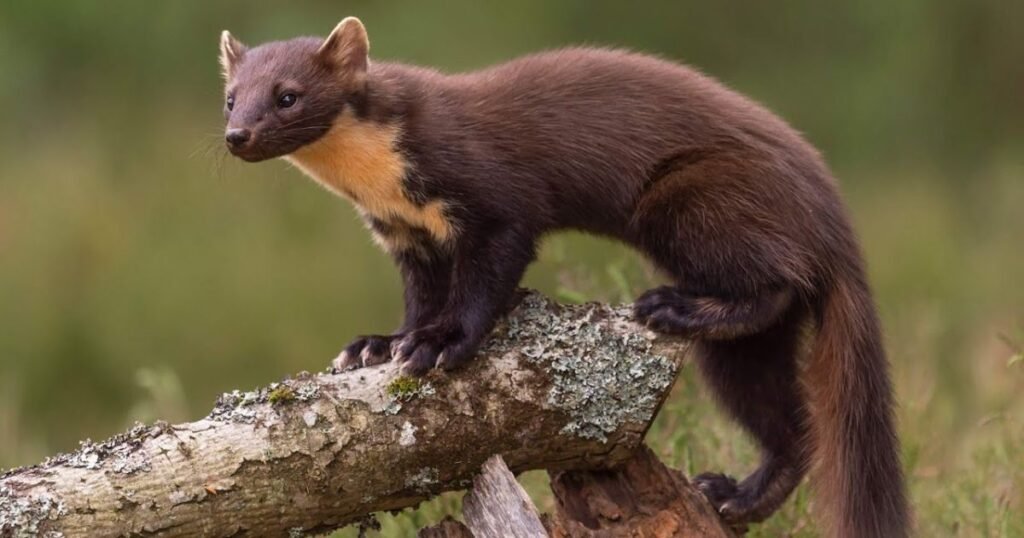
What’s fascinating is how martens can handle bees without getting stung too much, thanks to their thick fur. By eating honey, they gain energy and nutrients, playing an important role in their ecosystem. Their varied diet helps keep nature balanced, showing that even small animals can have a big impact.
Honey Buzzards
Scientific name: Pernis apivorus
Class: Aves
These are unique birds of prey known for their unusual taste for honey. Unlike other raptors, they can find honeybee nests thanks to their sharp eyesight and special hunting methods.
With strong feet and sharp talons, these birds can break into beehives, even though they get stung in the process. This ability helps them eat honey and keeps bee populations in check.
Besides honey, honey buzzards enjoy eating bee larvae and honeycomb, which give them important nutrients. They can live in different places across Europe, Asia, and Africa, showing how adaptable they are. Their feathers offer some protection against bee stings, making it easier for them to hunt this sweet treat.
Raccoons
Scientific name: Procyon lotor
Class: Mammalia
These are fascinating animals known for their cleverness and curious nature. Their scientific name is Procyon lotor, and they belong to the mammal class. They love most is honey. They have smart ways to get it, using their agile paws to carefully dip into beehives and enjoy the sweet treat without getting stung by bees.
Eating honey isn’t just about the yummy flavor; it also gives raccoons important sugars that help them stay active at night when they’re out foraging. This search for honey adds excitement to their lives, turning a regular meal into a fun adventure.
Read More: Explore Top 15 Animals That Live in Rivers (with Images)
Honey Ants
Scientific name: Myrmecocystus mexicanus
Class: Insecta
These are special ants known for their amazing ability to store food. They live in dry places like Australia and the American Southwest. Worker ants gather sugary liquids and feed them to specific ants called “repletes.” These repletes transform into living storage for this sweet food, acting like honey pots.
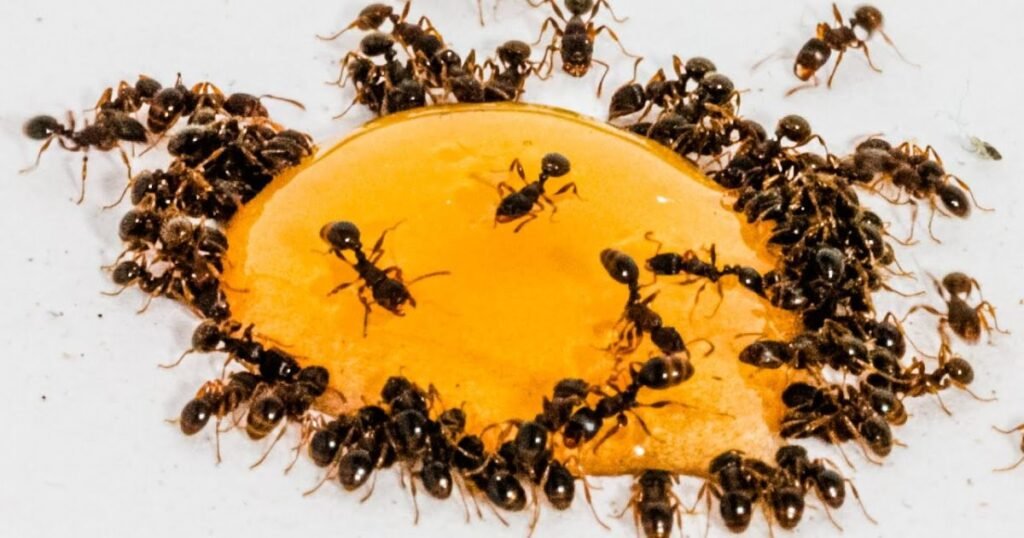
When times are tough, like during droughts, other worker ants can get food from the repletes. This teamwork shows how honey ants support each other, making sure the whole colony survives together. Their way of living highlights how animals adapt and work as a community, blending individual needs with the health of the group.
Bears
Scientific name: Ursus arctos
Class: Mammalia
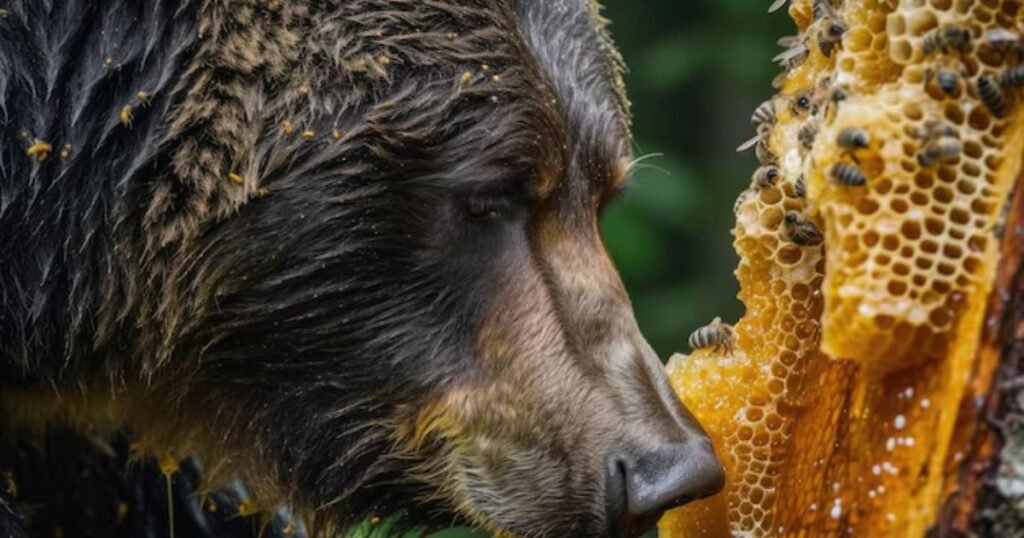
These are known scientifically as “Ursus arctos”, have a strong love for honey. Their keen sense of smell lets them find honey from far away, making it an important part of their diet in spring and summer. Honey is rich in calories, which helps bears gain energy.
Bears show their intelligence by using their strong claws to open honey hives. They can remember where to find the best hives and return to them year after year. This behavior helps them and supports the ecosystem by promoting plant growth and spreading seeds.
Read More: Top 12 Animals That Look Like Capybara (With Pictures)
Honeyguides
Scientific name: Indicator indicator
Class: Aves
These are special birds with a unique talent for finding beehives. They can lead larger animals, like honey badgers or even people, straight to the sweet honey. This partnership is great for both the honeyguides and the animals they lead. After the hive is opened, the honeyguides enjoy eating leftover wax and bee larvae.
They use different sounds to let their partners know they’ve found a hive. This teamwork shows that these birds are not just smart but also have a unique way of surviving.
Skunks
Scientific name: Mephitis mephitis
Class: Mammalia
They are known for their strong-smelling spray, have some surprising habits. Their favorite treats is honey. They are good at finding beehives and often raid them for this sweet food. When skunks go after honey, they also get to munch on protein-rich larvae and bees, which helps them stay healthy.
Their love for honey gives them a lot of energy, making them clever foragers in their search for food. Skunks show that they can adapt well to their environment and are not just nuisances but interesting animals with unique diets.
Read More: Top 17 Animals With Scales in World: Names, Facts & Pictures
Honey Badgers
Scientific name: Mellivora capensis
Class: Mammalia
These are amazing little animals known for their bravery. They are not afraid to face angry bees to get honey and bee larvae, which are great sources of food for them. Their thick skin helps protect them from bee stings, allowing them to dive into beehives without fear. This boldness not only helps them stay fed but also influences other animals in their area.
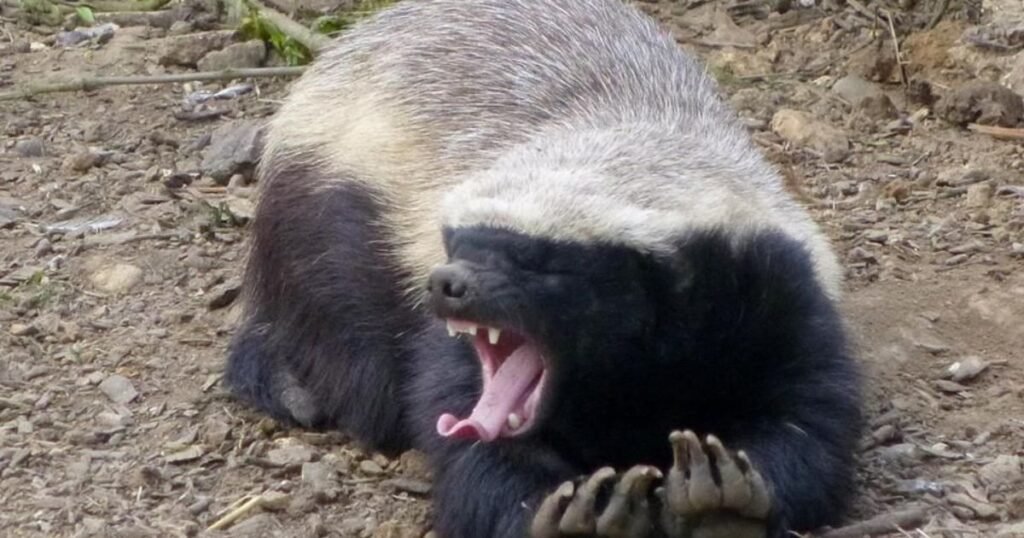
By showing such fearless behavior, honey badgers play an important role in their ecosystem. Their unique approach to foraging makes them stand out in the wild. In many ways, these small creatures show that even the tiniest animals can have a big impact on their environment.
Final Words
The list of remarkable Honey Eating Animals highlights the beauty and diversity of wildlife. Each animal has its own special way of finding and enjoying honey, which adds to the wonders of our natural world. By understanding these creatures better, we can promote their protection and ensure they thrive in the wild.
These Honey Eating Animals remind us of the interconnectedness of all living things. Join the effort to educate others about them and support their conservation today.
FAQ’s
Do Honey Badgers Actually Eat Honey?
Yes, honey badgers do eat honey, but they primarily go after bee larvae, which are high in protein. They’re fearless creatures that will endure bee stings to get to their tasty rewards.
What is the Biggest Killer of Honey Bees?
The biggest killer of honey bees is the Varroa destructor mite, a parasite that feeds on bees and weakens their colonies. These mites bring diseases and can quickly lead to hive collapse if not managed properly.
What Smell Do Bees Hate?
Bees tend to dislike strong, pungent scents like citronella and peppermint oil. These aromas overwhelm their sensitive noses and can deter them from an area.