Top 17 Animals With Scales in World: Names, Facts & Pictures
Scales can be found on some of nature’s most remarkable animals, serving as protection and beauty all at once. Our Animals With Scales Chart lists the top 17 scaled creatures that will captivate your imagination. Each animal comes with stunning images and intriguing facts, revealing their importance in the ecosystem.
Embark on this journey to learn about these incredible species and why they are worth our attention and respect.
List of Animals With Scales
Here is the list of animals that have scales:
| Number of Animals | Names of Animals With Scales |
|---|---|
| 1 | Pangolins |
| 2 | Eastern Diamondback Rattlesnake |
| 3 | Armadillos |
| 4 | Texas Horned Lizard |
| 5 | Caecilians |
| 6 | Goldfish |
| 7 | Monitor Lizard |
| 8 | Tuataras |
| 9 | Gila Monster |
| 10 | American Alligator |
| 11 | Gecko |
| 12 | Crocodiles |
| 13 | Great White Shark |
| 14 | Moth |
| 15 | Green Iguana |
| 16 | Common Carp |
| 17 | Turtles |
Pangolins
Class: Mammalia
Diet: Insectivorous
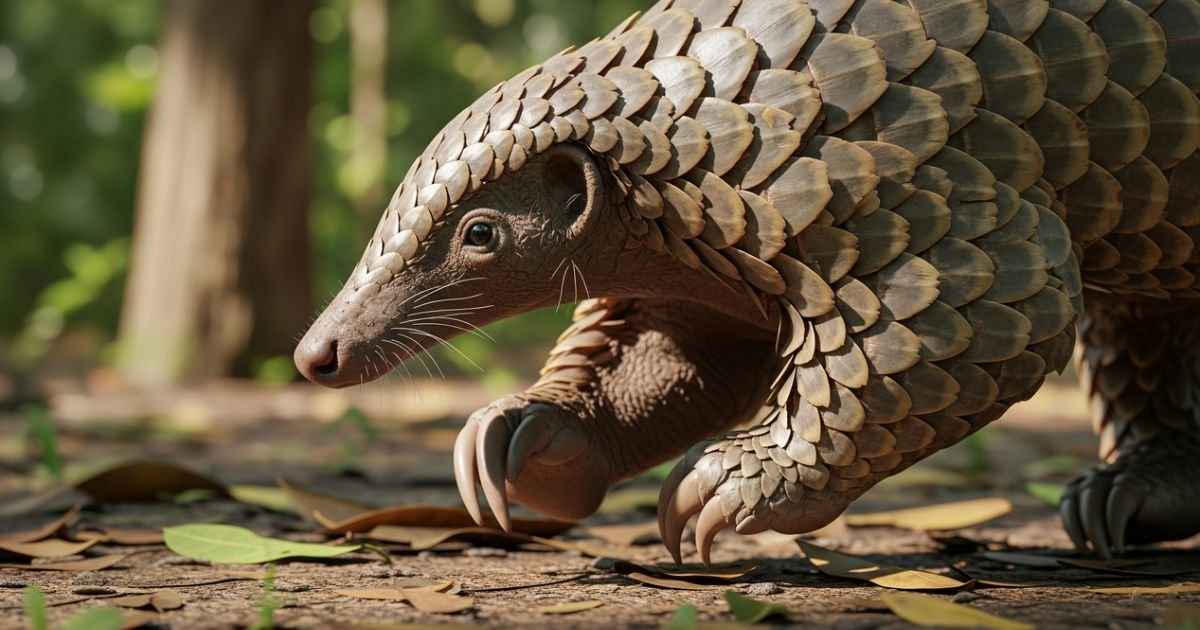
They are unique mammals known for their scaly bodies, which make them look like living armor. They mainly eat ants and termites, using their long tongues to reach into nests. Sadly, pangolins are heavily threatened by poaching, as people want their scales for traditional medicine and food.

These animals are mostly active at night and prefer to live alone. When scared, they can curl up into a ball to protect themselves, but this makes them easy targets for capture.
Eastern Diamondback Rattlesnake
Scientific Name: Crotalus adamanteus
Class: Reptilia
Diet: Carnivorous
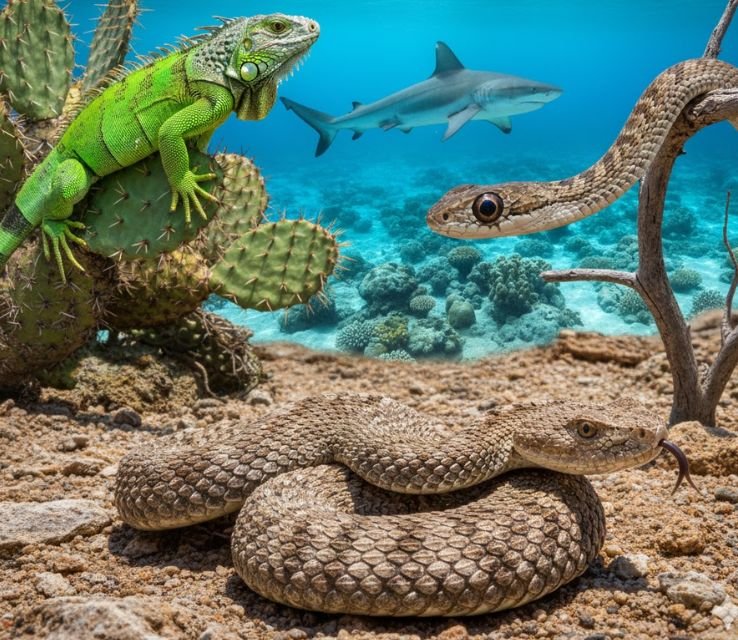
It is a beautiful snake with diamond-shaped patterns on its scales. These patterns help it blend in with the leaves and help control its body temperature.
This snake plays an important role in nature by keeping rodent populations in check, which helps maintain a balanced ecosystem.
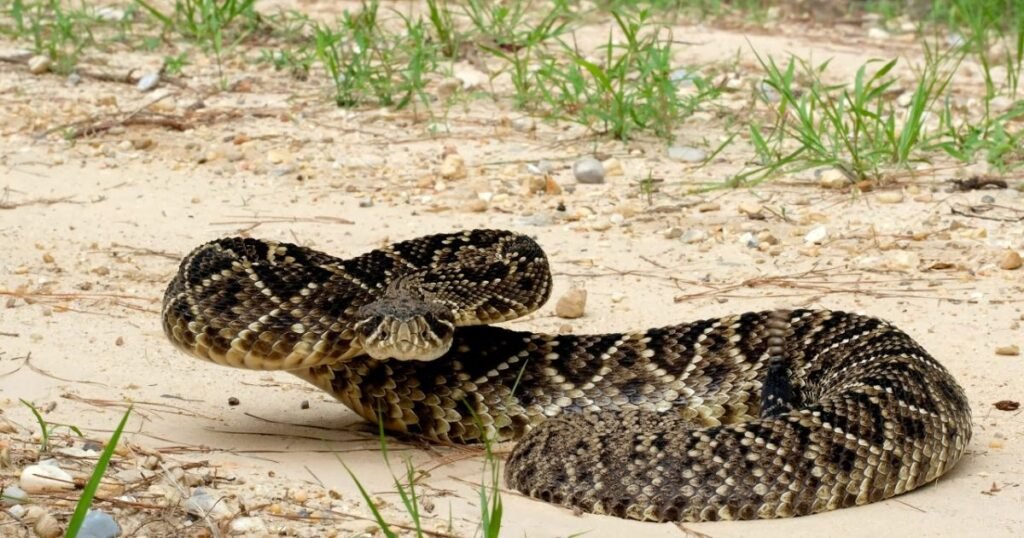
During mating season, male Eastern Diamondbacks show off through unique courtship behaviors, including combat with other males. They face threats like habitat loss and human fear. It’s essential for us to protect them so that we can continue to enjoy the sounds of their rattles in the woods for years to come.
Armadillos
Scientific Name: Dasypus novemcinctus
Class: Mammalia
Diet: Omnivorous
These are unique animals often recognized for their hard, bony armor. This armor protects them from predators and helps them adapt to different environments, from deserts to forests. They can curl up into a ball when threatened, which adds an extra layer of defense.
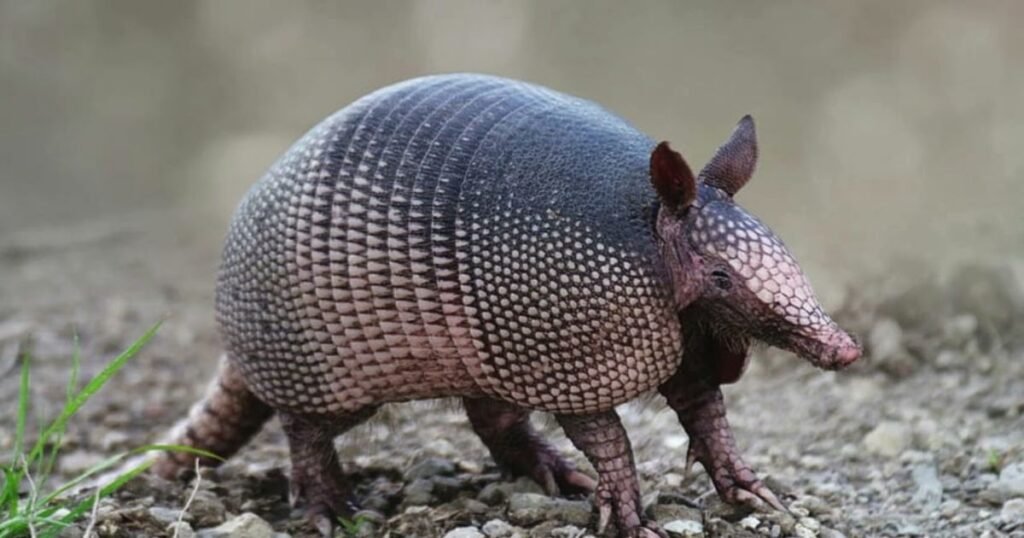
These creatures are omnivorous, meaning they eat both plants and animals. They mostly munch on insects and small animals, which helps keep their populations in check. When armadillos dig in the ground, they aerate the soil, contributing to a healthier environment for plants.
Texas Horned Lizard
Scientific Name: Phrynosoma cornutum
Class: Reptilia
Diet: Insectivorous
It is also known as the “horned toad,” is a unique reptile adapted to survive in dry places. Its body is covered in scales and spikes, which help protect it from predators. It’s defense strategy is shooting blood from its eyes when threatened, confusing attackers and giving it a chance to escape.
These lizards mainly eat insects, including fire ants, helping to keep their numbers under control. Unfortunately, they face challenges like habitat loss and climate change, which are putting their future at risk. Protecting the Texas Horned Lizard is important because it plays a key role in maintaining the balance of its ecosystem.
Read More: 12 Amazing Animals That Live in Fields (With Pictures)
Caecilians
Scientific Name: Gymnophiona
Class: Amphibia
Diet: Carnivorous
These are a unique group of amphibians that are known as animals that have scales. They look different from frogs and salamanders. They have smooth, shiny skin and can sometimes reach up to five feet long. Instead of legs, they have long, worm-like bodies, which help them move easily through the soil.
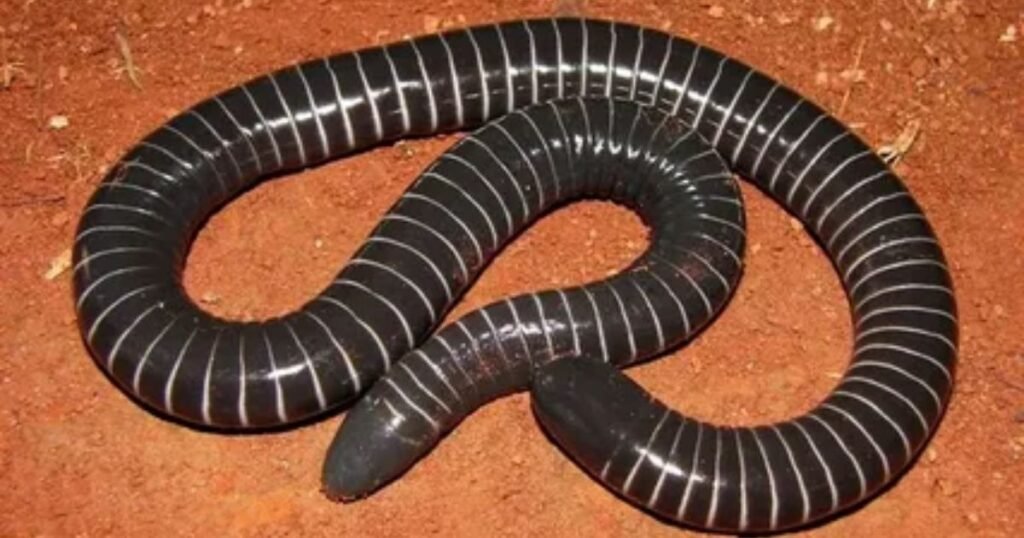
These creatures are mostly found underground, where their scales help them keep moisture. Some caecilians are also interesting when it comes to raising their young. In certain species, mothers provide food for their babies by using their own skin.
Goldfish
Scientific Name: Carassius auratus
Class: Actinopterygii
Diet: Omnivorous
These are more than just colorful pets in bowls. They come from wild carp and display a beautiful variety of colors and patterns. These fish have tough scales that protect them and help them blend into their environments.
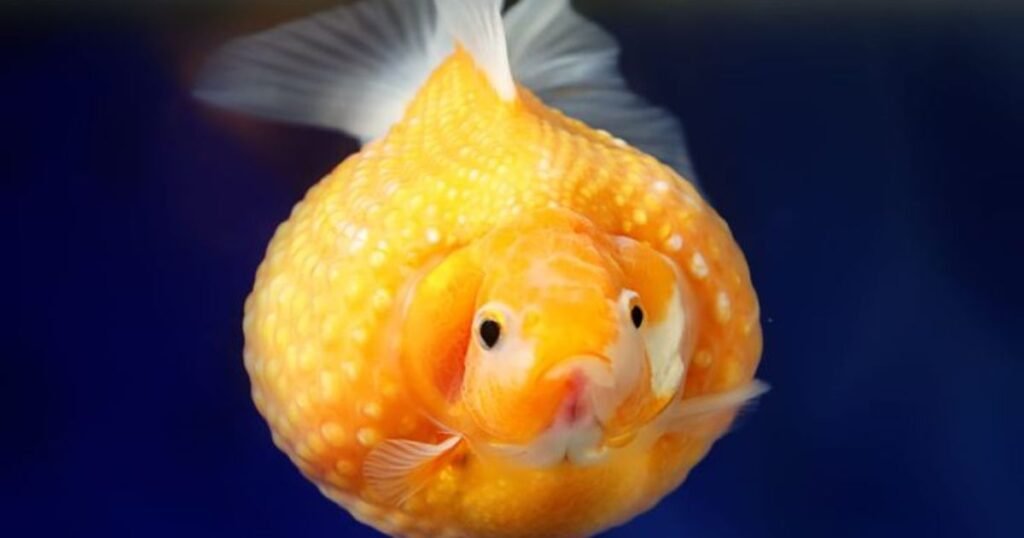
Goldfish are surprisingly smart. They can recognize their owners, learn tricks, and remember things much longer than people think. They also enjoy being social and often swim together in groups.
Instead of seeing them as simple decorations, we should appreciate their intelligence and the joy they bring to our lives.
Monitor Lizard
Scientific Name: Varanus
Class: Reptilia
Diet: Carnivorous
These are part of the Varanidae family, are amazing reptiles known for their size and intelligence. Some can grow over 10 feet long. They are skilled hunters and use their keen sense of smell and fast movement to catch prey. Their forked tongues help them taste and find food from far away.
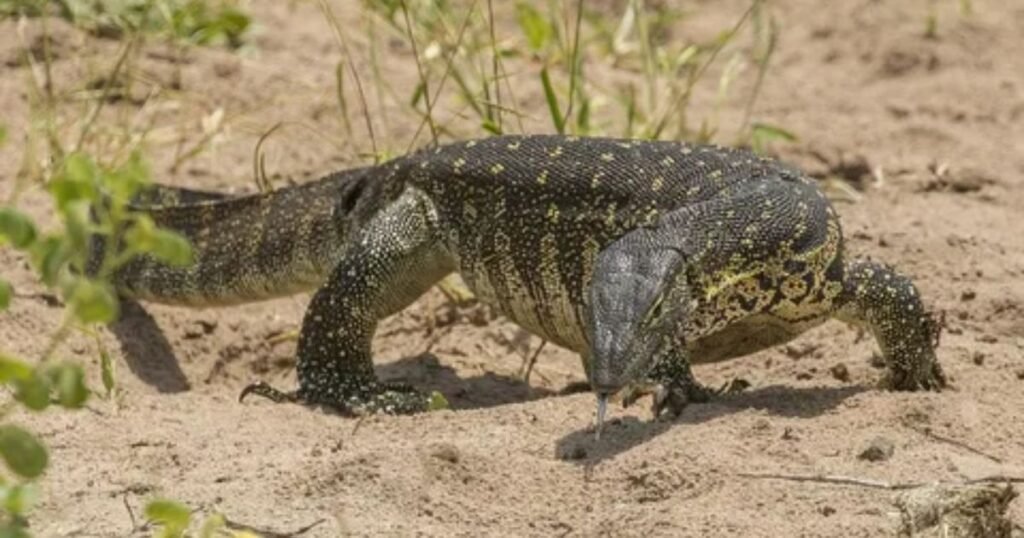
They care most for their young. Unlike many reptiles, certain species will actually protect their eggs and help their babies after they hatch.
This unique behavior shows that monitor lizards are much more than just survivors; they are smart and caring creatures that capture our fascination.
Tuataras
Scientific Name: Sphenodon punctatus
Class: Reptilia
Diet: Carnivorous
Tuataras are special reptiles that look like lizards but are very different. They have been around for over 200 million years, dating back to the dinosaur era, and are only found in New Zealand. One unique feature of tuataras is their third eye, called the “parietal eye.” This eye helps them sense light and keep track of day and night.
Unlike many reptiles, tuataras can live in cooler temperatures. Their scales help them stay warm and blend into their surroundings. They also take their time with reproduction, as their eggs can take several years to hatch.
This slow and steady way of life makes tuataras truly fascinating and an important part of our planet’s biodiversity.
Read More: 14 Cute And Unique Animals with Big Eyes (With Pictures)
Gila Monster
Scientific Name: Heloderma suspectum
Class: Reptilia
Diet: Carnivorous
This is a unique lizard known for its bright pink and orange scales. These beautiful scales help protect it in the desert by keeping moisture in and scaring off predators. Unlike many other lizards, it doesn’t eat every day; instead, it can go weeks or even months without food.
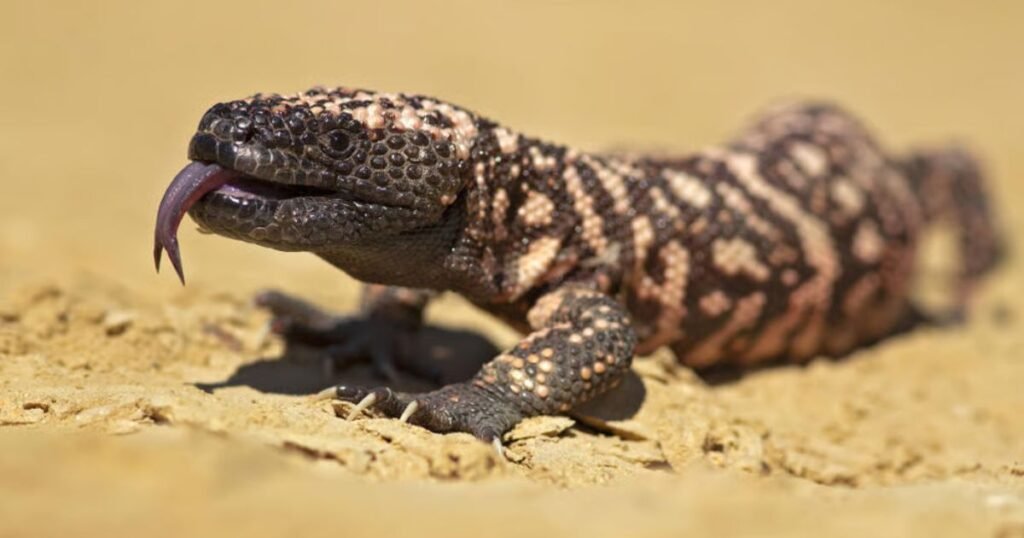
When it does eat, the Gila monster enjoys a feast of eggs and baby mammals. Its thick tail stores fat, which helps it survive during long food breaks.
The lizard also has venom that it uses to catch prey and defend itself, making it a fascinating part of its environment.
American Alligator
Scientific Name: Alligator mississippiensis
Class: Reptilia
Diet: Carnivorous
This is a fascinating reptile. With tough, armored scales, it protects itself from predators and helps it blend into its surroundings in swampy waters. This unique texture makes it both beautiful and well-adapted for survival.
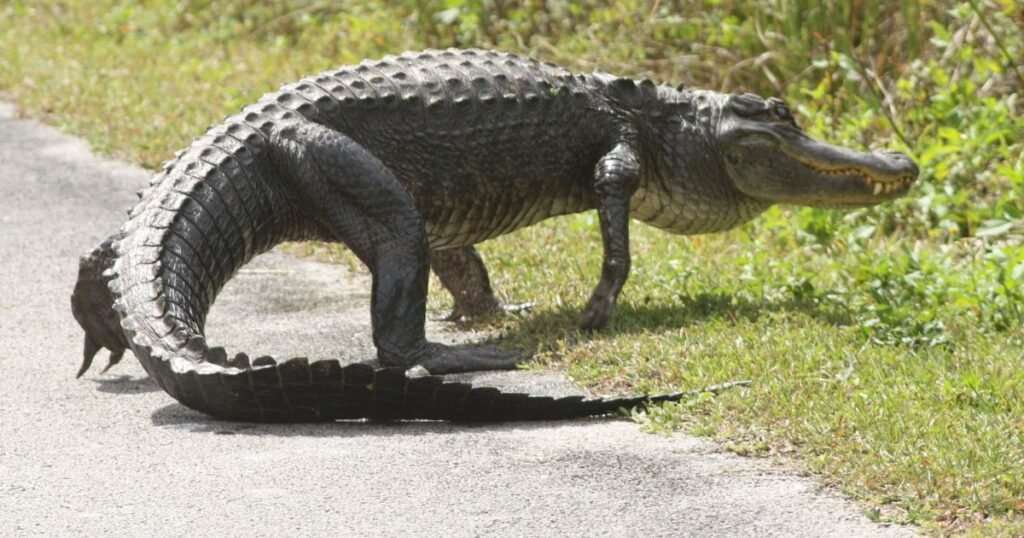
These are not as solitary as many think. During mating season, male alligators make sounds and put on displays to attract females. The females show care by guarding their nests, highlighting a surprising side of their behavior.
Gecko
Class: Reptilia
Diet: Insectivorous
These are fascinating reptiles known for their bright colors and interesting behaviors. They can live in different places, from tropical rainforests to dry deserts. They have special toe pads, which help them climb smooth surfaces easily. This ability helps them catch insects and keeps them safe from predators.
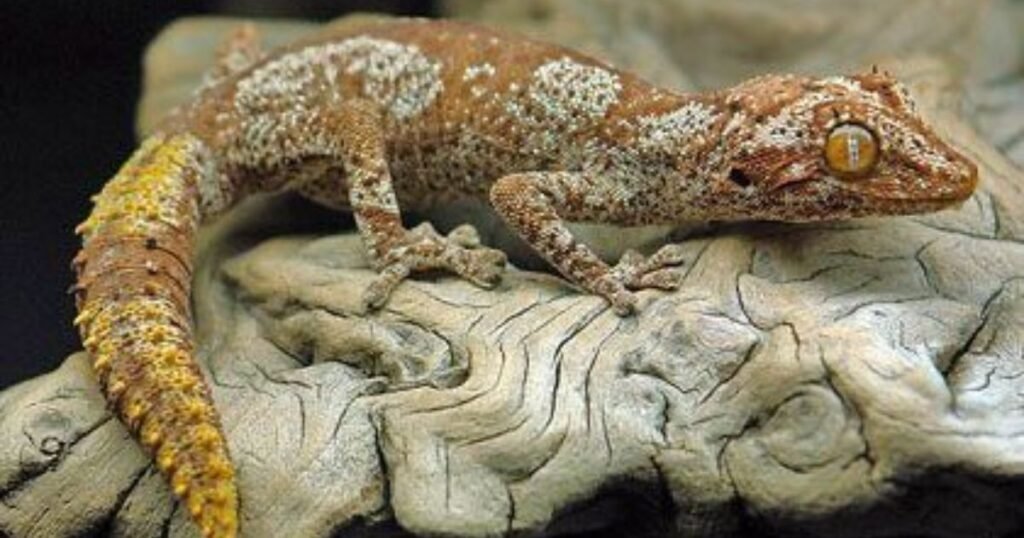
They also have ability to regrow their tails. If a predator tries to catch them, they can lose their tail to escape, and it will grow back later. Many geckos have colorful patterns that help them blend in with their surroundings or communicate with other geckos.
Crocodiles
Scientific Name: Crocodylus.
Class: Reptilia
Diet: Carnivorous
These are fascinating creatures that have existed since the time of the dinosaurs. They are part of the reptile class and are known for their tough, scaly skin, which helps protect them and allows them to sense vibrations in the water. This makes them excellent hunters, even in muddy or dark waters.
As apex predators, crocodiles play an important role in their ecosystems by keeping other animal populations in check. They are also more social and intelligent than many people realize, using different sounds and body movements to communicate.
Read More: Explore Top 15 Animals With Lowest IQ (With Pictures)
Great White Shark
Scientific Name: Carcharodon carcharias
Class: Chondrichthyes
Diet: Carnivorous
These are amazing creatures known for their sleek bodies and powerful presence. Their skin is covered in tiny, tooth-like scales called dermal denticles. These help them swim smoothly through the water and sneak up on their prey without making much noise.
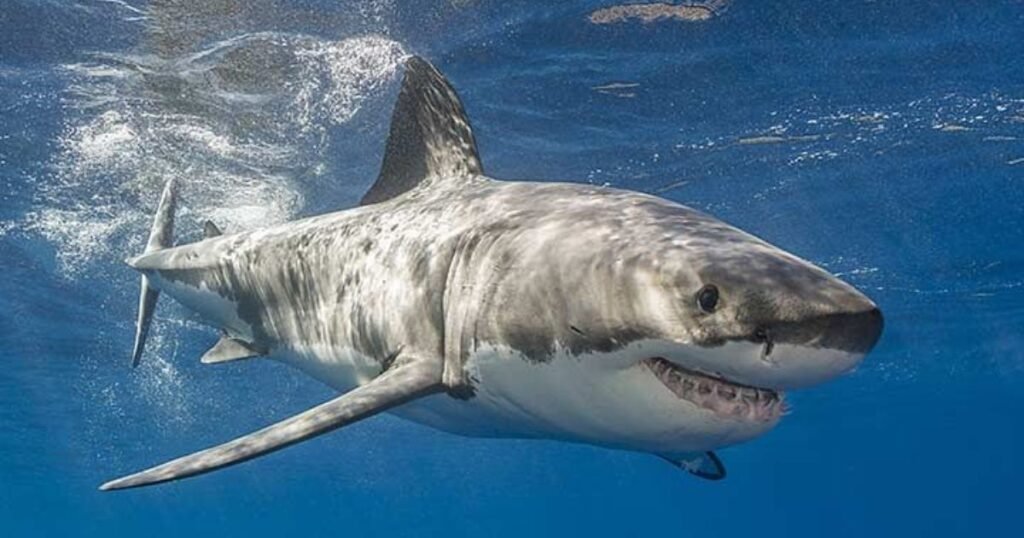
Besides their impressive looks, great whites are smart and social animals. They often hunt in groups and can communicate with each other using body language.
Watching them in the wild shows how important they are for keeping the ocean ecosystem healthy, as they are top predators that help maintain balance in marine life.
Moth
Class: Insecta
Diet: Herbivorous
These often seen as less colorful than butterflies, have some really interesting features. Their wings are covered in tiny scales that look soft or shiny. These scales help moths blend in with their surroundings, making it hard for predators to spot them. They also keep moths warm during their nighttime activities.
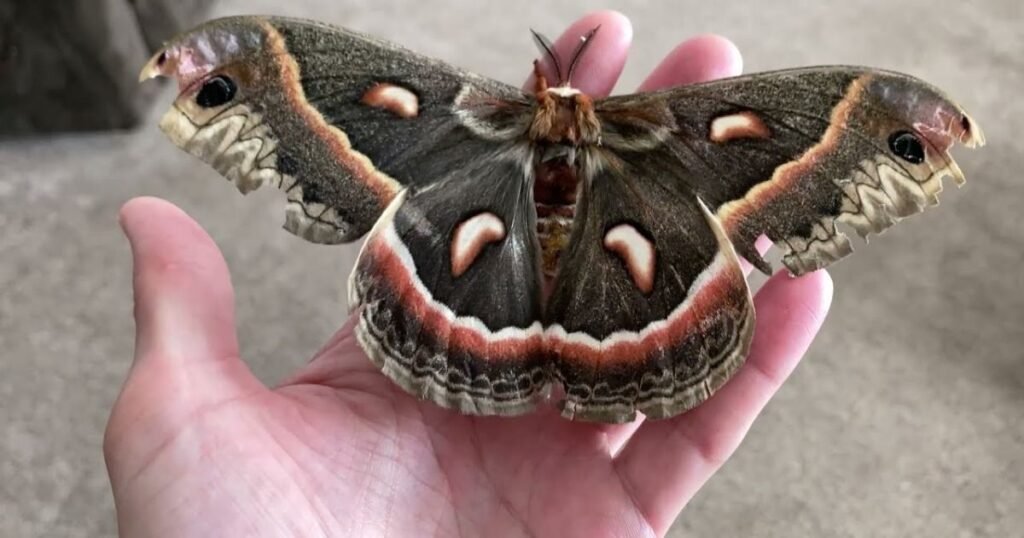
The patterns on these scales are like nature’s artwork. Some moths can even look like tree bark or lichen, helping them stay hidden. Recent research shows that these patterns might also help moths communicate, especially during mating season.
Green Iguana
Scientific Name: Iguana iguana
Class: Reptilia
Diet: Herbivorous
These are big, green lizards that live in Central and South America known as scales animals. They are great at climbing trees and can also move around on the ground. Their shiny scales help protect them from predators and keep them warm. Being cold-blooded, they need sunlight to heat up, so they often sit in the sun on branches to soak up warmth.
These iguanas mainly eat plants, like leaves and fruits. They are fascinating creatures, not just for their looks but also because they have adapted well to their environments.
Read More: Top 14 Raccoon Like Mammal You Didn’t Know Existed (With Images)
Common Carp
Scientific Name: Cyprinus carpio
Class: Actinopterygii
Diet: Omnivorous
The common carp is a tough freshwater fish found in ponds and rivers. Its beautiful scales look like tiny mosaics and help protect it in different water conditions, even if they’re not very clean.

These fish are smart and social, often communicating through movements and body language. They work together when feeding, showing that they have complex interactions.
Their ability to adapt to various environments highlights the importance of keeping their habitats safe for future generations.
Turtles
Scientific Name: Testudines
Class: Reptilia
Diet: Omnivorous/Herbivorous
Turtles are really interesting animals that have adapted well to their environments also known as scales animals. They have hard shells made of special scales called scutes, which help protect them and also aid in breathing. Unlike other reptiles, their scales are tough but flexible, allowing them to live in different places, from dry land to wet areas.
Turtle scales can change color based on the temperature or humidity around them. This helps them stay hidden from predators and regulates their body temperature. Some turtles, like the leatherback sea turtle, are great swimmers, showing how their unique bodies allow them to thrive in water.
Final Thought
Our Animals With Scales Chart showcases a fascinating range of creatures that wear their protection proudly. From the vibrant colors of tropical fish to the sturdy armor of reptiles, these animals all share the amazing feature of scales. Each member of our chart brings unique facts that highlight their role in nature.
Understanding these animals helps us appreciate the diversity of life on our planet. Dive deeper into the world of scales and discover even more wonders today.
FAQ’s
What Animals Have Scales?
Animals with scales include fish, reptiles, and birds, each displaying a variety of shapes and sizes. Even some mammals, like pangolins, have scales, showcasing the diversity in this fascinating adaptation.
Why Do Some Animals Have Scales?
Some animals have scales primarily for protection and adaptation to their environments. For example, fish have scales to guard against predators and water friction, while reptiles use them for added defense and to retain moisture.
Do Animals with Scales Live in Water?
Many animals with scales, like fish and reptiles, are aquatic or semi-aquatic, not all scale-covered creatures live in water. For example, reptiles like snakes and lizards, which have scales, thrive on land and in various habitats.
What Animals Have Scales and Fins?
Animals with scales and fins include various species of fish, such as salmon and goldfish, as well as marine creatures like sharks and rays. These adaptations help them navigate and thrive in their aquatic environments.