Top 25 Greedy Animals in the World (Images Included)
Some animals have an insatiable appetite that can surprise anyone. Here, we’ll explore the top 25 greedy animals in the world. These creatures top the list of animals that eat a lot, showcasing their impressive eating habits.
You’ll discover what animal eats the most and the unique reasons behind their hunger. Dive in to learn fascinating facts about these food-loving beasts.
List of Greedy Animals in the World
Here is the list of the most greedy animals in the world.
- Hyenas
- Squirrels
- Hamsters
- Vulture
- Chimpanzees
- Pigeons
- Raccoons
- Brown Bears
- Pigs
- Gorillas
- Tiger Sharks
- Tasmanian Devils
- Octopus
- Foxes
- Pufferfish
- American Pygmy Shrews
- Rat
- Lion
- Seagulls
- Wild Boar
- Puffins
- Crocodile
- Burmese Python
- Honey Badgers
- Wolverine
Hyenas
Scientific name: Crocuta crocuta
Class: Mammalia
Diet: Carnivore
These are known scientifically as Crocuta crocuta, are often seen as mere scavengers, but they are much more than that. These clever animals live in groups called clans, usually led by strong females who control food sources and maintain order. Instead of just stealing from other predators, hyenas use teamwork to hunt and catch animals larger than themselves.
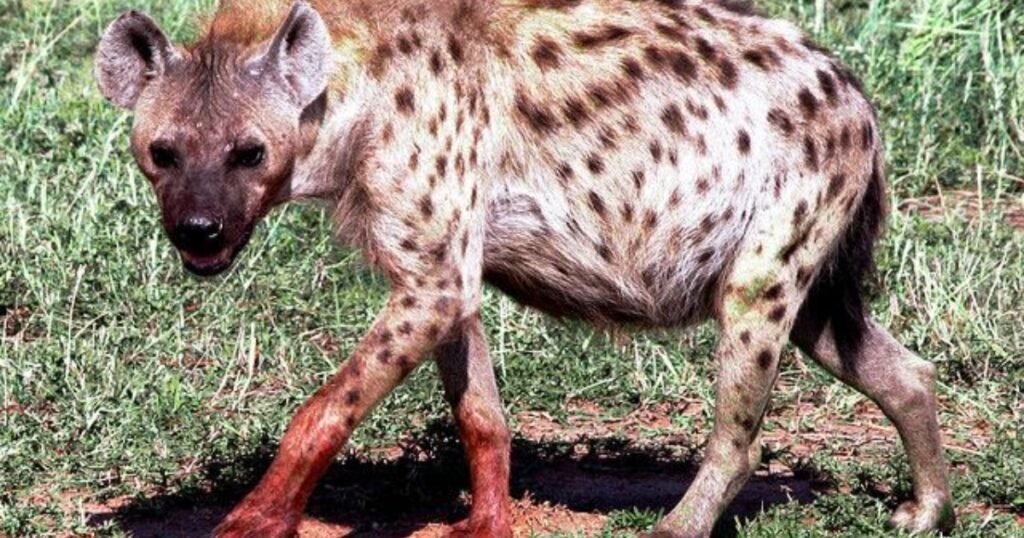
Their ability to adapt and strategize makes them unique in the animal kingdom. By working together and outsmarting their competition, hyenas play a crucial role in nature, balancing the roles of predators and scavengers.
Squirrels
Class: Mammalia
Diet: Omnivore
These are more than just cute animals you see in parks; they are clever little creatures. Their favorite snacks include nuts, seeds, and fruits. To keep those tasty treats safe, squirrels bury them in different spots and can even trick others by pretending to hide food. This clever behavior shows how smart they really are.
Besides collecting food, squirrels help nature too. When they bury nuts, some of those seeds grow into new trees, which is great for forests. Watching squirrels can also teach us about how animals interact with each other, as they often play and compete while gathering food.
Read More: Top 15 Weakest Animals In The World
Hamsters
Scientific name: Cricetus cricetus
Class: Mammalia
Diet: Omnivore
These are known for being popular pets, and their eating habits show something interesting about them. They have special cheek pouches that can hold a lot of food, allowing them to store snacks for later. In the wild, this helps them gather seeds and grains to get through tough seasons.
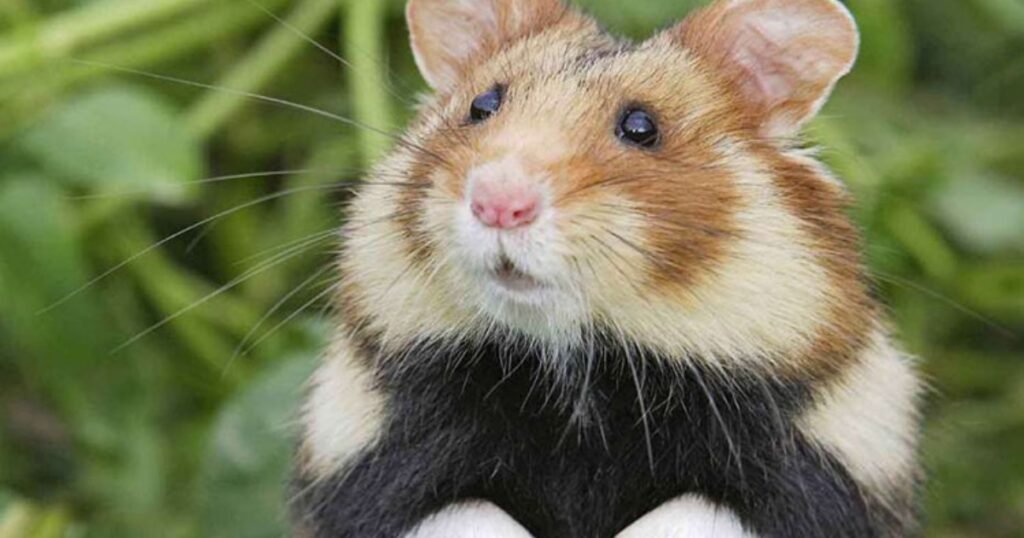
Besides hoarding food, hamsters also have social behaviors when it comes to sharing. In groups, some hamsters may protect certain food spots, creating a kind of social order. Watching them scurry with their treasures gives us a glimpse into their survival skills and social lives, making hamsters more fascinating than they seem.
Vulture
Class: Aves
Diet: Carnivore/Scavenger
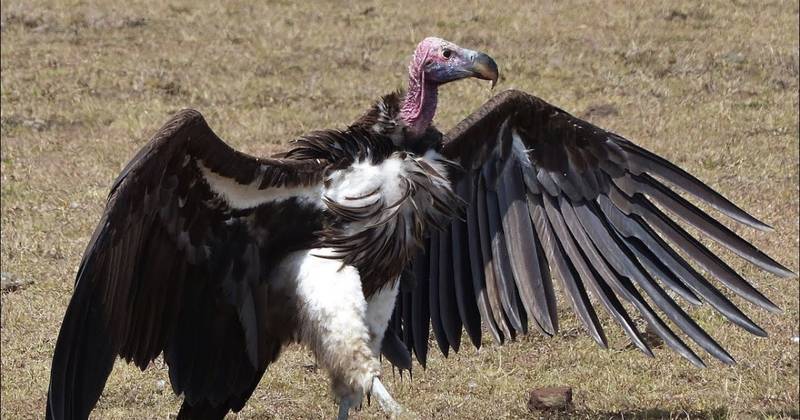
These are often seen as both fascinating and a bit creepy because they eat dead animals. They play a vital role in nature by cleaning up these carcasses, which helps prevent the spread of diseases. Their strong stomachs can handle harmful germs, making them essential for keeping ecosystems healthy.
These birds can fly very high and have amazing eyesight, allowing them to spot food from far away. They are facing threats from habitat loss and poisoning, which is why conservation efforts are important. Protecting vultures helps maintain the balance in our environment, reminding us how all species are connected in nature.
Chimpanzees
Scientific name: Pan troglodytes
Class: Mammalia
Diet: Omnivore
Chimpanzees, or Pan troglodytes, are fascinating creatures known for their intelligence and social lives. They love high-calorie foods and often compete for the best snacks, showing how power plays a role in their communities. Dominant males usually get the tastiest fruits, but they also share with others, which helps build friendships.
Chimpanzees can be quite generous, especially with family members. They sometimes choose to help a hungry friend or relative instead of just thinking about themselves.
Read More: Top 20 Long Tail Animals (With Pictures)
Pigeons
Scientific name: Columba livia
Class: Aves
Diet: Herbivore/Granivore
Pigeons, or Columba livia, are often seen as just city pests, but they have really interesting behaviors that show how smart they are. When you see aflock eating, you might notice how some pigeons are bolder and get more food.
But they also communicate with each other through coos and body language to decide when it’s safe to approach the food.
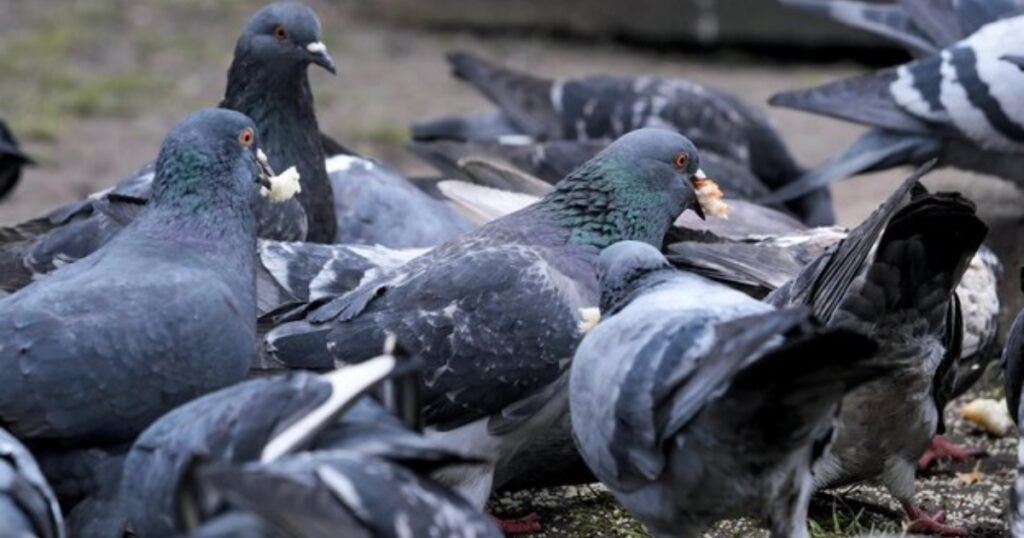
Pigeons are very good at finding food, too. They can remember places and learn from their experiences. This skill helps them survive in different environments, and researchers are studying their intelligence to learn more about problem-solving and social behavior in animals.
Raccoons
Scientific name: Procyon lotor
Class: Mammalia
Diet: Omnivore
These are known as “bandits of the night,” are clever animals that use their skillful front paws to explore and find food. They can easily get into bird feeders and trash cans, showing just how smart they are. This ability to adapt has helped them live in many places, including busy cities.
Their so-called “greediness” is really just a smart way to survive. Raccoons are nocturnal, meaning they are active at night, and often work together in groups. Studies show they learn from their experiences, making them even better at finding food in different environments.
Brown Bears
Scientific name: Ursus arctos
Class: Mammalia
Diet: Omnivore
Brown bears, or Ursus arctos, are amazing animals that weigh up to 1,500 pounds and have a varied diet as omnivores. They eat different foods depending on the season tender grasses in spring and nutrient-rich salmon in summer. This change in diet shows how they adapt to the environment and their need to survive.
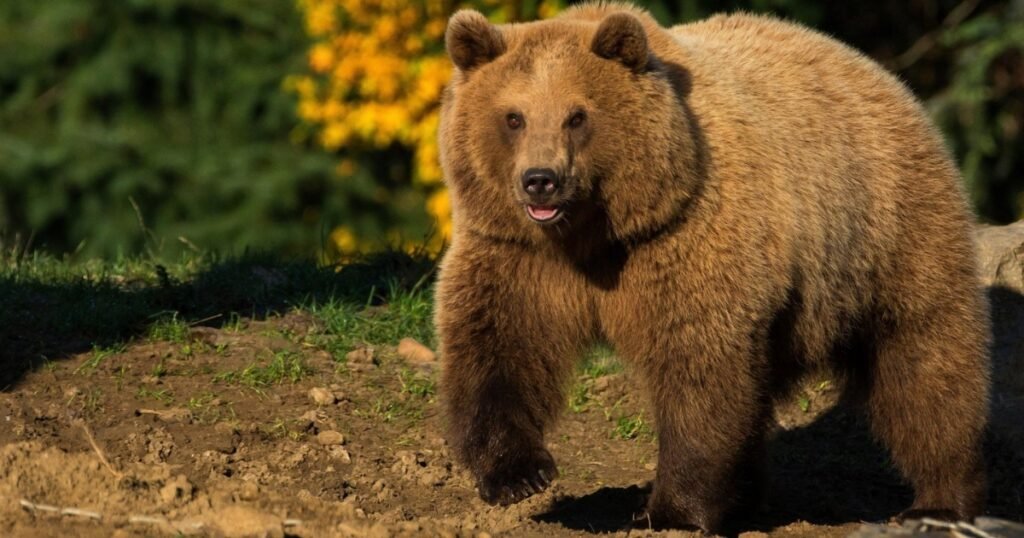
During feeding time, there’s a social order among them. Big male bears usually get the best spots, while mother bears find smart ways to protect their cubs and ensure they get enough to eat. Their hunger isn’t just about being greedy; it’s about preparing for hibernation and staying alive. This behavior reminds us how connected they are to nature and the cycle of life.
Pigs
Scientific name: Sus scrofa domesticus
Class: Mammalia
Diet: Omnivore
They are much more than just farm animals, they are smart and social creatures. Their scientific name is Sus scrofa domesticus, and they belong to the mammal class. Pigs eat a wide range of foods, thanks to their ability to find different kinds of food in the wild. This makes them good foragers and helps the environment by spreading seeds and improving soil.
Pigs also live in groups and communicate well with each other. They form friendships, show emotions, and even establish a social order within their groups.
Gorillas
Scientific name: Gorilla gorilla
Class: Mammalia
Diet: Herbivore
These are both interesting animals but have very different diets and habits. Pigs are omnivores, meaning they eat both plants and meat, and they are known for their intelligence and adaptability. They often root around in the ground to find food, showing their natural instincts and problem-solving skills.
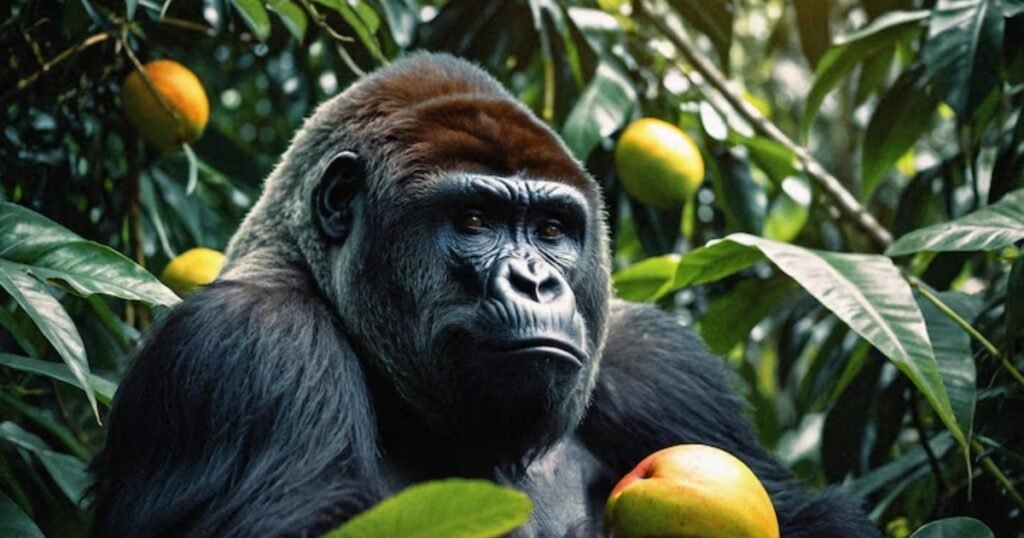
Gorillas, on the other hand, are herbivores and mostly eat leaves, stems, and fruits found in their jungle homes. They are also clever and sometimes use tools, like sticks, to help them get food, such as termites. Gorillas live in family groups, where social rules influence who eats first, but they also share food with others, showing their strong family bonds and cooperative nature.
Tiger Sharks
Scientific name: Galeocerdo cuvier
Class: Chondrichthyes
Diet: Carnivore
These are known as the “garbage cans of the ocean,” have a very varied diet. They eat everything from fish and sea turtles to things humans throw away. This variety in their meals helps scientists understand the health of our oceans.
They have strong sense of smell. They can find food from miles away, allowing them to hunt in different underwater environments. Their eating habits might seem greedy, but they play an important role in keeping the ocean ecosystem balanced.
Tasmanian Devils
Scientific name: Sarcophilus harrisii
Class: Mammalia
Diet: Carnivore
These are known scientifically as Sarcophilus harrisii, are fascinating creatures found in Australia. They are carnivores, meaning they mainly eat meat, and have the strongest bite of any mammal compared to their size. This allows them to eat every part of a carcass, which helps return nutrients to the environment, keeping ecosystems healthy.
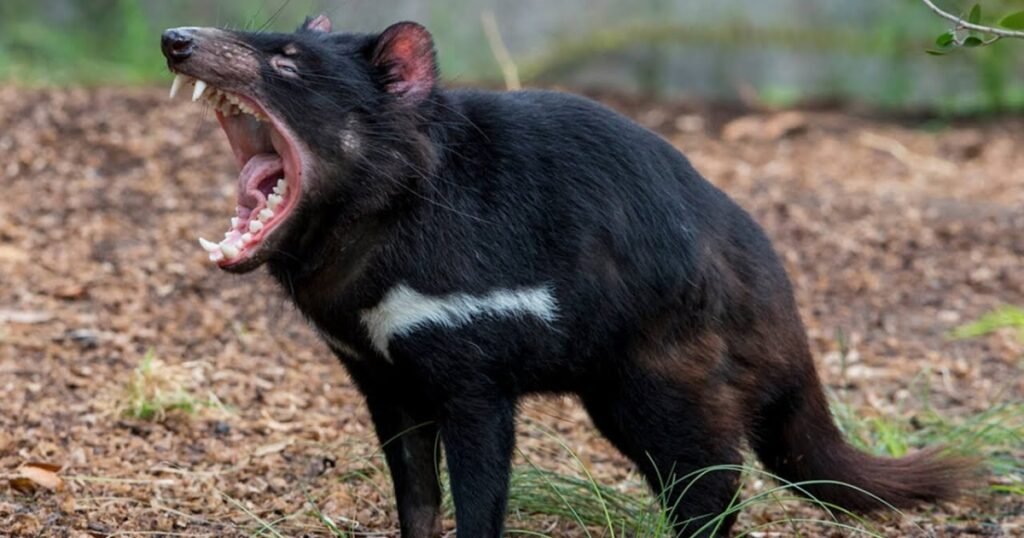
Sadly, these unique animals face serious threats, like habitat loss and a deadly disease called Devil Facial Tumour Disease. This disease is contagious and has hurt their populations a lot. As scientists try to save them, the Tasmanian devil reminds us how everything in nature is connected and how important it is to protect our wildlife.
Octopus
Scientific name: Octopus vulgaris
Class: Cephalopoda
Diet: Carnivore
Octopuses, like Octopus vulgaris, are fascinating creatures known for their clever hunting skills and greedy behavior. They use their eight arms, which have many taste receptors, to carefully choose the best food options like crabs and clams. Instead of just grabbing anything, they think ahead and plan their moves, showing off their smartness.
Sometimes, they snatch food from other animals and even store their catches in their dens for later. This hoarding behavior highlights their intelligence, as they can remember where they’ve hidden their food, making them skilled strategists of the ocean.
Pufferfish
Class: Actinopterygii
Diet: Carnivore
These are fascinating creatures known for their ability to puff up into a spiky ball when threatened. They are carnivores, which means they mainly eat meat, like crustaceans and mollusks. Their special beak-like teeth help them crack tough shells, making them efficient hunters.
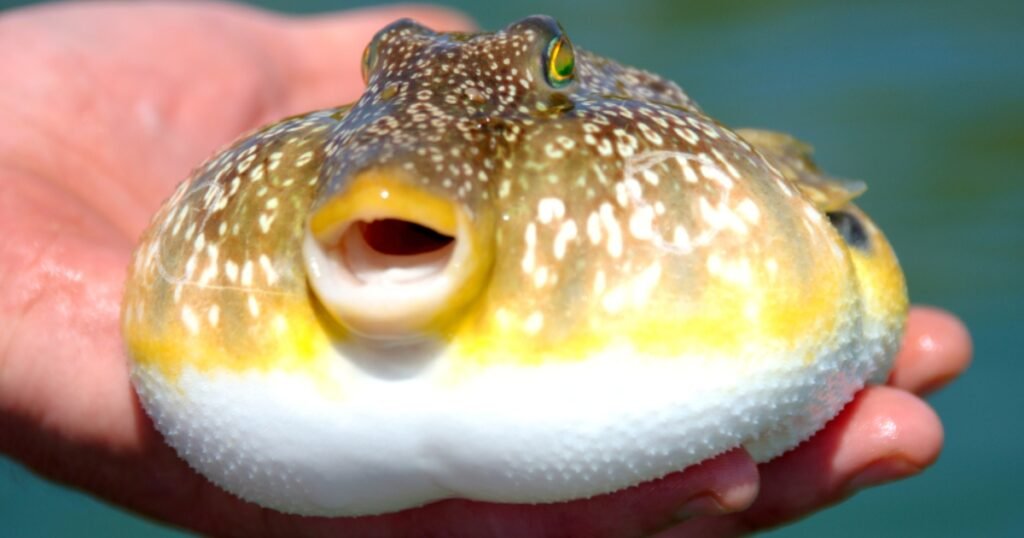
They often team up with others when foraging. This teamwork shows they may have more intelligence than people think. They seem greedy when hunting, they actually help keep the balanced ecosystem of coral reefs healthy by controlling the population of certain species.
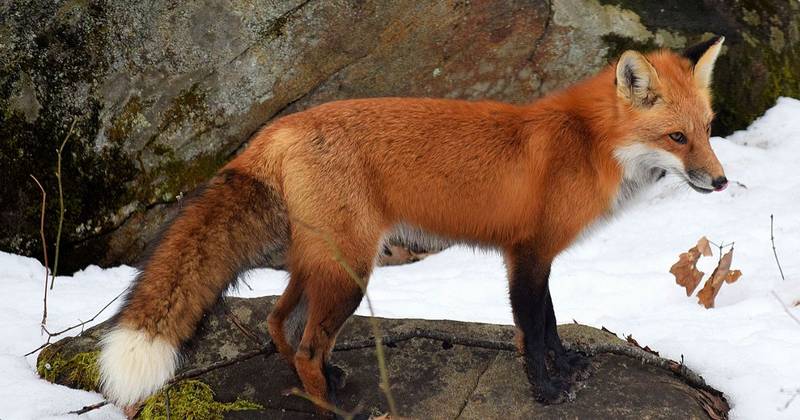
Foxes
Scientific name: Vulpes vulpes
Class: Mammalia
Diet: Omnivore
These,known scientifically as Vulpes vulpes, are clever animals that have a mix of intelligence and opportunism. They are not just solitary hunters; they claim territories where they find a variety of foods. From small animals like rabbits to fruits and even decaying matter, their flexible diet helps them survive in many environments.
These animals are alsobold scavengers, often raidingbird nests for eggs or taking advantage of leftover food. This behavior shows their adaptability and cleverness in a world where resources can be scarce.
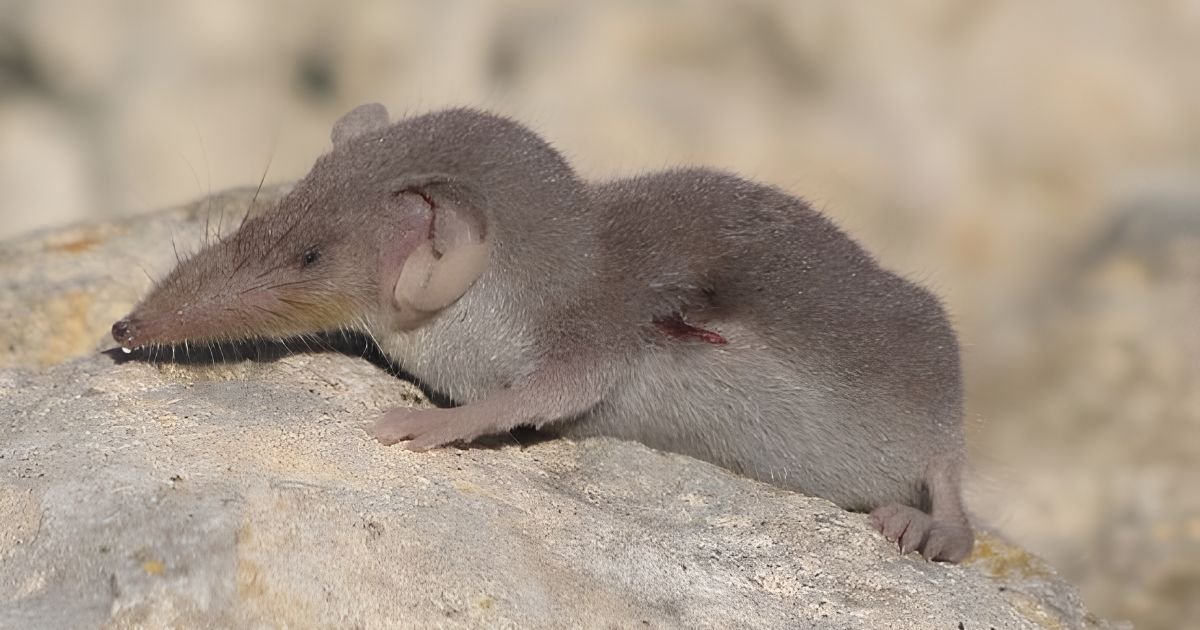
American Pygmy Shrews
Scientific name: Sorex hoyi
Class: Mammalia
Diet: Insectivore
These are tiny mammals that weigh less than an ounce! Despite their small size, they are full of energy and spend most of their time searching for food. These little creatures eat insects, worms, and other small bugs, often consuming more than their own body weight in food each day. Their fast metabolism means they need to eat constantly to stay alive.
To find their food, they use sharp teeth and a great sense of smell. They are also very quick, which helps them escape from predators. Watching them dart through the grass shows how hard they work just to survive in the wild.
Rat
Scientific name: Rattus norvegicus
Class: Mammalia
Diet: Omnivore
These often seen as dirty and greedy, are actually very smart and adaptable animals. They are great at living in various environments, especially around humans, which helps them find food easily. Their behavior, which might look like greed, is really about survival and is part of their social structure.
Rats work together to find food and share information, which makes it easier for the group to survive. So, what might seem like greed is actually a smart way for them to stay alive and support their community.
Seagulls
Class: Aves
Diet: Omnivore
These are often seen as the sneaky thieves of the beach, always ready to grab food from people. Their cleverness goes beyond just stealing snacks; they use teamwork to distract humans or other birds while one of them swoops in for a meal. This shows they are not just greedy but also smart and socially aware.
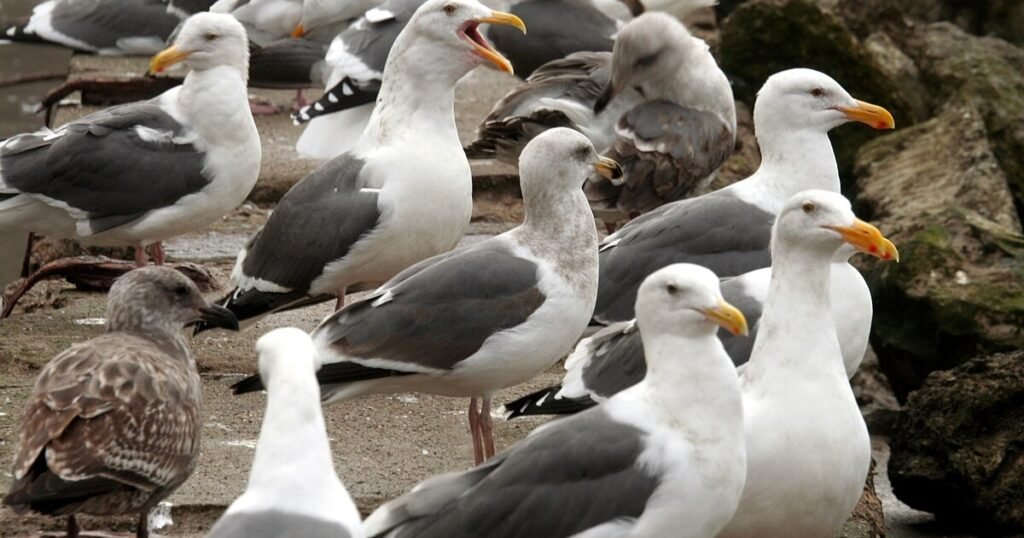
They recognize the sounds of food wrappers and know this means a free meal is coming. This ability helps them thrive in places where people gather, turning beaches and parks into their own dining spots.
Lion
Scientific name: Panthera leo
Class: Mammalia
Diet: Carnivore
These are often called the “kings of the jungle,” are powerful animals with complex social lives. They live in groups called prides, where each lion has its own rank. During a hunt, the dominant male usually eats first, while the females and cubs wait for their turn. This shows how they share food, but it also highlights their social structure.
They also face big challenges because of habitat loss and declining prey. If they eat too much and overhunt, they risk running out of food. This can lead to their decline and affect the whole ecosystem.
Read More: Top 14 Animals animals with 3 toes (With Pictures)
Wild Boar
Scientific name: Sus scrofa
Class: Mammalia
Diet: Omnivore
These are known scientifically as Sus scrofa, are smart and adaptable animals. They eat a wide variety of food, including plants and small animals, which helps them thrive in many different environments, from forests to cities. Their digging habits are also good for the environment because they aerate the soil, which helps plants grow.
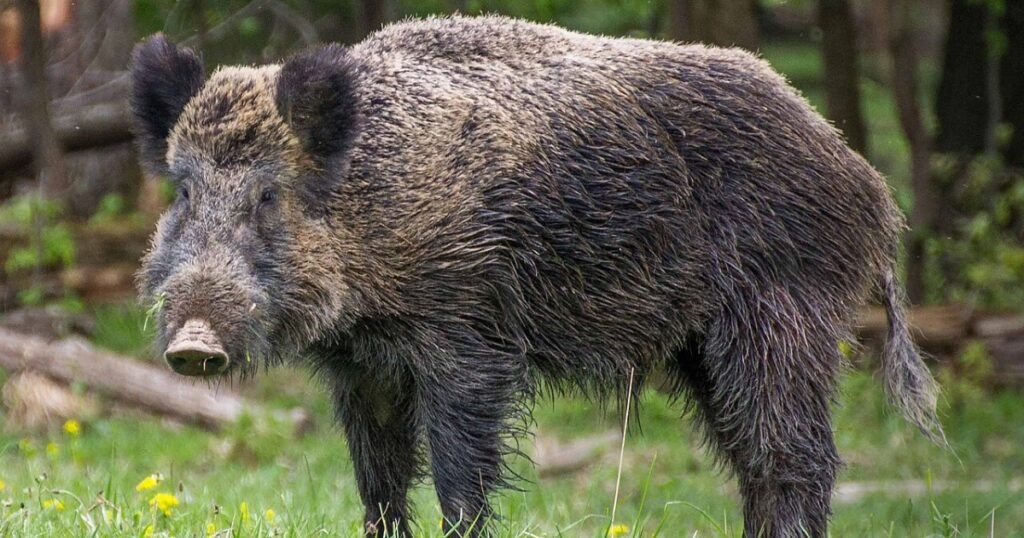
Socially, wild boars live in groups led by female sows. This group living helps them find food more easily and stay safe from predators. They communicate with each other through sounds and body movements, showing that they are intelligent and very social creatures.
Puffins
Scientific name: Fratercula arctica
Class: Aves
Diet: Carnivore
These are known as the “clowns of the sea,” are colorful birds famous for their bright beaks and funny walks. They are great at catching fish, with an adult puffin able to hold about 30 fish in its beak at once. This impressive skill helps them feed their chicks, showing how much they care for their young.
Puffins also play and compete with each other in groups. This not only helps them find food but also builds friendships within their colony. Even in the wild, puffins prove that teamwork and community matter.
Burmese Python
Scientific name: Python bivittatus
Class: Reptilia
Diet: Carnivore
These are known as a giant constrictor, is famous for its big appetite. These snakes can grow up to 23 feet long and weigh over 200 pounds. They often wait quietly to catch their prey, which can include animals as large as deer.
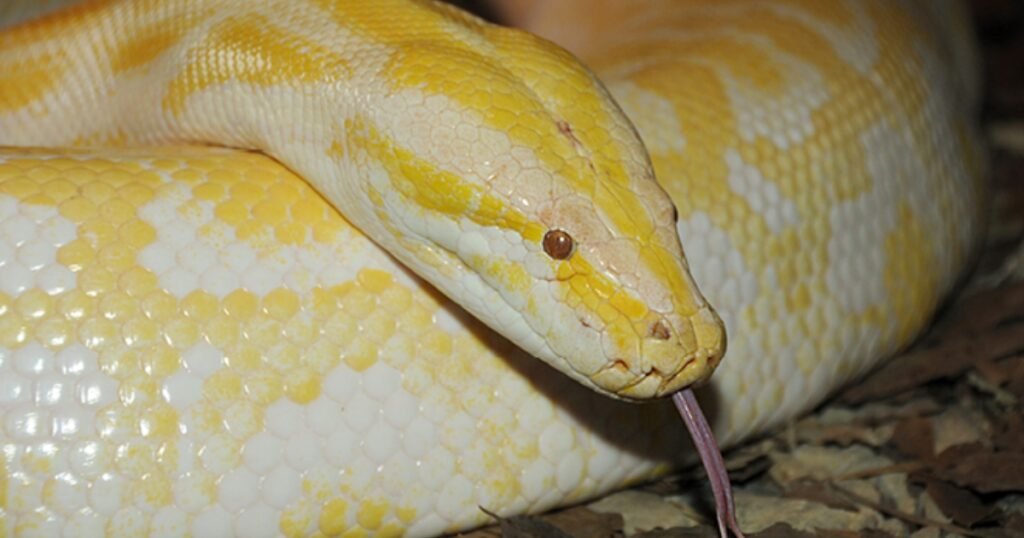
Their greediness is not just about being hungry; it helps them survive. When food is abundant, they eat a lot to store energy for times when food is scarce. This smart behavior shows how adaptable they are in the wild.
Crocodile
Scientific name: Crocodylus niloticus
Class: Reptilia
Diet: Carnivore
These are especially the Nile crocodile, are skilled hunters known for their patience. They can stay still in the water for a long time, waiting for the right moment to catch their prey. This clever waiting game shows their unique way of satisfying their hunger.
Crocodiles also guard their territories fiercely. They want to control the best spots because having more space means more food and potential mates.
Honey Badgers
Scientific name: Mellivora capensis
Class: Mammalia
Diet: Omnivore
These are amazing creatures known for their fearless attitude. Despite being small, they can take on much larger animals, including venomous snakes. They eat just about anything, from insects to fruit, and they’re always on the lookout for food.
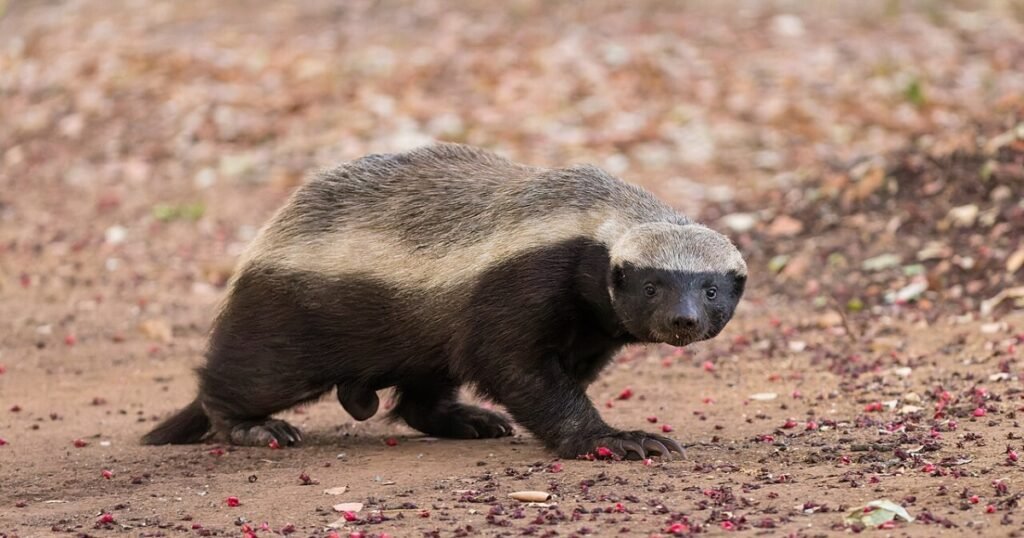
Honey badgers often find smart ways to get to food that other animals can’t reach, like digging into beehives for honey, even if it means getting stung. Their boldness and problem-solving skills make them fascinating to watch in the wild.
Wolverine
Scientific name: Gulo gulo
Class: Mammalia
Diet: Carnivore
These are scientifically known as Gulo gulo, is a tough little animal found in cold areas of the Northern Hemisphere. Despite its small size, it is known for its fierce nature, often scaring off larger animals, like bears, to steal their food. This bold behavior makes the wolverine seem a bit greedy as it scavenges and hunts.
In winter, wolverines use their strong jaws and thick fur to move through the snow. They are smart about food, often burying extra meals to eat later. This shows they understand that food can be hard to find when resources are low.
Conclusion
Exploring the world of greedy animals reveals some fascinating behaviors. From the animals that eat a lot to those that always seem to want more, there’s a rich variety in the animal kingdom. Each species has its own way of finding food, and some take it to the next level.
It’s the sheer amount they consume or their clever strategies to grab food, these creatures certainly show us what it means to be greedy. Take a look at our list and see if your favorite made the cut.
FAQ’s
What Animals are greedy?
Many animals can be considered greedy due to their strong instincts to gather food and resources. For example, raccoons often scavenge through trash cans, looking for anything edible, while seagulls will swoop in on food anywhere they see it.
What is the greediest Animal in the world?
The larva of the polyphemus moth is often called the greediest animal in the world. It can eat up to 86,000 times its own weight in just 56 days.
Are Hyenas Greedy?
Hyenas often get a bad reputation for being greedy, but it’s more about their survival instincts. They do scavenge and steal food, hunt in groups and are quite skilled at it. Their behavior is more about staying alive in a tough environment rather than being simply greedy.