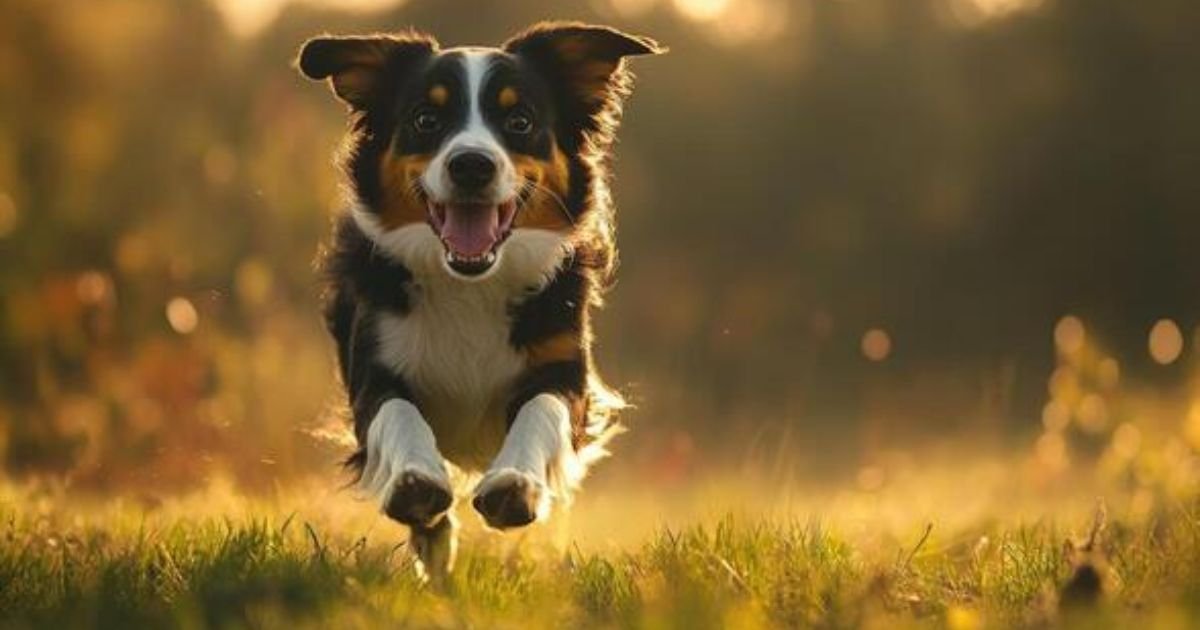
24 Most Skinny Animals in the World (With Pictures)
Many animals come in all shapes and sizes, but some stand out for being exceptionally skinny. In this article, we’ll take a closer look at the 24 most Skinny Animals in the world. Learning about these animals broadens our understanding of biodiversity and highlights how different environments shape their bodies. You’ll enjoy fascinating insights and eye-catching pictures that bring these animals to life.
List of Most Skinny Animals
Here is the list of animals that are skinny:
| Number of Animals | Names of Skinny Animals in The World |
| 1 | Gazelle |
| 2 | Giraffe |
| 3 | Common house gecko |
| 4 | Etruscan Shrew |
| 5 | Meerkat |
| 6 | Needlefish |
| 7 | Fossa |
| 8 | Stoat |
| 9 | Great Egret |
| 10 | Brookesia Micra Chameleon |
| 11 | Ferrets |
| 12 | Mako Shark |
| 13 | Afghan Hound |
| 14 | Greyhound |
| 15 | Alpaca |
| 16 | Whippet |
| 17 | Carolina mantis |
| 18 | Kangaroo |
| 19 | Red Slender Loris |
| 20 | Saluki |
| 21 | Dragonfly |
| 22 | Spotted Garden Eel |
| 23 | Stick bug |
| 24 | Common slender mongoose |
Gazelle
Scientific name: Gazella gazella
Class: Mammalia
Diet: Herbivore
Gazelles, with the scientific name Gazella gazella, are remarkable creatures known for their slender bodies and graceful movements. These herbivores can sprint at speeds of up to 60 kilometers per hour, making them incredibly agile when evading predators. Their lightweight structure and powerful hind legs allow them to make sharp turns, adding to their survival skills in the wild.
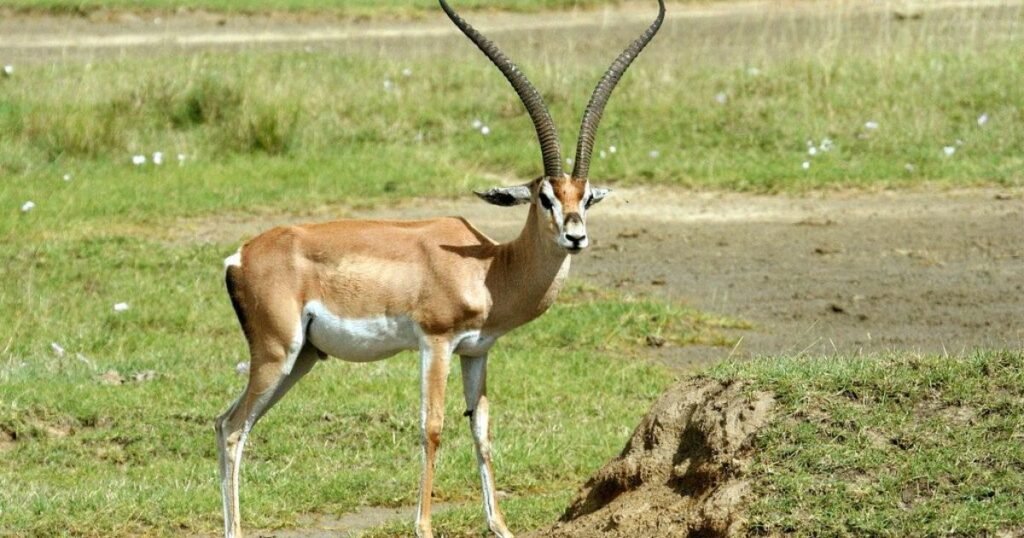
Living in herds, gazelles benefit from safety in numbers and improved foraging. They also exhibit a unique behavior called “stotting” or “pronking,” where they leap high into the air to show predators they are healthy and fit. This fascinating display can dissuade hunters, highlighting the gazelle’s blend of beauty and survival instincts in their natural habitat.
Giraffe
Scientific name: Giraffa camelopardalis
Class: Mammalia
Diet: Herbivore
Giraffes, scientifically known as Giraffa camelopardalis, are fascinating creatures with their towering height and unique adaptations. Their long necks allow them to reach high foliage, giving them access to food that many other animals can’t get. This helps them find enough to eat and provides a great lookout for spotting predators in the grasslands.
Moreover, their skin is specially adapted for survival. The tough, spotted exterior serves as natural protection from the sun and insect bites, while also helping giraffes recognize one another within their herds. These social bonds are crucial for their interactions, making giraffes a remarkable example of how evolution shapes the lives of animals in the wild.
Read More: Explore Top 8 Dangerous Animals in Aruba (With Pictures) in 2026
Common House Gecko
Scientific name: Hemidactylus frenatus
Class: Reptilia
Diet: Insectivore
The common house gecko, scientifically known as Hemidactylus frenatus, is a small but fascinating reptile that thrives in human environments. Often spotted darting along walls or hiding in corners, their ability to blend into their surroundings makes them effective hunters of pests like crickets and flies.
Their unique coloration usually soft browns or grays, helps them stay hidden while they hunt, showcasing nature’s incredible design for survival.
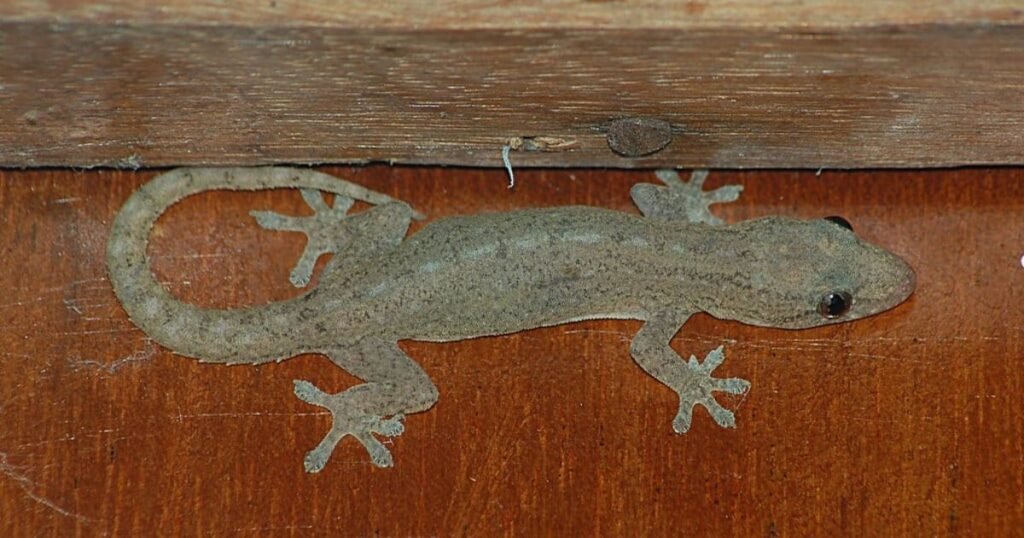
One of the most remarkable features of these geckos is their specialized toe pads that allow them to climb smooth surfaces with ease. This adaptability is essential for catching prey and navigating their urban habitats. The chirps and clicks they use during mating season highlight a social complexity that is often overlooked.
Etruscan Shrew
Scientific name: Suncus etruscus
Class: Mammalia
Diet: Insectivore
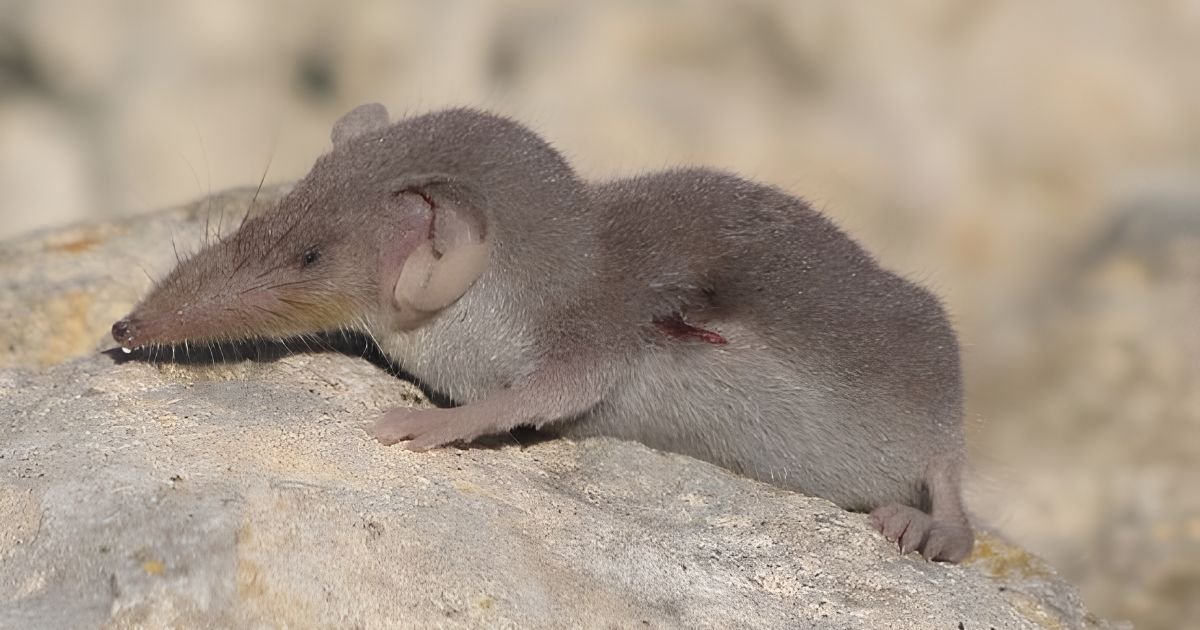
The Etruscan shrew, or Suncus etruscus, may be tiny, weighing just two grams, but it’s truly a fascinating creature. With a heart that beats an incredible 1,500 times per minute, this little mammal has an impressive metabolism that drives its relentless search for food in the leaf litter. Despite its small size, it plays an essential role in controlling insect populations, highlighting how every creature, no matter how small, contributes to the balance of ecosystems.
These shrews are agile and quick, often slipping through tight spaces and darting across the forest floor. Their keen sense of smell guides them as they hunt for insects and worms. This remarkable adaptability showcases their survival skills and the complexities of life in the wild.
Meerkat
Scientific name: Suricata suricatta
Class: Mammalia
Diet: Omnivore
Meerkats, scientifically known as Suricata suricatta, are remarkable creatures that thrive in the harsh environments of Southern Africa. Their slender bodies are built for agility, allowing them to maneuver adeptly in their arid habitats. Living in tight-knit communities, these small mammals exemplify teamwork as one individual stands guard while others search for food, showcasing a strong sense of cooperation that enhances their survival.
Their unique communication skills further highlight their social nature. Meerkats use a variety of vocalizations to share information about dangers and food sources, fostering connections within their groups.
This sophisticated communication deepens their bonds and raises interesting questions about animal intelligence and emotional connections.
Read More: Top 14 Animals that Eat Coconuts (With Pictures)
Needlefish
Scientific name: Belonidae
Class: Actinopterygii
Diet: Carnivore
Needlefish, belonging to the Belonidae family, are fascinating creatures known for their long, slender bodies and sharp jaws. Their streamlined shape allows them to dart quickly through the water, making them effective predators that rely on speed to catch smaller fish and invertebrates. This agility is key to their hunting success, as they strike with precision.
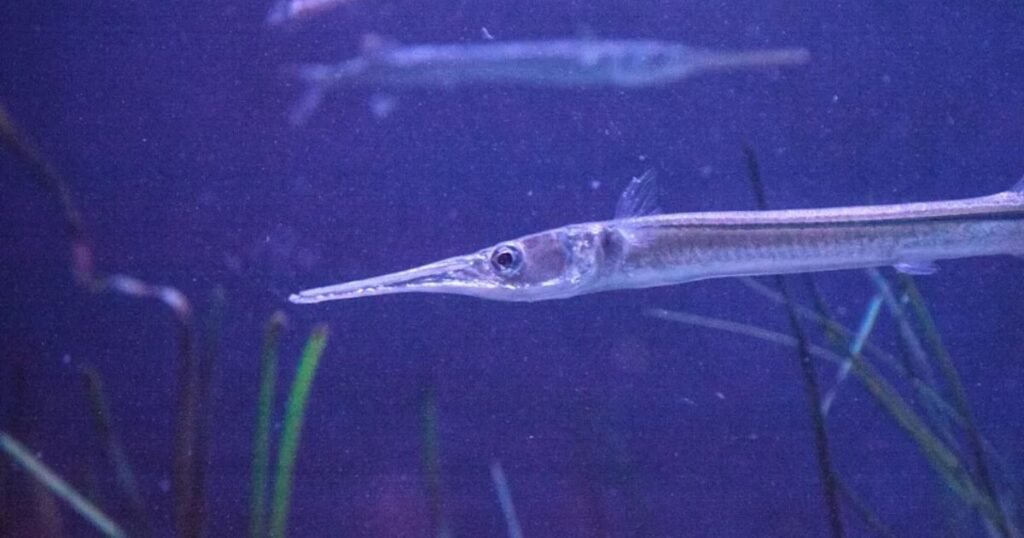
In addition to their predatory skills, needlefish often gather in schools, enhancing their hunting efficiency and providing safety in numbers. This social behavior highlights an interesting aspect of their lives: they thrive not just as solitary hunters but as a community.
Fossa
Scientific name: Cryptoprocta ferox
Class: Mammalia
Diet: Carnivore
The fossa is a fascinating predator found only in Madagascar, known for its cat-like grace and remarkable agility. With a slender body and a long tail that can extend its length up to six feet, this unique animal is a top predator in its habitat, preying primarily on lemurs and other small mammals. Its retractable claws and powerful limbs make it an exceptional climber, allowing it to navigate the dense rainforests effortlessly.
However, the fossa faces serious threats from deforestation and habitat loss. As Madagascar’s environment changes, protecting the fossa becomes crucial not just for the species itself but for the entire ecosystem that relies on its presence.
Stoat
Scientific name: Mustela erminea
Class: Mammalia
Diet: Carnivore
The stoat, scientifically known as Mustela erminea, is a fascinating carnivore known for its agility and adaptability. In summer, these sleek animals sport a rich brown coat, but as winter arrives, they transform into a striking white, providing excellent camouflage in snowy environments.
This color change helps them blend into their surroundings and makes them skilled hunters of various prey, from small rodents to rabbits.
Their unique body shape, with a long torso and short legs, allows stoats to make quick turns and accelerate rapidly, turning them into effective predators despite their small size. Interestingly, stoats have a high metabolic rate, meaning they need to eat a lot daily to keep up their energy levels. These traits showcase the clever evolutionary strategies that make stoats such remarkable animals.
Read More: Top 15 Dangerous Animals in The Philippines (With Images)
Great Egret
Scientific name: Ardea alba
Class: Aves
Diet: Carnivore
The Great Egret, scientifically known as Ardea alba, is a stunning bird that epitomizes grace with its long, slender neck and pure white feathers. Often seen in wetlands and marshes, these elegant birds are expert hunters, waiting patiently in shallow waters to catch fish and small amphibians with their sharp beaks.
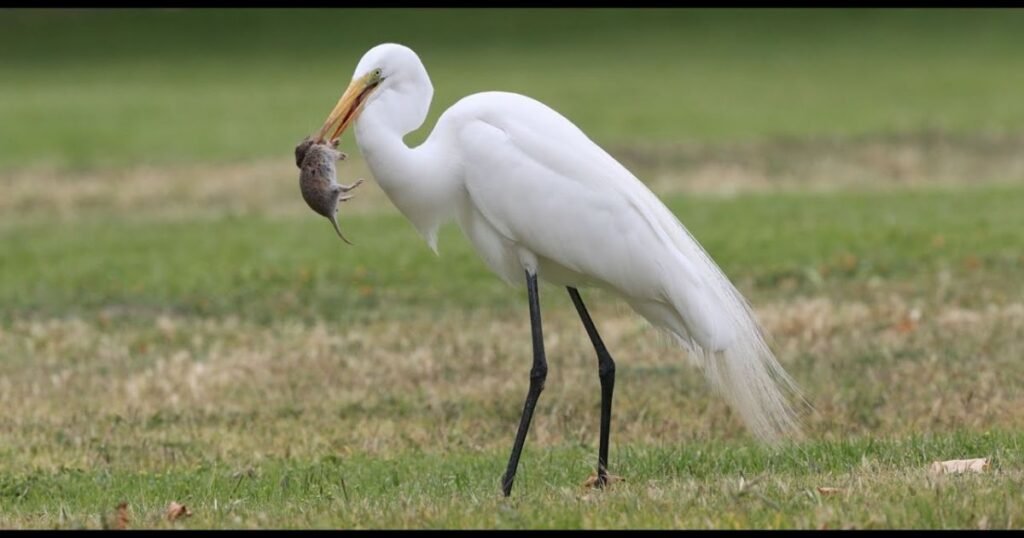
However, the Great Egret faces challenges due to habitat loss and climate change. Conservation efforts are crucial to protect their wetland environments, reminding us that the health of nature is intertwined with our own.
By safeguarding these ecosystems, we help Great Egrets thrive and ensure the survival of many other species that share their home.
Brookesia Micra Chameleon
Scientific name: Brookesia micra
Class: Reptilia
Diet: Insectivore
The Brookesia micra chameleon is one of the smallest vertebrates on Earth, measuring less than an inch long. Native to Madagascar’s rainforest floor, these tiny reptiles are experts at camouflage, allowing them to blend into their surroundings and avoid predators. Their survival depends on their ability to navigate a microhabitat filled with leaf litter, where they feed on tiny insects.
These chameleons highlight the intricate interplay of biodiversity within isolated ecosystems. Unfortunately, as Madagascar faces threats from deforestation and climate change, the future of Brookesia micra and its habitat is uncertain. Protecting these remarkable creatures is essential not just for their survival but for maintaining the delicate balance of life in their ecosystem.
Ferrets
Scientific name: Mustela putorius furo
Class: Mammalia
Diet: Carnivore
Ferrets, scientifically known as Mustela putorius furo, are playful and curious creatures that make entertaining companions. Their long, slim bodies allow them to squeeze into tight spaces, igniting their natural explorer instincts. This playful energy brings joy to their human families as they dart around in search of hidden treasures.
Social beings at heart, ferrets thrive on interaction, both with humans and other ferrets. They form close-knit groups and display interesting social behaviors, which highlights the need for regular mental and physical stimulation.
Read More: Top 18 Scavenger Animals In The World (With Images)
Mako Shark
Scientific name: Isurus oxyrinchus
Class: Chondrichthyes
Diet: Carnivore
The Mako shark, scientifically named Isurus oxyrinchus, is an incredible predator known for its streamlined body and impressive speed, reaching up to 45 miles per hour.
This agility makes it a formidable hunter of fast-moving prey like tuna and swordfish. Its muscle structure, rich in red fibers, allows for quick bursts of energy, giving it an edge in the hunt.
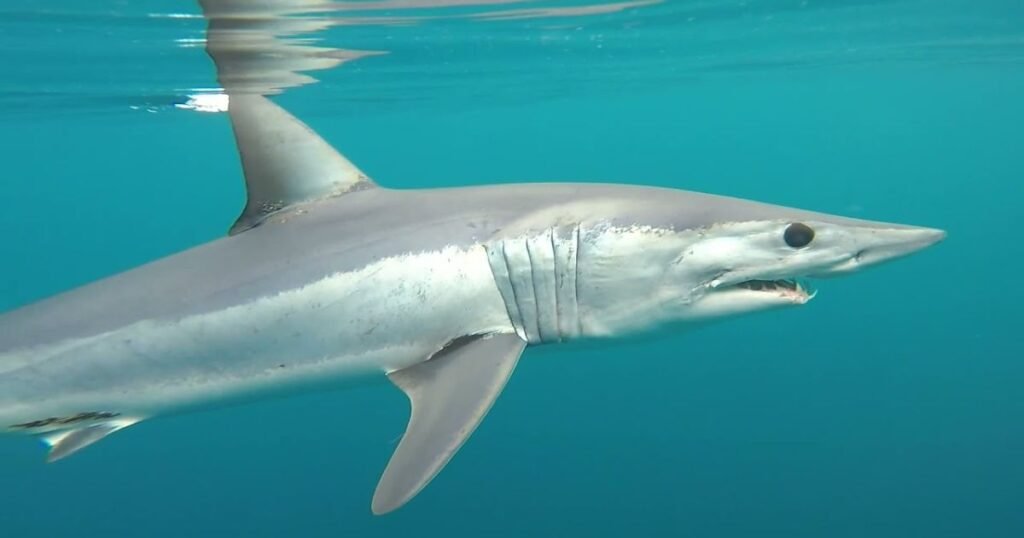
Beyond speed, Mako sharks have fascinating physiological traits, including a specialized circulatory system that helps regulate their body temperature. This adaptation allows them to thrive in various environments, from warm coastal areas to colder depths.
Afghan Hound
Class: Mammalia
Diet: Omnivore
The Afghan Hound is a stunning breed known for its long, flowing coat and elegant stature. Originating from Afghanistan, these dogs were bred for endurance and agility, making them exceptional sprinters in their mountainous homeland. Despite their graceful appearance, they possess a quirky and independent personality that can be both charming and aloof.
Owning an Afghan Hound requires patience and commitment, especially when it comes to grooming their luxurious coat. However, these grooming sessions can strengthen the bond between dog and owner, as Afghan Hounds are loyal companions who thrive in a loving environment.
Greyhound
Class: Mammalia
Diet: Omnivore
Greyhounds are fascinating animals known for their incredible speed and graceful physique. With their slender bodies and long legs, they can reach up to 45 miles per hour, a skill honed over centuries as they were bred for hunting. Originating from ancient Egypt, these dogs were highly valued for their agility and quickness.
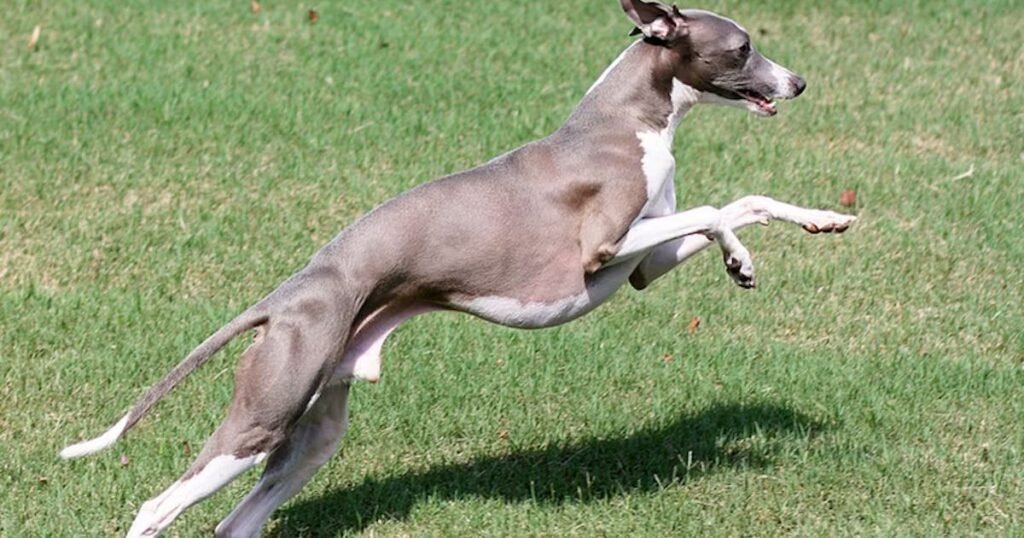
Despite their racing background, Greyhounds are surprisingly calm and gentle when at home, often enjoying a cozy spot on the couch more than a sprint in the park. Their low-maintenance coats and friendly personalities make them excellent pets for many households.
Alpaca
Scientific name: Vicugna pacos
Class: Mammalia
Diet: Herbivore
Alpacas, scientifically known as Vicugna pacos, are captivating animals that thrive in the high-altitude Andes. Their slender bodies and long necks are specially designed for navigating rocky terrains, which helps them escape predators while foraging for food. Weighing between 100 to 200 pounds, they’re lighter and more agile than their llama relatives.
Beyond their unique physical traits, alpacas are social creatures with complex emotional lives. They form close-knit groups and communicate through various sounds, showcasing their emotional intelligence.
Read More: Explore Top 15 Animals That Live in Rivers (with Images)
Whippet
Class: Mammalia
Diet: Omnivore
Whippets are elegant dogs known for their incredible speed, reaching up to 35 miles per hour. Often mistaken for small Greyhounds, they have a slim yet muscular build that makes them both athletic and comfortable lounging around.
What sets Whippets apart is their gentle and affectionate nature. Many people are surprised by their calm demeanor, as they thrive in harmonious home environments. This adaptability makes them great companions for both active families and those who prefer a more relaxed lifestyle.
Carolina Mantis
Scientific name: Stagmomantis carolina
Class: Insecta
Diet: Carnivore
The Carolina mantis, scientifically known as Stagmomantis carolina, is a striking insect known for its vibrant green and brown colors that help it blend into the plants around it. These agile hunters are true predators, capable of snatching prey larger than themselves with incredible speed using their specialized forelegs.
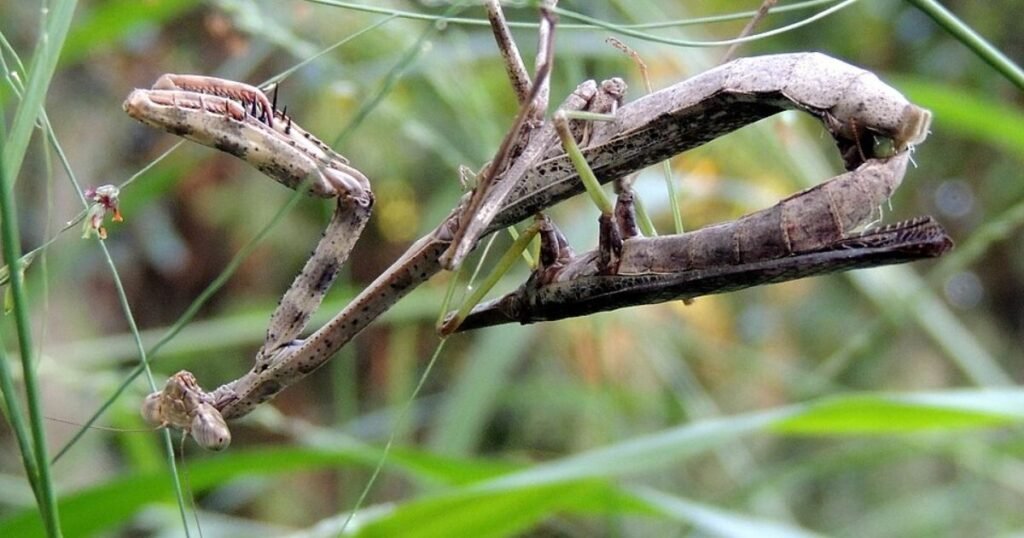
Aside from their impressive hunting skills, Carolina mantises play an essential role in the ecosystem by keeping pest populations in check.
Their unique behaviors, especially during mating rituals, highlight the complex interactions in their world, showcasing how these seemingly “skinny” creatures are vital to nature’s balance.
Kangaroo
Scientific name: Macropus
Class: Mammalia
Diet: Herbivore
Kangaroos, known scientifically as Macropus, are fascinating creatures with a unique build that many describe as “skinny.” This slender physique isn’t just for looks; it helps them navigate the harsh Australian landscape efficiently. Their lean bodies allow them to hop long distances while conserving energy in search of sparse food and water.
Beyond their physique, kangaroos have a rich social structure. They often form groups called mobs, where they work together to evade predators. This teamwork enables them to protect themselves and their young joeys, showcasing how their body design and social behaviors play a crucial role in their survival.
Red Slender Loris
Scientific name: Loris tardigradus
Class: Mammalia
Diet: Omnivore
The Red Slender Loris is a fascinating little primate known for its big, expressive eyes and slender body. Native to Southeast Asia, this nocturnal creature has adapted beautifully to life in the treetops, enabling it to move quietly and gracefully. Unfortunately, it’s not just its adorable looks that make it remarkable; it’s also facing serious threats like habitat loss and illegal wildlife trade.
What sets the Red Slender Loris apart is its unique way of communicating. It uses a variety of sounds, from soft whistles to sharp cries, to connect with others in its group, especially during mating. These vocalizations highlight the complex social interactions among these animals, showing that there’s much more to them than meets the eye.
Saluki
Class: Mammalia
Diet: Omnivore
The Saluki, known as the “Royal Hound of Egypt,” is one of the oldest dog breeds, with a history spanning over 5,000 years. These elegant dogs are built for speed and agility, making them exceptional hunters in the arid landscapes of the Middle East. Their slender, athletic bodies and graceful demeanor make them truly unique in the canine world.
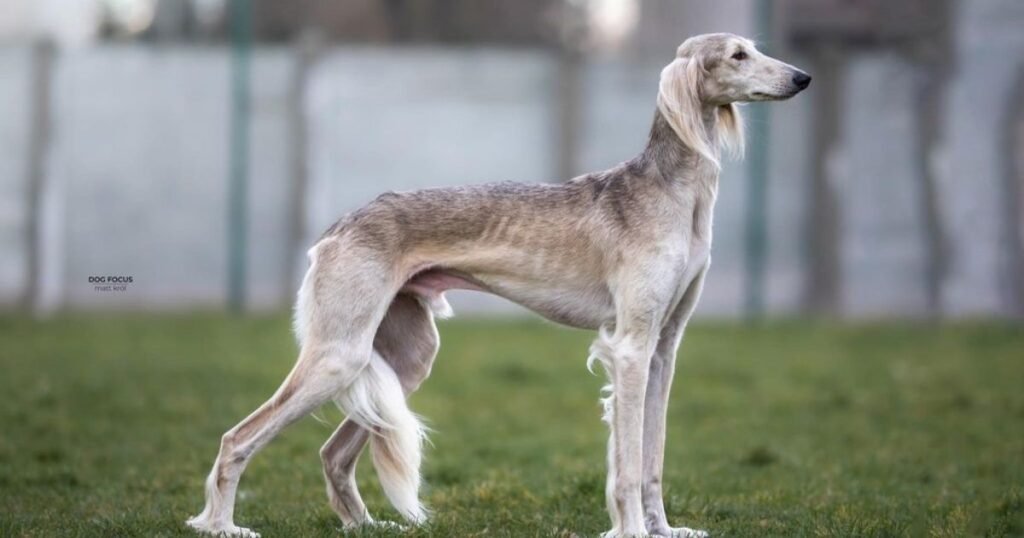
In terms of temperament, Salukis are calm yet independent. They may not seek constant attention, they form deep bonds with their owners over time. Their high energy and keen hunting instincts mean they thrive in active environments, enjoying adventures alongside their humans.
Dragonfly
Scientific name: Anisoptera
Class: Insecta
Diet: Carnivore
Dragonflies, known scientifically as Anisoptera, are fascinating creatures that showcase both beauty and skill in the insect world. With their long, slender bodies and colorful, shimmering wings, they are true acrobats of the sky. Impressive talents is the ability to hover, fly backward, and make sharp turns, which they utilize to catch prey like mosquitoes mid-air.
Beyond their impressive hunting techniques, dragonflies play a vital role in our ecosystems. By controlling mosquito populations and other pests, they contribute to a healthier environment.
Spotted Garden Eel
Scientific name: Heteroconger hassi
Class: Actinopterygii
Diet: Carnivore
The Spotted Garden Eel, or Heteroconger hassi, is a fascinating marine creature known for its slender body and mottled skin. Typically found in sandy areas of the Pacific Ocean, these eels create burrows and peek out with just their heads exposed, allowing them to camouflage and ambush small zooplankton.
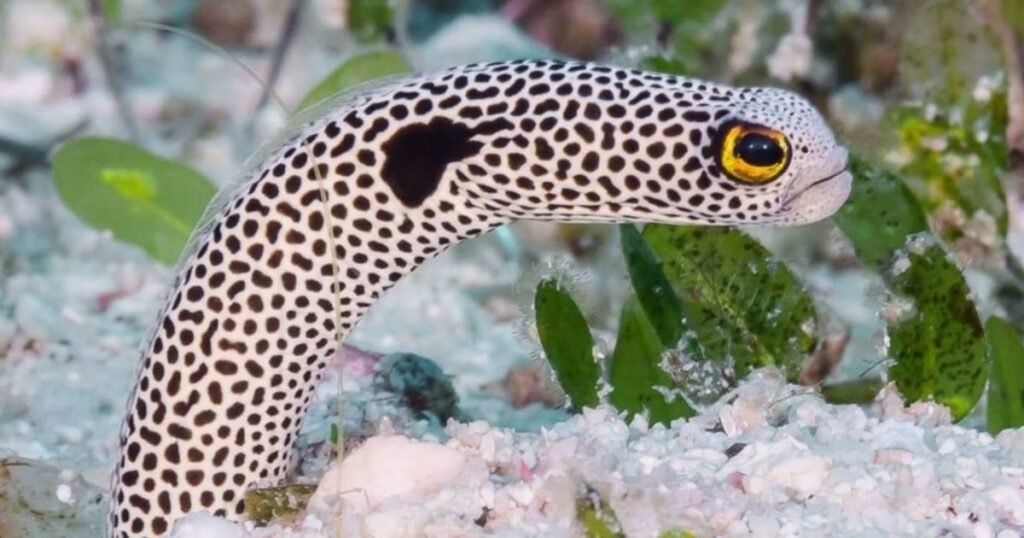
They often gather in large colonies, which helps them stay safe from predators and improves breeding chances. Their presence in coral reef ecosystems shows how even the smallest creatures contribute significantly to marine life, highlighting the delicate balance of the ocean’s biodiversity.
Stick Bug
Scientific name: Phasmatodea
Class: Insecta
Diet: Herbivore
Stick bugs, known scientifically as Phasmatodea, are truly remarkable insects. Their unique shape and coloration allow them to blend seamlessly into their surroundings, often resembling twigs or branches. This incredible camouflage is a key survival strategy, helping them evade predators in their natural habitats.
Beyond their disguise, stick bugs exhibit interesting social behaviors. Some species communicate through gentle body movements, showcasing a level of interaction that hints at a more complex social structure.
Common Slender Mongoose
Scientific name: Galerella sanguinea
Class: Mammalia
Diet: Carnivore
The common slender mongoose, scientifically known as Galerella sanguinea, is a remarkable small carnivore known for its agility and sleek body. Its design allows it to navigate through dense underbrush with ease, making it a skilled hunter of termites and small rodents. With a keen sense of smell, it expertly locates food, playing a vital role in the ecosystem as both predator and scavenger.
Socially, slender mongooses often live in small family groups, which helps them communicate effectively and work together during hunts. This cooperative behavior boosts their chances of catching prey and offers protection from larger predators.
Conclusion
Here, we explored the 24 most Skinny Animals in the world, showcasing how unique and fascinating nature can be. From the graceful gazelle to the slender tree kangaroo, these animals show us that being skinny can be an advantage in the wild. Some are built for speed, while others are designed for climbing and jumping.
Each of these Skinny Animals plays an important role in their ecosystems. Remember to appreciate their beauty and the diversity of wildlife around us.
FAQ’s
What Are The Skinniest Animals In The World?
Some of the skinniest animals in the world include the meerkat and various gazelle species. Their slender bodies are adapted for agility and speed, making them efficient foraging and fleeing creatures.
Are Stoats Skinny?
Yes, stoats are indeed considered skinny. Their long, slender bodies help them be agile hunters, making them highly effective in their pursuit of prey.
What Is A Skinny Animal Based On?
Skinny animals are defined by their lean, slender bodies compared to others of their species, often adapted for speed or agility. Common examples include greyhounds, whippets, and gazelles, which rely on their lightweight builds to thrive in their environments.
Are Giraffes Skinniest Animals In The Savannah?
Giraffes are certainly among the tallest animals in the Savannah, they are not necessarily the skinniest. Animals like the wildebeest or certain antelope can also appear quite slender, but giraffes stand out due to their unique proportions.