Top 19 Most Dirtiest Animals In The World (With Pictures)
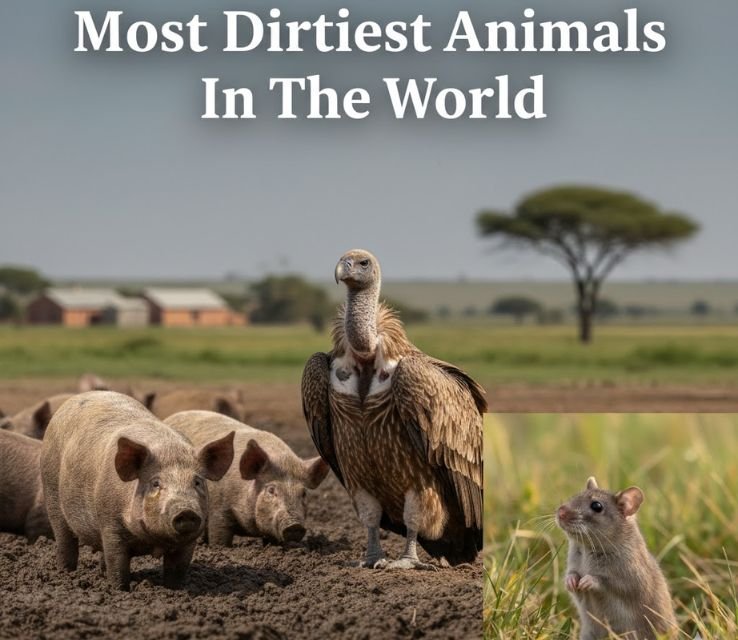
When we hear the phrase Most Dirtiest Animals In The World, it often brings to mind creatures that live in mud, garbage, or unhygienic environments. But in reality, “dirty” doesn’t always mean unhealthy it’s often just part of how these animals survive and adapt. From scavengers that clean the ecosystem to creatures that thrive in filth, each plays a unique and important role in nature.
Many animals labeled as dirty are actually nature’s cleanup crew. They consume waste, decaying matter, and leftovers that could otherwise spread disease. This makes them essential for maintaining ecological balance. So while their habits may seem unpleasant to us, their existence is incredibly valuable for the environment.
Here, we’ll explore the Most Dirtiest Animals In The World, complete with pictures and fascinating facts. You’ll discover how these animals live, why they behave the way they do, and how their “dirty” lifestyle is often a clever survival strategy rather than a flaw.
List Of Most Dirtiest Animals In The World
| Number Of Animals | Names Of Dirty Animals |
| 1 | Hedgehogs |
| 2 | Bats |
| 3 | Vultures |
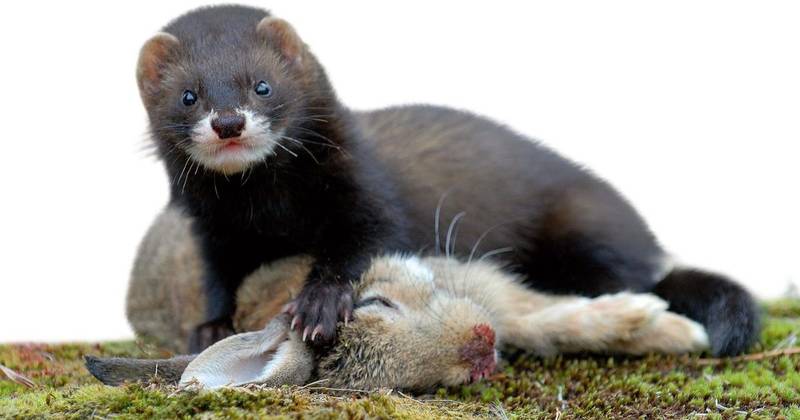
| 4 | Striped Polecats |
| 5 | Koala Bears |
| 6 | Seagulls |
| 7 | Hippos |
| 8 | Flies |
| 9 | Dung Beetles |
| 10 | Pigeons |
| 11 | American Bison |
| 12 | Sloths |
| 13 | Hagfish |
| 14 | Capuchin Monkey |
| 15 | Cape Buffalo |
| 16 | Narrow-mouthed Frog |
| 17 | Pigs |
| 18 | Rats |
| 19 | Cockroach |
Hedgehogs
Scientific Name: Erinaceus europaeus
Class: Mammalia
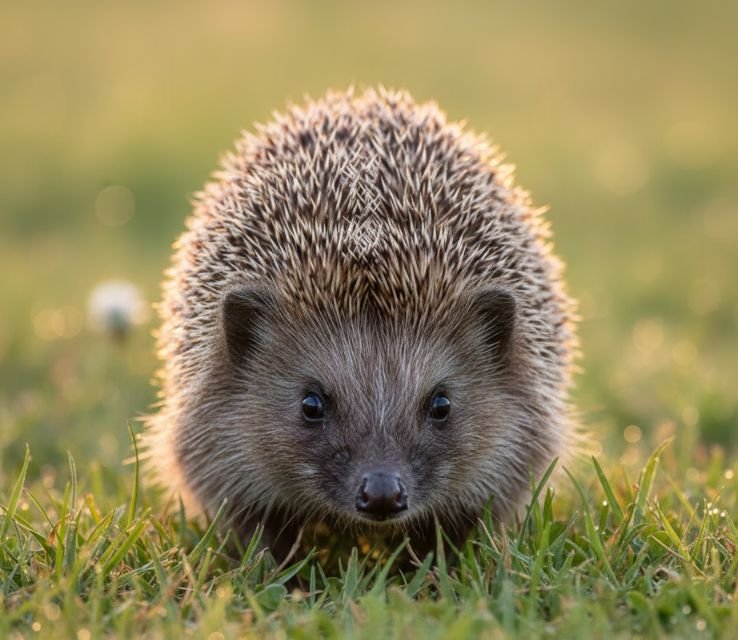
These little nocturnal creatures frequently dive into trash heaps for insects, often rolling in filth to gain protection from predators or to express delight. They can harbor parasites like fleas and ticks, making them not just charming pets but potential health hazards for humans.
Their quills might look appealing, but these tiny spines often carry traces of the unsavory environments they traverse.
Bats
Scientific Name: Chiroptera
Class: Mammalia
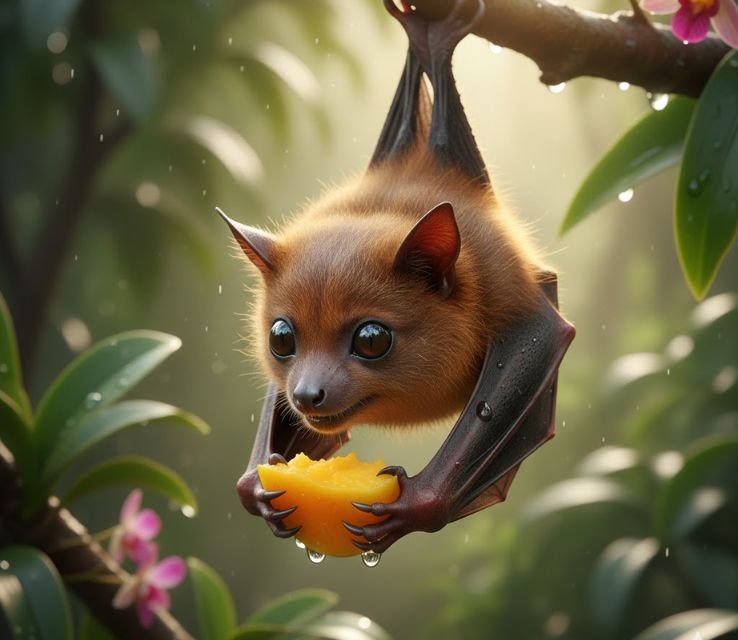
Bats are fascinating yet often misunderstood creatures. These tiny mammals are crucial for the ecosystem, playing a significant role in pollination and insect control.
They are also among the dirtiest animals, with their roosting sites becoming havens for guano, which can host harmful bacteria and diseases.Their droppings are a valuable fertilizer, creating a surreal twist in nature’s cycle of waste and utility, demonstrating how filth can paradoxically nourish.
Vultures
Class: Aves
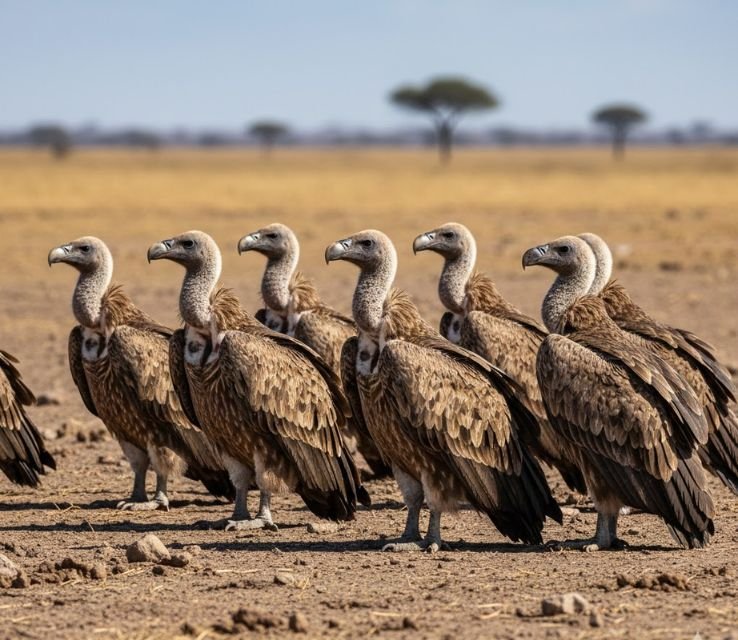
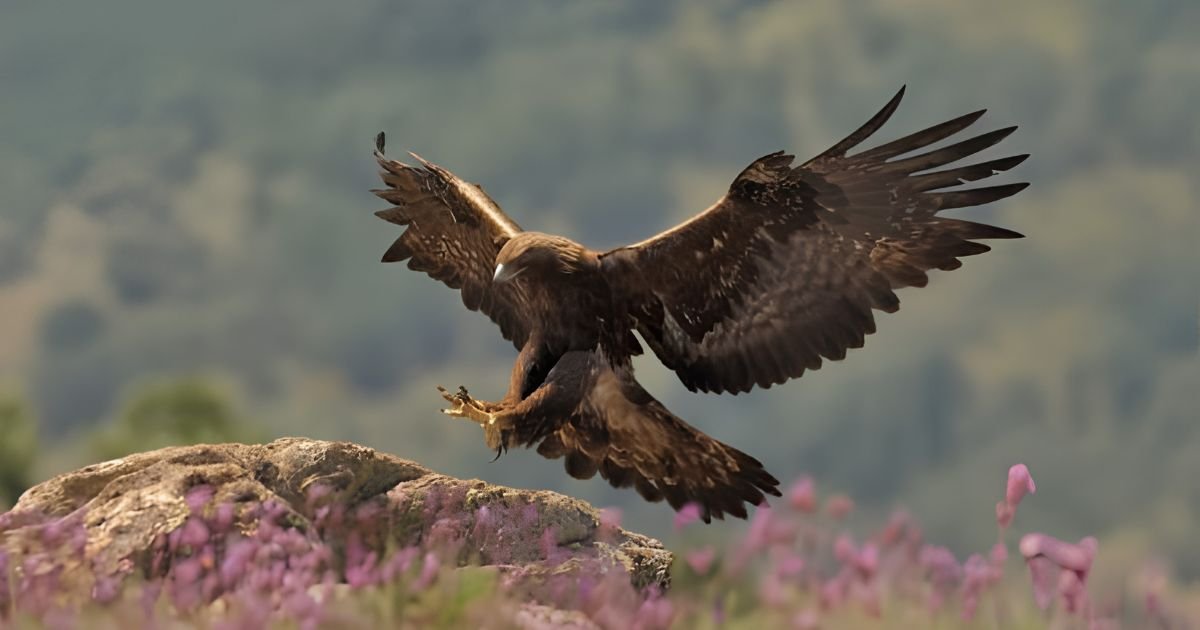
While often stereotyped as grim reapers of the animal world, vultures contribute significantly to environmental health by acting as nature’s cleanup crew. They feast on carrion, making them indispensable in preventing disease spread from decomposing animals.
In their role, they can be categorized among the dirtiest animals as their feeding methods lead to messy encounters with decaying matter. It’s their specialized digestive systems that allow them to thrive even after consuming bacteria-laden meals, highlighting nature’s brilliance in utilizing the seemingly unclean.
Striped Polecats
Scientific Name: Ictonyx striatus
Class: Mammalia
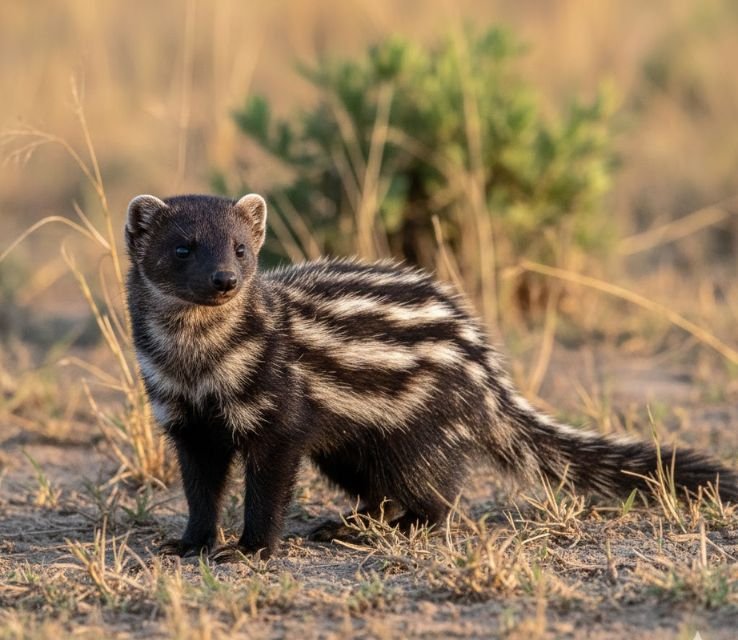
The striped polecat, also known as the African skunk, is synonymous with odoriferous defenses. These small mammals use their suspected dirtiness as a formidable weapon, exuding a foul-smelling spray when threatened.
This ability to ward off predators is a clever adaptation, but it also places them squarely in the realm of dirtiest animals. Their habitats, often near human settlements, can spread these potent scents, reminding us that sometimes, survival tactics can be unsavory.
Koala Bears
Scientific Name: Phascolarctos cinereus
Class: Mammalia
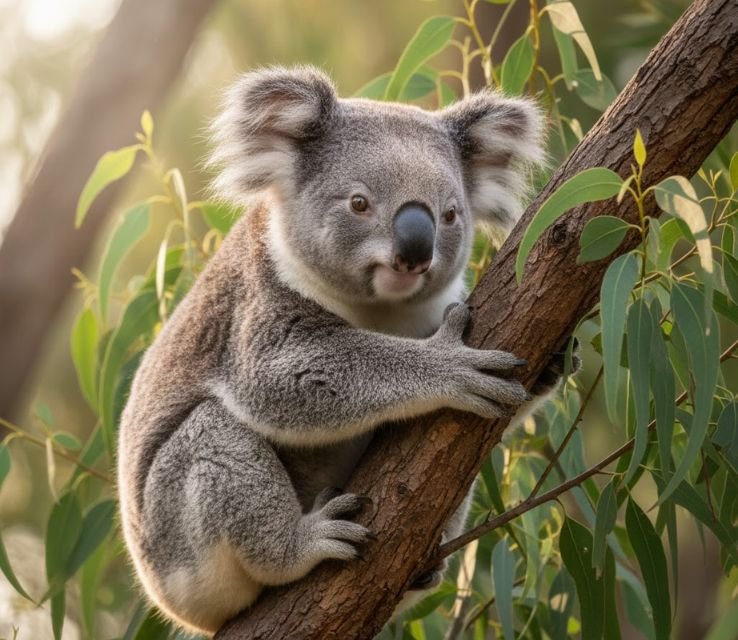
koalas find themselves in the conversation about dirty animals, largely due to their rather unrefined bathroom habits. These beloved marsupials often choose the same trees to relieve themselves, leading to pollution in their environment and an increase in parasite presence.
Their dependence on eucalyptus leaves not only defines their diet but also means they spend half of their waking hours sleeping to digest the toxic foliage, illustrating a lifestyle that, while cute, carries messy consequences.
Seagulls
Scientific Name: Larinae
Class: Aves
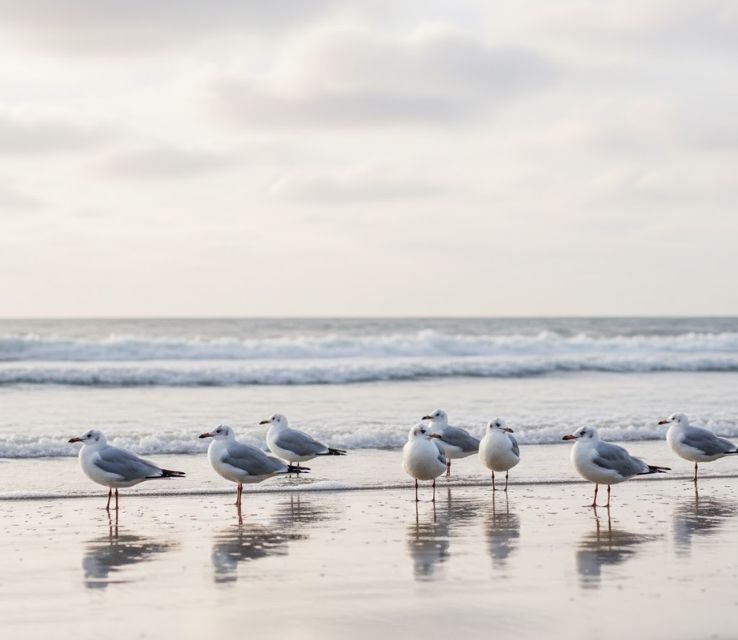
Seagulls are often deemed the dirtiest animals, primarily because of their scavenging behavior and propensity to steal food from unsuspecting beachgoers. Their willingness to forage through human refuse grants them a bad reputation, overshadowing their impressive adaptability and intelligence.
They thrive in polluted spaces, showcasing a striking resilience while contributing to the ongoing cycle of waste, which encapsulates the beauty and reality of urban wildlife interfaces.
Hippos
Scientific Name: Hippopotamus amphibius
Class: Mammalia
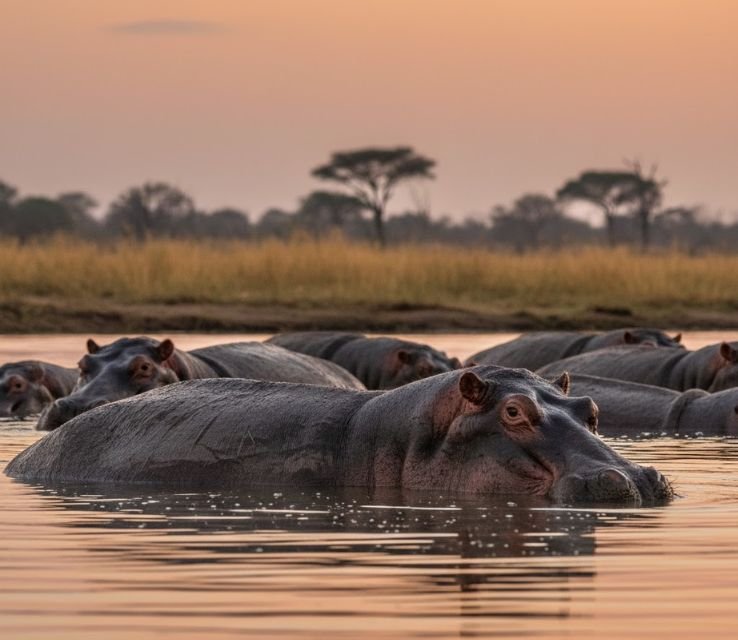
Hippos are not just huge creatures that bask in the sun. Known as one of the most dangerous animals in Africa, these water-loving giants excrete tons of dung daily, making rivers fertile yet creating a dirty playground for other species.
Their excrement, rich in nutrients, is crucial for aquatic ecosystems, highlighting how these seemingly dirty animals are pivotal to supporting life in their habitats.
Flies
Class: Insecta
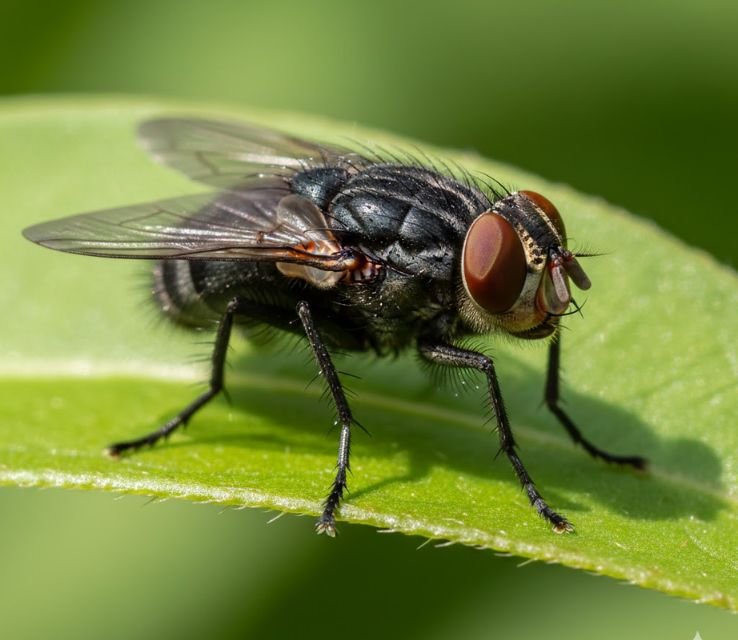
Commonly misunderstood, flies are often labeled as pests. However, they play a key role in the decomposition process by feeding on decaying organic matter. This makes them essential recyclers in ecosystems, despite being viewed as some of the most disgusting creatures.
Their ability to breed rapidly aids in waste management, ensuring that the cycle of life persists even amid decay.
Dung Beetles
Scientific Name: Scarabaeinae
Class: Insecta
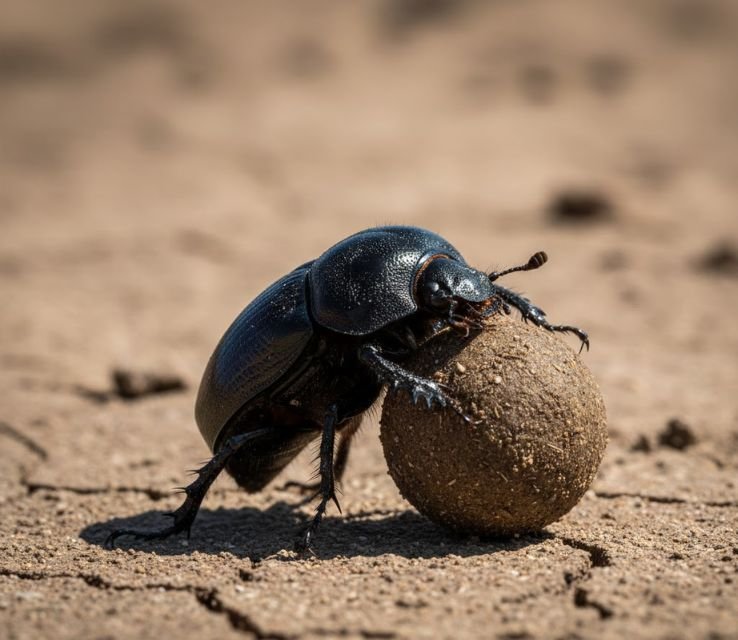
Dung beetles truly thrive in the filthiest of conditions. They are nature’s ultimate recyclers, consuming animal feces to fertilize the soil. These beetles demonstrate a fascinating behavior of rolling dung balls, which they use for feeding and breeding.
By breaking down waste, they not only keep the environment clean but also enhance soil quality, ensuring the circle of life continues efficiently.
Pigeons
Scientific Name: Columbidae
Class: Aves
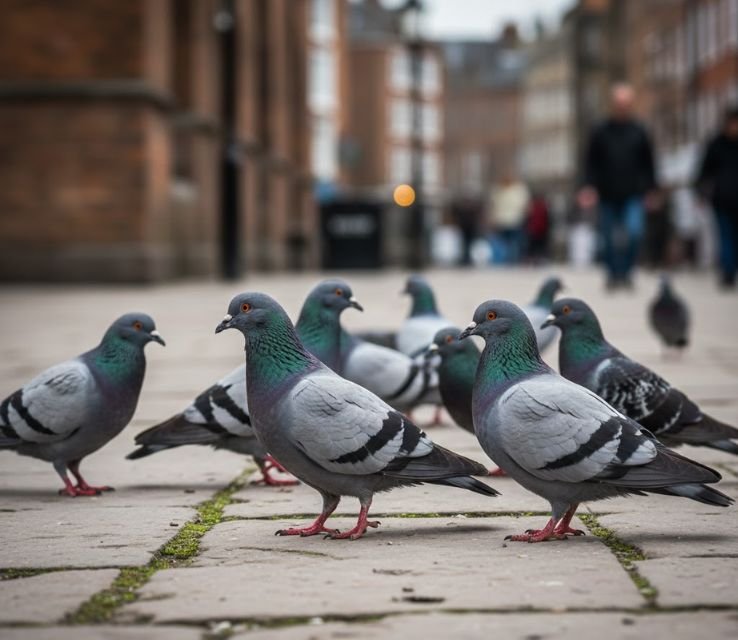
Pigeons may be the quintessential urban birds, often seen as nuisances due to their droppings. Their guano is a valuable fertilizer packed with nutrients.
Despite being labeled among the dirtiest animals, these adaptable birds play a critical role in urban ecosystems, helping to break down organic waste. Their presence in cities reflects the resilience of nature, finding a niche even in the most polluted environments.
American Bison
Scientific Name: Bison bison
Class: Mammalia
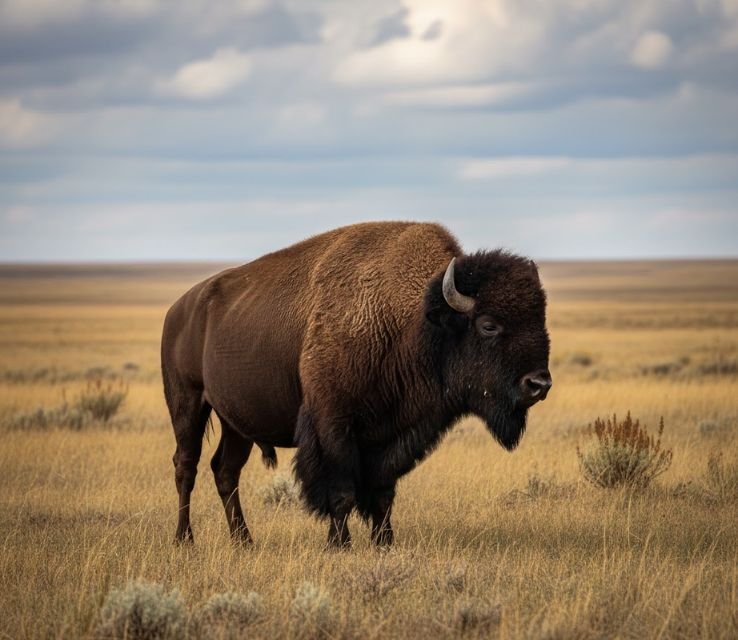
American bison, majestic as they are, contribute significantly to their ecosystems through their grazing habits. Their droppings, often seen as waste, are vital for maintaining Grassland Health and supporting various species.
Bison are known for wallowing in mud, which can seem dirty but is actually beneficial for their skin and helps in creating microhabitats for other creatures.
Sloths
Scientific Name: Folivora
Class: Mammalia
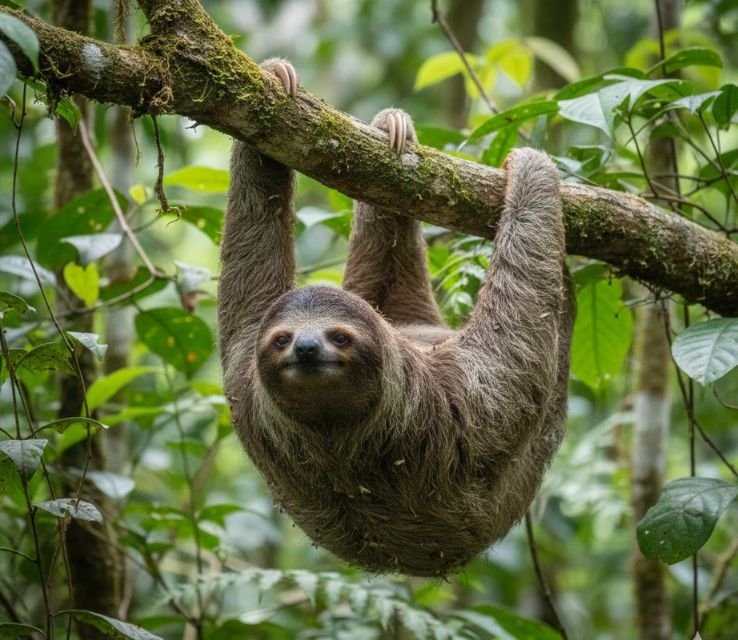
Often regarded as adorable, sloths are surprisingly associated with filth due to their penchant for leaving waste in the trees. Their unique lifestyle fosters an ecosystem around them since their droppings provide nutrients for algae, which in turn attracts insects and other creatures.
Through their slow movements and low-energy lifestyle, sloths subtly add to the complexity of their habitats, proving that even the dirtiest animals can embody a form of ecological elegance.
Hagfish
Scientific Name: Myxinidae
Class: Myxini
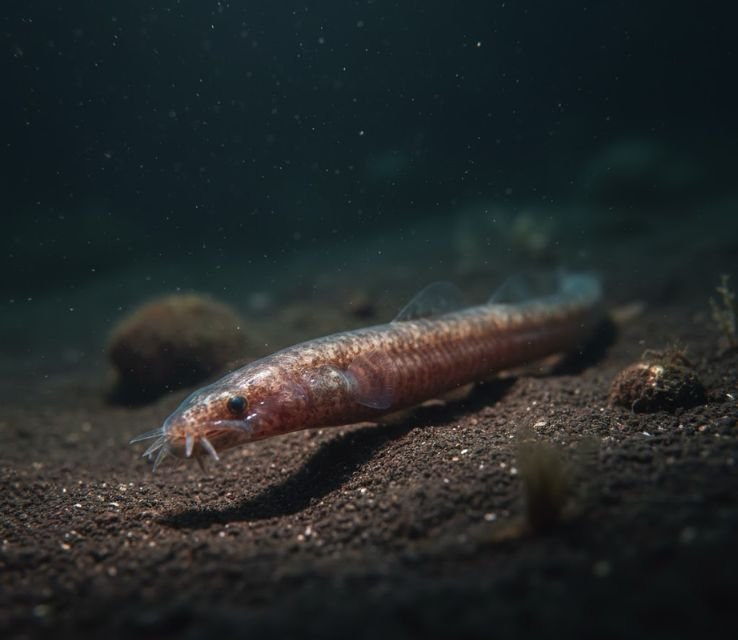
Often regarded as one of the most disgusting animals in the world, hagfish are not just your garden-variety bottom feeders. These eel-like creatures possess unique slime-producing capabilities, which can incapacitate predators in a matter of seconds.
Living in the ocean’s depths, they play a crucial role in breaking down decaying matter, transforming unappealing leftovers into nutrients for the ecosystem.
Capuchin Monkey
Scientific Name: Syncerus caffer caffer
Class: Mammalia
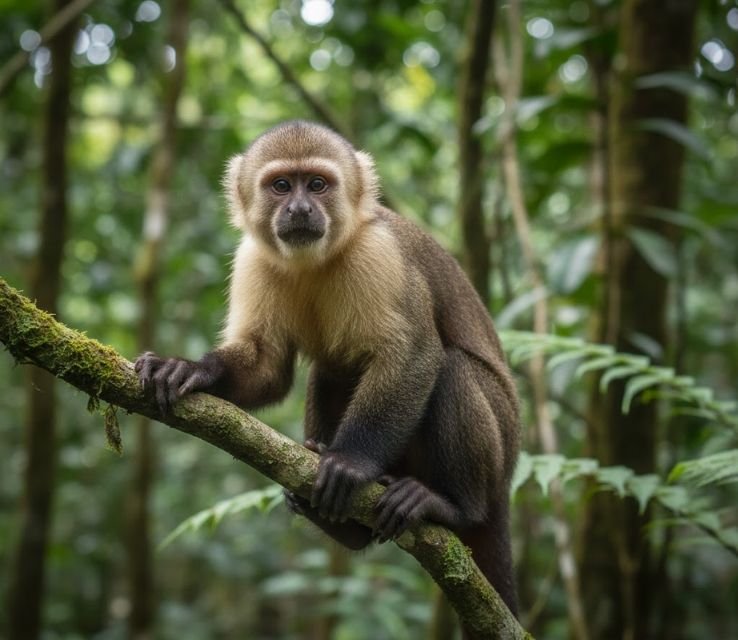
Known for their intelligence and social structures, capuchin monkeys are fascinatingly messy animals. They often leave their territory littered with food scraps and excrement. Their foraging habits can uproot vegetation, leading to unintentional ecological disturbances.
Their charming antics in the wild and engaging behaviors captivate our hearts, making us overlook their less savory habits.
Cape Buffalo
Scientific Name: Syncerus caffer
Class: Mammalia
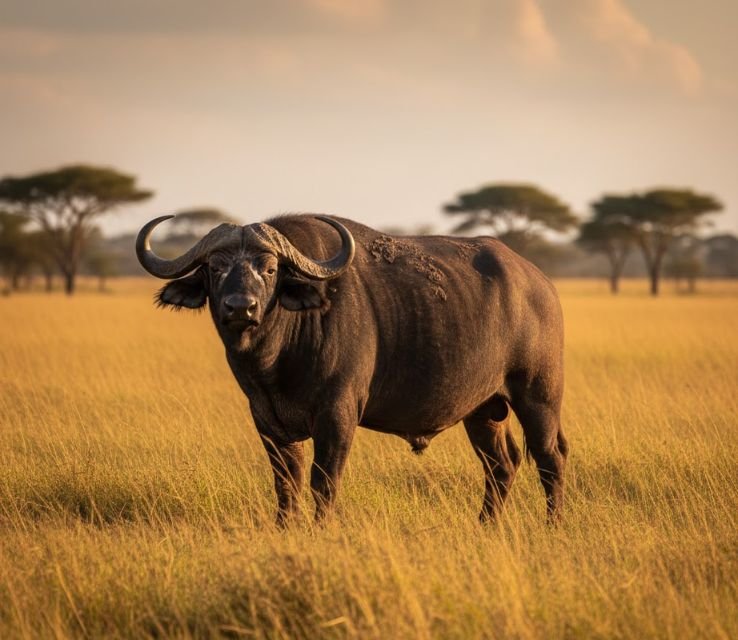
Despite their hefty stature and often grumpy demeanor, cape buffalo contribute to the ecosystem in unexpected ways. Their vast herds can trample through mud and create wallows that attract a variety of other wildlife, enriching the biodiversity of their habitats.
They are notorious for being carriers of diseases like brucellosis, giving them a reputation as one of the dirtiest animals in the world.
Narrow-mouthed Frog
Scientific Name: Microhylidae
Class: Amphibia
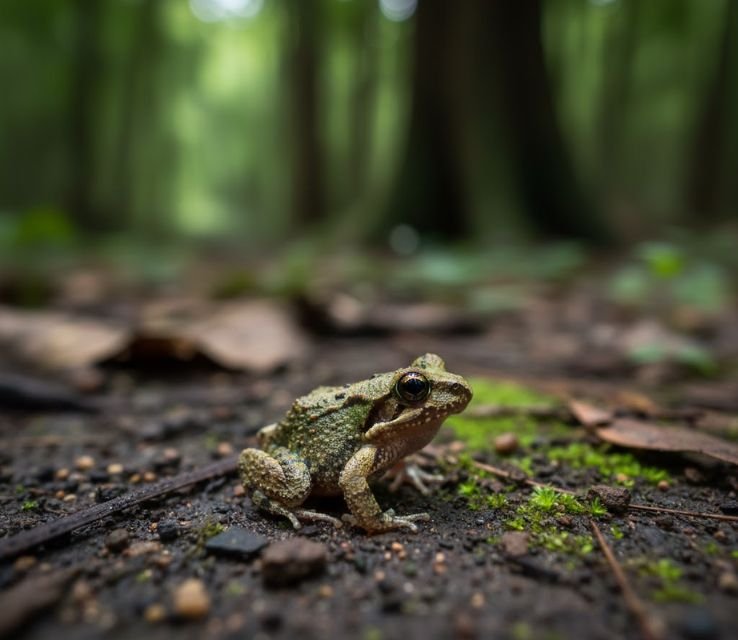
The narrow-mouthed frog thrives in the muck, with a diet of insects and other small critters. These frogs often inhabit murky waters, making them an essential part of the food web. Their slimy skin can absorb pollutants, showcasing nature’s filtering prowess, but also highlights their role in an increasingly fragile ecosystem, where pollution poses a growing threat.
Top 11 Honey Eating Animals in the World: Names, Facts & Pictures
Pigs
Scientific Name: Sus scrofa
Class: Mammalia
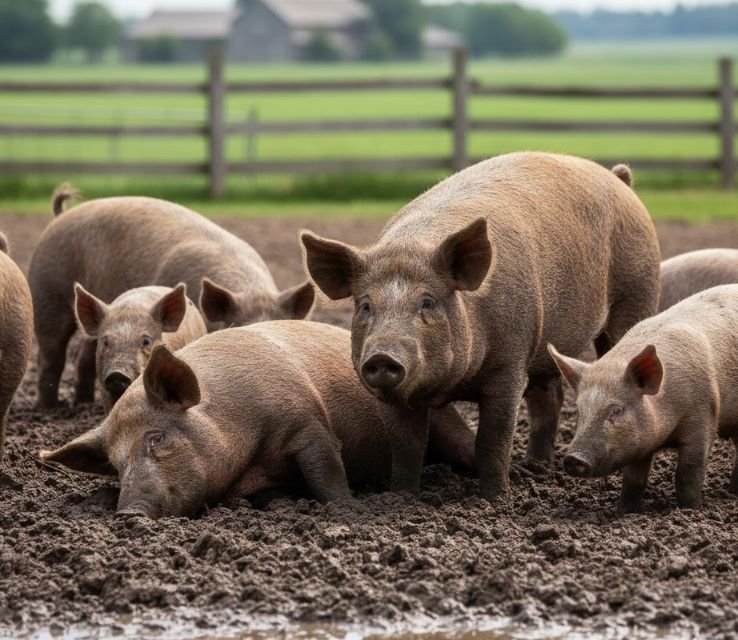
Pigs are notorious for their love of mud, not just for cooling off but also to protect their skin from parasites and sunburn. Their insatiable curiosity often leads to excavating soil, leaving behind a chaotic scene of overturned earth.
Their ability to root around in the dirt plays a vital role in aerating the soil and controlling insect populations, making their messiness surprisingly beneficial in agriculture.
Rats
Class: Mammalia
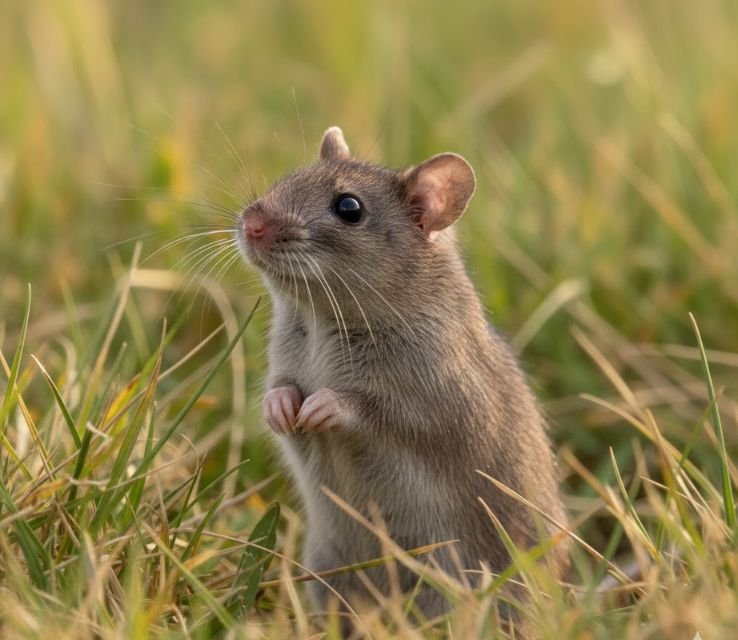
Resilient and resourceful, rats often evoke feelings of disgust, but these creatures are masters of survival. Their capacity to thrive in urban environments, often amidst human waste, places them among the world’s messiest critters. Their intelligence and adaptability also contribute to scientific research, illustrating their dual role as both pests and valuable research subjects.
Cockroach
Scientific Name: Blattodea
Class: Insecta
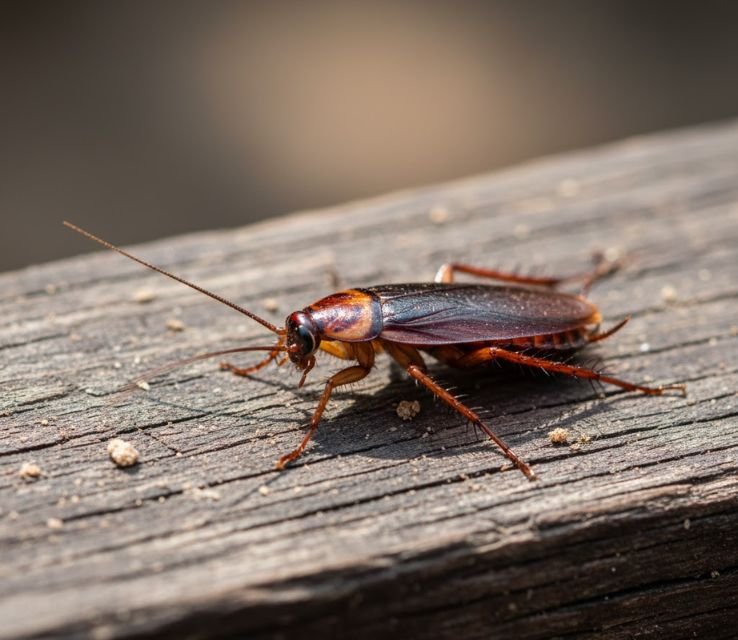
The cockroach embodies the essence of resilience, thriving in environments that many find unbearable. These insects are incredible decomposers, breaking down organic matter and recycling nutrients back into the soil.
Despite their reputation as harbingers of filth, their survival tactics make them indispensable to the ecological balance reminding us that sometimes, the dirtiest animals play a pivotal role in sustaining life.
Final Words
The Most Dirtiest Animals In The World may not win any cleanliness awards, but they are far from useless. In fact, many of them are vital for keeping our planet clean in their own natural way. Their habits, though messy, serve a greater purpose in maintaining ecological harmony.
Understanding these animals helps us appreciate that nature doesn’t follow human standards of cleanliness. What seems dirty to us is often a smart adaptation for survival. So next time you think of a “dirty” animal, remember it might just be one of nature’s most important workers.
FAQs
What Criteria Were Used to Select the Dirtiest Animals?
The selection is based on behavior, habitat, and the presence of pathogens, as well as their tendency to engage in unsanitary activities.
Are there any Animals Considered ‘Dirty’ that are Commonly Kept as Pets?
Yes, certain pets, like pigs, may be considered dirty due to their natural behaviors, despite being popular companions.
What is the Most Unclean Animal?
The pig is considered an unclean animal as food in Judaism and Islam, and parts of Christianity.
What are the top 5 dirtiest animals?
The top 5 dirtiest animals are pigs, vultures, rats, hyenas, and sloths.