Top 20 Flippers Animals (With Pictures)
Some animals are masters of swimming and surfing, thanks to their unique body parts known as Flippers Animals. These creatures use their flippers to glide through water with incredible grace and speed.
In this article, you’ll discover the top 20 animals with flippers, along with amazing pictures showcasing their skills. Whether you’re an animal lover or just curious, this list will open your eyes to the wonders of the aquatic world.
List of Animals With Flippers
| Number of Animals | Names of Animals with flippers |
| 1 | Humpback Whale |
| 2 | Orca |
| 3 | Harbor Seal |
| 4 | Blue Whale |
| 5 | California Sea Lion |
| 6 | Walrus |
| 7 | Bottlenose Dolphin |
| 8 | Green Sea Turtle |
| 9 | Elephant Seal |
| 10 | Manatee |
| 11 | Leatherback Sea Turtle |
| 12 | Emperor Penguin |
| 13 | Dugong |
| 14 | Dall’s Porpoise |
| 15 | King Penguin |
| 16 | Leopard Seal |
| 17 | Kemp’s Ridley Sea Turtle |
| 18 | Sea Otter |
| 19 | Galapagos Penguin |
| 20 | Monk Seal |
Humpback Whale
Scientific Name: Megaptera novaeangliae
Class: Mammalia
Diet: Carnivore
Humpback whales are fascinating creatures known for their huge size and acrobatic behaviors. They can grow up to 50 feet long, and their flippers are very long, about one-third of their body length. These flippers help them swim gracefully and perform amazing jumps out of the water.
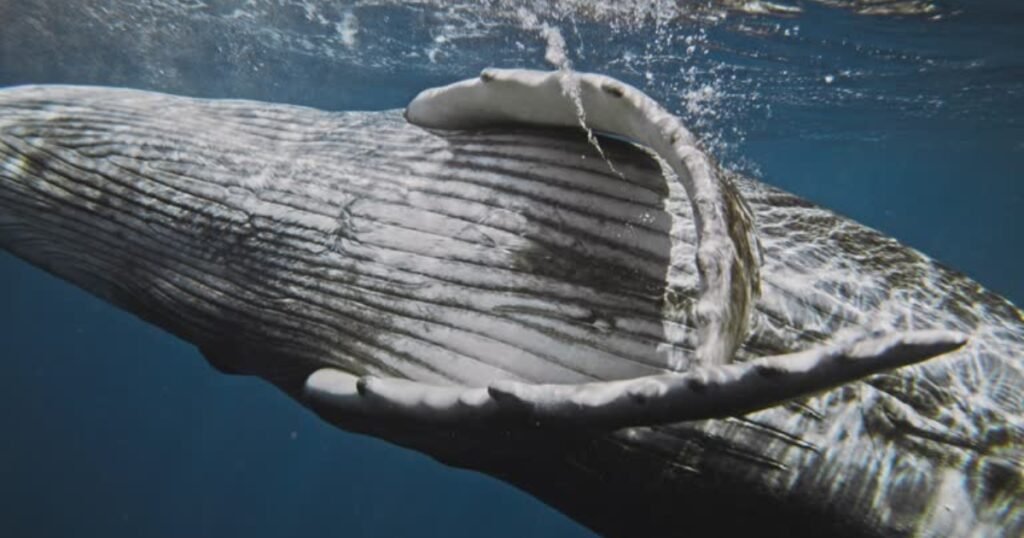
Humpback whales also have small bumps on their flippers called tubercles, which help them swim better. During mating season, they sing unique songs to attract partners, showcasing their social interactions.
Orca
Scientific Name: Orcinus orca
Class: Mammalia
Diet: Carnivore
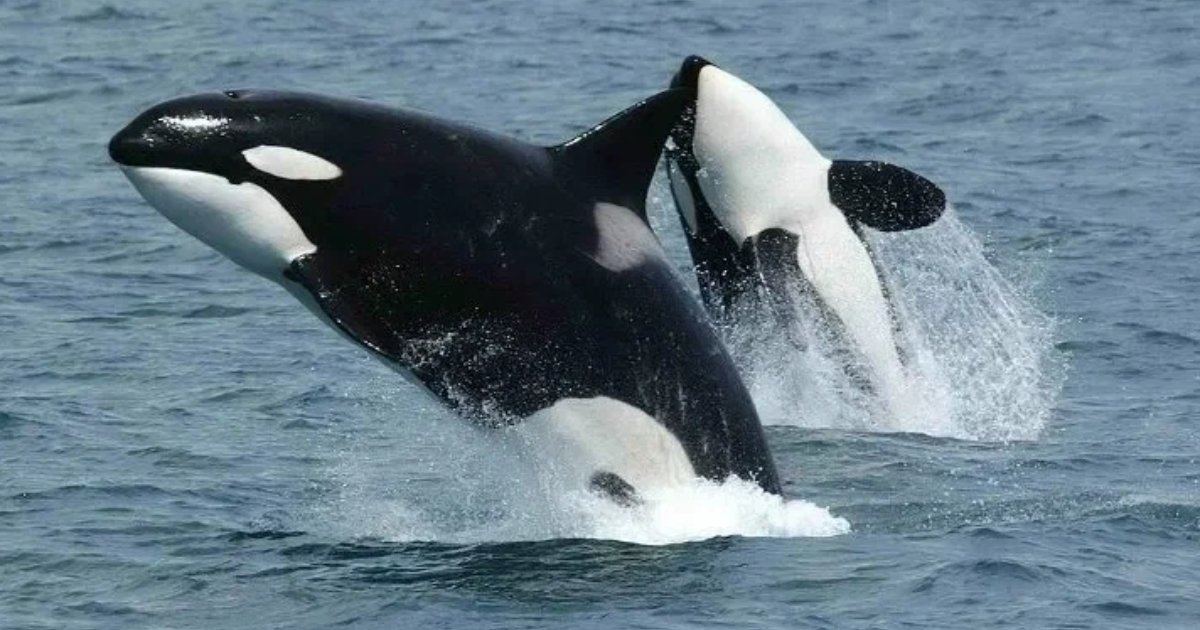
Orcas, also known as killer whales, are amazing creatures known for their intelligence and strong social groups. They live in family pods led by the oldest female, which shows how important family ties are to them. Each pod has its own unique sounds, almost like different accents, making their communication very special.
Physically, orcas are built for speed and grace in the water. Their powerful flippers help them move quickly, allowing them to hunt various prey like fish and seals. With their impressive skills and smart behaviors, orcas remind us of the wonders of ocean life and the importance of protecting their habitats.
Harbor Seal
Scientific Name: Phoca vitulina
Class: Mammalia
Diet: Carnivore
Harbor seals are interesting marine mammals known for their spotted coats and big, expressive eyes. They live in coastal areas in temperate and sub-Arctic waters and are great swimmers. Unlike some seals, they don’t have external ear flaps, which helps them move smoothly in the water while hunting for fish, squid, and crustaceans.
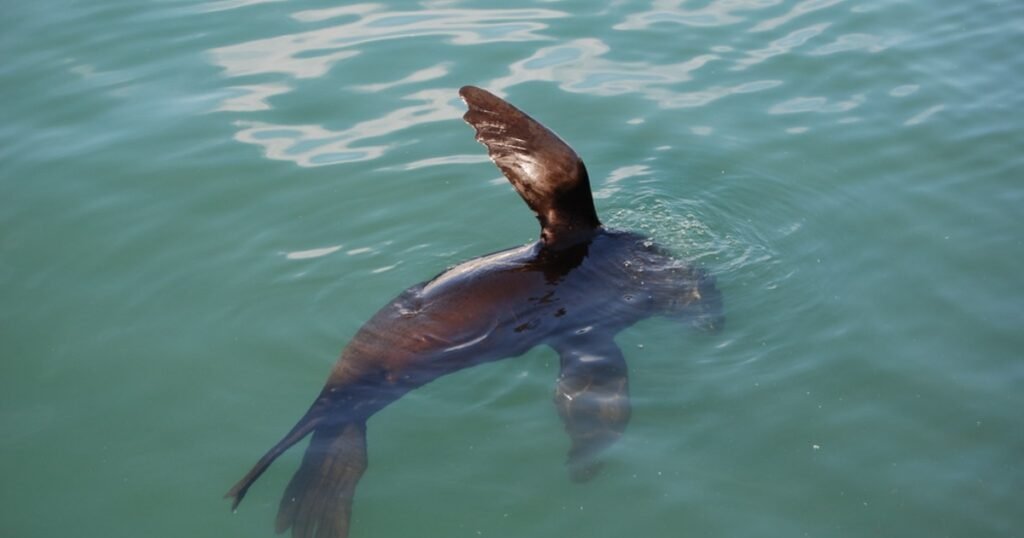
These seals are also social animals. They communicate using various sounds, like barks and growls, to interact with each other. When resting on land, they show different social behaviors that help establish their rank within the group.
They can dive deep up to 600 feet for about 30 minutes, which shows how well they’ve adapted to their ocean home.
Blue Whale
Scientific Name: Balaenoptera musculus
Class: Mammalia
Diet: Carnivore
The blue whale, known scientifically as Balaenoptera musculus, is the largest animal on Earth. These whales have relatively small flippers that help them swim gracefully through the ocean. These flippers are not just for show; they allow the blue whale to turn and stay stable in the water, balancing strength with elegance.
Inside their flippers, unique structures provide flexibility, making it easier for them to chase after their main food, which is krill. As they swim, the flippers can create vibrations, helping them communicate and navigate. This shows how well they are adapted to their underwater environment, proving that they are not just big, but also incredibly skilled swimmers.
California Sea Lion
Scientific Name: Zalophus californianus
Class: Mammalia
Diet: Carnivore
The California sea lion is a lively and playful marine mammal found along the Pacific Coast. They are smart animals, showing problem-solving skills similar to some land animals. You can often see them communicating with each other through barks and even enjoying synchronized swimming.
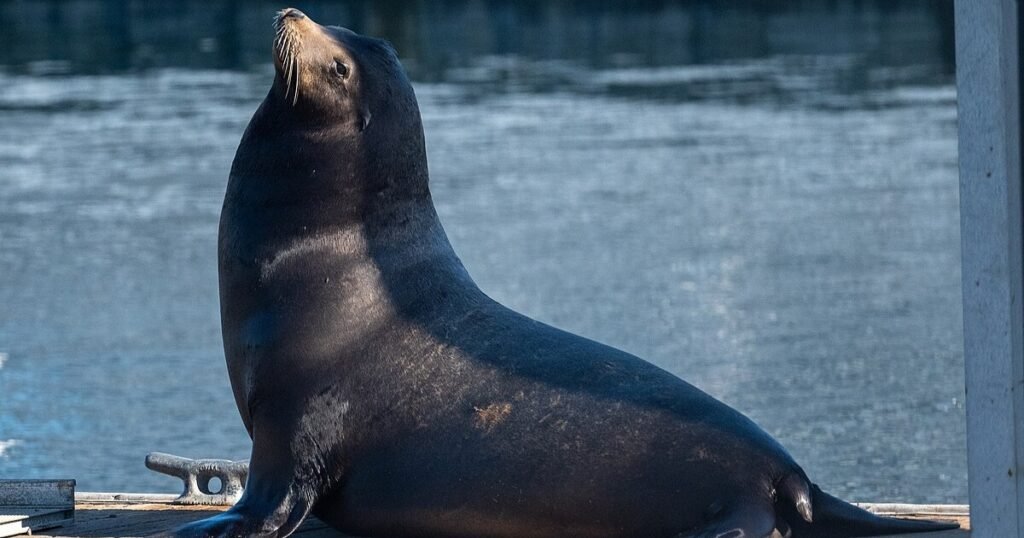
Their flippers help them swim gracefully in the water and move easily on land. Climate change is putting their habitats at risk. It’s important for us to learn about these sea lions and help protect them to keep our marine ecosystems healthy.
Walrus
Scientific Name: Odobenus rosmarus
Class: Mammalia
Diet: Carnivore
The walrus is a fascinating marine mammal found in the cold Arctic waters. With its large tusks and thick body, it is often seen lounging on ice floes with other walruses. The tusks can grow up to three feet long and are used for social interactions, like showing dominance and helping them climb onto the ice.
Walruses are also known for their unique sounds, which include barks and whistles, showing that they communicate in complex ways. They use their sensitive whiskers to find food, mainly clams and shellfish, on the ocean floor. Watching walruses in their natural habitat highlights the importance of each species in the delicate Arctic ecosystem.
Bottlenose Dolphin
Scientific Name: Tursiops truncatus
Class: Mammalia
Diet: Carnivore
Bottlenose dolphins are one of the most well-known marine animals, loved by people everywhere. They have sleek bodies and are great swimmers, using their flippers to move, communicate, and even play. You might see them doing flips and jumps, showing off their fun side.
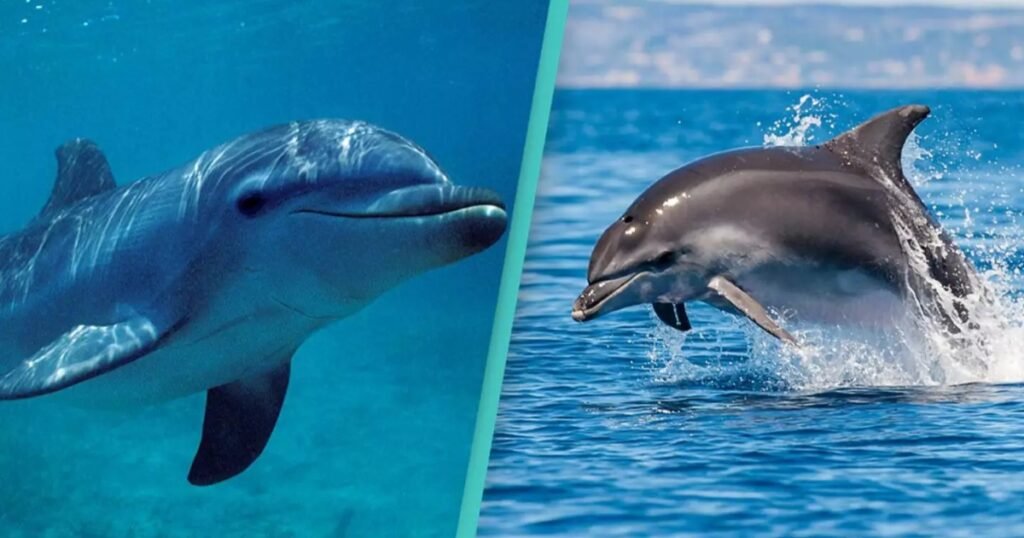
These dolphins are very social and usually live in groups called pods. They make special sounds like clicks and whistles to talk to each other and build strong friendships.
Some scientists believe dolphins even have their own “languages,” which helps them connect and interact within their communities. Their intelligence and social behavior make them truly fascinating creatures.
Green Sea Turtle
Scientific Name: Chelonia mydas
Class: Reptilia
Diet: Herbivore
The green sea turtle, known scientifically as Chelonia mydas, is a remarkable creature found in oceans around the world. These turtles are unique because they mainly eat plants, like seagrass, which helps keep underwater ecosystems healthy. By munching on seagrass, they support the growth of other marine life, making their presence very important in the ocean.
They are graceful swimmers, using their strong flippers to glide through the water at speeds of up to 35 miles per hour when they need to escape danger. They help control algae around coral reefs, which is crucial for keeping those reefs healthy.
Elephant Seal
Scientific Name: Mirounga
Class: Mammalia
Diet: Carnivore
The green sea turtle, or Chelonia mydas, is an amazing creature found in our oceans. With their strong flippers, they glide smoothly through the water and can swim quickly if they need to. These turtles are herbivores, which means they mainly eat plants like seagrass. By munching on seagrass, they help it grow and keep the ocean habitat healthy.
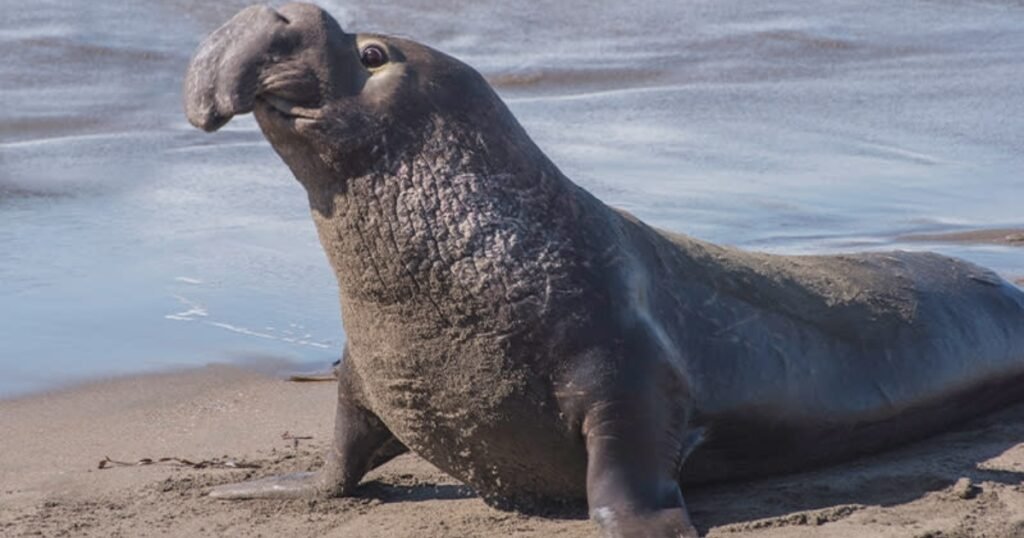
Green sea turtles also help coral reefs by controlling algae growth. This balance is important for keeping underwater ecosystems thriving. These gentle turtles are not just beautiful to watch; they play a vital role in the health of the ocean.
Read More: Explore Top 13 Animals That Eat Cactus (With Pictures)
Manatee
Scientific Name: Trichechus manatus
Class: Mammalia
Diet: Herbivore
Manatees, often called “sea cows,” are large, gentle animals that live in warm waters. They have special flippers with five fingers, which help them grab plants easily. This makes them great at finding and eating seagrass, their main food.
Manatees like to hang out with others and are often seen in small groups. They are friendly and enjoy playing with each other, showing some interesting social behaviors. This playful side helps us understand that these gentle giants have emotions and form bonds with one another. Manatees are fascinating creatures that remind us of the beauty of ocean life.
Read More: Explore Top 15 Animals That Waddle (With Images)
Leatherback Sea Turtle
Scientific Name: Dermochelys coriacea
Class: Reptilia
Diet: Carnivore
The leatherback sea turtle, known scientifically as Dermochelys coriacea, is an impressive creature that can grow over six feet long. Unlike other turtles, it has a soft, leathery shell instead of a hard one, which helps it dive really deep, sometimes up to 4,000 feet.
This unique shell allows the turtle to reach jellyfish, its favorite food, using special skills it’s developed over time.
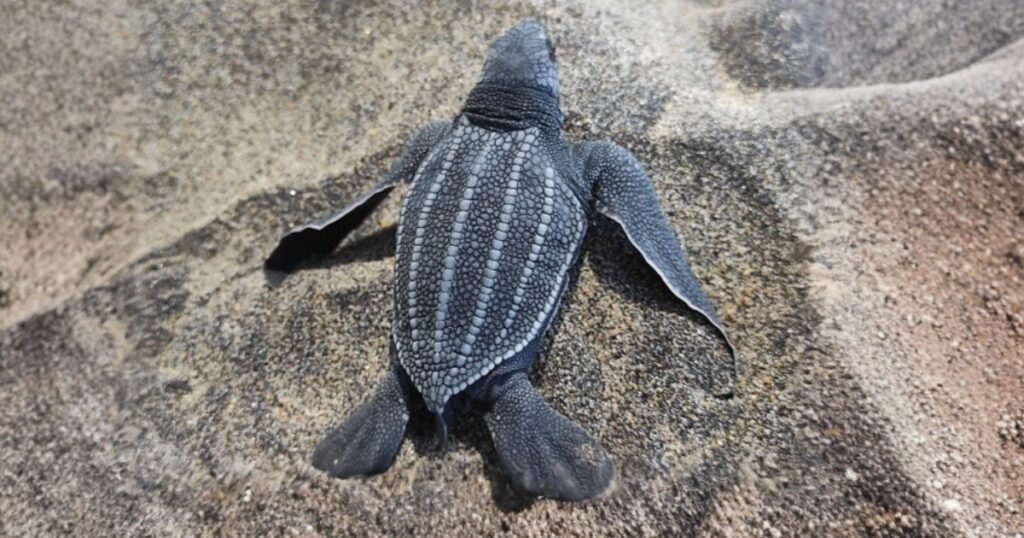
Its long, flexible flippers not only make it a graceful swimmer but also help keep its body warm in chilly ocean waters. This ability to stay warm lets leatherbacks live in various ocean habitats. Sadly, threats like climate change and pollution affect their survival.
Emperor Penguin
Scientific Name: Aptenodytes forsteri
Class: Aves
Diet: Carnivore
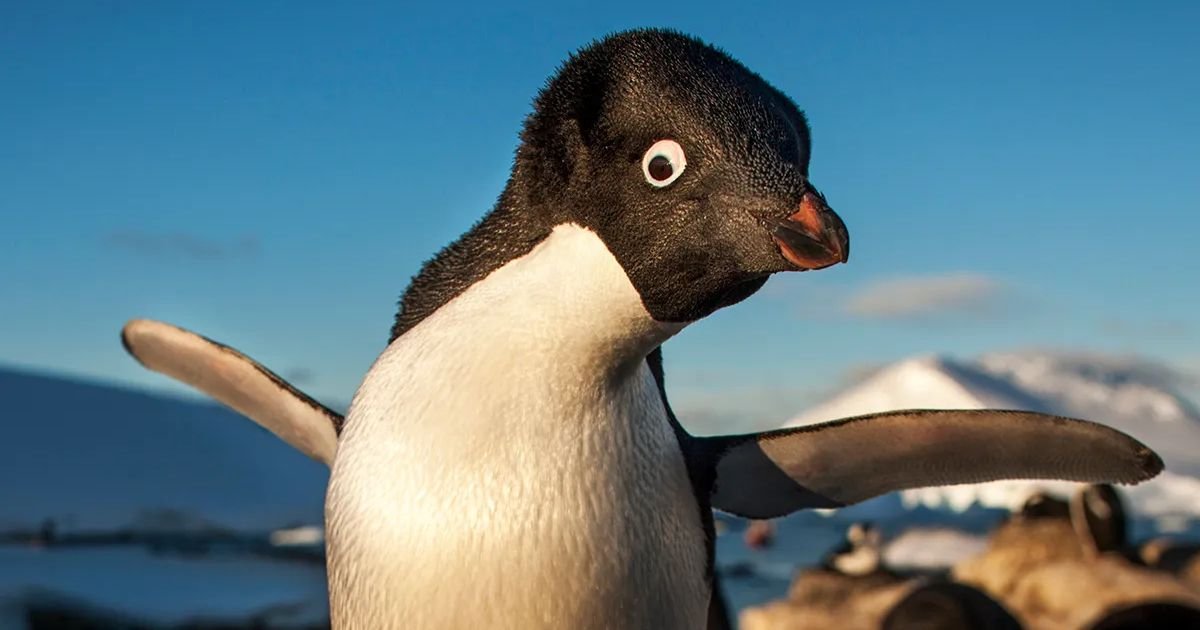
The Emperor Penguin is the biggest type of penguin and lives in the coldest parts of Antarctica. They can grow up to four feet tall and weigh around 90 pounds. To survive the freezing temperatures, especially during winter, they huddle together in large groups to keep warm. They take turns moving inside the huddle so that everyone can stay warm.
After the female lays one egg, the male incubates it on his feet for about two months while he doesn’t eat. Once the chicks hatch, both parents help feed and protect them, showing a strong teamwork that helps them thrive in such a harsh environment.
Dugong
Scientific Name: Dugong dugon
Class: Mammalia
Diet: Herbivore
Dugongs are unique marine mammals found in warm coastal waters, primarily in the Indian and western Pacific Oceans. They are herbivores that mainly eat seagrass, using their sensitive snouts to find it. This feeding habit is important for the environment, as it helps maintain healthy seagrass ecosystems that support various marine life.
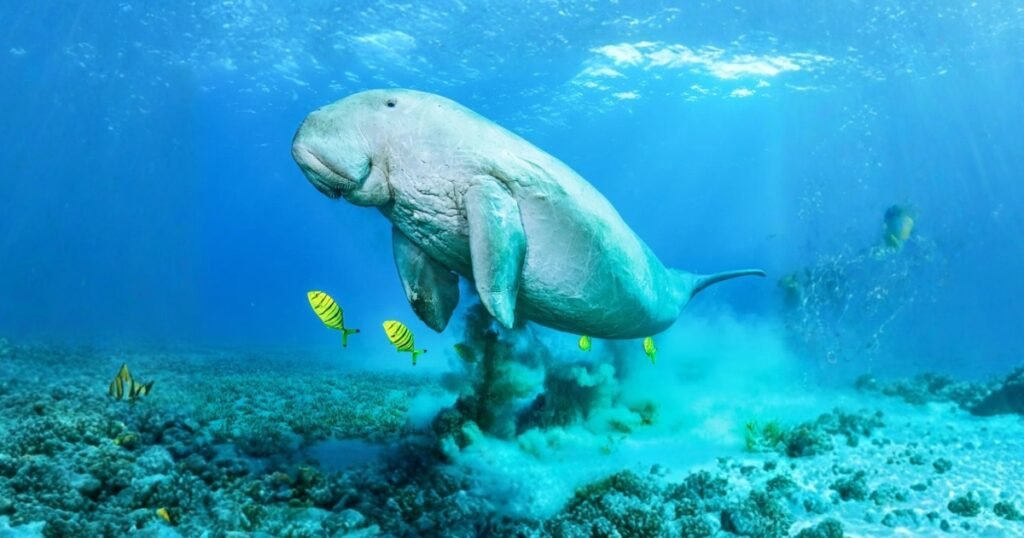
Dugongs face many threats, like habitat loss and pollution caused by human activities. Conservation efforts are working to involve local fishermen in protecting the areas where dugongs live.
By engaging communities, we can help ensure a safe future for these gentle creatures and the ecosystems they depend on.
Dall’s Porpoise
Scientific Name: Phocoenoides dalli
Class: Mammalia
Diet: Carnivore
Dall’s porpoises, known scientifically as Phocoenoides dalli, are amazing marine animals. They have sleek bodies and can swim super fast, reaching speeds of up to 55 km/h. Many people mix them up with dolphins because of their playful nature and sociable behavior. Their unique black and white colors help them blend in with the ocean waves.
These porpoises love to hang out in groups, often showing off their skills by jumping and riding the waves created by boats. They are also very adaptable, living in different places from shallow waters to the deep sea.
Read More: 19 Extraordinary Animals With No Legs (Pictures Included)
King Penguin
Scientific Name: Aptenodytes patagonicus
Class: Aves
Diet: Carnivore
King Penguins are fascinating birds and the second largest type of penguin. They have beautiful orange and yellow markings on their bodies and can dive deep into the ocean, sometimes over 300 meters. This helps them find food like fish, squid, and krill.
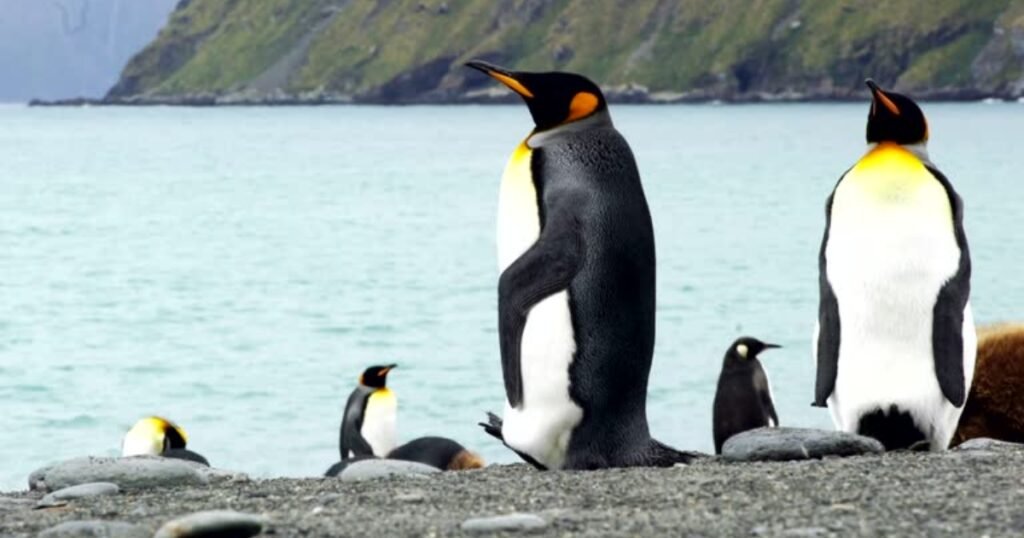
These penguins are also social and live in large groups, called colonies. They communicate with unique calls so they can find their mates even in crowded places. King Penguins are great parents too. They take turns keeping their eggs warm and caring for their chicks during the cold winter, showing how much they work together to survive.
Leopard Seal
Scientific Name: Hydrurga leptonyx
Class: Mammalia
Diet: Carnivore
Leopard seals are unique creatures found in Antarctica, known for their beautiful spotted coats. Unlike sea lions, they are more solitary and hunting is their main focus. Their strong flippers help them swim quickly and catch prey like fish and even penguins.
What makes leopard seals even more interesting is how they communicate. They make haunting sounds underwater, which might help them find mates or mark their territory. These seals are smart hunters, using clever techniques to catch their food.
Read More: Interesting Facts: How Smart Are Kangaroos?
Kemp’s Ridley Sea Turtle
Scientific Name: Lepidochelys kempii
Class: Reptilia
Diet: Carnivore
The Kemp’s Ridley sea turtle is one of the most endangered turtle species in the world. With their amazing flippers, they swim gracefully and can dive deep in the ocean. These flippers also help them during nesting, as they come ashore in large groups for a special event called “arribadas,” where thousands nest together.
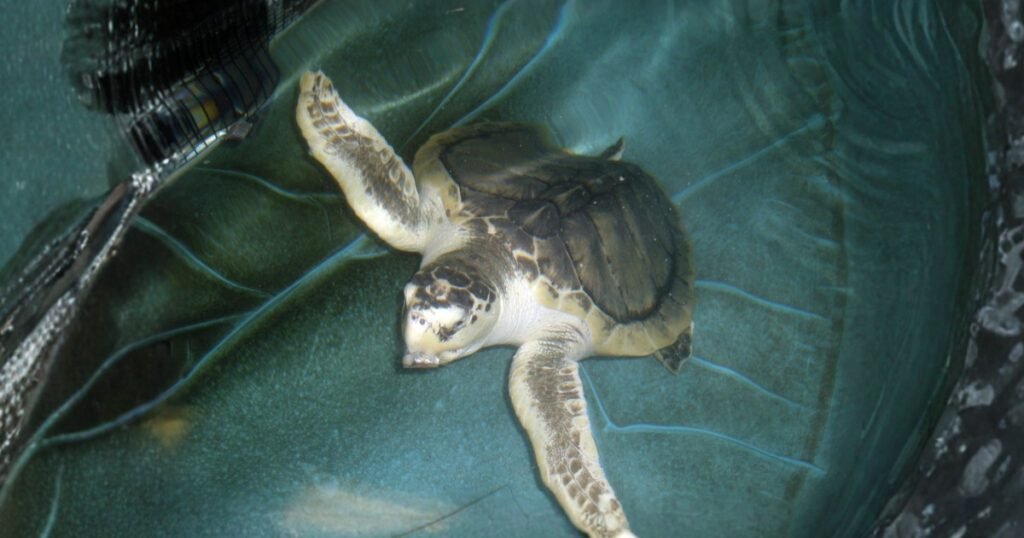
These turtles mainly eat crustaceans, especially blue crabs, and they are very good at catching them thanks to their powerful swimming abilities. Their survival is at risk due to human activities like habitat destruction and getting caught in fishing nets.
It’s important for us to protect these beautiful creatures and their habitats to ensure they thrive for future generations.
Sea Otter
Scientific Name: Enhydra lutris
Class: Mammalia
Diet: Carnivore
Sea otters are cute and important animals that live in the ocean. They have special flippers that help them swim and dive deep to find food like sea urchins and crabs. What makes them even more interesting is their role in the ecosystem. By eating sea urchins, they keep the kelp forests healthy, which provide homes for many sea creatures.
In addition to being great hunters, sea otters are known for their thick fur, which keeps them warm in cold water. They often float together, holding hands to stay close while they sleep. This shows how much they value their community, working together to survive.
Read More: Interesting Top 11 Animals with Big Noses (With Images)
Galapagos Penguin
Scientific Name: Spheniscus mendiculus
Class: Aves
Diet: Carnivore
The Galapagos penguin, or Spheniscus mendiculus, is a unique bird that lives only in the warm waters of the Galapagos Islands. Unlike most penguins that prefer colder climates, these small penguins have adapted to warmer temperatures. They often form smaller groups, which helps them hunt for fish and other sea creatures more effectively.
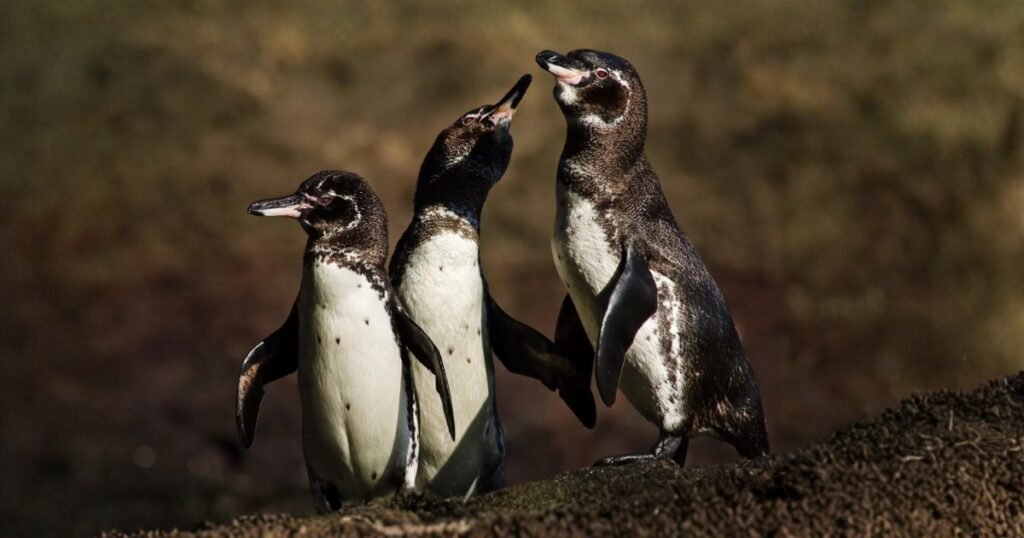
They face dangers from climate change and human activities, which makes protecting them very important. By saving the Galapagos penguin, we also help protect the whole ecosystem of the islands they live in.
Monk Seal
Scientific Name: Monachus monachus (Mediterranean) / Neomonachus schauinslandi (Hawaiian)
Class: Mammalia
Diet: Carnivore
Monk seals are fascinating creatures known as the gentle giants of the ocean. They have thick, blubbery bodies and flipper-like limbs that help them swim smoothly through the water. While they aren’t as fast as some other seals, their slower swimming style helps them find food like fish and crustaceans near the shore.
These seals are also very social and often relax together on sunny beaches. They communicate with each other using their flippers, making subtle gestures that show their emotions.
Conclusion
The world of flippers animals is full of amazing creatures that use their flippers in unique ways. From playful dolphins to graceful sea turtles, each animal has its own special traits. Learning about these animals helps us appreciate their roles in the ecosystem.
We should protect their habitats to ensure they thrive for generations to come. Explore more about flippers animals and share your favorite ones with friends.
FAQ’s
What Is Flipper Meaning?
In animals, “flipper meaning” usually refers to a flat, broad limb that helps them swim. You can find flippers on creatures like seals, penguins, and dolphins, making it easier for them to move through water.
Name Some Of The Flippered Mammals?
Flippered mammals are animals that have flippers instead of hands or feet, which helps them swim. Some common examples include seals, sea lions, and walruses.
What Are Names Of Animals With Flippers?
Animals with flippers include seals, sea lions, and penguins. These flippers help them swim and move easily in water.
How Flipper Fishes Swim In Water?
Flipper fishes, like dolphins, use their flippers to push against the water, which helps them swim quickly and gracefully. They also move their tails up and down to propel themselves forward, allowing them to navigate easily through the ocean.
What Animals Have Flippers?
Animals that have flippers include seals, sea lions, and penguins. These flippers help them swim efficiently in the water.
What is the function of flippers on animals?
Flippers help animals like seals and penguins swim better in water. They act like paddles, allowing them to move quickly and steer easily as they hunt for food or escape from predators.