Interesting Top 11 Animals with Big Noses (With Images)
What if I told you that a big nose could mean bigger advantages in the animal kingdom? This article takes you on a journey through the top 11 animals with big noses, revealing the fascinating functions behind their striking features.
These adaptations are enthralling and underscores the complexity of nature. Get ready to discover how these animals thrive in their environments and why their big noses matter in the grand scheme of biodiversity.
List of Animals with Big Noses
Here is the list of animals with big noses:
- Proboscis Monkey
- Elephant Shrew
- Aardvark
- Tapirs
- Elephant
- Saiga Antelope
- Star-Nosed Mole
- Elephant Seal
- Sawfish
- Long-nosed Bandicoot
- Hammerhead Shark
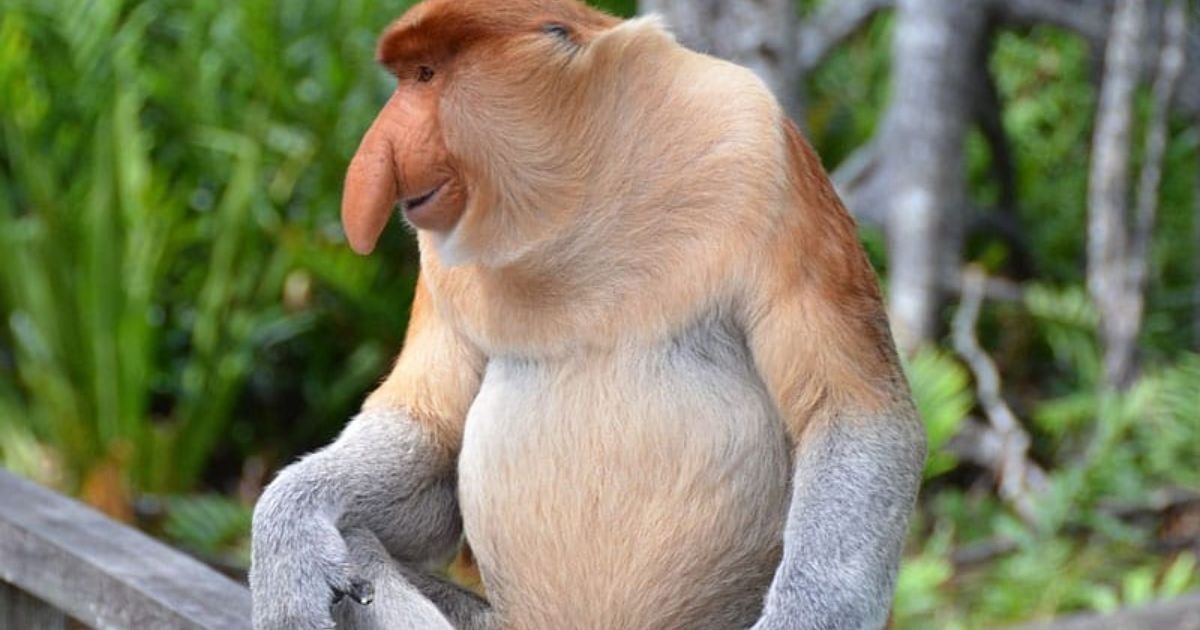
Proboscis Monkey
Scientific Name: Nasalis larvatus
Class: Mammalia
Diet: Folivorous
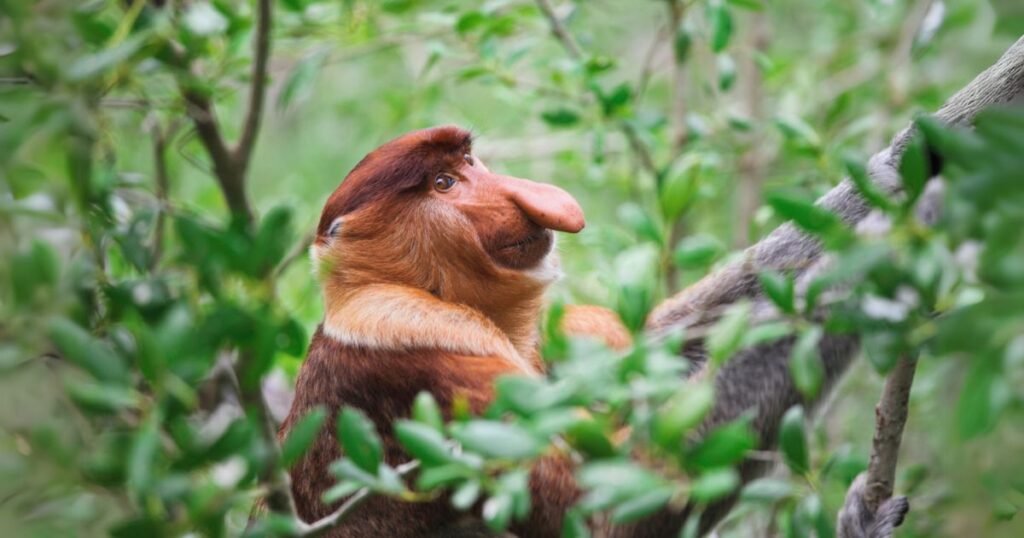
These proboscis monkeys, renowned for their distinctive long nose, are a fascinating example of nature’s quirks. The deeper the sound a male produces during mating calls, the more appealing he appears to potential partners, a remarkable intertwining of physiology and behavior seen in few other animals with big noses.
These proboscis monkeys are social creatures, living in groups where hierarchy influences mating opportunities. The social dynamics of these primates provide insights into the complexities of animal behaviour; their playful interactions and strong family bonds highlight the importance of community, behaviour, and adaptation in the animal kingdom.
READ MORE: Explore 6 Types of Marmots in North America (With Pictures)
Elephant Shrew
Class: Mammalia
Diet: Insectivorous
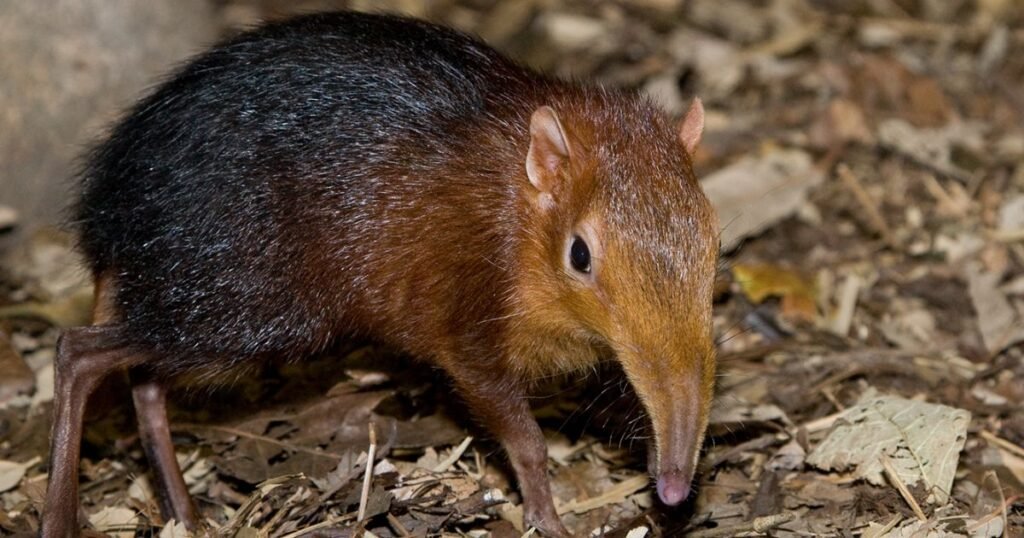
These elephant shrews, despite their name, are neither elephants nor shrews but rather unique mammals endemic to Africa. Often classified as part of the Afrotheria clade, they showcase some of the most extraordinary adaptations seen in the animal kingdom.
This impressive nose, alongside their remarkable speed, makes them adept at evading predators, adding a layer of intrigue to their existence.These elephant shrews truly stand apart because of their complex social behavior. Unlike typical solitary animals, some species exhibit social structures that can include communal foraging and even grooming rituals.
Aardvark
Scientific Name: Orycteropus afer
Class: Mammalia
Diet: Insectivorous
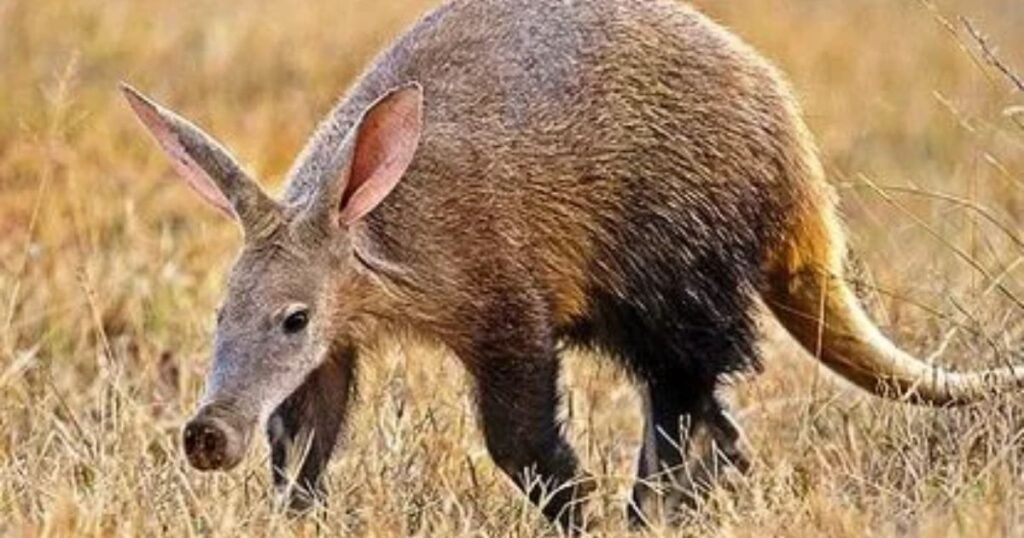
These aardvarks, often overlooked in the animal kingdom, stand out as unique representatives among animals with big noses. Their long, sensitive snout is perfectly adapted for a diet primarily consisting of ants and termites.
These nocturnal creatures possess remarkable olfactory capabilities and unusual social behaviour. Aardvarks are typically solitary; they communicate through a series of grunts and huffs, creating a symphony of sounds that echo through the African night.
READ ALSO: Explore Top 10 Most Humble Animals In The World (With Images)
Tapirs
Scientific Name: Tapirus
Class: Mammalia
Diet: Herbivorous
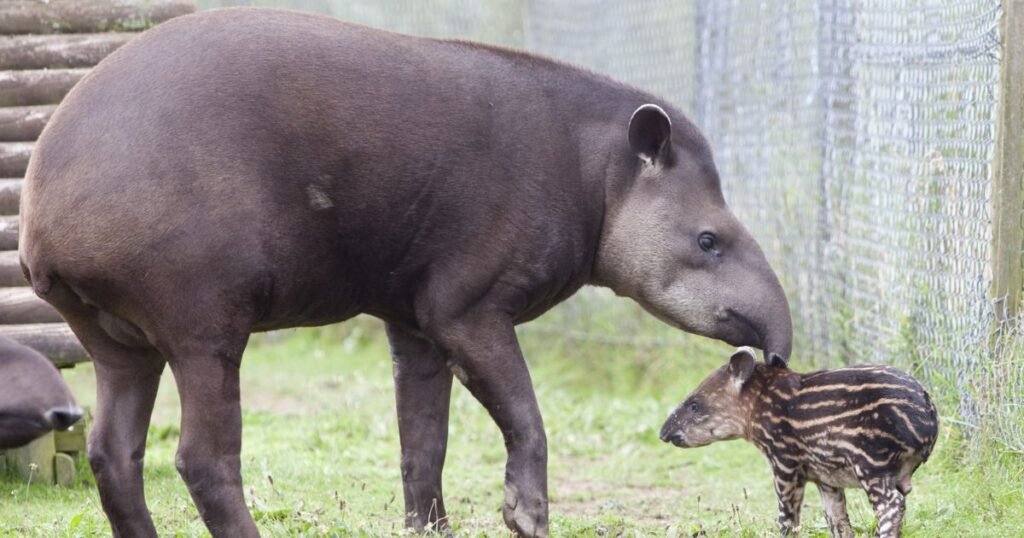
These tapirs, often overshadowed by more charismatic creatures, are fascinating animals with big noses that serve a unique purpose in their jungle habitats. These herbivorous mammals possess elongated snouts that function like versatile tools, allowing them to pluck leaves, fruits, and even aquatic vegetation in shallow waters.
Their prehensile snouts are similar to those of an elephant but are wrapped in a layer of skin that gives them both agility and sensitivity. Watching a tapir forage is akin to seeing nature’s own sculptor at work, gracefully navigating its surroundings with a delicate touch.
Elephant
Scientific Name: Loxodonta africana (African), Elephas maximus (Asian)
Class: Mammalia
Diet: Herbivorous
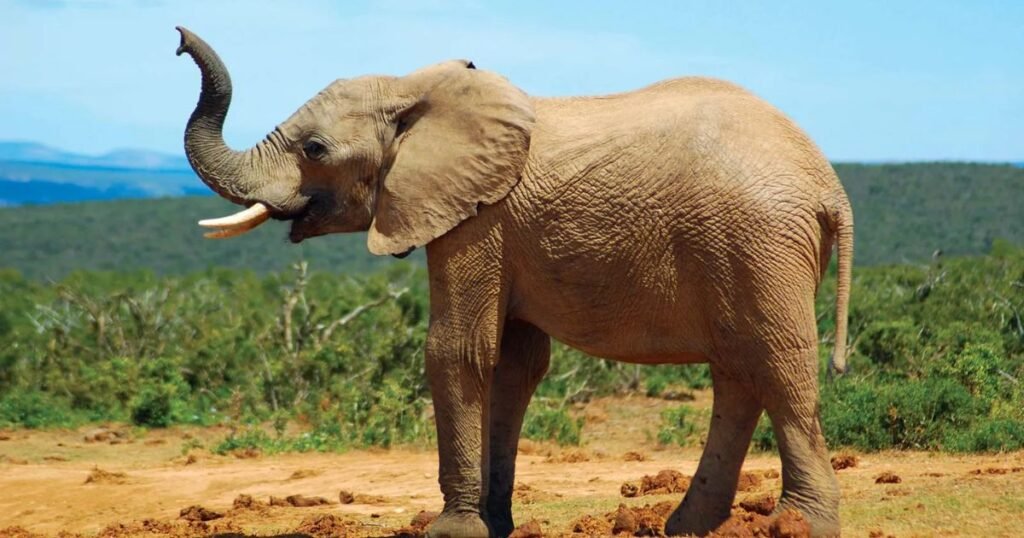
These elephants, the gentle giants of the animal kingdom, stand out as the largest land mammals, showcasing an impressive combination of intelligence and emotional depth. Their trunks, often regarded as one of nature’s most versatile tools, serve multiple purposes, from drinking water to expressing affection.
This remarkable appendage, as the “big nose,” combines the features of a hand, a snorkel, and a trumpet. Such adaptability aids in their survival and illustrates their deep connection with the environment.
READ MORE: Top 14 Animals that Eat Coconuts (With Pictures)
Saiga Antelope
Scientific Name: Saiga tatarica
Class: Mammalia
Diet: Herbivorous
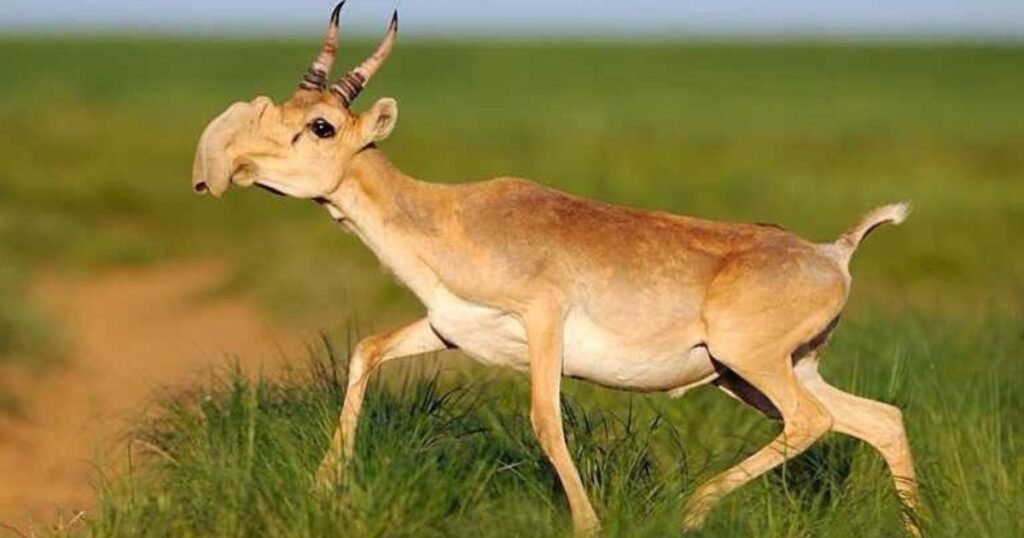
These Saiga antelopes, remarkable animals with big noses known for their distinctively large, bulbous noses, are emblems of the Eurasian steppes and serve a crucial ecological role. This unique adaptation allows them to filter out dust during the arid summers and regulate body temperature in extreme climates.
These fascinating animals with long noses face significant challenges due to poaching and habitat loss, making them one of the most endangered species in the world. Their communal lifestyle is a testament to their resilience, showcasing an intricate hierarchy that ensures survival in the harsh environments of Central Asia.
Star-Nosed Mole
Scientific Name: Condylura cristata
Class: Mammalia
Diet: Insectivorous
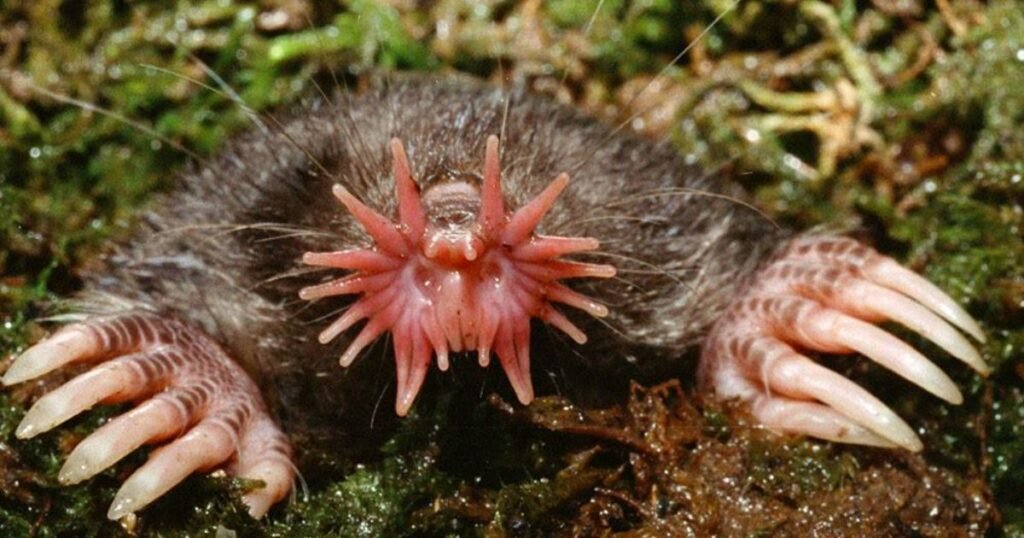
These star-nosed moles stand out in the fascinating world of animals with big noses, using their unique appendage not just for show but as an incredible sensory tool. The star-shaped structure, adorned with 22 fleshy tentacles, houses thousands of sensory receptors, allowing this remarkable creature to navigate its dark, subterranean environment with remarkable precision.
Hunting for its preferred prey of earthworms and small invertebrates, it can identify food in just a fraction of a second, showcasing adaptability that rivals more celebrated predators.
Elephant Seal
Class: Mammalia
Diet: Carnivorous
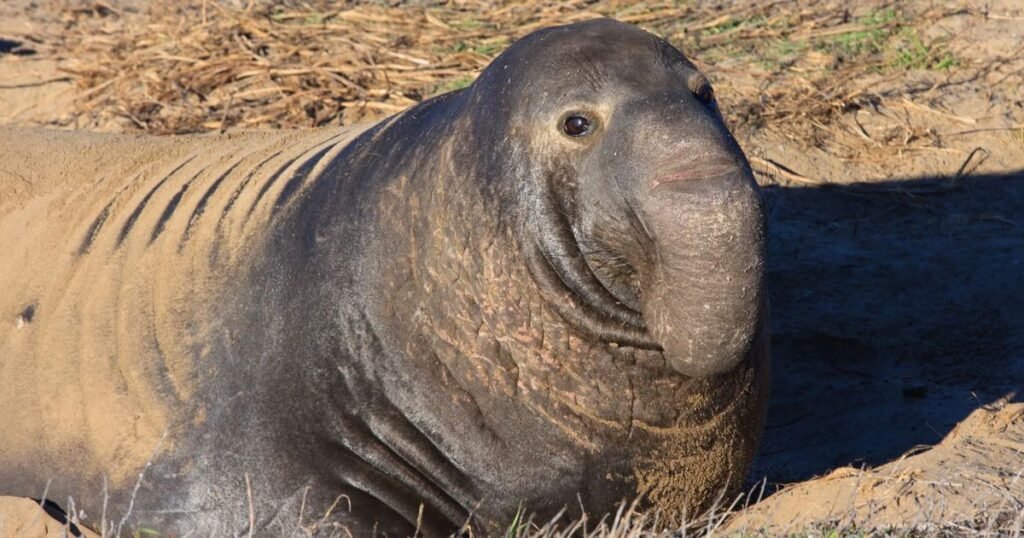
These elephant seals, with their distinctive oversized noses, are notable for their size and for their fascinating behaviours. During the breeding season, dominant males can reach lengths of up to 20 feet and weigh over 4,500 pounds, all while sporting a remarkable proboscis that serves as both a display feature and a communication tool.
This unique nose amplifies their vocalizations, allowing them to assert dominance and attract potential mates against the roaring sounds of the ocean. Capable of swimming to depths exceeding 5,000 feet in search of food, they hold their breath for up to an hour at a time.
You can also read: Top 25 Animals That Eat a Lot (Images Included)
Saw fish
Class: Chondrichthyes
Diet: Carnivorous
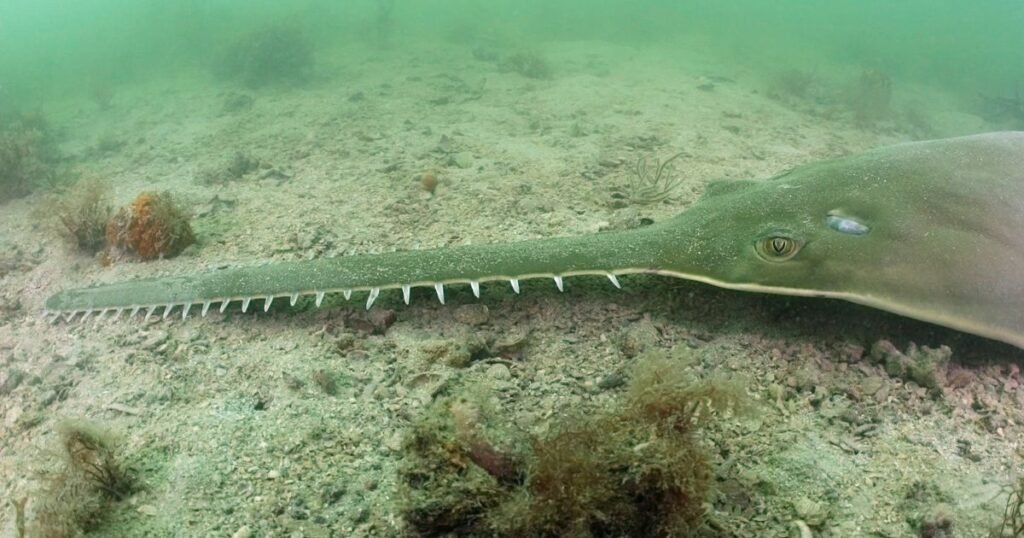
These saw fish, often referred to as some of the most fascinating animals with big noses, exhibit an extraordinary adaptation that both captivates and mystifies researchers. Their elongated snouts resemble swords, lined with sensitive teeth that help them sense movement in murky waters.
Their habitat reveals further layers of intrigue; they thrive in a variety of environments, from shallow coastal waters to brackish estuaries. These majestic creatures are now classified as endangered due to habitat loss and over fishing.
Long-nosed Bandicoot
Scientific Name: Perameles nasuta
Class: Mammalia
Diet: Omnivorous
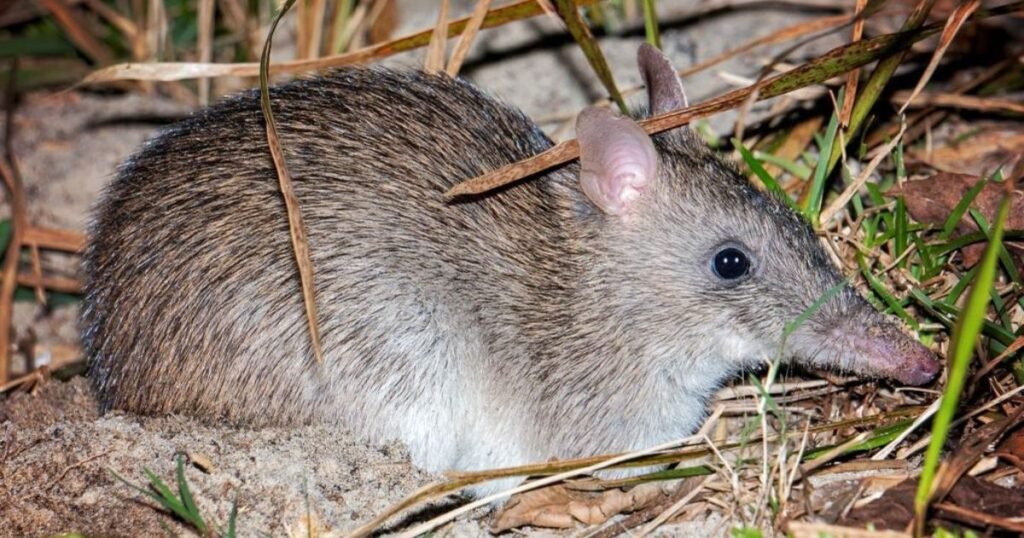
These Long-nosed Bandicoots, intriguing members of Australia’s unique wildlife, boast distinctive snouts that serve more than just an aesthetic purpose. This elongated nose houses sensitive electroreceptors, allowing the bandicoot to detect prey hidden beneath leaf litter and soil.
These nocturnal foragers move through their habitat using their keen sense of smell, demonstrating how animals with big noses show remarkable adaptability to their environments in fascinating ways.
Hammerhead Shark
Class: Chondrichthyes
Diet: Carnivorous
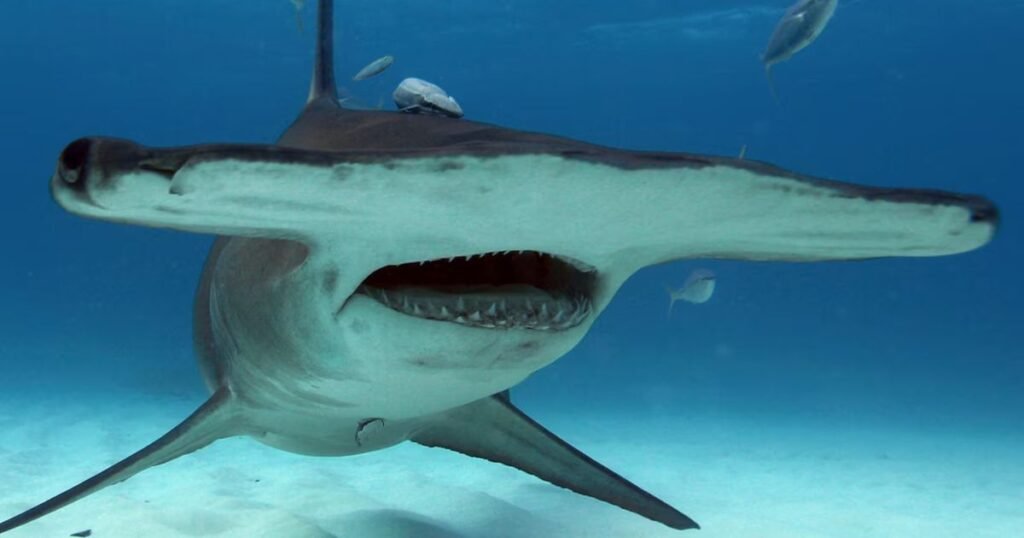
These hammerhead sharks, intriguing members of the ocean’s diverse ecosystem, wear their distinctive head shape like a crown, earning them a spot among animals with weird noses.
The flattened structure allows for enhanced visual range and depth perception, which is especially advantageous when tracking prey like stingrays and smaller fish. It’s fascinating to think about how evolution crafted this design to improve their predatory prowess, setting them apart from other sharks.
Read Also: Top 20 Flippers Animals (With Pictures)
Final Thoughts
The fascinating world of animals with big noses showcases the diversity of wildlife and the unique adaptations that serve vital functions in their survival. From the playful tapirs to the majestic elephants, these creatures highlight the remarkable ways in which nature has equipped them for their environments.
Each big nose tells a story of evolution, whether for foraging, navigating, or social interactions. As we delve deeper into the quirks of the animal kingdom, we continually uncover the incredible relationships between anatomy and behaviour.
FAQs
What Animals have a Distinctive Snout?
Many animals possess distinctive snouts that serve various functions related to their survival and adaptation. The crocodile features a long, narrow snout that is perfectly adapted for hunting in aquatic environments.
What Animal has Multiple Noses?
While it might sound unusual, the star-nosed mole is one of the most fascinating creatures with a unique adaptation resembling multiple noses.
Which Animals have Big Noses?
Many animals are known for their distinctive big noses, often serving crucial functions for survival.Tapir, a large herbivore with a prehensile snout that resembles a short trunk. This unique feature allows tapirs to forage for fruits and leaves in dense vegetation.
What Animal is known for its Snout?
One animal prominently known for its distinctive snout is the anteater. Native to Central and South America, anteaters possess elongated snouts that house a long, sticky tongue, which they use to extract ants and termites from their burrows.
What are some animals with big noses?
There are several fascinating animals known for their distinctive large noses, each serving unique purposes in their adaptations.