Top 12 Animals with Shells: Names, Facts, and Pictures
Did you know that the ocean is home to over 200,000 species of animals with shells? These fascinating creatures serve as protective armor and play crucial roles in their ecosystems.
Lets explore the top 12 animals with shells, diving into their unique characteristics and the incredible adaptations that help them survive. You’ll have a deeper appreciation for these remarkable species and their importance in the natural world.
List of Animals with Shells
Here is the list of animals with shells:
- Common Snapping Turtle
- Garden Snail
- King Crab
- Horseshoe Crab
- Gopher Tortoise
- Nine Banded Armadillo
- Conch
- Nautilus
- Oysters
- Texas Ironclad Beetle
- Pond Slider
- Giant Clam
Common Snapping Turtle
Scientific name: Chelydra serpentina
Class: Reptili
Diet: Omnivore
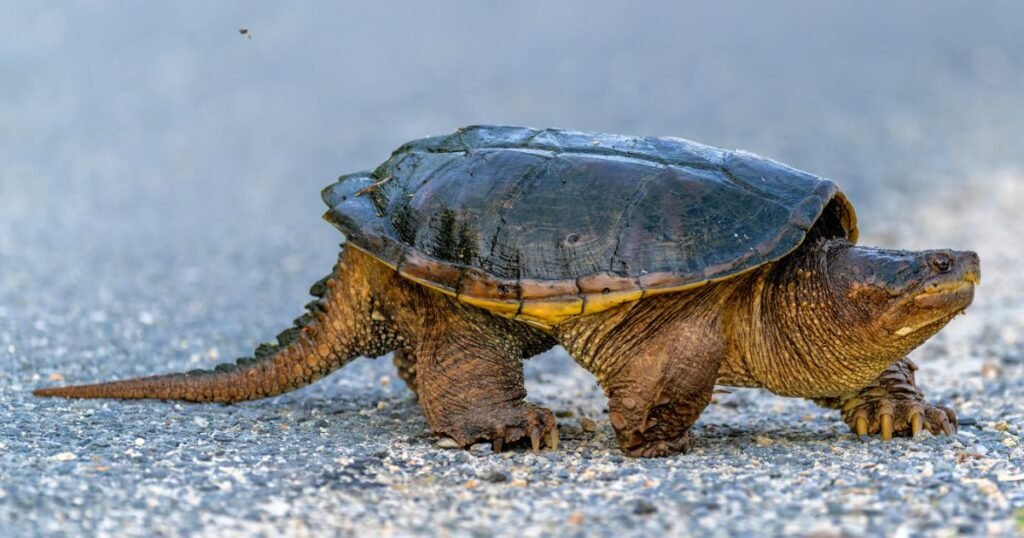
These Common Snapping Turtles, a formidable representative among animals with shells, boast a unique blend of strength and adaptability. Unlike the more docile box turtles, the snapping turtle’s aggressive nature and powerful jaw reveal a fierce survival strategy, allowing it to thrive in a variety of freshwater habitats.
These rugged, textured shells provide protection and serve as a canvas, reflecting the environment they inhabit, with algae and debris often clinging to their surface, enhancing their camouflage against potential predators.
Garden Snail
Scientific name: Cornu aspersum
Class: Gastropoda
Diet: Herbivore
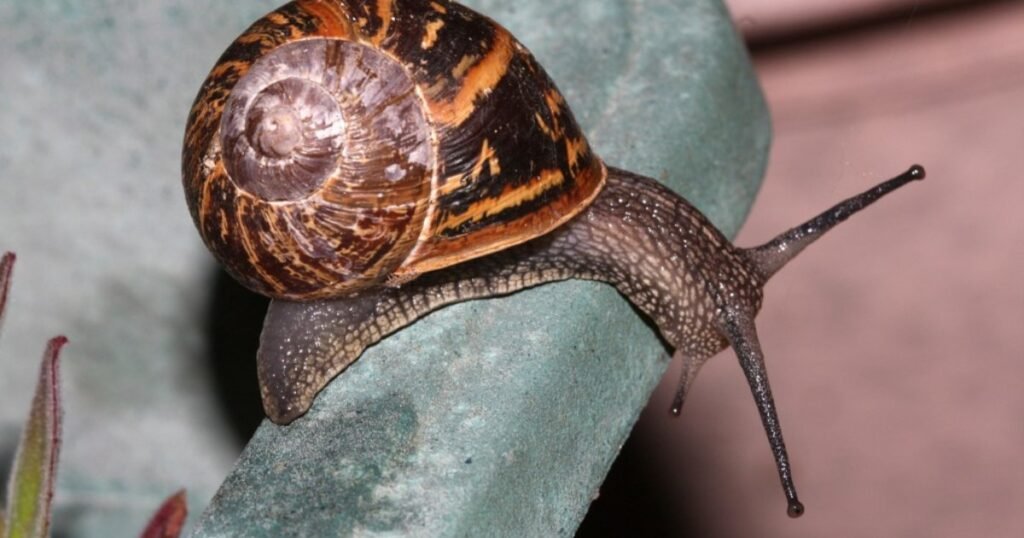
These garden snails, those unassuming little creatures gracing our backyards, actually hold a wealth of fascination beyond their simple appearance. While many of us know that snails belong to a group of animals with shells, they stand out due to their unique adaptations.
These garden snail shells are extraordinarily dynamic; they grow with the snail, shaped by its environment and diet. This resilient shell offers protection from predators and harsh weather and plays a crucial role in water retention, illustrating the intricate balance between form and function in nature.
READ ALSO: Top 18 Animals With Sharp Claws (With Images)
King Crab
Scientific name: Paralithodes camtschaticus
Class: Malacostraca
Diet: Omnivore
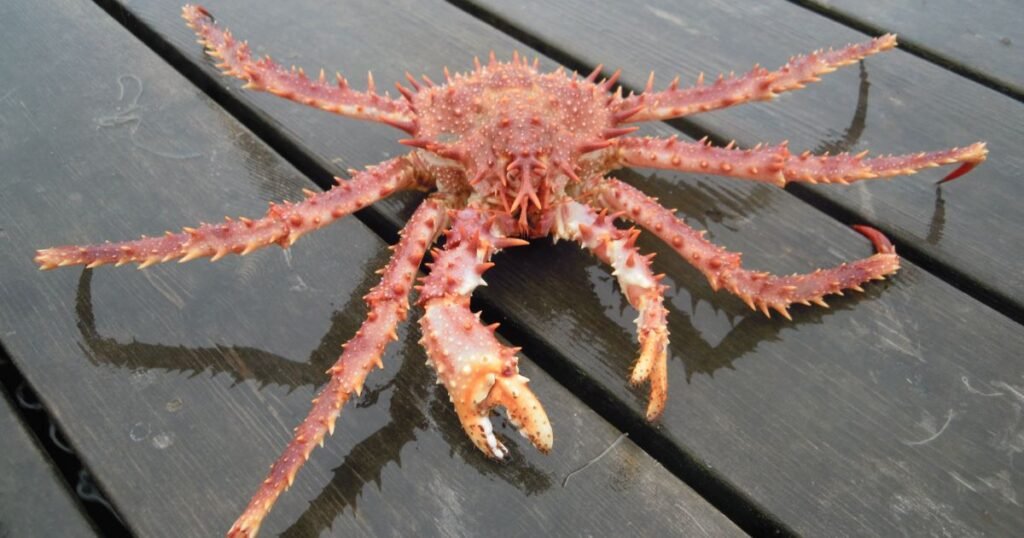
These king crabs, a marvel of the ocean, are one of the most sought-after delicacies in seafood cuisine. This majestic crustacean, characterized by its massive claws and distinctive hard shell, belongs to the family of animals that have shells, showcasing nature’s engineering.
These king crabs aren’t just a source of sumptuous meat; they also play a vital role in their ecosystem, serving as both predator and prey. With their acute sense of smell, these crabs can detect food from great distances, making them formidable hunters on the ocean floor.
Horseshoe Crab
Scientific name: Limulus polyphemus
Class: Merostomata
Diet: Carnivore
These horseshoe crabs, often mistaken for crustaceans, are ancient marine creatures that hail from a lineage over 450 million years old, pre-dating even the dinosaurs. These fascinating animals with shells feature a unique exoskeleton that protects their soft bodies, allowing them to thrive in coastal environments while seemingly remaining untouched by time.
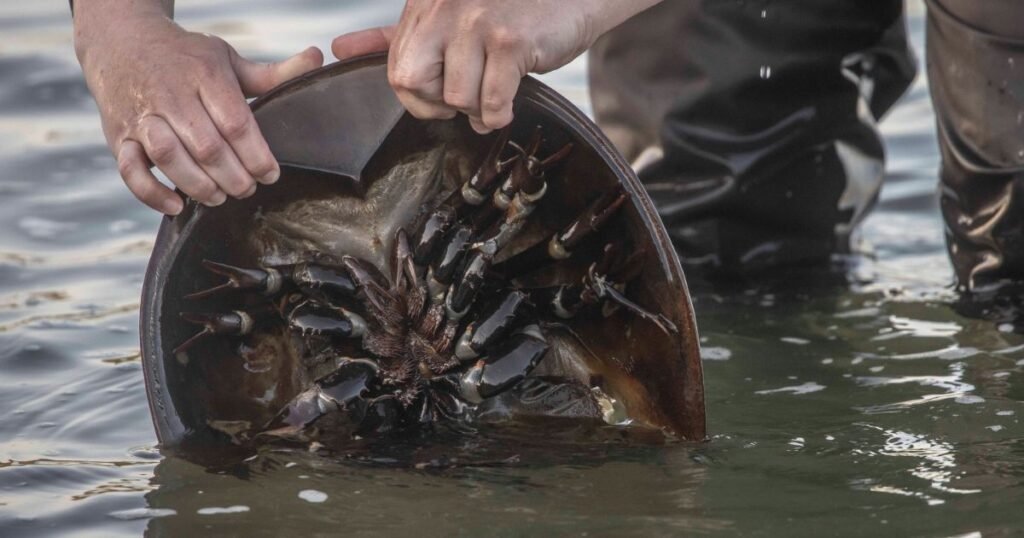
These horseshoe crabs, unlike most animals that have shells, belong to a group called chelicerates, which means they are more closely related to spiders and scorpions than to true crabs.
Gopher Tortoise
Scientific name: Gopherus polyphemus
Class: Reptilia
Diet: Herbivore
These gopher tortoises, remarkable animals with shells, embody more than just their hard exterior; they play a vital role in their ecosystem. Found primarily in the southeastern United States, their burrowing behavior creates intricate underground habitats that support a myriad of other species.
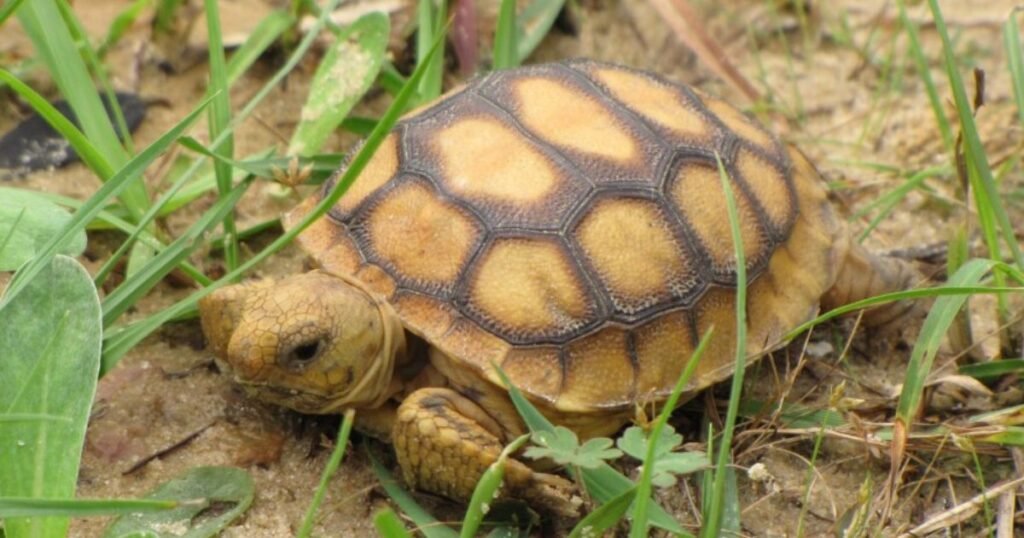
These burrows can be over 30 feet long and provide shelter for animals like rabbits, snakes, and even owls. By digging these tunnels, the gopher tortoise ensures a rich tapestry of life thrives within its sandy habitats.
READ ALSO : Discover 9+ Non Mammal Animals (With Pictures)
Nine Banded Armadillo
Scientific name: Dasypus novemcinctus
Class: Mammalia
Diet: Omnivore
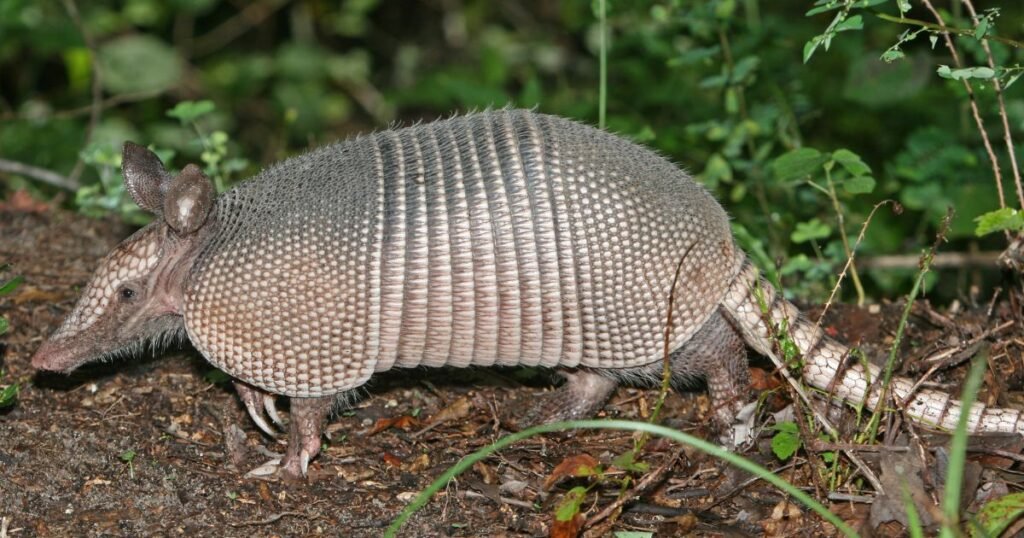
These nine-banded armadillos are fascinating examples of animals with shells, defying many of the common characteristics we associate with more traditional shelled creatures like turtles and mollusks.
These armadillos’ shells are formed from a unique arrangement of bony plates covered in a tough, leathery skin, providing both protection and flexibility. This adaptation helps them escape predators and thrive in diverse habitats across the Southern United States and parts of Latin America.
Conch
Scientific name: Strombus gigas
Class: Gastropoda
Diet: Herbivore
These conchs, exquisite mollusks sporting spiraled shells, captivate marine enthusiasts and culinary aficionados. These vibrant sea creatures thrive in warm waters and often represent the essence of coastal cultures.
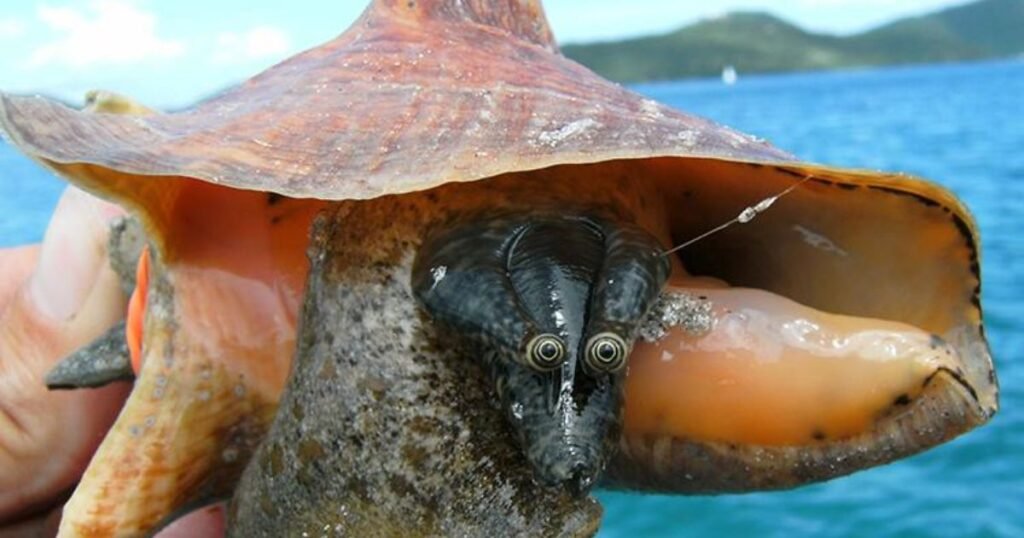
These conchs exhibit varying shell shapes and colors, embodying diversity within their species. Their shells, often used as decorative items, can hold a wealth of ecological history, showcasing growth rings similar to those in trees, allowing scientists to study environmental changes over time.
Nautilus
Scientific name: Nautilus pompilius
Class: Cephalopoda
Diet: Carnivore/Scavenger
These nautiluses, often dubbed the “living fossil,” captivate both scientists and enthusiasts alike with their mesmerizing spiral shells. Unlike typical animals with shells, the nautilus is a cephalopod, sharing ancestry with squids and octopuses.
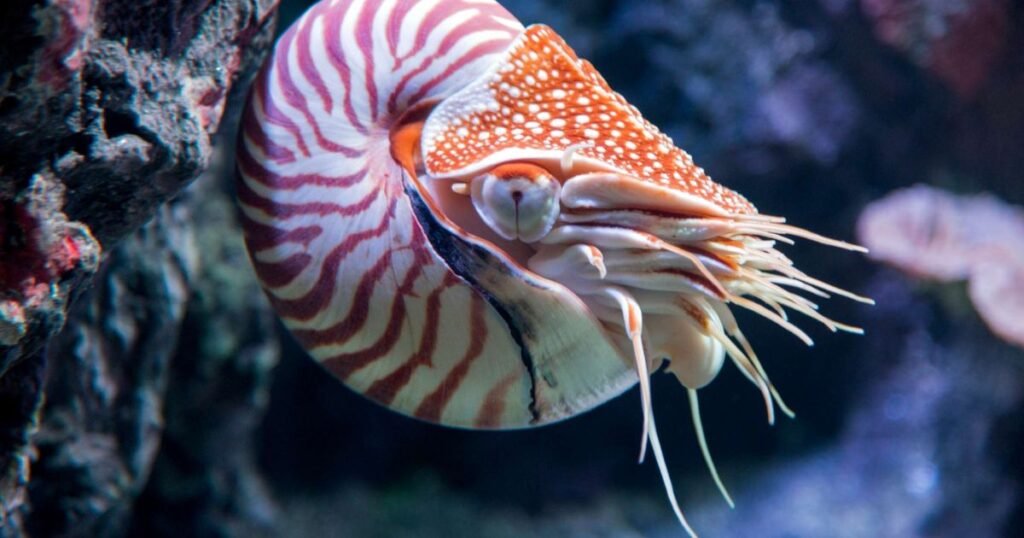
These animals with shells showcase the ingenuity of nature and highlight the nautilus’s role in maintaining the delicate balance of marine ecosystems. They possess a unique ability to navigate the ocean’s depths, relying on a sophisticated system of jet propulsion.
Oysters
Scientific name: Crassostrea virginica
Class: Bivalvia
Diet: Filter feeder
These oysters, often celebrated for their unique, briny flavor, are fascinating members of the shellfish family, falling among animals with shells like clams and snails. These bivalves are culinary delights; they play crucial roles in marine ecosystems.
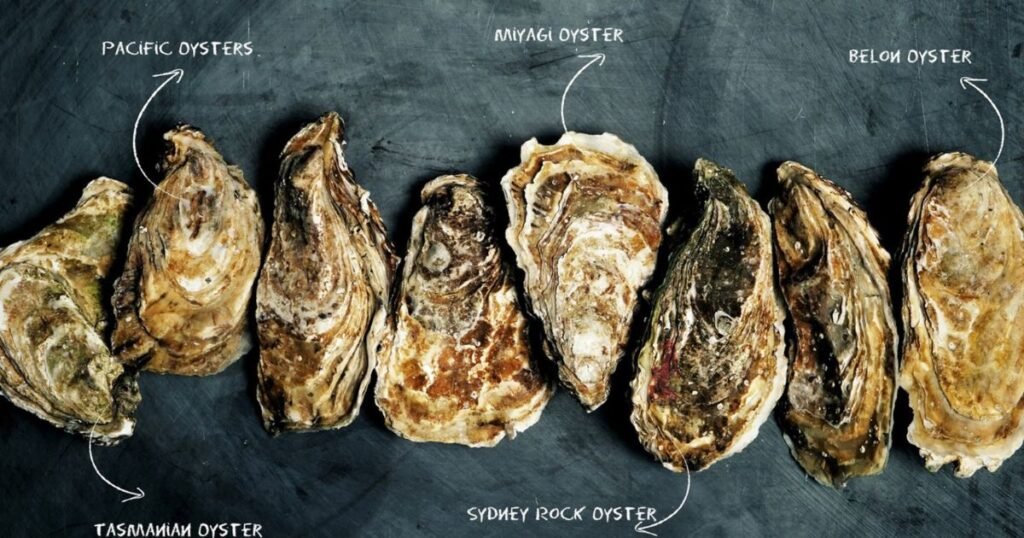
These oysters can purify up to 50 gallons of water daily by filtering it, enhancing the health of their environment. Their delicate, layered shells, composed of calcium carbonate, protect them from predators and harsh aquatic conditions, showcasing nature’s ingenuity in animal architecture.
READ MORE: Top 18 Animals With 2 Legs: Complete List Pictures
Texas Ironclad Beetle
Scientific name: Zopherus nodulosus haldemani
Class: Insecta
Diet: Herbivore/Detritivore
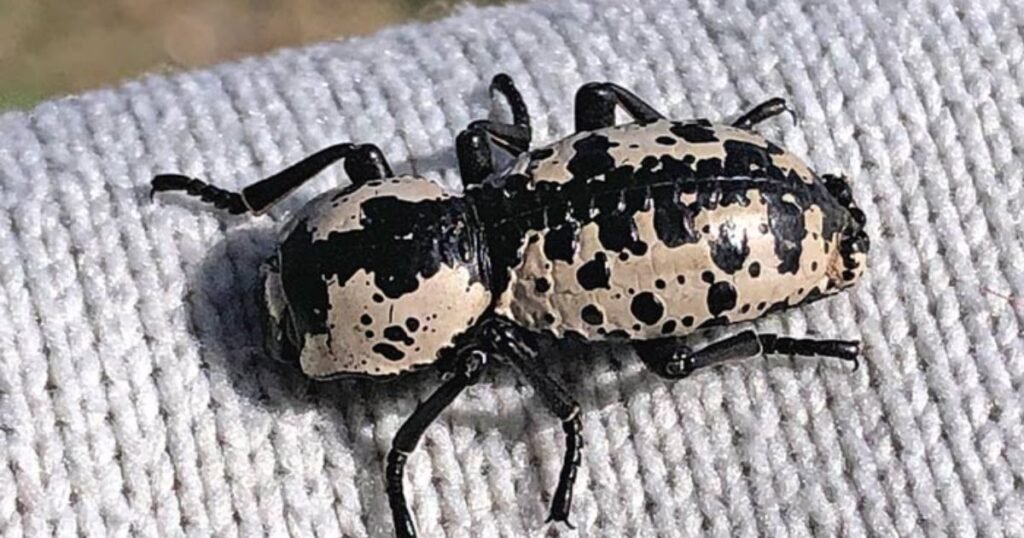
These Texas Ironclad Beetles, with their robust exoskeletons, stand out as one of nature’s extraordinary animals that have shells. Often found in the rugged terrains of Texas, this beetle’s unique armor offers more than just protection; it’s a fascinating evolutionary adaptation.
These Ironclad Beetles, unlike many other animals with shells, which often use their protective coverings as a means of retreat or camouflage, thrive amidst the harsh conditions of their environment.
READ ALSO: Explore Top 16 Stubborn Animals (With Images)
Pond Slider
Scientific name: Trachemys scripta
Class: Reptilia
Diet: Omnivore
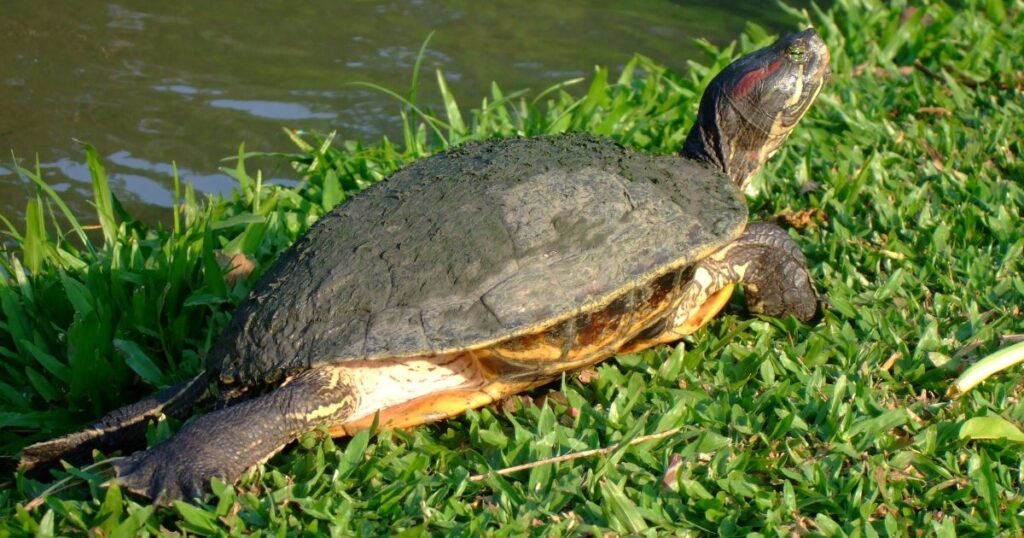
These Pond Sliders, fascinating animals with shells native to North America, capture the imaginations of both novice and seasoned animal enthusiasts. Unlike many other turtles, they exhibit a vibrant palette of colors, with striking green and yellow patterns that serve as camouflage and as a visual attraction, enhancing their appeal in aquatic habitats.
These reptiles are known for their adaptability; they can thrive in various environments, from tranquil ponds to bustling urban lakes, reflecting their versatility as a species.
Giant Clam
Scientific name: Tridacna gigas
Class: Bivalvia
Diet: Omnivore
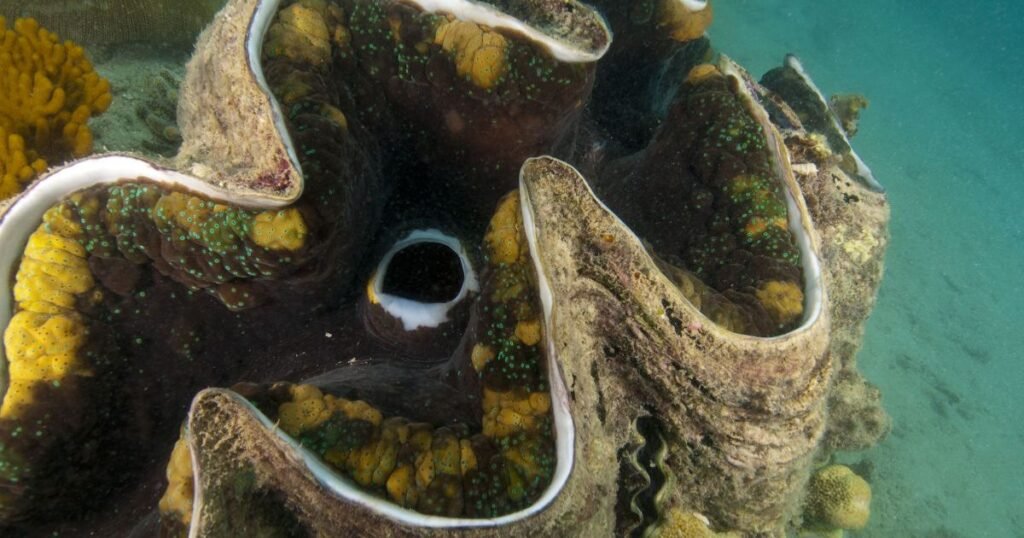
These giant clams, marvels of the marine world, stand as a testament to nature’s ingenuity among animals with shells. These colossal mollusks can weigh over 600 pounds and reach lengths of four feet, making them the largest living bivalves on the planet.
These giant clams, unlike many things with shells that rely solely on protection and camouflage, engage in a unique photosynthesis-like process. By housing symbiotic algae within their tissues, they gain nutrients and vibrantly color their surroundings, turning the ocean floor into an underwater kaleidoscope.
READ ALSO: Top 14 Raccoon Like Mammal You Didn’t Know Existed (With Images)
Final Thoughts
The world of shell-bearing animals reveals the incredible diversity and adaptability of life on Earth. From the armored strength of turtles to the intricate patterns of mollusks, these creatures showcase the beauty of natural design.
Each species plays a vital role in its ecosystem, reminding us of the inter connectedness of all living beings. These remarkable animals, we should also strive to protect their habitats and ensure their survival for future generations.
FAQs
What are the Animals with Shells?
Animals with shells are primarily found in two major groups: mollusks and crustaceans. Mollusks include a variety of species, such as snails, clams, and octopuses, many of which possess hard outer shells made of calcium carbonate.
What are the Top 10 Sea Creatures?
The term “top sea creatures” can vary depending on the criteria used whether it’s based on beauty, intelligence, or ecological importance.
What is the Only Mammal With a Shell?
The only mammal with a shell is the platypus. While the term “shell” may conjure images of hard protection like that of turtles or tortoises, the platypus has somewhat of a different adaptation.
What are the 12 Aquatic Animals?
Aquatic Animals are those that thrive in water environments, whether oceans, rivers, or lakes. There are countless species, but here are twelve notable examples.
First, you have fish like the clown fish and salmon, which have adapted to life in various aquatic habitats.
What animals live in a shell?
Animals that live in shells are primarily found in two major groups: mollusks and some members of the crustacean family.