Discover Top 10 Animals Without Tails (With Photos)
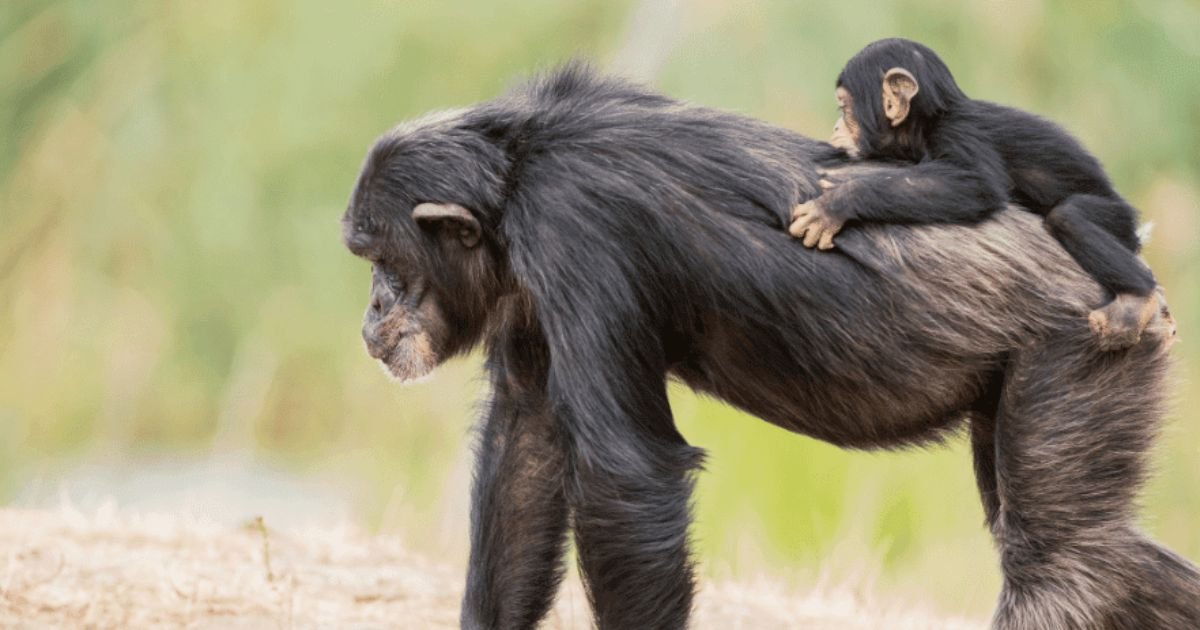
Did you know that some of the most fascinating creatures on our planet thrive without tails? In this article, we’re diving into the world of Animals Without Tails, showcasing unique species that have adapted in remarkable ways.
From the agile snakes to the playful dolphins, these animals prove that tails aren’t always necessary for survival. By exploring their traits and habitats, you’ll gain a deeper appreciation for the diversity of life and the incredible adaptability of nature.
List of Animals without Tails
Here is the list of animals with no tail:
- Gorilla
- Chimpanzee
- Bonobo
- Orangutan
- Gibbon
- Human
- Guinea pig
- Manx cat
- Frog (adult)
- Kiwi Bird
Gorilla
- Scientific Name: Gorilla gorilla
- Class: Mammalia
Gorillas, the largest primates on Earth, captivate with their remarkable strength and gentle temperament. Unlike many mammals without tails, gorillas exhibit an intricate social structure that mirrors human communities.
They form strong bonds within family groups, led by a dominant silverback male, who protects and nurtures his troop, showcasing a fascinating blend of power and care.
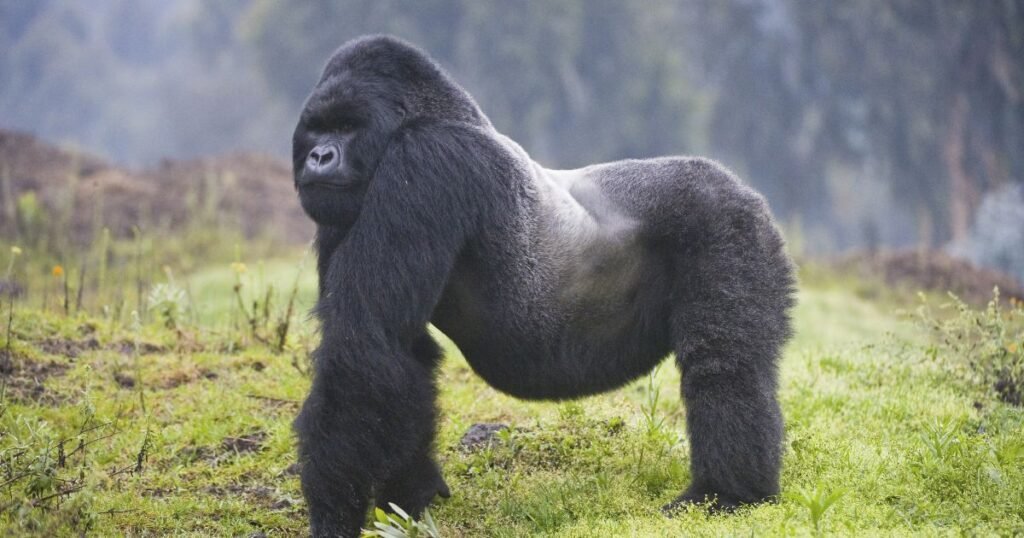
As thickly forested habitats face encroachment, understanding gorillas’ roles in biodiversity becomes increasingly vital. By preserving their natural environments, we protect these awe-inspiring animals and the ecological balance they help maintain.
Related: Top 20 Animals Similar to Foxes
Chimpanzee
- Scientific Name: Pan troglodytes
- Class: Mammalia
Chimpanzees, one of the most intriguing animals without tail and horn, showcase a dynamic lifestyle that mirrors some aspects of human behavior. Living in the lush canopies of Africa, they are social creatures, often forming tight-knit communities. These societies are rich in communication, filled with vocalizations, gestures, and facial expressions, enabling them to convey complex emotions and information.
Foraging for fruits, leaves, and insects, chimpanzees exhibit impressive problem-solving skills. They often use tools, such as sticks to fish for termites or rocks to crack open nuts, showcasing their ability to adapt and innovate.
Related: How smart are kangaroos?
Bonobo
- Scientific Name: Pan paniscus
- Class: Mammalia
Bonobos, often hailed as the peacekeepers of the primate world, exemplify a unique social lifestyle that diverges significantly from their more aggressive cousins, the chimpanzees. Unlike many animals without tails, bonobos leverage complex social bonds and a matriarchal structure to foster harmony within their groups.
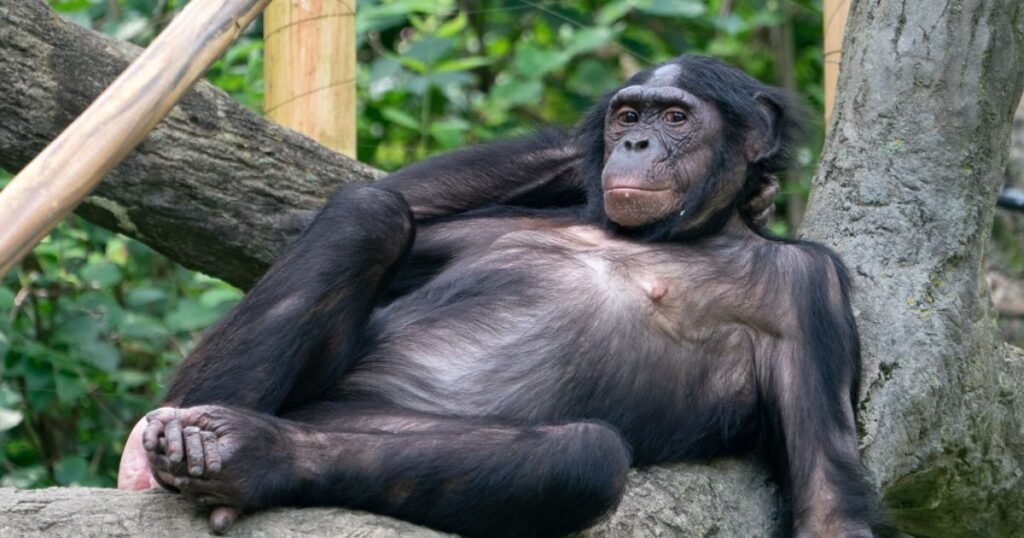
In their lush forest habitat in the Congo Basin, bonobos exhibit remarkable problem-solving skills, displaying creativity in using tools to access food.
Their diet is as varied as their social activities, consisting mostly of fruits, but they also relish the occasional small animal. This adaptable approach reflects their intelligence and contributes to their strong social networks.
Orangutan
- Scientific Name: Pongo pygmaeus
- Class: Mammalia
Orangutans, fascinating members of the “animals without tails,” primarily inhabit the dense tropical rainforests of Borneo and Sumatra. These majestic apes prefer the canopy, where they can forage for fruit, leaves, and insects, which make up a significant part of their diet. Their arboreal lifestyle allows them to expertly navigate the treetops, using their long limbs and strong grasping hands to swing between branches.
Their habitat is increasingly threatened by deforestation and human encroachment, making conservation efforts critical not just for their survival but for the entire rainforest ecosystem.
Physically, orangutans are distinguished by their impressive size and unique physical features. Males can weigh up to 220 pounds, with long, shaggy red fur that helps them blend into the rust-colored hues of their habitat. Their cheek pads, which develop as they mature, signify dominance and play a role in communications, showcasing a complex social structure among these solitary creatures.
Read also: Are there Badgers in Maine
Gibbon
- Scientific Name: Hylobates lar
- Class: Mammalia
Gibbons, those enchanting primates found predominantly in the dense tropical forests of Southeast Asia, offer a unique glimpse into the diverse adaptations of animals without tails. These agile creatures swing gracefully through the tree canopies, showcasing their remarkable brachiation skills.
Physically, gibbons stand out with their long, slender limbs, which facilitate their impressive acrobatics. Their lack of tails is an evolutionary adaptation that complements their swinging lifestyle, allowing for a more streamlined movement through the branches.
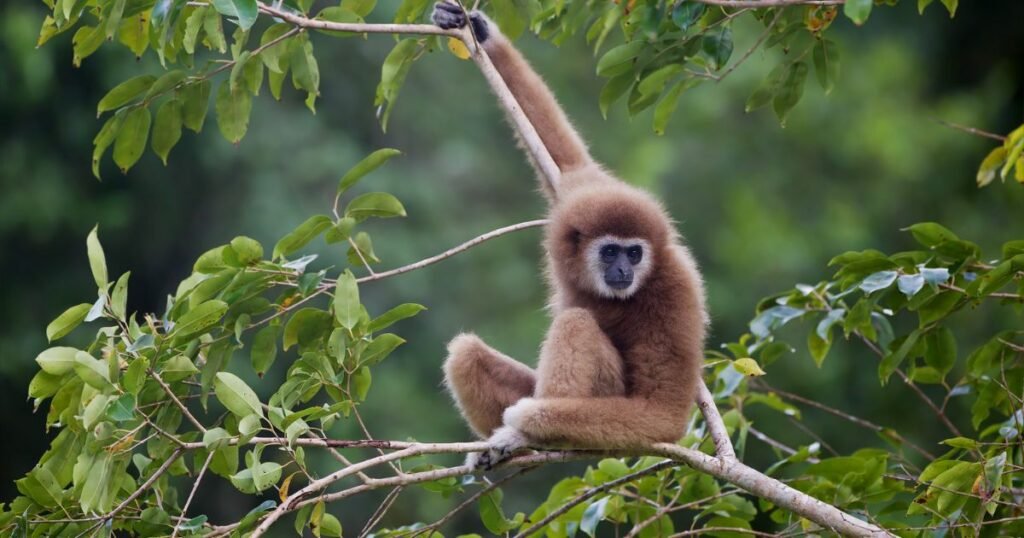
With their expressive faces and unique vocalizations, gibbons are not just masters of the trees but also remarkable communicators, using song to establish territory and strengthen social bonds within family groups. This harmony with their habitat showcases how animals without tails can adapt in ways that are both functional and fascinating.
Human
- Scientific Name: Homo sapiens
- Class: Mammalia
Humans inhabit a wide array of environments, from bustling urban centers to serene rural landscapes, showcasing an extraordinary adaptability akin to animals without tails. Our capacity to modify habitats constructing cities and homes, reflects a profound relationship with nature, yet it often comes with significant ecological costs.
Unlike many species that have evolved specific traits for survival, humans have harnessed intellect and creativity, allowing them to thrive in diverse settings, including extreme climates where most other animals would struggle. The human body itself is a marvel of evolution, designed not just for survival but for complex communication and social interaction.
Read Also: Animals with lowest IQ?
Guinea Pig
- Scientific Name: Cavia porcellus
- Class: Mammalia
Guinea pigs, despite their small size, require specific habitats to thrive, typically thriving in cozy, well-ventilated spaces. Originating from the mountainous regions of South America, these animals without tails prefer environments that mimic their natural burrows, favoring ample bedding materials like hay to nestle into.
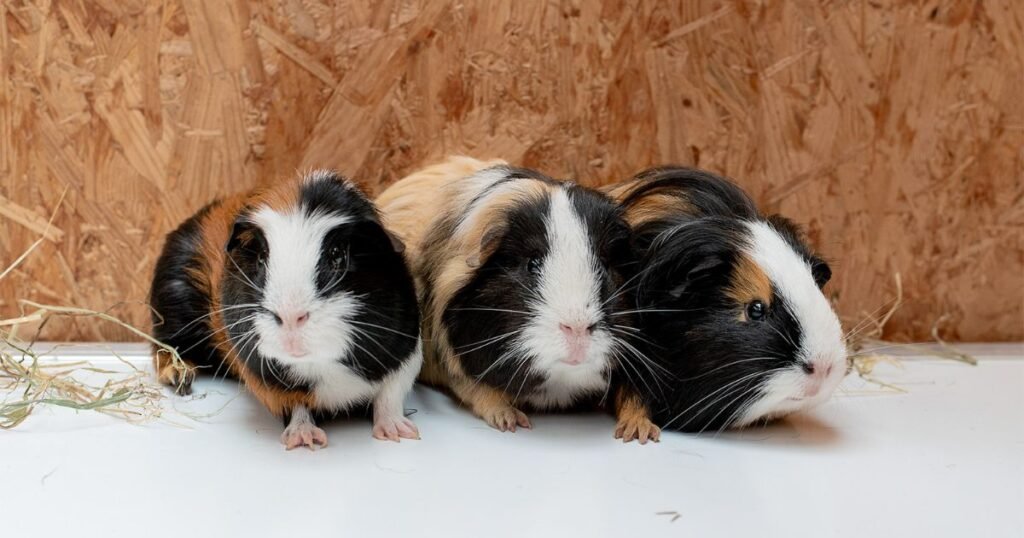
Their bodies are compact, with sturdy limbs and a rounded shape, the epitome of adaptive evolution within their grassy habitats. Guinea pigs are social creatures, often found in groups, and their body language conveys a wealth of emotions, from excitement to fear.
They lack a tail, which is atypical in the animal kingdom; this unique trait reflects their adaptation to a life spent foraging close to the ground, relying on overgrown grasses and roots. This combination of habitat needs and physical adaptations makes guinea pigs fascinating companions that bring a slice of nature into our homes.
Manx Cat
- Scientific Name: Felis catus
- Class: Mammalia
The Manx cat, a fascinating breed native to the Isle of Man, is well-known for its distinctive lack of a tail, a trait that sets it apart among domestic animals without tails. This unique feature is the result of a natural genetic mutation, leading to variations in tail length from completely absent to a small stump, which adds to the breed’s charm.
Adapted to its island habitat, the Manx is a robust, agile cat, thriving in both the wild and as a beloved companion animal. Their powerful hind legs, developed for swift movement and impressive jumping, reflect their origin in a rugged environment where agility is essential.
Manx cats are social creatures, often forming strong bonds with their families, showcasing a playful demeanor that aligns with their vibrant habitat. Their unique physiology and friendly temperament make them a striking addition to any home and highlight the interplay of genetics and environment in producing such captivating animals without tails.
Frog (Adult)
- Scientific Name: Rana temporaria (Common frog)
- Class: Amphibia
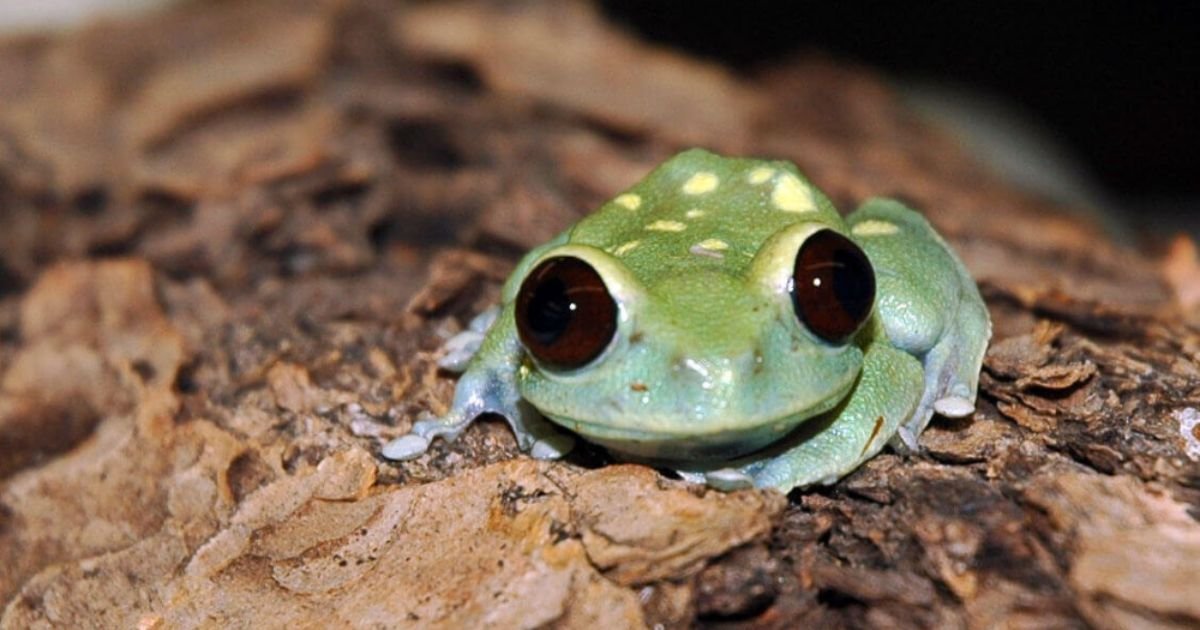
They are often found near freshwater sources such as ponds or streams, where moisture is essential for their survival and reproduction. These amphibians thrive in environments that provide ample cover, such as vegetation and rocks, allowing them to evade predators while also enjoying the warmth of the sun.
Their powerful hind limbs are specifically designed for jumping and swimming, showcasing incredible agility as they navigate their habitat. The absence of a tail underscores their evolution; adults have shifted away from their larval stage, trading the tail for enhanced mobility and a more versatile lifestyle. The blend of these unique features contributes to their survival strategy in the ever-changing tapestry of nature.
Related: Most anxious animals in the world
Kiwi Bird
- Scientific Name: Apteryx australis
- Class: Aves
The kiwi bird thrives in the lush, temperate forests and scrublands of New Zealand, showcasing a remarkable adaptability to its unique habitat. These nocturnal creatures are often found in mossy undergrowth, where they skillfully forage for insects and worms with their keen sense of smell.
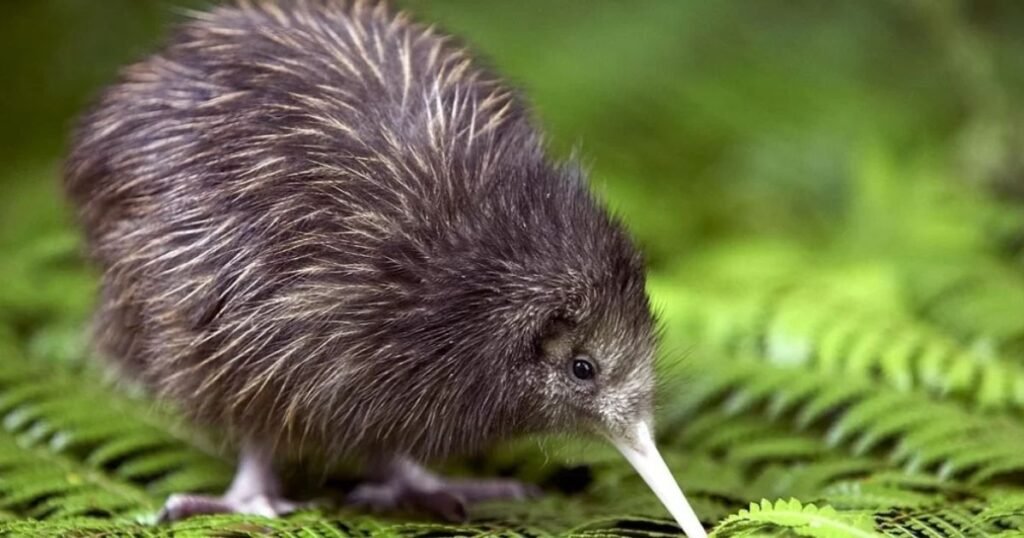
In terms of body structure, kiwis are strikingly distinctive among Animals Without Tails. With their robust, flightless bodies and long, slender bills, they are marvels of evolution.
Their brown, shaggy plumage provides excellent camouflage against forest litter, while their powerful legs allow them to traverse their habitat with surprising agility despite their bulk.
Final Thoughts
The diversity of animals without tails showcases the incredible adaptability of nature. From the graceful spectrum of fish to the resilient species of mammals, these creatures have evolved unique methods of navigation and survival without the common aid of a tail.
Observing how these animals thrive in their environments invites us to appreciate the myriad forms of life that exist on our planet. Each of these top 10 tailless animals contributes to the biodiverse tapestry of ecosystems worldwide. So, the next time you encounter one of these extraordinary creatures, take a moment to marvel at their unique adaptations and the wonders of evolution.
FAQ’s
What are Some Examples of Animals Without Tails?
Common examples include manx cats, certain breeds of dogs, and some species of frogs and mice.
Can Injuries Lead to An Animal Losing its Tail?
Yes, injuries, diseases, or genetic mutations can result in tail loss in various animals.
Why Do Some Animals not Have Tails?
Some animals have evolved without tails due to adaptations to their environment, breeding practices, or specific survival needs.