Top 25 Animals That Eat a Lot (Images Included)
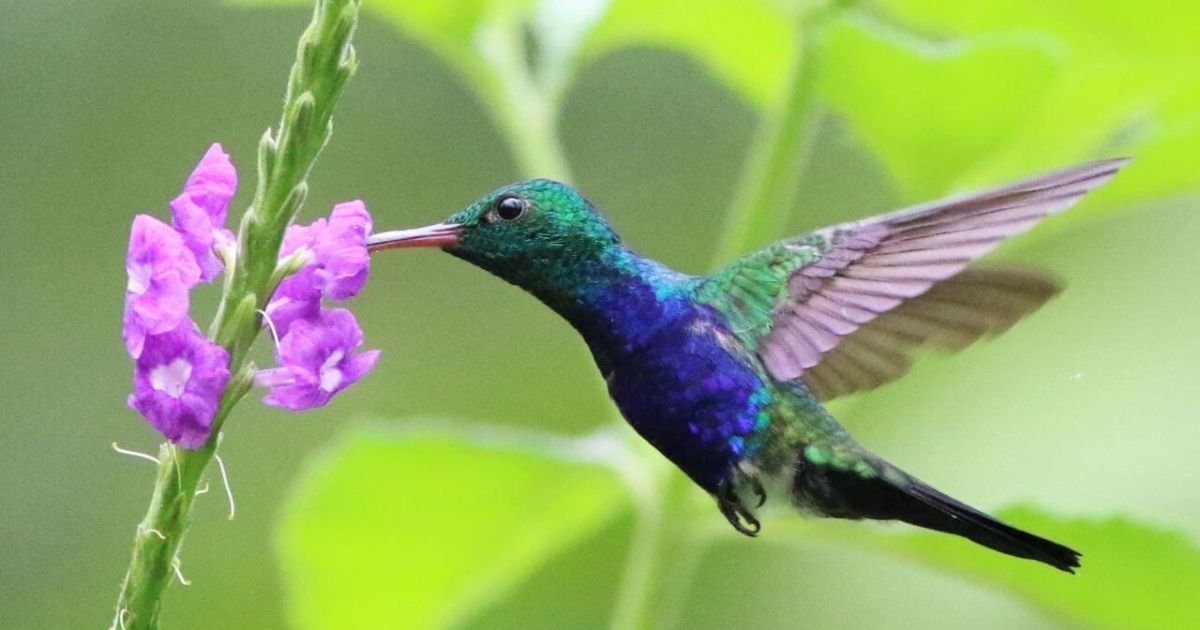
Did you know that some animals can consume an astonishing amount of food daily, often leading to some surprising competition in the wild? We’ll take you through the Top 25 animals that eat a lot, revealing the extraordinary ways these creatures fuel their impressive lifestyles.
This exploration provides insight into their survival strategies and the crucial roles they play within their ecosystems. Equip yourself with intriguing knowledge and captivating visuals as you discover the hungriest animals roaming our planet.
List Of Animals That Eat a Lot
Here the list of animals that eat a lot:
- Hummingbirds
- Great White Shark
- Blue Whales
- Burmese Pythons
- Grizzly Bear
- Giant Pandas
- Sperm Whale
- Elephants
- Hippopotamus
- Crocodile
- Star-Nosed Mole
- American Pygmy Shrews
- Giraffe
- Bar-Tailed Godwits
- Horse
- Tasmanian Devils
- Tigers
- Komodo Dragons
- Rhinoceros
- Gorilla
- Anacondas
- Giant Weta
- Cow
- Locusts
- Black-Footed Cats
Hummingbirds
Scientific Name: Trochilidae
Class: Aves
They are fascinating creatures that defy the ordinary idea of feeding habits in the animal kingdom. Often regarded as the hungriest animals per capita, these tiny marvels consume up to twice their body weight in nectar daily.
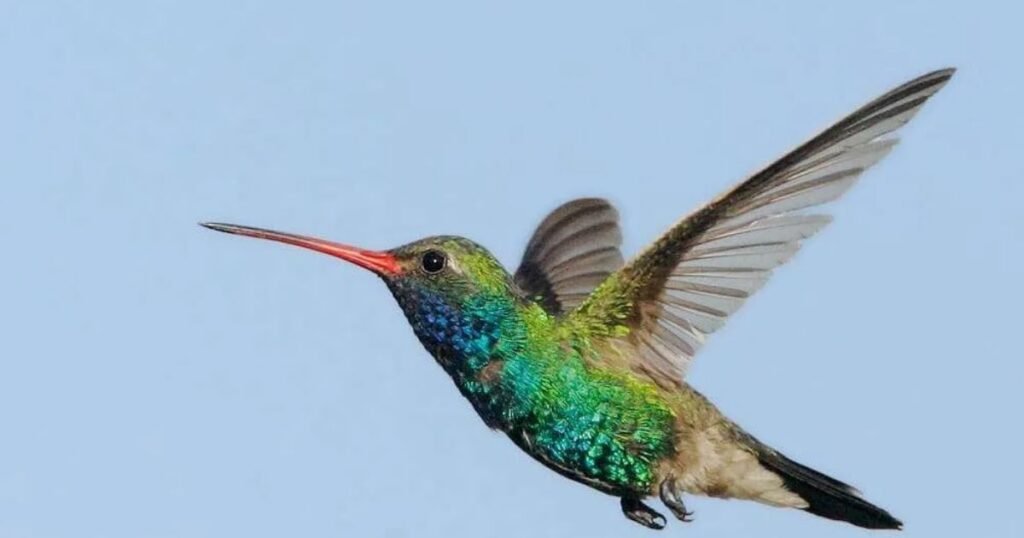
Imagine being a zoo animal that eats more than you do these pint-sized dynamos truly fit that bill! With their rapid wing beats reaching up to 80 beats per second, they hover effortlessly to sip from flowers, a feat that showcases their agility and their critical role in pollination.
Great White Shark
Scientific Name: Carcharodon carcharias
Class: Chondrichthyes
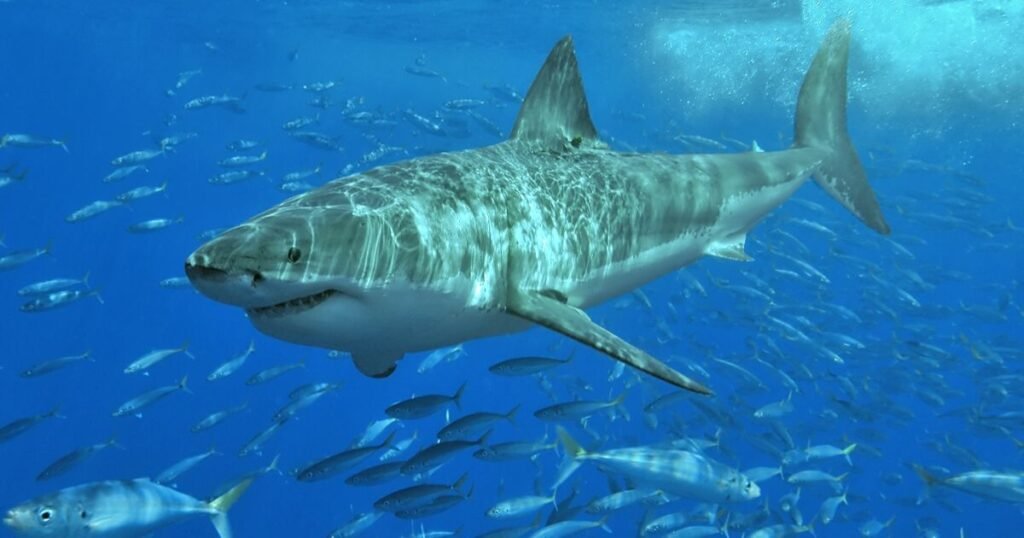
These great white sharks, true titans of the ocean, capture our imaginations with both fear and fascination. Contrary to their fierce reputation, these magnificent creatures are often misunderstood. It’s startling to consider that while a great white can consume around 11 tons of food annually, there are other animals that might outpace even their impressive appetite.
What zoo animal eats more than you do? The answer leans toward the humble hippo. With their massive mouths, hippos can devour around 88 pounds of grass in a single night. This puts their eating habits into perspective when compared with the grandiosity of the great white.
READ MORE: Top 13 Small Monkey Breeds In The World (With Images)
Blue Whales
Scientific Name: Balaenoptera musculus
Class: Mammalia
These blue whales, the largest animals on the planet, epitomize the title of “hungriest animals” with their astonishing appetite. These colossal marine mammals can consume up to 4 tons of krill each day, showcasing a feeding strategy that thrives on abundance. Their unique baleen plates filter tiny shrimp-like creatures from the water, allowing them to feast in the nutrient-rich waters of the world’s oceans.
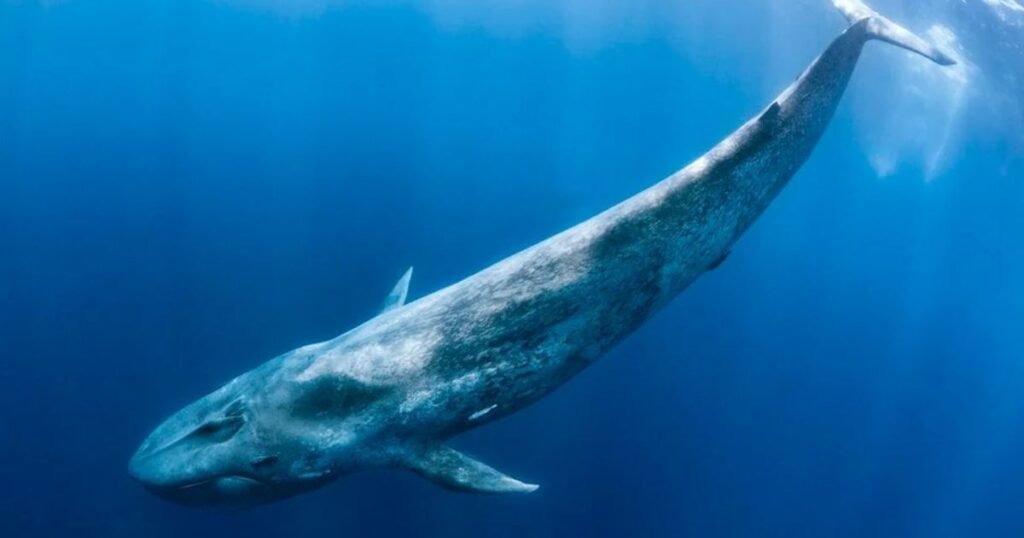
Traveling thousands of miles from polar feeding grounds to warmer breeding areas, they demonstrate an incredible instinct for locating nutrient sources. Blue whales also communicate using low-frequency calls that can travel vast distances underwater. These magnificent creatures serve as a reminder of the delicate balance within marine ecosystems, where even the hungriest of animals depend on the cyclical flow of life.
Burmese Pythons
Scientific Name: Python bivittatus
Class: Reptilia
These Burmese pythons are among the largest snakes in the world, with some individuals stretching over 20 feet long. These magnificent reptiles are known for their impressive feeding habits. They can consume prey that weighs as much as 50% of their own body weight in a single meal, making them one of the animals that eat a lot.
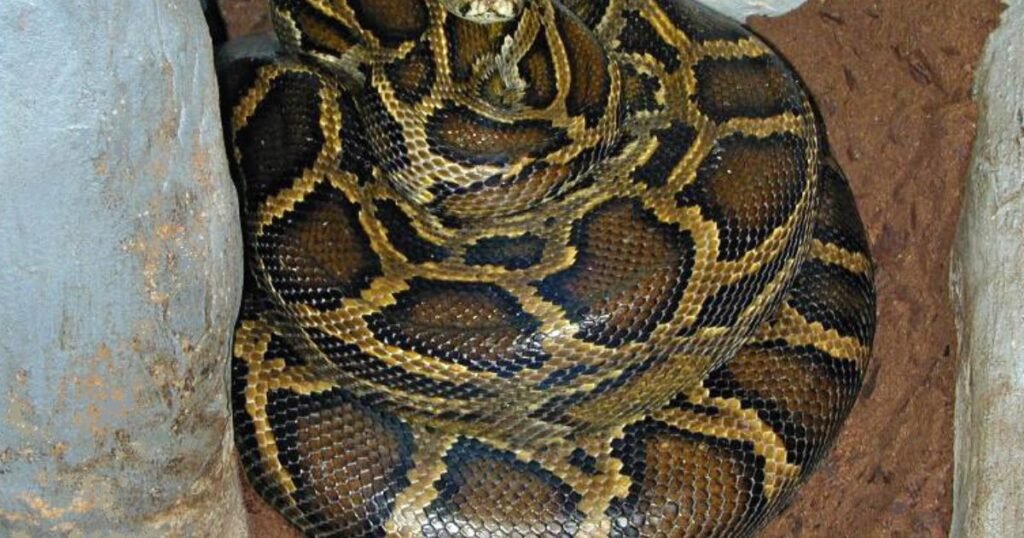
Their method of constriction and swallowing prey whole showcases their unique adaptations for survival, raising curiosity about how such massive animals can thrive in diverse environments, from tropical forests to swamps.
Grizzly Bear
Scientific Name: Ursus arctos horribilis
Class: Mammalia
They, with their impressive physique and remarkable foraging habits, stand out among animals that eat a lot in the wild. These formidable omnivores can consume up to 30 pounds of food in a single day, indulging in a diverse diet that ranges from berries and nuts to salmon and carrion.
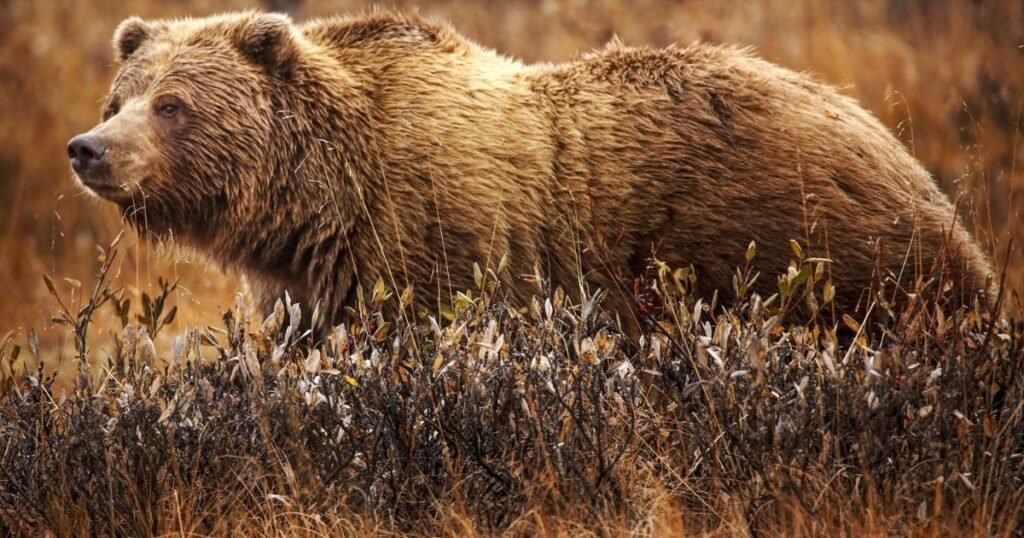
They play a vital role in nutrient cycling; when they catch salmon, they redistribute marine nutrients to the forests, supporting plant life and countless other species. It is a powerful illustration that in nature, the “what animal eats the most” distinction often comes with profound responsibilities.
Giant Pandas
Scientific Name: Ailuropoda melanoleuca
Class: Mammalia
They, often perceived as the gentle giants of the animal kingdom, are intriguing for their iconic black-and-white appearance and for their peculiar dietary habits. Despite being classified as carnivores, their diet consists almost entirely of bamboo, making them one of the most unique animals that eat a lot.

They can consume between 26 to 84 pounds of bamboo daily far more than the average human eats in a week! This extraordinary consumption makes bamboo the most eaten plant, but ironically, it places them at risk as natural habitats continue to dwindle.
Sperm Whale
Scientific Name: Physeter macrocephalus
Class: Mammalia
These sperm whales, formidable deep-sea giants, hold a captivating role in ocean ecosystems. Known for their remarkable ability to dive up to 6,000 feet in search of colossal prey, they predominantly consume giant squid, making them one of the animals that eat a lot.
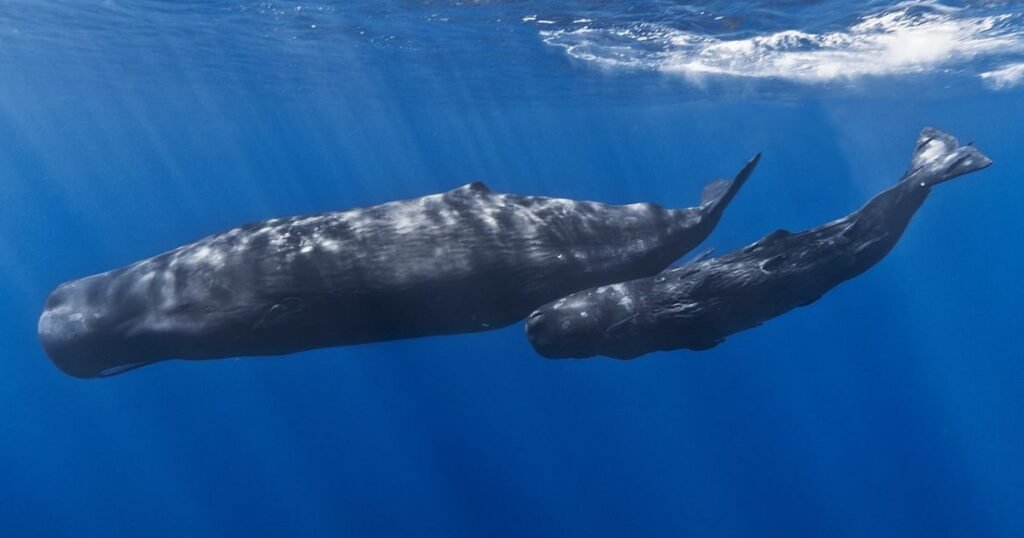
Their unique echolocation skills allow them to navigate the murky depths, showcasing an intricate hunting strategy that few other creatures can rival. Every deep dive contributes to their survival and impacts the underwater food chain, helping to maintain the delicate balance of marine life.
READ ALSO: Explore Top 17 Arboreal Animals In The World (With Images)
Elephants
Scientific Name: Loxodonta africana
Class: Mammalia
These elephants, often regarded as the hungriest animals on land, consume an astonishing range of vegetation daily. These majestic creatures require up to 300 pounds of food to sustain themselves, foraging in savannas and forests for grasses, leaves, fruits, and bark. Their complex social structures enhance foraging strategies, as herds work together to locate nutrient-rich food sources, showcasing a surprising level of communication and teamwork.
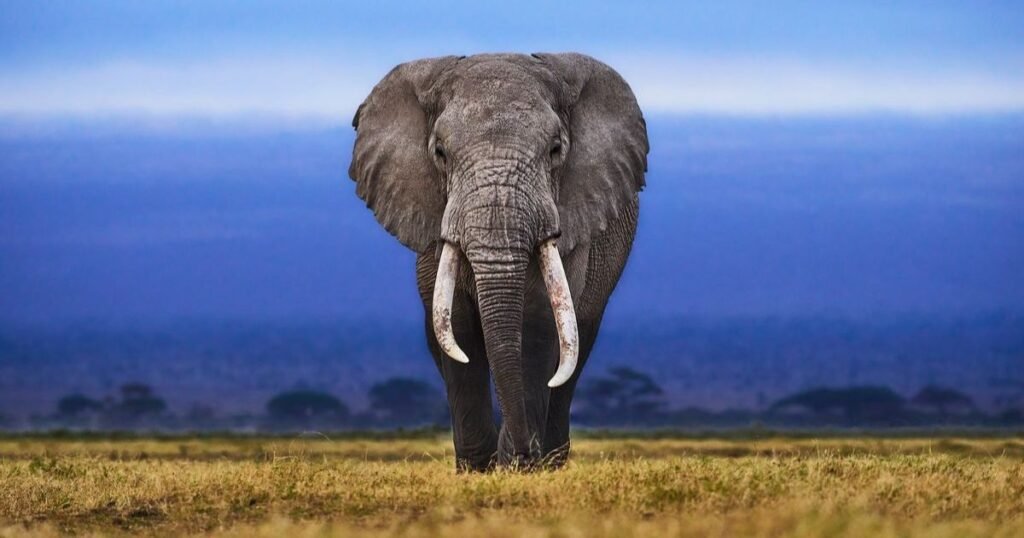
Their eating habits play a crucial role in ecosystems. As they trample through dense underbrush, they inadvertently create pathways for other animals and contribute to seed dispersal, fostering biodiversity.
Hippopotamus
Scientific Name: Hippopotamus amphibius
Class: Mammalia
They are often underestimated in terms of their dietary habits; despite their bulk and seemingly docile nature, they are among the hungriest animals in the wild. A single hippo can consume between 80 to 100 pounds of grass in one night, showcasing their insatiable appetite.
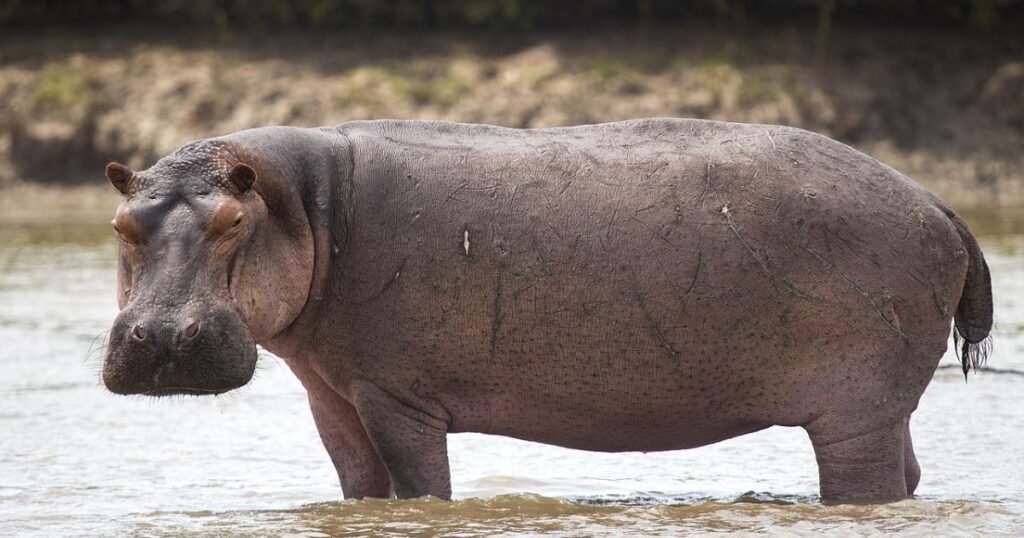
This immense calorie intake is necessary to sustain their massive bodies, which can weigh up to 4,000 pounds. Interestingly, they primarily graze on land at dusk, venturing far from water to find their favored meals, which adds to the paradox of their semi-aquatic lifestyle.
Crocodile
Scientific Name: Crocodylidae
Class: Reptilia
These crocodiles are among the most fascinating and formidable predators in the animal kingdom, showcasing a remarkable adaptation to their environment. These ancient reptiles can consume massive quantities of food, often exceeding their own body weight in a single feeding.
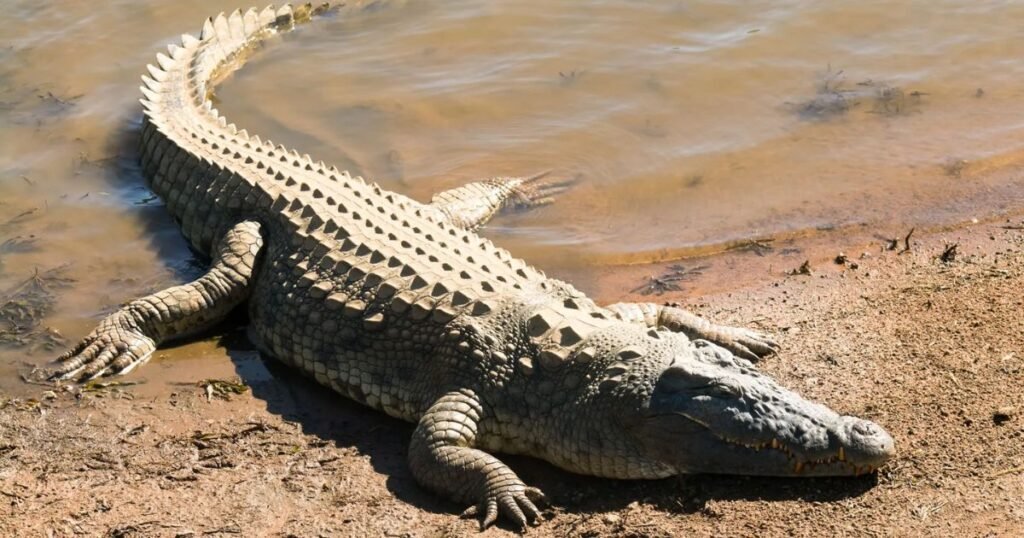
Their powerful jaws and stealthy hunting methods make them efficient hunters, allowing them to tackle prey from fish to large mammals. They illustrate a survival strategy that hinges on their ability to eat a lot and on their uncanny patience, sometimes lying in wait for hours to ambush an unsuspecting victim.
Star-Nosed Mole
Scientific Name: Condylura cristata
Class: Mammalia
These Star-Nosed Moles, creatures often overlooked in the animal kingdom, showcase an astonishing adaptation: their unique, star-shaped snout, equipped with 22 fleshy appendages that make them master foragers.
They consume an impressive amount of food relative to their size about 70 to 100% of their body weight each day! This relentless foraging behavior positions them among animals that eat a lot, as they scour the damp earth and underwater environments for their favorite treats, primarily earthworms and small invertebrates.
American Pygmy Shrews
Scientific Name: Sorex hoyi
Class: Mammalia
They are fascinating creatures that defy expectations with their extraordinary metabolism. Weighing less than a penny, these tiny mammals have an insatiable appetite, consuming more than their body weight in food each day.
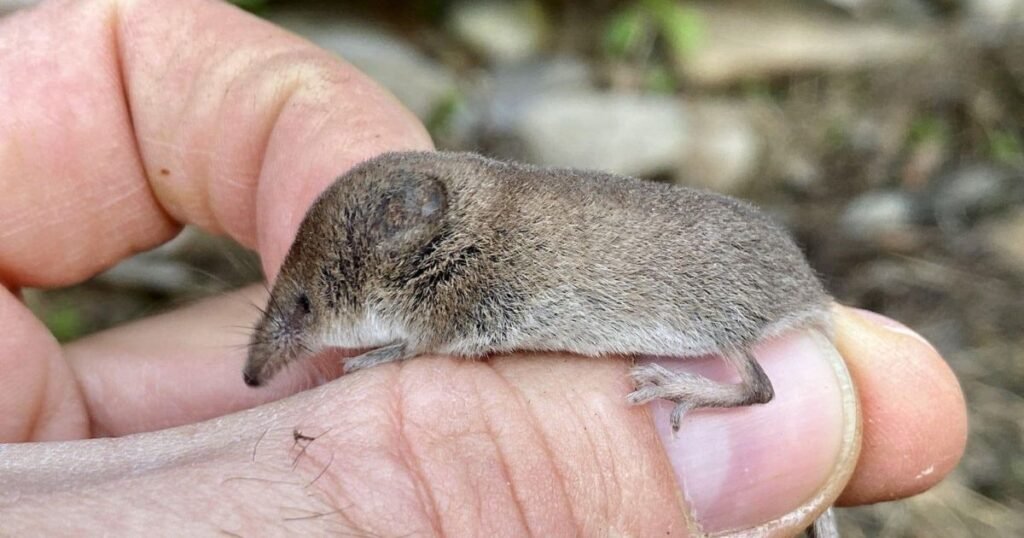
This astonishing feat positions them among the champions of the animal kingdom in terms of energy expenditure. Their diet predominantly consists of insects and other small invertebrates, reflecting their role as voracious predators in their ecosystems.
They challenge our understanding of survival strategies among the smallest of mammals, opening avenues for deeper exploration into nature’s intricate balance.
Giraffe
Scientific Name: Giraffa camelopardalis
Class: Mammalia
They just the tallest animals on the planet; they also have a unique dietary approach that sets them apart in the animal kingdom. These gentle giants are primarily browsers, using their long necks to reach high branches and leaves that other herbivores cannot access.
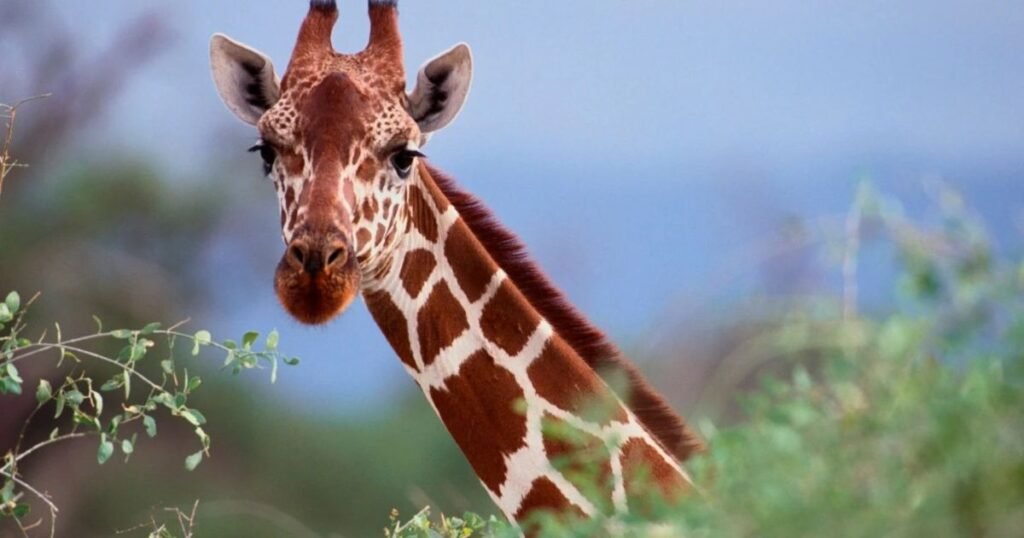
They consume between 75 to 100 pounds of foliage daily, making them among the animals that eat a lot in their habitats. Their specialized digestive system efficiently extracts nutrients from tough plant material, allowing them to thrive on a seemingly limited diet.
They may be animals that eat the most in terms of sheer volume in relation to their body size; their selective feeding plays a crucial role in the intricate web of life in their habitats.
Bar-Tailed Godwits
Scientific Name: Limosa lapponica
Class: Aves
They are remarkable migratory birds, famous for their astonishing travel feats. These avians embark on a non-stop journey of over 7,000 miles from their breeding grounds in Alaska to wintering habitats in New Zealand and Australia.
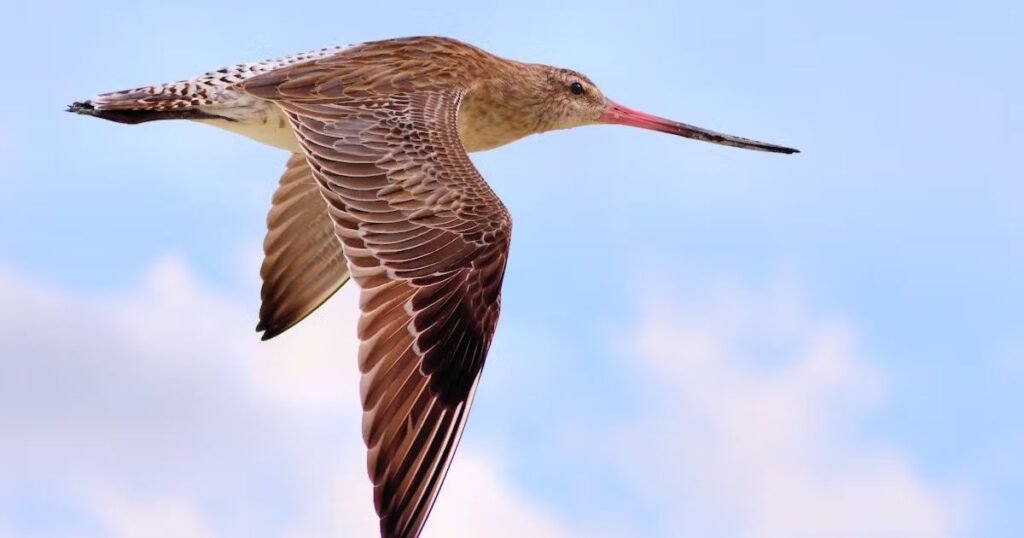
Their unique ability to store fat reserves up to 50% of their body weight enables them to endure this grueling trek without stopping for food, showcasing an incredible adaptation for survival.
They are among the most eaten animals in the world, but their ecological significance goes beyond just being a food source.
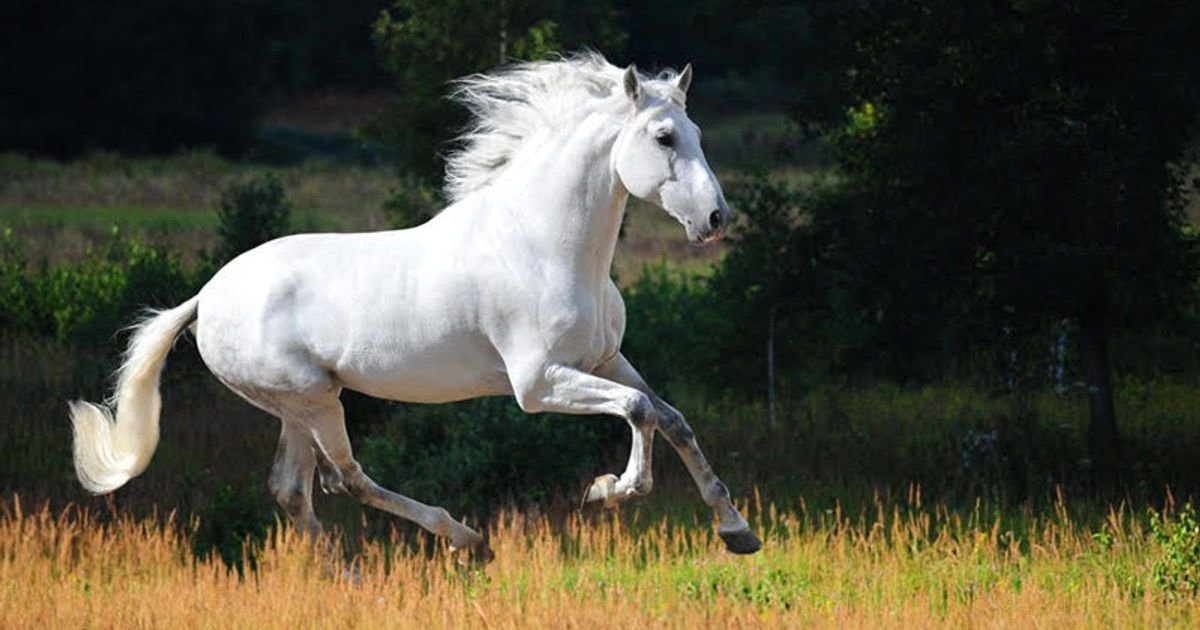
Horse
Scientific Name: Equus ferus caballus
Class: Mammalia
They, as herbivores, belong to the category of animals that eat a lot, often consuming vast quantities of grasses and hay throughout the day. A horse can spend up to 18 hours a day feeding, which is essential for maintaining their digestive health and energy levels.
In a global context, while horses hold immense cultural significance, they are surprisingly eclipsed by livestock like chickens and pigs regarding consumption statistics. In certain regions, horse meat is viewed as a delicacy, though it remains one of the most eaten animals in the world, often accompanied by varying perceptions of ethical considerations.
Tasmanian Devils
Scientific Name: Sarcophilus harrisii
Class: Mammalia
They are remarkable creatures, known for their fierce reputation and for their unique role in the ecosystem. As one of the few marsupial carnivores, they possess an astonishing appetite; these animals eat a lot compared to their size, devouring up to 40% of their body weight in a single feeding.
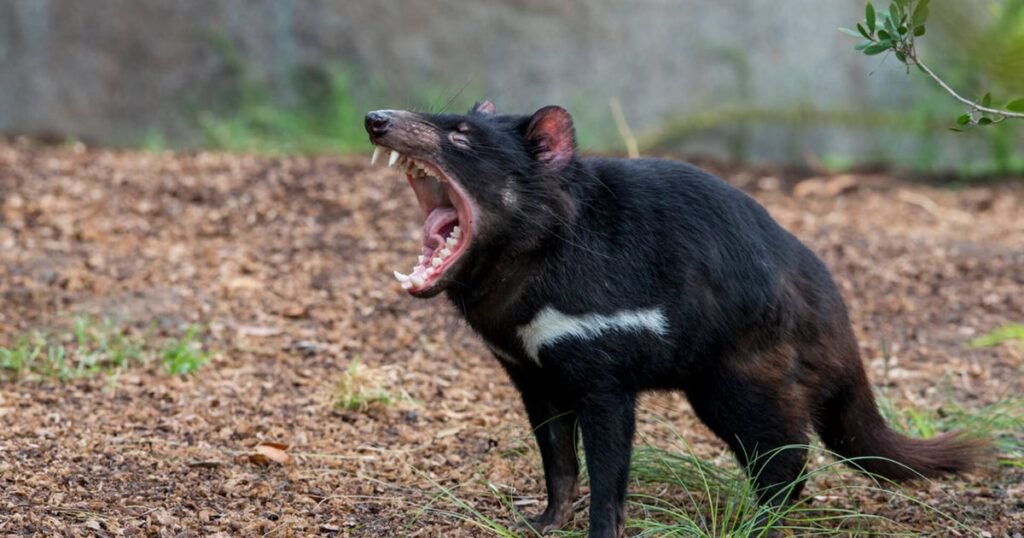
This voracious appetite positions them as important scavengers, aiding in the natural cleanup of their habitats by consuming carrion and controlling the population of certain species. In the vast panorama of animal interactions, the Tasmanian devil stands out as one of the most misunderstood predators.
READ ALSO: Are Flamingos Smart? Amazing Facts About Flamingo Intelligence (With Photos)
Tigers
Scientific Name: Panthera tigris
Class: Mammalia
They are the largest big cats and are also among the hungriest animals in the wild. A single adult tiger can consume up to 75 pounds of meat in one sitting, demonstrating an impressive appetite that aligns with their solitary hunting style.
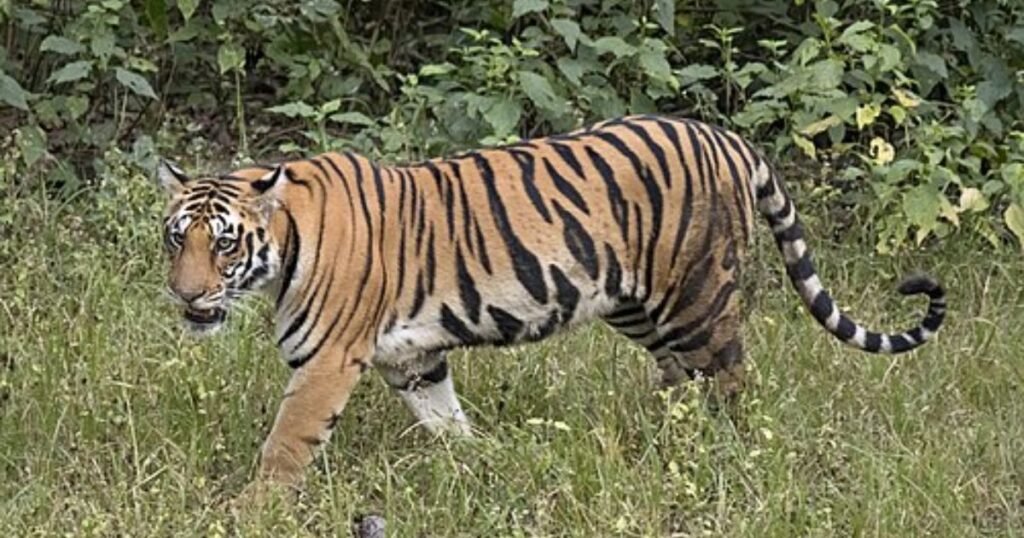
This insatiable hunger drives them to roam vast territories in search of prey, relying on their keen sense of sight and an acute understanding of their environment to track down animals that eat a lot, such as deer and wild boar. The role of tigers in their ecosystem extends beyond their immediate need for food.
Komodo Dragons
Scientific Name: Varanus komodoensis
Class: Reptilia
They, the world’s largest living lizards, are a captivating blend of ferocity and evolution. These remarkable creatures can consume up to 80% of their body weight in a single meal, showcasing their status as one of the animals that eat a lot. Imagine a creature that can devour an entire deer in one sitting.
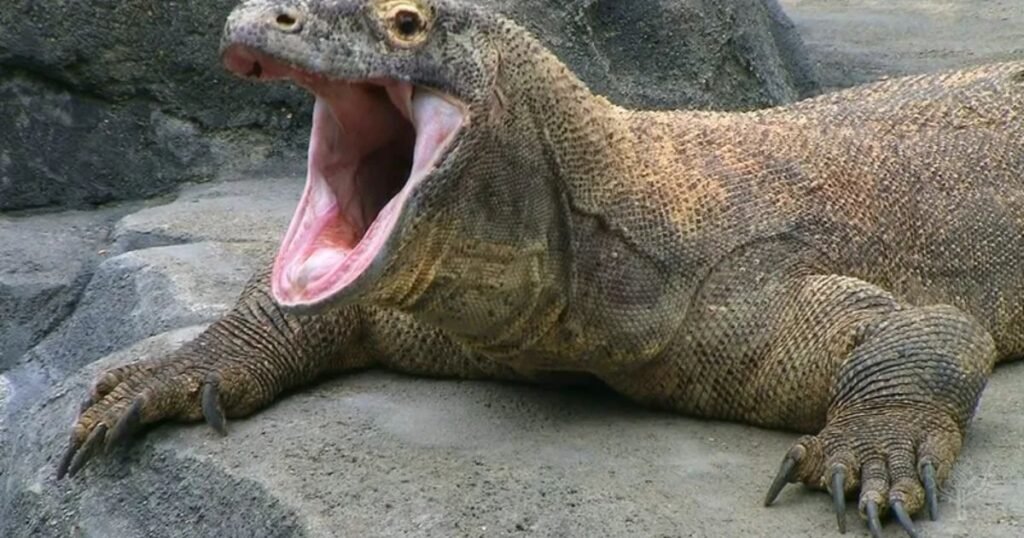
This predatory prowess stems from a unique combination of bacteria in their saliva, which works to bring down their prey over time. Visiting a zoo can sharpen our appreciation for these magnificent reptiles, especially when we consider the sheer scale of their appetites.
Rhinoceros
Scientific Name: Rhinocerotidae
Class: Mammalia
They are fascinating giants of the animal kingdom, renowned for their imposing size and for their remarkably high food intake. These herbivores, especially species like the white rhinoceros, can consume up to 150 pounds of grass daily, making them one of the animals that eat a lot in their natural habitat.
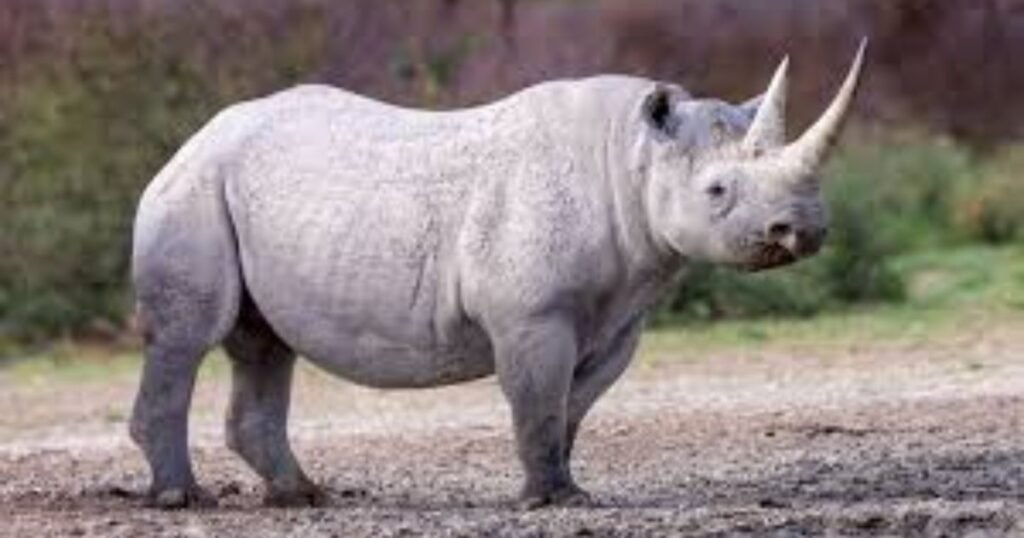
This interaction underscores the inter connected ness of ecosystems and raises important questions about conservation. While people often wonder what animal eats the most, the rhinoceros stands out for its consumption and for its critical role in nurturing the biodiversity around them, a reminder that even the largest eaters are integral to the health of their ecosystems.
READ MORE: Top 18 Scavenger Animals In The World (With Images)
Gorilla
Scientific Name: Gorilla gorilla
Class: Mammalia
They, the gentle giants of the primate world, captivate us just with their immense size but with their complex social structures and behavior. As herbivores, these magnificent creatures primarily consume leaves, stems, and fruits, making them one of the animals that eat a lot in the ecosystem, often foraging for up to 12 hours a day.
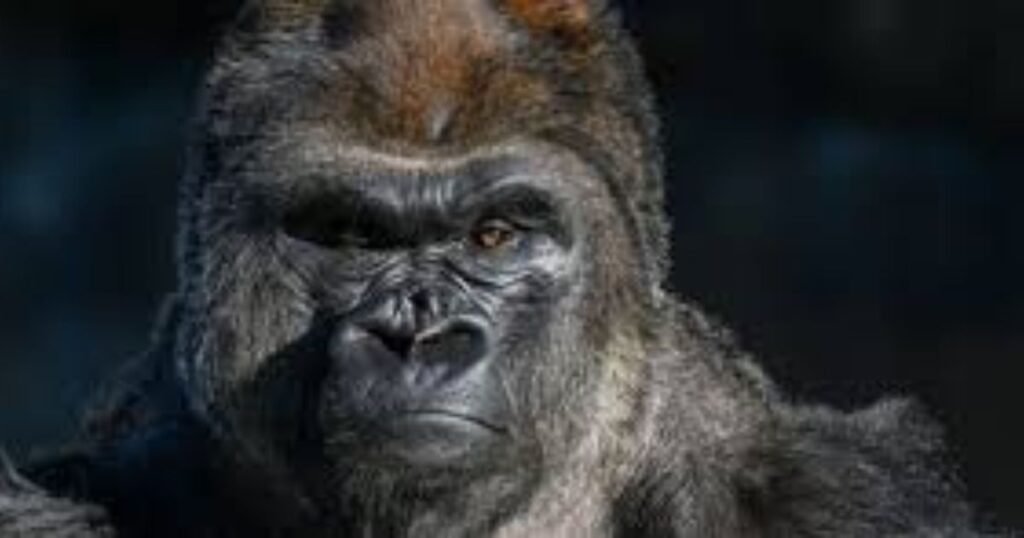
This voracious appetite is essential for their survival and plays a crucial role in their habitat, as their feeding habits help maintain the balance of their forest environment.
READ MORE: Animals That Have Trunk: 11 Amazing Creatures(With Pictures)
Anacondas
Scientific Name: Eunectes murinus
Class: Reptilia
They, the giants of the snake world, primarily inhabit the waters of the Amazon Basin. Despite their massive size, they are surprisingly stealthy predators, employing ambush techniques that make them some of the most effective hunters in the animal kingdom.
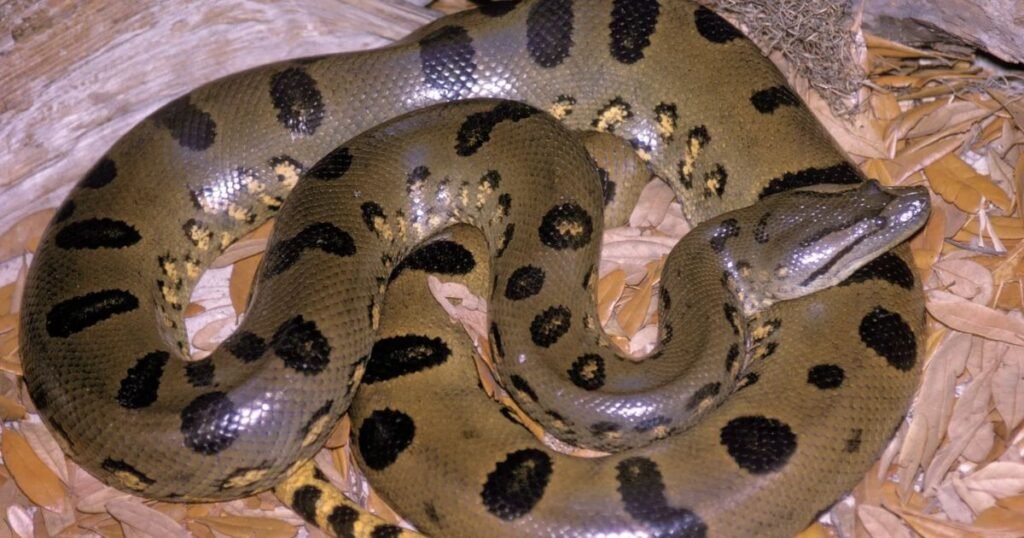
These snakes can consume prey much larger than themselves, showcasing their incredible jaw flexibility. Their diet can include creatures like caimans and even capy baras, which are frequent snacks for these formidable reptiles.
They are the most eaten animals in the world, their unique role in the ecosystem highlights the delicate balance of nature. They play a vital role in controlling populations of various species, ensuring that the ecosystem remains healthy.
Giant Weta
Class: Insecta
They, the Giant Weta, are a true marvel of nature, often regarded as one of the heaviest insects on the planet. Found primarily in New Zealand, these remarkable creatures are fascinating for their size and for their unique adaptations. Weighing over 70 grams, they’ve evolved to thrive in a predator-free environment, where their sheer bulk deters most potential threats.
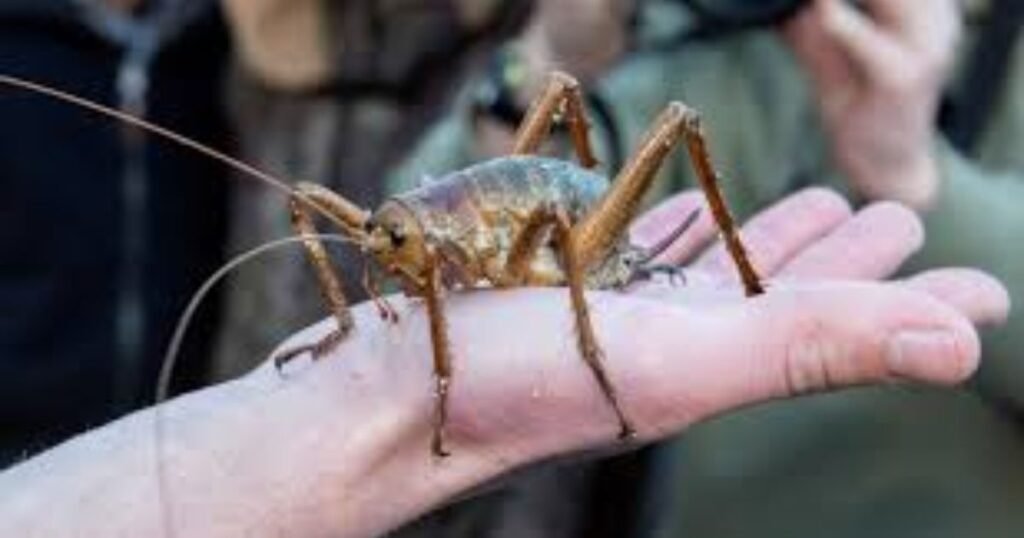
Their diet reflects their impressive stature; these nocturnal mun cher s enjoy a smorgasbord of plant matter, including leaves, fruits, and flowers, making them some of the most voracious herbivores in their habitat.
In stark contrast, most animals in the world are smaller, with a few, like the common housefly, being among the most eaten animals globally due to their abundance and rapid reproduction.
Cow
Scientific Name: Bos taurus
Class: Mammalia
They are often celebrated as the gentle giants of the farm, but few grasp the sheer scale of their dietary demands. In the grand hierarchy of animals that eat a lot, cows stand out, showcasing a symbiotic relationship with the land, transforming vast fields of grass into nutritional energy.
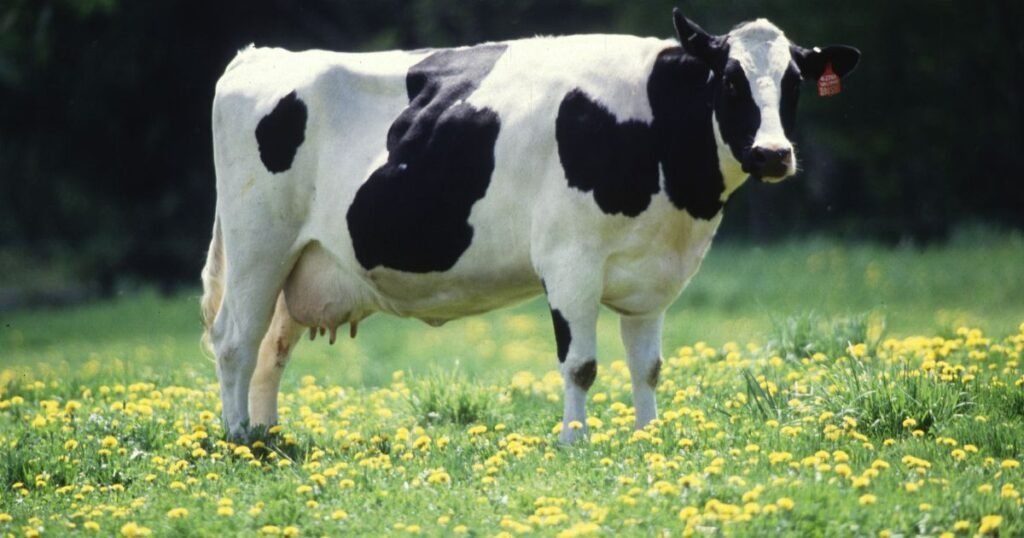
The way cows graze can actually benefit plant health by stimulating growth and improving grassland resilience. This interconnectedness highlights an often-overlooked aspect: what animal eats the most is a matter of quantity and a reflection of how their dietary habits shape our environment.
Locusts
Class: Insecta
They, often misunderstood as mere pests, are fascinating creatures that showcase the extremes of nature’s survival tactics. When in the swarming phase, these animals that eat a lot can consume their body weight in food daily, leading to massive agricultural destruction.
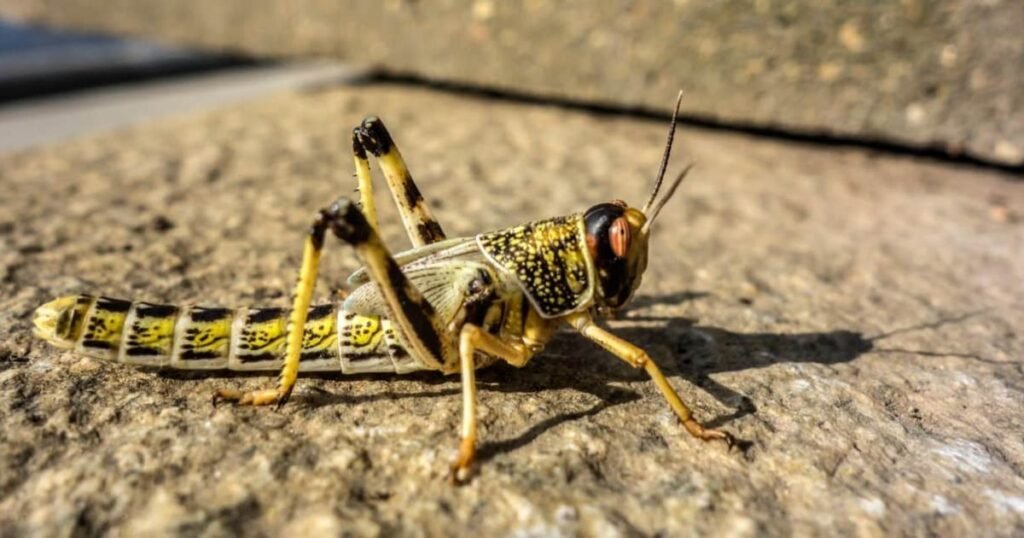
In the animal kingdom, few can outmatch the locust’s appetite; some zoo animals, like the mighty elephant, may consume up to 300 pounds of vegetation a day, far surpassing the average human diet.
Black-Footed Cats
Scientific Name: Felis nigripes
Class: Mammalia
They, one of the smallest wild cats, are a marvel of adaptation in the African s a v a n nah. Known for their strikingly large eyes and deceptively cute appearance, these nimble predators are often overshadowed by larger felines but are considered some of the hungriest animals in the wild.
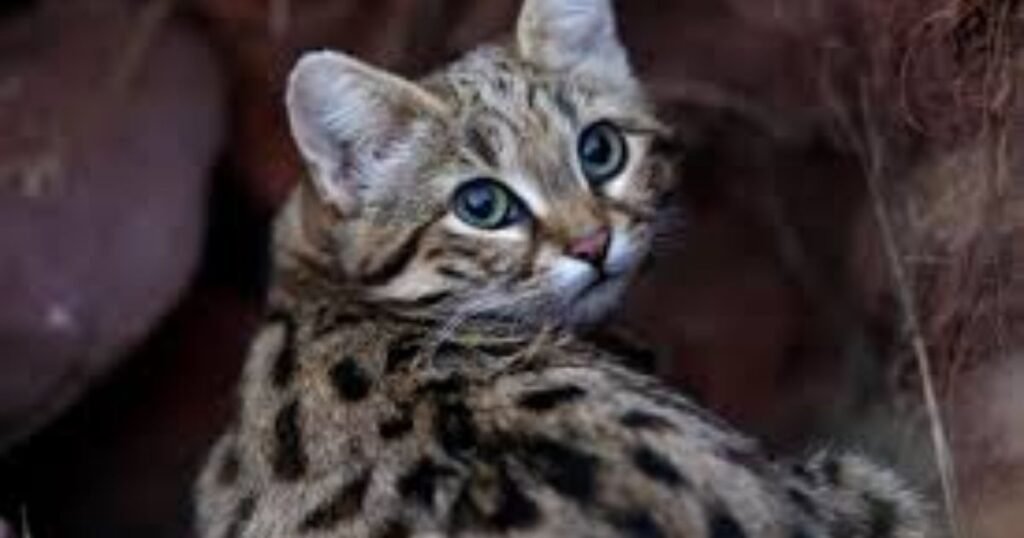
Their diet primarily consists of small rodents, birds, and insects, making them some of the most efficient hunters on the planet. Remarkably, black-footed cats can hunt successfully nearly every night, sometimes catching up to 14 prey in a single evening!
Conclusion
The animals that feast in vast quantities serve as fascinating examples of nature’s ingenuity and the diverse roles animals play in their ecosystems. The eating behavior of these remarkable creatures, we gain insights into their habitats, survival techniques, and global biodiversity.
It’s the sheer size of a giant panda or the efficiency of a king elephant, each animal exhibits traits that are both intriguing and essential to their survival. Take a moment to appreciate the complexity of animal lifestyles and the impact of human activities on their food sources.
FAQs
What Animal Eats 20,000 Calories a day?
One of the most remarkable animals known to consume around 20,000 calories a day is the blue whale. As the largest animal on the planet, a blue whale’s diet primarily consists of tiny shrimp-like creatures called krill.
What are the top 5 Animals that Eat humans?
Here are five animals that have been known to eat humans under specific circumstances:
Saltwater Crocodile
Great White Shark
Tigers
Brown Bears
Hyenas
What Animal Sleeps 90% of its life?
The animal that famously sleeps about 90% of its life is the sloth. Known for their slow and deliberate movements, sloths spend most of their time hanging from trees in the rainforests of Central and South America.
How do Bears Eat 20,000 Calories a day?
Bears consume enormous amounts of calories, sometimes reaching up to 20,000 per day, especially in preparation for hibernation.
Which animal eats a lot?
When considering which animals eat the most, some of the largest land mammals, like elephants, stand out. An adult elephant can consume between 200 and 600 pounds of food daily, primarily herbaceous plants, fruits, and bark.