Top 15 Cleanest Animals in The World (With Images)
Imagine being so tidy that you have a daily grooming routine that rivals that of a beauty influencer; that’s exactly what some animals do. Let’s explore the Top 15 Cleanest Animals in the World, where we’ll highlight the most cleanest animals in the world and the surprising habits that keep them in pristine condition.
This journey through animal hygiene not only fascinates and serves to remind us of the importance of cleanliness in our own lives
List of Cleanest Animals in The World
Following is the list of world cleanest animals.
| No. | Common Name of Cleanest Animal | Scientific Name |
| 1 | Domestic Cat | Felis catus |
| 2 | Rabbit | Oryctolagus cuniculus |
| 3 | Polar Bear | Ursus maritimus |
| 4 | Bottlenose Dolphin | Tursiops truncatus |
| 5 | Japanese Macaque | Macaca fuscata |
| 6 | Meerkat | Suricata suricatta |
| 7 | Chinchilla | Chinchilla lanigera |
| 8 | Horse | Equus ferus caballus |
| 9 | House Mouse | Mus musculus |
| 10 | Red Fox | Vulpes vulpes |
| 11 | Gray Wolf | Canis lupus |
| 12 | Sea Otter | Enhydra lutris |
| 13 | Honey Bee | Apis mellifera |
| 14 | Emperor Penguin | Aptenodytes forsteri |
| 15 | Common Raccoon | Procyon lotor |
Domestic Cat
Scientific Name: Felis catus
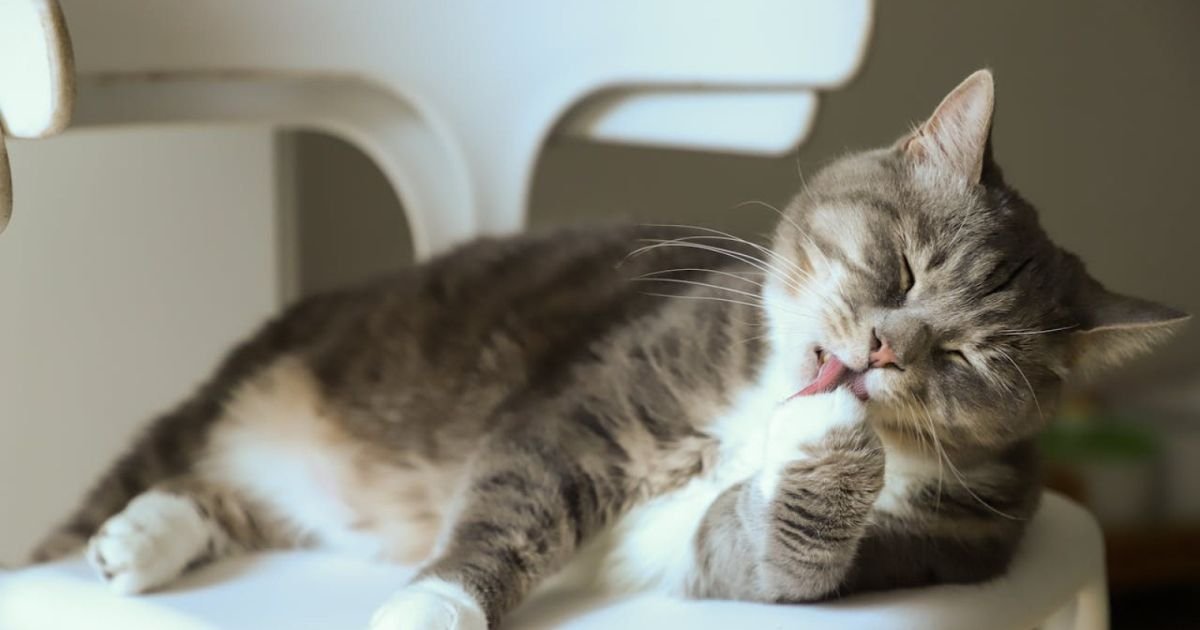
Domestic cats are often hailed as some of the cleanest animals in the world, a title that speaks volumes about their natural grooming habits. With an instinctive drive to maintain their hygiene, cats can spend up to 50% of their waking hours grooming themselves.
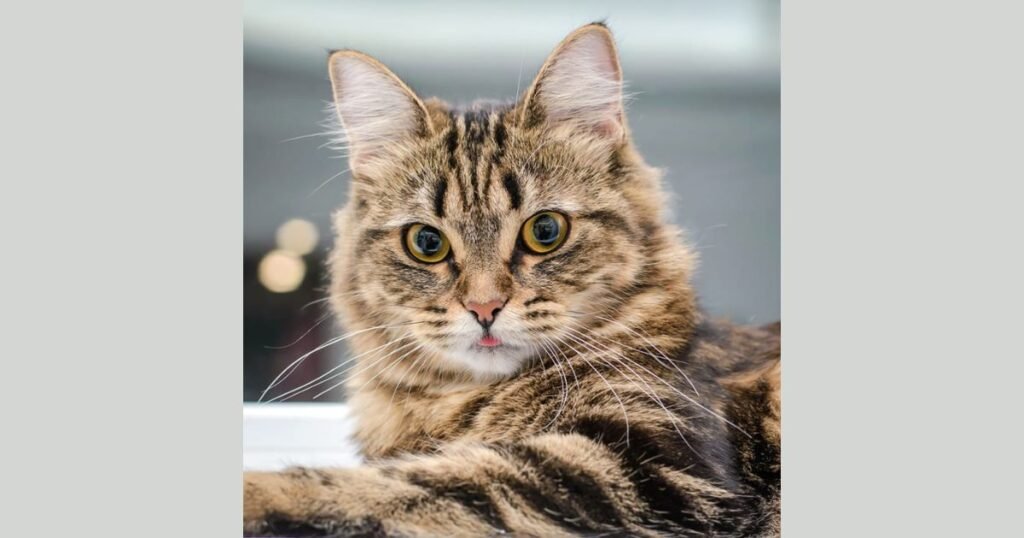
Their specialized tongues, covered with tiny, hook-like structures called papillae, act like a natural comb, enabling them to remove dirt, loose fur, and even parasites effectively. This meticulous grooming behavior not only keeps their coats sleek and helps regulate their body temperature and spread natural oils, enhancing overall health.
What sets cats apart from other pets when it comes to cleanliness is their innate preference for solitude during grooming sessions. Unlike dogs, who may roll in mud and revel in play, cats maintain a level of elegance that ensures they stay pristine.
Rabbit
Scientific Name: Oryctolagus cuniculus
Rabbits are often celebrated as some of the cleanest animals in the world, demonstrating meticulous grooming habits that keep their fur free from dirt and parasites. These little creatures devote a significant amount of their time to cleaning themselves, using their front paws to carefully comb through their coats.
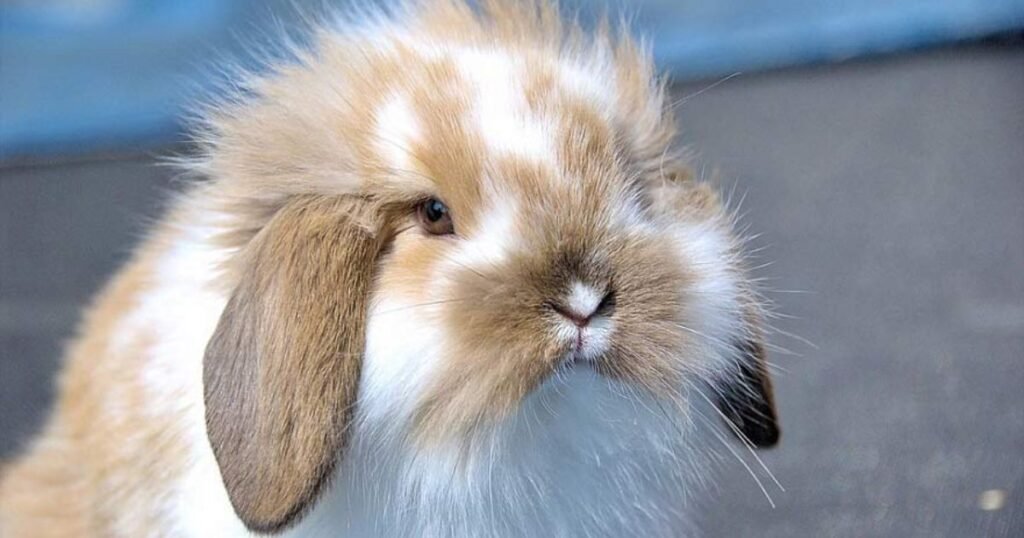
Their cleanliness goes beyond just personal grooming. Rabbits are highly selective about their living environments, often choosing specific corners or areas to serve as their “bathrooms.” This behavior minimizes waste accumulation, showcasing their instinctive need for hygiene. By keeping their living spaces organized and clean, rabbits promotes their health and create a tranquil atmosphere.
Polar Bear
Scientific Name: Ursus maritimus
Polar bears are not only remarkable for their vast icy habitats and for their surprising dedication to cleanliness, earning them a spot among the cleanest animals in the world. Unlike many other species, polar bears engage in grooming behaviors that help keep their fur insulated and waterproof. This meticulous attention to their coat is crucial, as it allows them to maintain their body temperature and enhance their hunting efficiency in frigid conditions.
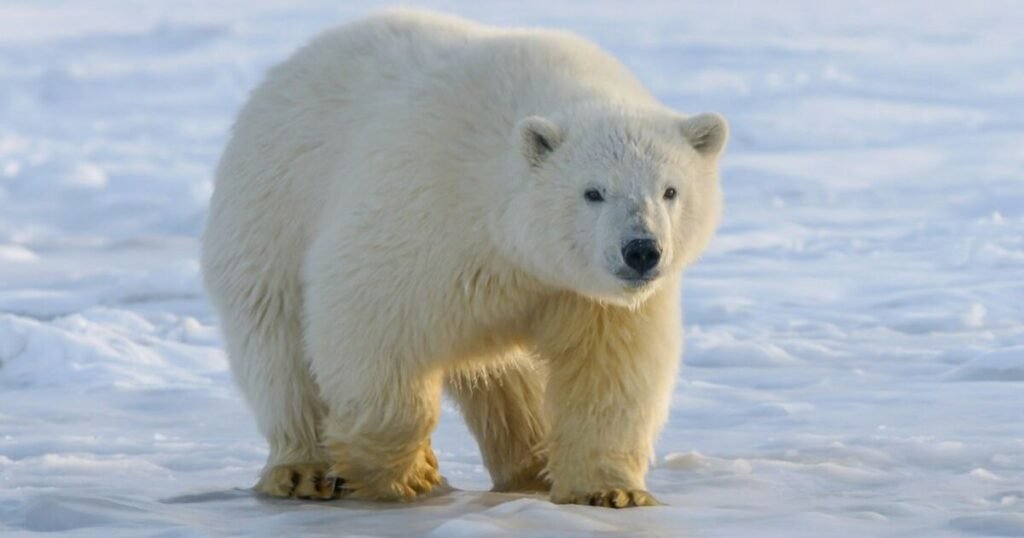
Polar bears often use snow as their natural grooming tool, rolling and rubbing against it to shed loose fur and remove debris. This behavior illustrates their instinctual awareness of hygiene, which is vital for survival in their harsh environment.
In the pantheon of wildlife, the polar bear truly stands out as perhaps the world’s cleanest animal, revealing that even among apex predators, the pursuit of cleanliness can play a vital role in life and survival.
Bottlenose Dolphin
Scientific Name: Tursiops truncatus
Bottlenose dolphins are often known as one of the cleanest animals in the world, showcasing an impressive commitment to hygiene that sets them apart in the animal kingdom. These intelligent marine mammals engage in a unique behavior known as “social grooming,” wherein they use their bodies to assist one another in removing parasites and debris, not only enhancing their cleanliness and strengthening social bonds..
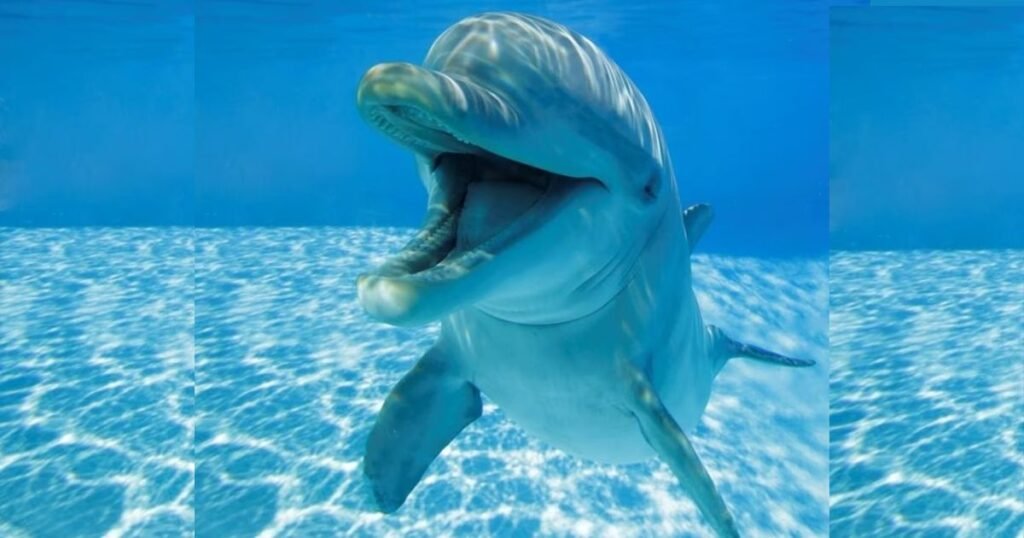
The cleanest animals in the world, including bottlenose dolphins, have remarkable adaptations that facilitate their hygiene. Their sleek bodies possess a layer of smooth skin that minimizes the accumulation of algae and barnacles, effectively keeping them free from unwanted hitchhikers. This natural design, combined with their playful antics, such as rubbing against rough surfaces or rolling on the ocean floor, ensures they maintain that pristine appearance.
Japanese Macaque
Scientific Name: Macaca fuscata
Japanese macaques, often referred to as snow monkeys, display remarkable grooming behaviors that elevate them to one of the cleanest animals in the world. These primates aren’t just maintaining their own hygiene; their meticulous grooming rituals serve as a vital social activity that strengthens group bonds and hierarchy within their communities.
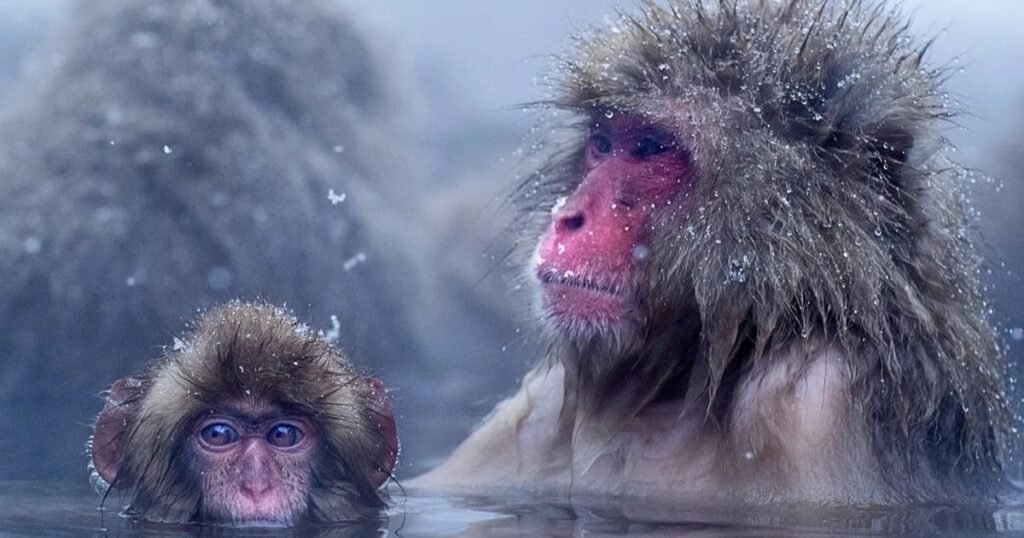
Observing them while soaking in hot springs, one can’t help but admire how they methodically clean each other’s fur, removing dirt and parasites with precision and care.
They use water and natural resources to cleanse themselves, showcasing an intelligence that not only prioritizes individual well-being and collective health. This level of cleanliness is not easily replicated in the animal kingdom, positioning them alongside the most cleanest animals in the world, like certain species of dolphins and birds.
Meerkat
Scientific Name: Suricata suricatta
Meerkats, often recognized for their charming social behaviors, are also among the cleanest animals in the world. Living in tightly-knit groups called mobs, these intriguing creatures maintain a high standard of cleanliness that is crucial for their health and survival.
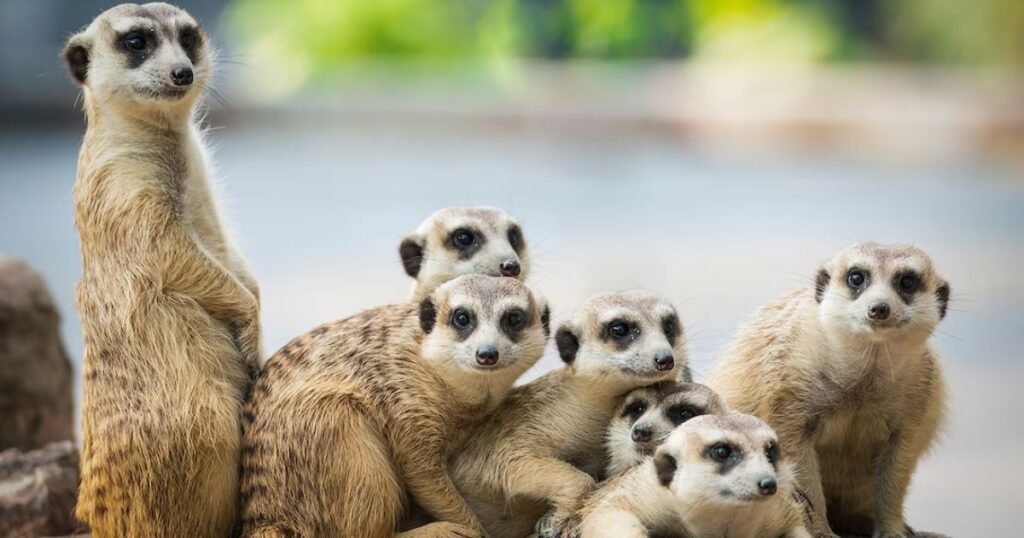
They designate specific latrines, using the same spot repeatedly, which helps to keep their living areas tidy and reduces the risk of disease. This behavior is not just about hygiene; it also plays a vital role in social structure and communication within the group.
Beyond their impressive sanitation habits, meerkats engage in a meticulous grooming routine. They use their claws and teeth to keep their fur immaculate, which helps eliminate parasites and improves their overall well-being. This grooming ritual is more than just a personal upkeep; it fosters bonds among mob members, showcasing a unique aspect of their social dynamics.
Chinchilla
Scientific Name: Chinchilla lanigera
Chinchillas are often hailed as the cleanest animals in the world, a reputation they earn not just from their fluffy appearance but from their unique grooming habits. Unlike most pets that rely on water for baths, chinchillas prefer to bathe in fine volcanic ash or dust.
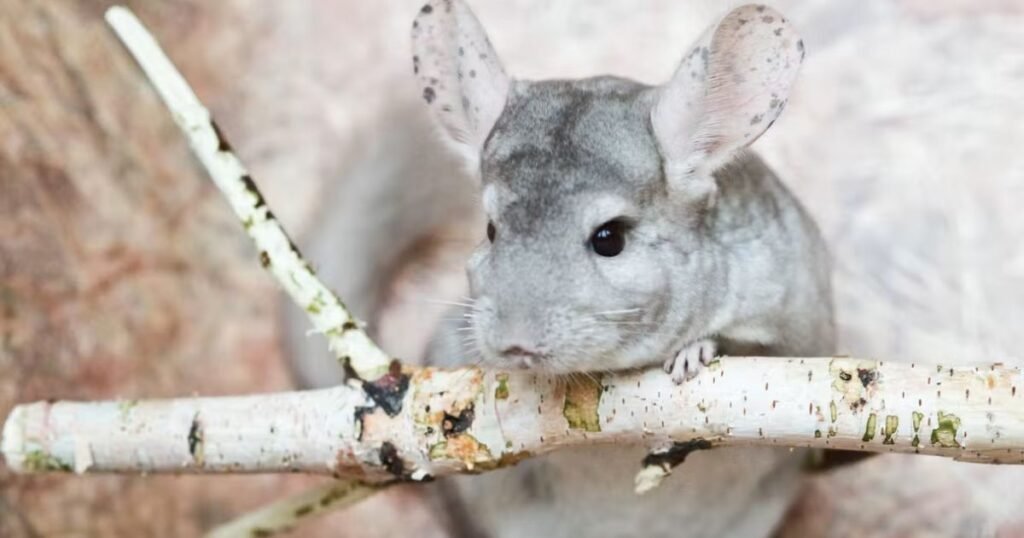
This method not only keeps their fur pristine and absorbs excess oils, ensuring their coats remain soft and healthy. Observing a chinchilla take a dust bath is almost meditative, as they roll and frolic in the dust, creating a miniature cloud of particles that sparkles in the light.
Their meticulous nature extends beyond bathing; chinchillas are known for their fastidiousness in their living environments as well. They instinctively create separate areas for eating, sleeping, and potty, an organism that understands cleanliness on an instinctual level. This behavior not only helps them stay clean and makes caring for them easier for their owners.
Horse
Scientific Name: Equus ferus caballus
Unlike many other species, horses take an active role in maintaining their own hygiene, using their powerful lips to nibble away dirt and debris from their coats. This instinctual behavior not only keeps their fur pristine and provides a comforting ritual that strengthens their bond with their human counterparts.
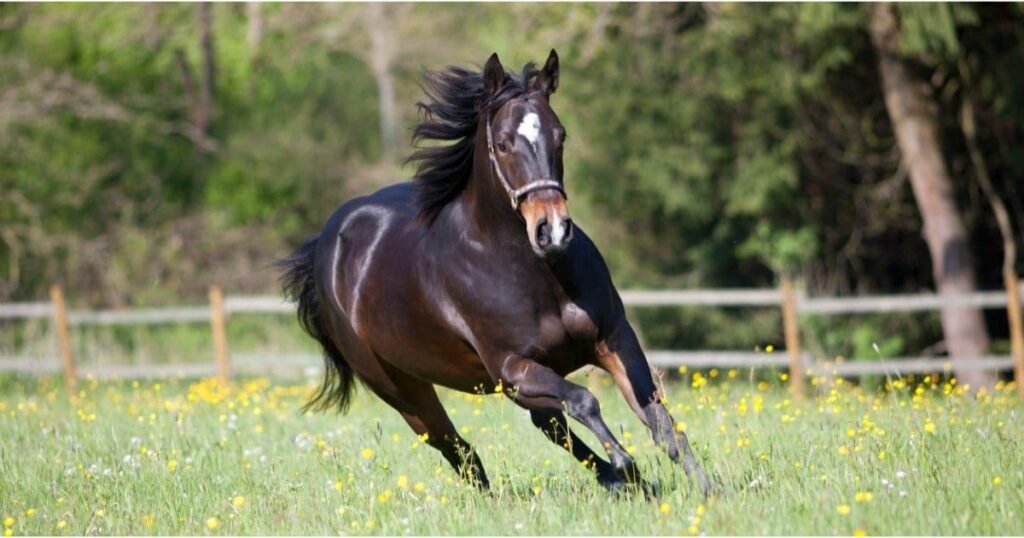
Beyond their self-grooming, horses exhibit remarkable social behaviors related to cleanliness. When in groups, they engage in mutual grooming, which serves not only to clean hard-to-reach spots and to reinforce bonds within the herd.
This communal approach to hygiene is a fascinating manifestation of their social structure, showcasing how the cleanest animals in the world prioritize both personal care and relationships.
House Mouse
Scientific Name: Mus musculus
House mice may not seem like the most glamorous creatures, but when it comes to cleanliness, they rank among the cleanest animals in the world. These tiny mammals are meticulous groomers, dedicating a significant portion of their waking hours to maintaining their fur.
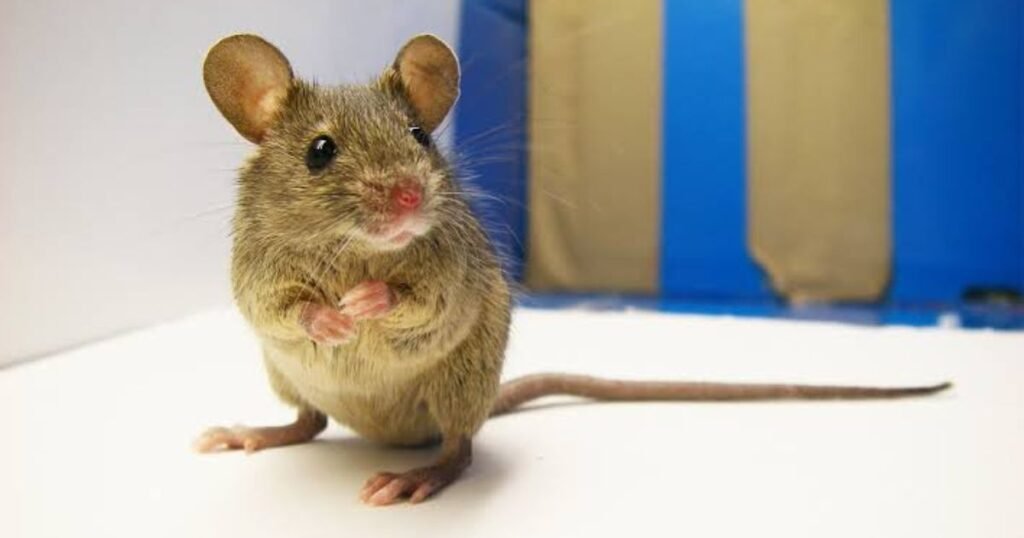
Their grooming rituals not only keep them looking neat, and help regulate their body temperature and reduce the risk of parasites,demonstrating an innate understanding of hygiene that many might overlook.
House mice exhibit a fascinating social structure that underscores their cleanliness. They often designate specific areas for nesting and waste, keeping their living spaces organized and free from contamination. This behavior not only reflects their instinctual avoidance of disease and provides a unique perspective on their adaptability to human environments.
Red Fox
Scientific Name: Vulpes vulpes
The Red Fox is often celebrated for its striking beauty and clever demeanor, but what many might not realize is that it also boasts a reputation as one of the cleanest animals in the world. Their grooming habits are meticulous; you’ll often find a Red Fox dedicating significant time to preening its fur. This not only keeps their coat looking vibrant and serves an essential purpose, removing parasites and debris that could hinder their health.
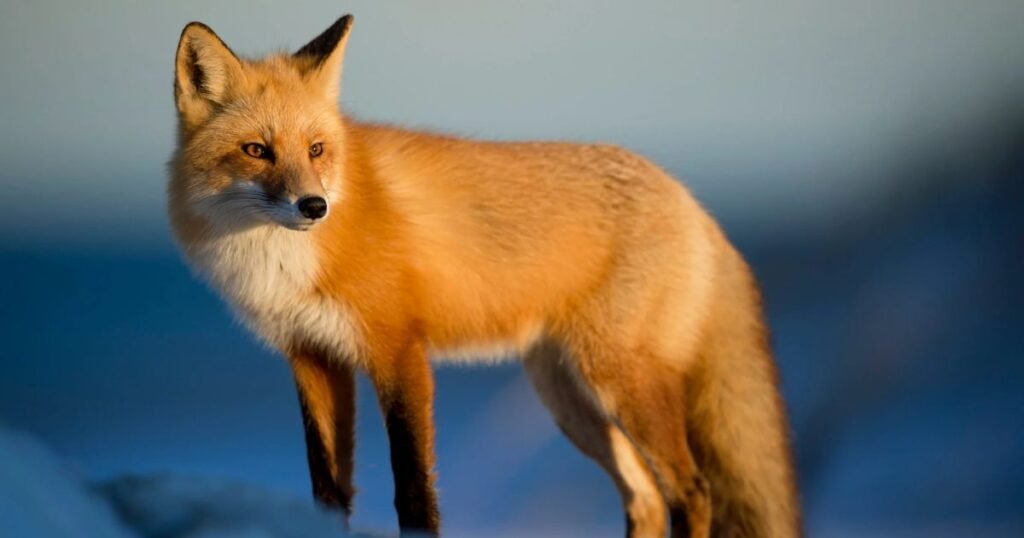
In the realm of cleanliness among animals, the Red Fox stands out alongside other contenders like cats and some species of primates. People think of rodents or larger mammals as being dirtier, the Red Fox challenges these stereotypes, showcasing how instinctively clean behavior is crucial for survival in the wild.
Their preference for specific bathroom spots and their effort to keep their living areas free from waste reveal a sophisticated level of hygiene.
Gray Wolf
Scientific Name: Canis lupus
Gray wolves are often celebrated not only for their majestic presence in the wild and for their remarkable cleanliness. Among the cleanest animals in the world, gray wolves maintain a strict social order that influences their hygiene habits. They designate specific areas for waste, ensuring their living spaces remain uncontaminated. .
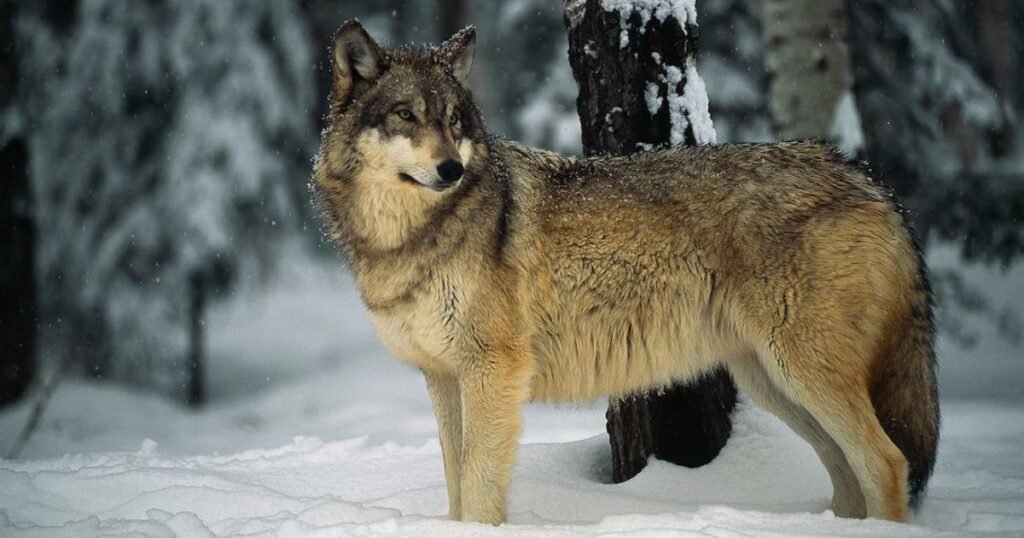
The gray wolf’s grooming rituals extend beyond waste management. They frequently engage in mutual grooming, which not only strengthens social bonds and helps maintain their fur. A healthy coat is essential for insulation and camouflage, showcasing how cleanliness plays a vital role in their adaptability and success in various environments.
Sea Otter
Scientific Name: Enhydra lutris
Sea otters are often hailed as the cleanest animals in the world, and for good reason. Their meticulous grooming rituals not only keep their dense fur pristine and play a crucial role in their survival. With up to a million hair strands per square inch, sea otters rely on this fur to maintain their body heat in frigid waters.
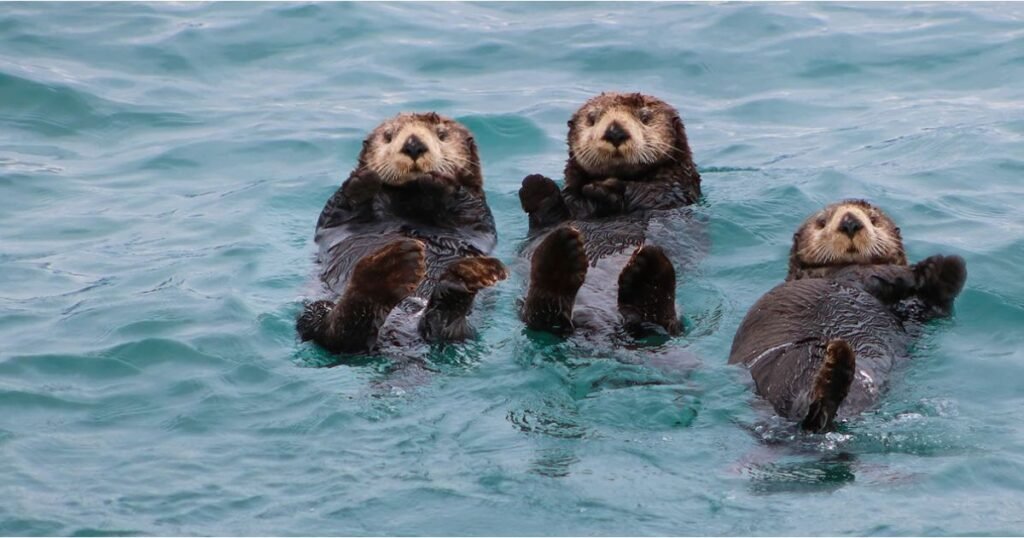
By meticulously combing their fur with their paws and using rocks to dislodge debris, they ensure that air pockets remain intact, which are essential for insulation.
Their cleanliness goes beyond personal hygiene. In a fascinating interspecies relationship, sea otters also contribute to the health of their marine environments. By preying on sea urchins, they help maintain kelp forests, which filter water and support a plethora of marine life. Therefore, the behaviors of these remarkable creatures not only affirm their title as the world’s cleanest animal and highlight their role as vital stewards of coastal ecosystems.
Honey Bee
Scientific Name: Apis mellifera
Honey bees hold a distinguished position among the cleanest animals in the world, showcasing an incredible commitment to their hygiene and environmental health. Each bee meticulously grooms its body to remove pollen and debris, demonstrating an innate understanding of the importance of cleanliness for their hive’s overall health.
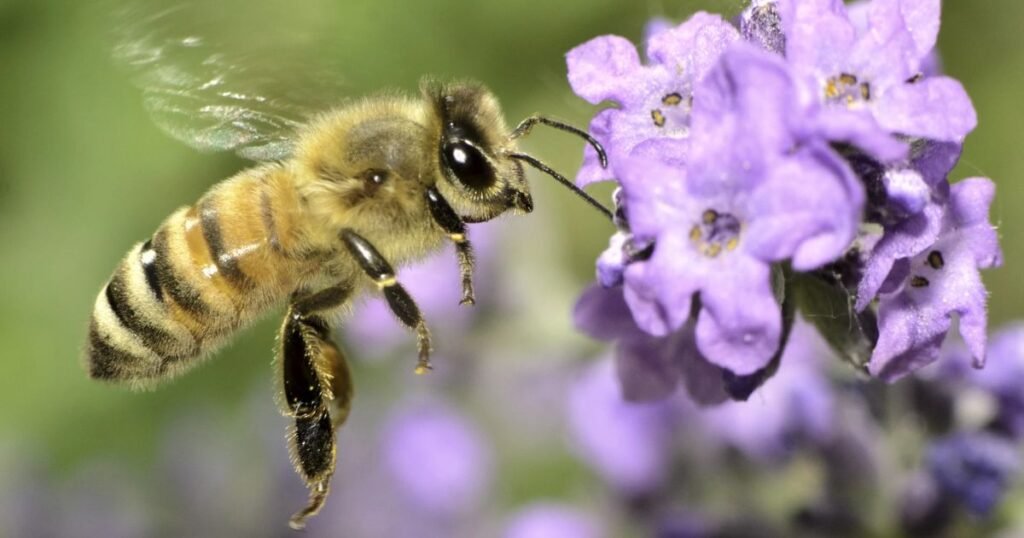
As one of the world’s cleanest animals, honey bees engage in a behavior called “trophallaxis,” where they exchange nectar and other substances with fellow colony members, further promoting cleanliness and reinforcing social bonds.
The hive itself is a marvel of cleanliness, with worker bees responsible for maintaining its sterile environment. They not only remove waste and build their honeycombs in ways that optimize airflow and minimize disease spread. This collective effort to uphold hygiene is vital, as it prevents pathogens from taking root, ensuring the survival and efficiency of the colony.
Emperor Penguin
Scientific Name: Aptenodytes forsteri
Emperor penguins, regarded as some of the cleanest animals in the world, boast fascinating grooming habits that set them apart in the animal kingdom. These birds dedicate a significant part of their day to preening their feathers, which serves not only to remove dirt and parasites and to maintain the insulating properties of their plumage.
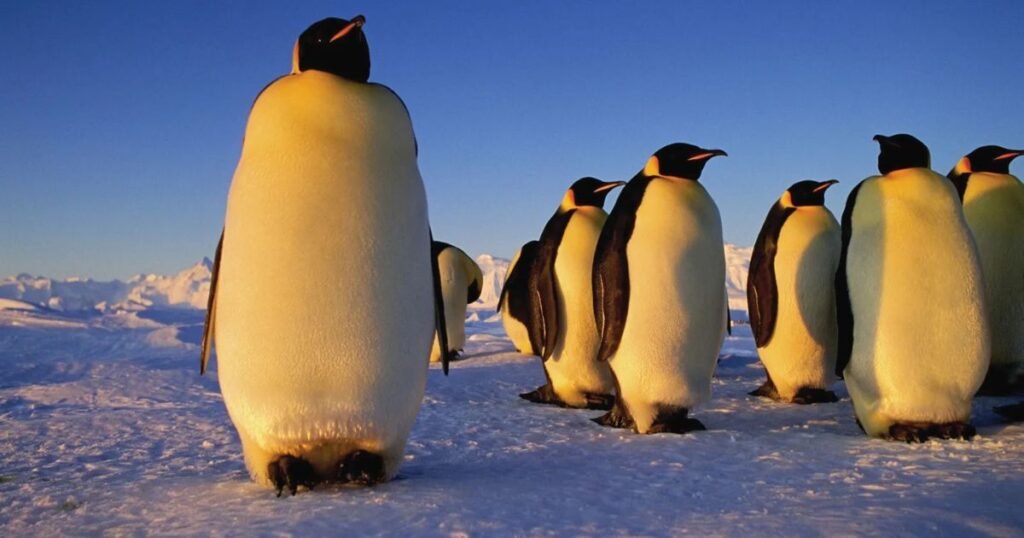
With their sleek, waterproof feathers, Emperor penguins can withstand frigid temperatures, ensuring their survival in one of the harshest environments on Earth.
Their social structures foster cleanliness; when huddled together for warmth, these penguins often engage in mutual grooming, which enhances both hygiene and bonding. This cooperative behavior highlights the tribe-like community they nurture, where the health of each member is paramount to their collective survival.
Common Raccoon
Scientific Name: Procyon lotor
These clever creatures maintain a meticulous lifestyle, grooming themselves regularly and often establishing designated latrines. This behavior not only keeps their living spaces tidy and helps them avoid attracting predators and parasites.
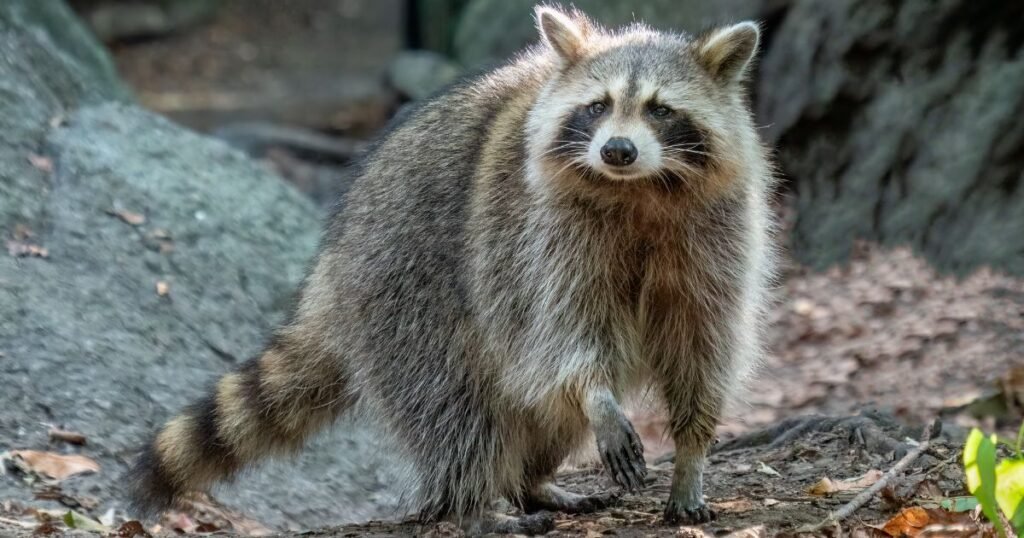
In fact, raccoons exhibit an impressive level of cleanliness that rivals even some of the most pristine animals in nature.
What sets raccoons apart is their unique habit of “dousing” their food. It may seem like a playful gesture, this water play serves a practical purpose: wetting their food enhances both taste and texture. Their preference for clean water sources further emphasizes their innate desire for sanitation.
Thus, the common raccoon, often seen rummaging through trash, is, in reality, striving to maintain a degree of order in their chaotic urban environment, reminding us that sometimes the most underestimated creatures can be the world’s cleanest animals.
Final Thoughts
The cleanest animals in the world showcase remarkable adaptations to maintain their hygiene. From the meticulous grooming habits of cats to the aquatic cleaning rituals of fish, these creatures highlight the importance of cleanliness in their survival and social interactions.
Understanding their behaviors not only enhances our appreciation for these animals and serves as a reflective reminder of the role hygiene plays in our own lives. By observing and learning from these pristine beings, we can adopt better practices in our daily routines.
FAQs
Which Animal is Actually the Cleanest?
Cats are famous for spending up to half their waking hours self-grooming, pigs are surprisingly tied for the cleanest title. Despite their reputation, pigs strictly separate their eating and bathroom areas.
Why do Pigs Roll in Mud if They are Clean?
Pigs lack sweat glands. They roll in mud strictly to cool off and protect their skin from the sun. When housed in cool, clean environments, they are meticulous about their personal hygiene.
How Do Cats Stay So Clean?
Cats groom themselves obsessively using their tongues, which are covered in tiny, backward-facing spines called papillae that act as a built-in hairbrush. Their saliva also contains natural enzymes that help kill odor-causing germs.
Why Are Pigs Cleanest Animals in the World?
Pigs are clean because they designate specific areas for waste, away from where they sleep and eat, promoting hygiene.
Are Rats the Cleanest Animals in the World ?
Yes, rats are often considered clean animals because they groom themselves frequently and keep their living spaces organized.