
Top 14 Animals With Big Ears (With Pictures)
Animals come in many fascinating shapes and sizes, and big ears are one of the most interesting adaptations found in the animal kingdom. Large ears can help animals hear faint sounds, locate prey, communicate with others, and even release excess body heat.
Here, we’ll explore 14 animals with big ears and learn how their oversized ears help them survive in their natural environments. From the tiny Fennec Fox to the enormous Elephant, each animal has a unique adaptation worth discovering.
List of Animals With Big Ears in The World
Here is the list of animals with big ears featured in this article:
- Red Kangaroo
- Fennec Fox
- Elephant
- Mule Deer
- Galago
- Aardvark
- Serval
- Caracal
- European Hare
- Koala
- American Brahman
- Aye-Aye
- Bat-eared Fox
- Long-eared Jerboa
Red Kangaroo
Scientific Name: Macropus rufus
Class: Mammalia
Diet: Herbivore
The Red Kangaroo is one of Australia’s most recognizable animals and is known for its large, angled ears. These ears are useful for more than hearing. Their large surface area helps the kangaroo release excess body heat, which is especially important in Australia’s hot outback.
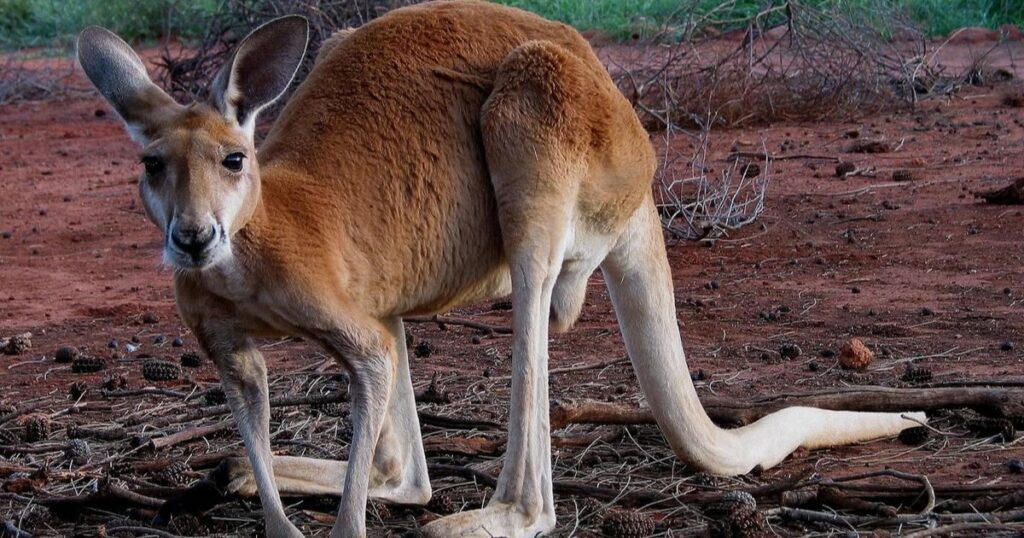
The ears also help Red Kangaroos stay aware of their surroundings. They can move their ears in different directions to detect sounds and respond to possible danger. When alarmed, their ear movements can also provide signals to other kangaroos.
Fennec Fox
Scientific Name: Vulpes zerda
Class: Mammalia
Diet: Omnivore
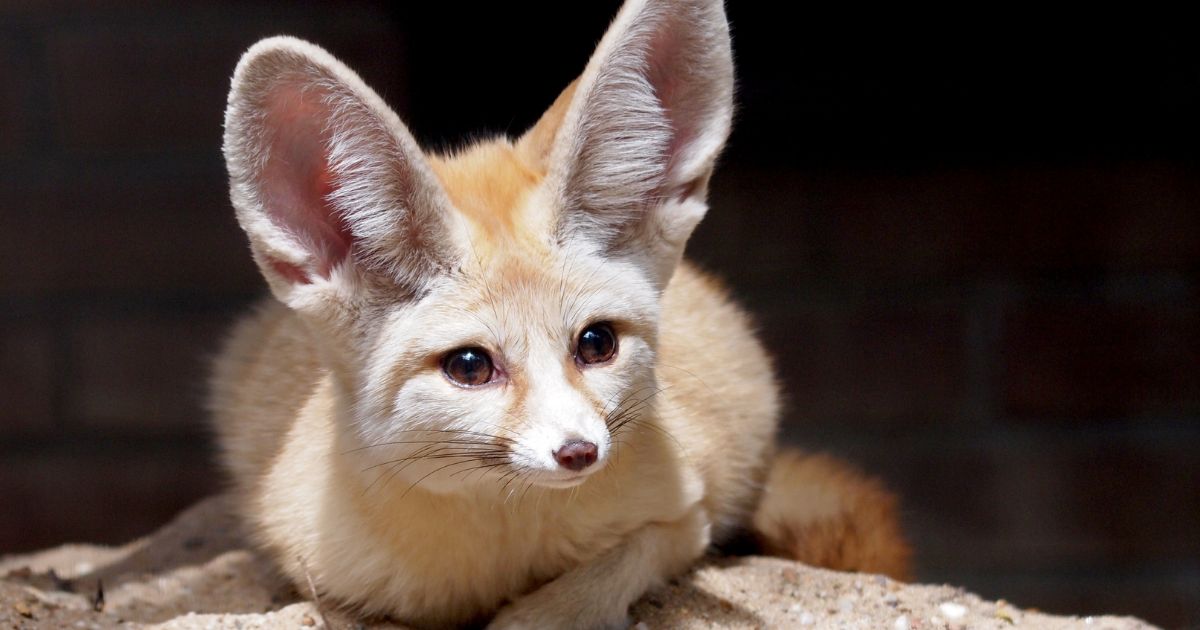
The Fennec Fox is famous for its enormous ears, which can reach around six inches in length. Native to the Sahara Desert, this small fox has evolved features that help it survive in an extremely hot environment.
Its large ears provide excellent hearing, helping the Fennec Fox detect insects and rodents beneath the sand. They also help release body heat, keeping the fox cooler in the desert. Along with their practical purpose, the oversized ears give this little fox its distinctive and adorable appearance.
Read More: 15 Animals That Look Like Muskrats (With Pictures & Facts)
Elephant
Scientific Name for African Elephant: Loxodonta africana
Scientific Name for Asian Elephant: Elephas maximus
Class: Mammalia
Diet: Herbivore
The Elephant is one of the best-known animals with big ears. Its enormous, fan-shaped ears can reach impressive sizes and play an important role in temperature regulation.

A network of blood vessels inside the ears allows elephants to release excess body heat. This is particularly useful for elephants living in warm habitats. Their ears also support communication, as elephants can use low-frequency sounds to communicate across long distances. Ear movements can also show emotions such as excitement or alarm.
Mule Deer
Scientific Name: Odocoileus hemionus
Class: Mammalia
Diet: Herbivore
The Mule Deer gets its name partly from its unusually large ears, which resemble those of a mule. These ears provide excellent hearing and also help the animal dissipate heat during warmer weather.
Mule Deer rely heavily on their sensitive hearing for protection. Their ears can swivel to pick up faint sounds, helping them detect predators before they get too close. This combination of hearing and temperature regulation makes their large ears an important survival adaptation.
Also Read: 31 Animals That Live in Groups: Fascinating Social Animals With Pictures 2026
Galago
Class: Mammalia
Diet: Omnivore
The Galago, also known as a bushbaby, is a small nocturnal primate found in Africa. It has remarkably large ears that can measure more than half the length of its head.
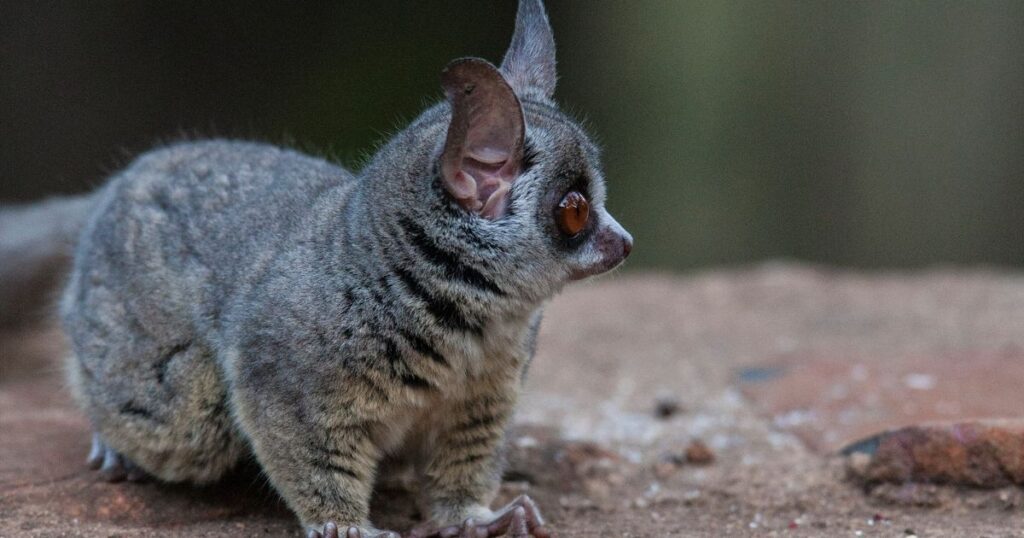
These sensitive ears help Galagos detect faint sounds during the night. This is especially useful when searching for food such as insects and tree sap or when detecting potential predators. Their excellent hearing also contributes to communication and social interactions within groups.
Aardvark
Scientific Name: Orycteropus afer
Class: Mammalia
Diet: Insectivore
The Aardvark is a distinctive African mammal with large ears that serve several important purposes. Its ears can help release heat, making them useful for surviving in the warm African savanna.
Aardvarks also have sensitive hearing that helps them detect faint sounds underground. This ability is useful when searching for their main food sources, ants and termites. Their large ears are therefore valuable tools for both finding food and staying alert to danger.
Read Also: Top 14 Birds That Eat Fish: Names, Facts & Pictures
Serval
Scientific Name: Leptailurus serval
Class: Mammalia
Diet: Carnivore
The Serval is an agile wild cat native to Africa and is easily recognized by its large ears. These ears give the Serval an exceptional sense of hearing, allowing it to detect faint sounds in tall grass.

This ability is especially useful when hunting rodents and birds. The Serval can listen carefully and pinpoint the location of hidden prey even when it cannot see it. Its large ears also help it detect sounds from other Servals, supporting communication and awareness of its surroundings.
Caracal
Scientific Name: Caracal caracal
Class: Mammalia
Diet: Carnivore
The Caracal is known for its distinctive ears topped with dark tufts. These large ears are highly sensitive and help the cat detect high-frequency sounds made by small prey hiding in grass.
Its hearing is an important part of its hunting strategy. The Caracal can use subtle sounds to locate prey before making a carefully timed attack. Its ear movements can also communicate social signals and emotions to other Caracals.
Read More: 15 Animals Like Ferrets: Cute and Fascinating Ferret-Like Animals (With Images)
European Hare
Scientific Name: Lepus europaeus
Class: Mammalia
Diet: Herbivore
The European Hare has long, oversized ears that can grow to around 12 centimeters. These ears provide excellent hearing, allowing the hare to detect subtle sounds and remain alert to nearby predators.

Their ears also play a role in temperature regulation. Blood vessels close to the skin help release excess heat, allowing the hare to maintain a stable body temperature. European Hares depend on their strong senses and speed rather than burrows when escaping danger.
Koala
Scientific Name: Phascolarctos cinereus
Class: Mammalia
Diet: Herbivore
The Koala is famous for its adorable appearance, but its large ears have an important role in survival. Their sensitive ears help them detect sounds in their surroundings, including rustling leaves and calls from other koalas.
Hearing is particularly important for communication, including during mating season. Their ears can also help with heat dissipation, making them another example of how an animal’s appearance can be closely connected to its survival.
American Brahman
Scientific Name: Bos taurus indicus
Class: Mammalia
Diet: Herbivore
The American Brahman is a cattle breed known for its distinctive large ears. Originally developed from Zebu cattle from India, it has physical characteristics that help it cope with hot climates.

Its large ears can assist with temperature regulation and provide sensitive hearing. Ear movements also serve as a form of non-verbal communication. By observing the position and movement of a Brahman’s ears, it is possible to notice signs of curiosity, discomfort, or other reactions.
Aye-Aye
Scientific Name: Daubentonia madagascariensis
Class: Mammalia
Diet: Omnivore
The Aye-Aye is a unique nocturnal lemur native to Madagascar. It has unusually large ears that support its specialized way of finding food.
The Aye-Aye taps on tree trunks with its long, thin middle finger and listens carefully for signs of hollow spaces where grubs may be hiding. Its sensitive hearing helps it locate food inside trees. This unusual adaptation demonstrates how specialized physical features can help animals survive in their environments.
Read Also: Discover Top 15 Animals With Small Ears (Images Included)
Bat-eared Fox
Scientific Name: Otocyon megalotis
Class: Mammalia
Diet: Insectivore
The Bat-eared Fox gets its name from its exceptionally large ears, which can reach around five inches long. These ears help the fox survive in the hot African plains by releasing excess heat.
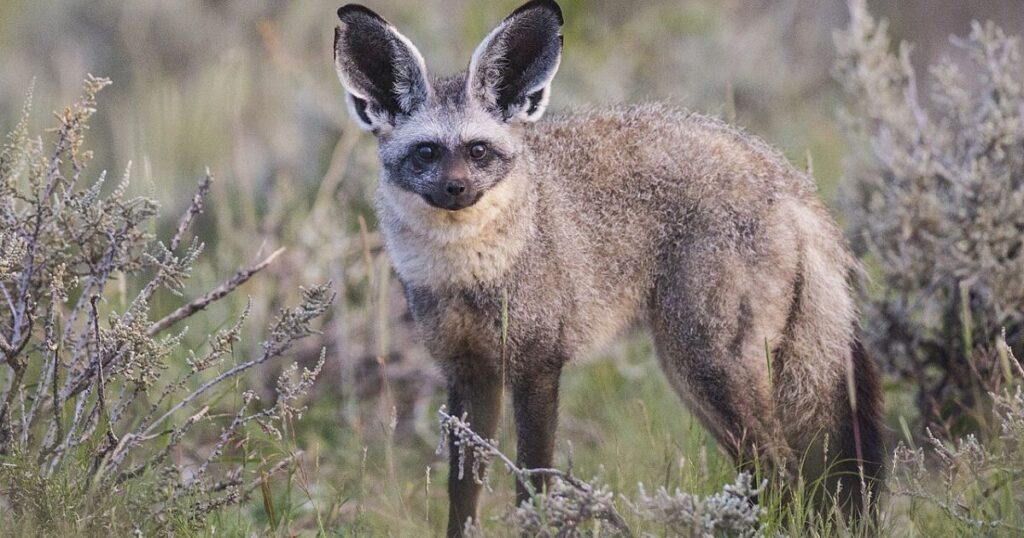
They also provide excellent hearing, allowing the fox to locate insects beneath the ground. Bat-eared Foxes can live in small family groups and cooperate while searching for food. Their sensitive hearing helps them remain aware of their surroundings while foraging.
Long-eared Jerboa
Scientific Name: Euchoreutes naso
Class: Mammalia
Diet: Omnivore
The Long-eared Jerboa is a tiny desert mammal native to Mongolia and northern China. As its name suggests, it has extremely large ears compared with its body.
Its ears help release excess heat, which is especially valuable in the hot desert environment. They also give the jerboa excellent hearing, helping it detect predators from a distance. Combined with its ability to leap several feet in a single bound, these adaptations help it survive in harsh, arid habitats.
Final Thoughts
The animal kingdom is full of remarkable adaptations, and animals with big ears are a fascinating example. Large ears can provide better hearing, help animals locate food, support communication, and regulate body temperature.
From the tiny Fennec Fox and Long-eared Jerboa to the massive Elephant, each species has developed its own way of using its impressive ears. These unique adaptations show how animals can evolve physical features that help them survive challenging environments.
Learning about these animals also reminds us of the importance of protecting wildlife and the habitats they depend on.
FAQ’s
What Animals Have Big Ears?
Some well-known animals with big ears include the Red Kangaroo, Fennec Fox, Elephant, Mule Deer, Galago, Aardvark, Serval, Caracal, European Hare, Koala, American Brahman, Aye-Aye, Bat-eared Fox, and Long-eared Jerboa.
What Animal Has the Biggest Ears in the World?
The Elephant is one of the most famous animals with extremely large ears. Its large ears help with hearing and, importantly, with releasing excess body heat.
What Are the Animals with Floppy Ears?
Animals with noticeably large or floppy-looking ears include species such as the European Hare, Red Kangaroo, Aardvark, and Mule Deer. Ear shape and movement vary between species and are often linked to hearing, communication, or temperature regulation.