Top 15 Animals With Fur (With Images)
All animals with fur are just cute and cuddly companions. From household companions to majestic wild creatures, warm-blooded animals with fur are not only captivating and essential to our planet’s biodiversity. Fur serves numerous functions for both wild and domesticated mammals, including camouflage, protection, and regulation of body temperature.
In this article, we’ll delve into the top 15 warm-blooded animals with fur, revealing their fascinating traits and survival tactics.
List of Animals with Fur
Following is the list of wild animals with fur.
| No. | Common Name of Animals with Fur | Scientific Name |
| 1 | Polar Bear | Ursus maritimus |
| 2 | Red Fox | Vulpes vulpes |
| 3 | Gray Wolf | Canis lupus |
| 4 | Giant Panda | Ailuropoda melanoleuca |
| 5 | Domestic Cat | Felis catus |
| 6 | Domestic Dog | Canis lupus familiaris |
| 7 | Rabbit | Oryctolagus cuniculus |
| 8 | Chinchilla | Chinchilla lanigera |
| 9 | Sea Otter | Enhydra lutris |
| 10 | Beaver | Castor canadensis |
| 11 | Alpaca | Vicugna pacos |
| 12 | Musk Ox | Ovibos moschatus |
| 13 | Snow Leopard | Panthera uncia |
| 14 | Arctic Fox | Vulpes lagopus |
| 15 | Sloth | Bradypus variegatus |
Polar Bear
Scientific Name: Ursus maritimus
Class: Mammalia
Diet: Carnivore
Polar bears stand out among wild animals with fur, not just for their size and for the unique properties of their coat. Composed of dense, hollow hair, their fur serves a dual purpose: insulation against the frigid Arctic temperatures and camouflage in their snowy habitat.
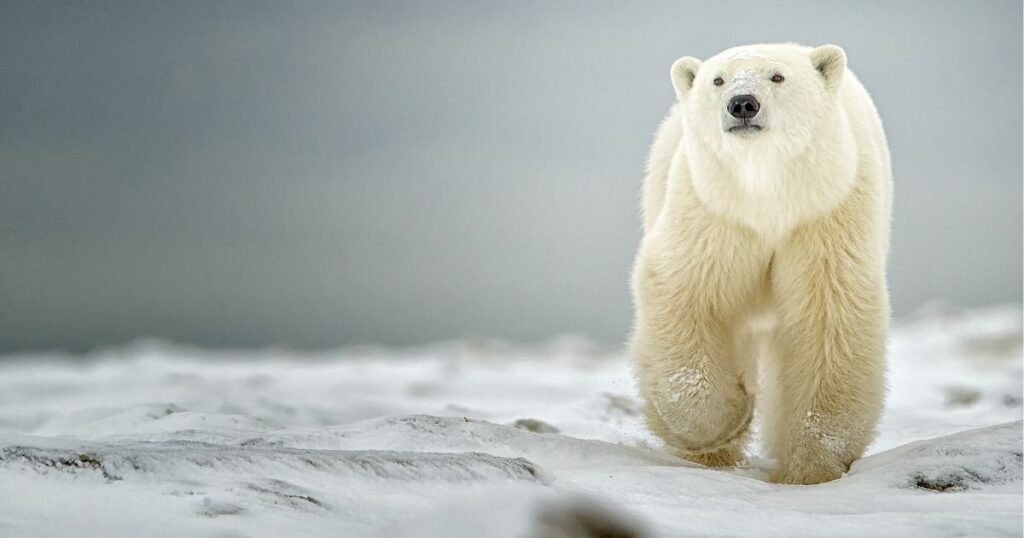
This specialized fur traps air close to the skin, providing remarkable warmth, which is essential for these warm-blooded animals. Each time a polar bear dives into icy waters or treks across glacial terrain, its fur repels water, ensuring it remains dry and insulated.
The iconic white coat of polar bears isn’t purely for aesthetics; it plays a crucial role in their survival. While they may appear uniform in color, variations in fur reflect subtle shades of their environment, allowing them to blend seamlessly into their snowy surroundings. This adaptation enhances their hunting skills, helping them remain stealthy as they pursue seals and other prey.
Red Fox
Scientific Name: Vulpes vulpes
Class: Mammalia
Diet: Omnivore
A notable member of the wild animals with fur category boasts a striking coat that serves both beauty and purpose. Its vibrant reddish-orange fur beautifully contrasts with the white-tipped tail and legs, creating a stunning visual appeal that captivates nature enthusiasts and casual observers alike.
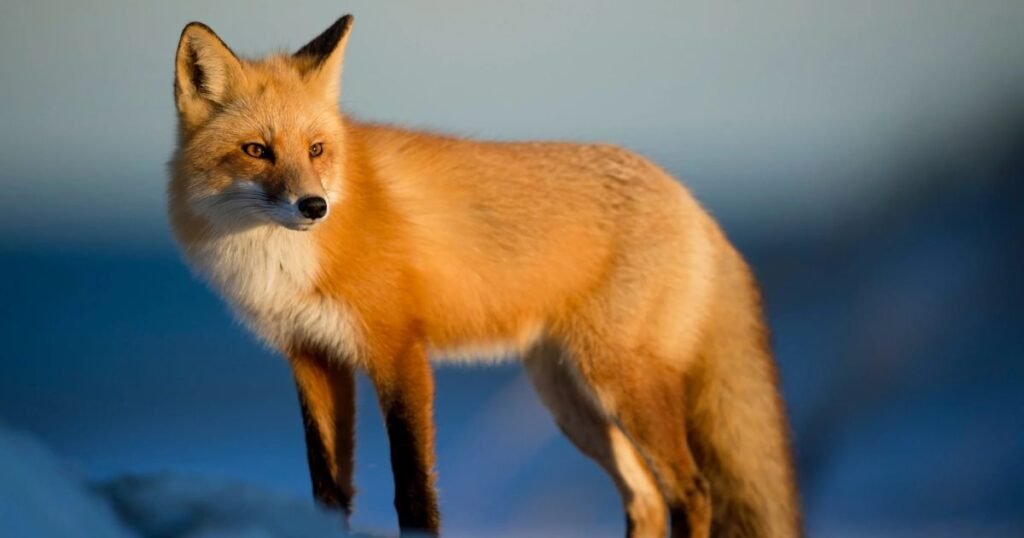
This fur isn’t just for looks; it’s a sophisticated adaptation that provides insulation against harsh weather, showcasing how warm-blooded animals with fur have evolved to thrive in diverse environments.
Beyond aesthetics, the texture and color of the Red Fox’s fur play a vital role in its survival. The thick undercoat traps heat during frigid nights, while the long outer guard hairs help repel rain and moisture, ensuring the fox remains agile and comfortable while hunting.
Related: Animals Similar to Foxes
Gray Wolf
Scientific Name: Canis lupus
Class: Mammalia
Diet: Carnivore
The Gray Wolf, a fascinating member of the wild canid family, showcases a majestic coat that serves multiple purposes beyond mere aesthetics. Its thick fur, varying in shades from gray to brown, not only provides insulation against the harsh elements and plays a crucial role in camouflage.
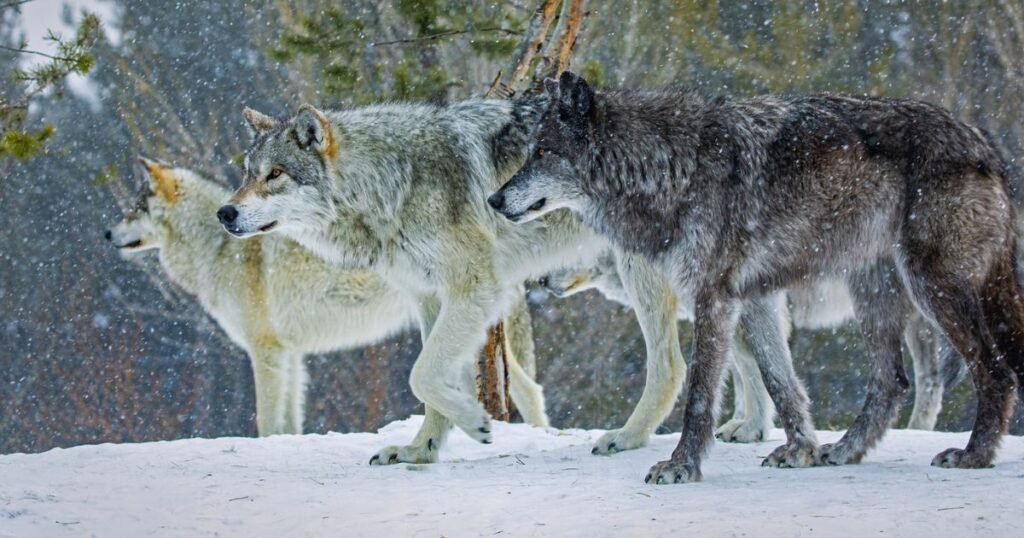
Beyond function, the fur of a gray wolf embodies social signals among pack members. The density and health of a wolf’s coat can indicate its vitality and status within the group, creating an unspoken language of unity and hierarchy.
Observing these warm-blooded animals with fur reveals an intricate balance between survival and social interaction, where a simple coat can convey profound layers of meaning.
Giant Panda
Scientific Name: Ailuropoda melanoleuca
Class: Mammalia
Diet: Herbivore
The Giant Panda is a captivating example of how animals with fur adapt to their environment. Their distinctive black-and-white fur not only plays a crucial role in camouflage among the dappled sunlight of their bamboo forests and serves practical purposes.

The thick fur acts as insulation, enabling these warm-blooded animals to maintain body heat in cooler temperatures,in their mountainous habitats. And, the fur’s dual coloration may also facilitate communication with other pandas, helping them identify each other in dense vegetation.
More than just a fashion statement, the fur of the Giant Panda offers protection and serves as a barrier against the elements. This feature is vital for a species that spends up to 12 hours a day feeding on bamboo, allowing them to thrive in diverse climates.
Domestic Cat
Scientific Name: Felis catus
Class: Mammalia
Diet: Carnivore
Domestic animals with fur exhibit an extraordinary range of color and texture in their coats, making them unique companions in the animal kingdom. This fur not only enhances their aesthetic appeal and serves crucial functional purposes.
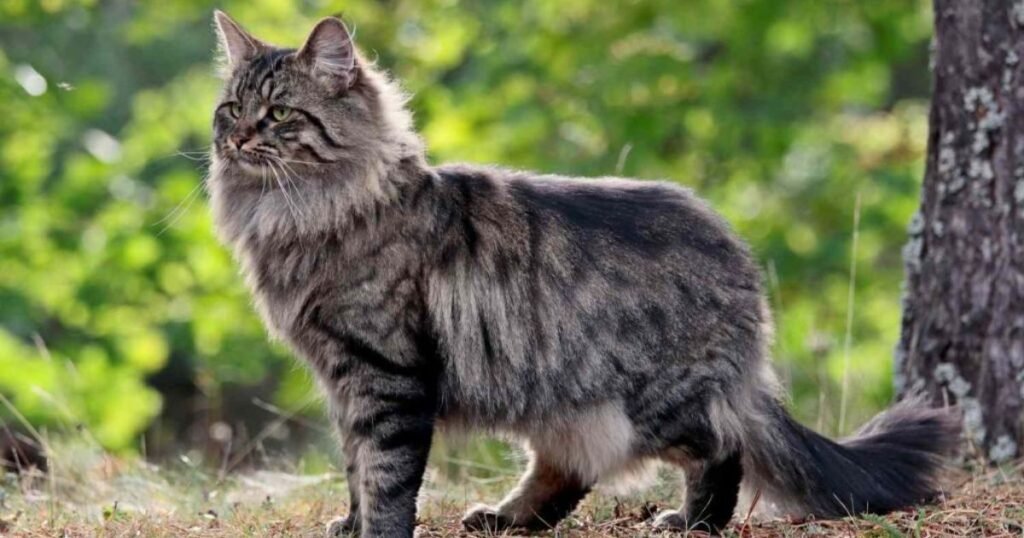
The varying lengths and densities of their fur enable them to adapt to a variety of climates, offering insulation against the cold while also providing a layer of protection from the sun. Unlike some wild animals with fur, domestic cats have developed coats that reflect their owners’ preferences and personalities, showcasing countless patterns from tabby stripes to sleek solid colors.
The fur of a domestic cat acts as a sensory tool, laden with nerve endings that help them navigate their environment. Each hair stands ready to detect the slightest changes in their surroundings, amplifying their already acute senses.
This keen sensory capability, combined with their agile bodies, allows domestic cats to transition effortlessly from playful antics to stealthy stalking, mirroring behaviors of their wild counterparts. In every flick of their tail or twitch of their whiskers, the evolution of fur in these charming creatures connects them to their broader lineage while emphasizing their extraordinary adaptability to life alongside humans.
Read Also: Happiest Animals in the World
Domestic Dog
Scientific Name: Canis lupus familiaris
Class: Mammalia
Diet: Omnivore
Domestic dogs, known for their diverse range of fur types, embody a unique blend of traits that set them apart from wild animals with fur. This thick coat not only provides warmth and protection and serves as a canvas reflecting their lineage and breed characteristics.
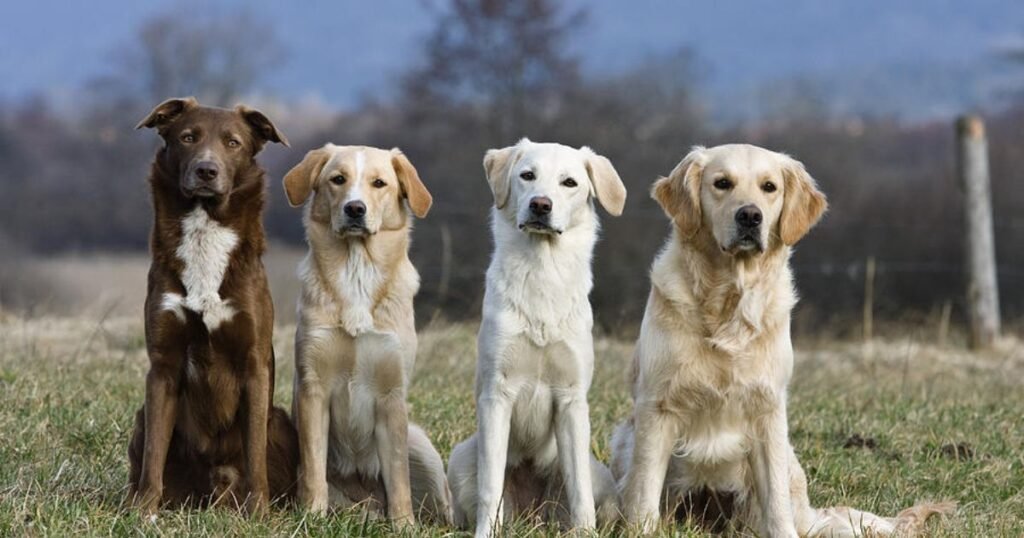
A husky’s dense fur is a testament to its arctic heritage, designed to withstand frigid temperatures, while a short-haired beagle showcases a more playful, adaptable nature suited for various environments.
Fur in domestic dogs acts as a natural barrier, protecting them from environmental elements and pest infestations, much like it does in other warm-blooded animals with fur. Beyond physical protection, the texture and color of a dog’s coat can influence how they interact with humans and their surroundings, leading to fascinating social dynamics.
In a world filled with a rich list of animals with fur, domestic dogs have created a special niche by evolving alongside humans, showcasing traits like loyalty and affection that enhance their companionship. This mutual bond, paired with the aesthetic appeal of their diverse fur patterns, makes them not just pets but integral members of many households.
Rabbit
Scientific Name: Oryctolagus cuniculus
Class: Mammalia
Diet: Herbivore
Rabbits are fascinating examples of warm-blooded animals with fur, showcasing a unique blend of adaptability and charm. Their dense, soft fur serves not only as a protective layer and plays a crucial role in temperature regulation, allowing them to thrive in various environments, from meadows to forests.
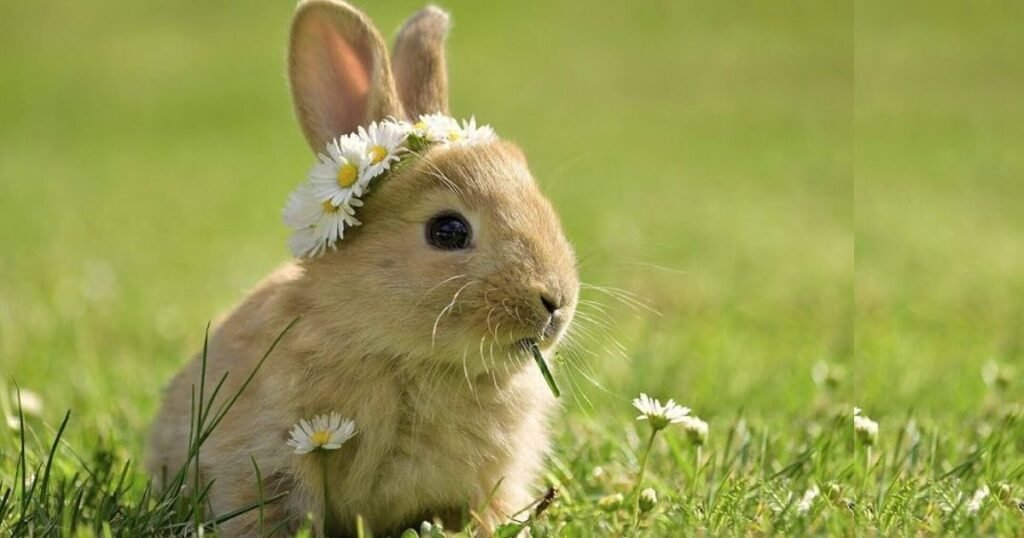
The fur covering a rabbit’s body is not just for warmth; it’s a vital camouflage tool. The coloration and texture can vary widely among breeds, ranging from earthy browns to vibrant whites, helping them evade predators while blending effortlessly into their surroundings.
This characteristic makes them one of those engaging wild animals with fur that showcase nature’s ingenuity. The variety of coats among different rabbit species adds richness to the already diverse list of animals with fur, illustrating how evolution shapes survival strategies in the animal kingdom.
Read Also: Animals with Big Feets
Chinchilla
Scientific Name: Chinchilla lanigera
Class: Mammalia
Diet: Herbivore
Chinchillas stand out in the realm of fur animals due to their incredibly dense coats, which can contain up to 60 hairs per follicle. This remarkable feature not only offers them superior insulation against the chilly climates of their native Andes mountains and serves as a fascinating adaptation to their environment.
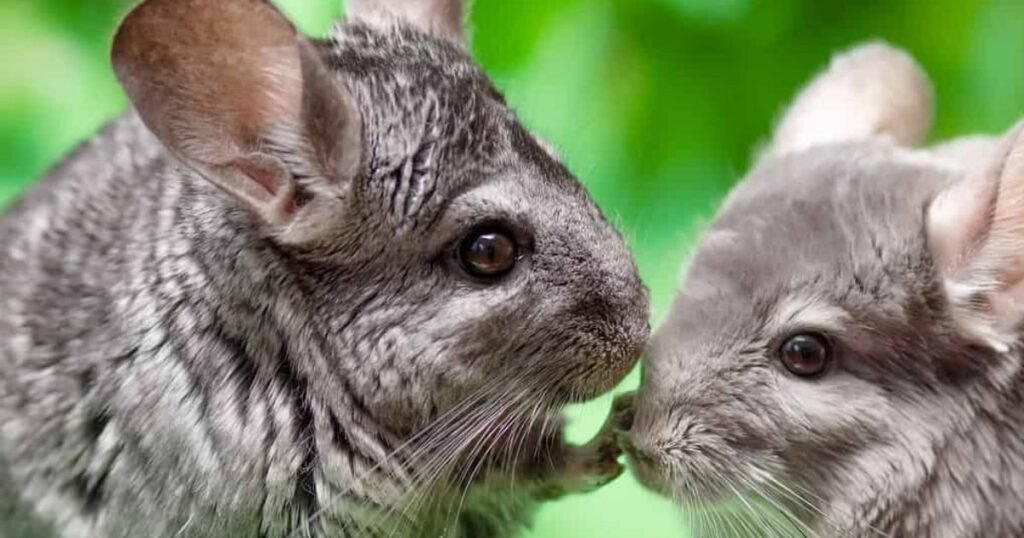
It undergoes a unique molting process, shedding its fur in a manner that ensures its warmth and camouflage during different seasons.
The texture of a chinchilla’s fur is nothing short of luxurious ,soft and velvety to the touch, it has earned them a place on various lists of animals with fur prized for both beauty and functionality. This dense, plush fur also plays a role in their social interactions; it helps them communicate subtle signals to one another, adding depth to their complex social structures.
Observing these small wild animals with fur in their natural habitat reveals the beauty of evolution at play, showcasing how their fur not only protects them and enhances their behaviors and interactions within the wild.
Sea Otter
Scientific Name: Enhydra lutris
Class: Mammalia
Diet: Carnivore
Sea otters are a fascinating example of wild animals with fur, showcasing a unique adaptation that makes them stand out among their marine counterparts. They possess the densest fur in the animal kingdom, up to a million hair follicles per square inch.
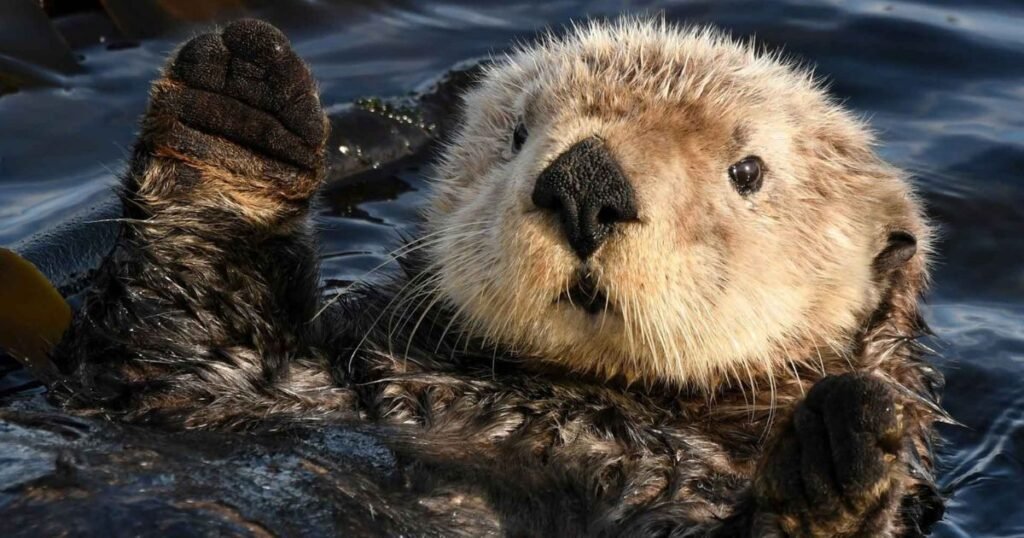
This remarkable fur acts as a powerful insulator, enabling them to thrive in frigid ocean waters. The individual hairs trap air, providing both buoyancy and warmth, allowing them to maintain their body temperature even in icy environments.
They engage in a meticulous grooming routine to keep their fur in optimal condition, a behavior that is not only practical and social. As warm-blooded animals with fur, they rely heavily on this grooming to prevent water from penetrating their fur, which would compromise its insulating properties.
Read Also: Grumpiest Animals in the World
Beaver
Scientific Name: Castor canadensis
Class: Mammalia
Diet: Herbivore
Beavers, the industrious architects of the animal kingdom, possess a remarkable coat that sets them apart from many wild animals with fur. Their dense, waterproof fur not only keeps them warm in frigid waters and plays a vital role in their survival.
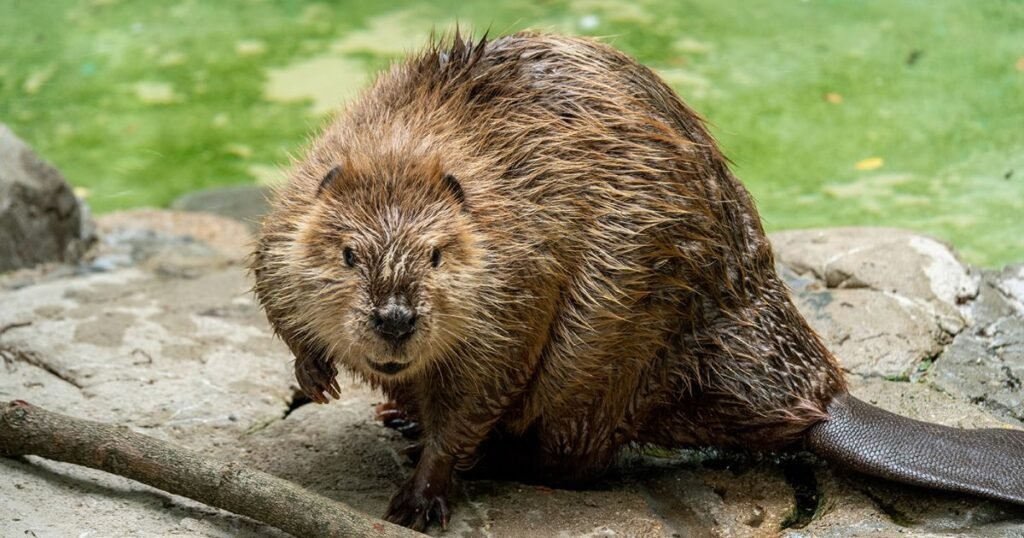
This unique fur traps air, creating insulating pockets that help regulate their body temperature, making them perfectly adapted to their aquatic lifestyle. Beavers are warm-blooded animals with fur, allowing them to thrive in a range of environments, from chilly streams to lush woodlands.
The texture and structure of their fur serve as a vital tool for their grooming habits. Beavers spend a significant amount of time maintaining their coats, which helps to keep their fur clean and functional.
Read Also: Most Energetic Animals
Alpaca
Scientific Name: Vicugna pacos
Class: Mammalia
Diet: Herbivore
Alpacas are truly remarkable among warm-blooded animals with fur, distinguished not just by their gentle demeanor and by their luxurious fleece. This fur is not merely aesthetic; it serves a crucial function, providing insulation against varying climates. They possess a unique type of fleece that is softer and warmer than sheep wool, making them highly valued in the textile industry.
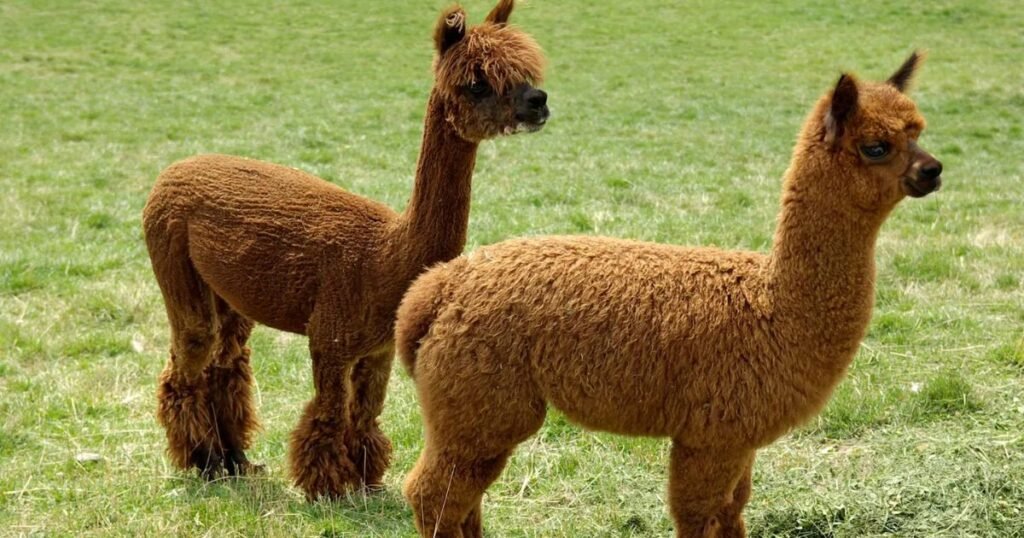
The distinctive characteristics of alpaca fur include its lightweight nature and versatility in color, featuring shades ranging from white to black and everything in between. This variety is part of what sets alpacas apart in the list of animals with fur.
The structure of their hairs creates air pockets that trap heat, allowing them to thrive in mountainous terrains while remaining relatively carefree during warmer seasons. In a world where we are increasingly aware of sustainably sourced products, alpaca fleece stands out as an eco-friendly option, crafted by these charming animals and their harmonious relationship with the environment.
Musk Ox
Scientific Name: Ovibos moschatus
Class: Mammalia
Diet: Herbivore
Musk oxen are fascinating examples of wild animals with fur, boasting an impressive coat that serves as a natural armor against the frigid Arctic climate. Their fur consists of a dense undercoat called qiviut, which is exceptionally soft and provides remarkable insulation.
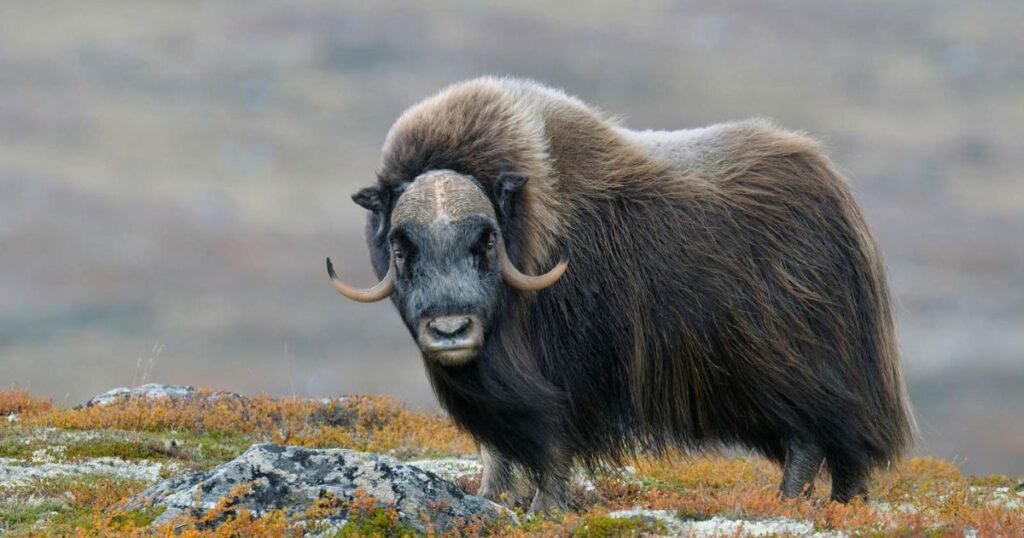
This layer can be up to three times warmer than sheep wool, making it a coveted material in the textile industry. In addition to the qiviut, their long, shaggy guard hairs drape over their bodies, often forming protective “skirts” that help ward off snow and wind.
What sets musk oxen apart from many other warm-blooded animals with fur is their unique adaptation to extreme cold. Their fur not only traps heat and sheds moisture efficiently, preventing them from becoming waterlogged after melting snow or rain. This adaptability places them on a unique list of animals with fur that not only survive but thrive in harsh environments.
Snow Leopard
Scientific Name: Panthera uncia
Class: Mammalia
Diet: Carnivore
The snow leopard, a fascinating example of wild animals with fur, showcases an exquisite adaptation to its harsh mountain habitat. Its thick, long fur is not just for show; it serves as a remarkable insulator against extreme cold, allowing this warm-blooded animal to thrive in frigid conditions.
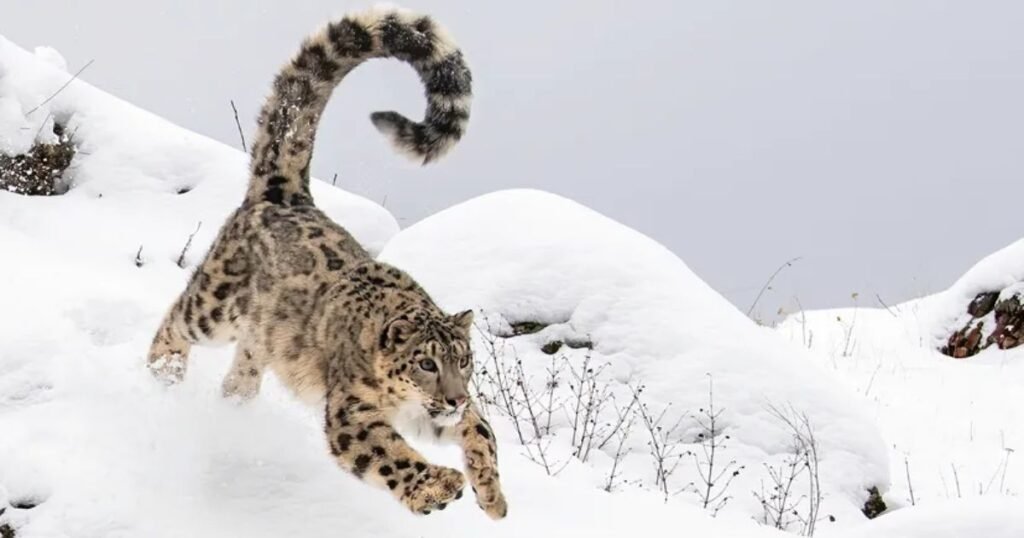
The distinctive smoky-grey coat, adorned with black rosettes, also provides excellent camouflage amid the rocky terrains and snowy landscapes, reflecting nature’s brilliant design for survival.
In a world brimming with a diverse list of animals with fur, the snow leopard stands out for its unique adaptations. Equipped with fur-covered paws that function like natural snowshoes, it aids in traversing the icy slopes while maintaining grip and minimizing heat loss.
This close relationship with its environment highlights the intricate bond between fur and functionality in wild animals, showcasing how evolution has sculpted the snow leopard to be the ultimate mountain predator.
Arctic Fox
Scientific Name: Vulpes lagopus
Class: Mammalia
Diet: Omnivore
With their stunning, thick fur, Arctic foxes are a fascinating example of wild animals with fur, perfectly adapted to the harsh environments of their icy habitat. This fur not only provides warmth and serves as an effective camouflage among the snowy landscapes, allowing them to blend seamlessly with their surroundings.
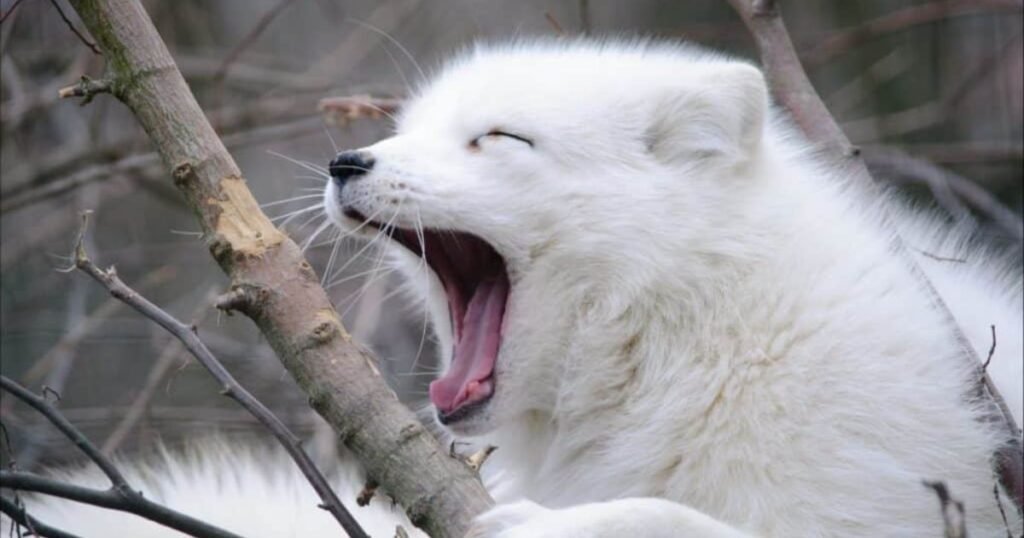
In winter, their coat turns a striking white, while in summer, it shifts to a brown or gray, showcasing an incredible ability to adapt to seasonal changes.
Unique among warm-blooded animals with fur, Arctic foxes possess a multi-layered coat that insulates them against frigid temperatures, often plummeting below -30 degrees Celsius. Beneath this luxurious fur lies a body structure that conserves heat, including shorter snouts and rounded ears, which minimize heat loss.
Sloth
Scientific Name: Bradypus variegatus
Class: Mammalia
Diet: Herbivore
The sloth, an intriguing member of the animals with fur, boasts a unique adaptation that sets it apart from other creatures in its habitat. Its thick, coarse fur not only provides insulation in the sometimes damp environments of tropical forests and serves as a canvas for a diverse ecosystem.
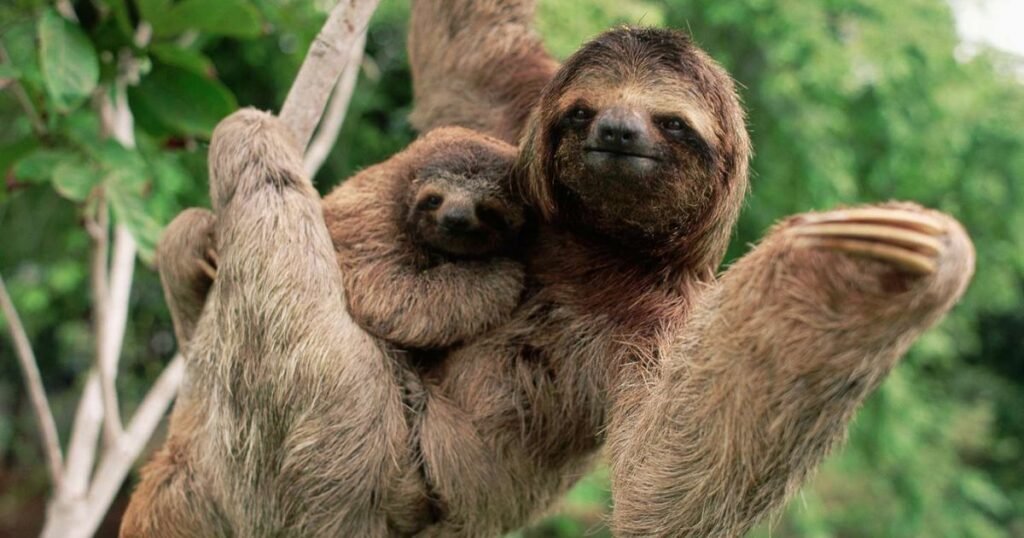
Algae can flourish in the sloth’s slow-moving, humid fur, creating a vibrant greenish hue that offers excellent camouflage among the leaves and branches, making them masters of disguise.
Its fur is a living testament to the symbiotic relationships in nature. The algae growing on its body not only helps it blend into the foliage, avoiding predators, and provides the sloth with additional nutrients when consumed.
Conclusion
Animals with fur reveal an extraordinary tapestry of life that enriches our planet. Each species, with its distinct characteristics and behaviors, contributes to the intricate balance of ecosystems. The bonds we share with these furry creatures remind us of the vital connections we have with wildlife and the responsibilities that come with it.
As stewards of the environment, it is our duty to promote conservation efforts and foster a deeper understanding of their role in nature.
FAQS
What Animals Have Fur?
Animals with fur are mostly mammals, including bears, foxes, wolves, rabbits, cats, dogs, otters, beavers, and alpacas. Fur helps protect them from cold weather, sunlight, injuries, and moisture.
What Is the Hairiest Animal in the World?
The Sea Otter (Enhydra lutris) is considered the hairiest animal in the world. It has up to one million hairs per square inch, giving it the densest fur of any mammal.
Do All Animals Have Fur?
No, not all animals have fur. Only mammals grow hair or fur, while birds have feathers, reptiles have scales, fish have scales, and amphibians usually have smooth, moist skin.
What Is the Difference Between Hair and Fur?
Hair and fur are made from the same protein, keratin, but they differ in growth patterns and appearance. Hair usually grows continuously and is often less dense, while fur is typically thicker, denser, and grows to provide insulation and protection for animals.