Top 12 Animals With Big Feet (With Pictures & Fun Facts) 2026
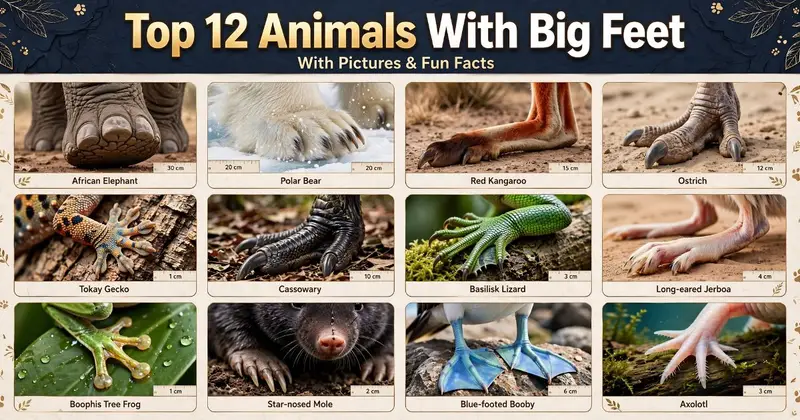
Did you know that some of the largest animals on Earth start with one astonishing feature: their feet? This article dives into the Top 12 Animals With Big Feet, showcasing the incredible adaptations and characteristics that make these creatures unique.
The vast savannahs to dense jungles, the significance of foot size goes beyond mere appearance; it relates to survival, locomotion, and more.
List of Animals With Big Feet
Below is the list of animals that have big feet:
- Kangaroo
- Ostrich
- African jacana
- White Rhinoceros
- Hippopotamus
- Lion
- Polar Bear
- Giraffe
- Camel
- Elephants
- Moose
- Gorilla
Kangaroo
Scientific name: Macropus
Class: Mammalia
Diet: Herbivore
These are remarkable marsupials, are iconic for their unique hopping and for their adaptable feet. Most animals, their enormous hind feet are designed for power and endurance, allowing them to cover vast distances with remarkable efficiency.
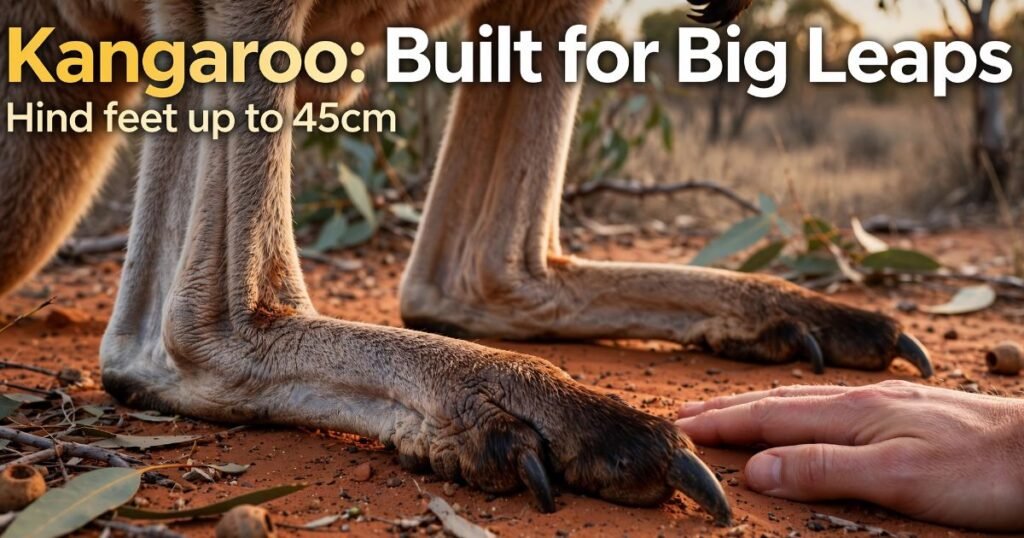
These animals with big feet utilize their specialized limbs to navigate the harsh Australian landscape, hopping at speeds of over 30 miles per hour. What’s truly fascinating is how kangaroos have evolved their physical prowess to conserve energy.
Their long tendons act like springs, storing and releasing energy as they leap, making them efficient travelers in the wild. This evolutionary advantage helps them evade predators and allows them to thrive in a landscape marked by scarcity.
ALSO READ: Top 15 Animals With Big Foreheads (With Images)
Ostrich
Scientific name: Struthio camelus
Class: Aves
Diet: Omnivore
These are the largest birds on Earth; they are a fascinating marvel of evolution that redefine our understanding of flightless avians. Characterized by their towering stature and long feet, these creatures can sprint up to 45 miles per hour, making them the fastest running birds, a feat that rivals that of other iconic animals with long feet, like the racing greyhound.
Their long legs allow for remarkable agility and speed, essential traits for survival in the vast African savannah where predators lurk.
Ostriches are more than sprinting wonders; they are also masters of adaptation. Their unique social structures mimic those of herd animals, where a dominant male leads a group, ensuring safety through a coordinated vigilance.
African jacana
Scientific name: Actophilornis africanus
Class: Aves
Diet: Omnivore
The African jacana, often dubbed the “Jesus bird”, is renowned for its spectacularly large feet, making it a fascinating subject when asking what animal has the biggest feet. These remarkable adaptations allow the jacana to walk effortlessly on floating vegetation, seemingly defying the laws of nature.

It’s about size; their feet are a masterclass in evolutionary design, enabling them to traverse swamps and wetlands where others would sink. Their impressive foot structure, African jacanas exhibit remarkable behaviours that further capture the imagination.
Many bird species, it is the female jacana that plays the dominant role: she guards her territory, selects her mates, and even engages in polyandry.
White Rhinoceros
Scientific name: Ceratotherium simum
Class: Mammalia
Diet: Herbivore
The White Rhinoceros, often mistaken for a heavy tank on the African safari, is a marvel of evolution. These magnificent creatures, with their massive feet designed for stability, symbolize strength and resilience.
Have you ever wondered what animal has big feet like this spectacular beast? Its broad, flat feet play a crucial role in distributing weight across the soft savanna, preventing the rhino from sinking into the marshy ground.
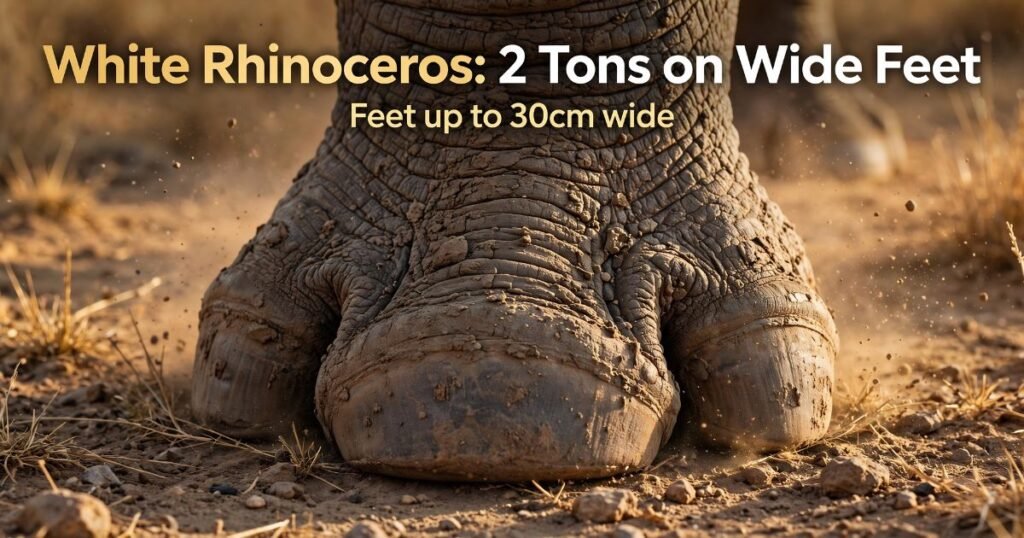
Their impressive physicality, white rhinos have complex social structures that challenge the solitary image many have of them. They often form small groups called “crashes,” showcasing intriguing social behaviour.
This communal living offers insight into their emotional intelligence, as they develop close bonds and even display protective instincts.
You can also read: 25 Birds With Long Legs: Names, Facts & Pictures
Hippopotamus
Scientific name: Hippopotamus amphibius
Class: Mammalia
Diet: Herbivore
The hippopotamus, often overshadowed by its larger-than-life reputation, is a fascinating study in contrasts. While they may appear clumsy with their big feet, these aquatic giants are surprisingly agile both in water and on land.
Their feet, adapted for weight distribution, allow them to navigate muddy riverbeds with ease, showcasing a grace that belies their massive size.
Living in groups called pods, they exhibit complex behaviors and social bonds, demonstrating a level of intelligence that many overlook. Their vocalizations range from grunts to roars, creating a symphony of sounds that echo across the African rivers they call home.
Lion
Scientific name: Panthera leo
Class: Mammalia
Diet: Carnivore
The lion, often dubbed the “King of the Jungle,” displays not just regal demeanor but also athletic prowess. These majestic creatures possess animals with long feet and unique adaptations that enhance their hunting capabilities.
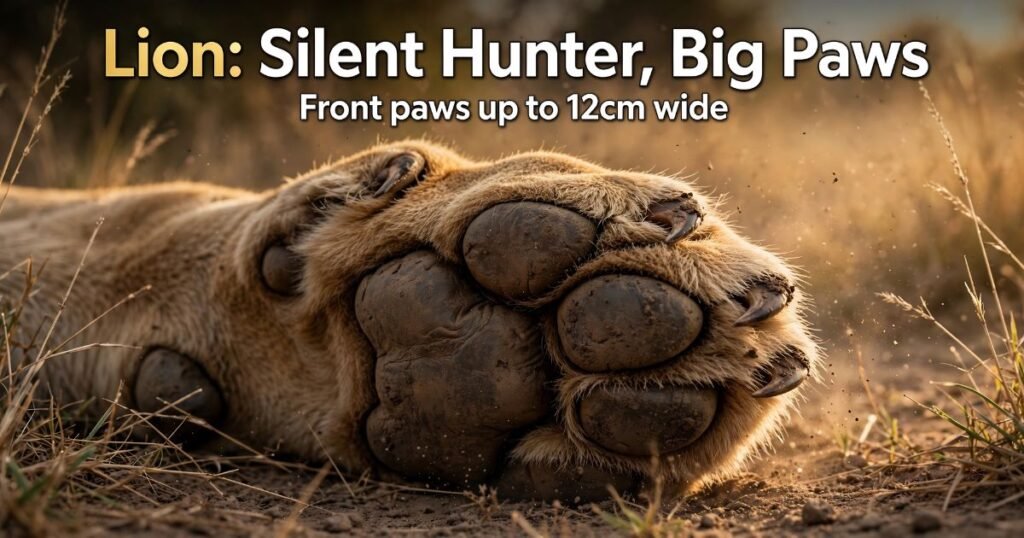
A lion’s long feet provide exceptional traction and speed, enabling them to launch intense, short bursts of energy while chasing down prey.
The social structure of lions sets them apart. Living in prides allows for collaborative hunting strategies, highlighting their intelligence and social skills. The dynamics within a pride often reflect complex relationships, showcasing a blend of strength and strategy.
Polar Bear
Scientific name: Ursus maritimus
Class: Mammalia
Diet: Carnivore
These are the quintessential big feet animals of the Arctic, fascinated with its majestic presence. These powerful creatures have adapted remarkably to their icy environment, leveraging their massive, furry paws that act as natural snowshoes, distributing weight and preventing them from sinking into the snow.
Their size is not just for show; those big feet enhance their ability to traverse vast expanses of frozen terrain, making them exceptional hunters. What’s truly captivating is their hunting prowess.
Polar bears have developed a keen sense of smell, capable of detecting seals from nearly a mile away, even beneath thick layers of ice. As they roam their frigid habitat, every step taken by these magnificent big feet animals tells a tale of survival and adaptation.
Giraffe
Scientific name: Giraffa camelopardalis
Class: Mammalia
Diet: Herbivore
The giraffe, renowned for its towering height, also holds the title of one of the most fascinating animals with big paws on Earth. Those large, rounded hooves are for show; they provide a solid base for their long legs, allowing these majestic creatures to cover vast distances in search of food.
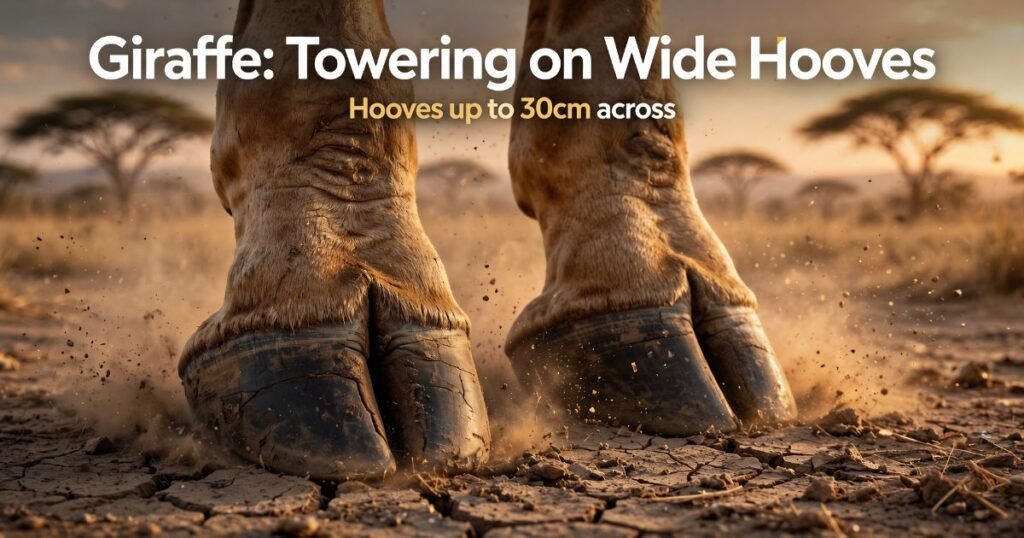
Their feet can create a significant thumping sound when they roam, a natural percussion that blends seamlessly with the ambient sounds of the savannah. It’s their physical attributes that captivate.
Giraffes possess a unique social structure, often forming groups known as towers. These towers shift fluidly throughout the day, resembling a grand dance of elegance and unpredictability.
Camel
Class: Mammalia
Diet: Herbivore
The camel, Often referred to as the “ship of the desert,” possesses an incredible adaptation that sets it apart on its big feet! But why are these oversized appendages essential? These unique, padded feet enable camels to navigate the shifting sands of arid terrains with remarkable ease.
Camels are remarkable for their physical traits. These creatures embody resilience, thriving in conditions that would challenge most life forms. Hydration, camels can survive without water for weeks, conservatively managing the reserves in their bodies. Many may ask, what animal has big feet?
READ MORE: Top 18 Thickest Skin Animals In The World (With Images)
Elephants
Class: Mammalia
Diet: Herbivore
Majestic giants of the African savannah and Asian forests, elephants wield their incredible size not just as a spectacle, but as a symbol of the intricate connections within ecosystems. Animal feet that can weigh up to 300 pounds are equipped with a unique structure, enabling them to traverse vast distances while minimizing impact on delicate terrains.
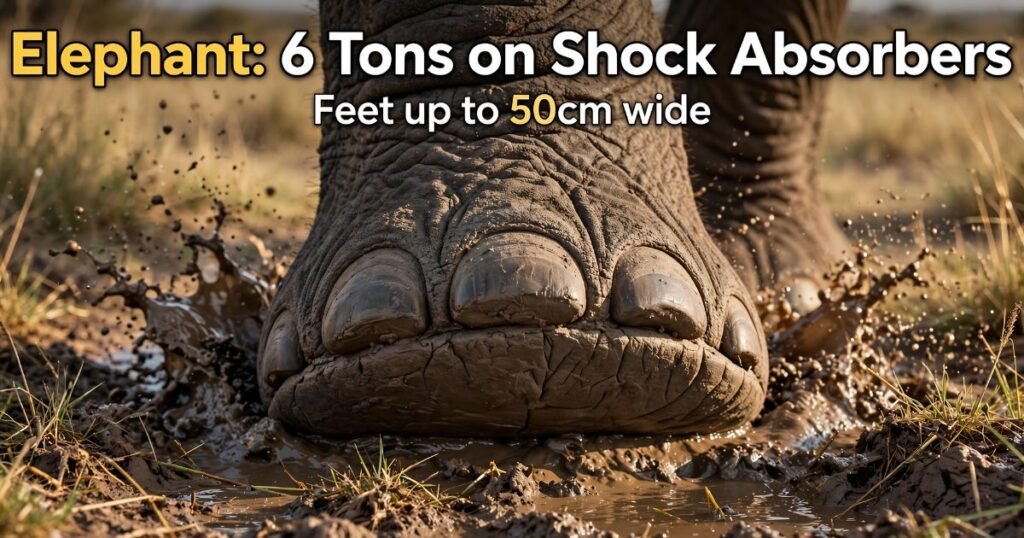
Their physical prowess, elephants exhibit profound social intelligence. These creatures maintain complex familial bonds, showcasing profound empathy and emotional depth, often mourning their dead much like humans.
Moose
Scientific name: Alces alces
Class: Mammalia
Diet: Herbivore
These are the gentle giants of the northern woods, possessing an uncanny ability to thrive in some of the harshest environments. With their unique animal toes, designed for navigating marshy landscapes, they can easily traverse snow and mud alike.
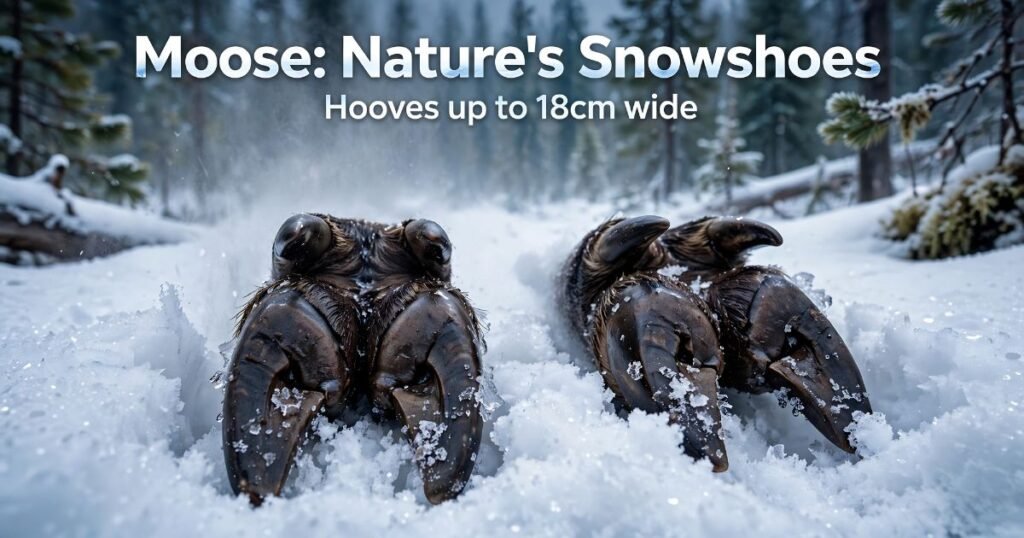
This unique adaptation allows them to forage for food, primarily twigs and aquatic vegetation, even in the most treacherous conditions.
There’s more than meets the eye. These majestic creatures have a rich social life and can often be seen engaging in fascinating behaviours, from playful sparring with their antlers to the profound bonds formed during the calving season.
Gorilla
Scientific name: Gorilla gorilla
Class: Mammalia
Diet: Herbivore
The Gorilla stands as a titan of the animal kingdom, both in size and intellect. With their powerful animal foot, designed for strength and grip, these magnificent creatures navigate their lush habitats with surprising agility.
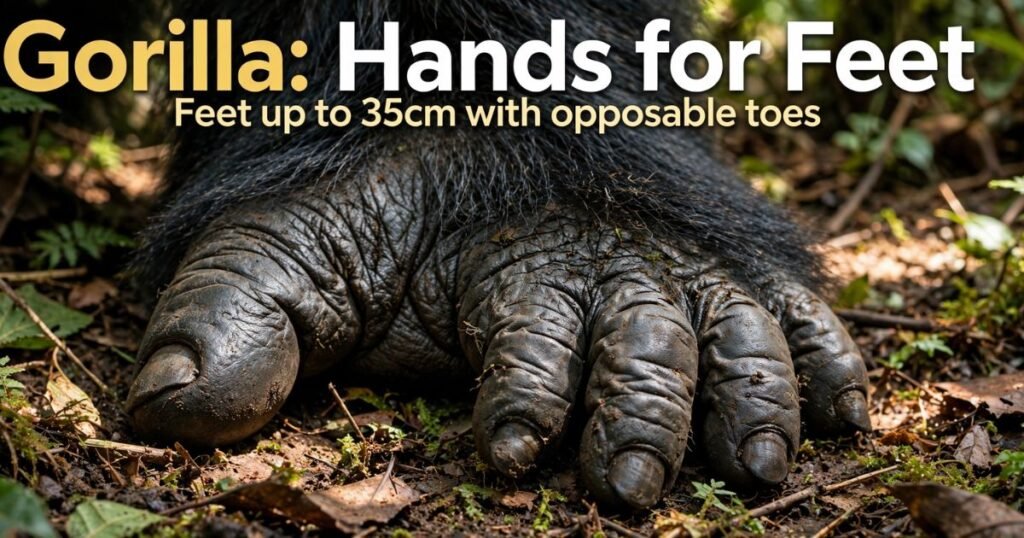
What often goes unnoticed is the intricate social structure within gorilla troops. Each troop is led by a dominant silverback, whose calm demeanor fosters harmony among the group.
These gentle giants exemplify family loyalty, nurturing their young with a tender yet robust care that reflects their profound emotional intelligence.
Final Thoughts
The animal kingdom offers a fascinating array of creatures with broad feet, each uniquely adapted to their environments. The graceful maneuvers of the snowshoe hare to the sturdy presence of the hippopotamus, these animals showcase the incredible benefits of having wide extremities.
Broad feet enhance stability and support, they play a crucial role in activities like swimming, running, and digging. By studying these adaptations, we gain insights into the intricate ways nature balances form and function.
FAQs
What is the most populated living thing on Earth?
The most populated living thing on Earth is arguably the Antarctic krill. These tiny, shrimp-like creatures inhabit the Southern Ocean and can number in the trillions.
Which animal doesn’t fear humans?
Several animals display remarkable tolerance toward humans! One notable example is the domestic cat. Their wild counterparts, these felines feel secure in familiar environments, showcasing a fascinating blend of curiosity and trust.
Which animal is 12 feet tall?
There are no known animals that reach a height of 12 feet in the same way a giraffe or elephant would stand, the closest in comparison are the giraffe, which can reach up to about 18 feet when including their necks, and certain species of elephants that can stand around 10 to 13 feet tall at the shoulder.
What animals have huge feet?
When we think of animals with huge feet, several impressive examples come to mind. The African elephant, boasts feet that can measure up to 20 inches in diameter! Another fascinating creature is the white rhinoceros, which has broad, sturdy feet that can weigh as much as 1,000 pounds each!
Which animal has broad feet?
Broad feet, the hippopotamus stands out prominently. These magnificent creatures possess feet that are wide and uniquely adapted to their aquatic environment.