Top 15 Animals With Big Foreheads (With Images)
Ever wondered why certain animals have remarkably large foreheads. These distinctive features are not just for show; they often provide advantages in terms of protection, communication, and hunting strategies.
In this article, we’ll explore the top 15 animals with big foreheads, highlighting their unique adaptations and the evolutionary reasons behind them. By understanding these fascinating creatures, you’ll uncover the biodiversity of our planet and the remarkable ways animals have evolved to thrive in their environments.
List of Animals With Big Foreheads
The following is the list of animals that have large foreheads.
| No. | Name of Animals with Big Forheads |
| 1 | Sperm Whale |
| 2 | Beluga Whale |
| 3 | Bottlenose Dolphin |
| 4 | Asian Elephant |
| 5 | African Elephant |
| 6 | Bighorn Sheep |
| 7 | Musk Ox |
| 8 | Water Buffalo |
| 9 | American Bison |
| 10 | Gorillla |
| 11 | Chimpanzee |
| 12 | Baboon |
| 13 | Hippopotamus |
| 14 | Hammerhead Shark |
| 15 | Walrus |
Sperm Whale
Scientific Name: Physeter macrocephalus
Class: Mammalia
Diet: Carnivore
The sperm whale, one of the remarkable animals with big foreheads, boasts a distinctive and intriguing anatomy centered around its large, block-shaped head. This forehead, or “melon,” is filled with a fatty substance that aids in echolocation.

The unique shape is not just for show; it plays a critical role in the whale’s ability to navigate the deep ocean and hunt for its primary prey — squid. The melon acts as a lens to focus and direct sound waves, allowing these mammals to communicate and locate food over vast distances under the waves.
Beyond functional benefits, the sperm whale’s imposing forehead has unfurled layers of social and biological complexity. Research suggests that variations in forehead shape among individuals may indicate differences in age or health, thereby influencing mating and social structures within pods.
Bottlenose Dolphin
Scientific Name: Tursiops truncatus
Class: Mammalia
Diet: Carnivore
The Bottlenose Dolphin’s forehead, known as the “melon,” plays a pivotal role in its exceptional navigation and communication abilities. This unique structure is not just a whimsical feature; it’s a multifunctional organ that houses specialized fat deposits, crucial for echolocation.

As these dolphins emit sound waves, the melon helps to focus and modify the outgoing signals, allowing them to detect objects and prey with pinpoint accuracy. It’s fascinating to think of the melon as both a biological lens and a sonar amplifier, showcasing the intricate relationship between anatomy and environmental adaptation in marine animals.
In addition to echolocation, the pronounced forehead contributes to social interaction among Bottlenose Dolphins. Observations have shown that these dolphins can create distinctive whistles, using their melon to project their vocalizations effectively. This capability fosters complex social structures and cooperative behaviors within pods, making them not just solitary hunters but also deeply social creatures.
Related: Thickest Skin Animals
Beluga Whale
Scientific Name: Delphinapterus leucas
Class: Mammalia
Diet: Carnivore
The Beluga Whale, often referred to as the “canary of the sea” due to its vocalizations, showcases a distinct forehead that stands out among marine mammals. Characterized by its prominent melon, or rounded forehead, this adaptation is not merely for aesthetics; it plays a vital role in echolocation.

The melon helps focus sound waves, improving the beluga’s ability to navigate icy waters and locate prey. This unique adaptation places the Beluga among the fascinating group of animals with big foreheads, allowing it to thrive in its frigid habitat.
Intriguingly, the flexible structure of the beluga’s forehead allows for changes in shape, enhancing its acoustic abilities as it communicates and hunts. This flexibility is vital, as it enables the whale to adjust its echolocation capabilities based on the environment, making it a cunning predator in the Arctic waters.
Asian Elephant
Scientific Name: Elephas maximus
Class: Mammalia
Diet: Herbivore
The forehead of the Asian elephant is a remarkable feature, distinctively shaped with a gentle curve that signifies its incredible intelligence and social structure. Unlike their African counterparts, Asian elephants possess a smoother forehead profile, adorned with subtle indentations that serve as unique identifiers for individual animals.
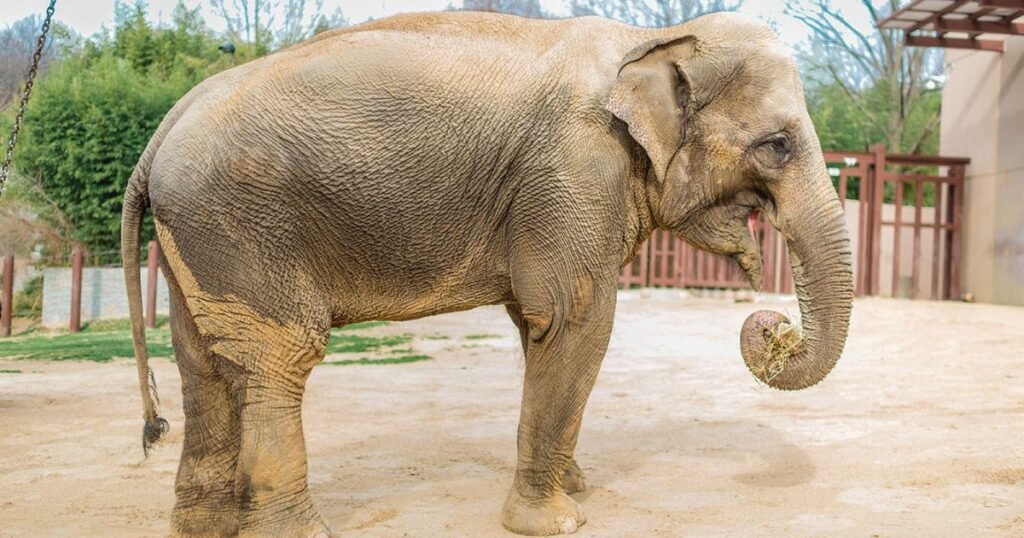
These features are not merely cosmetic; they play a crucial role in their social interactions and communication, allowing them to express emotions and establish hierarchies within their herds.
The forehead region also houses the intricate network of blood vessels important for thermoregulation. Asian elephants, among the animals with big foreheads, utilize this area to help cool their bodies in the sweltering climates of their habitats. As they flap their large ears, blood circulates more freely, allowing heat to dissipate efficiently.
Bighorn Sheep
Scientific Name: Ovis canadensis
Class: Mammalia
Diet: Herbivore
Bighorn sheep are fascinating animals not just for their impressive horns but also for their prominent forehead characteristics. These striking features serve as both a physical and social indicator.
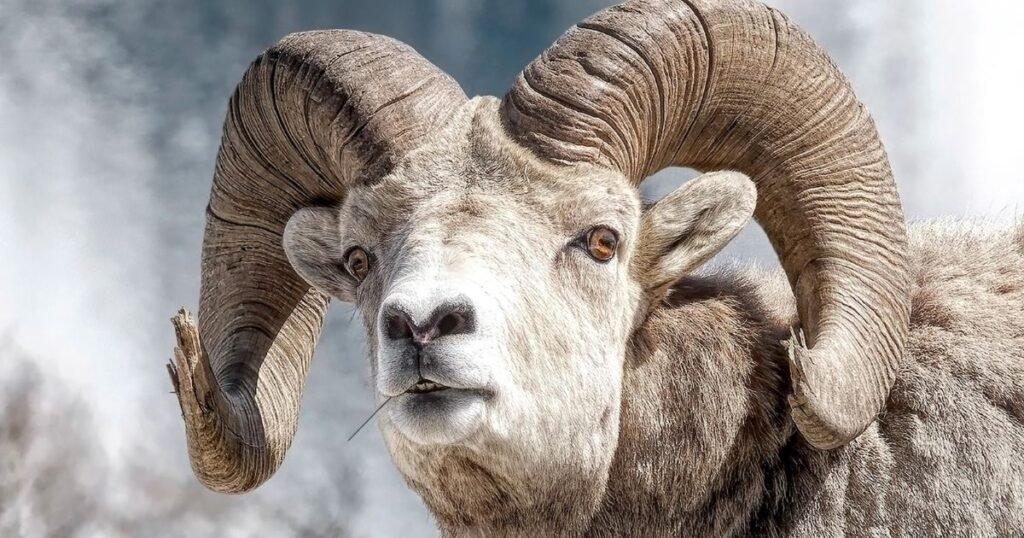
The forehead’s broad and pronounced shape is designed to help stabilize the head during head-butting contests, a crucial behavior in establishing dominance and attracting mates. In this regard, the bighorn sheep’s forehead acts as a remarkable evolutionary adaptation, demonstrating how physical traits can influence social dynamics within their herds.
The forehead’s characteristics extend beyond mere aesthetics; they play a pivotal role in survival. A well-defined forehead helps enhance the sheep’s overall head stability, allowing them to navigate rocky terrains with agility. This stability is paramount in the rugged habitats they occupy, where swift and agile movement can be the difference between life and death.
Musk Ox
Scientific Name: Ovibos moschatus
Class: Mammalia
Diet: Herbivore
Their broad, robust foreheads are not just for show; they play a crucial role in their survival. This pronounced feature houses strong cranial bones, which enable the oxen to withstand the rigors of their harsh habitat, especially during fierce mating battles where males clash their heads in a display of strength and dominance.
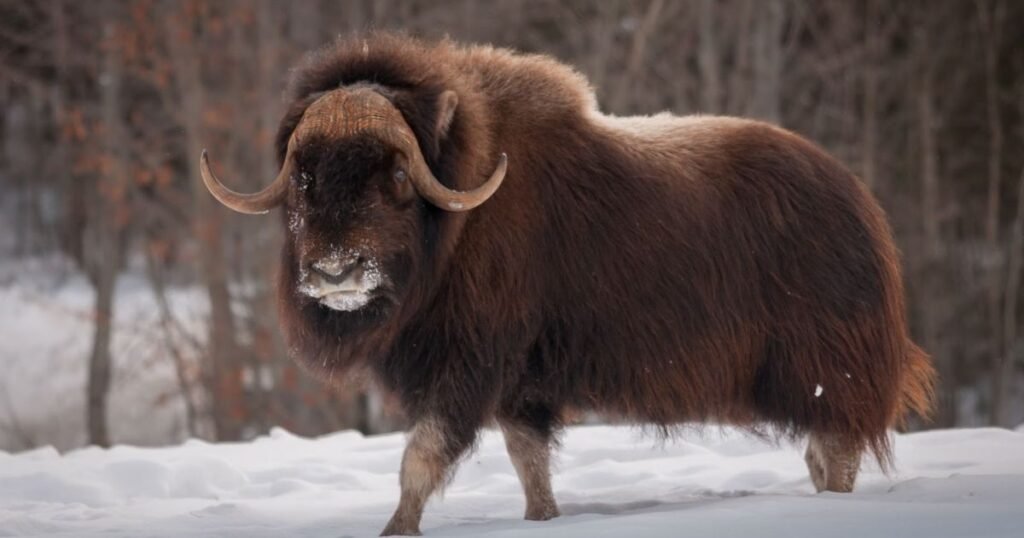
Beyond brawn, these prominent foreheads also serve a fascinating social function. The distinctive shape aids in thermoregulation by allowing the animals to better control heat dissipation during intense cold spells while maintaining their core warmth.
The uplifting structure creates a unique silhouette against the stark landscapes they inhabit, enhancing their visual presence and social interactions within herds. In a realm where survival hinges on adaptation, the Musk Ox’s forehead speaks volumes about the intricate balance between form and function in nature.
African Elephant
Scientific Name: Loxodonta africana
Class: Mammalia
Diet: Herbivore
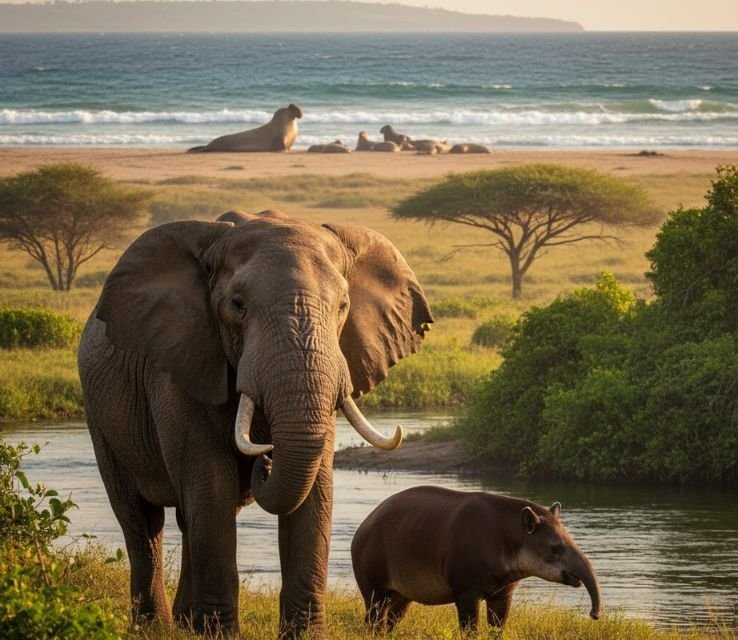
The forehead of the African elephant is more than just a prominent feature; it serves as a canvas that displays the creature’s age and maturity. Unlike many animals with big foreheads, the African elephant’s forehead is broad and rounded, reflecting both its impressive size and emotional depth.
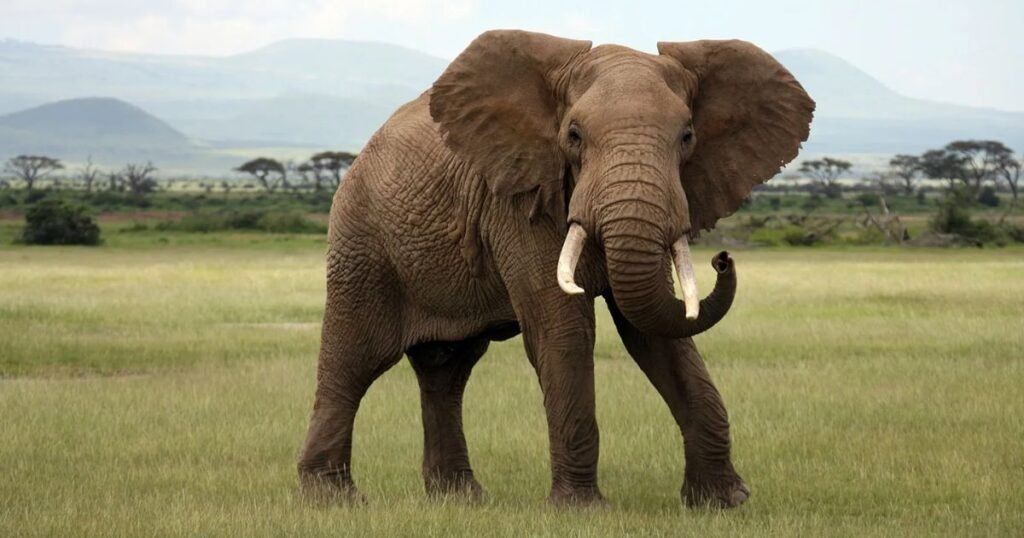
This expansive area houses numerous muscles that enable the animal to express a range of emotions, from playfulness to aggression, showcasing a complex social intelligence. The forehead is adorned with subtle wrinkles and folds that tell a story of resilience and survival. These characteristics contribute to the elephant’s remarkable ability to retain water, a crucial resource in its arid habitat.
The wrinkles capture moisture from the air and rain, helping these magnificent beings adapt to their environment. Ultimately, the forehead is not just a defining physical trait; it embodies the ancient wisdom and rich communal bonds that African elephants maintain within their herds.
Related: Top Muscular Animals in the World
Water Buffalo
Scientific Name: Bubalus bubalis
Class: Mammalia
Diet: Herbivore
The prominent forehead of this robust creature serves as a distinguishing feature, reflecting not only its strength but also its rich cultural significance in various regions. This broad expanse of bone aids in supporting formidable horns that can stretch impressively, enhancing its ability to fend off predators and compete for mates.
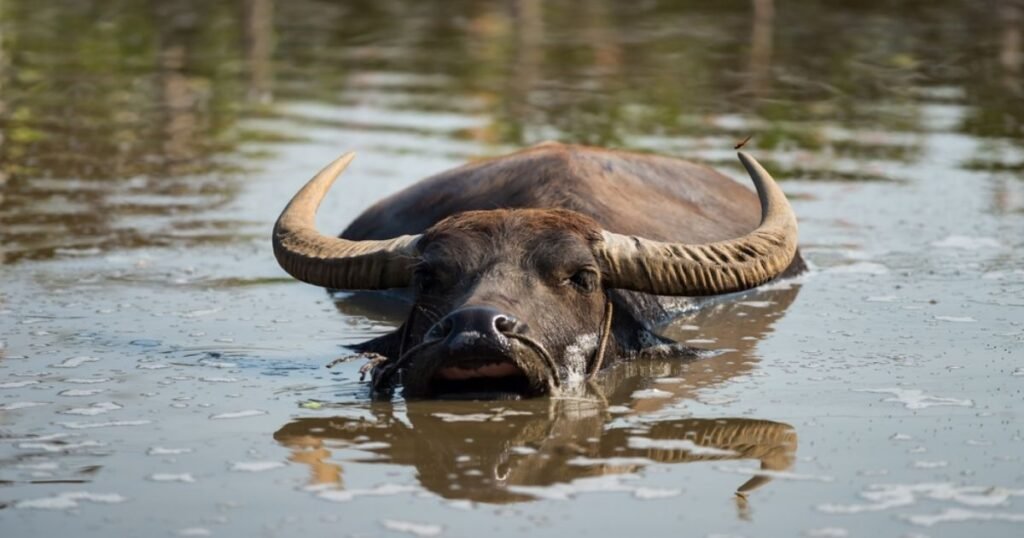
Beyond aesthetics, the forehead’s shape is also functional; it provides a stable platform for the head, allowing for efficient grazing in the wetlands and marshy areas that the Water Buffalo often navigates. , the forehead’s prominence is indicative of the animal’s evolutionary history, as it mirrors adaptations found in other large herbivores.
These features not only help them assert dominance within herds but also facilitate social interactions among individuals, showcasing their intricate behavioral patterns. As we explore the diverse adaptations among animals with big foreheads, the Water Buffalo stands out, reminding us of the elegant interplay between form and function in nature.
Read Also: Deaf Animals and their Adaptations
American Bison
Scientific Name: Bison bison
Class: Mammalia
Diet: Herbivore
The forehead of the American bison is a striking feature that greatly contributes to its imposing presence. Characterized by a pronounced hump, this area supports a powerful neck and massive skull, enabling the bison to be both a formidable grazers and resilient against harsh weather.
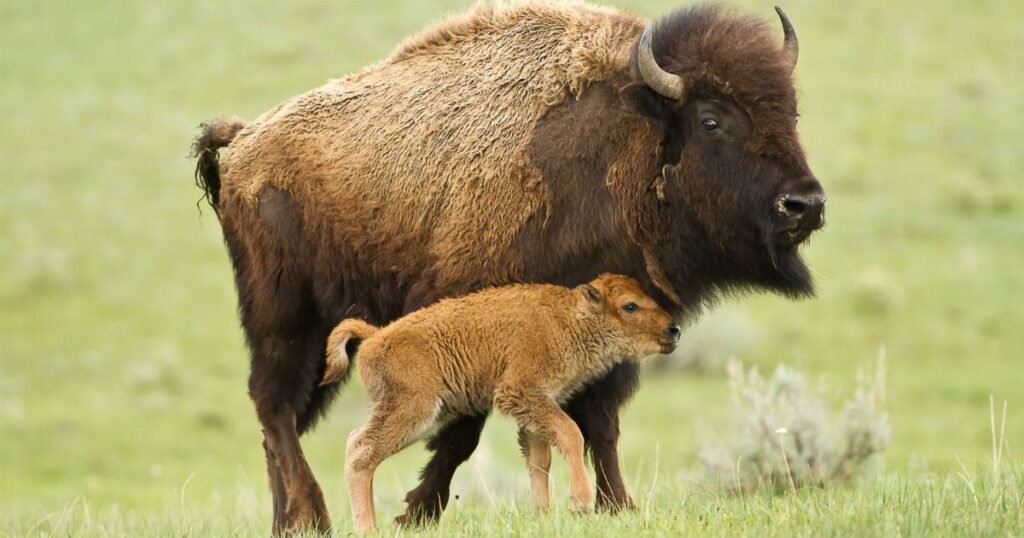
This physical adaptation also serves a critical function in social dynamics — individuals display dominance through head-butting contests. In these encounters, the size and strength of the forehead become pivotal; a larger forehead is often synonymous with increased authority within the herd.
Among animals with big foreheads, the American bison exemplifies how form shapes function. Their robust heads house strong jaw muscles essential for grazing on tough grasses and sundry vegetation.
The forehead’s muscular structure aids in thermoregulation, helping them withstand extreme temperature fluctuations. This unique fusion of strength and adaptability reminds us that even in a world of giants, every characteristic serves a distinct purpose in survival and social cohesion.
Gorillla
Scientific Name: Gorilla gorilla
Class: Mammalia
Diet: Herbivore
The forehead of a gorilla is a striking feature that offers more than just aesthetic appeal; it serves as a window into their behavior and biology. Characterized by pronounced brow ridges, these foreheads are not merely for show; they play a significant role in social dynamics.
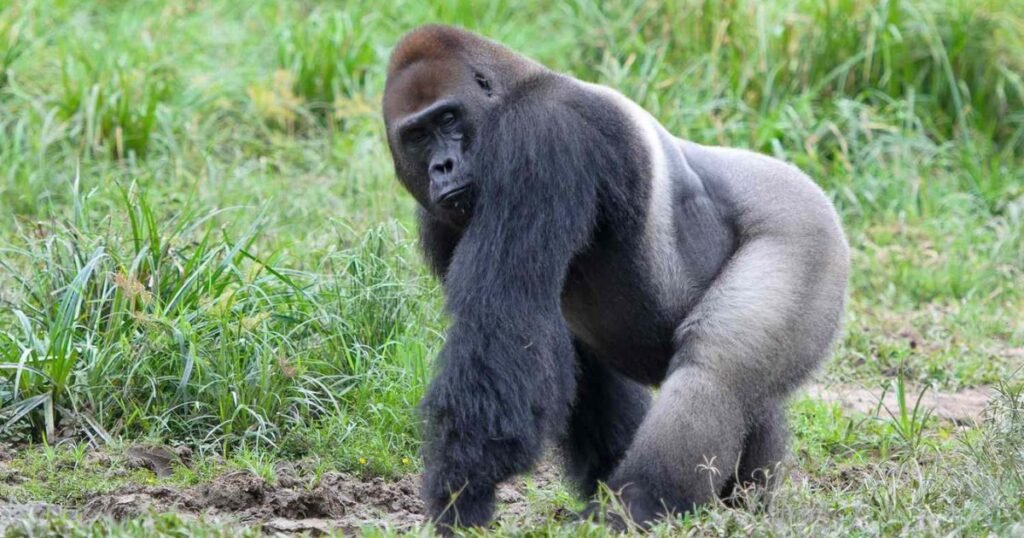
In the wild, the contour and size of a gorilla’s forehead can indicate dominance and maturity, with larger foreheads often found in older, more seasoned males. This physical trait enhances their ability to convey emotions and intentions, allowing for nuanced interactions within their social groups.
Beyond social signaling, the forehead’s robust structure supports the complex musculature required for their powerful jaw. As one of the prominent animals with big foreheads, gorillas utilize their strong jaw muscles for a herbivorous diet, largely comprised of tough vegetation. This heavy-set forehead contributes to their impressive biting strength and aids in foraging.
Chimpanzee
Scientific Name: Pan troglodytes
Class: Mammalia
Diet: Omnivore
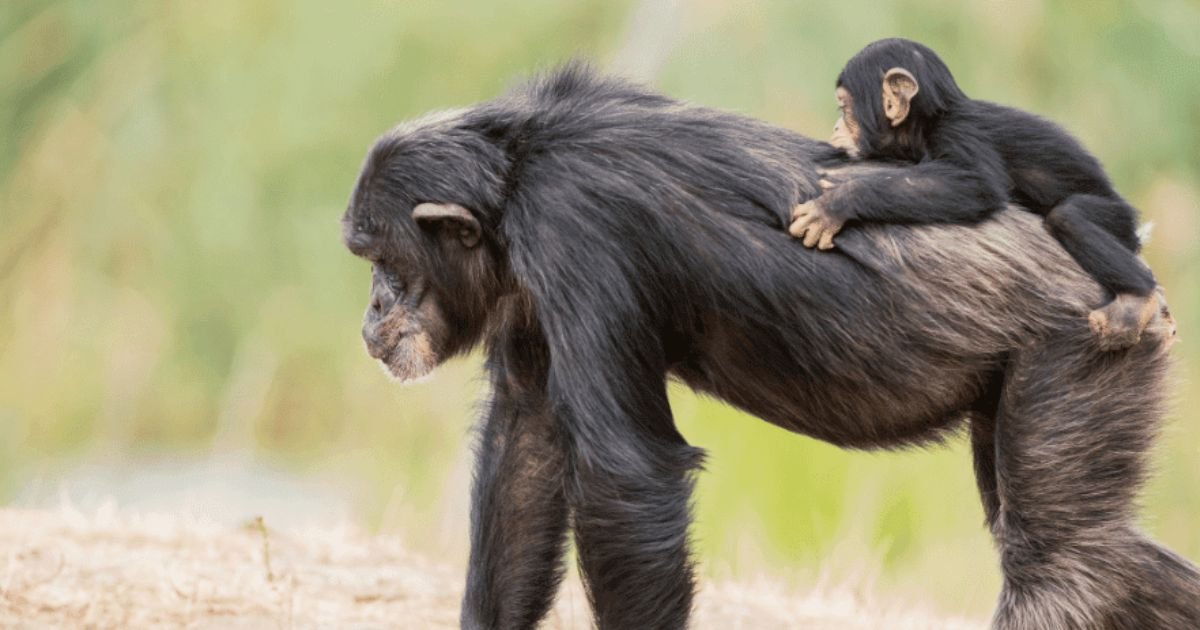
Chimpanzees, among the animals with big foreheads, showcase a fascinating array of characteristics tied to their pronounced frontal brow. This unique feature is not merely aesthetic; it plays a vital role in their social interactions and communication.
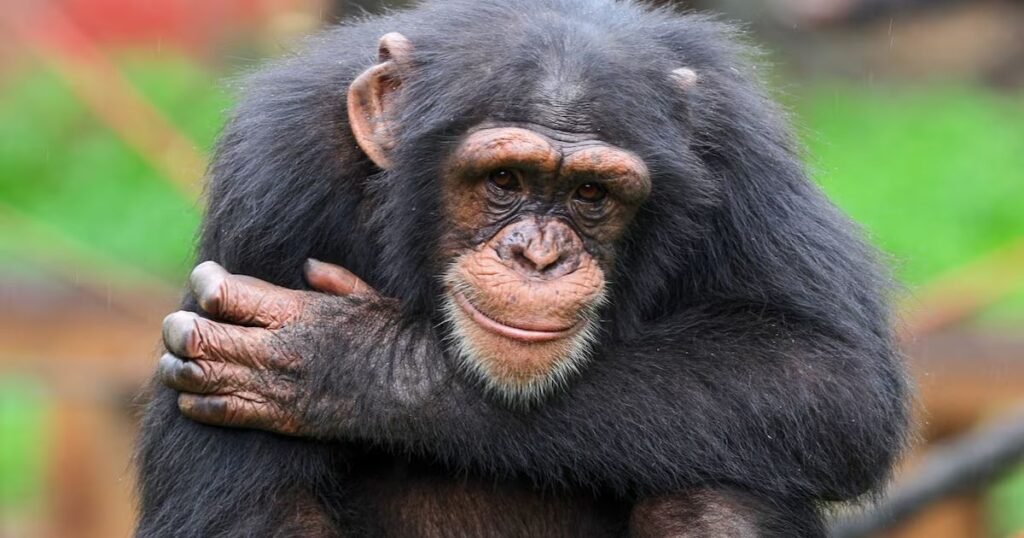
The forehead’s prominent brow ridge serves as a canvas for expressive facial movements, allowing these intelligent primates to convey emotions like joy, aggression, or curiosity with remarkable clarity.
, the forehead’s shape contributes to the overall structure of the skull, which houses a larger brain relative to body size compared to many other mammals. This increased cranial capacity supports advanced cognitive abilities, such as problem-solving and tool use, marking chimpanzees as one of humanity’s closest relatives.
Baboon
Scientific Name: Papio anubis
Class: Mammalia
Diet: Omnivore
The forehead of a baboon is a striking feature that sets them apart from many other primates. With their pronounced, elongated brows, baboons exhibit a remarkable range of expressions, using their foreheads to convey emotions that resonate within their social hierarchies.
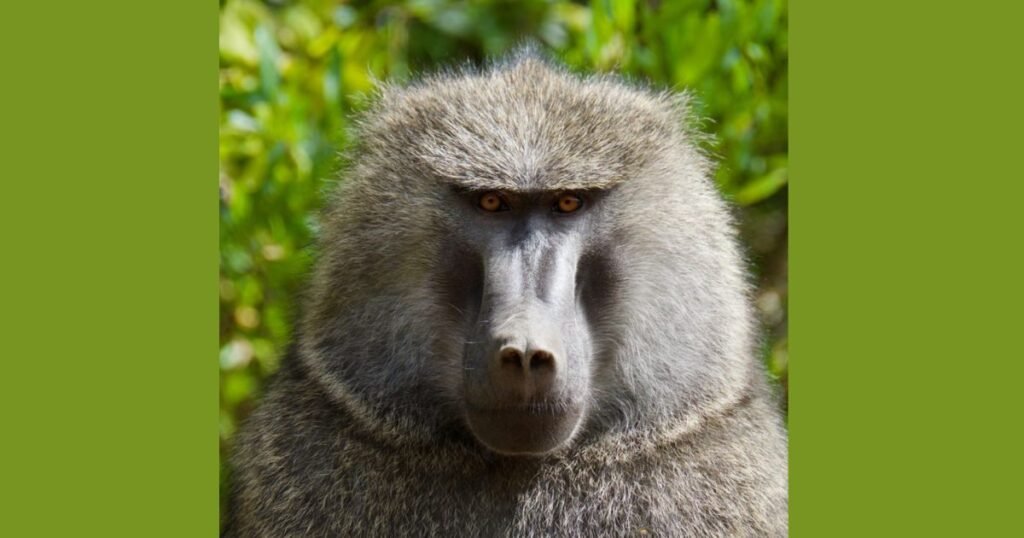
This prominent forehead not only reflects their physical prowess but also serves as a canvas for intricate social interactions, signaling aggression, submission, or curiosity to other members of their troop. Among animals with big foreheads, baboons stand out for their cognitive abilities. The sizeable cranial capacity suggests advanced problem-solving skills and adaptability, enabling them to thrive in varying habitats — from savannas to forests.
Their varied social structures are enhanced by these forehead characteristics, facilitating complex communication through facial gestures and postures. Thus, the baboon’s forehead is more than just a physical trait; it is a vital component of their intelligence and social dynamics.
Hippopotamus
Scientific Name: Hippopotamus amphibius
Class: Mammalia
Diet: Herbivore
Unlike many animals with big foreheads, the hippo’s prominent brow is equipped with enormous, muscular structures that support its massive jaw and the powerful bite needed for grazing on tough aquatic grasses. This adaptation underscores the hippo’s unique ecological niche as a semi-aquatic herbivore, showcasing how anatomy directly influences feeding behavior.
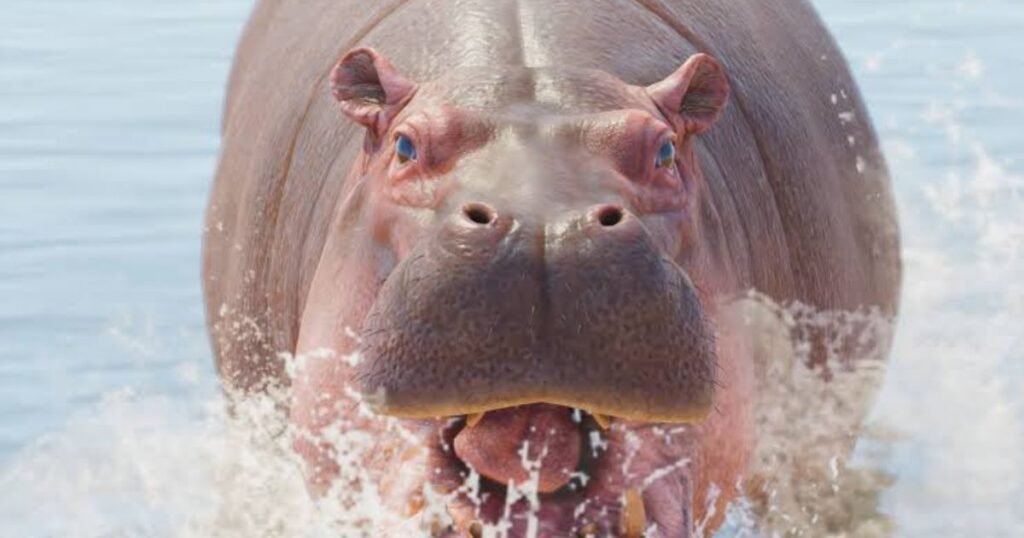
The hippo’s forehead plays a vital role in social interactions within its pods. The large size can be a display of dominance, signaling strength and maturity to rivals and mates alike. Such behaviors emphasize the intricate social dynamics that govern hippo communities, where facial features like the forehead become central to establishing hierarchies and relationships.
By examining these forehead characteristics, we uncover a layer of hippo life that highlights both their physical prowess and their social complexity, making them a fascinating subject in the study of animal behavior.
Hammerhead Shark
Scientific Name: Sphyrna mokarran
Class: Chondrichthyes
Diet: Carnivore
The hammerhead shark, a fascinating member of the shark family, boasts an unmistakable head structure characterized by its distinctive shape, resembling a hammer. This unique forehead design, known as a cephalofoil, serves multiple functions, including enhanced electroreception and improved maneuverability while hunting.

The wide-set eyes provide a broader field of vision, allowing these predators to spot prey from varying angles, making them efficient hunters in their ocean habitats. The forehead characteristics of hammerheads facilitate their social behavior. Unlike many solitary shark species, hammerheads often school together, particularly during mating season.
This grouping may be influenced by their enlarged heads, which help communicate cues with one another through subtle body movements.
Walrus
Scientific Name: Odobenus rosmarus
Class: Mammalia
Diet: Carnivore
One of the most striking characteristics is their pronounced, broad forehead, which plays a pivotal role in communication and social interaction. In their icy habitats, these immense creatures utilize a wide array of vocalizations, and their unique forehead structure aids in producing and amplifying these sounds — something that’s not commonly observed in many animals with big foreheads.

The structure of a walrus’s forehead is not just for show; it serves a critical function in thermoregulation. The thick layer of blubber beneath the skin, combined with the forehead’s shape, helps maintain their body temperature in frigid waters. This adaptation is essential, enabling walruses to thrive in challenging environments where few other animals can.
Final Thoughts:
The fascinating world of animals with big foreheads showcases the incredible diversity of adaptations in the animal kingdom. These unique features often serve specific purposes, from aiding in social interactions to enhancing survival strategies in their respective environments.
Whether it’s the impressive size of a hippopotamus’s head or the charming appearance of a pufferfish, each species offers a glimpse into nature’s creativity. As we continue to observe and study these remarkable creatures, we can gain a deeper appreciation for their roles in the ecosystem.
FAQ’S
What Animals have Big Foreheads?
An animal with a big forehead typically has a pronounced forehead that is proportionally larger compared to the rest of its head, often impacting its appearance and behavior.
Why do Some Animals have Larger Foreheads?
Larger foreheads can provide more space for the brain, enhance sensory perception, or accommodate specialized structures like horns or antlers.
Are Big Foreheads Animals Show Sign of Intelligence?
While a larger forehead may signal space for a larger brain, intelligence depends on various factors, including brain structure and environmental adaptability.
Which Animal has the Biggest Forehead Relative to its Body Size?
The capybara is often cited as having one of the largest foreheads relative to its body size, with a distinctive head shape.