Explore Top 15 Animals That Waddle (With Images)
Animals That Waddle are known for their cute, side-to-side walking style that makes them instantly recognizable and often adorable. This unique movement is usually caused by body shape, short legs, or flippers, and it helps these animals stay balanced on land. In this article, we explore the top 15 animals that waddle, complete with images and fun facts that explain why waddling is the perfect way for them to move.
List of Animals That Waddle
Below is the list of animals that waddle:
| Number of Animals | Names of Animals That Waddle |
| 1 | Ducks |
| 2 | Geese |
| 3 | Pigeons |
| 4 | Cormorants |
| 5 | Turtle |
| 6 | Dachshunds |
| 7 | Polar Bear |
| 8 | Penguins |
| 9 | English Bulldogs |
| 10 | Swans |
| 11 | Chicken |
| 12 | Pomeranians |
| 13 | Seals |
| 14 | Pembroke Welsh Corgis |
| 15 | Walrus |
Ducks
Scientific Name: Anas platyrhynchos
Class: Aves
Diet: Omnivore
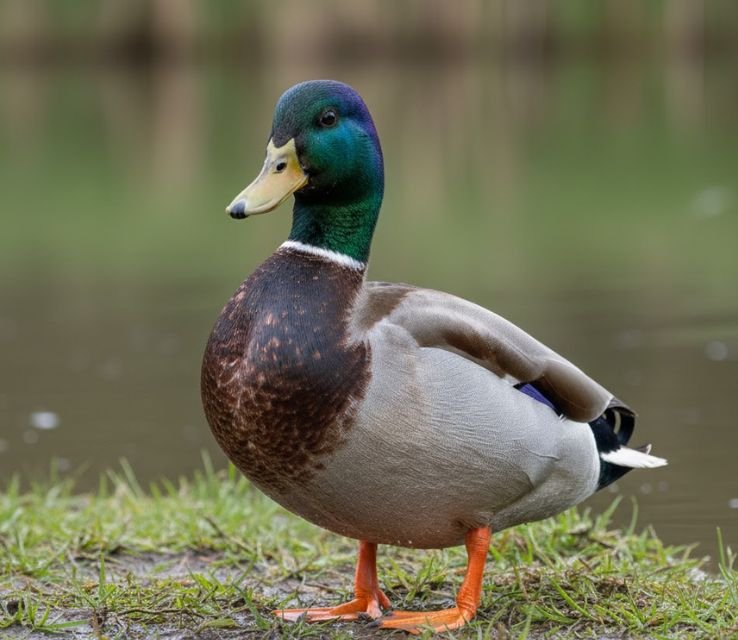
Ducks, those charming waterfowl known for their distinctive waddle, encapsulate nature’s delightful quirks.
Their gait, a rhythmic sway powered by their short legs and broad bodies, seems almost like a dance, perfectly adapted for life on land and water.
Observing a duck navigate the terrain is about more than just movement; it’s a mesmerizing blend of grace and clumsiness that invites us to appreciate the wonders of evolution.
Their physicality, ducks possess intriguing social structures. Their quacking communicates a range of emotions, from alarm to affection, making them surprisingly expressive creatures.
Often seen in pairs or small groups, these birds engage in playful behavior, showcasing their intelligence and social bonds a reminder that life in the animal kingdom is rich with connection and interaction, even for those that seem simply waddly at first glance.
Geese
Scientific Name: Anser anser
Class: Aves
Diet: Herbivore
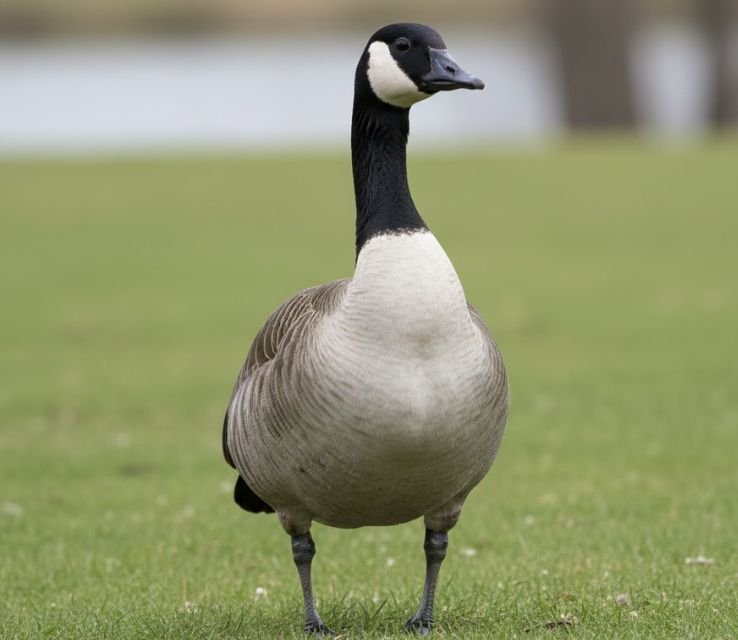
Geese, with their distinctive waddling gait, exude a charm that captivates both birdwatchers and everyday observers.
Their waddling isn’t merely a quirky quirk; it reflects their adaptations to a semi-aquatic lifestyle. The unique structure of their legs and bodies allows them to navigate both land and water efficiently, making them adept foragers whether they’re grazing on grass or dabbling for aquatic plants.
The communal nature of geese adds depth to their waddling escapades. Whether honking in formation during migrations or lounging in a park, they often engage in subtle social interactions that reveal complex social hierarchies.
Watching a gaggle traverse a pathway is not just about the delightful way they waddle; it’s an insight into their rich social lives, showcasing cooperation and communication that many may overlook.
Pigeons
Scientific Name: Columba livia
Class: Aves
Diet: Granivore
Pigeons, often overlooked in urban landscapes, possess a unique charm that elevates their waddle to a delightful spectacle.
These birds have an endearing gait marked by a deliberate bobbing of their heads, a trait that aids in depth perception.
Each step they take is a dance of both grace and awkwardness, making their movement intriguing to observe.
What’s particularly fascinating is how their waddle serves a purpose beyond mere mobility. Pigeons are incredibly social creatures, and their distinctive walk draws attention, helping them engage with one another in bustling environments.
Their adaptability to city life, coupled with this charming mode of movement, signifies more than just survival; it reflects their deep-rooted connection with human habitats.
Cormorants
Scientific Name: Phalacrocorax carbo
Class: Aves
Diet: Carnivore
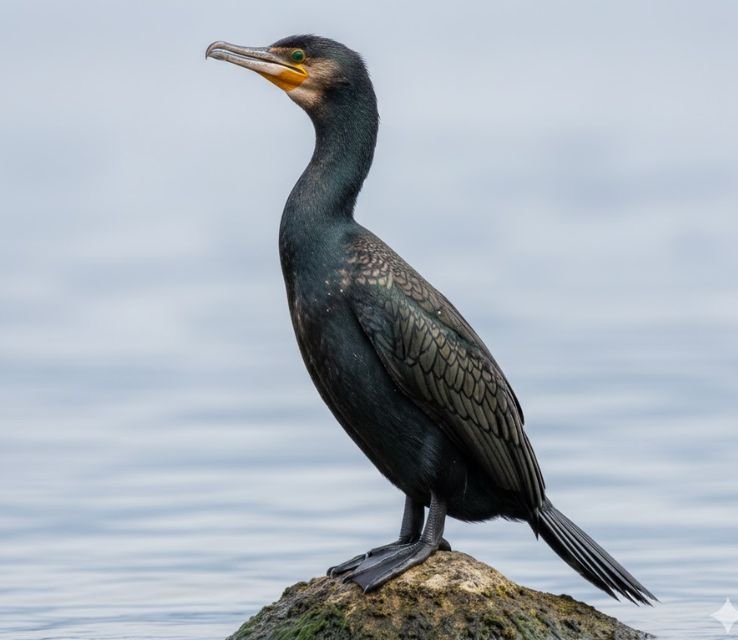
Cormorants, with their striking appearance and remarkable adaptability, are a sight to behold as they waddle across rocky shorelines.
Their unique gait not entirely a waddle but certainly not a graceful glide stems from their heavy bodies designed for diving rather than walking.
This clumsy, charming movement contrasts sharply with their fluid swimming abilities, where they expertly dive beneath the waves in search of fish.
Witnessing a cormorant emerge from the water, water droplets shaking off its sleek plumage, adds to the allure, showcasing the dichotomy of their life above and below the surface.
Their waddling antics, cormorants receive little of the spotlight enjoyed by other seabirds. Yet, their role in the ecosystem is invaluable; they act as indicators of marine health, signaling changes in fish populations and water quality.
Observing a cormorant can lead to contemplations on the delicate balance of aquatic ecosystems and the impact of human activities on these environments.
They perch with wings outstretched, drying in the sun, one might reflect on the intersection of resilience and vulnerability that is evident in these beautiful birds’ lives a reminder of nature’s intricate tapestry.
Turtle
Class: Reptilia
Diet: Omnivore
When you think of waddling creatures, turtles might not be the first to come to mind. Yet, this ancient reptile embodies a waddle that transcends the simple act of movement.
Their heavy shells and stumpy legs, turtles navigate the world with an endearing awkwardness that captivates observers.
They plod along, their waddling gait represents a slow-and-steady approach to life an embodiment of patience in a fast-paced ecosystem.
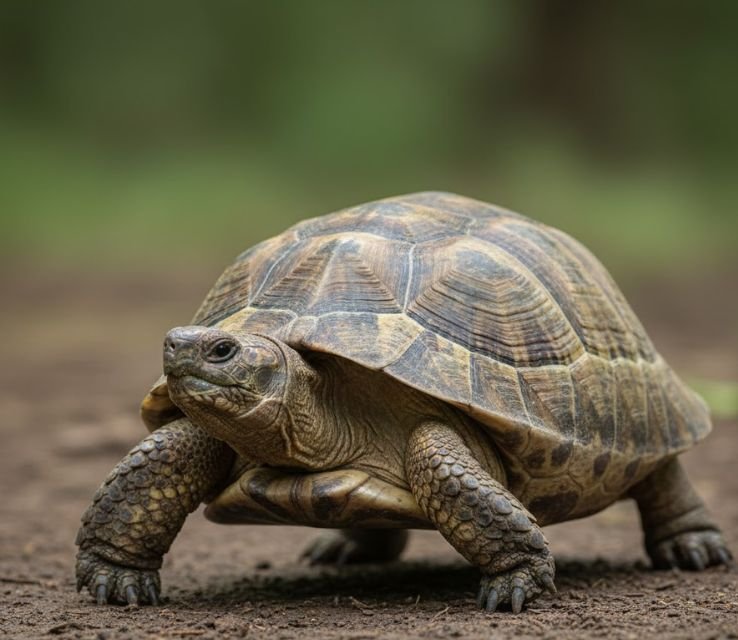
The turtle’s waddling is not just about movement; it’s also a strategic adaptation. Their low center of gravity allows them to maintain stability while traversing uneven terrain, whether it be sandy beaches or rugged forest floors.
This unique locomotion also hides a fascinating aspect of their survival: beneath the surface of their cute exterior lies a masterful strategy for evading predators.
With their subpar speed, turtles rely on their tough shells and cautious demeanor to outlast threats rather than outrun them, making their waddling a form of resilience in a world where speed often bulks up survival chances.
Dachshunds
Class: Mammalia
Diet: Omnivore
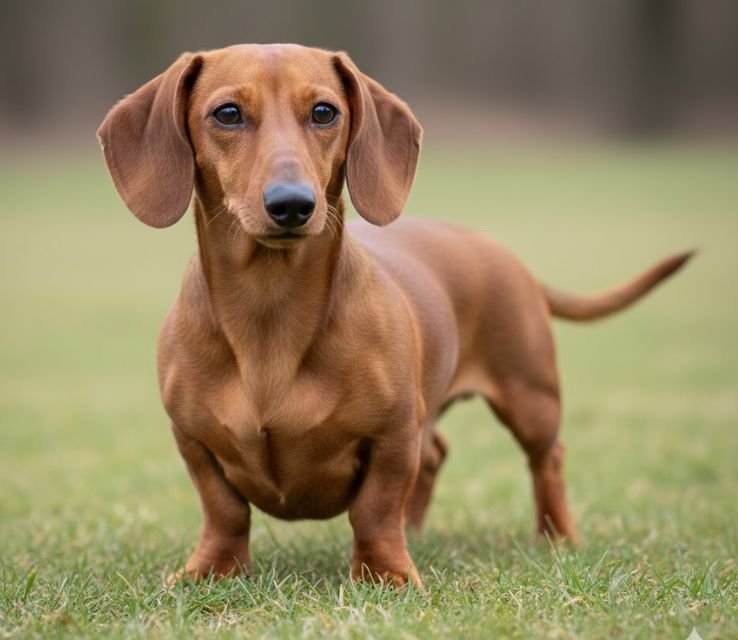
Dachshunds, with their unique body shapes and playful spirits, embody the waddle in a truly endearing fashion.
Their elongated torsos and short legs create a distinctive gait that is both comical and charming. As they trot along, their characteristic wiggle, which comes from their attempt to balance their bodies, not only draws smiles but also showcases their tenacious personality.
It’s as if each waddle is a declaration of their unyielding determination, reminding us that no matter your shape or size, confidence is key.
Their physical grace or lack thereof Dachshunds possess a rich history that enhances their waddling charm.
Originally bred for hunting badgers, their unique build allowed them to burrow into dens and chase prey.
This heritage not only sheds light on their spirited nature but also offers a glimpse into why they approach life with such gusto.
Each waddle is a nod to their adventurous past, a reminder of their tenacity in pursuit of what lies ahead, whether it’s a long-fleeced toy or the allure of a sunny patch on the floor.
The combination of their quirky movement and an unwavering zest for life creates an irresistible allure that keeps us captivated at every playful step.
Polar Bear
Scientific Name: Ursus maritimus
Class: Mammalia
Diet: Carnivore
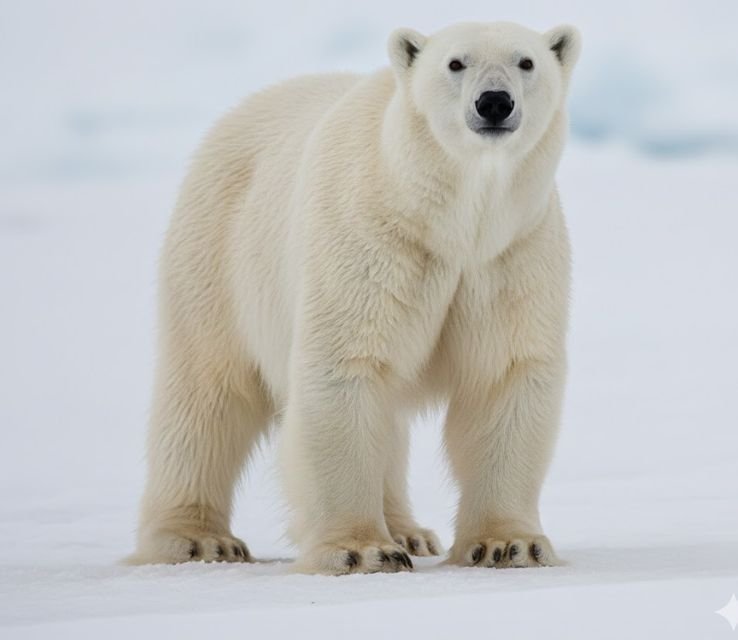
The polar bear, often celebrated for its magnificent white coat and regal presence, has a waddle that is both endearing and functional.
When these towering mammals traverse the icy expanses of the Arctic, their distinctive gait allows them to maintain stability on slippery surfaces, making their movements seem almost deliberate.
This waddle, a blend of intelligence and adaptation, is crucial when hunting seals from the edge of the ice. Each careful step conserves energy, a vital strategy in an environment where every calorie counts.
Their physical appearance, polar bears embody a poignant narrative of resilience. As climate change reshapes their icy habitat, their waddle reflects a new urgency in their search for food.
Observing these magnificent creatures can evoke a deep emotional connection; in the haunting beauty of their movement lies a reminder of the fragility of their existence.
Witnessing a polar bear journeying across vast stretches of ice is not just an encounter with nature, but an invitation to consider our role in preserving the delicate balance of their world.
Penguins
Class: Aves
Diet: Carnivore
Penguins are the quintessential waddlers of the animal kingdom, embodying an endearing clumsiness that contrasts sharply with their adept swimming skills.
They shuffle across icy landscapes, their distinctive gait is not just a charming quirk; it’s a crucial survival adaptation evolved to navigate their often harsh environments.
This unique movement helps conserve energy while traversing expansive stretches of snow and ice, showcasing nature’s remarkable ability to design solutions tailored to specific habitats.
Their delightful waddle, the social lives of penguins provide an intriguing glimpse into sophisticated avian behavior.
These birds gather in large colonies, where they engage in communal activities such as preening and protecting their young.
Their social structures are not merely for companionship; they foster collaboration during breeding seasons and ensure a higher survival rate for chicks.
Observing a colony can reveal a vibrant tapestry of relationships, from courtship displays to cooperative parenting, highlighting the complexities of their interactions that go far beyond their charming exterior.
English Bulldogs
Class: Mammalia
Diet: Omnivore
English Bulldogs are the quintessential waddling companions, their distinctive gait embodying a unique blend of charm and clumsiness.
With bodies that seem a tad too heavy for their stout legs, they shuffle rather than sprint, making their slow-motion antics all the more endearing.
Their broad shoulders and barrel-shaped chests create a lovely juxtaposition with their playful spirit, turning simple walks into a parade of personality.

Their physical appearance, English Bulldogs exhibit a variety of quirky behaviors that enhance their waddling charm.
Known for their stubborn yet goofy demeanor, they often plop down in the middle of a room, seemingly oblivious to their surroundings until they’re ready for action.
This laid-back attitude, combined with their adorable waddle, creates a delightful reminder that sometimes, it’s the journey however leisurely that counts.
Swans
Scientific Name: Cygnus olor
Class: Aves
Diet: Herbivore
Swans, often associated with grace and beauty, reveal a delightful juxtaposition to their elegance when they waddle on land.
These majestic creatures, while known for their serene glide across water, exhibit an endearing clumsiness as they transition from their aquatic realms to the shores.
This awkward waddling can be attributed to their long necks and robust bodies, which, together with their webbed feet, create a unique, almost comical gait that contrasts sharply with the fluidity they display while swimming.
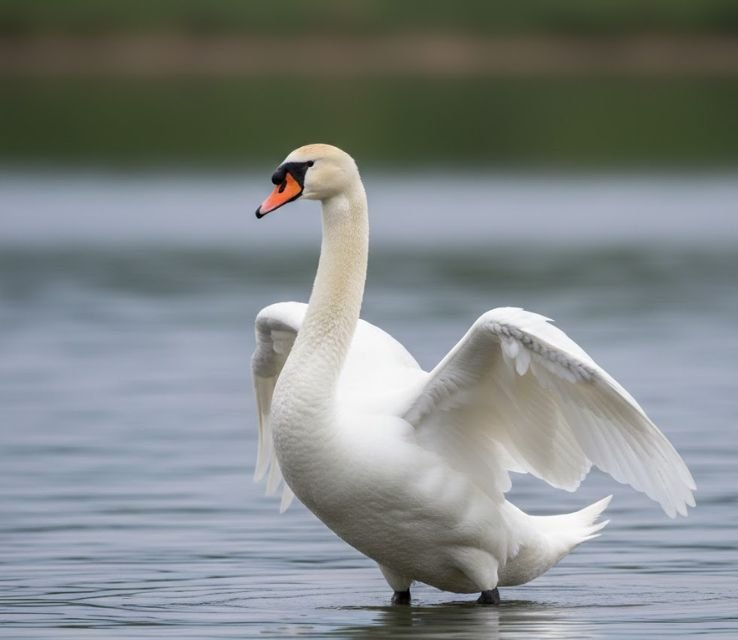
This waddling behavior serves more than just aesthetics; it plays a crucial role in their social interactions.
Swans are highly social animals, often seen moving in pairs or family groups, and their waddling becomes a form of communication, signaling camaraderie and alertness within the flock.
Observing them on land invites a deeper appreciation of their lives beyond the water, emphasizing the delicate balance between their grace and vulnerability.
Chicken
Scientific Name: Gallus gallus domesticus
Class: Aves
Diet: Omnivore
Chickens may not be the first creature that springs to mind when we think of waddling animals, yet their unique gait is both charming and functional.
Their rounded bodies and short legs, these birds often seem to rock back and forth, a delightful dance that accompanies their curious exploration of the world.
This distinctive movement is not merely adorable; it’s a reflection of their natural instincts. Chickens waddle as a way to maintain balance while foraging, allowing their eyes to stay level with the ground as they peck at seeds and insects.
The social dynamics within a flock further amplify this whimsical waddling. When a hen spots a potential food source, that gentle wobble transforms into a more urgent hustle, prompting the others to join in a competitive scramble.
This communal interaction showcases their intelligence and social structure, as each bird communicates through subtle changes in posture and movement.
Observing a flock of chickens can reveal intricate social hierarchies and personalities that add depth to their waddling antics, making each clucky strut a little narrative full of life and engagement.
Pomeranians
Class: Mammalia
Diet: Omnivore
Pomeranians, with their fluffy coats and vibrant personalities, may not be the first animals that come to mind when considering waddlers, yet their adorable gait is undeniably charming.
These small dogs, typically weighing between 3 to 7 pounds, possess a unique way of moving that combines their playful spirit with a bit of wiggle.
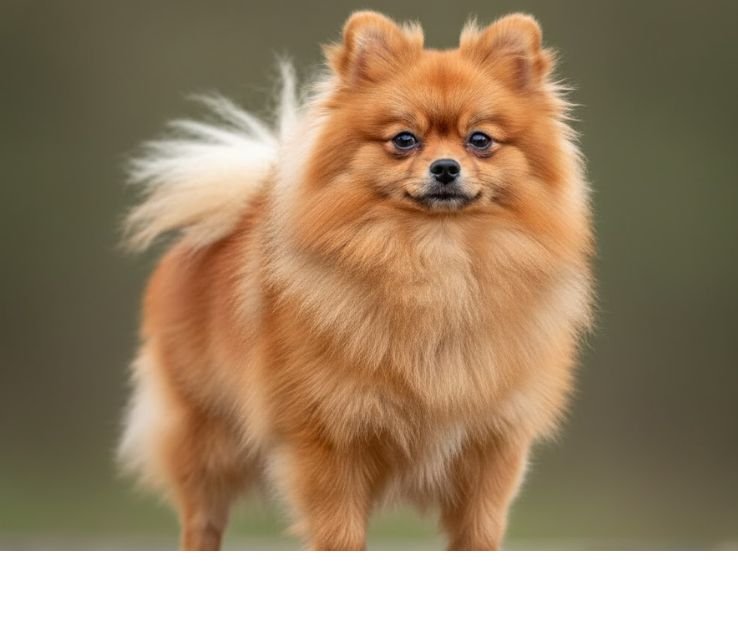
They trot along, their fluffy tails often sway in rhythm, adding a delightful visual twist to their diminutive stature. This whimsical movement not only reflects their buoyant nature but also provides insight into their evolutionary background as descendants of larger spitz breeds.
Observing a Pomeranian waddle brings to light the importance of body language in canine communication.
Their lively strides can convey enthusiasm or even curiosity, while a slower waddle may signal contemplation or a desire to explore their surroundings.
For dog owners, recognizing these nuanced motions can strengthen the bond between pet and person, transforming walks into explorative adventures filled with silent conversations.
Seals
Scientific Name: Phoca vitulina
Class: Mammalia
Diet: Carnivore
Seals are fascinating creatures that combine grace with a unique, endearing waddle when they choose to venture onto land.
Their blubbery bodies and short flippers create an amusing contrast with their agile swimming abilities, showcasing nature’s remarkable adaptability.
On rocky shores or sandy beaches, seals haul themselves out of the water, and their comical, undulating motion can evoke a sense of playful charm, reminding us that even the most majestic animals have their quirks.
Despite their clumsy appearance on land, seals are perfectly engineered for life in the water. Their streamlined bodies are adept at propelling through ocean currents, allowing them to dive deeply in search of fish and squid.
This duality graceful swimmers and awkward waddlers offers a perspective on the evolutionary adaptations that have enabled them to thrive in diverse environments.
Watching them lunge and roll on the shore can inspire a newfound appreciation for the intricate balance of form and function in the animal kingdom.
Pembroke Welsh Corgis
Class: Mammalia
Diet: Omnivore
Pembroke Welsh Corgis are the epitome of waddle, with their short legs and long bodies that seem purpose-built for charming clumsiness.
This unique gait isn’t just an endearing trait; it’s a reflection of their herding background, where agility and speed weren’t necessarily about long strides but rather sharp turns and quick maneuvers.
Watching a Corgi navigate the world with their characteristic sway can feel like a delightful reminder that sometimes, it’s not about how you get there, but the joy you bring along the way.
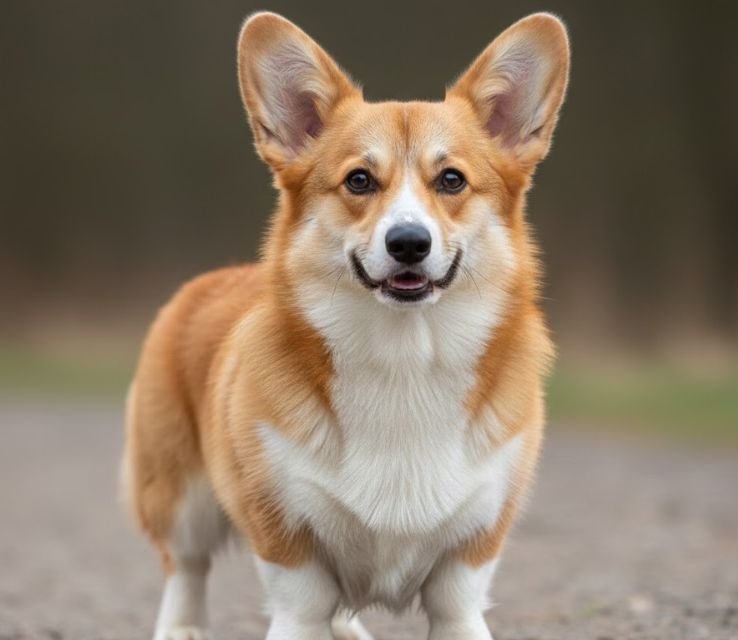
These fluffy companions aren’t just waddling; they are little bundles of personality! Often described as “big dogs in small bodies,” their confidence can make them appear larger than life.
Their playful antics chasing after toys or frolicking in the grass paired with that adorable waddle create moments of pure joy.
Owners often find themselves with laughter-inducing stories of their Corgis misjudging their own speed or persistence, leading to some rather humorous tumbles.
It’s this playful spirit that makes Pembroke Welsh Corgis irresistible, turning even the simplest outing into a heartwarming adventure.
Walrus
Scientific Name: Odobenus rosmarus
Class: Mammalia
Diet: Carnivore
Thewalrus, with its distinctive tusks and blubbery body, epitomizes the art of waddling. Unlike the slick grace of a seal or the streamlined elegance of a dolphin, the walrus boasts a charming, ungainly gait as it hauls itself onto ice or beaches.
This lumbering movement is not just a quirky trait; it speaks volumes about its unique adaptation to life in frigid waters.
Those tusks, which can grow up to three feet long, serve practical purposes beyond mere aesthetics they’re tools for hauling heavy bodies out of the water and a means of defense against predators.
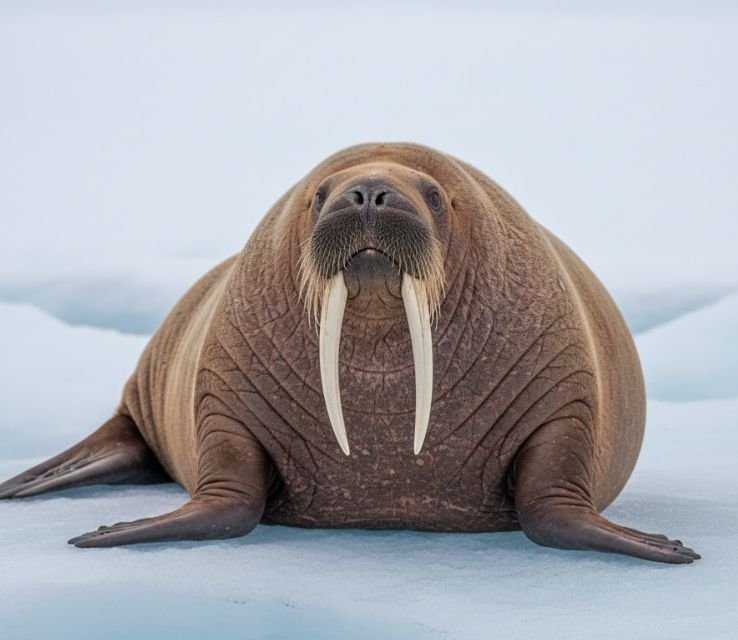
What’s particularly fascinating is how walruses engage in social behavior, often clustering in large groups on the ice.
Their waddling doesn’t hinder their social interactions; instead, it adds a layer of endearing clumsiness to their gatherings.
Watching a group of walruses shift around each other, jostling for position while maintaining a playful demeanor, invites us to appreciate the beauty in their bulky forms.
Final Thoughts
The waddling gait of certain animals adds a distinctive character to the natural world. Whether it’s the playful waddling of seals on the beach or the clumsy run of penguins in the snow, these animals highlight the beauty of adaptation in nature.
Their distinctive movements not only entertain us but also remind us of the diversity that exists within the animal kingdom. By recognizing the importance of these waddling creatures in their ecosystems, we can take meaningful steps toward conservation efforts.
FAQs
What animals are considered waddlers?
Waddlers typically include penguins, ducks, and certain species of bears, among others.
Why do some animals waddle?
Waddling often helps animals maintain balance and stability, especially those with heavy bodies or short legs.
Is waddling a sign of health issues in animals?
Not necessarily; waddling is a natural movement for many species and isn’t always indicative of a problem.
What is the most famous waddling animal?
Penguins are arguably the most famous waddlers, known for their distinctive gait and adorable appearance.
Do waddling animals have specific habitats?
Yes, many waddling animals like ducks and penguins thrive in specific environments such as water bodies or icy regions.