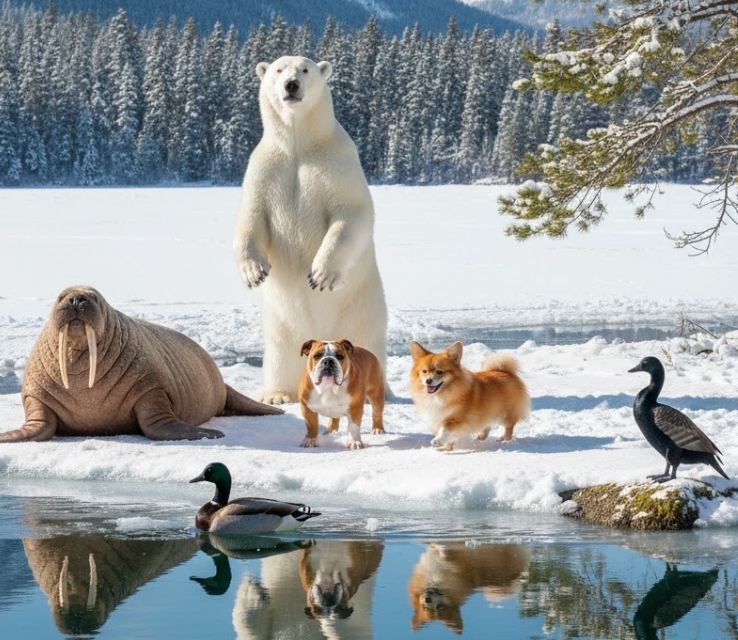
Top 15 Happiest Animals in The World (With Images)
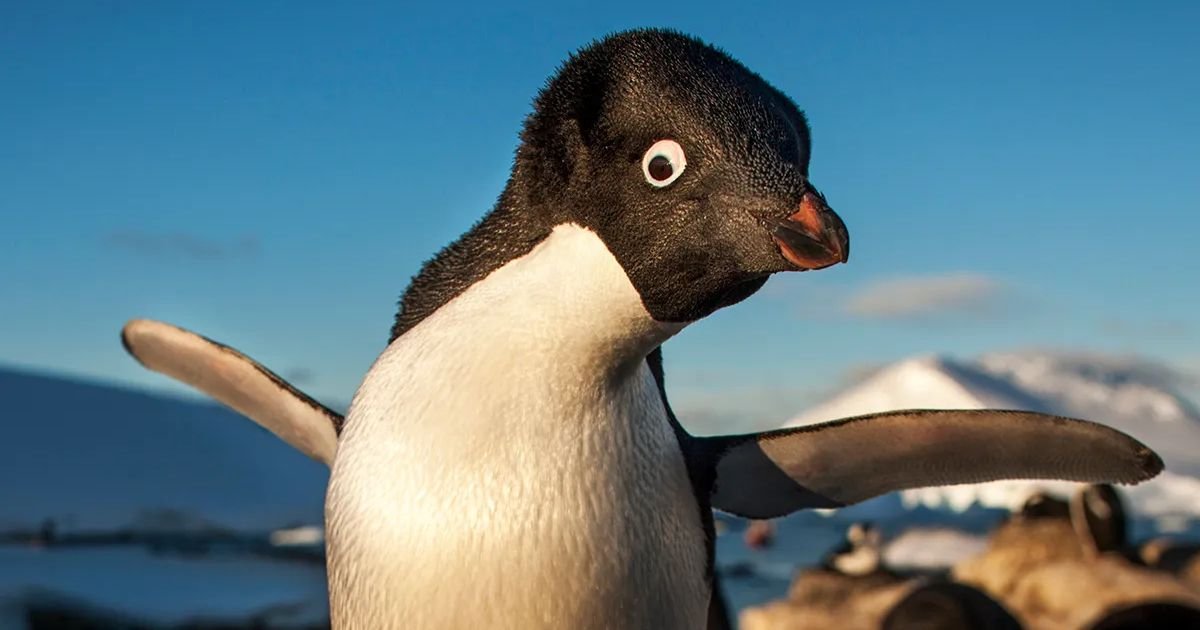
Some animals showcase joy in ways that can leave us in awe. In this article, we’ll explore the Top 15 Happiest Animals in the World, spotlighting those cheerful creatures that lift our spirits. Understanding the traits that make these animals so joyful not only enhances our appreciation for nature and highlights the importance of happiness in the animal kingdom.
Examining these happy animals is not just fascinating; it underscores the vital role that joy plays in the animal kingdom and even in our own everyday lives.
List of Happiest Animals In the World
Following is the list of Happiest Animals on Earth.
| No. | Common NameHappiest Animals | Scientific Name |
| 1 | Quokka | Setonix brachyurus |
| 2 | Bottlenose Dolphin | Tursiops truncatus |
| 3 | Golden Retriever | Canis lupus familiaris |
| 4 | Sea Otter | Enhydra lutris |
| 5 | Meerkat | Suricata suricatta |
| 6 | Red Panda | Ailurus fulgens |
| 7 | Emperor Penguin | Aptenodytes forsteri |
| 8 | Capybara | Hydrochoerus hydrochaeris |
| 9 | Elephant | Loxodonta africana |
| 10 | Rabbit | Oryctolagus cuniculus |
| 11 | Horse | Equus ferus caballus |
| 12 | Alpaca | Vicugna pacos |
| 13 | Koala | Phascolarctos cinereus |
| 14 | Chimpanzee | Pan troglodytes |
| 15 | Harbor Seal | Phoca vitulina |
Quokka
Scientific Name: Setonix brachyurus
Class: Mammalia
Diet: Herbivore
The Quokka, often dubbed the “happiest animal in the world,” embodies joy in its most charming form. With a permanent, cheeky grin and bright, intelligent eyes, this small marsupial from Australia captivates heart and soul alike.
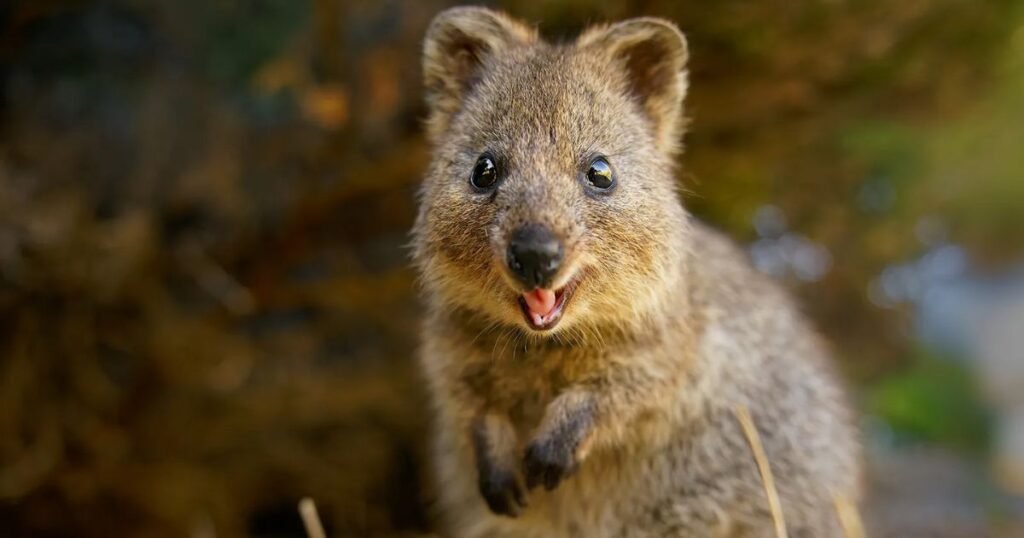
Known for their playful demeanor, Quokkas roam freely on Rottnest Island, where they readily approach humans with an undeniable sense of curiosity and friendliness. This boldness not only amplifies their allure and invites us to marvel at the beauty of connection between species.
What makes the Quokka stand out among the happiest animals on Earth is not just their adorable appearance but their resilient spirit. Despite their small size, these remarkable creatures thrive in social groups, showcasing a sense of community that echoes human values of happiness and companionship.
Bottlenose Dolphin
Scientific Name: Tursiops truncatus
Class: Mammalia
Diet: Carnivore
The Bottlenose Dolphin is a playful spirit captivating anyone fortunate enough to observe its antics. Known for their acrobatic leaps and cheerful clicks, these intelligent marine mammals embody joy, often seen riding the waves alongside boats or frolicking with one another.
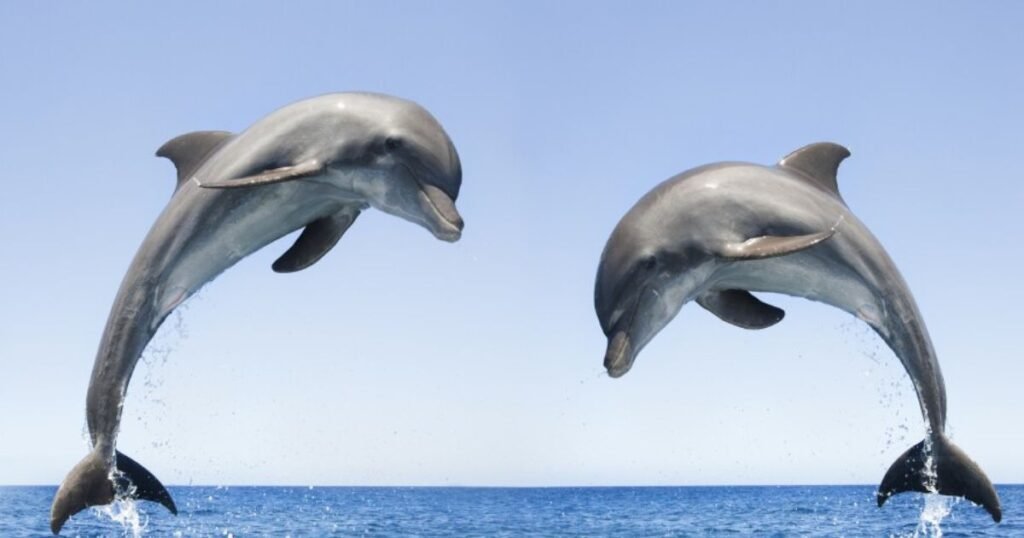
Their complex social structures and strong bonds with family members highlight a deep sense of community, which may be a significant contributor to their unwavering happiness.
They possess an impressive emotional intelligence, often displaying empathy and altruistic behavior toward their peers. This capacity for connection not only enriches their relationships and underscores their status among the happiest animals on earth.
Whether they’re engaging in playful surf or assisting injured companions, these dolphins offer us a glimpse into the power of joy, friendship, and shared experiences in the animal kingdom. Their oceanic world is a vibrant playground, and they remind us that happiness often stems from connection, playfulness, and a deep appreciation for the beauty around us.
Golden Retriever
Scientific Name: Canis lupus familiaris
Class: Mammalia
Diet: Omnivore
Golden Retrievers truly embody the title of the happiest animals in the world. Their exuberant wagging tails and joyful antics make each day feel like an endless celebration of life. With an innate desire to please, these cheerful canines radiate positivity, effortlessly melting hearts wherever they go. Their playful spirit is a reminder of the beauty found in simple moments, whether it’s a game of fetch in the park or a warm cuddle after a long day.

As one of the happiest animals on earth, Golden Retrievers thrive on companionship and love, which only amplifies their joyful nature. These furry pals often find delight in the smallest of things, like a sunny spot on the floor or the sound of a rustling snack bag.
Their boundless energy serves as a testament to living in the moment, encouraging us to embrace our inner child. When we surround ourselves with such happy animals, we not only elevate our spirits and appreciate life’s little joys more deeply.
Sea Otter
Scientific Name: Enhydra lutris
Class: Mammalia
Diet: Carnivore
With their adorable faces and playful antics, these furry marine creatures glide through the waters, often seen floating on their backs, wrapped in kelp to keep from drifting apart. This behavior not only showcases their playful nature and highlights their intelligence, as they utilize tools like rocks to crack open shellfish.
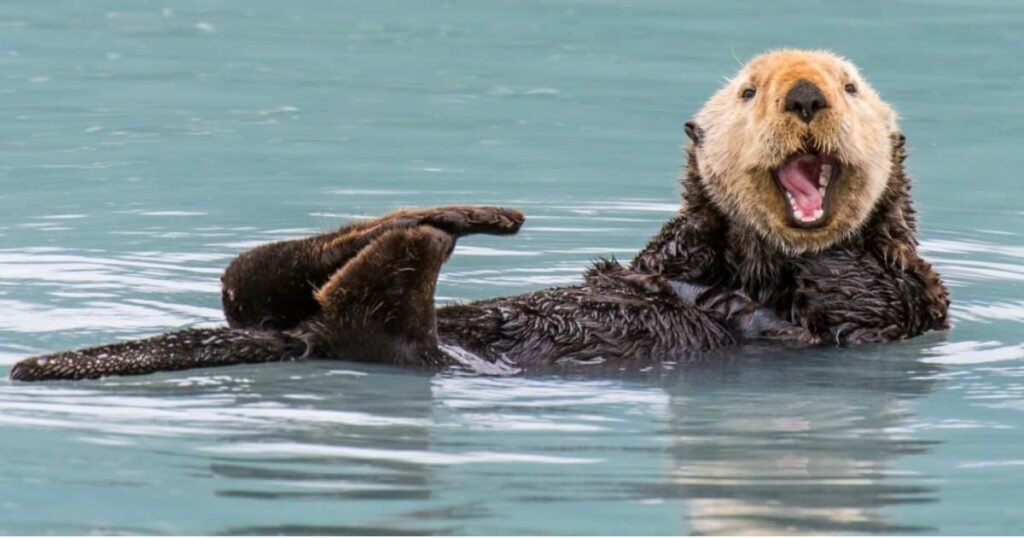
Watching a sea otter juggle a meal is like witnessing pure joy in motion, a reminder that happiness can be found in the simplest of activities.
The social bonds sea otters share greatly contribute to their status among the happiest animals on earth. They often groom each other and form rafts, groups that float together while they nap or feed, reinforcing their community spirit.
Research has shown that social interactions can boost overall well-being in animals, and sea otters exemplify this connection. Their playful pursuits and close-knit relationships resonate with a universal truth: happiness often lies in companionship and embracing moments of joy, no matter how fleeting.
Meerkat
Scientific Name: Suricata suricatta
Class: Mammalia
Diet: Omnivore
Meerkats, often heralded as one of the happiest animals in the world, exhibit an infectious zest for life that captures our hearts. Their playful antics and social dynamics create a vibrant tapestry of joy, as they groom, play, and stand sentinel for one another.
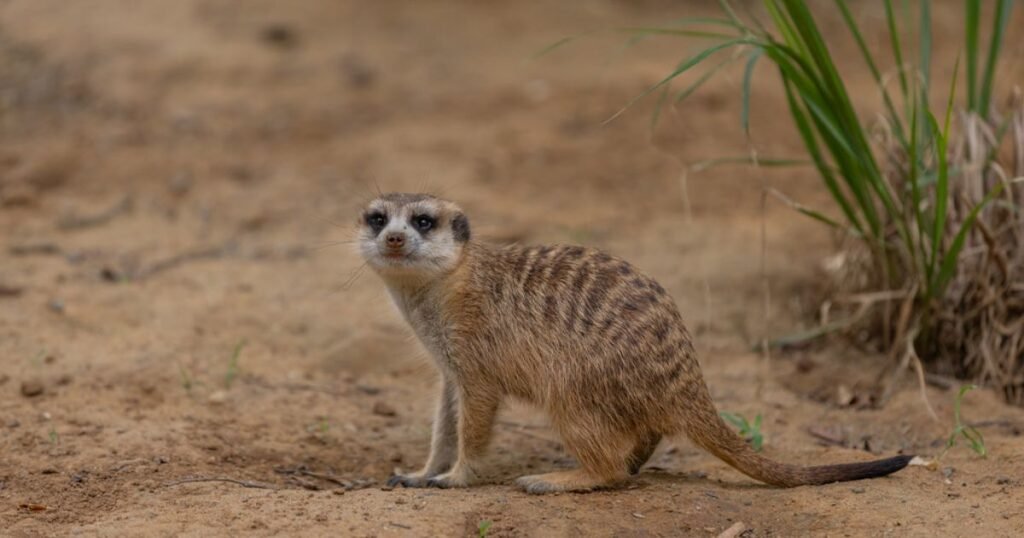
This tight-knit community thrives on cooperation, which not only fosters bonds and amplifies their overall happiness, showcasing that joy often resides in togetherness.
The meerkat’s happiness is not merely a function of their behavior and their environment. Their desert habitats, filled with opportunities for exploration and interaction, become playgrounds for these lively creatures.
Scientific studies suggest that their unique social structures and mutual support systems contribute to their well-being, positioning them among the happiest animals on earth. Every chitter and chatter resonates with positivity, reminding us that happiness can be found in connection, play, and embracing life as it comes.
Red Panda
Scientific Name: Ailurus fulgens
Class: Mammalia
Diet: Omnivore
The red panda stands out as one of the happiest animals in the world, embodying joy in its playful antics and charming demeanor. These furry creatures, with their striking rust-colored fur and panda-like faces, engage in delightful activities, such as climbing trees or rolling in the grass, showcasing their cheerful disposition.
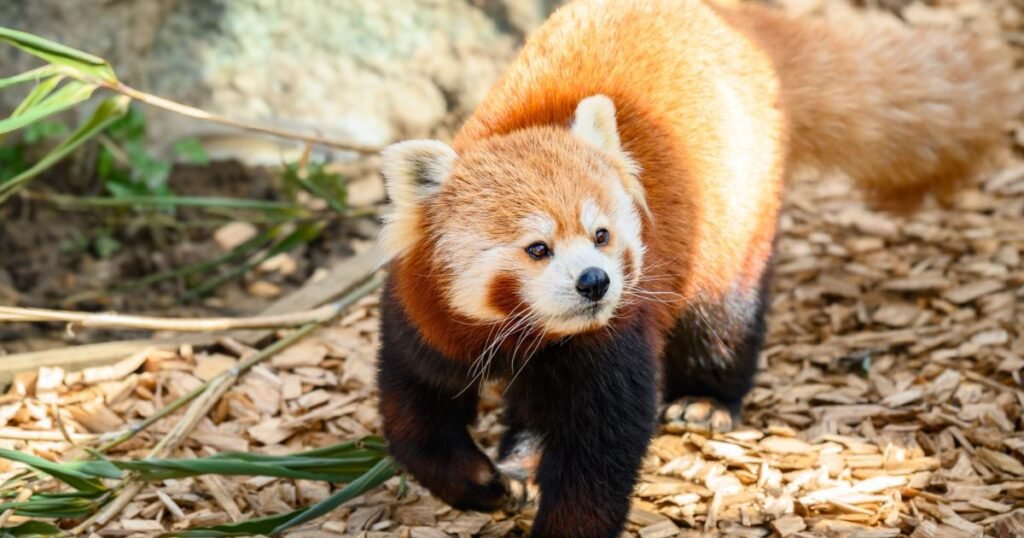
Their love for bamboo not only fuels their happiness and offers a unique insight into their social interactions; they’ll often playfully tussle over their favorite shoots, making every meal an entertaining spectacle.
In a world where joy often feels fleeting, observing a red panda can remind us of the simple pleasures of life. These small mammals, often considered the happiest animals on Earth, revel in their surroundings, entertaining countless onlookers in zoos and sanctuaries.
Their playful spirit and seemingly carefree lifestyle encourage us to embrace our inner child and find delight in the everyday moments. Watching a red panda effortlessly navigate its environment reinforces the idea that happiness can be found in the smaller things, a lesson we could all benefit from in our busy lives.
Emperor Penguin
Scientific Name: Aptenodytes forsteri
Class: Aves
Diet: Carnivore
The Emperor Penguin, often considered one of the happiest animals in the world, showcases a unique blend of resilience and joy amidst the harsh landscapes of Antarctica. Known for their elaborate courtship rituals and social bonding, these majestic birds form tight-knit communities, exchanging gentle calls that resonate with warmth and camaraderie.
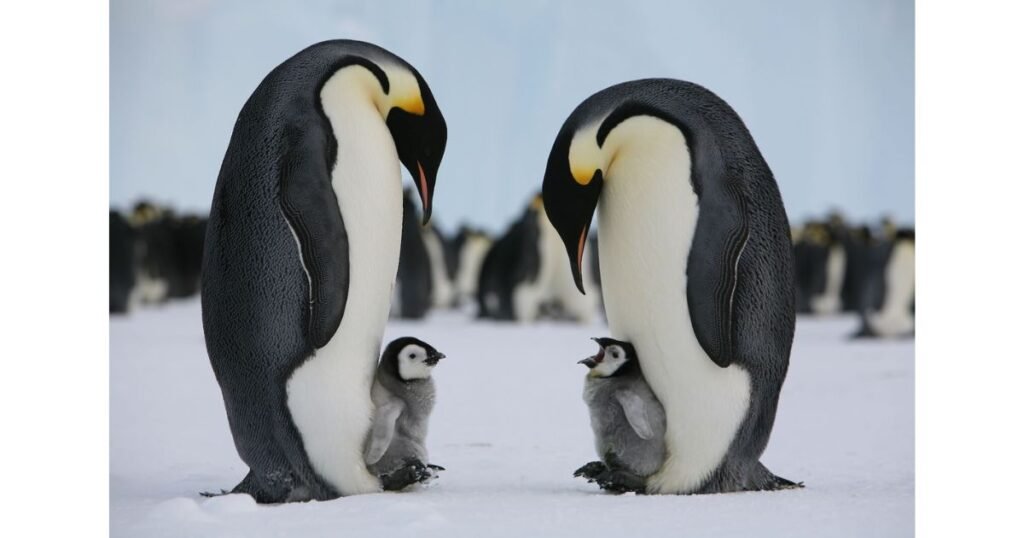
Their ability to thrive in extreme cold, while nurturing their young, paints a picture of harmony that seems like a dance of joy in the icy wilderness. What sets the Emperor Penguin apart as one of the happiest animals on Earth is its unwavering commitment to family and tribe, embodying a spirit of collective survival.
As they huddle together for warmth during freezing temperatures, the penguins display an extraordinary level of trust and care that fosters a profound sense of happiness among them. Observing these delightful creatures in their natural habitat reveals the deep connections and emotional intelligence found in the animal kingdom, inviting us to reflect on our own relationships and the simple joys that come from togetherness.
Capybara
Scientific Name: Hydrochoerus hydrochaeris
Class: Mammalia
Diet: Herbivore
The capybara, often dubbed the happiest animal in the world, showcases a unique blend of sociability and serenity that makes it an enchanting creature. Found in the lush wetlands of South America, these gentle giants thrive in the company of others, often seen lounging in groups, basking in the sun, or frolicking in the water.
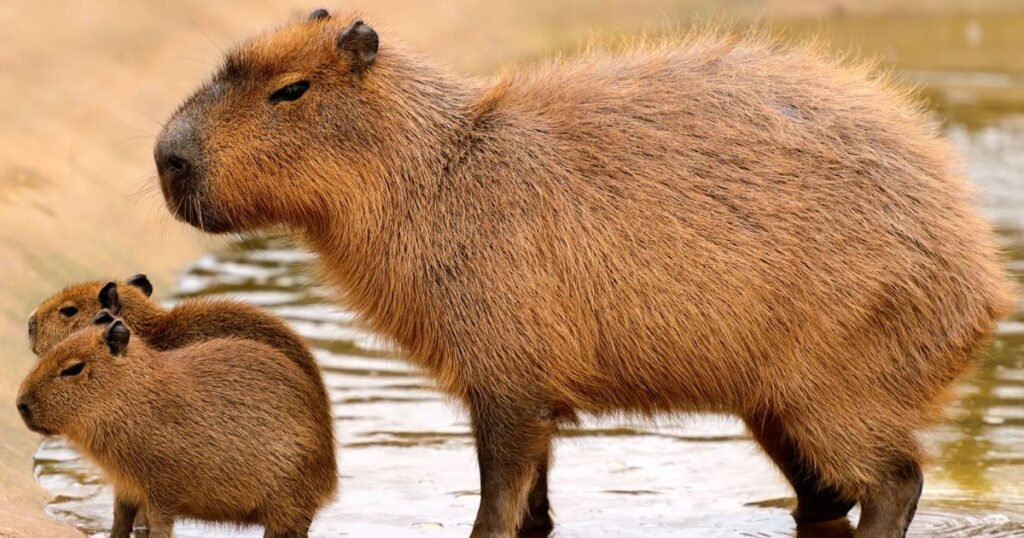
Their remarkable social behavior and relaxed demeanor not only solidify their reputation as one of the happiest animals on earth and highlight the importance of companionship in achieving happiness. This harmonious existence paints a vivid picture of biodiversity’s role in fostering joy and interconnection within ecosystems.
Observing a capybara interact playfully with its friends prompts us to reconsider the essence of happiness: it’s not just a solitary feeling but a shared experience, rooted in community and mutual support.
Elephant
Scientific Name: Loxodonta africana
Class: Mammalia
Diet: Herbivore
Elephants, often hailed as some of the happyy animals in the world, demonstrate a remarkable capacity for joy and emotional connection. These gentle giants form deep social bonds, showcasing a profound sense of community that elevates their happiness.
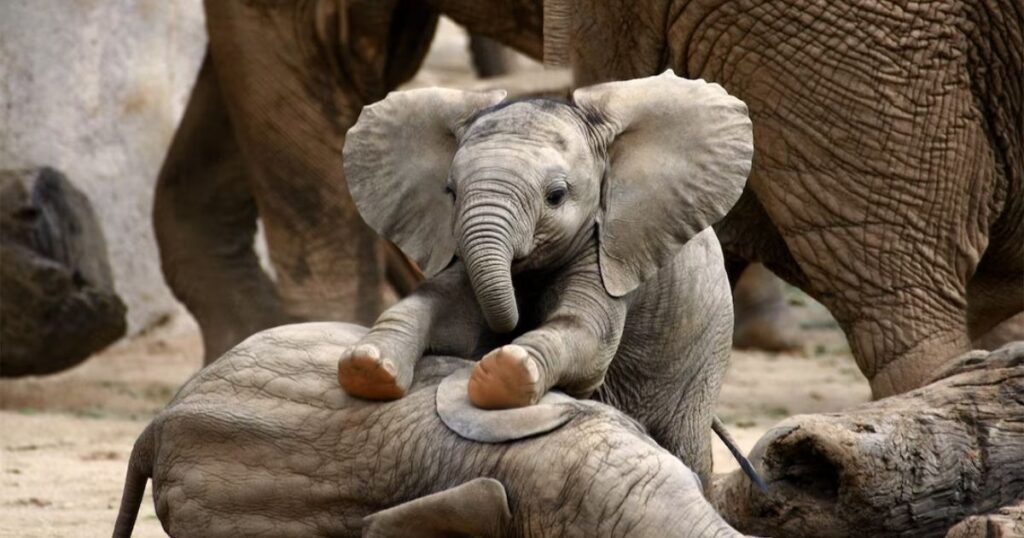
From playful water fights to nurturing their young, elephants engage in behaviors that radiate joy and contentment. Their ability to express emotions is unparalleled; whether it’s trumpeting in excitement or mourning lost companions, they display a rich emotional spectrum that captivates everyone who observes them.
In the wild, these majestic beings roam vast landscapes, forging lifelong friendships and engaging in social rituals that enhance their happiness. Researchers have noted that elephants exhibit altruistic behaviors, such as helping injured peers, which speaks volumes about their emotional intelligence and compassion.
Related: Most Quiet Animals in the World
Rabbit
Scientific Name: Oryctolagus cuniculus
Class: Mammalia
Diet: Herbivore
When you think of the happiest animals on earth, the rabbit often hops to the forefront of people’s minds. With their playful nature and unmistakable charm, rabbits exemplify sheer joy in a simple, carefree existence.
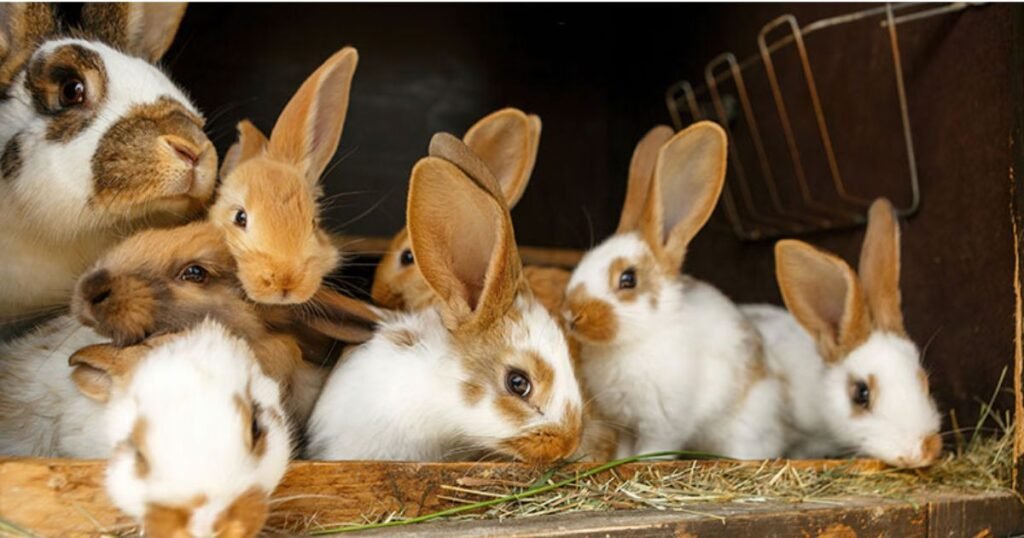
Their signature binky, jumping into the air with glee, reflects an unabashed happiness that resonates with anyone who witnesses it. Watching a rabbit interact with its environment, nibble on fresh greens, or frolic with friends offers a glimpse into a life filled with unfiltered joy, reminding us of the beauty found in the little moments.
Rabbits thrive on social interaction and mental stimulation, making them some of the happiest animals on Earth. Their playful antics and heartwarming cuddles foster connections not only with each other and with humans. This adaptability and affectionate nature allow them to form deep bonds, further enhancing their happiness.
As they explore their surroundings, whether in a gentle garden or a sprawling backyard, each hop and twitch showcases a unique personality, illustrating that joy is readily accessible in every corner of life.
Read Also: Most Annoying Animals
Horse
Scientific Name: Equus ferus caballus
Class: Mammalia
Diet: Herbivore
In the vibrant tapestry of nature, horses emerge as some of the happiest animals in the world. Their expansive social structures and deep bonds with both humans and other horses elevate their spirits.
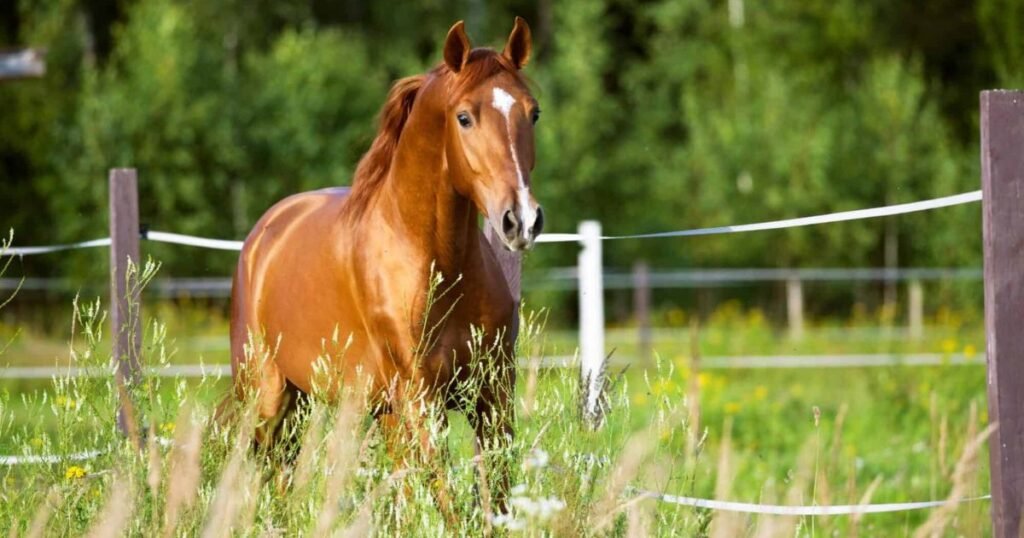
Whether galloping freely across rolling pastures or enjoying gentle grooming sessions, the sheer joy exhibited by these majestic creatures is infectious. Horses express their happiness not just through movement and through their playful interactions, showcasing what it truly means to be one of the happiest animals on Earth.
Being highly attuned to their environment, horses thrive in nurturing settings where they can engage in instinctual behaviors. From the soothing comfort of a sun-soaked field to the companionship of fellow herd members, they not only experience happiness but spread it around them.
Alpaca
Scientific Name: Vicugna pacos
Class: Mammalia
Diet: Herbivore
Alpacas, often hailed as some of the happiest animals in the world, exude a unique joy that captivates everyone who encounters them. Their gentle demeanor and playful nature make them a living testament to happiness in the animal kingdom.
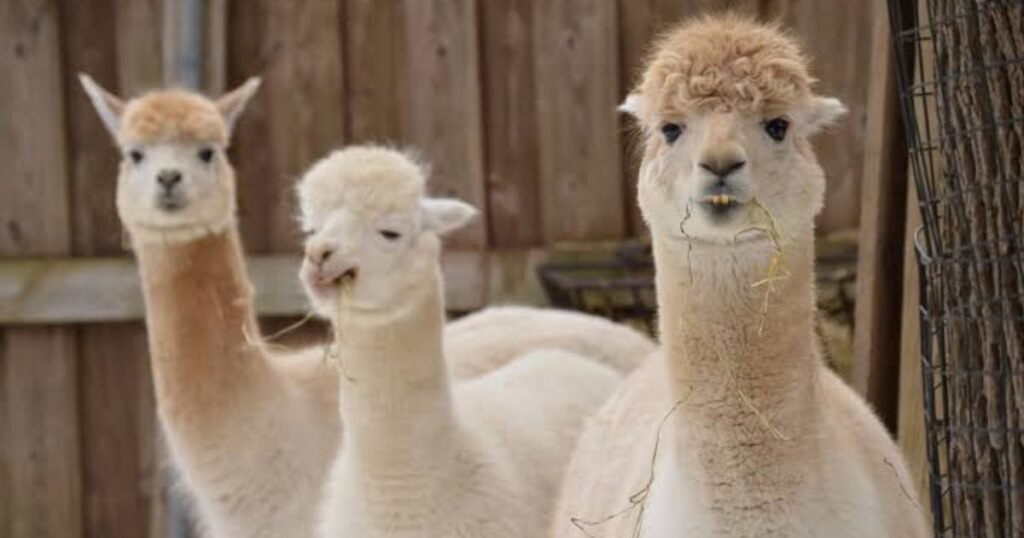
This positivity is not just anecdotal; studies suggest that their social structure fosters camaraderie, creating an atmosphere of support and contentment within their herds. Watching them frolic in the fields, you can’t help but feel the genuine joy radiating from these charming creatures.
One intriguing aspect of alpacas’ happiness is their strong bond with humans. They thrive on interaction and often seek companionship, drawing a parallel to how happy animals engage with their surroundings. Whether they are being groomed or led on walks, their playful antics and soft, inquisitive eyes seem to communicate a profound sense of well-being.
This connection brings not only joy to the alpacas themselves and sparks happiness in those lucky enough to share their space. In a world where stress often takes precedence, these lovable alpacas serve as a delightful reminder of the simple pleasures in life and the pure essence of joy.
Koala
Scientific Name: Phascolarctos cinereus
Class: Mammalia
Diet: Herbivore
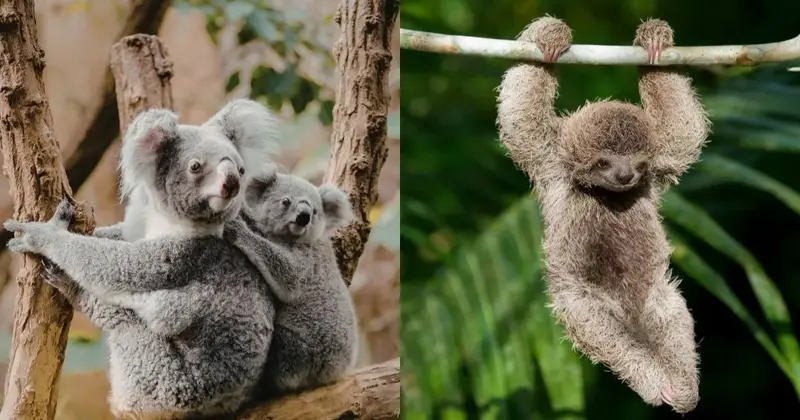
Koalas, often regarded as some of the happiest animals in the world, showcase an unparalleled level of tranquility and blissfulness. Their peaceful demeanor, complemented by their slow-paced lifestyle, makes them a striking example of happiness in the animal kingdom.
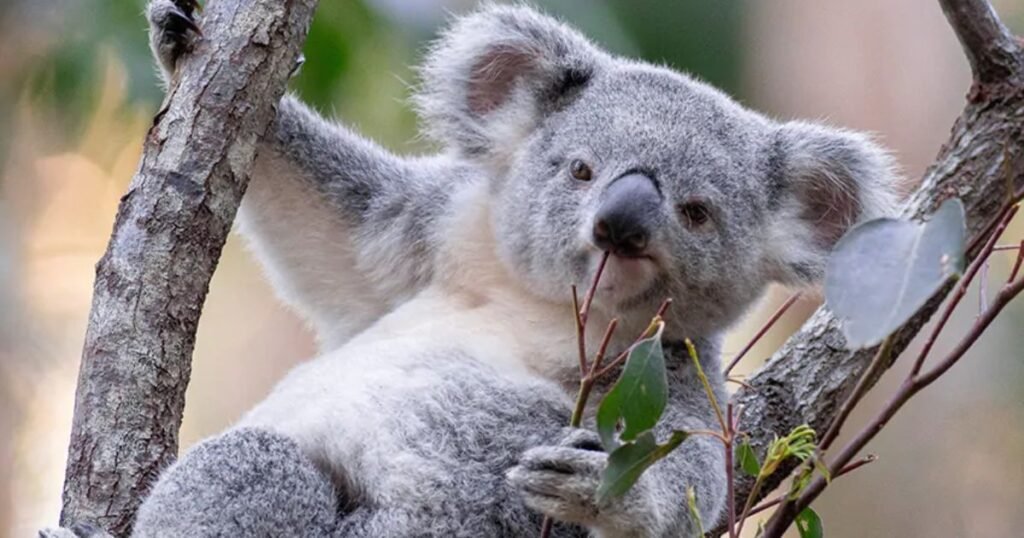
These adorable marsupials spend up to 20 hours a day sleeping in eucalyptus trees, which not only gives them ample rest and contributes to their calm and contented nature.
What truly sets koalas apart as the happiest animals on Earth is their specialized diet. Eucalyptus leaves, while toxic to many species, provide koalas with a nutrient-rich meal that offers both energy and hydration. This unique relationship with their habitat allows them to thrive and embody a lifestyle free from stress.
Observing a koala’s relaxed posture or playful antics can ignite a sense of joy in anyone, reminding us that happiness often lies in embracing simplicity and living in harmony with our surroundings.
Chimpanzee
Scientific Name: Pan troglodytes
Class: Mammalia
Diet: Omnivore
Chimpanzees, often celebrated as some of the happiest animals in the world, display a rich tapestry of emotions that resonate deeply with us. Their playful antics, swinging from trees and engaging in social bonding, exemplify joy and spontaneity.
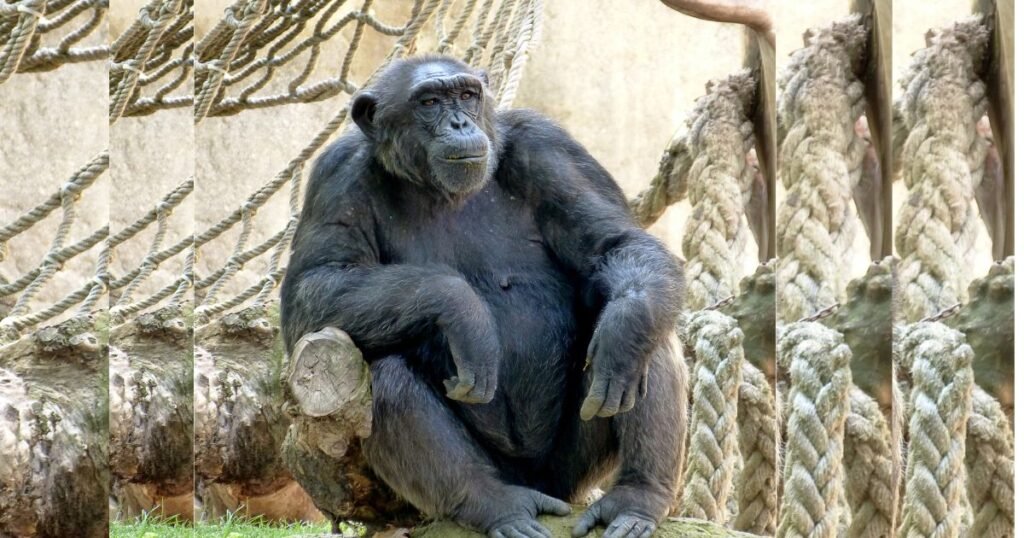
This exuberance isn’t merely instinctual; it’s a vital aspect of their social structures, enhancing their ability to communicate and form tight-knit communities. Their laughter, an infectious sound, echoes through the forests, bridging the gap between human and animal experience.
What sets chimpanzees apart in the realm of happy animals is their profound social intelligence. They often share food, groom each other, and engage in playful wrestling, establishing connections that contribute to their overall well-being.
Such interactive behaviors not only underline their happiness and highlight the importance of social bonds in the animal kingdom.
Harbor Seal
Scientific Name: Phoca vitulina
Class: Mammalia
Diet: Carnivore
Harbor seals exude a unique joy that arguably earns them a spot among the happiest animals in the world. Their playful nature and blissful antics while basking on rocky shores highlight a life filled with simple pleasures.
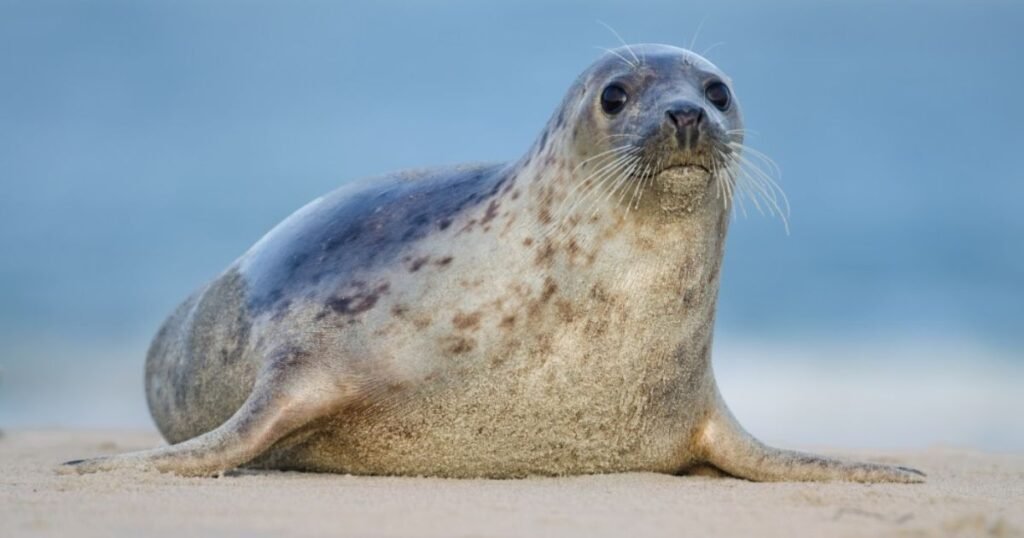
Whether they’re swimming gracefully through the waves or frolicking in the surf, these marine mammals showcase an unfiltered enthusiasm that resonates with anyone lucky enough to observe them. Each interaction with the sea reflects a genuine connection to their environment, reminding us of the joy found in harmonious relationships with nature.
What sets harbor seals apart as some of the happiest animals on Earth is their social behavior. Living in groups, they bond through playful vocalizations and synchronized swims, creating a sense of community that enhances their joyful demeanor.
Studies suggest that their playful interactions release endorphins, leading to a euphoric state that is infectious to onlookers. As we watch these delightful creatures embrace their surroundings, we’re reminded of the happiness that can be found in camaraderie and a carefree lifestyle, an important lesson these happy animals offer to us all.
Conclusion:
The exploration of the top happiest animals in the world reveals not only the fascinating diversity of life on our planet and highlights the importance of emotional well-being in the animal kingdom.
Each species exhibits unique behaviors and traits that contribute to their joy, whether it’s through social bonding, playful antics, or simply thriving in their natural habitats. Understanding the happiness of these animals deepens our appreciation for wildlife and emphasizes the need for conservation efforts to protect their environments.
FAQS
What Are the Happiest Animals in the World?
Animals often considered the happiest include quokkas, dolphins, sea otters, capybaras, meerkats, and dogs. They earn this reputation because of their playful behavior, social nature, and expressive facial features.
What Is the Excited Animal in the World?
The Golden Retriever is often regarded as one of the most excited animals because of its energetic personality, constant tail wagging, and enthusiasm for playing and interacting with people.
Are There Any Happy Animals?
Yes, many animals display behaviors that resemble happiness, such as playing, social bonding, grooming, and exploring their surroundings. While scientists avoid attributing human emotions directly, these behaviors suggest positive emotional states in many species.
What Is the Most Smiling Animal in the World?
The quokka (Setonix brachyurus) is widely known as the world’s most smiling animal. Its naturally upturned mouth gives it a cheerful expression, earning it the nickname “the happiest animal in the world.”