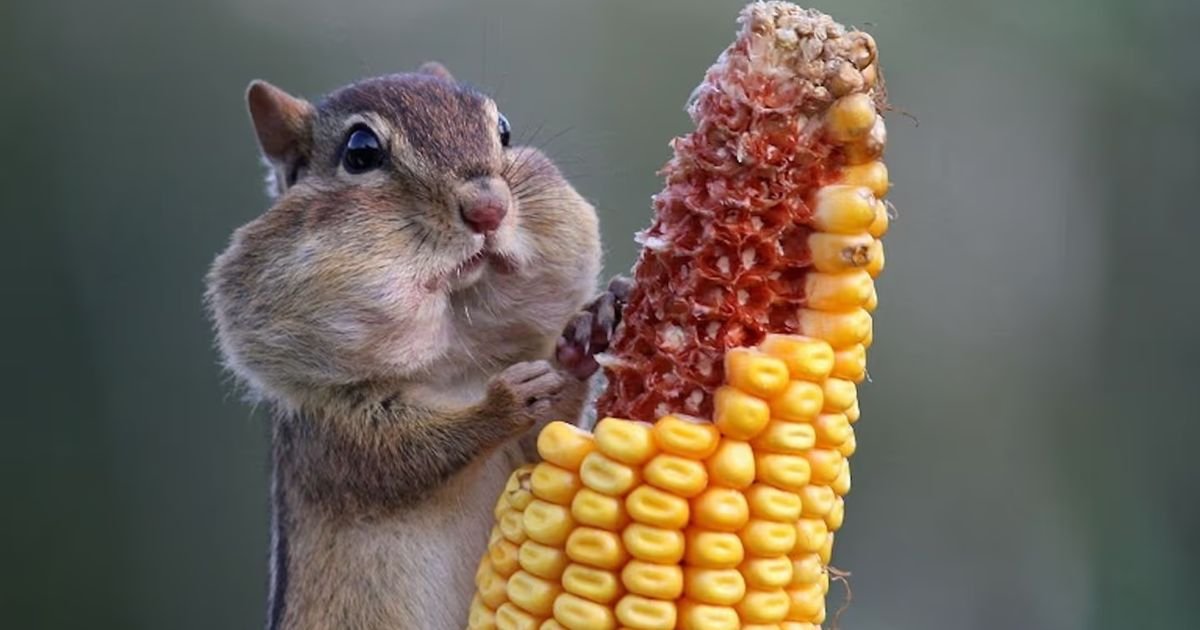
Top 18 Independent Animals In the World (With Images)
The animal kingdom is filled with species that depend on teamwork and social groups for survival. Some remarkable creatures choose a different path. These independent animals in the world are known for living, hunting, and protecting themselves without relying on others.
From powerful big cats to intelligent reptiles and birds of prey, independent animals have evolved unique survival skills that allow them to thrive alone. Their self-sufficient nature helps reduce competition, secure territories, and improve hunting success.
In this article, we’ll explore the top 18 independent animals in the world, their behaviors, habitats, and what makes them some of nature’s most fascinating solitary creatures.
What Are Independent Animals?
Independent animals are species that spend most of their lives alone rather than in herds, packs, or colonies. They typically hunt independently, defend their own territory, and interact with others mainly during the breeding season or while raising young.
They Prefer solitary lifestyles, hunt or forage alone, defend individual territories, highly adaptable and self-reliant and require minimal social interaction
List of Independent Animals in the World
Following is the list of Most Independent animal in the World.
| No. | Common Name | Scientific Name |
| 1 | Tiger | Panthera tigris |
| 2 | Leopard | Panthera pardus |
| 3 | Snow Leopard | Panthera uncia |
| 4 | Wolverine | Gulo gulo |
| 5 | Orangutan | Pongo pygmaeus |
| 6 | Koala | Phascolarctos cinereus |
| 7 | Giant Panda | Ailuropoda melanoleuca |
| 8 | Sloth | Bradypus variegatus |
| 9 | Polar Bear | Ursus maritimus |
| 10 | Octopus | Octopus vulgaris |
| 11 | Lynx | Lynx lynx |
| 12 | Red Fox | Vulpes vulpes |
| 13 | Platypus | Ornithorhynchus anatinus |
| 14 | Black Rhinoceros | Diceros bicornis |
| 15 | Golden Eagle | Aquila chrysaetos |
Tiger
Scientific Name: Panthera tigris
Class: Mammalia
Diet: Carnivore
The tiger is one of the most independent animals in the world, spending nearly its entire life alone except during mating or when a mother raises her cubs. Unlike lions, tigers do not live in prides or hunt in groups. Instead, they rely on their own strength, patience, and stealth to catch prey.
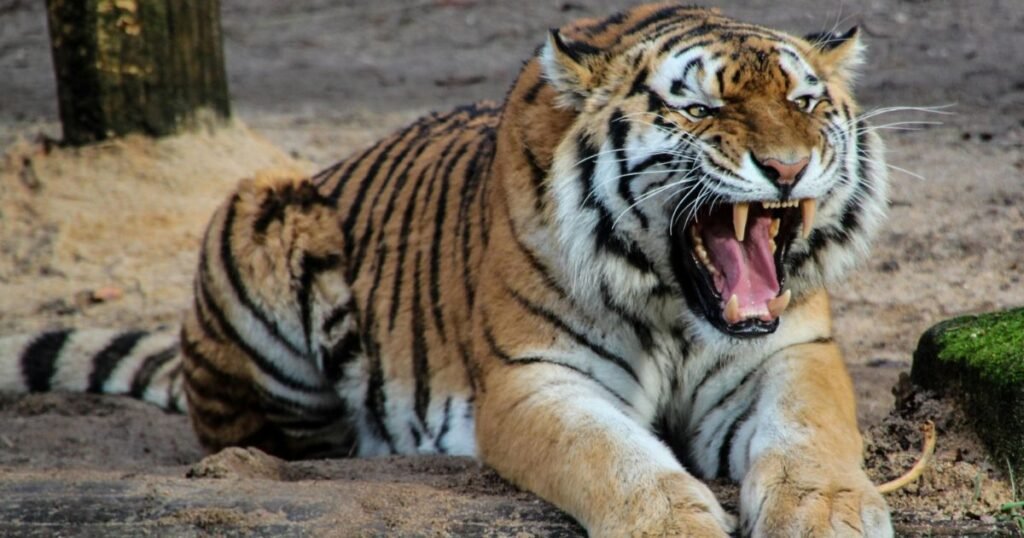
A single tiger can successfully hunt large animals such as deer and wild boar without assistance. This solitary lifestyle has helped the species survive in a wide variety of habitats, from tropical forests to snowy regions.
A tiger also maintains a large territory that it marks with scent and scratch marks to warn other tigers to stay away. It carefully patrols its home range and depends entirely on its own instincts for survival.
Every decision, from hunting to finding shelter, is made independently. Its confidence, intelligence, and self-reliance, the tiger is considered one of the finest examples of animals that are independent in the wild.
Leopard
Scientific Name: Panthera pardus
Class: Mammalia
Diet: Carnivore
The leopard is one of the smartest independent animals, capable of surviving in forests, mountains, deserts, and grasslands. It spends most of its life alone and rarely interacts with other leopards except during breeding.
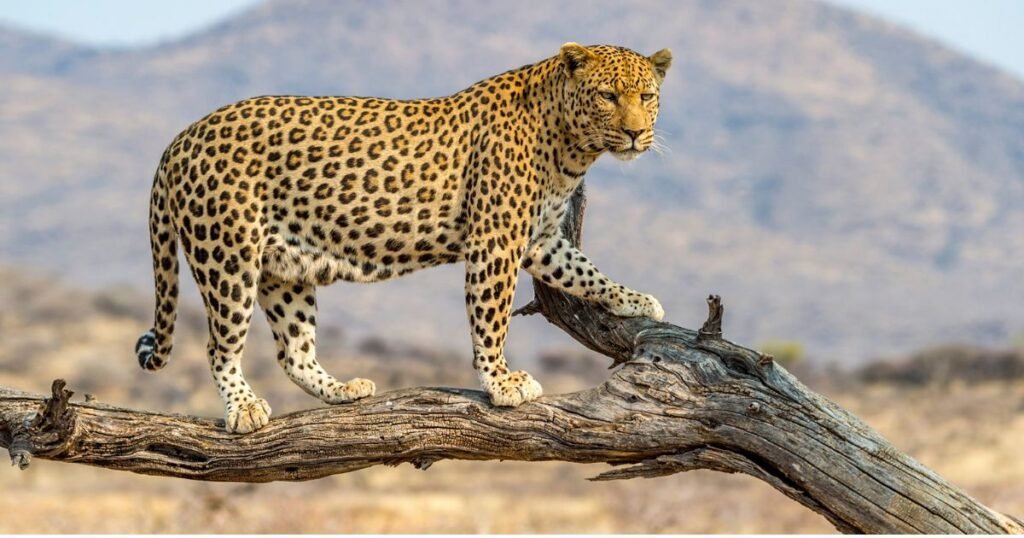
Leopards hunt silently by stalking their prey before launching a powerful surprise attack. Their exceptional climbing skills allow them to carry heavy prey into trees, protecting it from lions, hyenas, and other scavengers.
Leopards are also known for their remarkable adaptability and problem-solving abilities. They quickly learn to adjust their hunting techniques based on the environment and available prey.
Snow Leopard
Scientific Name: Panthera uncia
Class: Mammalia
Diet: Carnivore
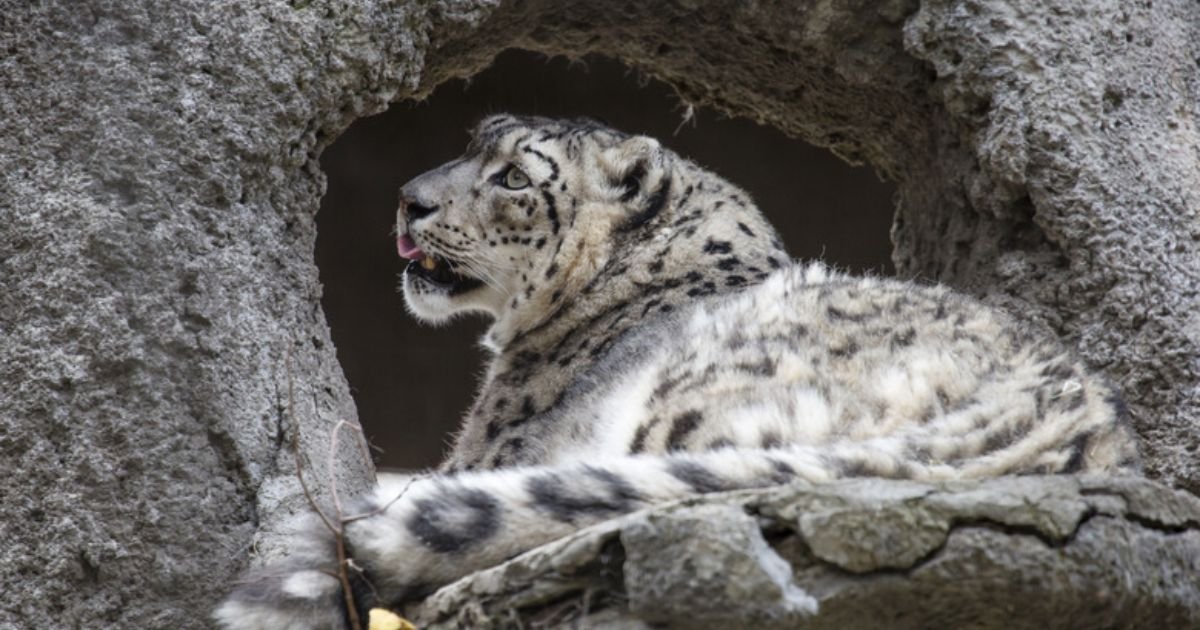
The snow leopard lives alone in the rugged mountains of Central Asia, where harsh weather and difficult terrain make survival challenging. It hunts mountain goats, sheep, and other prey without relying on a pack.
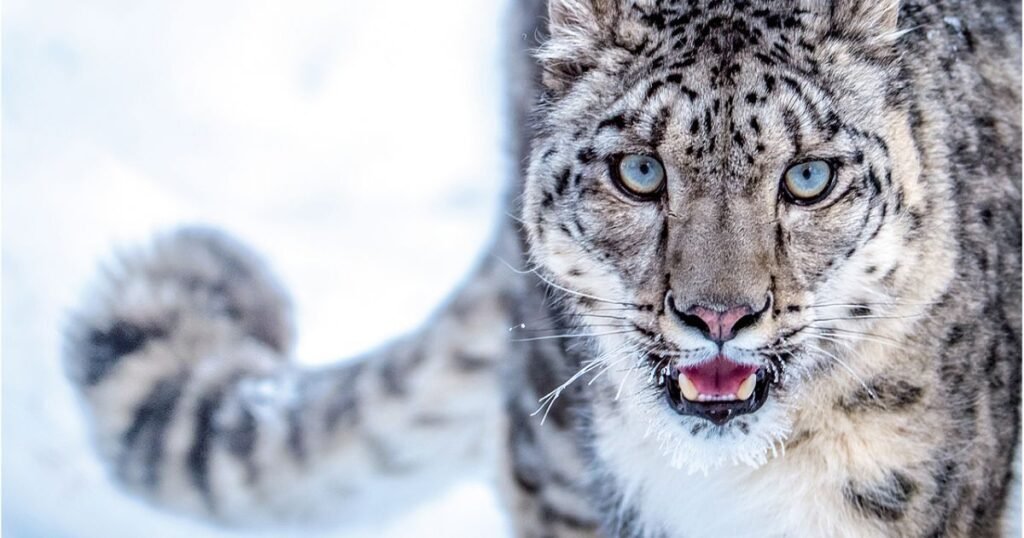
Thick fur, wide paws, and powerful legs help it move easily across snow-covered cliffs. Living in such remote habitats has made it one of the most successful solitary predators in the world.
Their quiet lifestyle and ability to thrive in extreme environments make them excellent examples of animals that are independent. If someone asks what animal is independent, the snow leopard is always among the top answers.
Snow leopards avoid unnecessary contact with other members of their species and prefer vast territories where they can hunt peacefully. They depend entirely on their own hunting skills, camouflage, and patience to survive.
Wolverine
Scientific Name: Gulo gulo
Class: Mammalia
Diet: Carnivore
The wolverine is one of the toughest independent animals on Earth despite its relatively small size. It spends most of its life traveling alone across snowy forests and mountains in search of food.
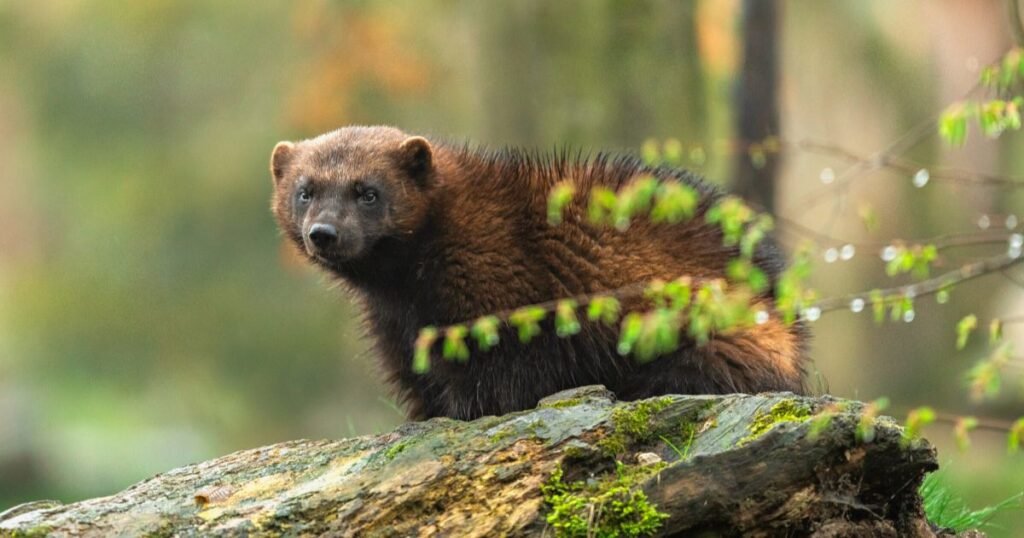
Wolverines hunt small animals, scavenge carcasses, and even challenge much larger predators when necessary. Their fearless nature allows them to survive in harsh environments where few animals can thrive.
It can travel many miles in a single day while searching for food and defending its territory. Wolverines rely on their own strength and intelligence instead of group cooperation. These remarkable survival skills have earned them a place among the most independent animals in the wild.
Orangutan
Scientific Name: Pongo pygmaeus
Class: Mammalia
Diet: Omnivore
The orangutan is widely regarded as one of the animals that are independent and smart because it spends much of its adult life alone in tropical rainforests. Unlike many other primates, adult males rarely live in permanent groups.
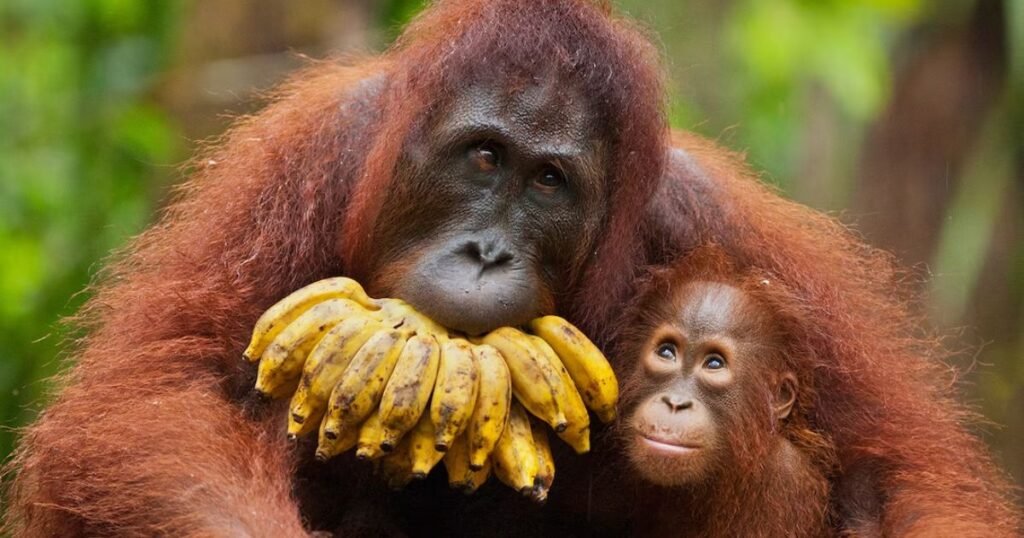
They search independently for fruits, leaves, bark, and insects while moving carefully through the forest canopy. Their long arms allow them to travel efficiently between trees without descending to the ground.
Orangutans also display extraordinary intelligence by using sticks to collect insects, extract seeds, or gather honey from difficult places. Every evening, they build a fresh nest high in the trees using branches and leaves.
This ability to solve problems and care for themselves without assistance highlights their independence. Their intelligence, creativity, and self-reliance make orangutans some of the finest animals that are independent in nature.
Koala
Scientific Name: Phascolarctos cinereus
Class: Mammalia
Diet: Herbivore
Koalas are well known as independent animals because they spend most of their lives alone in eucalyptus trees. Each koala maintains its own home range and only interacts with others during the breeding season or when a mother is caring for her joey. They quietly climb, feed, and rest without depending on a social group.
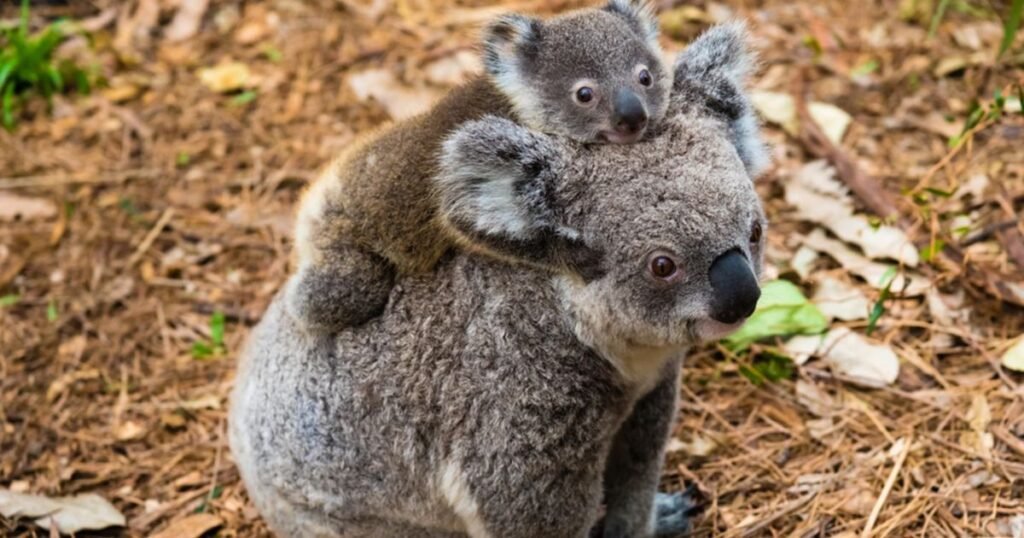
Their ability to survive independently in the wild makes them one of the animals that are independent. Their solitary lifestyle helps reduce competition for food and shelter in their habitat.
And koalas appear calm and relaxed; they are highly capable of caring for themselves. They spend hours selecting the safest branches and the most nutritious eucalyptus leaves.
Giant Panda
Scientific Name: Ailuropoda melanoleuca
Class: Mammalia
Diet: Herbivore
The giant panda is one of the most independent animals, spending nearly all of its adult life alone in the bamboo forests of China. It searches for food independently and can consume large quantities of bamboo every day to meet its nutritional needs.
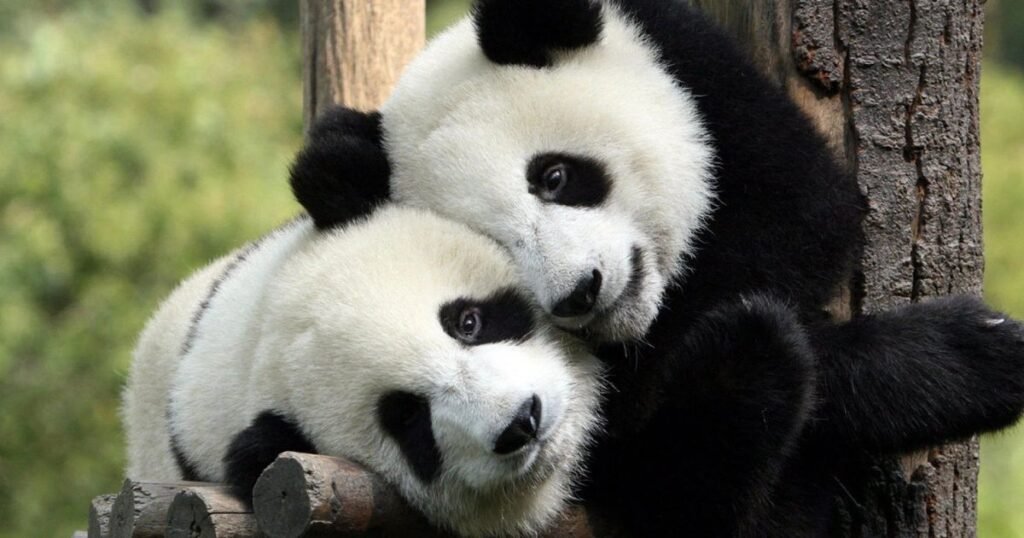
Adult pandas avoid unnecessary interaction with one another except during the breeding season. Their peaceful and solitary nature allows them to thrive in their natural habitat.
Giant pandas are excellent climbers and strong swimmers. They rely on their own instincts to find food, avoid danger, and establish territories. Their ability to survive without the support of a group demonstrates remarkable self-reliance. This independent lifestyle has made the giant panda one of the world’s best-known solitary mammals.
Sloth
Scientific Name: Bradypus variegatus
Class: Mammalia
Diet: Herbivore
The sloth is one of the quietest independent animals, spending almost its entire life alone among the treetops of tropical forests. It moves slowly to conserve energy and rarely comes down to the ground except when necessary.
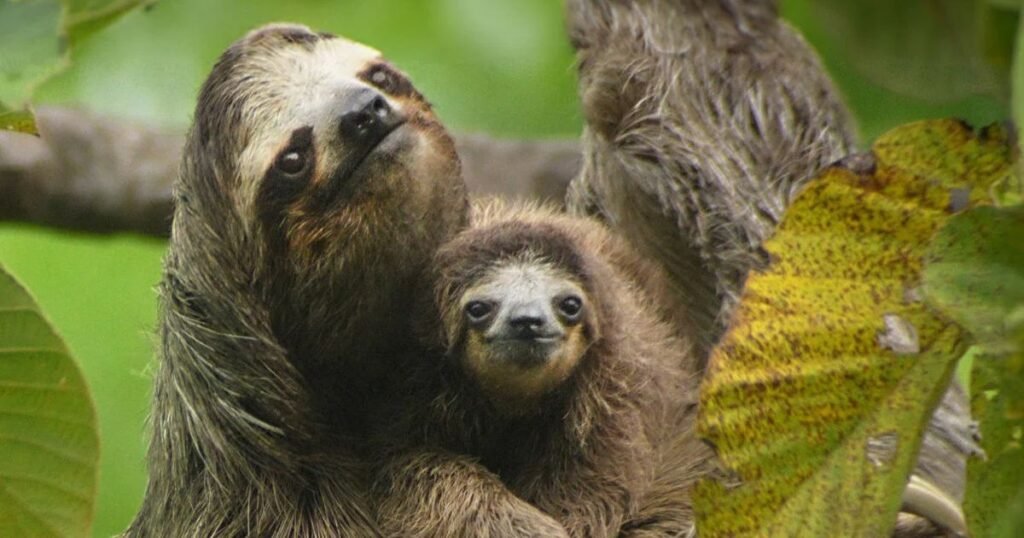
Sloths feed, sleep, and travel independently without relying on other members of their species. Their calm and solitary behavior helps them avoid predators by blending into their surroundings.Their unique survival strategy shows that independence does not always require speed or strength. Sloths are excellent examples of animals that are independent in the wild.
And they appear inactive, sloths are well adapted to living on their own. Their curved claws allow them to hang securely from branches for long periods, while their slow movements make them difficult for predators to detect.
Polar Bear
Scientific Name: Ursus maritimus
Class: Mammalia
Diet: Carnivore
The polar bear is one of the animals that are independent and smart, surviving alone across the frozen Arctic. It hunts seals without assistance by patiently waiting near breathing holes or stalking prey across sea ice.
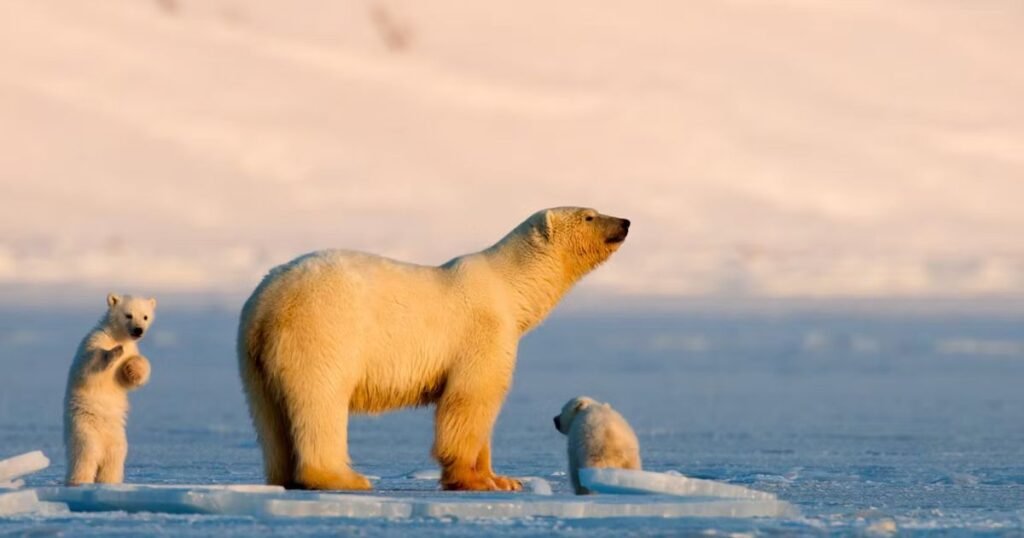
Polar bears travel vast distances in search of food and rely on their intelligence, strength, and keen sense of smell to survive. Their solitary lifestyle allows them to cover large hunting territories efficiently. And their intelligence and self-reliance, polar bears are considered among the most independent animals in nature.
Adult polar bears rarely form lasting groups, except for mothers raising cubs. They must make every decision independently, from finding food to avoiding dangerous ice conditions. Their remarkable adaptability helps them survive in one of the harshest climates on Earth.
Octopus
Scientific Name: Octopus vulgaris
Class: Cephalopoda
Diet: Carnivore
The octopus is one of the animals that are independent and smart, famous for its extraordinary intelligence and problem-solving abilities. It spends nearly its entire life alone, hiding in rocky crevices or coral reefs while hunting crabs, shellfish, and small fish.
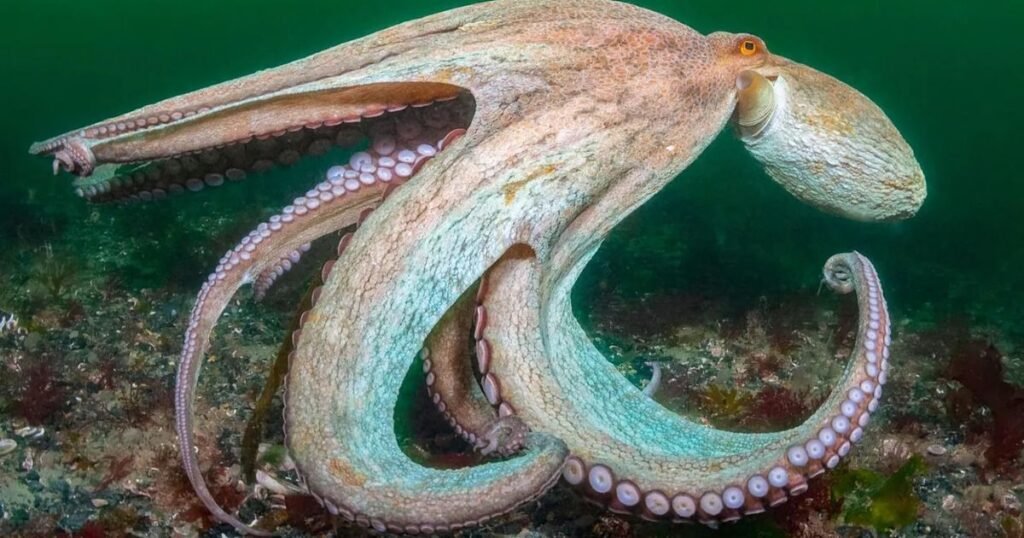
Octopuses use camouflage, quick reflexes, and flexible bodies to escape predators and capture prey without assistance. Their independent lifestyle makes them one of the ocean’s most fascinating creatures.
Scientists have observed octopuses opening containers, solving puzzles, and using objects as tools, demonstrating advanced cognitive abilities. They depend entirely on their own skills rather than cooperation with others. This remarkable intelligence, combined with complete self-reliance, makes the octopus one of the finest examples of independent animals.
Lynx
Scientific Name: Lynx lynx
Class: Mammalia
Diet: Carnivore
The lynx is one of the most independent animals, living a solitary life in forests and mountainous regions across Europe, Asia, and North America. It prefers to hunt alone, using its sharp eyesight, sensitive hearing, and stealth to stalk prey such as rabbits, deer, and birds.
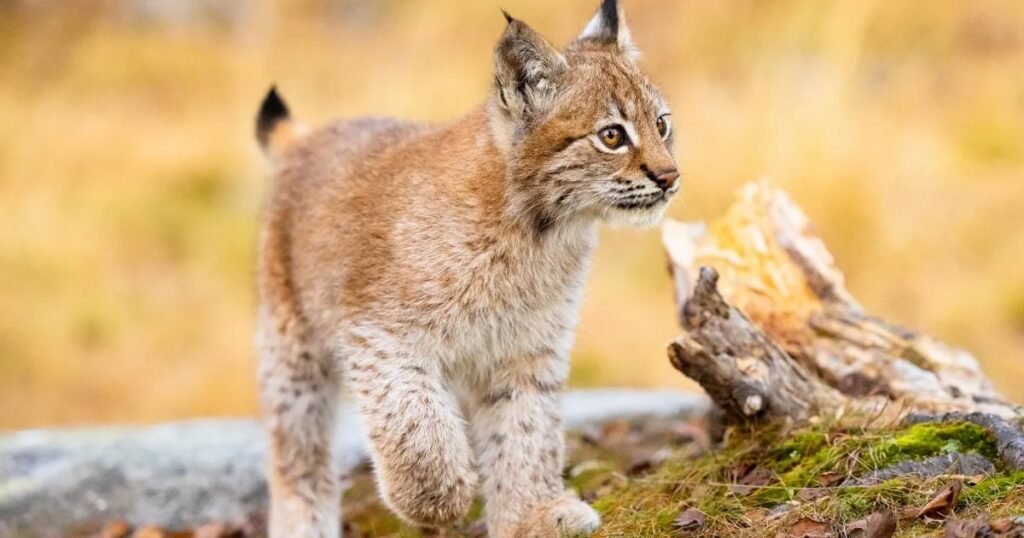
Unlike pack hunters, the lynx relies entirely on its own abilities to survive. This independence allows it to thrive in remote habitats with little competition.Their quiet, self-reliant lifestyle makes them excellent examples of animals that are independent.
Lynxes maintain large territories that they defend from other members of their species. They communicate mainly through scent markings and avoid unnecessary social interactions.
Red Fox
Scientific Name: Vulpes vulpes
Class: Mammalia
Diet: Omnivore
The red fox is one of the smartest independent animals, capable of surviving in forests, grasslands, mountains, deserts, and even cities. It spends much of its time alone while searching for food, hunting small animals, or foraging for fruits and insects. Its intelligence allows it to adapt quickly to changing environments and avoid danger with ease.
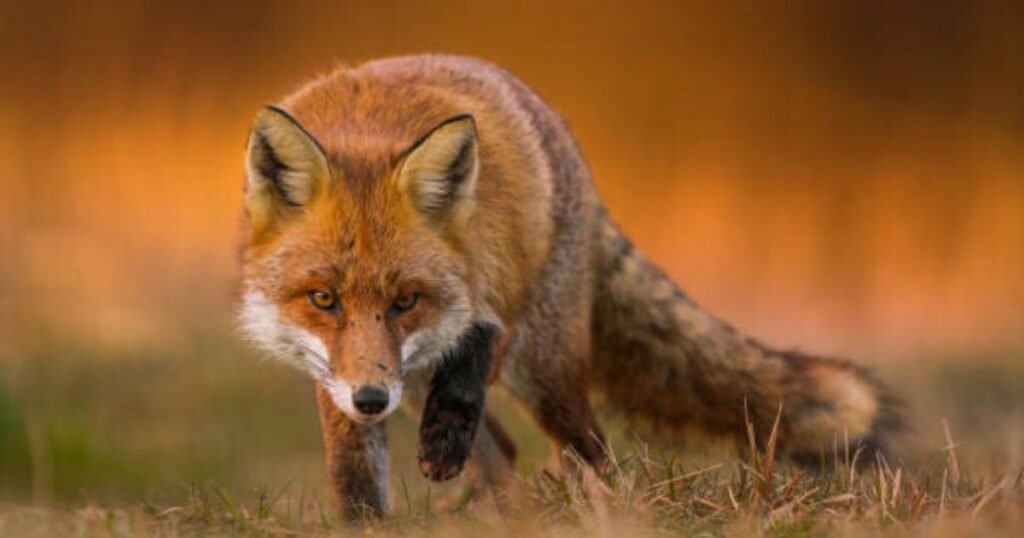
This flexibility has helped the red fox become one of the world’s most widespread wild mammals. Their resourcefulness and adaptability make them one of the animals that are independent and smart. These qualities allow foxes to succeed in habitats where many other species struggle to survive.
Red foxes depend on their sharp senses, quick reflexes, and problem-solving skills rather than teamwork. They carefully select safe den sites and often hunt during the evening or night when prey is abundant.
Read Also: Most Energetic Animals in the World
Platypus
Scientific Name: Ornithorhynchus anatinus
Class: Mammalia
Diet: Carnivore
The platypus is one of the most unusual animals that are independent, living alone in rivers and freshwater streams throughout Australia. It spends hours swimming and diving to search for insects, worms, and freshwater crustaceans without relying on other platypuses.
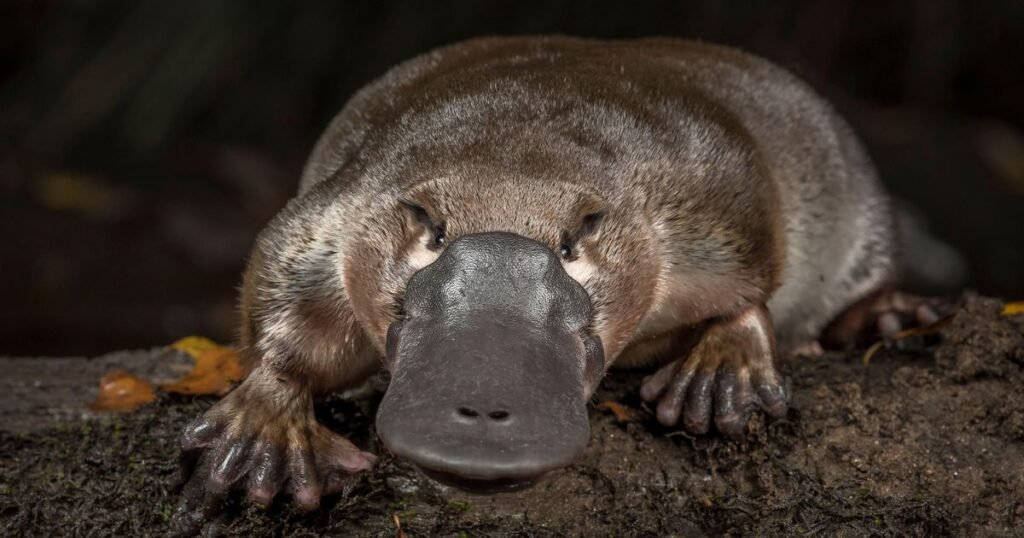
Its sensitive bill can detect tiny electrical signals from prey hidden beneath the mud. This unique hunting ability allows it to survive independently in aquatic environments.They are often included among the most independent animals in the animal kingdom
Outside the breeding season, platypuses rarely interact with one another and prefer solitary lives in individual burrows. They manage every aspect of survival on their own, including finding food, avoiding predators, and maintaining shelter.
Their specialized adaptations and independent behavior make them fascinating examples of self-reliance.
Black Rhinoceros
Scientific Name: Diceros bicornis
Class: Mammalia
Diet: Herbivore
The black rhinoceros is a powerful independent animal that usually lives alone across the savannas and woodlands of Africa. It spends much of its day browsing on shrubs and small trees while traveling independently through its territory.
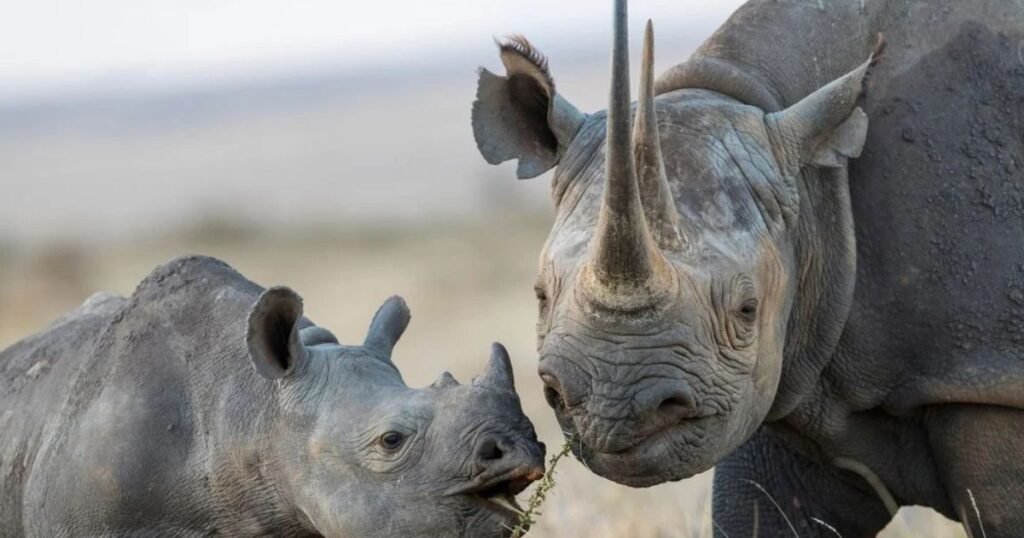
With excellent hearing and a keen sense of smell, the black rhino can detect danger even though its eyesight is relatively poor. Its solitary lifestyle reduces competition for food and space.
Adult black rhinos rarely gather in groups except during mating or when mothers care for their calves. They defend their territories confidently and rely on their strength rather than assistance from others.
Their ability to survive in challenging environments highlights why they are considered animals that are independent. Their confidence and self-sufficiency make them one of Africa’s most remarkable solitary mammals.
Read Also: Happiest Animals in the World
Golden Eagle
Scientific Name: Aquila chrysaetos
Class: Aves
Diet: Carnivore
The golden eagle is one of the animals that are independent and smart, soaring high above mountains, cliffs, and open landscapes while searching for prey. It hunts alone with remarkable precision, using its exceptional eyesight to spot rabbits, hares, and other small mammals from great distances.
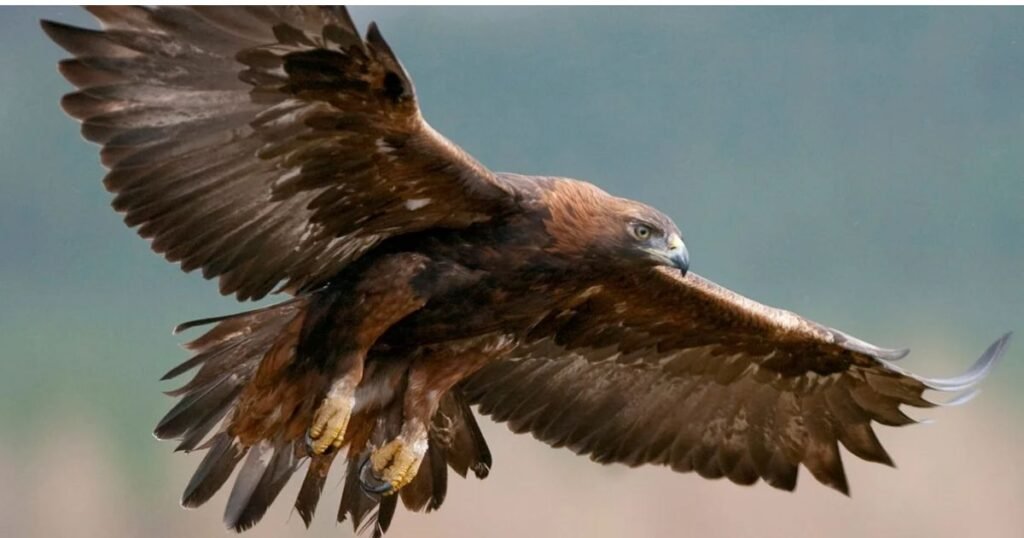
Strong wings and sharp talons enable it to capture prey without help from other birds. Its hunting skills make it one of the most efficient raptors in the world.For anyone wondering what animal is independent, the golden eagle is an outstanding example of independence and strength in the wild.
Golden eagles establish large territories and spend much of their lives independently, only forming pairs during breeding seasons. They rely on intelligence, patience, and experience to locate food and defend their nesting sites. Their confidence and self-reliance have earned them a place among the most independent animals.
Conclusion
The independent animals in the world demonstrate that survival doesn’t always require teamwork. From stealthy tigers and elusive snow leopards to intelligent octopuses and soaring golden eagles, these species have evolved extraordinary abilities to thrive on their own.
Their independence allows them to dominate territories, secure food efficiently, and adapt to diverse environments. Understanding these solitary animals helps us appreciate the incredible variety of survival strategies found throughout the natural world.
FAQs
What are Independent Animals?
Independent animals are species that spend most of their lives alone, hunting, feeding, and surviving without relying on social groups.
Which Animal is Considered the Most Independent?
The tiger is widely regarded as one of the most independent animals due to its solitary hunting style, large territory, and self-sufficient behavior.
Are All Big Cats Independent?
No. Tigers, leopards, jaguars, and snow leopards are mostly solitary, while lions are highly social and live in prides.
Are Independent Animals Lonely?
No. Solitary behaviour is a natural adaptation. These animals do not experience loneliness in the same way humans do and are well adapted to living alone.