Explore Top 13 Animals That Eat Cactus (With Pictures)

Animals that eat cactus are fascinating examples of nature’s adaptability. These species have evolved unique traits that allow them to thrive in arid environments, where traditional food sources may be scarce. By consuming cacti, these animals not only survive but also play crucial roles in their ecosystems.
Observing these animals highlights the interconnectedness of desert habitats. When they munch on cacti, they create opportunities for new growth and support a variety of other species, making them essential players in maintaining the delicate balance of their ecosystems.
This unique relationship between animals and cacti reminds us of nature’s resilience and adaptability in the face of harsh conditions.
What Animals Eat Cactus?
| Number of animals | Animals That Eat Cactus |
| 1 | Camels |
| 2 | Bighorn Sheep |
| 3 | Javelinas |
| 4 | Prairie Dogs |
| 5 | Cactus Wren |
| 6 | Rabbits |
| 7 | Pack Rats |
| 8 | Kangaroo Rats |
| 9 | Squirrels |
| 10 | Desert Tortoises |
| 11 | Pronghorn antelope |
| 12 | Iguanas |
| 13 | Deers |
Camels
Scientific Name: Camelus dromedarius
Class: Mammalia
Camels, often called the “ships of the desert,” are remarkable creatures known for their incredible adaptations to arid environments. While primarily associated with sandy dunes, their diet includes various plants, including cacti, which provide much-needed hydration.
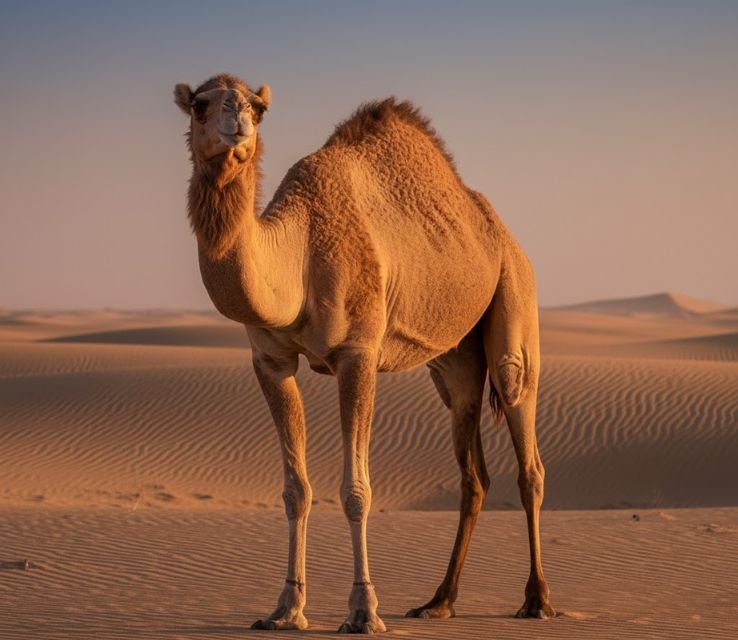
With their unique ability to store fat in their humps, they can endure long stretches without food or water, making them masters of desert survival.
Read Aloso: Top 18+ Most Annoying Animals In The World (With Pictures)
Bighorn Sheep
Scientific Name: Ovis canadensis
Class: Mammalia
Bighorn sheep are iconic symbols of North America’s rugged terrains, their curved horns a testament to their fierce battles for dominance. These agile climbers thrive in mountainous regions and play a crucial role in maintaining the ecological balance by grazing on tough vegetation, including succulents and cacti.

Their remarkable climbing skills allow them to access high-altitude plants that few other animals can reach, showcasing the intricate dance of survival in harsh habitats.
Javelinas
Scientific Name: Pecari tajacu
Class: Mammalia
Javelinas, often mistaken for wild pigs, are social mammals with a keen taste for cacti, particularly its fleshy pads and fruits. These nimble foragers are equipped with powerful jaws and sharp teeth designed to tackle tough plants, reflecting nature’s ingenuity in resource utilization.
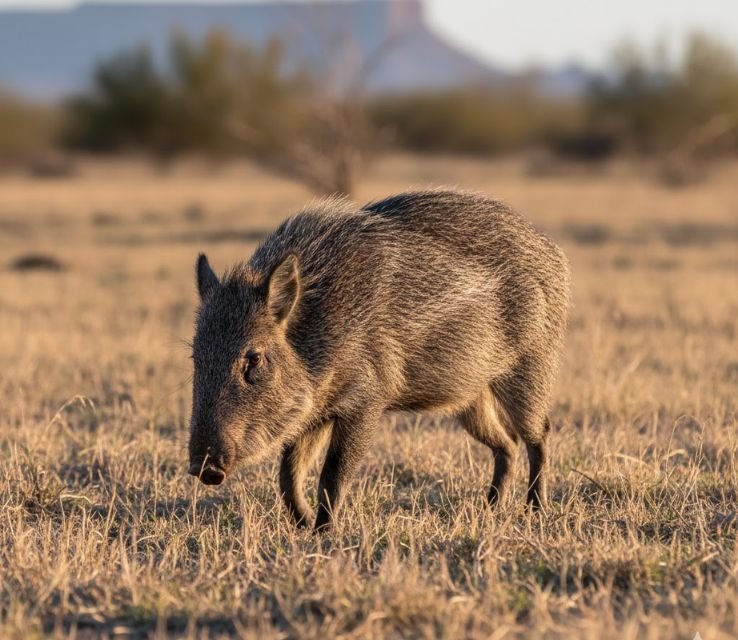
Their foraging behavior not only sustains them but also promotes cactus regeneration, highlighting the interconnectedness of desert ecosystems.
Read Also: Top 17 Incredible Jumping Animals (With Amazing Photos)
Prairie Dogs
Scientific Name: Cynomys ludovicianus
Class: Mammalia
Prairie dogs are more than just charming rodents; they’re crucial players in maintaining grassland health. Their burrowing habits aerate the soil, promoting the growth of diverse flora.
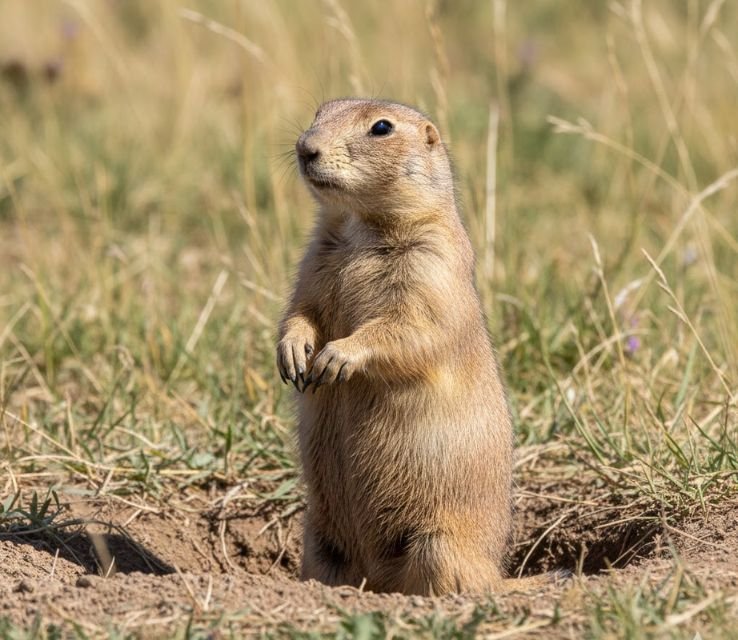
While primarily herbivores, they sometimes nibble on cacti, showcasing their adaptability in various habitats and adding to the dynamic food web. Their social structures and sentinel behavior also embody the beauty of cooperation in the wild, emphasizing the importance of community among species.
Cactus Wren
Scientific Name: Campylorhynchus brunneicapillus
Class: Aves
The cactus wren, an avian jewel of the desert, is uniquely adapted to life among spiny plants, often nesting within the protective arms of cacti. This bird showcases remarkable foraging skills, feeding on insects and fruits, particularly those from cactus species, vital for hydration and nutrition.
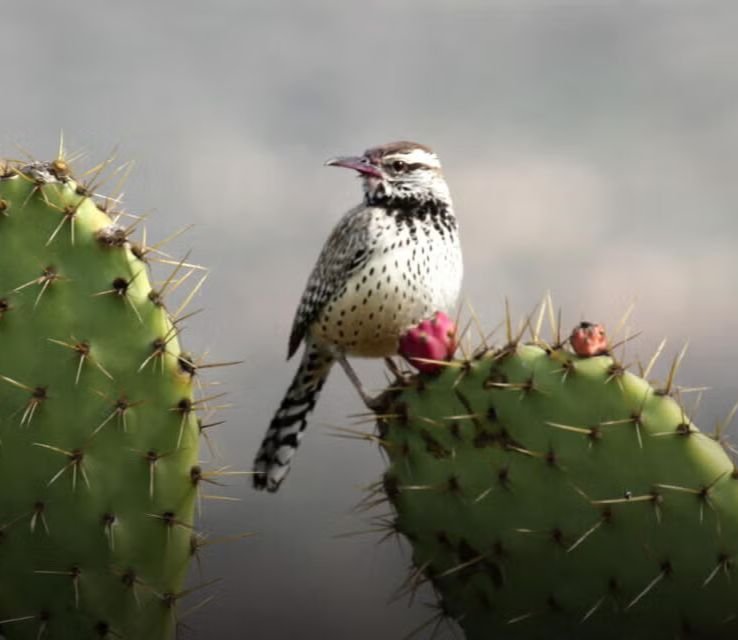
Their melodious calls echo through arid landscapes, signaling not just their presence but also the intricate relationships they maintain with their environment. The cactus wren’s resilience in harsh climates epitomizes the wild spirit of the desert.
Rabbits
Scientific Name: Oryctolagus cuniculus
Class: Mammalia
Rabbits are agile herbivores known for their keen ability to adapt to various environments, often feasting on grasses, leaves, and surprisingly cactus pads in arid regions. Their sharp incisor teeth effortlessly slice through tough greenery, and the moisture-rich cactus provides a crucial source of hydration.
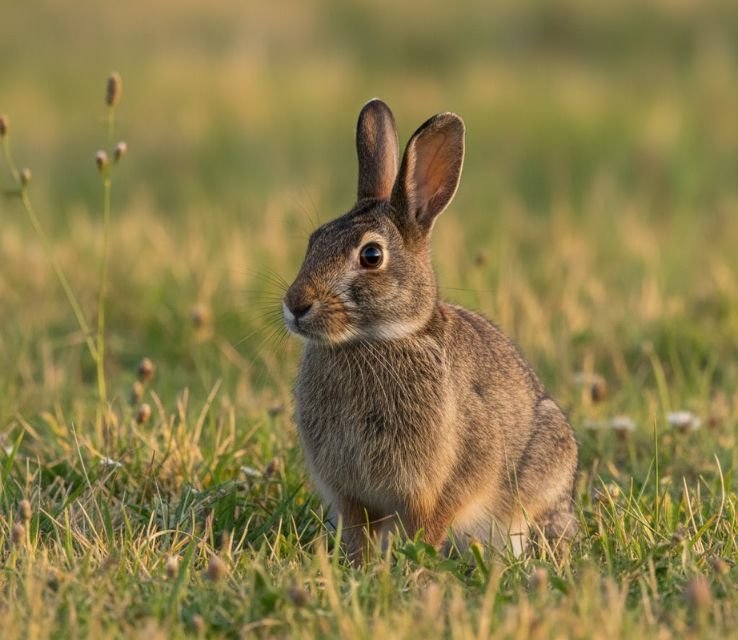
This dietary flexibility showcases their resourcefulness and highlights the importance of vegetation diversity in their habitats.
Read Also: Explore Top 10 Down Syndrome Animal In The World (With Images)
Pack Rats
Class: Mammalia
Pack rats, or woodrats, are fascinating creatures celebrated for their eclectic choice of nests filled with collected treasures, including cactus spines.
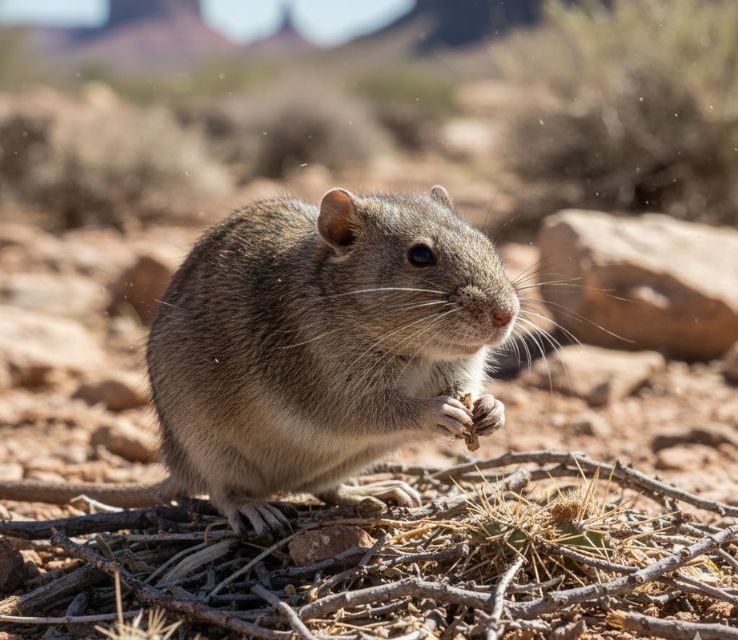
Known for their selective diet, these clever rodents consume prickly pear and other succulent plants, employing their dexterous front paws to deftly navigate the thorny interiors. By doing so, they play a vital role in seed dispersal, contributing to the growth of diverse flora in desert ecosystems.
Kangaroo Rats
Class: Mammalia
Kangaroo rats are the ultimate desert survivors, adept at thriving in arid landscapes with minimal water. These nocturnal foragers primarily eat seeds but don’t shy away from the occasional air-filled cactus fruit.

Their unique physiology allows them to extract moisture from their food, resulting in minimal dependence on external water sources. This adaptation to a challenging environment exemplifies nature’s ingenuity in resource utilization.
you can also read: Explore Top 16 Stubborn Animals (With Images)
Squirrels
Scientific Name: Sciurus carolinensis
Class: Mammalia
Squirrels are often associated with forests, but certain species thrive in arid climates, consuming a wide range of plant materials including cacti. With their nimble paws and sharp teeth, they expertly navigate prickly barriers to access nutrient-dense cactus fruits and pads.
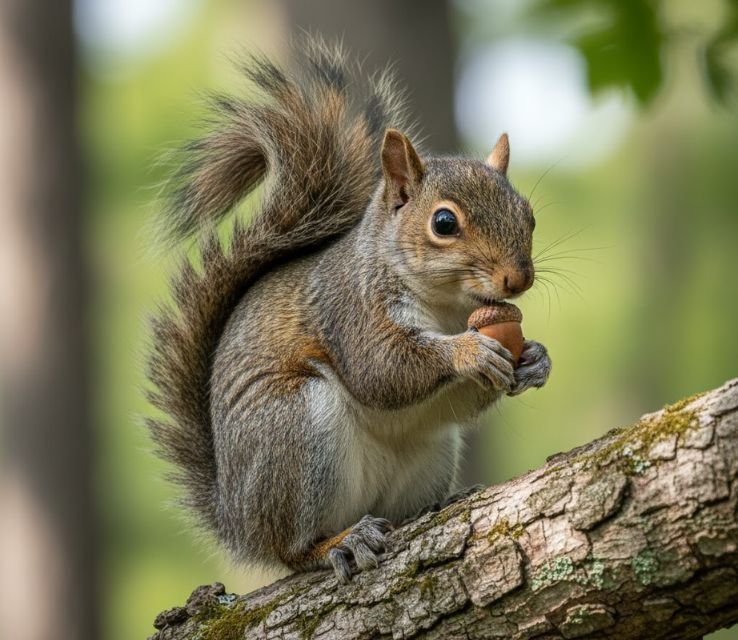
Their behavior reflects adaptability and creativity as they exploit local resources, demonstrating how various ecosystems support diverse diets.
Desert Tortoises
Scientific Name: Gopherus agassizii
Class: Reptilia
The desert tortoise is a remarkable example of endurance in extreme conditions, primarily grazing on grasses and wildflowers but also including cacti in their diet. These slow-moving reptiles are crucial for local ecosystems, as they help shape plant communities through their grazing habits.
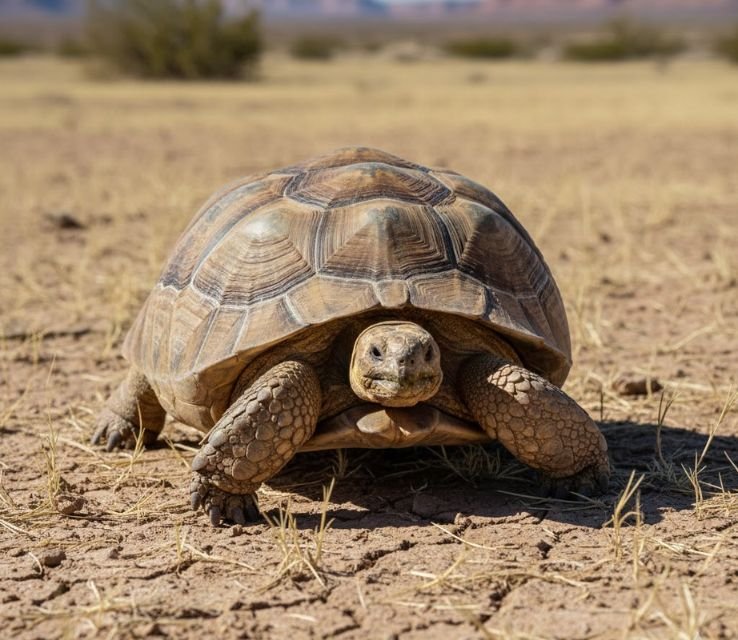
Their ability to consume cacti not only provides hydration but also illustrates their role in the complex web of life in arid environments. With many threats to their survival, the tortoise remains a symbol of resilience in desert habitats.
Pronghorn Antelope
Scientific Name: Antilocapra americana
Class: Mammalia
Pronghorn antelope are fascinating creatures that grace the North American plains, renowned for their incredible speed reaching up to 60 miles per hour. What truly sets them apart, however, is their unique adaptation to survive in harsh desert environments.
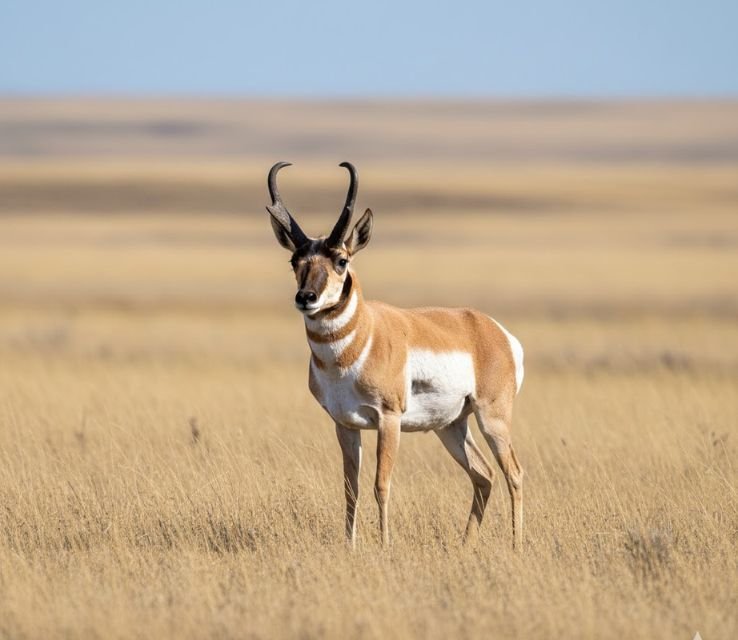
Unlike deer, they have a specialized diet that includes various plants, particularly those that are tough and fibrous. As animals that eat cactus, pronghorns skillfully navigate arid landscapes, feasting on prickly pear and other cacti, which provide vital hydration and nutrients in their sparse habitat.
Iguanas
Scientific Name: Iguana iguana
Class: Reptilia
Iguanas are more than just colorful reptiles; they are a testament to adaptability in diverse environments, thriving in tropical landscapes and urban areas alike. Often associated with lush, green surroundings, these creatures primarily feast on foliage, fruits, and flowers, but they are also known to munch on certain cacti, especially in arid regions.
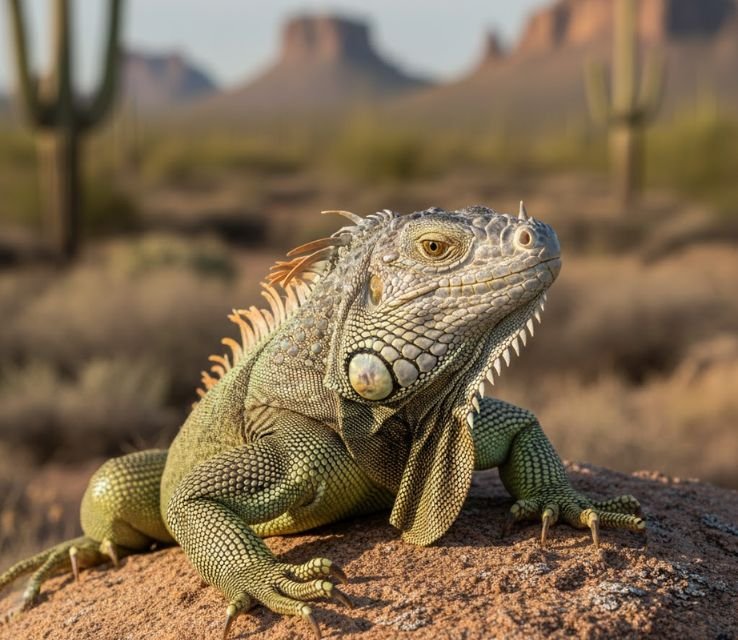
As animals that eat cactus, iguanas have evolved metabolic processes to digest the tough, spiky surfaces of these plants, drawing hydration from their juicy insides. Their unique feeding habits highlight the interdependence between species and the ecosystems they inhabit.
Deers
Scientific Name: Cervus elaphus
Class: Mammalia
Deer are often celebrated as gentle grazers inhabiting forests and grasslands worldwide, but their dietary preferences can be surprisingly diverse. While they primarily munch on leaves and grasses, many deer species also include fruits and even cacti in their diets, showcasing their adaptability in different habitats.
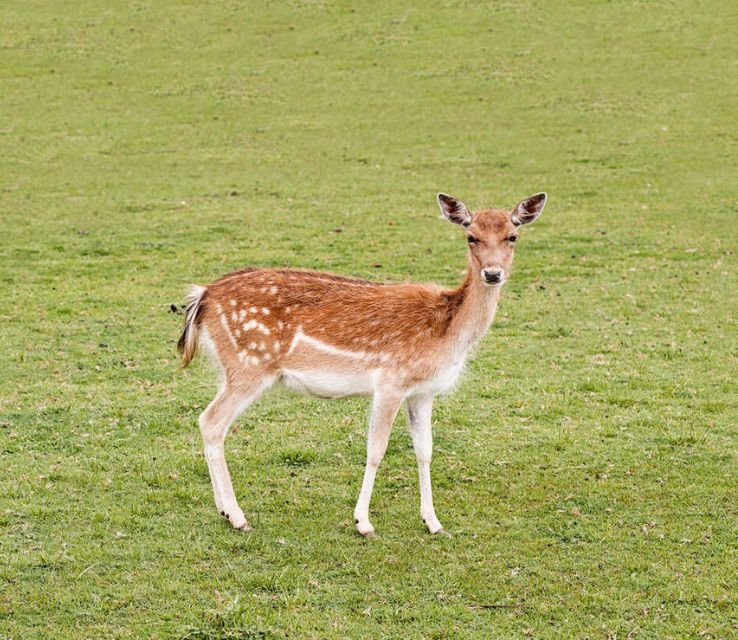
Animals that eat cactus, such as mule deer, utilize these succulents not just as a food source, but as a vital hydration method in regions with limited water supply. Their ability to consume these rugged plants emphasizes their resilience and ecological importance.
Read Also: Explore Top 17 Arboreal Animals In The World (With Images)
Final Thoughts
The fascinating world of animals that consume cactus demonstrates the incredible adaptability of wildlife in harsh environments. From the resilient cactus wren to the resourceful desert tortoise, each creature has found unique ways to thrive on the spines and flesh of these prickly plants.
These animals play vital roles in their ecosystems, aiding in nutrient recycling and providing insights into the delicate balance of life in arid regions. Observing these interactions highlights the importance of conservation efforts to protect both the flora and fauna of desert habitats.
So, the next time you encounter a cactus, take a moment to appreciate the diverse wildlife that relies on it for survival.
FAQs
What Animal Eats a Cactus?
Various animals such as desert tortoises, jackrabbits, and certain birds like the cactus wren depend on cactus for food.
How Do Animals Eat Cactus Without Getting Hurt?
Many animals have adapted specialized mouths or stomachs that can handle the spines, or they carefully chew around them to access the fleshy parts.
How Does a Cactus Avoid Being Eaten By Animals?
Cactus spines protect the plant from animals and predators that would eat the cactus to obtain food and water.
What Are The Benefits Of Eating Cactus?
Edible cacti like the prickly pear cactus have antiviral and anti-inflammatory properties and help treat diabetes, high cholesterol, obesity, and hangovers.