What Animals Have Whiskers? Top 14 Creatures That Use Them to Survive
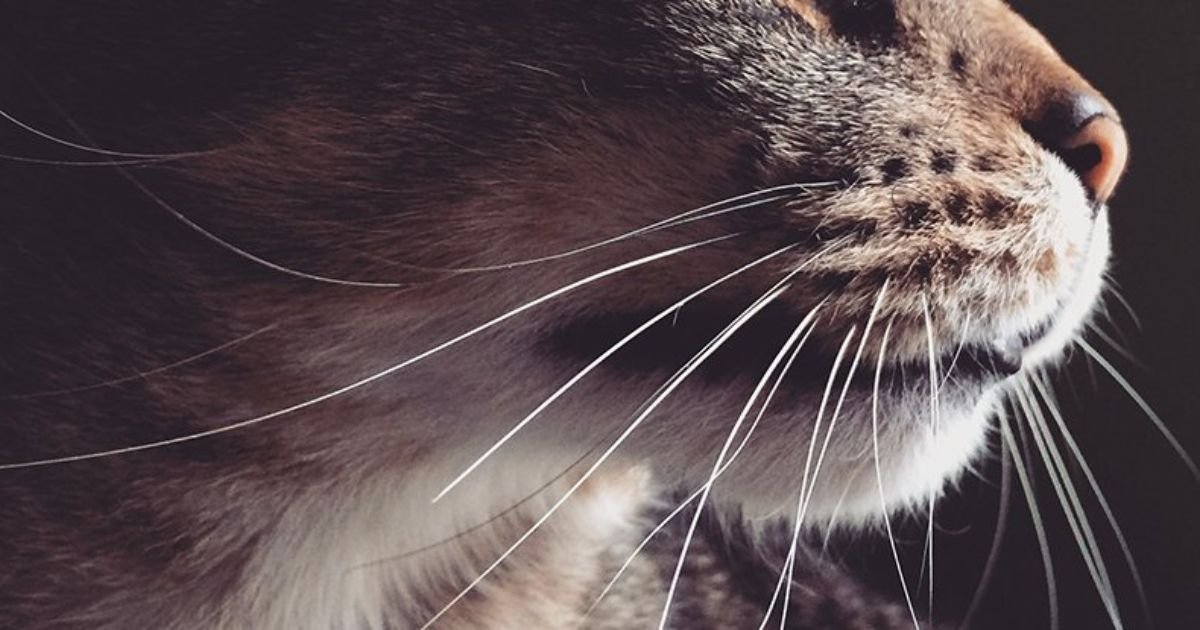
You might be surprised to learn that whiskers do much more than just add charm to furry faces. In our exploration of What Animals Have Whiskers?, we uncover how these whiskers play a crucial role in the lives of many animals.
From hunting to sensing their environment, whiskers are essential tools for survival. Join us as we dive into the top 14 creatures that depend on this unique feature in fascinating ways.
What Animals Have Whiskers?
Whiskers, or vibrissae, are fascinating tactile hairs found on a variety of animals, primarily helping them navigate their environments. Cats are perhaps the most famous whisker-wielders; these sensitive hairs help them gauge tight spaces and detect nearby objects. Dogs sport whiskers too, using them to sense their surroundings, especially during low-light conditions.
Even some rodents, like rats and mice, rely on these specialized hairs for spatial awareness.
Why do animals have whiskers?
Animals have whiskers, also known as vibrissae, that serve important purposes beyond just looking cute. These special hairs are packed with nerve endings, making them super sensitive to touch and vibrations. This helps animals, like cats and seals, understand their surroundings, especially in low light or murky waters.
Whiskers also help with spatial awareness. For example, a cat uses its whiskers to decide if it can squeeze through a narrow space. They can also sense tiny changes in the air, which helps animals detect nearby predators or prey.
List of Animals with Whiskers
Here is the list of animals that have whiskers:
| Number of Animals | Animals with Whiskers |
|---|---|
| 1 | Cat |
| 2 | European rabbit |
| 3 | Dog |
| 4 | Otter |
| 5 | Etruscan shrew |
| 6 | Seal |
| 7 | Beaver |
| 8 | Rat |
| 9 | Manatees |
| 10 | Horse |
| 11 | Raccoon |
| 12 | Sea Lion |
| 13 | Mountain lion |
| 14 | Walrus |
Cat
Scientific name: Felis catus
Class: Mammalia
Diet: Carnivore
Cats have special long hairs called whiskers that help them sense their surroundings. These whiskers are very sensitive and can feel even the tiniest changes in the environment. They help cats know if they can fit through a space or if something is moving nearby, which is important for hunting.
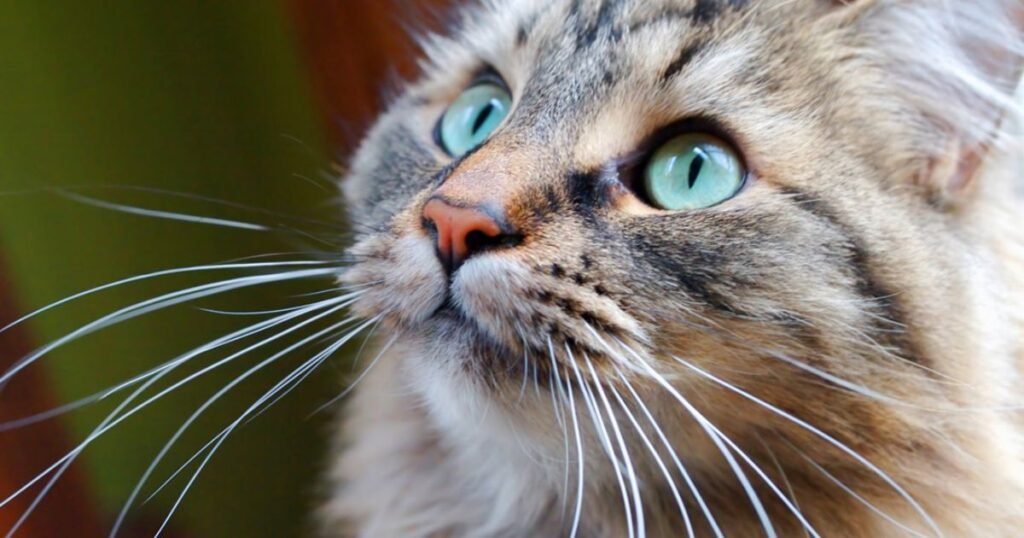
Whiskers also show how a cat is feeling. When a cat is calm, its whiskers rest by its face. But if it feels scared or excited, the whiskers stick out more. This amazing feature allows cats to connect with both their world and their emotions in a unique way.
European Rabbit
Scientific name: Oryctolagus cuniculus
Class: Mammalia
Diet: Herbivore
It is known scientifically as “Oryctolagus cuniculus“, is a delightful animal with long ears and sensitive whiskers. These whiskers help rabbits sense their surroundings, especially in their burrows. They can feel tiny movements, which helps them avoid danger from predators.
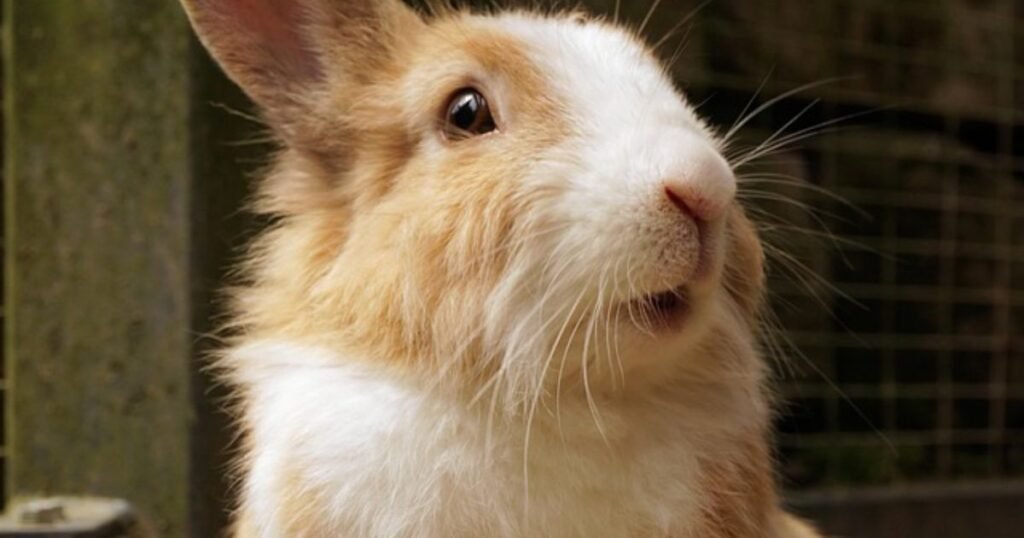
Rabbits are social creatures and often live in groups called warrens. Their whiskers play a role in their friendships too! When they groom each other, their whiskers touch, helping them bond and communicate.
Dog
Scientific name: Canis lupus familiaris
Class: Mammalia
Diet: Omnivore
These known as man’s best friend, have special hairs called whiskers that do more than just look cute. These whiskers are very sensitive and help dogs understand their surroundings. They act like little radar systems, telling dogs if they can fit through tight spaces or avoid obstacles in the dark.
Each dog’s whiskers are unique, reflecting their personality and how they live. For example, hunting breeds like Retrievers have longer whiskers to help them track scents and movements better.
Read More: Explore Top 11 Animals Like Meerkats (With Pictures)
Otter
Scientific name: Lutra lutra
Class: Mammalia
Diet: Carnivore
They are amazing animals known for their playful behavior, but did you know their whiskers are super important? These whiskers, called vibrissae, are very sensitive and help otters feel vibrations in the water, which is crucial when they’re hunting for food. Even in dark waters, these whiskers let them find their prey with ease.
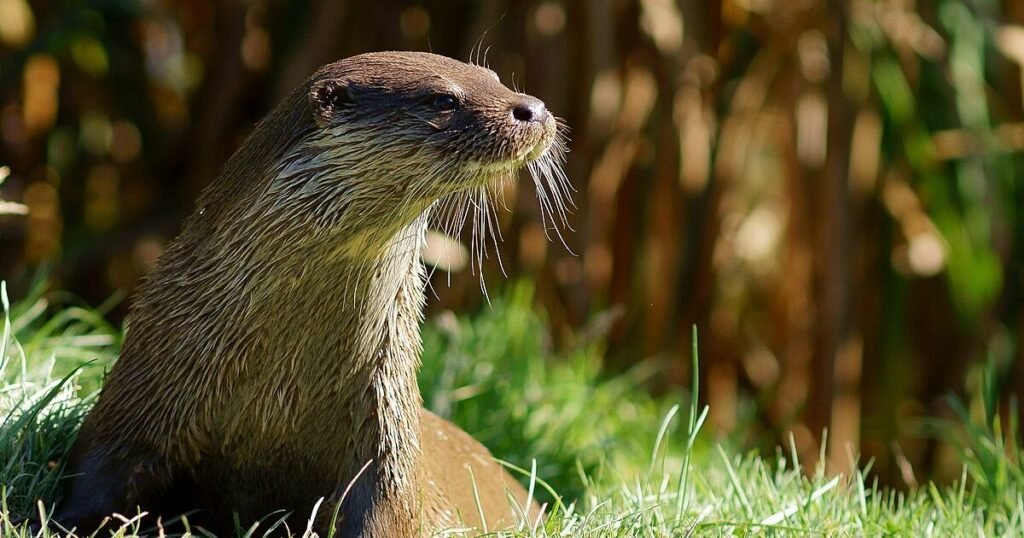
Otters also use their whiskers to communicate with each other. The way they move their whiskers can show how they’re feeling or what they want to do, helping them bond with their friends and family.
Etruscan Shrew
Scientific name: Suncus etruscus
Class: Mammalia
Diet: Insectivore
It is often called the smallest mammal in the world, measuring just over three inches long. This tiny creature relies on its sensitive whiskers to navigate its surroundings and find food. These whiskers can pick up even the smallest vibrations, helping the shrew detect prey and dangers in its dark, leaf-covered home.
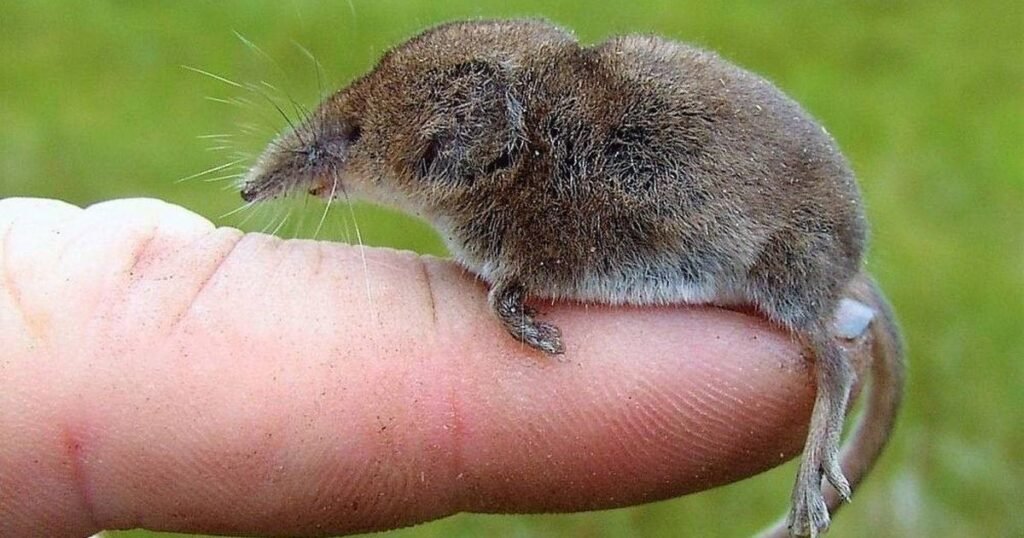
Unlike many animals that depend on their eyesight, the Etruscan shrew shows us a different way to interact with the world. By using touch and smell more than sight, it has developed unique skills that help it survive. This remarkable adaptation highlights the amazing ways animals can evolve and thrive in their environments.
Seal
Scientific name: Phoca vitulina
Class: Mammalia
Diet: Carnivore
Seals, like the harbor seal (Phoca vitulina), have special whiskers that are really important for their survival. These whiskers are not just for looks; they are sensitive tools that help seals feel their surroundings in the water. When seals swim, they can detect tiny vibrations made by fish and other creatures, even when it’s dark.
This ability to sense changes around them helps seals find food and avoid danger. Their whiskers also help them understand the size and shape of objects in the ocean, which is useful in their underwater world.
Read More: Explore Top 16 Animals That Eat Frogs In The World (With Images)
Beaver
Scientific name: Castor fiber
Class: Mammalia
Diet: Herbivore
They are fascinating animals known for their hard work and impressive building skills. These sensitive whiskers allow beavers to feel the water around them, even when visibility is poor. This helps them find food and navigate while swimming.
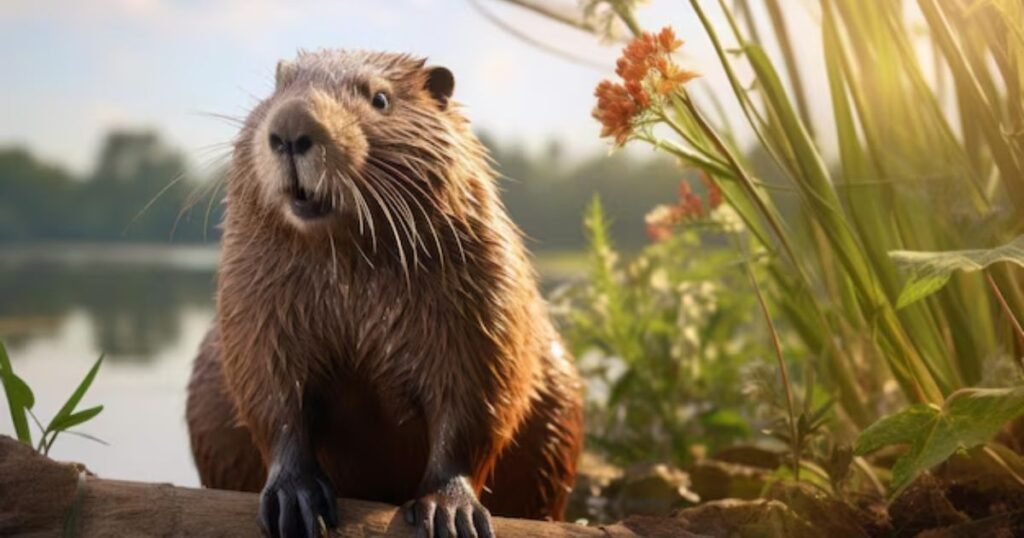
Beavers have adapted well to their environment. They can close their ears and nostrils when they dive underwater, relying on their whiskers to sense if anything unusual is nearby. This ability helps them avoid predators and enables them to focus on building their homes, like dams and lodges, safely and efficiently.
Rat
Scientific name: Rattus rattus
Class: Mammalia
Diet: Omnivore
These are scientifically known as Rattus rattus, are interesting animals often misunderstood as pests. Their whiskers, called vibrissae, are crucial for their survival. These sensitive whiskers help rats feel their way around in dark places where they can’t see well, detecting even the tiniest changes in the air. This is especially important since rats are nocturnal and often explore at night.
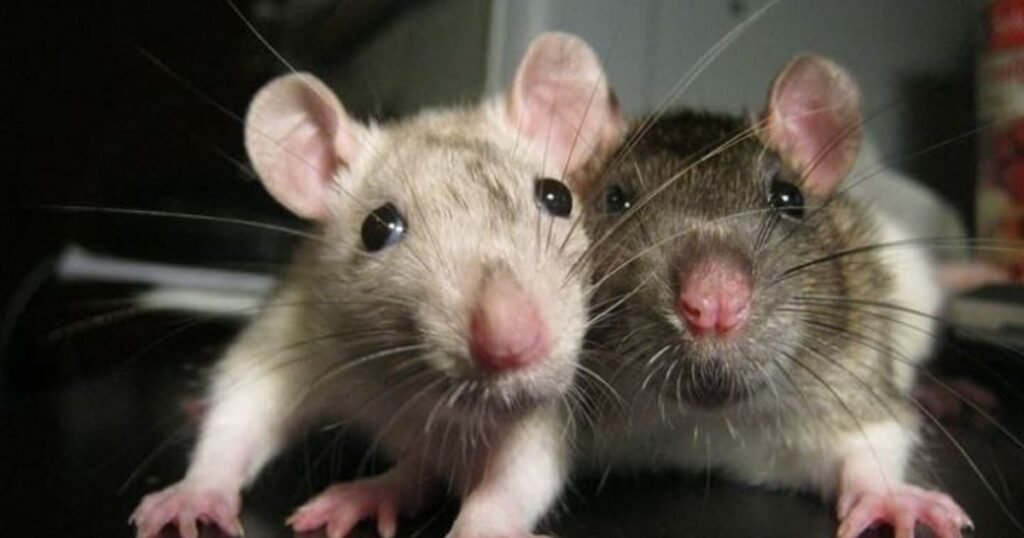
Whiskers help rats communicate with each other. They can sense emotions and react to their friends’ feelings or the mood of the group. This ability shows that rats are not just simple creatures; they have social skills and complex interactions, making them fascinating and clever animals.
Manatees
Scientific name: Trichechus manatus
Class: Mammalia
Diet: Herbivore
Manatees, sometimes called “sea cows,” are gentle marine animals known for their unique features. While they don’t have traditional whiskers like some animals, they have special sensory bristles on their snouts. These bristles help them feel their surroundings, especially since their eyesight isn’t very sharp beyond a few feet.
Manatees are herbivores, mainly eating seagrass in shallow waters. Their ability to sense touch is crucial for finding food and staying safe from dangers. By grazing on seagrass, they play an important role in keeping their underwater environment healthy.
Read More: Animals That Have Trunk: 11 Amazing Creatures(With Pictures)
Horse
Scientific name: Equus ferus caballus
Class: Mammalia
Diet: Herbivore
They have special hairs called whiskers located around their mouths, and these are not just for looks. Whiskers help horses feel their way around, especially when they are eating or exploring. This is important because horses are prey animals, and they need to stay aware of their surroundings to avoid dangers.
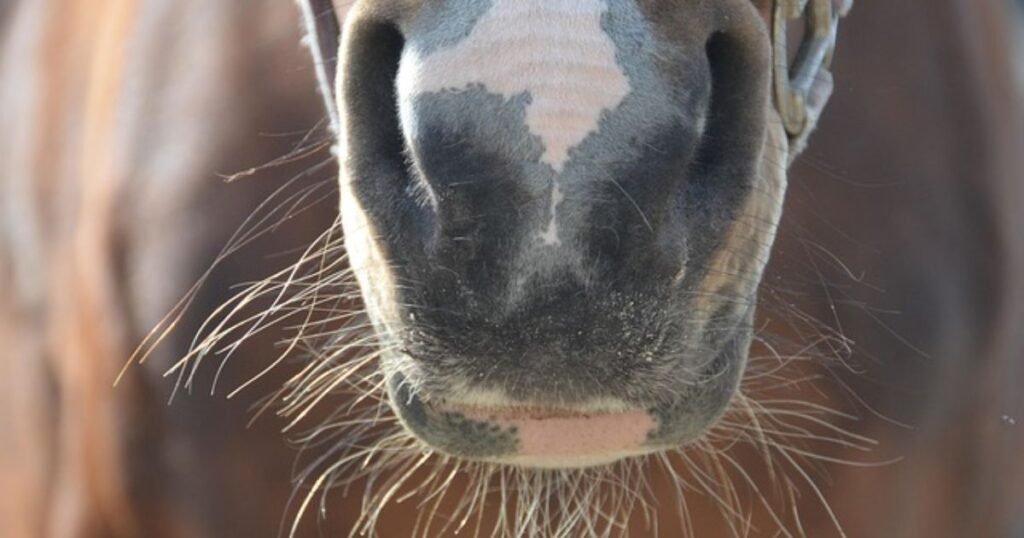
Whiskers also play a role in how horses connect with each other. When they groom one another, their whiskers help create gentle contact, which strengthens their bond. This shows that horses are smart and have feelings, as they use their whiskers to communicate and feel safe in their social groups.
Raccoon
Scientific name: Procyon lotor
Class: Mammalia
Diet: Omnivore
They are fascinating animals known for their unique facial markings and clever paws. Their long whiskers play an important role in helping them survive. These whiskers act like touch sensors, allowing raccoons to feel around in the dark and find food without needing to see everything.
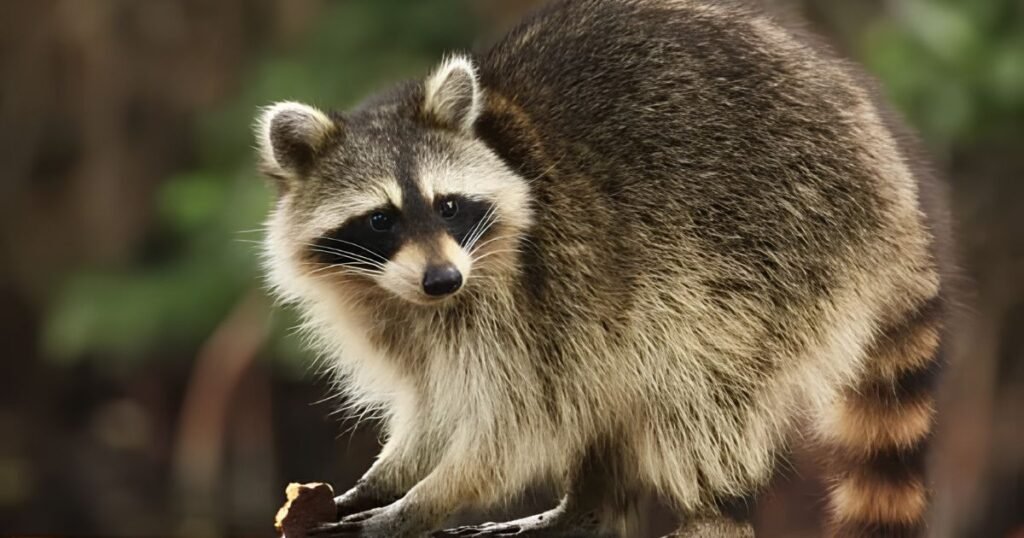
When raccoons dig through trash or search for snacks, their whiskers help them understand the shape and size of objects. This skill makes them great at finding food and interacting with their surroundings.
Sea Lion
Scientific name: Zalophus californianus
Class: Mammalia
Diet: Carnivore
Sea lions, known scientifically as Zalophus californianus, are fascinating marine mammals. They are often confused with seals but have some unique traits. One interesting feature is their sensitive whiskers, which help them find food in dark or murky waters. These whiskers can pick up vibrations in the water, making it easier for sea lions to hunt.
Their whiskers play important role in social interactions. During breeding season, sea lions use their whiskers to gauge the behavior of others around them. This adds to their complex social lives and shows how communication and sensory skills are important for their survival.
Read More: Explore Top 8 Animals That Eat Oranges (With Pictures)
Mountain lion
Scientific name: Puma concolor
Class: Mammalia
Diet: Carnivore
Mountain lions, also known as cougars or pumas, have whiskers that are not just for show. These long, sensitive hairs help them feel their way around their tough environments, especially in dim light. The whiskers allow them to sense nearby objects and navigate through dense forests, which is really important when they are hunting.
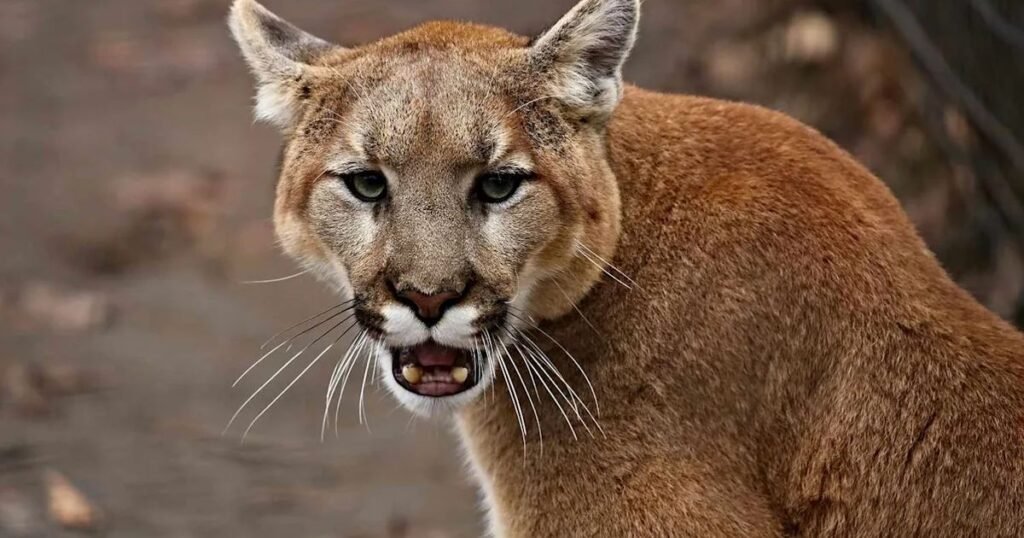
Besides helping with navigation, mountain lions use their whiskers to communicate with each other. During mating or when raising cubs, they can show their mood and intentions with their whiskers. This shows how every part of a mountain lion, including their whiskers, helps them survive and thrive in the wild.
Walrus
Scientific name: Odobenus rosmarus
Class: Mammalia
Diet: Carnivore
These are unique animals known for their long tusks and thick whiskers. Their whiskers help them feel around in the cold, dark waters of the Arctic while they hunt for clams and other food on the ocean floor. This ability to sense their surroundings is crucial for finding food in such a murky environment.
Walrus whiskers play important role in their social life. Walruses live in large groups, and the condition of their whiskers can show how healthy they are and their rank in the herd. Sometimes, they even show off their tusks and whiskers to show their strength or attract others.
Read More: Top 17 Incredible Jumping Animals (With Amazing Photos)
Final Words
Exploring What Animals Have Whiskers? highlights how many creatures rely on these sensitive tools for survival. From cats and dogs to seals and even some species of bats, whiskers play a crucial role in helping animals navigate their environments. They can sense changes in their surroundings, find food, and avoid danger.
This amazing adaptation shows just how diverse and fascinating the animal kingdom is. Next time you see an animal with whiskers, take a moment to appreciate the important work they do.
FAQ’s
Do Giraffes Have Whiskers?
Yes, giraffes do have whiskers, though they’re not as noticeable as those on other animals. These sensory hairs, called vibrissae, are located around their mouths and eyes, helping them navigate their environment.
What Animal Has The Most Whiskers?
The animal with the most whiskers is the walrus, boasting up to 600 whiskers on its upper lip. These sensitive whiskers help them navigate and forage effectively on the ocean floor.
Do Cows Have Whiskers?
Yes, cows do have whiskers! Located around their muzzle and jaw, these whiskers help enhance their sense of touch and assist them in navigating their environment.
Do Camels Have Whiskers?
Yes, camels do have whiskers, known as vibrissae. These long, sensitive hairs help them detect changes in their environment, which is crucial for navigating the sandy desert landscape.
Do Bears Have Whiskers?
Yes, bears do have whiskers, known as vibrissae. These long, sensitive hairs help bears explore their surroundings, particularly in dim light or thick vegetation, enhancing their ability to sense objects and navigate effectively.