17 Amazing Striped Animals Around the World (With Pictures & Facts)
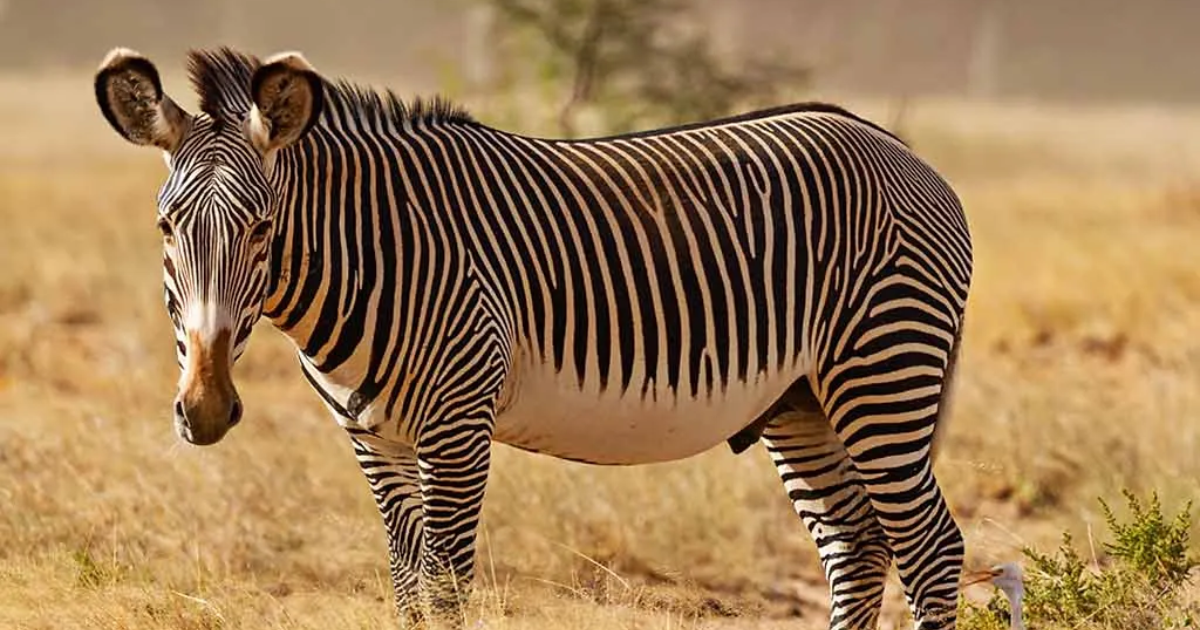
Did you know that the unique patterns of stripes in animals can serve as a form of camouflage, communication, or even temperature regulation?
We will explore 17 amazing striped animals from around the globe, highlighting how their stunning patterns impact their survival and behaviour. By delving into their intriguing facts and captivating images, you’ll gain a deeper appreciation for the remarkable diversity of striped animals and their roles in our ecosystems.
List of Striped Animals in the World
Below the List of Striped Animals in the World:
- Zebra
- Striped skunk
- Tiger
- Okapi
- Striped chipmunk
- Striped mouse
- Zorse
- Thirteen-lined ground squirrel
- Giant-striped mongoose
- Bongo
- Greater Kudu
- African wild ass
- Ring-tailed lemur
- Striped hyena
- Coral Snake
- Malayan Tapir
- Nyala
Zebra
Scientific name: Equus quagga
Class: Mammalia
Diet: Herbivore
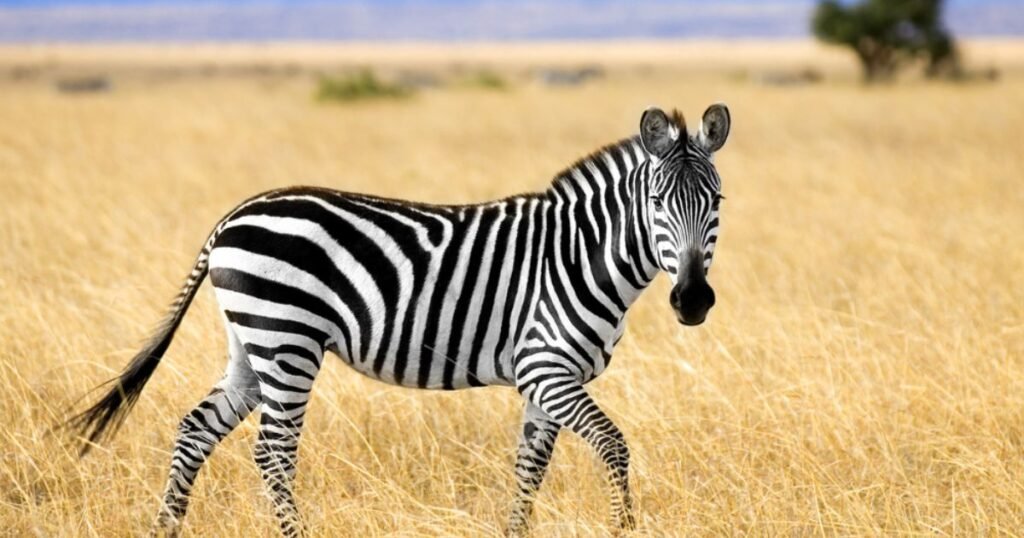
These are most fascinating stripes in the world, known for their eye-catching black-and-white patterns and the intriguing purposes they serve. Many believe zebras have stripes for camouflage, but recent studies suggest they play a crucial role in social interactions and temperature regulation.
The unique stripe patterns help zebras identify one another, strengthening their bonds within the herd and improving their ability to fend off predators.
Striped skunk
Scientific name: Mephitis mephitis
Class: Mammalia
Diet: Omnivore
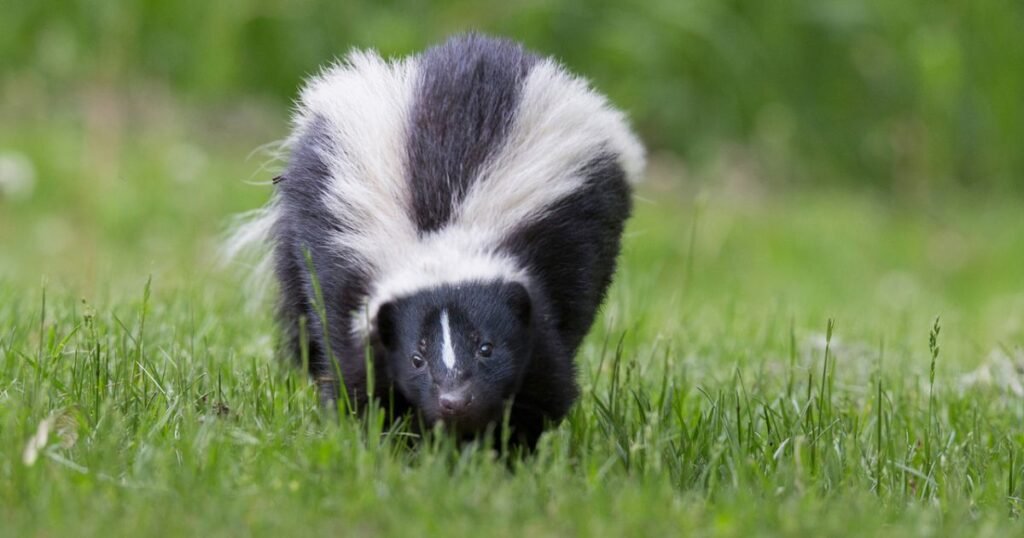
The striped skunk, with its bold black and white markings, stands out as one of the most recognizable striped animals in the world.
These striking patterns serve to deter potential predators and play a role in social signaling among skunks. Contrary to popular belief, their infamous spray is a defensive mechanism; it is also a sophisticated form of communication, warning rivals to stay away and marking their territory with a pungent reminder.
READ MORE: Top 12 Animals That Look Like Capybara (With Pictures)
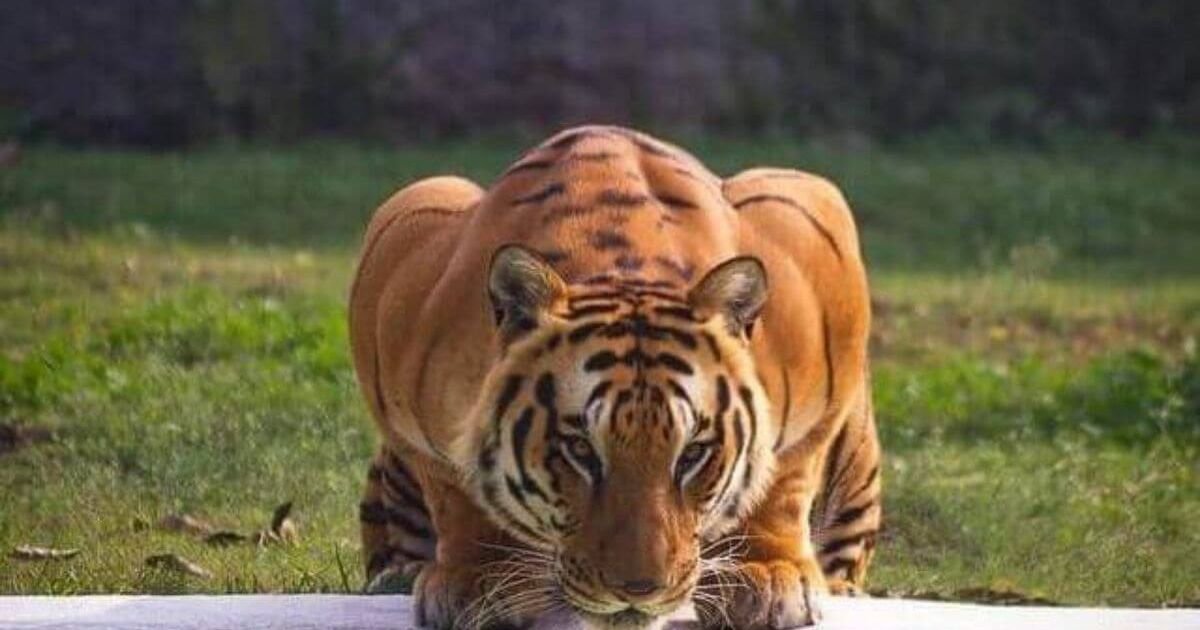
Tiger
Scientific name: Panthera tigris
Class: Mammalia
Diet: Carnivore
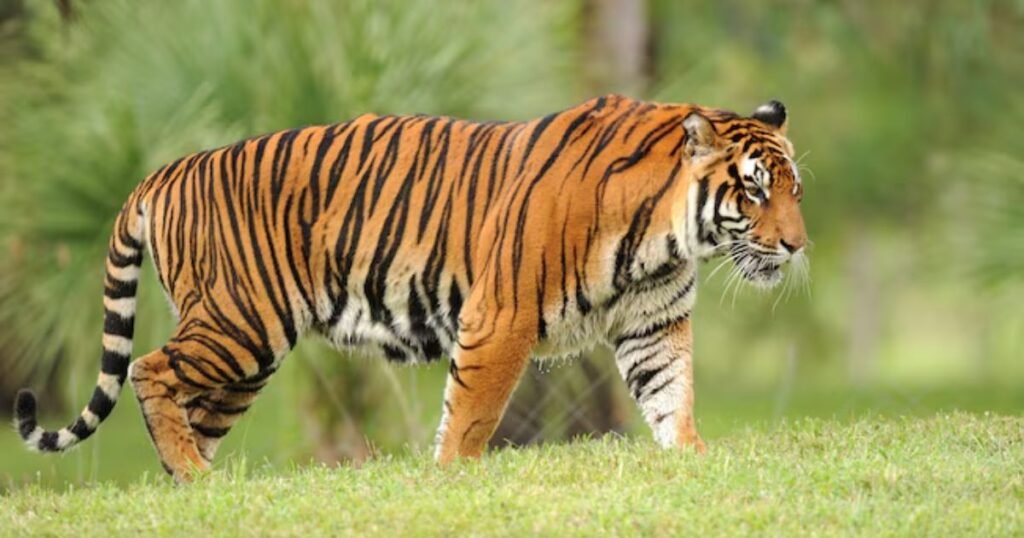
The tiger, a majestic symbol of power and grace, is one of the most captivating striped animals in the world. Its vibrant orange coat, accented with dark black stripes, provides both stunning visual beauty and highly effective camouflage in the dense jungles of its habitat.
Each tiger’s unique stripe pattern, much like a fingerprint, adds to the mystique of this awe-inspiring creature. Beyond its physical attributes, tigers play a vital ecological role as apex predators, maintaining the balance of ecosystems by regulating prey populations.
Okapi
Scientific name: Okapia johnstoni
Class: Mammalia
Diet: Herbivore
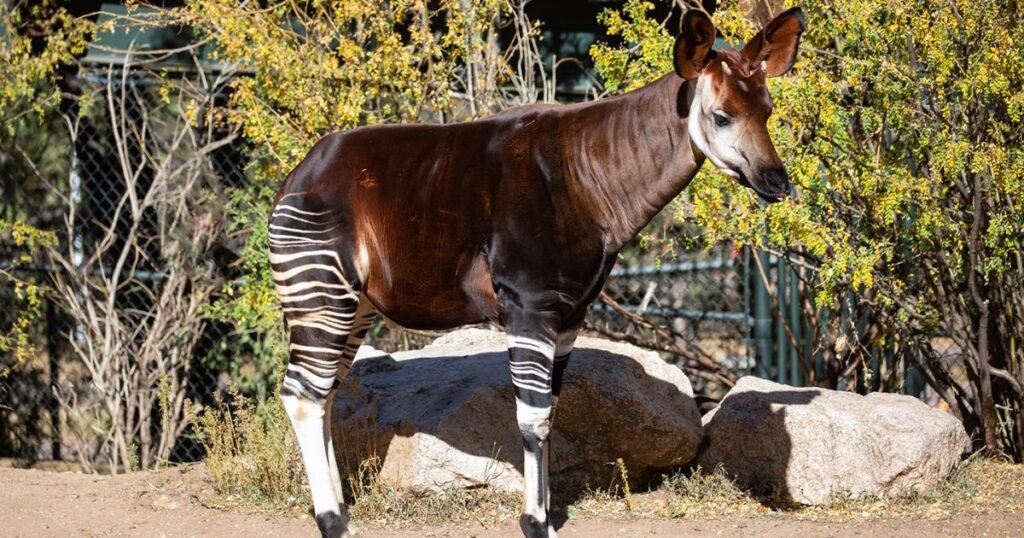
The okapi, often dubbed the “forest giraffe,” is a striking example of nature’s creativity among striped animals in the world.
A long-necked relative of the giraffe, the okapi has a unique appearance, featuring zebra-like stripes on its hind legs and a rich chocolate-brown body, which provides a captivating disguise in the dense rain forests of the Democratic Republic of Congo. This remarkable adaptation enables effective camouflage in the dappled forest light and also supports social signaling within its shy and elusive population.
Striped chipmunk
Scientific name: Tamias striatus
Class: Mammalia
Diet: Omnivore
The striped chipmunk, a small mammal native to North America, epitomizes the charm of striped animals in the world. With its distinctive reddish-brown fur adorned with bold black stripes running down its back, this adorable creature also plays a significant ecological role.
Striped chipmunks are known for their acrobatic abilities, darting between trees and navigating rugged landscapes with remarkable agility. Their behaviour highlights the adaptability of striped animals, showing how unique patterns evolve in different environments to enhance survival.
Striped mouse
Scientific name: Rhabdomys pumilio
Class: Mammalia
Diet: Omnivore
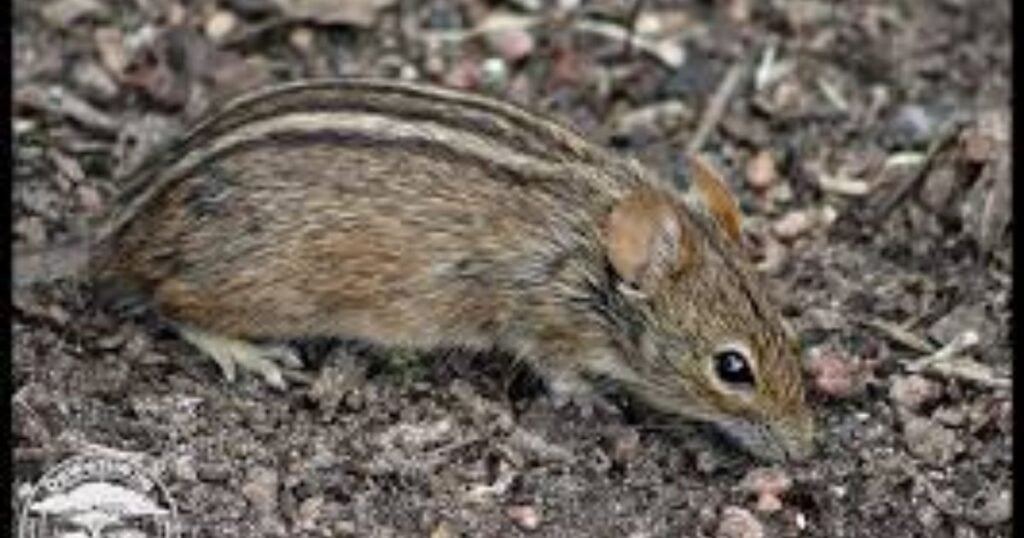
The ard wolf, a mammal native to the arid regions of southern Africa, is known for its striped legs and remarkable adaptation to its environment, making it stand out among striped animals in the world.
Its striking fur patterns help it blend seamlessly into the sandy terrain, while also creating a unique visual appeal that attracts wildlife enthusiasts and researchers alike.
READ ALSO: Top 20 Animals With Long Tails – Names & Pictures Guide
Zorse
Class: Mammalia
Diet: Herbivore
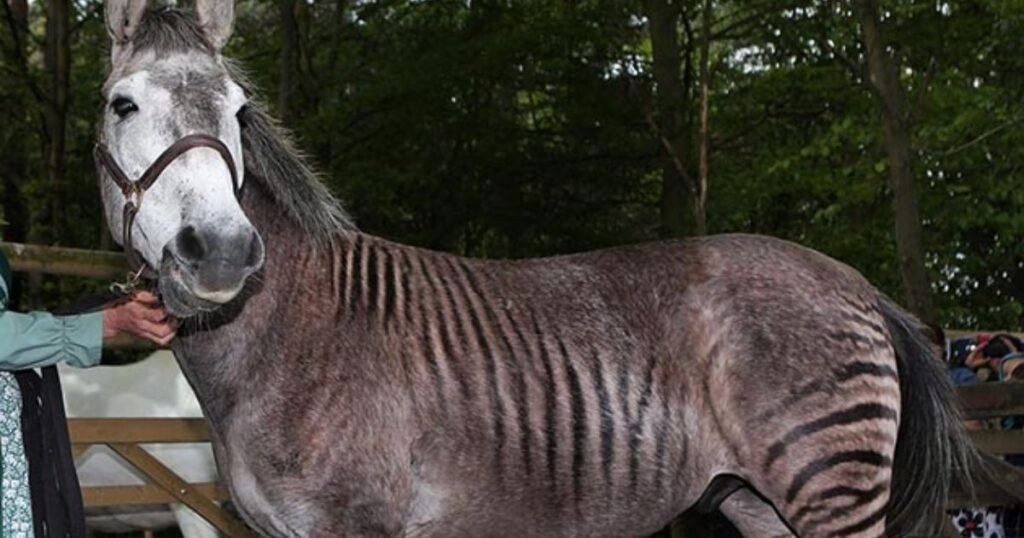
Zorses, the intriguing hybrids of zebras and horses, capture the imagination with their striking striped patterns. Inherited from their zebra parent, zorses display a unique blend of stripe patterns that vary in density and style, making each individual a living work of art.
This unpredictable patterning has sparked discussions about adaptability in different environments, suggesting that these hybrid animals may one day thrive in diverse ecosystems beyond the savannah.
Thirteen-lined ground squirrel
Scientific name: Ictidomys tridecemlineatus
Class: Mammalia
Diet: Omnivore
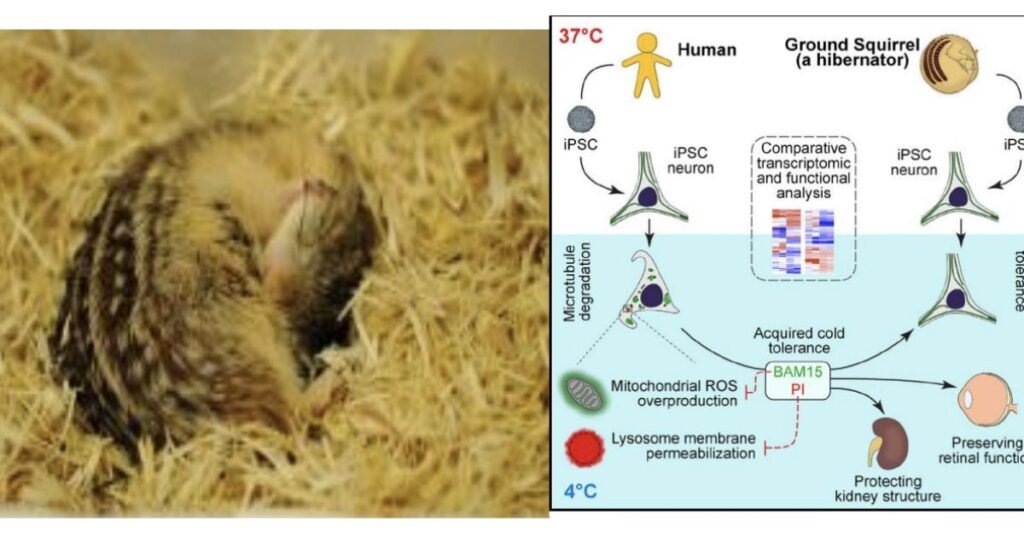
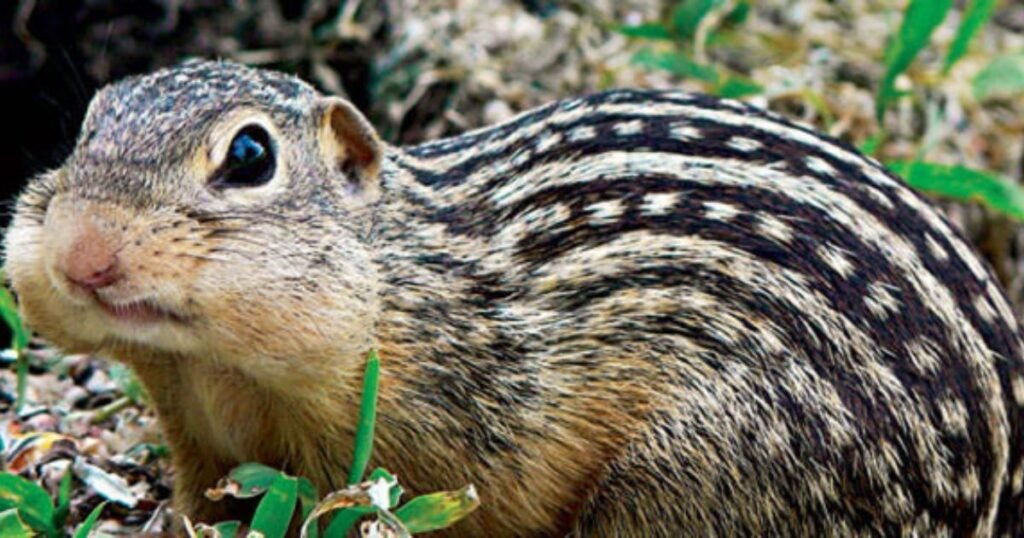
They are charming small mammals native to North America and stand out among striped animals in the world due to their strikingly patterned fur. With distinctive stripes running down their backs, reminiscent of a natural brushstroke, these small creatures blend into prairie environments while still attracting the attention of enthusiasts and researchers alike.
Beyond their aesthetic appeal, these squirrels are fascinating social animals, often living in bustling colonies. Their communication system is an elaborate mix of chirps and squeaks, conveying warnings about predators as well as food discoveries.
Giant-striped mongoose
Scientific name: Galidictis fasciata
Class: Mammalia
Diet: Carnivore
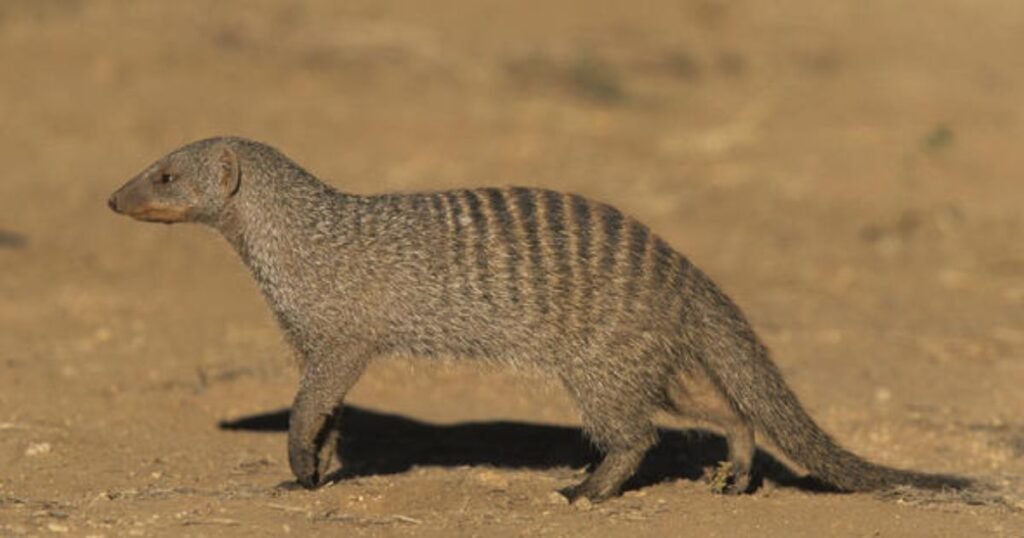
The mongoose species native to Madagascar, with its striking black-and-white stripes, is known for its fascinating behavioural adaptations. These remarkable striped animals are often seen foraging in groups, showcasing a unique social dynamic that enhances their survival.
Unlike many solitary mongoose species, they exhibit cooperative hunting tactics, reflecting a higher level of intelligence and adaptability, which allows them to capture elusive prey.
READ MORE: What Animals Growl | Top 18 Animals that Growl (With Images)
Bongo
Scientific name: Tragelaphus eurycerus
Class: Mammalia
Diet: Herbivore
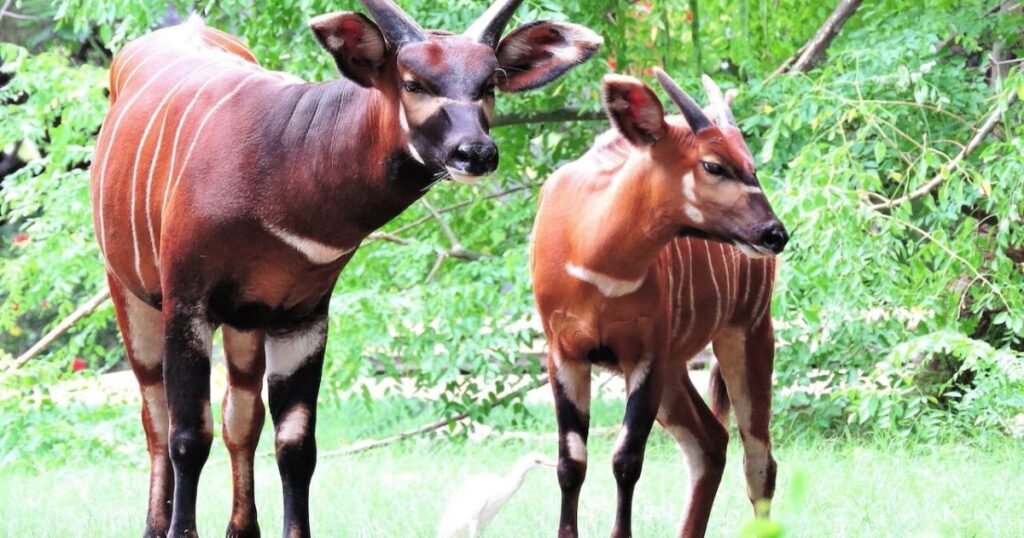
The bongo, a striking member of the antelope family, stands out among striped animals in the world with its vibrant orange-brown coat adorned by bold white stripes.
These distinctive markings are visually stunning and serve a crucial survival purpose in dense forest habitats, helping them blend into dappled sunlight filtering through the trees. This natural camouflage allows bongos to evade predators while moving through the undergrowth of African rainforests.
Greater Kudu
Scientific name: Tragelaphus strepsiceros
Class: Mammalia
Diet: Herbivore
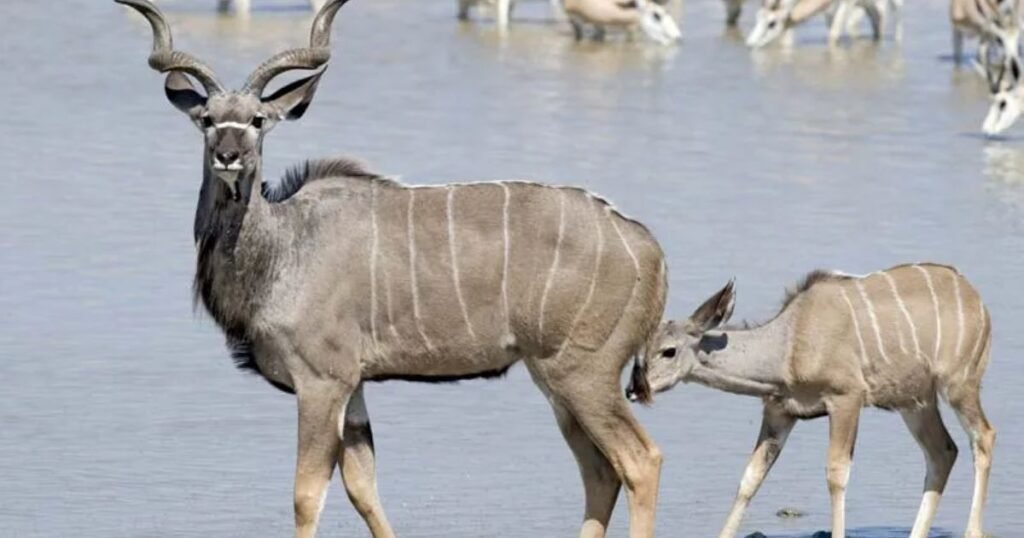
The eland antelope, a magnificent antelope native to the woodlands and savannas of Eastern and Southern Africa, stands out for its impressive stature and striking appearance.
Sporting vertical white stripes along its dark grayish-brown body, this majestic animal exemplifies the beauty of striped animals in the world. Each stripe pattern enhances its camouflage, helping it blend into the dappled light of its natural habitat, a remarkable adaptation that provides protection from predators.
African wild ass
Scientific name: Equus africanus
Class: Mammalia
Diet: Herbivore
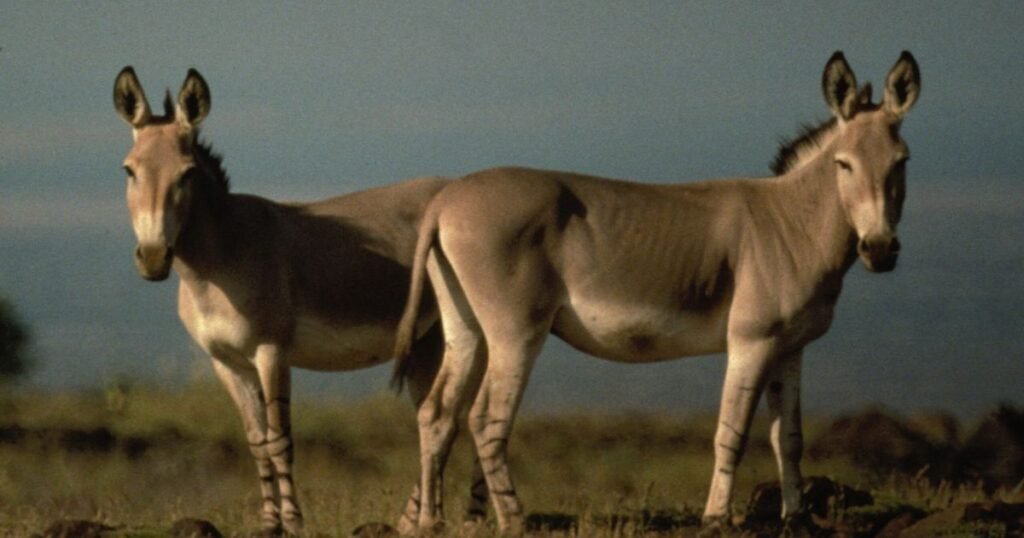
The African wild ass, an extraordinary member of the equid family, is often overshadowed by its domesticated relatives. With its striking gray coat and prominent stripe patterns, it stands among the most intriguing striped animals in the world.
These stripes are not merely decorative; they serve as a crucial survival mechanism, helping the African wild ass blend into its arid habitat. The unique stripe patterns vary from individual to individual, much like human fingerprints, allowing researchers to identify and monitor wild populations more effectively.
Ring-tailed lemur
Scientific name: Lemur catta
Class: Mammalia
Diet: Omnivore
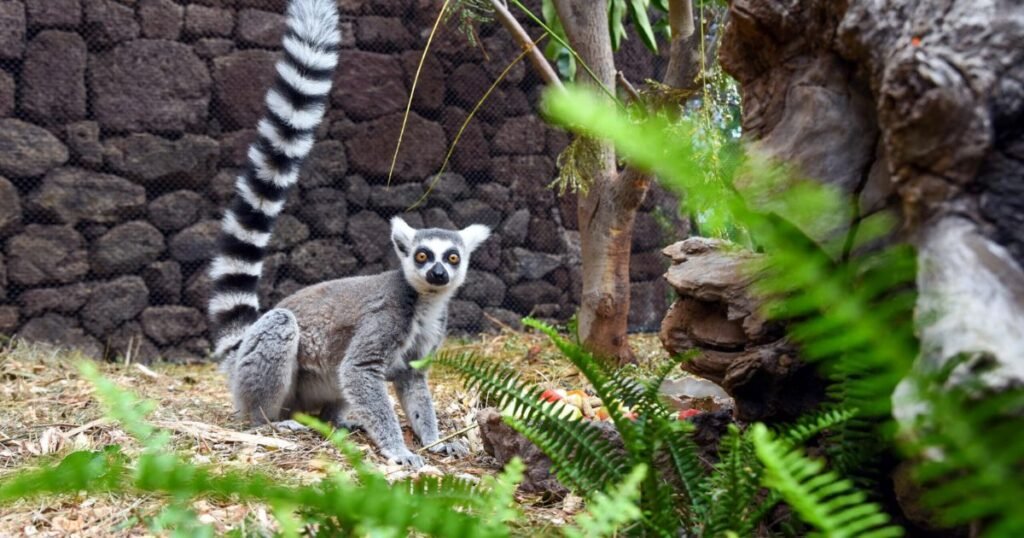
The ring-tailed lemur, a fascinating member of the primate family, stands out as one of the most recognizable striped animals in the world. With its striking black-and-white tail, which can grow over three feet long, this social creature uses it for balance and as a signaling device to communicate with its troop.
Their unique “stink fights”, where males scent-mark to assert dominance, highlight their quirky social behavior and reveal a level of intelligence that is often underestimated.
Striped hyena
Scientific name: Hyaena hyaena
Class: Mammalia
Diet: Carnivore
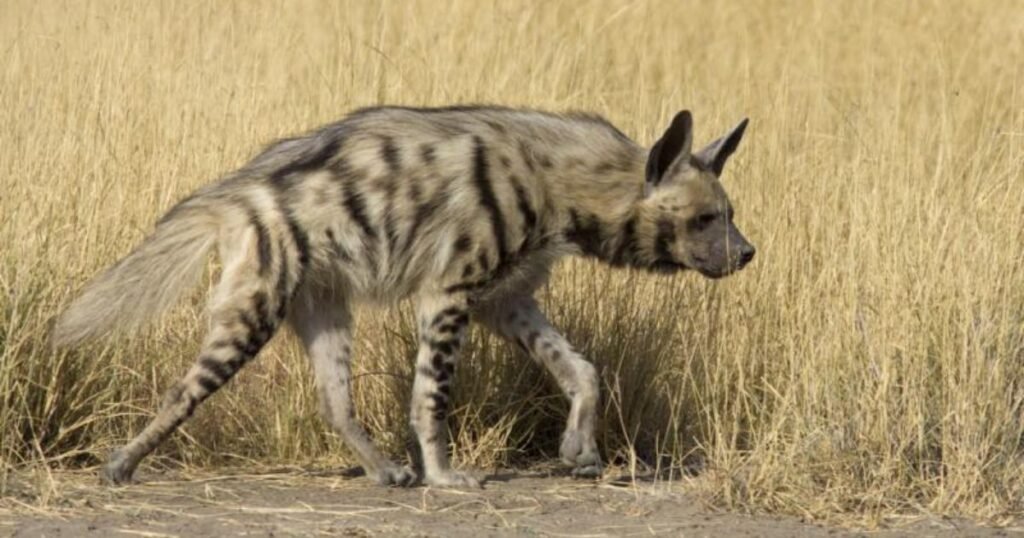
The striped hyena, an intriguing member of the hyena family, stands out for its distinctive stripes and unique adaptations that set it apart from its more notorious relatives.
Unlike its larger cousins, the striped hyena thrives in arid environments, demonstrating an incredible ability to survive in harsh conditions. Its nocturnal lifestyle helps it avoid extreme daytime heat, emerging at night to scavenge for food. This adaptability makes it one of the most resilient striped animals in the world.
Also read: Top 25 Greedy Animals in the World (Images Included)
Coral Snake
Scientific name: Micrurus
Class: Reptilia
Diet: Carnivore
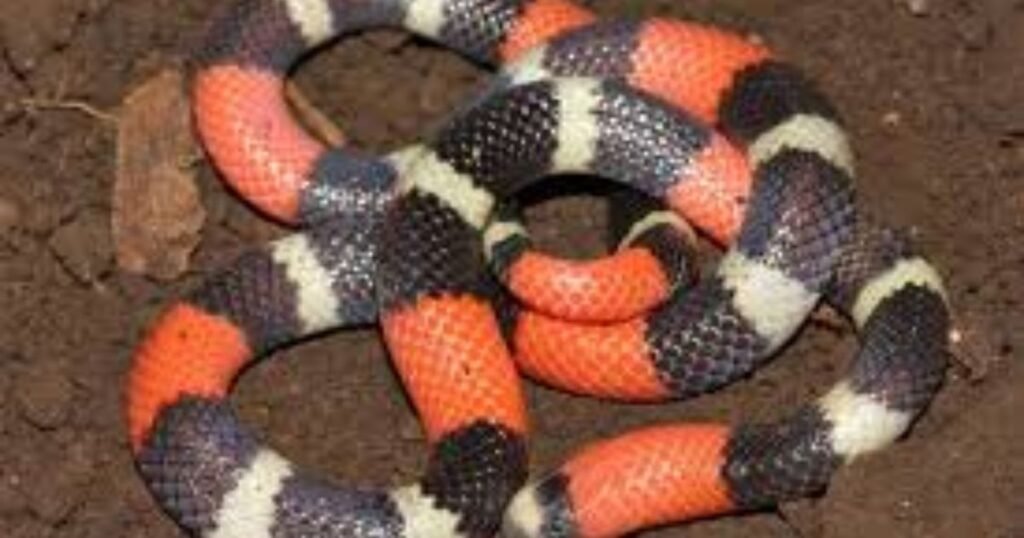
The coral snake, with its striking pattern of vibrant red, yellow, and black bands, stands out among striped animals in the world as a symbol of beauty and danger. Unlike many other snakes, the coral snake is often misunderstood; its vivid coloration serves as a warning to predators of its potent venom rather than attracting prey.
With a bite that can be fatal if untreated, the coral snake serves as a reminder of nature’s balance between allure and danger.
Malayan Tapir
Scientific name: Tapirus indicus
Class: Mammalia
Diet: Herbivore
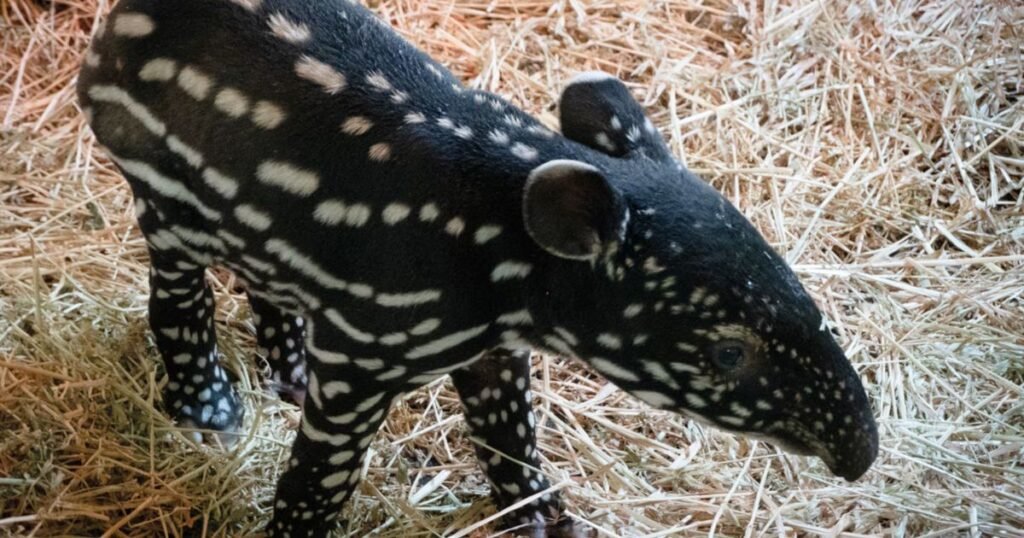
The tapir, a remarkable example of striped animals, stands out for its striking appearance and unique evolutionary history.
With its distinctive blend of black and white markings, the tapir resembles a living canvas of nature’s artistry, where this stark contrast provides both effective camouflage in the dappled rain forest sunlight and highlights its uniqueness in the animal kingdom.
These patterns mimic the play of light through the jungle canopy, allowing the tapir to blend seamlessly into its lush environment, a survival strategy refined over millennia.
Nyala
Scientific name: Tragelaphus angasii
Class: Mammalia
Diet: Herbivore
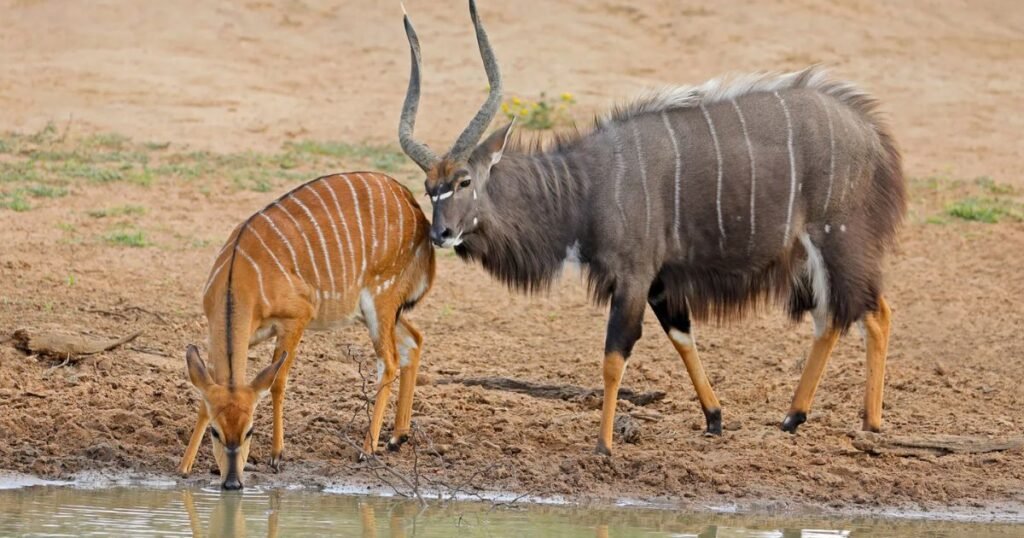
The nyala, one of the most striking striped animals in the world, captivates nature enthusiasts with its grace and elusive behaviour.
Found mainly in Southern Africa, this antelope species stands out for its distinctive features. Males possess spiral horns and a coat adorned with white stripes and markings, while also exhibiting a fascinating social structure.
READ MORE: Discover Top 20 Animals Similar to Foxes (With Images)
Conclusion
Striped animals, captivate us with their unique patterns and stunning appearances and play crucial roles in their ecosystems. The majestic tiger prowling through the forests to the quirky zebra roaming the savannas, each species brings its own charm and importance.
These 5 animals with stripes helps us appreciate biodiversity and the need for conservation efforts. The natural world, let us remember the significance of protecting these fascinating creatures. Dive deeper into their habitats and behaviors by supporting wildlife conservation organizations today!
FAQS
What animals have stripes in the world?
Stripes are a fascinating feature in the animal kingdom, often serving as camouflage, warning signals, or social cues.
What are the 50 rarest animals in the world?
Rare animal is the Amur Leopard, native to the temperate forests of the Russian Far East and China, boasting a population of around 100 individuals.
What are the secret 7 animals?
Striped animals, many of us immediately think of iconic species like zebras and tigers. There are lesser-known striped animals that capture the imagination with their unique patterns.
How many striped animals are there?
The world is home to a diverse range of striped animals, with dozens of species exhibiting this eye-catching pattern.
What animals have unique stripes?
Several animals exhibit unique stripe patterns that serve a variety of purposes, from camouflage to social signaling.