Top 15 Animals That Live in Grasslands (With Pictures & Facts) 2026
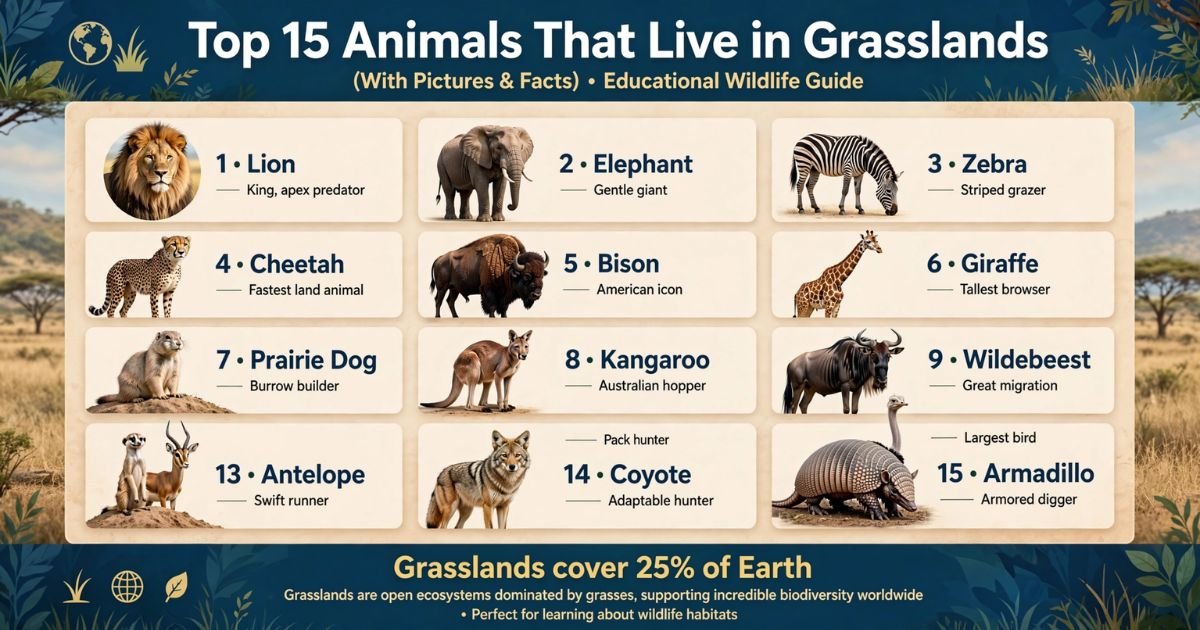
Did you know that grasslands cover about 40% of the Earth’s surface? These vast, open spaces are picturesque, they’re bustling with incredible wildlife!
We’ll explore the Top 15 Animals That Live in Grasslands, uncovering fascinating facts and stunning visuals that showcase their unique adaptations. If you’re a nature enthusiast or simply curious about these vibrant ecosystems, you’ll gain insight into the creatures that thrive in our planet’s most expansive habitats.
List of Animals That Live in Grasslands
Here is the list of grassland animals:
- Pronghorn
- Cheetah
- Long-billed Curlew
- Prairie Dog
- Przewalski’s horse
- Elephant
- Zebra
- Lion
- African Buffalo
- Common Emu
- Giraffe
- Hyena
- Black-Footed Ferret
- American Bison
- Swift Fox
Pronghorn
Scientific Name: Antilocapra americana
Class: Mammalia
Diet: Herbivore
Pronghorn are more than just remarkable grassland animals; they are a testament to evolutionary excellence. Known for their incredible speed, these creatures can sprint up to 55 miles per hour, making them the second-fastest land mammals in North America only behind the cheetah! This astonishing speed is for show; it serves as a critical survival mechanism against predators in the vast open plains.
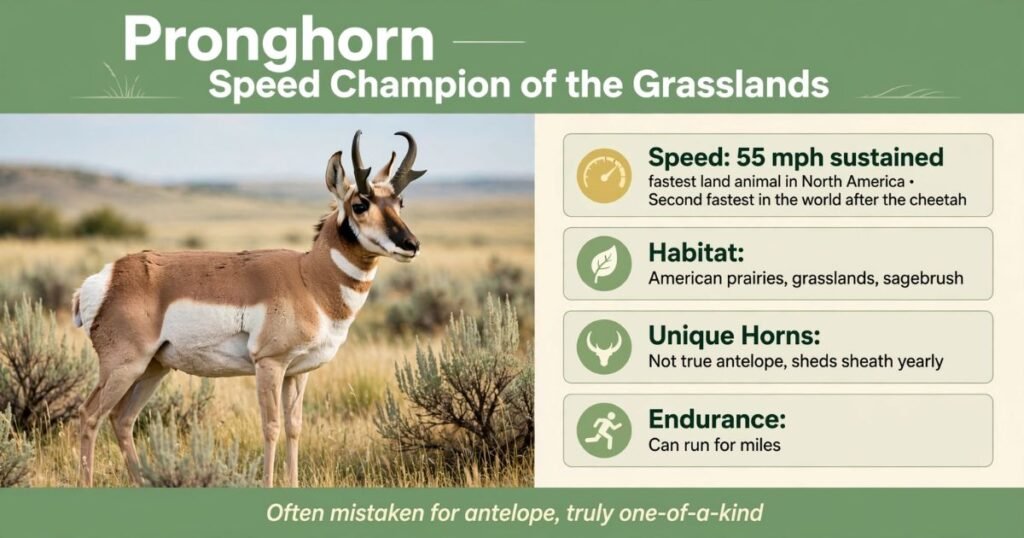
But it’s not solely their speed that fascinates; it’s their unique adaptations. Unlike true antelope, Pronghorn can sustain their remarkable velocity longer, thanks to their efficient respiratory and circulatory systems. With large lungs and a heart that pumps more aggressively than their size would suggest, they embody endurance in the grasslands.
ALSO READ: Top 16 Animals With Pouches (With Pictures & Interesting Facts) 2026
Cheetah
Scientific Name: Acinonyx jubatus
Class: Mammalia
Diet: Carnivore
These are the epitome of speed among grassland animals, and are remarkable for their breathtaking bursts of acceleration and for their critical role in the ecosystem. These sleek predators rely on the vast expanses of grassland plants for both camouflage and hunting success.
Their distinctive spotted fur blends seamlessly with the sun-drenched terrain, allowing them to stalk prey stealthily before launching into an explosive chase that can exceed 60 mph in mere seconds. This unique adaptation showcases the delicate balance between predator and prey, highlighting how every species in the grassland contributes to the thriving biodiversity.
Long-billed Curlew
Scientific Name: Numenius americanus
Class: Aves
Diet: Omnivore
The Long-billed Curlew, a true icon of the grasslands, captivates birdwatchers with its strikingly long, curved bill, an adaptation that enhances its ability to forage for hidden invertebrates in muddy ecosystems.
These elegant birds are about their physical attributes; they represent the biodiversity of grassland habitats and play a crucial role in maintaining ecological balance. Their migration patterns also reveal an extraordinary journey, traversing vast distances between breeding grounds and winter habitats. This journey underscores how interconnected grassland ecosystems are, emphasizing the importance of preserving these environments as climate pressures mount.
Prairie Dog
Scientific Name: Cynomys
Class: Mammalia
Diet: Herbivore
Grasslands of North America, the prairie dog stands as a remarkable sentinel of the ecosystem. Often mistaken for a simple burrowing rodent, this social animal plays a crucial role in maintaining the health of its habitat. Their extensive underground burrows serve as homes for a variety of species, from insects to snakes, creating a vibrant underground community.
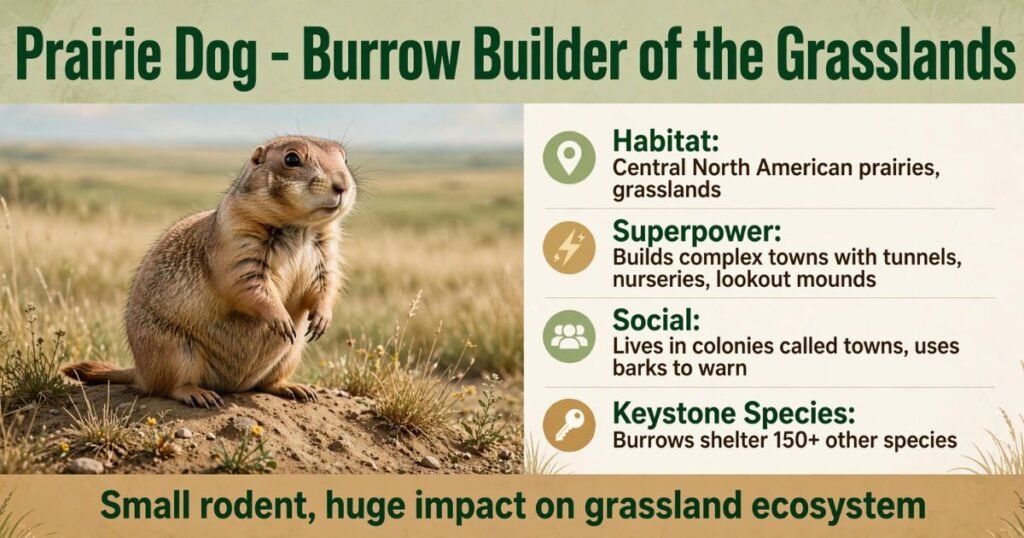
Their digging aerates the soil, promoting healthier grass growth that ultimately supports diverse wildlife. Prairie dogs also exhibit fascinating social structures, with intricate communication systems akin to a complex language.
Przewalski’s horse
Scientific Name: Equus ferus przewalskii
Class: Mammalia
Diet: Herbivore
These are the last truly wild horse species, thrives in the expansive grasslands of Central Asia. These resilient creatures boast a robust build, adapted to endure harsh climates and the unforgiving terrain. Their domesticated cousins exhibit a unique social structure, living in small herds led by a dominant stallion, which highlights their natural instinct for survival in the wild.
Conservation efforts have surged in recent decades, restoring Przewalski’s horse to its native grasslands after near extinction. The story of their reintroduction is a testament to wildlife resilience and the power of dedicated conservation initiatives.
Elephant
Scientific Name for African Elephant: Loxodonta africana
Scientific Name forAsian Elephant: Elephas maximus
Class: Mammalia
Diet: Herbivore
Majestic elephants stand out among the diverse array of grassland animals, captivating hearts with their unparalleled intelligence and complex social structures. These gentle giants form tight-knit family units, showcasing a remarkable sense of empathy and cooperation. Their ability to communicate through low-frequency rumbles and vibrations often goes unnoticed, yet it’s a testament to their sophisticated social networks.
In the realm of grassland ecosystems, elephants play a pivotal role as keystone species. Their sheer size and feeding habits create new habitats by uprooting trees and clearing paths, allowing other species to thrive.
Zebra
Scientific Name: Equus quagga
Class: Mammalia
Diet: Herbivore
Zebras, iconic residents of the grassland biome, are more than just strikingly patterned creatures; they are masters of survival in the wild. Their unique stripes serve multiple purposes: acting as camouflage in the dappled light of tall grasses and helping to confuse predators by creating an optical illusion in a herd. This collective defense mechanism not only enhances their safety but also fosters social bonds among family groups.
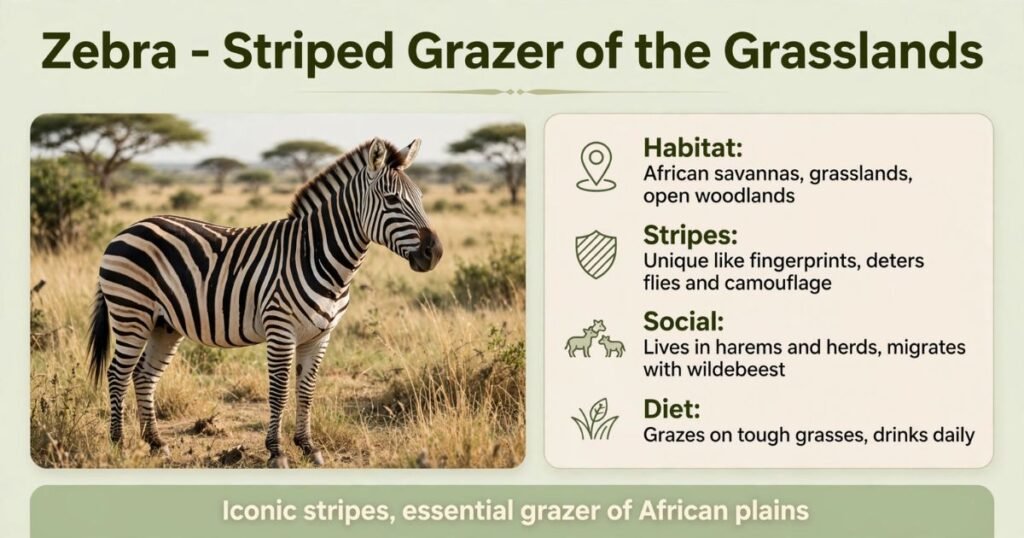
In the face of climate change, these animals shoulder the burden of adaptability. As grasslands evolve, so do zebras. Their migratory habits allow them to follow the rains and find fresh pastures, playing a crucial role in nutrient cycling within their ecosystems.
READ MORE: Top 14 Birds That Eat Fish: Names, Facts & Pictures
Lion
Scientific Name: Panthera leo
Class: Mammalia
Diet: Carnivore
The Lion’s Roar: Dominance in Grasslands
In the vast expanse of the African grasslands, the lion reigns supreme, embodying both power and grace. A masterful hunter, the lion’s social structure within prides enables it to take down larger prey, showcasing an intricate tapestry of cooperation among grassland animals.
The Strategy Behind the Mane
The regal mane of a lion is not merely for aesthetic appeal; it’s a robust symbol of health and genetic fitness, attracting mates and warding off challengers. This visual cue is critical in the dynamic ecosystem, where grassland animals constantly innovate to survive.
African Buffalo
Scientific Name: Syncerus caffer
Class: Mammalia
Diet: Herbivore
The African buffalo, a formidable presence in the grasslands, is not just a mere herd dweller; it’s a symbol of resilience and adaptability. Unlike their solitary relatives, these social creatures thrive in large groups, forming tight-knit herds that offer protection against predators. This fascinating herd behavior changes the dynamics of the savanna, with older buffaloes imparting wisdom to the younger members, showcasing a unique blend of community and survival instinct.
What sets the African buffalo apart from other grassland animals is their remarkable ability to adapt to diverse habitats. From woodlands to wetlands, these majestic beasts can forage on a variety of vegetation, making them less vulnerable to environmental changes.
Common Emu
Scientific Name: Dromaius novaehollandiae
Class: Aves
Diet: Omnivore
The Common Emu, an iconic inhabitant of Australia’s grasslands, is often overshadowed by the majestic kangaroo and playful koala. This flightless bird plays a crucial role in the ecosystem, contributing to seed dispersal and maintaining biodiversity within its habitat. Emus thrive in open spaces where they forage for a variety of foods, including fruits, seeds, and insects.
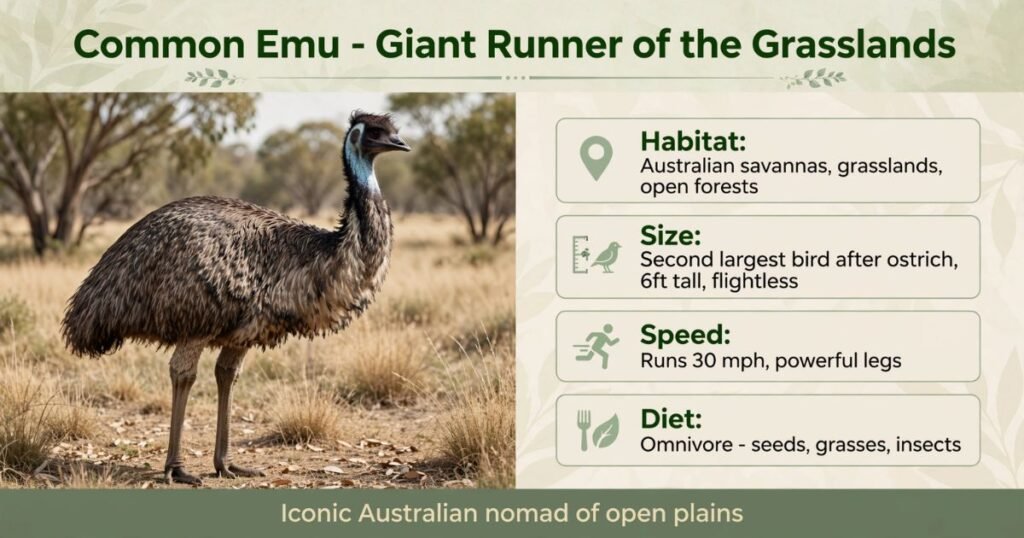
Adapted to harsh conditions, Emus have a unique ability to regulate their body temperature, which is essential in the fluctuating climates of the grasslands. This resilience also means they coexist with other fascinating animals that call these ecosystems home, from the wary echidna to the colorful lorikeets.
Giraffe
Scientific Name: Giraffa camelopardalis
Class: Mammalia
Diet: Herbivore
Standing tall against the backdrop of vast grasslands, the giraffe is an emblem of elegance and adaptability. With their extraordinary height, these gentle giants possess a unique ability to access foliage that most other herbivores cannot reach. But did you know that their long necks are not just for eating? Giraffes employ their height in a social spectacle known as the “necking” ritual, where males swing their necks like pendulums to establish dominance and attract mates.
In the intricate dance of the grassland ecosystem, giraffes play a pivotal role.They shape the vegetation dynamics by pruning certain trees, allowing for a balance that benefits a multitude of other species.
Hyena
Scientific Name: Crocuta crocuta
Class: MammaliaDiet: Carnivore/Scavenger
Hyenas, often misunderstood and misrepresented, are among the most fascinating of *grassland animals*. These intelligent creatures possess a complex social structure that rivals that of primates. Living in clans, hyenas exhibit a matriarchal system where females hold the power, defying traditional predator dynamics.
Beyond their notorious reputation as scavengers, hyenas are skilled hunters. They have an unmatched endurance that allows them to chase down prey across vast savannahs. This adaptability not only makes them resilient survivors but also highlights their essential role in maintaining ecological balance within their ecosystems.
Black-Footed Ferret
Scientific Name: Mustela nigripes
Class: Mammalia
Diet: Carnivore
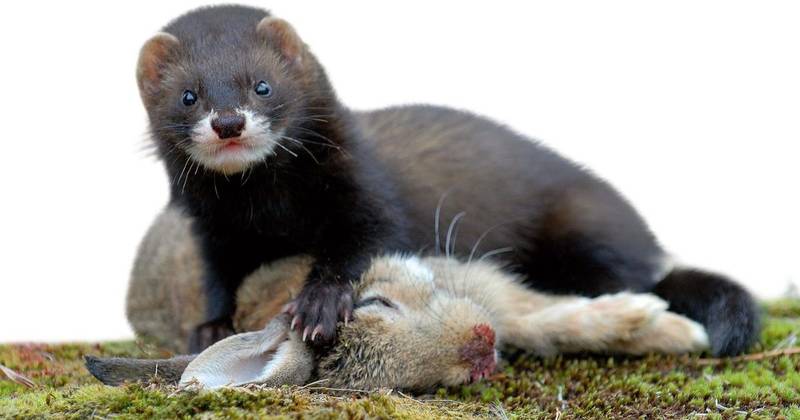
The Black-Footed Ferret, a charismatic member of the prairie animals, plays a crucial role in the delicate ecosystem of the Great Plains. Known for their striking black mask and nimble movements, these ferrets are incredibly agile hunters, primarily preying on prairie dogs. This dynamic predator-prey relationship the ferret’s adaptability but also cements the prairie dog’s role in maintaining balanced biodiversity.
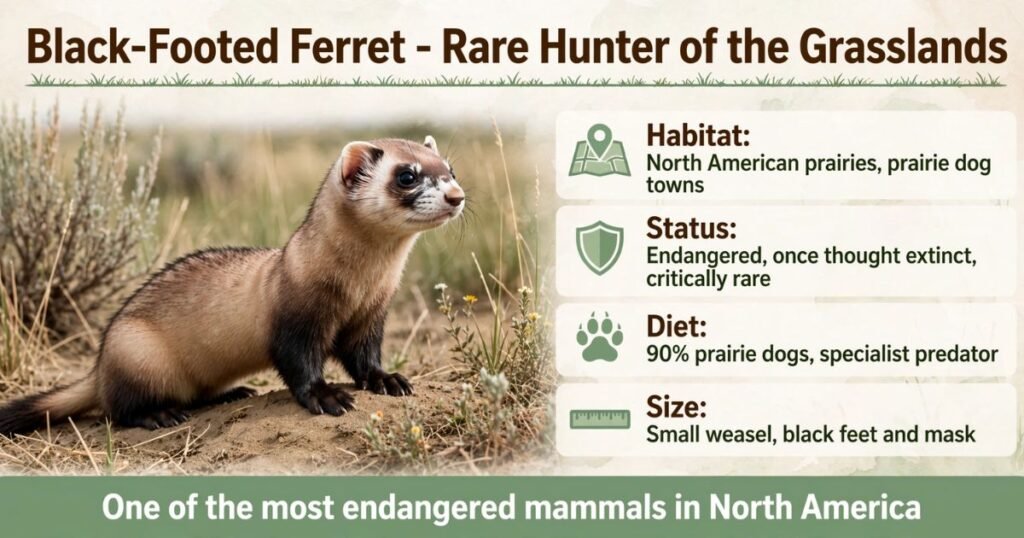
Despite their charm, Black-Footed Ferrets are one of North America’s most endangered species, facing threats from habitat loss and disease. These initiatives reveal a powerful truth: the survival of prairie animals like the ferret is intricately linked to the health of their environment.
American Bison
Scientific Name: Bison bison
Class: Mammalia
Diet: Herbivore
The American bison stands as a towering symbol of the prairie animals ecosystem, embodying the resilience and might of the Great Plains. These magnificent creatures once roamed in massive herds, shaping the landscape and the very fabric of indigenous cultures. Their grazing habits not only maintain the health of the grasslands but also foster biodiversity, allowing a myriad of other species to thrive in their wake.
The story of the bison is one of both triumph and tragedy. Once teetering on the brink of extinction due to relentless hunting and habitat loss, conservation efforts have sparked a remarkable recovery. Today, bison herds are being restored across their native range, reminding us of the delicate balance between humans and wildlife.
Swift Fox
Scientific Name: Vulpes velox
Class: Mammalia
Diet: Omnivore
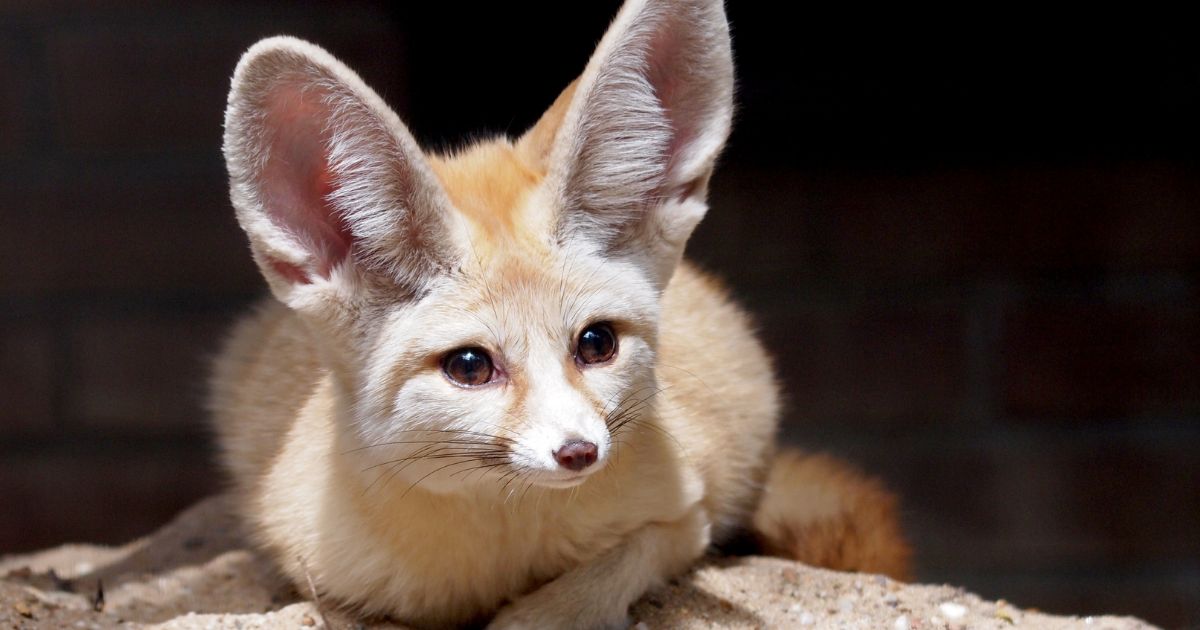
The swift fox embodies a seamless blend of beauty and survival, showcasing remarkable adaptations that allow it to thrive in grassland environments. With a coat that mirrors the golden hues of its habitat, the swift fox blends effortlessly, a master of camouflage. Its keen eyesight and acute hearing are vital as it seeks out small prey, from rodents to insects, perfectly attuned to the rhythm of the prairie.
One of the most striking adaptations is its social behavior; swift foxes often form small family groups that enhance their hunting efficiency and provide protection. Their den structure, typically dug into sandy soil, offers refuge from harsh weather and from predators.
Final Thoughts
Grasslands are vibrant ecosystems that support an incredible diversity of wildlife. From the majestic African elephant to the nimble prairie dog, these animals have adapted uniquely to thrive in their environment.
Their habitats, behavior, and the roles they play in their ecosystems deepens our appreciation for these remarkable creatures. The wonders of grasslands, let us commit to protecting these landscapes and the biodiversity they harbor. In advocating for the preservation of these vital ecosystems!
FAQs
What are the top 10 animals in the grassland?
Grasslands are home to a diverse array of wildlife, characterized by wide-open spaces and rich ecosystems. Here are 10 standout animals you might find roaming these vast landscapes.
Bison
Prairie Dogs
Antelope
Wildebeest
Burrowing Owls
What type of animals live in a grassland?
Grasslands are dynamic ecosystems that host a diverse array of animals. Common inhabitants include herbivores like zebras, bison, and antelope, which roam the expansive plains grazing on the abundant grasses.
What are 5 facts about grassland?
Grasslands are fascinating ecosystems teeming with unique characteristics. They cover about 40% of the Earth’s surface, showcasing a variety of flora and fauna adapted to open, sunny environments. These vast landscapes support economically important agricultural practices, such as cattle grazing and crop production.
What animals live in the grasslands of the world?
Grasslands are teeming with life and host a diverse array of animals adapted to this unique ecosystem. The most notable inhabitants are grazing herbivores like bison, antelope, and zebra.