Top 14 Raccoon Like Mammal You Didn’t Know Existed (With Images)
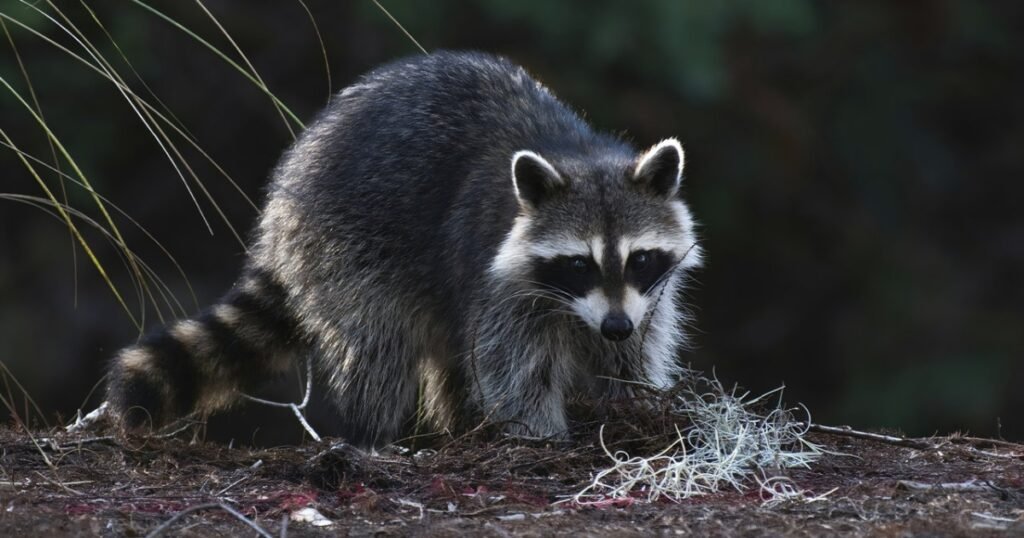
Many people recognize raccoons for their distinctive masks and playful behavior, but they aren’t alone in the animal kingdom. Here are some of Raccoon like mammal that you might find just as charming.
Each of the 14 species we’ll cover has its own special characteristics that make it worth knowing about. Join us as we uncover these remarkable racoon like animals and the surprises they hold.
List of Raccoon like Mammals
Here is the list of animals similar to raccoons:
| Number of Animals | Names of Animals Like Raccoons |
|---|---|
| 1 | Ringtails |
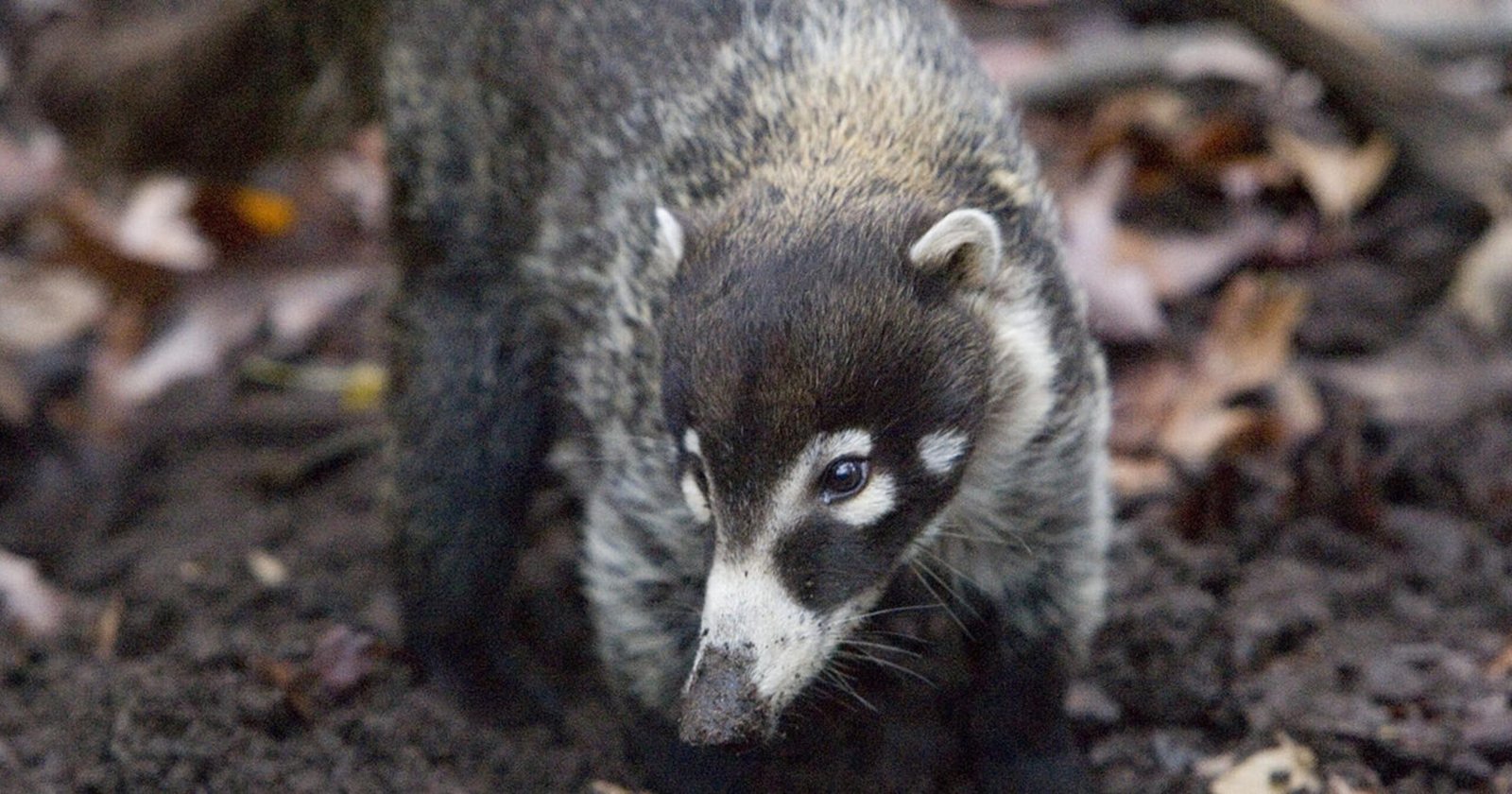
| 2 | Coati |
| 3 | Northern Olingo |
| 4 | Cacomistle |
| 5 | Japanese Raccoon Dog |
| 6 | Kinkajous |
| 7 | Olinguitos |
| 8 | Burmese Ferret-Badger |
| 9 | Red Panda |
| 10 | Fox |
| 11 | Skunks |
| 12 | Wolverine |
| 13 | American badger |
| 14 | Marten |
Ringtails
Scientific name: Bassariscus astutus
Class: Mammalia
Diet: Omnivore
These are fascinating animals that are raccoon like mammals but are more than just their appearance. These nocturnal creatures live in the dry areas of the southwestern United States, where they show incredible skills in climbing and balancing with their long, ringed tails. Their diet is quite varied; they eat insects, small mammals, and fruits, making them true omnivores.
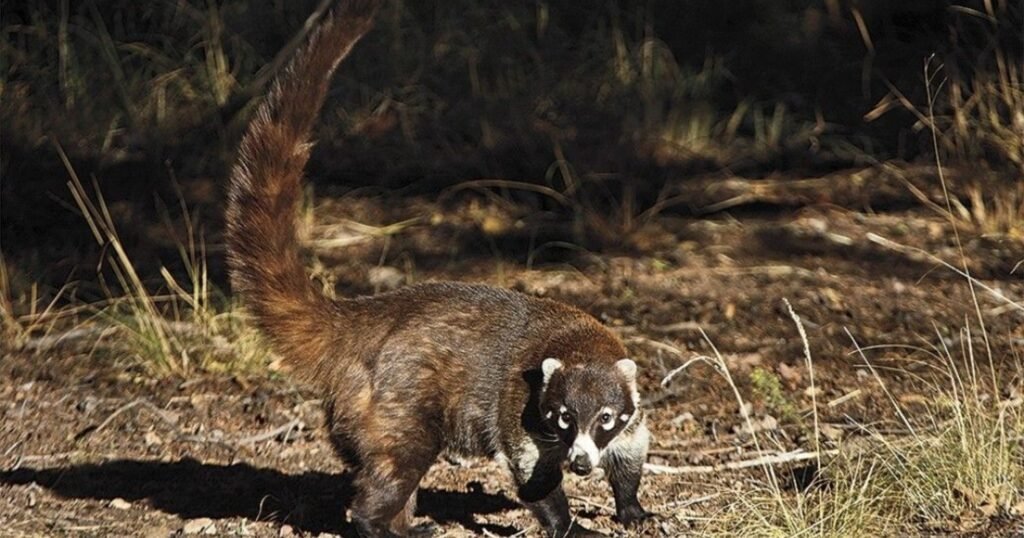
They can be solitary but also enjoy interacting with each other. This unique mix of intelligence and adaptability makes ringtails a hidden treasure in the animal kingdom, showcasing how life can thrive even in tough conditions.
Coati
Scientific name: Nasua narica
Class: Mammalia
Diet: Omnivore
These are charming animals like raccoons that belong to the mammal class. They look like a mix between a raccoon and a small bear, with long noses and bushy tails. Mostly found in Central and South America, coatis love to socializing and often hunt for food in groups. Unlike raccoons, they are active during the day and enjoy exploring their surroundings.
These adaptable creatures live in various habitats, from rainforests to dry areas. They have a complex social life, often talking to each other through sounds and grooming one another to strengthen their friendships.
Read More: Top 18 Animals With 2 Legs: Complete List Pictures
Northern Olingo
Scientific name: Bassaricyon gabbii
Class: Mammalia
Diet: Omnivore
The Northern Olingo, is a cute animal that looks a lot like a raccoon. With its big eyes, long body, and fluffy tail, it can be found in the cloud forests of Central America. This nighttime creature is very smart and uses its dexterous hands to find fruits and small insects high in the trees.
Unlike raccoons, which often dig through trash in cities, Northern Olingos prefer to stay up in the branches. They have playful personalities and can live either alone or with others, showing their adaptability.
Their unique behaviors and traits make them a special part of the animal world. So, while they may not be as famous as raccoons, Northern Olingos are truly fascinating animals.
Cacomistle
Scientific name: Bassariscus sumichrasti
Class: Mammalia
Diet: Omnivore
This is a cute little animals similar to raccoons found mainly in Central America and parts of the southwestern U.S. They are nocturnal, which means they’re active at night, and have playful personalities similar to raccoons. With their striped tails and clever paws, they easily climb trees in search of food.
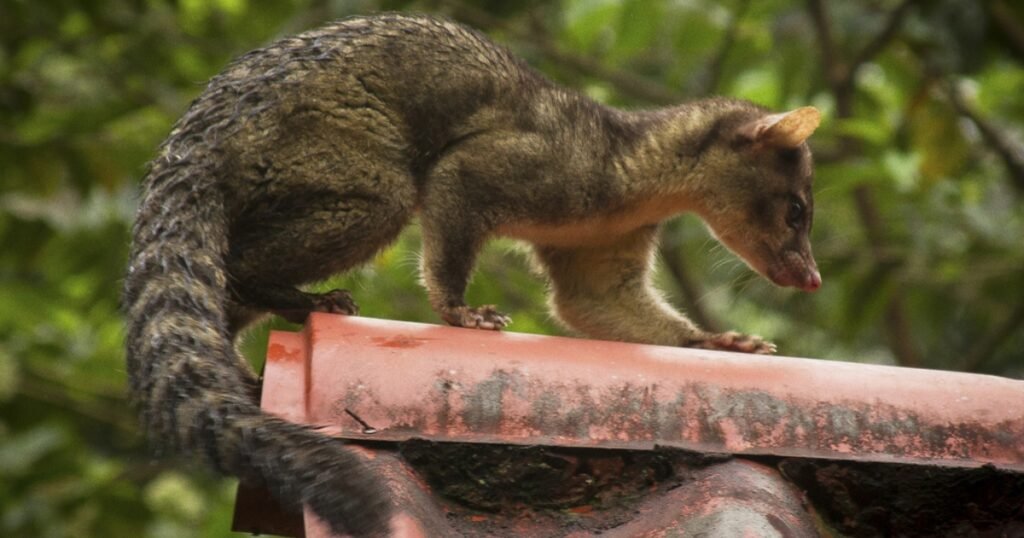
What makes cacomistles special is their friendly social behavior. Unlike raccoons that often go solo, cacomistles enjoy playing and grooming with each other. They eat a variety of foods, like fruits and insects, showing they can adapt to different situations.
Read More: Explore Top 11 Animals Like Meerkats (With Pictures)
Japanese Raccoon Dog
Scientific name: Nyctereutes procyonoides viverrinus
Class: Mammalia
Diet: Omnivore
The Japanese raccoon dog, or tanuki, is a unique animal found in Japan. Unlike raccoons, tanukis are important in Japanese stories and are often seen as playful tricksters. They can live in many places, including cities and forests, and have thick fur and cute faces.
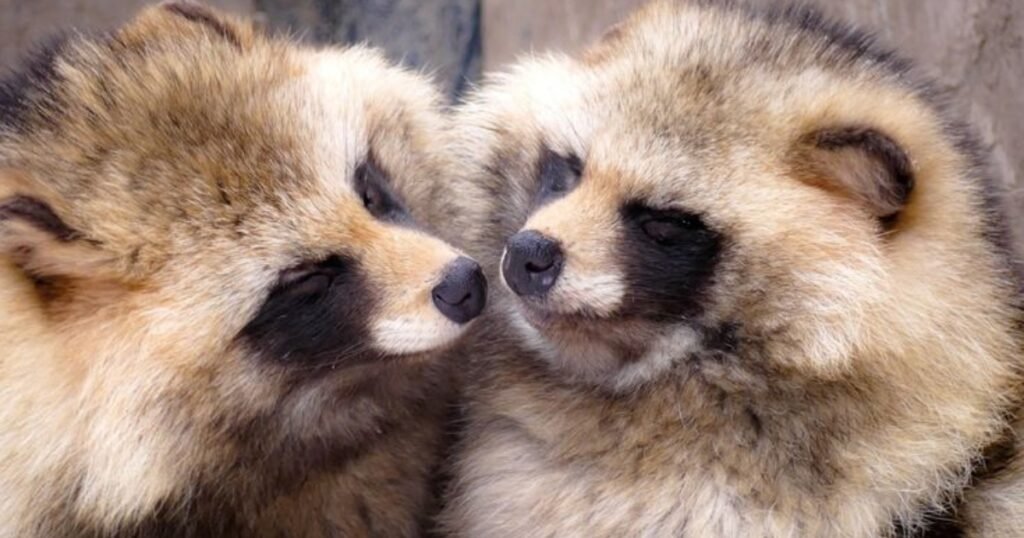
Tanukis are skilled at finding food and eat a mix of fruits, insects, and small animals, making them very adaptable. They often live in small family groups, which is different from the more solitary raccoons. Learning about tanukis helps us appreciate the many interesting animals like raccoons around us and highlights the need to protect them and their habitats.
Kinkajous
Scientific name: Potos flavus
Class: Mammalia
Diet: Omnivore
Kinkajous, often called “honey bears,” are playful animals found in Central and South America. They have long, flexible tails that help them move easily in trees, making them great climbers. Unlike raccoons, kinkajous love to live in groups and enjoy playing with each other.
They mostly eat fruit and sweet nectar, which is why they are so cute! Kinkajous are very social and make a lot of different sounds, from chirps to whistles. Watching them in their natural home is exciting, as they show their smart and lively personalities.
Read More: Top 18+ Most Annoying Animals In The World (With Pictures)
Olinguitos
Scientific name: Bassaricyon neblina
Class: Mammalia
Diet: Omnivore
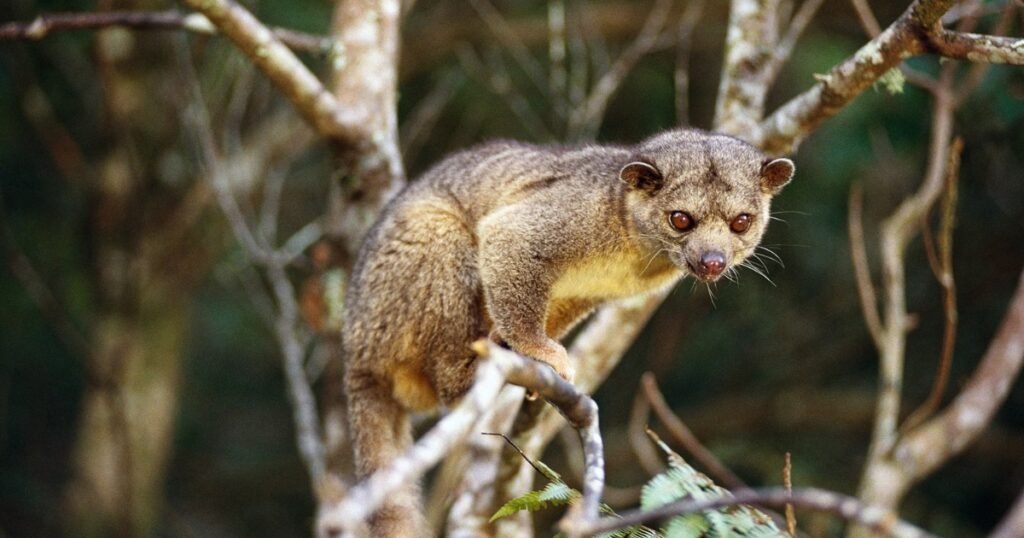
Olinguitos are fascinating animals like raccoons related to raccoons, found in the cloud forests of South America. They have soft, velvety fur and big, cute eyes, making them very charming. Like raccoons, olinguitos are mostly active at night and love climbing trees. They eat a mix of fruits and insects, which helps spread seeds in their forest homes.
This is important for keeping their environment healthy. Olinguitos are playful and curious, showing a lively side that can be fun to watch. Sadly, they face threats from habitat loss, reminding us of the many hidden wonders of nature.
Burmese Ferret-Badger
Scientific name: Melogale personata
Class: Mammalia
Diet: Omnivore
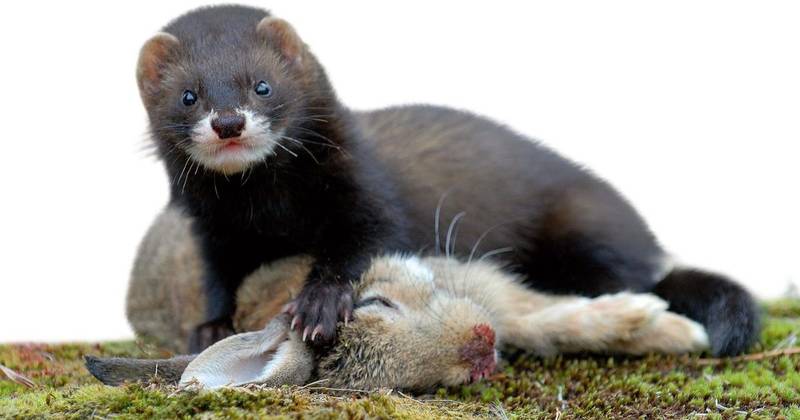
The Burmese ferret-badger is a small, nocturnal animal found in Southeast Asia. It looks a bit like a raccoon, with a compact body and a masked face. These creatures are omnivores, meaning they eat a mix of insects, small animals, and fruits, which shows how adaptable they are in finding food. They also have interesting social behaviors; they communicate with different sounds and enjoy playful activities.
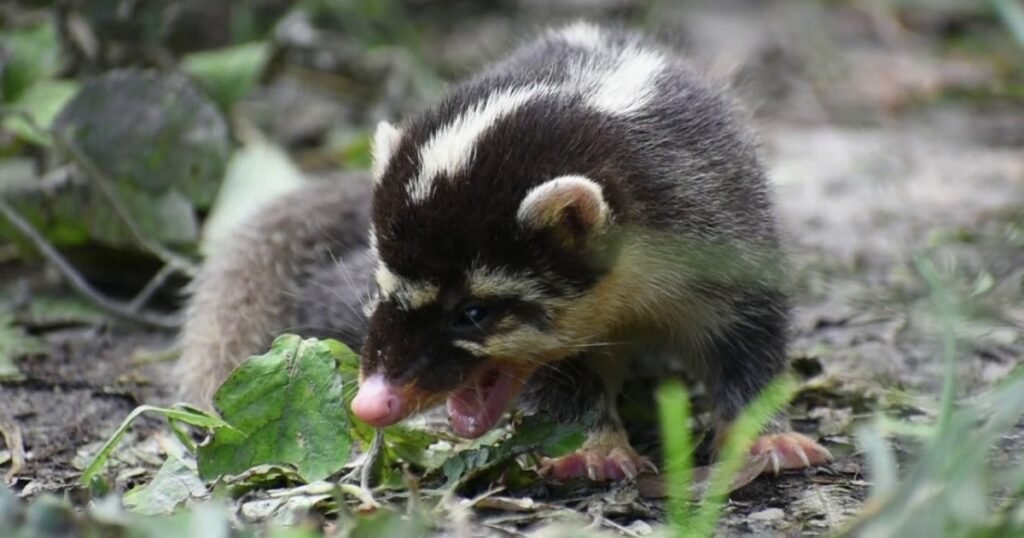
Like raccoons, they can often be seen foraging in forests or around human areas. Studying them can help us learn more about their role in the ecosystem.
Read More: Top 12 Animals with Shells: Names, Facts, and Pictures
Red Panda
Scientific name: Ailurus fulgens
Class: Mammalia
Diet: Omnivore
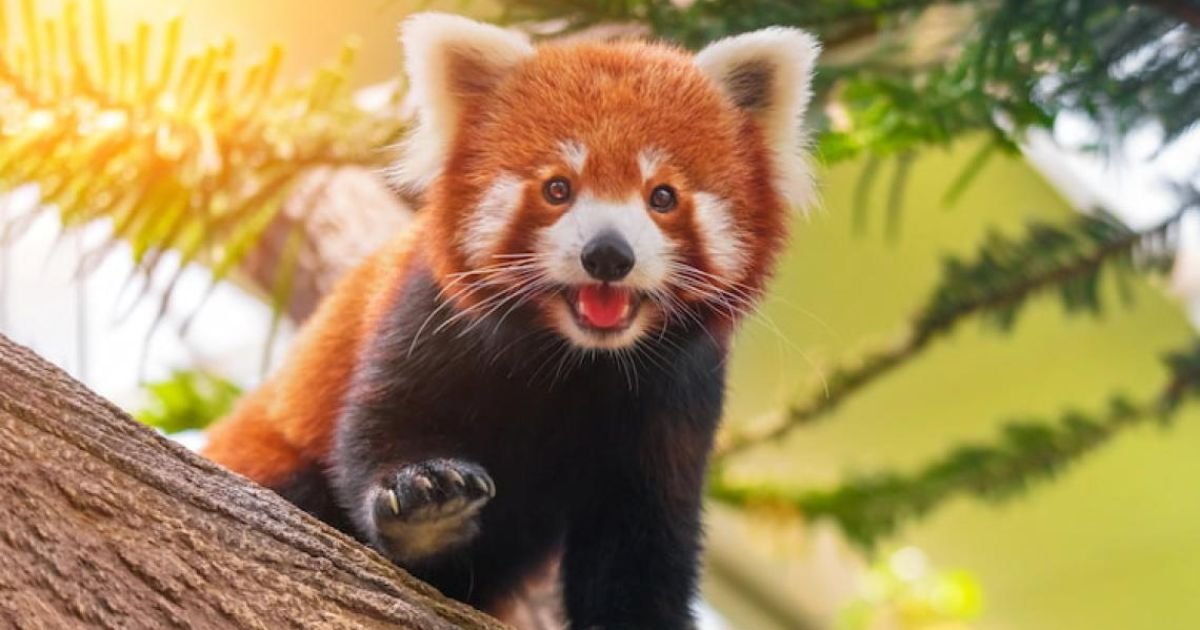
These are cute animals known for their reddish-brown fur and playful nature. Like raccoons, they are very agile and use their paws to find food. While raccoons eat a variety of foods, red pandas mainly eat bamboo. Both animals are good at living in different environments; raccoons can adapt to cities, and red pandas live in the forests of the Himalayas.
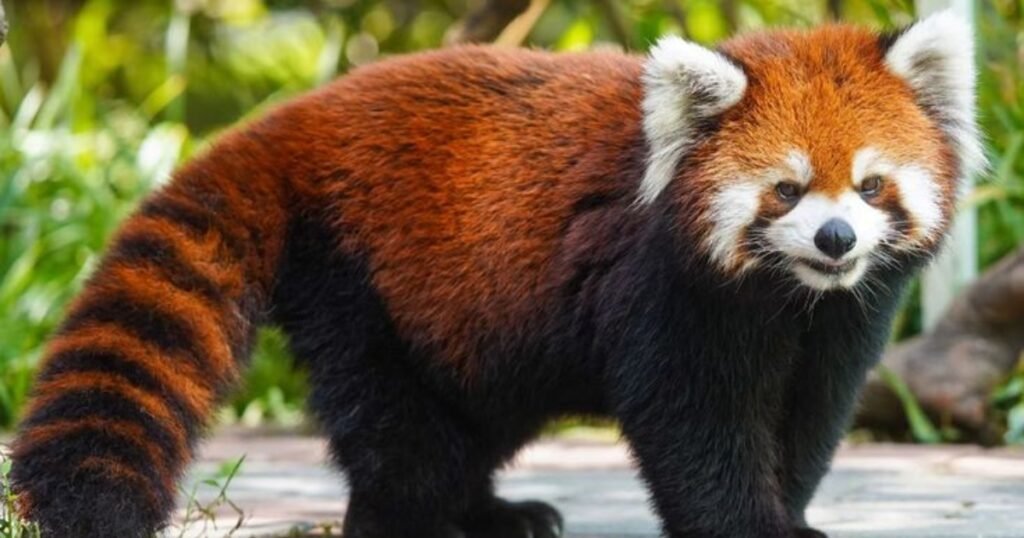
They’re both clever creatures and show how animals can be resilient in the wild. Their ability to find food and adapt to their surroundings makes them special. It’s fascinating to see how different animals, like red pandas and raccoons, can share similar traits.
Fox
Scientific name: Vulpes vulpes
Class: Mammalia
Diet: Omnivore
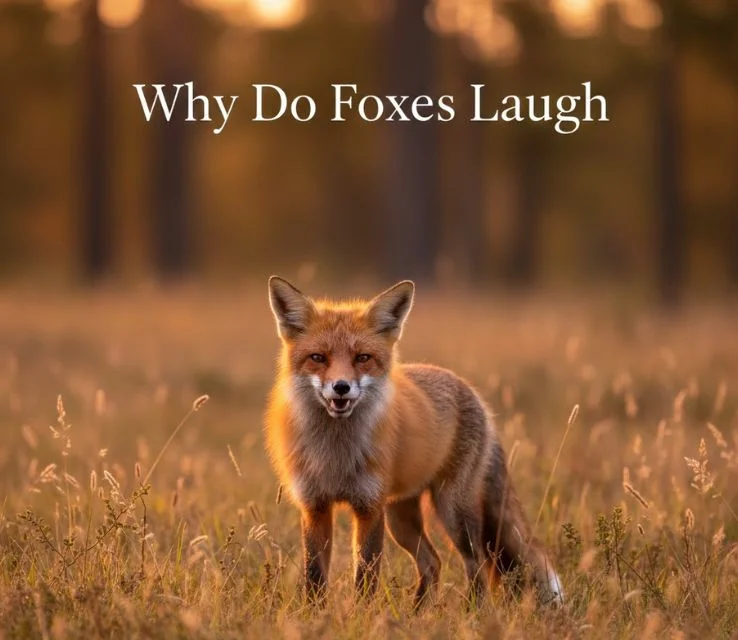
Foxes, known as Vulpes vulpes, are clever animals that share some traits with raccoons. Both are good at living in different places, from cities to forests, thanks to their varied diets. Foxes eat small mammals, fruits, and sometimes human food, just like raccoons who search through garbage.
Socially, foxes are playful, which helps teach their young how to survive. They are also very smart, using their wits to avoid danger and find food. Being nocturnal like raccoons, foxes have great skills for moving quietly at night, adding to their mysterious charm.
Read More: Discover 9+ Non Mammal Animal (With Pictures)
Skunks
Scientific name: Mephitis mephitis
Class: Mammalia
Diet: Omnivore
These are unique animals that often look racoon like animal. Both skunks and raccoons thrive in cities and suburbs, where they find lots of food in trash and leftovers. Skunks are famous for their ability to spray a strong-smelling liquid to scare off predators, unlike raccoons, which use their cleverness to escape danger.
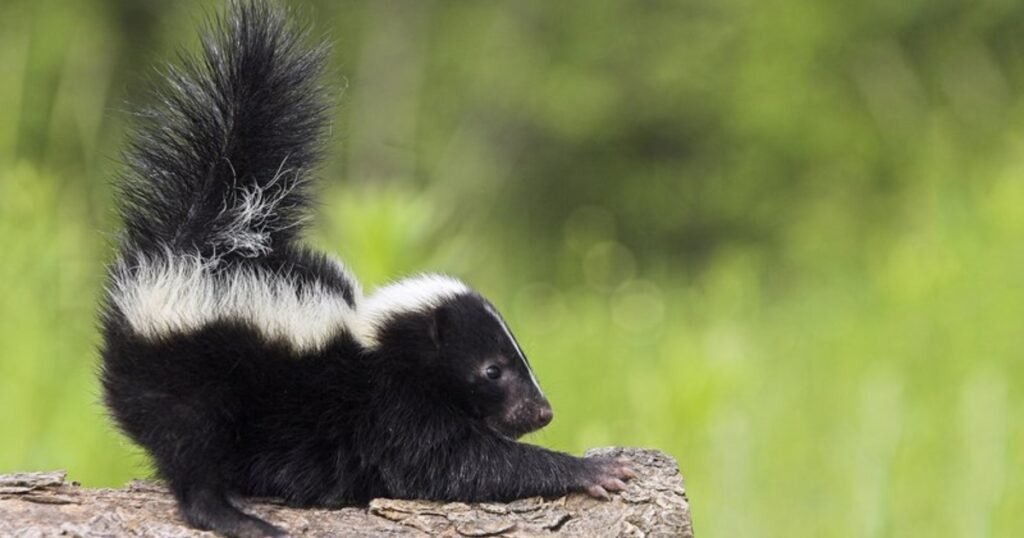
They have flexible limbs that help them dig through garbage and explore. Skunks enjoy a varied diet, munching on insects, fruits, and even small animals, making them adaptable in different environments.
Wolverine
Scientific name: Gulo gulo
Class: Mammalia
Diet: Omnivore
Wolverines, scientifically known as “Gulo gulo”, are strong and resilient animals that live in cold, snowy areas. They are similar to raccoons in their cleverness and determination. Both creatures can adapt well to tough environments, wolverines roam the Arctic, while raccoons thrive in cities.
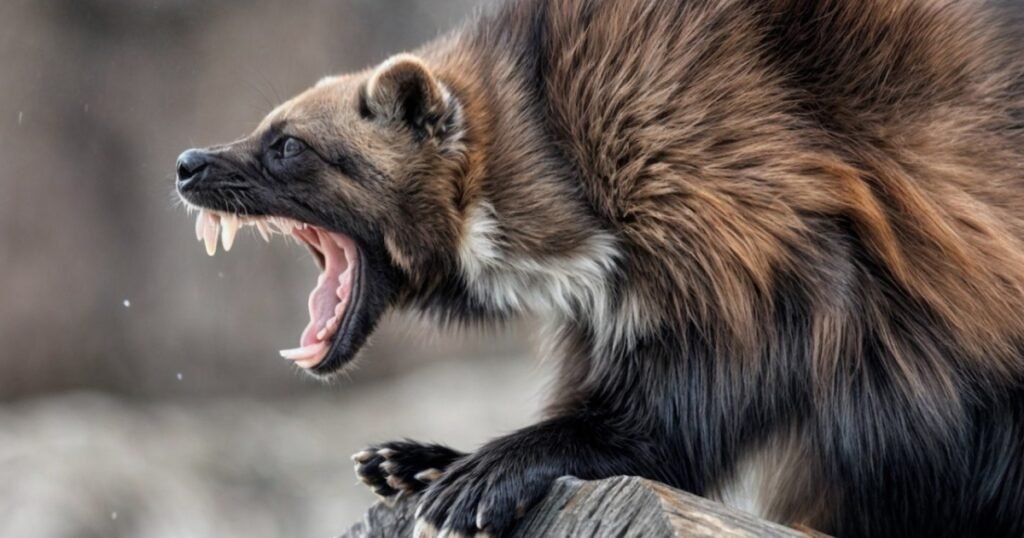
These are omnivores, meaning they eat both plants and animals. They often scavenge for food, sometimes even taking leftovers from larger predators.
Like raccoons, they use their intelligence and resourcefulness to find meals, highlighting their bold attitude towards survival. This shows how both animals find ways to get food, no matter the challenges they face.
American badger
Scientific name: Taxidea taxus
Class: Mammalia
Diet: Carnivore
This is a fascinating creature, racoon like mammal. Like raccoons, badgers are adaptable and can find food in various ways. They are expert diggers, using their strong claws to uncover food like small mammals and insects hidden underground.
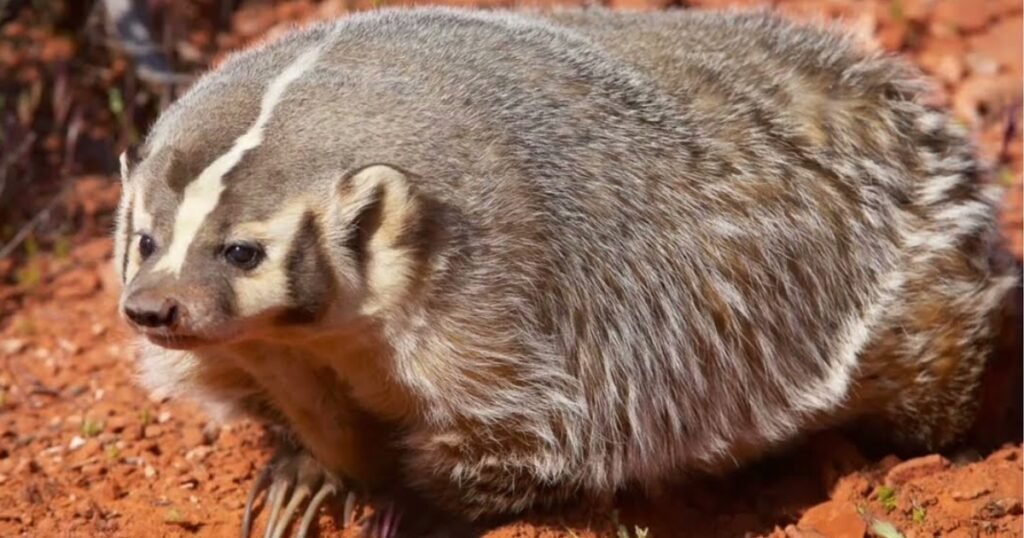
While badgers usually live alone, they can form temporary family groups during breeding season, much like raccoon families do. Both animals play important roles in nature by controlling rodent populations and allowing scavengers, like raccoons, to benefit from leftovers.
Marten
Scientific name: Martes americana
Class: Mammalia
Diet: Omnivore
They might not be as famous as raccoons, but they are fascinating creatures. These small raccoon like mammals live in forests across Europe and North America and are great climbers, often found chasing squirrels or bird nests. With their slim bodies and beautiful fur, they are built for agility.
Martens primarily eat rodents, birds, and insects, using their stealth to hunt. They also communicate with different sounds, like chirps and whistles, showing their social side. Both martens and raccoons are examples of how animals can adapt and be smart in different ways.
Read More: Interesting Top 11 Animals with Big Noses (With Images)
Final Words
The world is full of unique animals similar to raccoons that you might not have known about. From cute ringtails to playful marsupials, each of these animals that look like raccoons has its own special qualities that make them stand out. Exploring their similarities to raccoons gives us a deeper appreciation for nature’s diversity.
We encourage you to share this knowledge with your friends and family. Who knows, you might just inspire someone to learn more about these amazing animals.
FAQ’s
What Animal is Similar To Raccoons?
Raccoons are closely related to animals in the Procyonidae family, such as coatis and kinkajous. Like raccoons, these creatures often have distinct facial markings and are known for their clever behaviors and adaptability to different environments.
What Looks Like a Raccoon But is Bigger?
Coatis are similar to raccoons but are larger and have longer snouts and a distinctive ringed tail. These fascinating animals that look like raccoons can weigh up to 25 pounds and are commonly seen in Central and South America, often moving around in groups.