Animals with 3 Toes: 14 Stunning Animals (With Pictures)
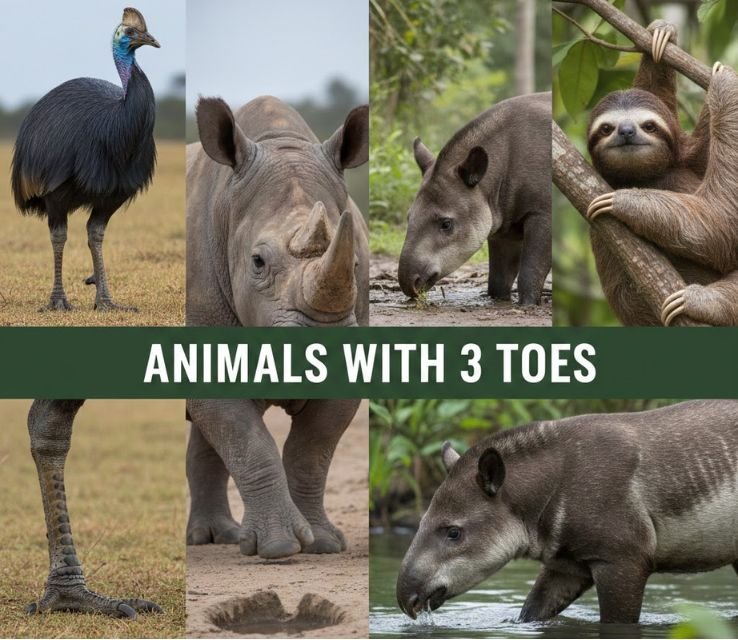
When we think about wildlife, tiny details often reveal the most fascinating stories and one such detail is toes. There are several animals with 3 toes that have adapted in unique ways to survive in their environments. From fast runners to tree-dwelling creatures, these animals show how something as simple as toe structure can play a big role in movement, balance, and lifestyle.
In this list of animals with 3 toes, you’ll discover a mix of familiar and unusual species, each with its own charm and survival strategy. Whether it’s sprinting across open plains or gripping branches high above the ground, these animals prove that evolution always finds clever solutions. Get ready to explore some truly interesting creatures you might not have noticed before.
List Of Animals That Have 3 Toes
| Number of animals | Names of animals with 3 toes |
| 1 | Rhea |
| 2 | Rhinoceros |
| 3 | Emus |
| 4 | Cassowaries |
| 5 | Three-Toed Box Turtle |
| 6 | Bustard |
| 7 | Western Three-Toed Skink |
| 8 | Tapir |
| 9 | Common Quail |
| 10 | Three-Toed Swiftlet |
| 11 | Three-Toed Toadlet |
| 12 | Three-Toed Sloth |
| 13 | American Three-Toed Woodpecker |
| 14 | Three-Toed Parrotbill |
Rhea
Class: Aves
Diet: Omnivore
The Rhea is a flightless bird native to South America, resembling a miniature ostrich with its long legs and neck. Known for their three-toed feet, these birds are excellent runners, capable of reaching speeds up to 40 miles per hour when evading predators. Rheas roam the grasslands and open regions, foraging for seeds and insects.
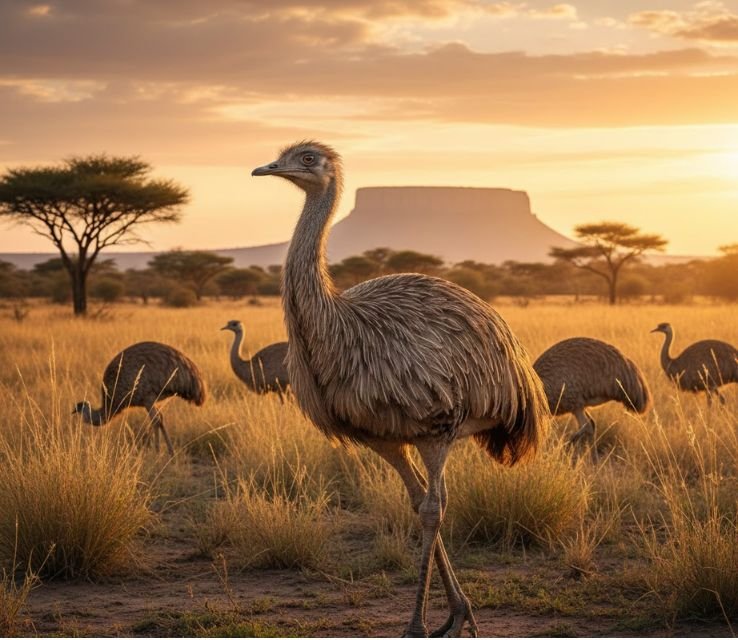
Social animals, they often travel in groups, using their size and speed as a defense mechanism. Their unique reproductive habits, where males incubate eggs laid by multiple females, add an intriguing dimension to their social structure and survival strategies.
Rhinoceros
Class: Mammalia
Diet: Herbivore
Rhinoceroses are large, herbivorous mammals known for their thick, protective skin and characteristic horns, made of keratin. These majestic creatures inhabit grasslands and savannas, primarily in Africa and Southeast Asia. There are five species of rhinos, including the white, black, Indian, Javan, and Sumatran.
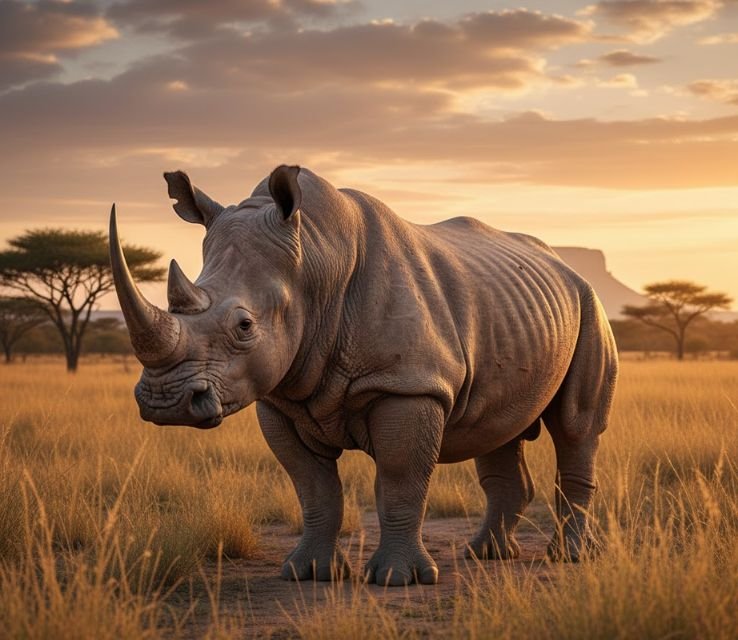
Despite their size, rhinos are surprisingly agile, capable of running at speeds up to 30 miles per hour. Sadly, all species face threats from poaching and habitat loss, making conservation efforts crucial. Rhinos communicate through a range of vocalizations, indicating a complex social structure.
READ ALSO: Interesting Information About Porcupines in Georgia
Emus
Scientific Name: Dromaius novaehollandiae
Class: Aves
Diet: Omnivore
Emus are among the most famous Australian animals with three toes, perfectly adapted for running across vast landscapes. Their three-toed structure helps them maintain balance, making them part of animals with three toes adapted for speed.
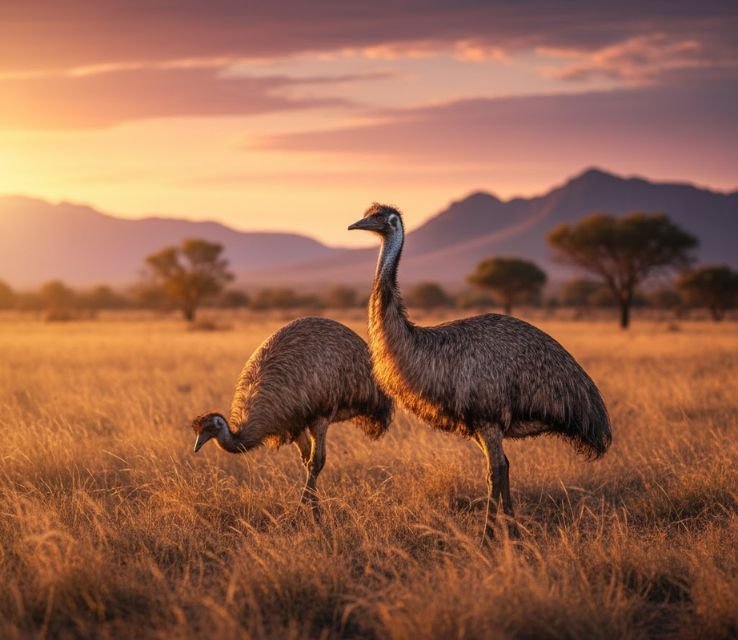
Emus are omnivores, feasting on a wide variety of foods, including seeds, fruits, and insects. Interestingly, they have a unique courtship dance that involves intricate movements and low booming sounds to attract mates.
Unlike many birds, emus exhibit strong parental instincts, with male emus incubating the eggs and caring for the young. Their ability to thrive in harsh environments showcases their resilience.
Cassowaries
Class: Aves
Diet: Omnivore
Cassowaries, often dubbed the “world’s most dangerous bird,” are strikingly beautiful yet potentially lethal animals. Found mainly in the tropical rainforests of New Guinea, they stand close to 6 feet tall and sport vivid blue skin with a distinct casque on their heads.

These solitary birds possess powerful legs and sharp, dagger-like claws on their three-toed feet, which they use for self-defense.
Despite their intimidating presence, cassowaries primarily feed on fruits and vegetation, playing a crucial role in seed dispersal within their ecosystems. Conservationists are working diligently to protect their habitats, as these magnificent creatures face threats from deforestation and hunting.
Three-Toed Box Turtle
Scientific Name: Terrapene carolina triunguis
Class: Reptilia
Diet: Omnivore
The three-toed box turtle is a fascinating reptile commonly found in the woodlands and grasslands of the United States. Distinguished by its unique three-toed rear feet, this turtle can retract its head and legs into its hinged shell for protection against predators.

These turtles are omnivores, indulging in a diet of fruits, vegetables, and insects. Surprisingly, they can live for over 50 years in natural habitats, making them long-term companions for wildlife enthusiasts.
With their charming, often colorful shells, three-toed box turtles play an important role in their ecosystems by aiding in the breakdown of decaying materials. Habitat loss and human interference pose significant threats, emphasizing the need for conservation efforts to protect these captivating animals.
Bustard
Scientific Name: Otis tarda
Class: Aves
Diet: Omnivore
The Bustard is a fascinating ground-dwelling bird found in open grasslands and savannas across Europe, Africa, and Asia. Renowned for their impressive size, some species, like the Great Bustard, can weigh up to 40 pounds, making them one of the heaviest flying birds in the world.

Known for their elaborate courtship displays, males puff up their chests and fan out their wings to attract females. Their diet mainly consists of seeds, grasses, and insects, showcasing their adaptability in various habitats.
Western Three-Toed Skink
Scientific Name: Chalcides striatus
Class: Reptilia
Diet: Carnivore
This reptile is one of the rare species with three toes information, adapted to survive in dry environments. It also fits into animals with reduced number of toes, showing evolutionary specialization.

With a smooth, shiny appearance and a vibrant color pattern, it blends seamlessly into its surroundings, making it a challenge to spot.
Unlike many lizards, this skink gives live birth rather than laying eggs, which is quite rare among reptiles. Their specialized adaptations allow them to thrive in dry environments, but they face threats from habitat destruction and climate change.
Tapir
Class: Mammalia
Diet: Herbivore
Tapirs are large, herbivorous mammals that inhabit the jungles and grasslands of Central and South America, as well as Southeast Asia. Their distinctive, prehensile snouts aid in grasping foliage, while their stocky bodies sport a short but stout build reminiscent of a cross between a pig and an elephant.

Despite their bulk, tapirs are surprisingly agile swimmers, often submerging themselves in water to escape predators. They play a crucial ecological role as seed dispersers, aiding forest regeneration.
Common Quail
Scientific Name: Coturnix coturnix
Class: Aves
Diet: Omnivore
The Common Quail, a small and plump bird, is celebrated for its melodic calls and remarkable migratory abilities. These ground-nesting birds are found across Europe, Asia, and Africa, often in open fields or grasslands. Their diets mainly consist of seeds, insects, and plants, reflecting their adaptability to different habitats.

Quails exhibit interesting flocking behavior, especially during migration, often traveling in large groups for safety. They are also an important game bird, popular in hunting and culinary circles. However, habitat degradation poses a threat to their populations, necessitating awareness for conservation efforts.
READ MORE: Explore Top 8 Animals That Eat Oranges (With Pictures)
Three-Toed Swiftlet
Scientific Name: Aerodramus papuensis
Class: Aves
Diet: Insectivore
The Three-Toed Swiftlet is an extraordinary bird known for its acrobatic flight and unique nesting habits. Found primarily in Southeast Asia, these small, aerial insects specialize in catching and consuming aerial insects while flying at high speeds.

Their nests, crafted from hardened saliva, are highly prized in culinary traditions, particularly for bird’s nest soup. While they are capable of living in social colonies, their reliance on specific habitats such as limestone caves makes them vulnerable to environmental changes.
Three-Toed Toadlet
Class: Amphibia
Diet: Insectivore
The Three-Toed Toadlet is a fascinating amphibian native to Australia, particularly found in wet, grassy habitats. Measuring just a few centimeters, this small creature boasts a distinctive appearance with its three toes on each foot, allowing it to navigate its environment with agility.

Their skin can range from brown to green, providing excellent camouflage against predators. They may seem unremarkable, the toadlet plays a crucial role in its ecosystem, acting as an indicator of environmental health and stability.
Read Also: Top 20 Flippers Animals (With Pictures)
Three-Toed Sloth
Class: Mammalia
Diet: Herbivore
The Three-Toed Sloth is one of nature’s icons of leisure, spending most of its life hanging upside down in the trees of Central and South America. Known for their slow movement, these creatures have three long claws that allow them to grasp branches securely.

Their diet consists primarily of leaves, which they move slowly to digest a process that can take up to a month! This unique lifestyle, combined with a low metabolism, makes them a fascinating subject in the study of adaptation and survival in tree-dwelling ecosystems.
American Three-Toed Woodpecker
Scientific Name: Picoides dorsalis
Class: Aves
Diet: Insectivore
The American Three-Toed Woodpecker is a striking bird that thrives in conifer forests across North America. Characterized by its three toes, this woodpecker expertly climbs trunks and branches, searching for insects hidden beneath the bark.
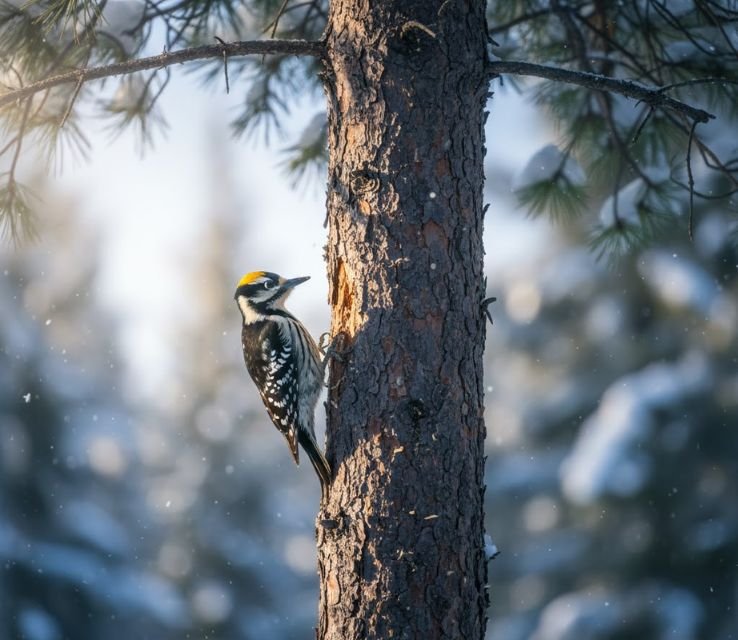
Its black and white plumage, along with a distinctive yellow crown, makes it easily recognizable. Notably, the American Three-Toed Woodpecker has a unique relationship with forest fires, often moving into burned areas where insect populations thrive, showcasing nature’s adaptability in ecosystems shaped by disturbance.
READ ALSO: Discover 9+ Non Mammal Animals (With Pictures)
Three-Toed Parrotbill
Scientific Name:
Paradoxornis paradoxus
Class: AvesDiet: Omnivore
This species is part of nature animals with three toes explained, living in wetlands. It also belongs to animals with three toes in different ecosystems, adapting to dense vegetation.

Social by nature, they are often seen foraging in small groups, using their distinctive vocalizations to communicate. As a resident of dense reed beds, their survival depends on preserving wetlands, highlighting the critical interplay between species and their habitats in the real world.
Conclusion
The world of three-toed animals reveals nature’s incredible diversity and smart adaptations. Though often overlooked, these unique creatures play an important role in maintaining ecological balance making them truly worth noticing and appreciating.
FAQs
What Animals Have Three Toes?
Three-toed animals include sloths, some species of ground birds like the ostrich, and certain reptiles like the three-toed box turtle.
What Are Three-Toed Animals Called?
They are commonly referred to as “three-toed” animals, with specific names depending on the species, such as three-toed sloths or three-toed box turtles.
What Are the Interesting Facts About Three-Toed Sloths?
Three-toed sloths are known for their slow movement, unique digestive system that can take weeks to process food, and their algae-covered fur, which provides camouflage.
How Do Three-Toed Sloths Defend Themselves?
Three-toed sloths use their slow movement and green coloration for camouflage, and they may also have a few defensive behaviors, including making loud noises or remaining completely still.
What Adaptations Do Three-Toed Animals Have?
Three-toed animals often have strong limbs for climbing, specialized diets, and unique fur that supports their survival in their particular environments.