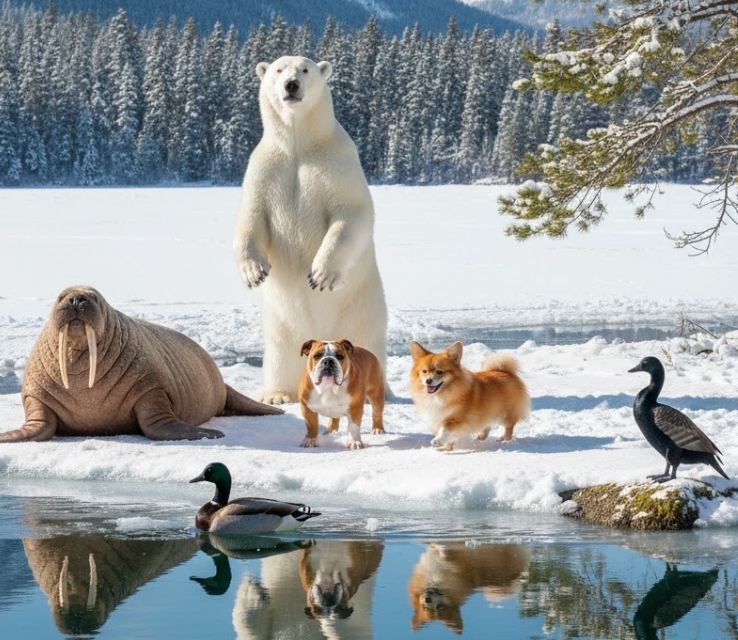
What Animals Growl | Top 18 Animals that Growl (With Images)

Growl is an intriguing sound that carries a lot of emotion and meaning in the animal kingdom. Many people associate the growl sound animal with danger or warning. Here, we will explore what animals growl and learn about 18 fascinating creatures that use this vocalization.
Understanding these animals enriches our knowledge and helps us appreciate their behavior and communication.
List of Animals that Growl
Growl is the sound of which animal? Here is the list of animals that growl, animals that can growl:
- Lion
- Dogs
- Bears
- Domestic cats
- Hyena
- Tiger
- Crocodiles
- Leopard
- Wolf
- Gorilla
- Jaguar
- Badgers
- Foxes
- Alligators
- Llamas
- Opossums
- Raccoons
- Hippopotamus
Lion
Scientific Name: Panthera leo
Class: Mammalia
Diet: Carnivore
These are often called the kings of the jungle because of their majestic appearance and powerful growls. These growls serve important purposes, like marking their territory and communicating with other lions over long distances. A lion’s growl can be heard from more than five miles away, helping them signal to rival males and find their pride.
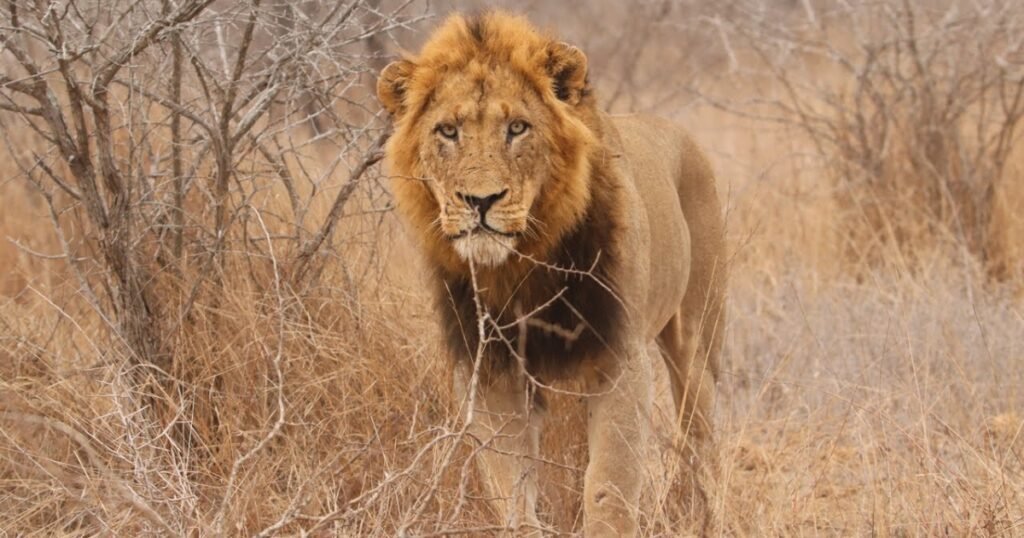
Growling also helps lions stay connected with each other. Their vocal sounds help maintain unity within the pride and can call members together in times of danger. This mix of strength and social bonding shows how lions work together in the wild.
Read More: Top 25 Greedy Animals in the World (Images Included)
Dogs
Scientific Name: Canis lupus familiaris
Class: Mammalia
Diet: Omnivore
These are growling animals. They growl for different reasons, and it’s an important way they communicate. A growl can mean excitement during play or a warning to something they perceive as a threat. Understanding why your dog is growling can help you connect better with them and respond to their feelings.
Not all growls are the same. Different dog breeds may have unique growling sounds. For instance, a herding dog might have a playful growl, while a guard dog may growl in a deeper tone.
Read More: Interesting Information About Porcupines in Georgia
Bears
Scientific Name: Ursidae
Class: Mammalia
Diet: Omnivore
They belong to the family Ursidae and are known for their impressive vocalizations, including growling. They growl to show strength and to communicate different feelings, like discomfort or aggression. A deep bear growl can scare off threats and warn others to stay away.
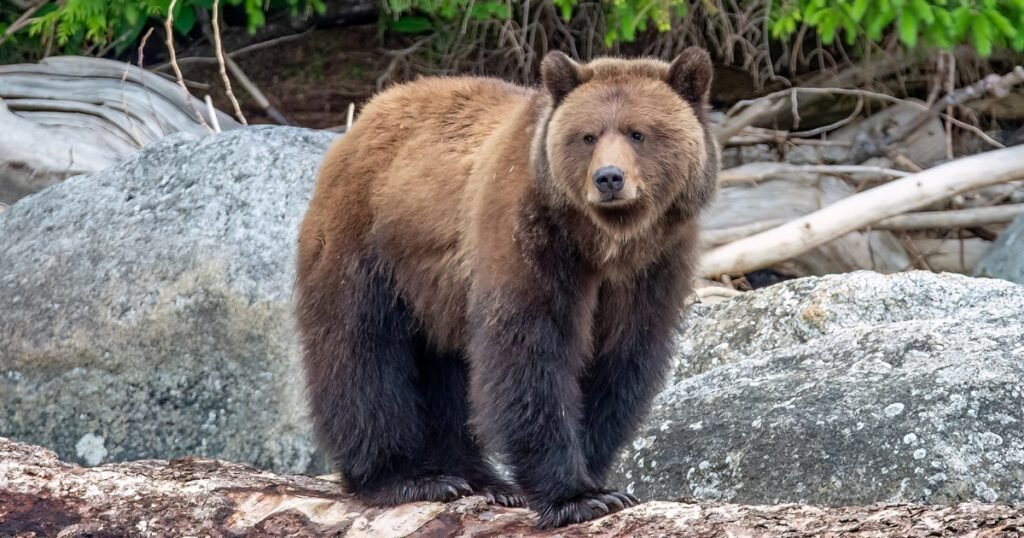
Cubs also growl while playing with each other, learning to communicate and bond with their family. This shows that bears are not just about power; they have complex social interactions too.
Domestic Cats
Scientific Name: Felis catus
Class: Mammalia
Diet: Carnivor
The growl of a domestic cat is more than just a sign of anger; it’s a way for them to communicate how they’re feeling. Cats can growl when they’re uncomfortable, feeling threatened, or even playing. Watching their body language, like a puffy tail or an arched back, can help you understand what they mean.
Cats come from wild ancestors, known as wild animals that growl and their growling is part of that history. It’s a tool for survival, helping them warn others when they feel scared or need to protect their space. By paying attention to these sounds and the situations around them, you can build a better relationship with your cat.
Read More: Explore 14 Most Dangerous Animals in Puerto Rico (With images) in 2026
Hyena
Scientific Name: Crocuta crocuta (Spotted Hyena)
Class: Mammalia
Diet: Carnivore/Scavenger
These often get a bad reputation as just scavengers, but they’re much more than that. They have unique sounds, like growls and whoops, that help them communicate with each other. These vocalizations aren’t just noise; they actually strengthen the bonds within their clans and show their feelings, from excitement to warning.
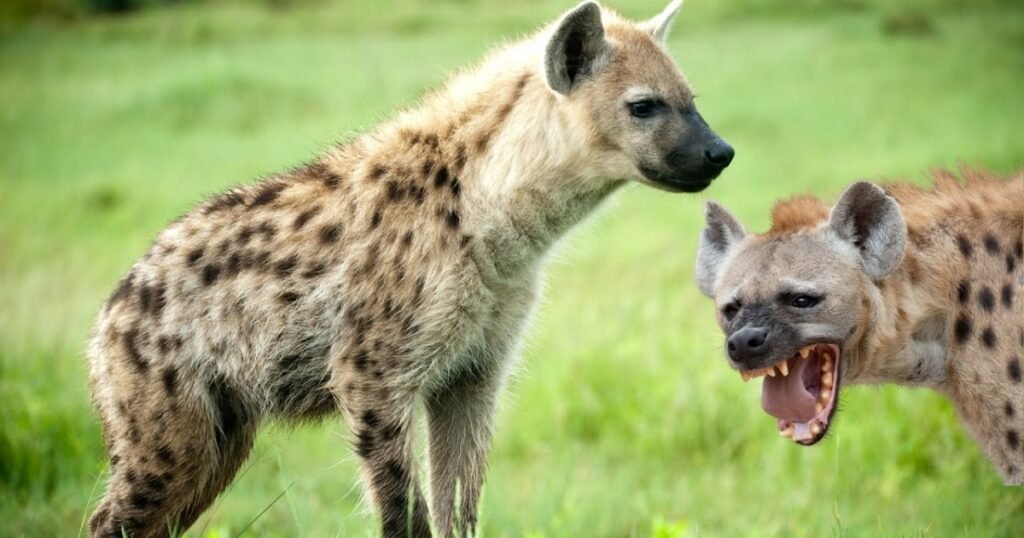
Hyenas are quite smart. They work together during hunts, using teamwork and strategy, which highlights their intelligence. Their social structure is complex and interesting, making them fascinating animals to study.
Read More: Explore Top 15 Most Anxious Animals In The World (With Pictures)
Tiger
Scientific Name: Panthera tigris
Class: Mammalia
Diet: Carnivore
These are growling animals, and their growls are powerful sounds that can be heard from far away. These deep growls help tigers mark their territory and warn others to stay away. Unlike pets, a tiger’s growl shows how strong and important they are in their habitat.
Tigers also make other sounds, like roars and softer chuffs, that help them communicate. Each sound has a special purpose, whether it’s to attract a mate or take care of their young.
Crocodiles
Scientific Name: Crocodylus
Class: Reptilia
Diet: Carnivore
These are amazing creatures because they’re strong predators and have unique way of communication. They produce deep growls that can be heard during mating season or when they feel threatened. This sound isn’t just made with their mouths; they can also create vibrations in their bodies, which helps them communicate underwater.
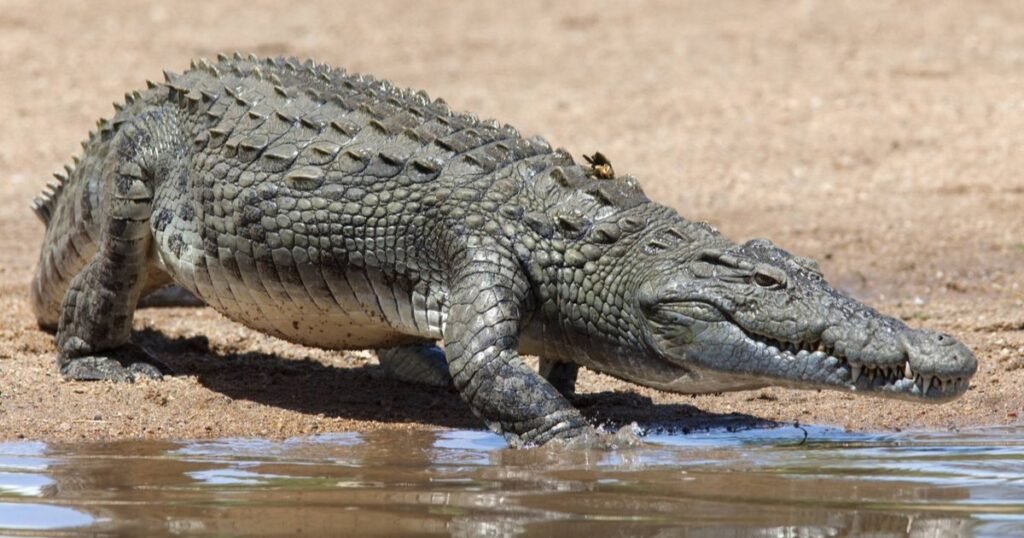
Their growling serves several purposes, it can scare off rivals and attract potential mates, showing how complex their social lives are. Other crocodiles might even hear these low sounds from miles away, making them some of the most vocal animals in their habitats.
This communication is a fascinating part of what makes crocodiles such successful survivors in various environments.
Read More: Top 15 Dangerous Animals in The Philippines (With Images)
Leopard
Scientific Name: Panthera pardus
Class: Mammalia
Diet: Carnivore
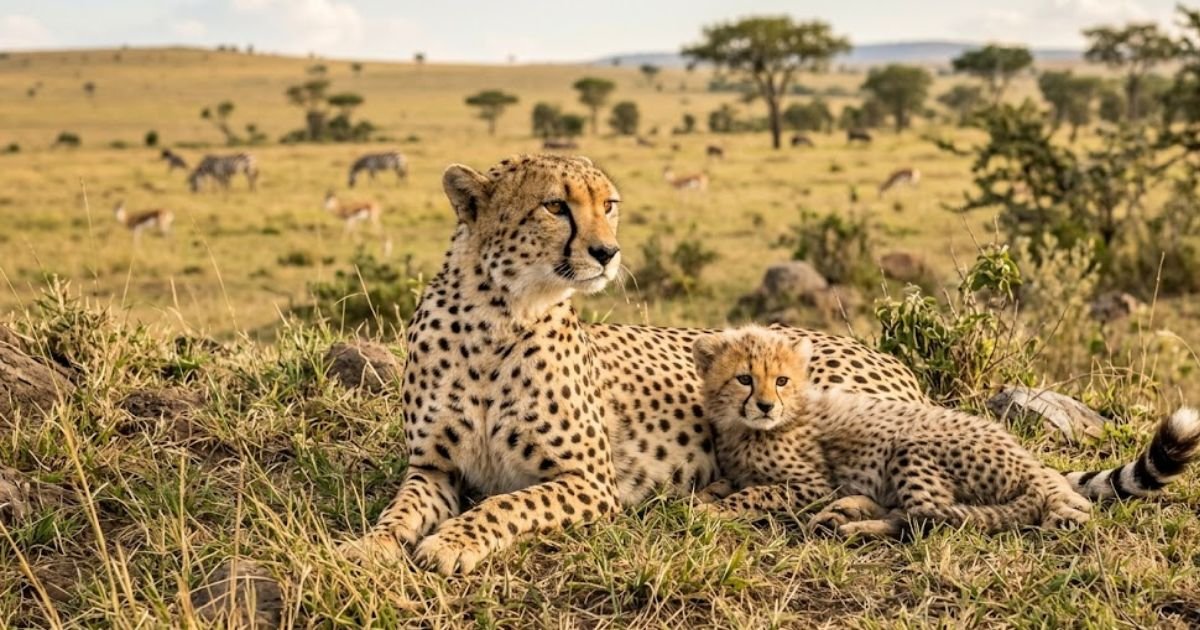
These are beautiful big cats known for their spotted fur and strong bodies. They communicate using deep growls, which serve many purposes, including marking their territory and warning other animals. Unlike lions, leopards usually live alone, but they can also use their growls during mating to show attraction and claim their space.
Their growls are not just for show; they help leopards survive in the wild by sending clear messages to others. This ability to communicate effectively makes them adaptable hunters. Whether they’re stealthily stalking their prey or expressing feelings, leopards use their voices in important ways.
Read More: Explore Top 8 Dangerous Animals in Aruba (With Pictures) in 2026
Wolf
Scientific Name: Canis lupus
Class: Mammalia
Diet: Carnivore
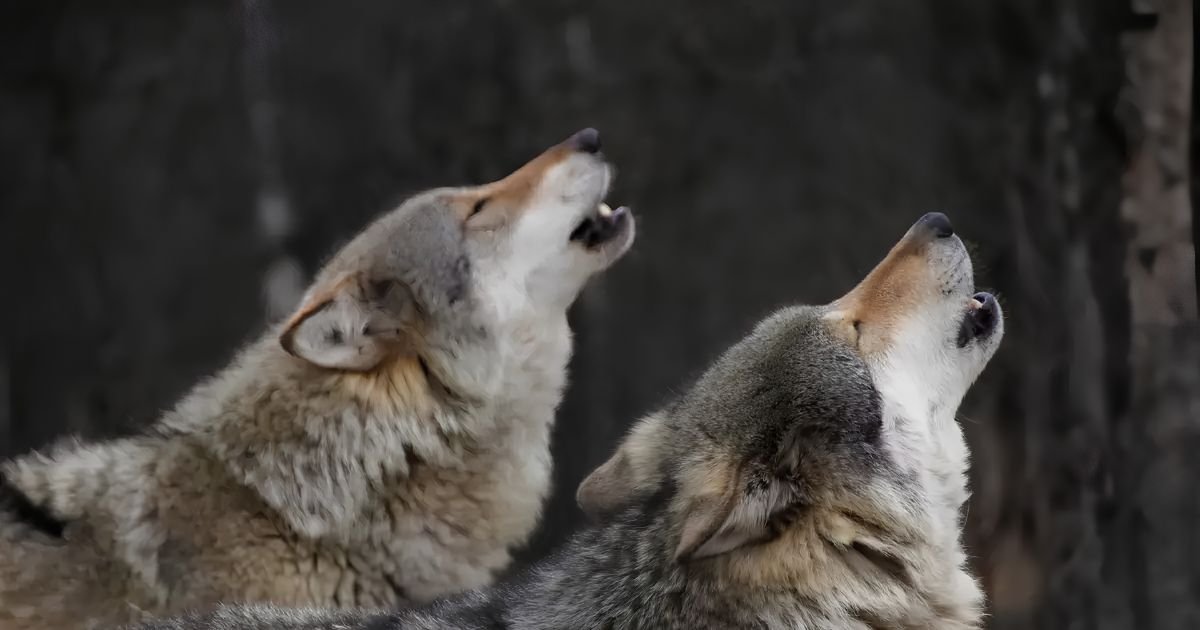
These are unique animals known for their deep growls, which serve important purposes. Instead of just being a sign of aggression, a growl can help wolves communicate within their pack. They use it to warn rivals or to connect with family members, showing how important these sounds are for their social interactions.
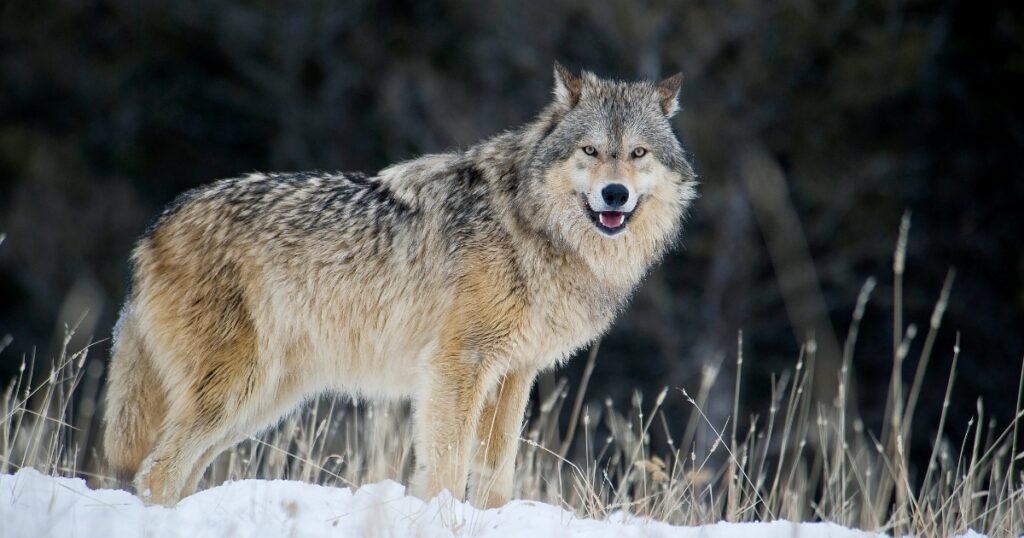
Wolves also adjust their growls based on where they live, whether in open tundras or thick forests. This ability to change their sounds helps them hunt and defend their territory, making them skilled predators.
Read More: Explore Top 10 Down Syndrome Animal In The World (With Images)
Gorilla
Scientific Name: Gorilla gorilla
Class: Mammalia
Diet: Herbivore/Omnivore
These are often seen as gentle giants, but they have a lot going on emotionally. Their growls, which are deep and strong, serve many purposes. For example, when a silverback growls, it shows their authority and can warn off rivals. These growls are different from those of aggressive animals because they carry emotions like defensiveness or playfulness.
Gorillas communicate through growls and with facial expressions and body language. This shows how intelligent they are and highlights the close relationships within their groups.
Jaguar
Scientific Name: Panthera onca
Class: Mammalia
Diet: Carnivore
The jaguar, known scientifically as Panthera onca, is a powerful cat found in rainforests. Its unique growl is a deep, rumbling sound that helps it communicate with other jaguars. This growl is important for marking territory and showing dominance.
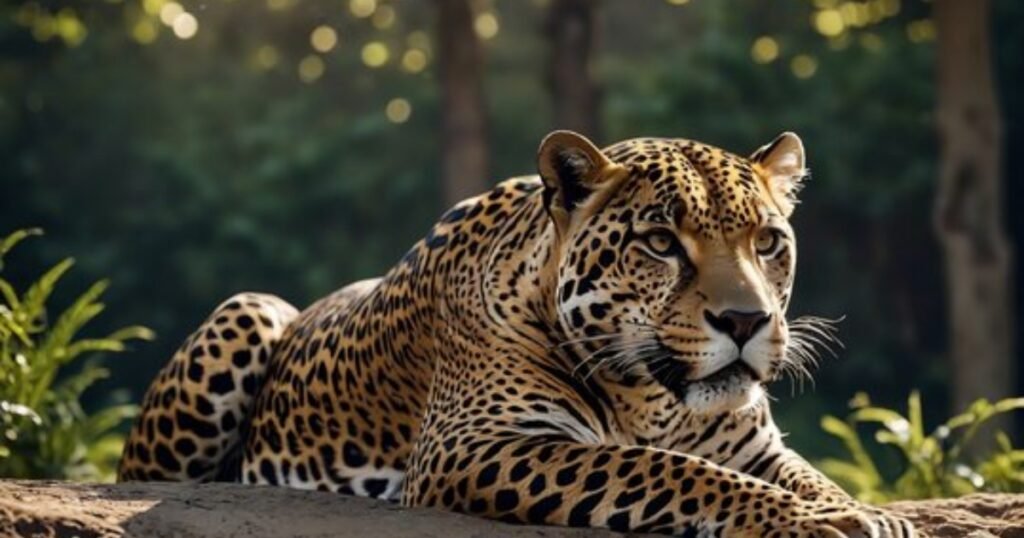
A mother jaguar uses her growl to protect her cubs, while mating pairs might share a softer growl that mixes affection with a bit of aggression. This shows that jaguars have complex social lives, even though they are mostly solitary creatures. Their vocalizations reveal a lot about their emotions and relationships.
Badgers
Scientific Name: Meles meles
Class: Mammalia
Diet: Omnivore
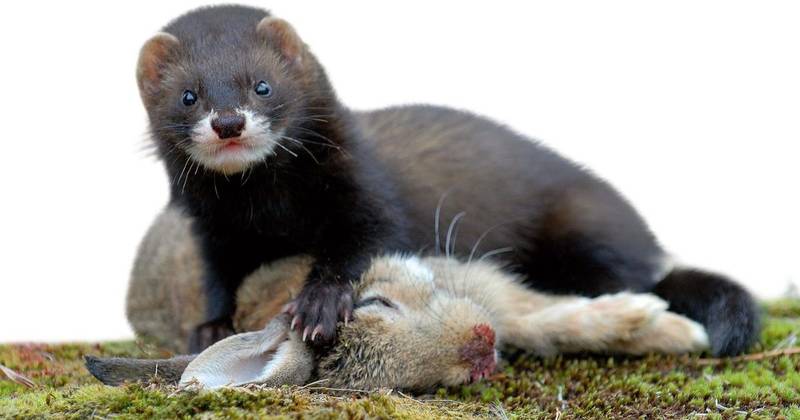
Badgers, known scientifically as Meles meles, are fascinating animals with unique black-and-white markings. They are strong and make loud growling sounds to warn off threats near their homes. This growl shows how tough they can be when defending their territory.
Badgers aren’t just fierce; they also live in social groups called clans. They play and groom each other, showing that they have strong bonds. With different sounds, they communicate their feelings and intentions, highlighting their smart and social nature.
Read More: Top 15 Dangerous Animals in The Philippines (With Images)
Foxes
Scientific Name: Vulpes vulpes
Class: Mammalia
Diet: Omnivore
These are known scientifically as Vulpes vulpes, are fascinating animals with unique features. They have beautiful red fur and bushy tails, but what really sets them apart is their way of communicating. Foxes use different sounds, including growls, to talk to each other, especially when they’re in groups or during twilight hours.
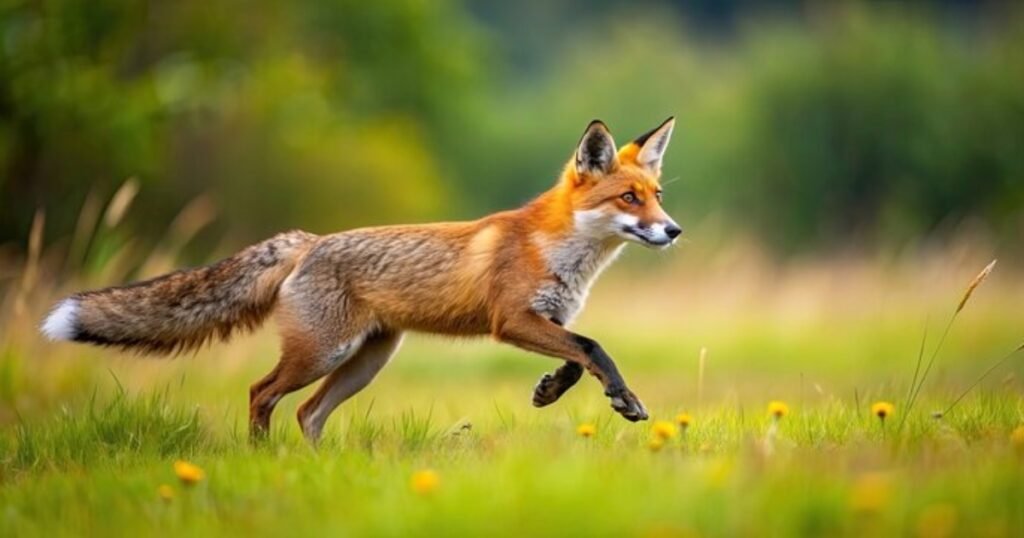
Their growls can sound like a mix of barks and chortles, helping them to send alerts or warn about danger. This variety allows them to express themselves in many ways, showcasing their smart and adaptable nature.
Read More: Top 11 Honey Eating Animals in the World: Names, Facts & Pictures
Alligators
Scientific Name: Alligator mississippiensis
Class: Reptilia
Diet: Carnivore
Alligators, specifically the Alligator mississippiensis, use their growls as a way to communicate. These deep sounds travel well in water, helping them warn other alligators about their territory or possible threats. Instead of fighting, they can establish dominance through a powerful growl.
Alligator growls can vary in tone and intensity, showing their emotional state. Whether they are feeling aggressive, courting a mate, or warning off intruders, these sounds help them interact with one another.
Llamas
Scientific Name: Lama glama
Class: Mammalia
Diet: Herbivore
These are interesting animals known for their friendly nature and unique sounds. One of their notable vocalizations is a deep growl, which can show that they’re feeling threatened or want to assert themselves. They might seem calm, this growl reveals more about their social standings and emotions within their groups.
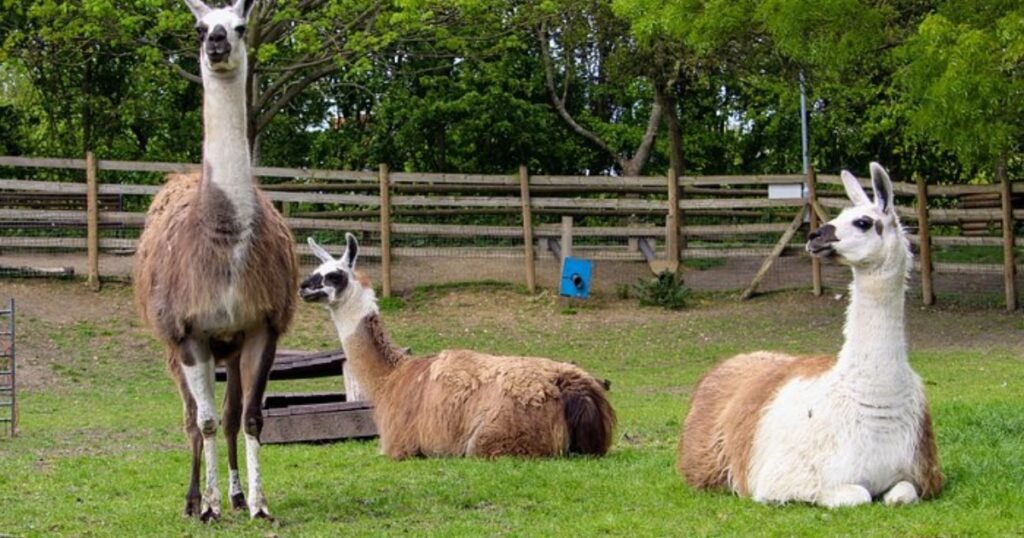
Llamas communicate in other ways too besides growling. They might spit or make softer noises when they’re happy. This variety of sounds helps them bond with others in their herd and even with different animals.
Opossums
Scientific Name: Didelphis virginiana
Class: Mammalia
Diet: Omnivore
These are often misunderstood animals, known for their unique ability to play dead. They also make interesting sounds, like a deep growl, especially when they feel threatened. This growl is their way of warning others and showing distress.
The sound can change depending on how the opossum feels, from annoyed to scared. This shows that opossums have a way of communicating that goes beyond just survival; they express their emotions and relationships to each other, too.
Read More: Explore Top 16 Stubborn Animals (With Images)
Raccoons
Scientific Name: Procyon lotor
Class: Mammalia
Diet: Omnivore
Raccoons, with the scientific name Procyon lotor, are often seen as troublemakers, but they are much more than that. Their growls, which can sound deep or high-pitched, help them communicate with each other and warn off threats. When threatened, their sounds can get even louder, showing their feelings more clearly.
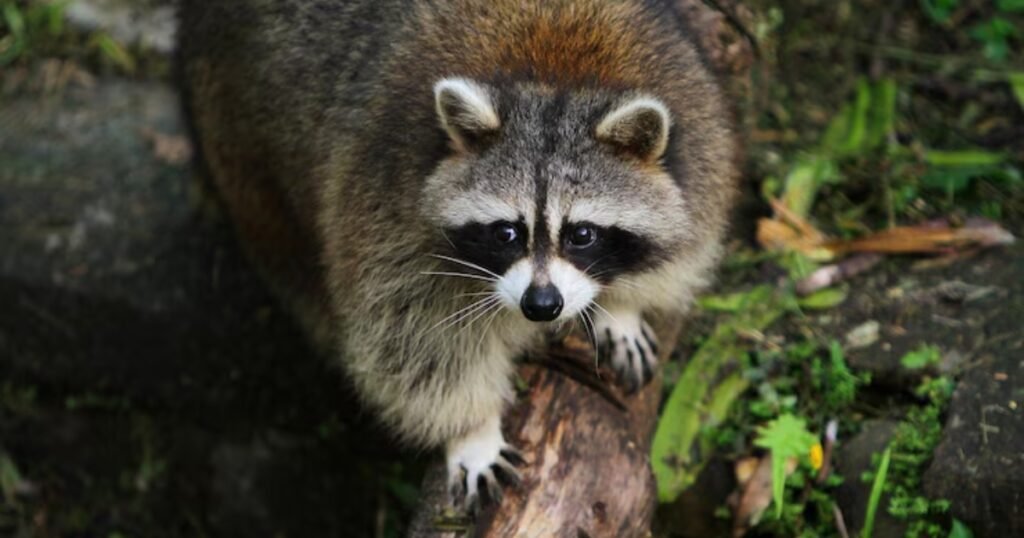
During the breeding season, their growls become more intense as males try to impress females.
Hippopotamus
Scientific Name: Hippopotamus amphibius
Class: Mammalia
Diet: Herbivore
These are known as Hippopotamus amphibius, is a big animal, known as big animals that growl that can be both gentle and fierce. They look calm, hippos can growl loudly, which serves as a warning to others and helps them talk to each other. This deep sound is especially important when they are close together, like on a crowded riverbank.
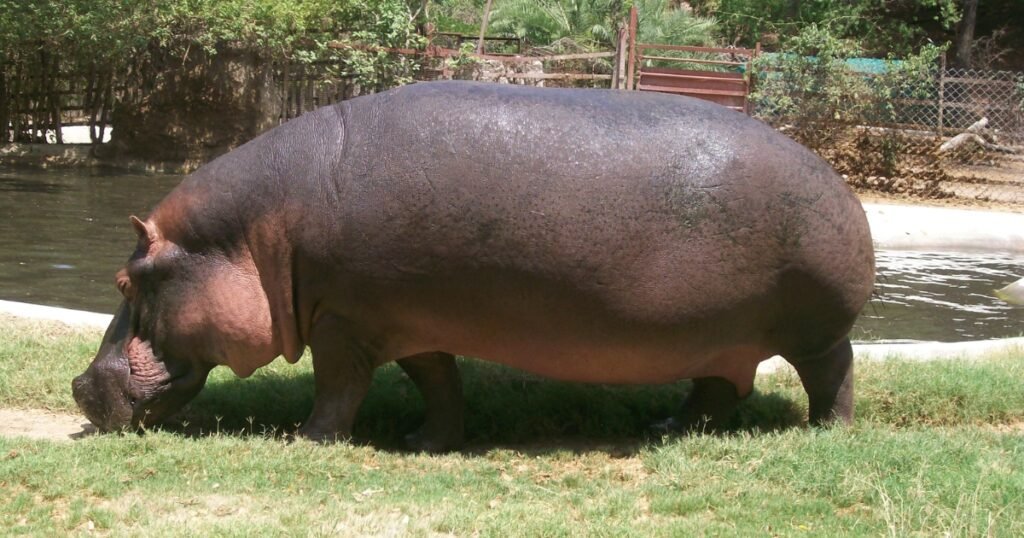
Hippos live in groups and have strong family ties. Their growl can express different feelings, like love or worry, showing that they care for each other even while being powerful creatures.
Conclusion
The list of top 18 animals that growl shows how unique and varied these sounds can be. From big cats to household pets, the growl is the sound of which animal often indicates their mood or intention. By learning more about these growl sound animals, we can deepen our connection to nature and the creatures that inhabit it.
Whether you’re an animal lover or a curious observer, listening for these growls can enhance your experience in the wild. Continue your exploration and keep an ear out for the fascinating sounds of the animal world.
FAQ’s
What Animals Growl?
Many animals can growl, including dogs, cats, bears, and alligators. They use this sound to show they are angry or to warn others to stay away.
Why Do Animals Growl?
Many animals can growl, including dogs, cats, bears, and alligators. They use this sound to show they are angry or to warn others to stay away.
Why Do Dogs And Cats Growl?
Many animals can growl, including dogs, cats, bears, and alligators. They use this sound to show they are angry or to warn others to stay away.