Explore Top 17 Arboreal Animals In The World (With Images)
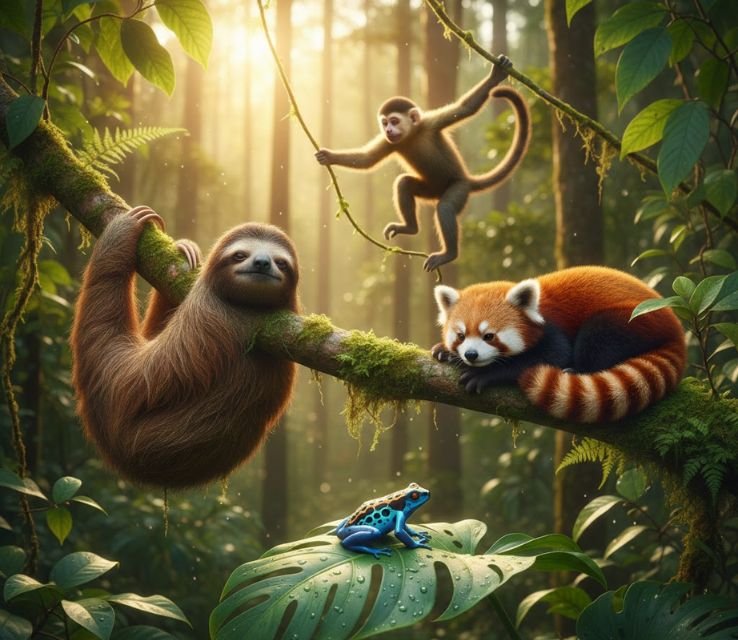
Arboreal animals are fascinating creatures that have adapted remarkably to life in the trees. These animals exhibit unique behaviors and physical traits that enable them to navigate their vertical habitats with ease. From vibrant colorations to specialized limbs, the world of arboreal animals is rich and diverse.
Among the most captivating arboreal animals is the tree kangaroo, which has evolved to thrive in the treetops of Australia and New Guinea. Unlike its ground-dwelling relatives, this marsupial possesses strong limbs and a long tail that aids in balance as it leaps between branches.
By exploring the lives of these extraordinary animals, we gain insight into the delicate balance of ecosystems and the importance of conserving their arboreal habitats.
List of Arboreal Animals In The World
| Number of animals | Arboreal Animals List |
| 1 | Koalas |
| 2 | Siamang Gibbon |
| 3 | Kinkajous |
| 4 | Three-toed Sloth |
| 5 | Tarsiers |
| 6 | Veiled Chameleons |
| 7 | Green iguana |
| 8 | Binturongs |
| 9 | Matschie’s tree kangaroo |
| 10 | Banded geckos |
| 11 | Leopards |
| 12 | Rough green snake |
| 13 | Common brown lemurs |
| 14 | Southern Flying Squirrel |
| 15 | Black spider monkeys |
| 16 | Orangutan |
| 17 | Tree Frogs |
Koalas
Scientific name: Phascolarctos cinereus
Class: Mammalia
Diet: Herbivore
Koalas are often considered the quintessential Australian wildlife, known for their cuddly appearance and exclusive diet of eucalyptus leaves. These arboreal animals spend most of their lives high in the trees, consuming about two to seven pounds of leaves daily.
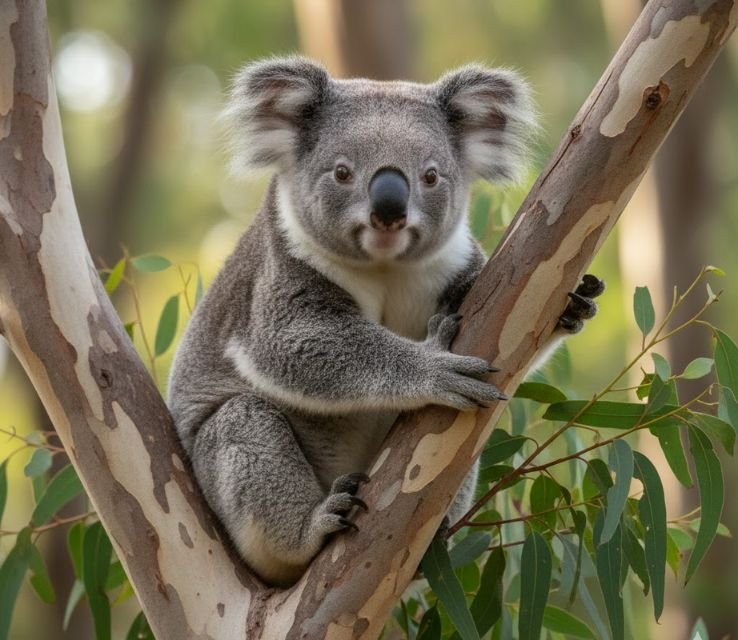
Their unique digestive system, featuring a specialized cecum, allows them to break down toxic leaf fibers that many other creatures cannot process. Unfortunately, habitat loss and climate change pose significant threats to their survival.
Read Also: Explore Top 15 Animals That Live in Rivers (with Images)
Siamang Gibbon
Scientific name: Symphalangus syndactylus
Class: Mammalia
Diet: Omnivore
With their distinctive bark-like calls echoing through the tropical forests of Southeast Asia, siamang gibbons are fascinating creatures. These arboreal animals are the largest of the gibbon family, featuring a fascinating throat sac that amplifies their vocalizations.
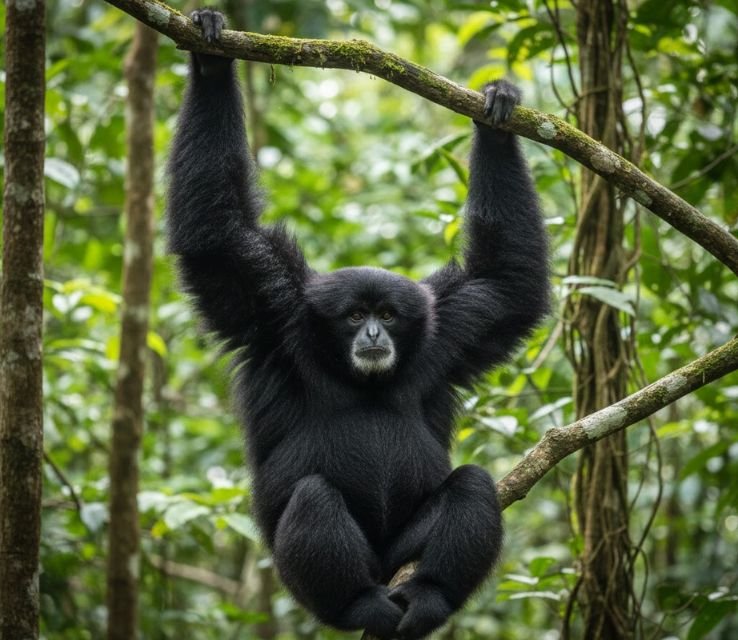
Their strong, long arms aid in brachiation, allowing them to swing gracefully from branch to branch, showcasing both agility and elegance. While they primarily eat fruits, they also consume leaves and flowers, playing a critical role in seed dispersal within their lush habitats.
Kinkajous
Scientific name: Potos flavus
Class: Mammalia
Diet: Omnivore
Kinkajous, often referred to as “honey bears,” are nocturnal mammals known for their playful behavior and long, prehensile tails that help them navigate their canopies effortlessly. These arboreal animals thrive in Central and South American rainforests, feasting on fruit, nectar, and honey.
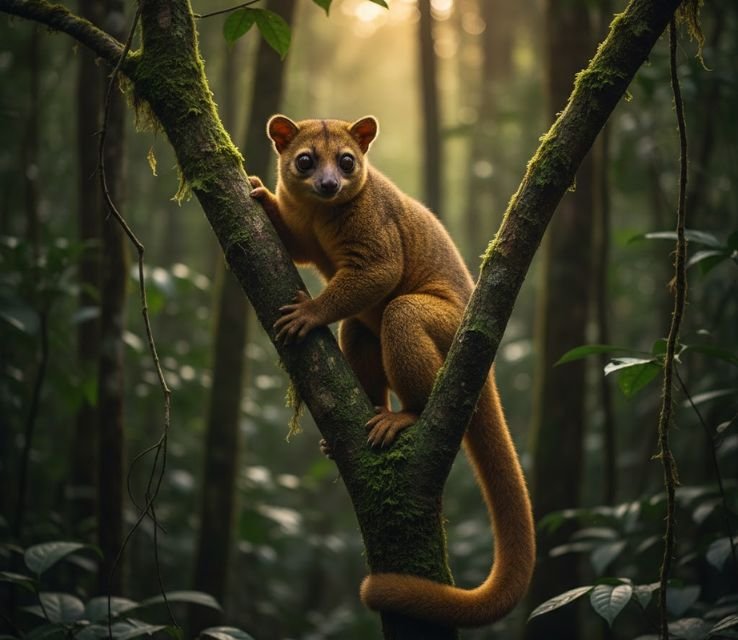
Their keen sense of smell and ability to rotate their ankles make them adept climbers, allowing them to reach high branches and explore their environment. While charming, kinkajous face challenges from deforestation and the pet trade, underscoring the importance of conservation efforts.
Read Also: Top 12 Animals That Sleep the Most in the World (With Pictures)
Three-toed Sloth
Class: Mammalia
Diet: Herbivore
Three-toed sloths inhabit the canopies of Central and South American rainforests, embodying a leisurely lifestyle that captivates many wildlife enthusiasts. These arboreal animals are renowned for their slow movements and unique adaptations, such as a low metabolic rate that allows them to thrive on a diet of leaves.
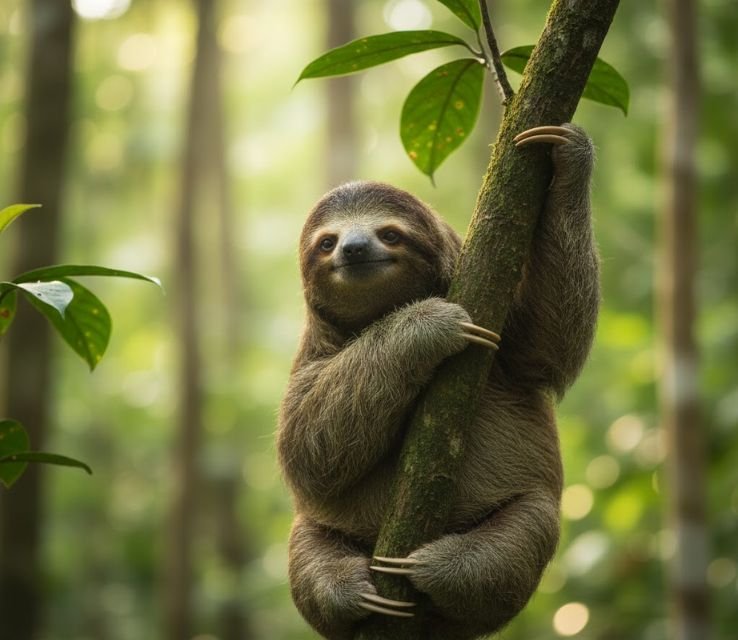
Their fur hosts a variety of algae, which not only camouflages them from predators but also provides a habitat for other organisms. As climate change alters their habitats, sloths remain symbolic of the delicate balance within these ecosystems, prompting discussions about sustainability and conservation.
Tarsiers
Class: Mammalia
Diet: Carnivore
Often considered the cutest of arboreal animals, tarsiers are small primates known for their enormous eyes, which allow them to see in the dark. Native to Southeast Asia, these nocturnal creatures are not only fascinating for their appearance but also for their unique behaviors.
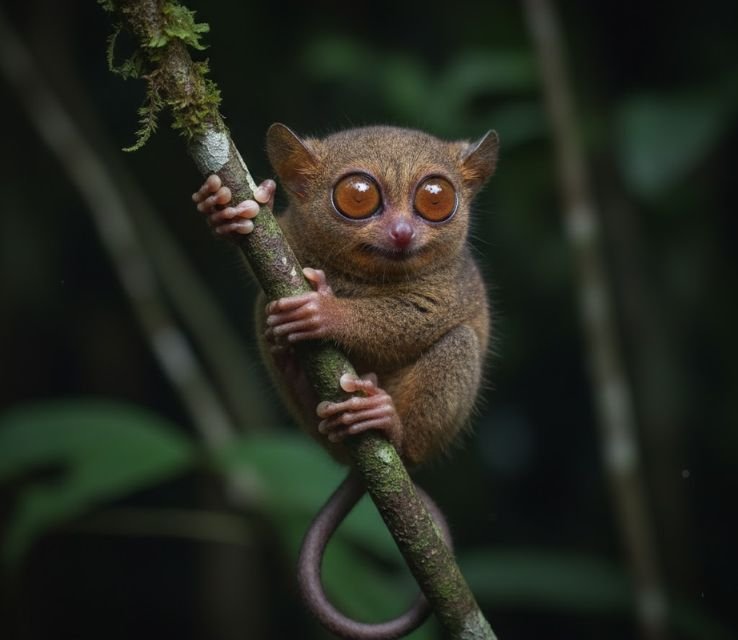
Tarsiers can rotate their heads nearly 180 degrees, enhancing their ability to spot prey among the branches. Their reliance on trees for both habitat and hunting techniques makes them intriguing illustrations of evolutionary adaptation.
Read Also: Explore 6 Types of Marmots in North America (With Pictures)
Veiled Chameleons
Scientific name: Chamaeleo calyptratus
Class: Reptilia
Diet: Omnivore
The veiled chameleon epitomizes the extraordinary adaptability of arboreal animals. Found primarily in Yemen and Saudi Arabia, these colorful reptiles showcase an incredible display of camouflage and color-change abilities.
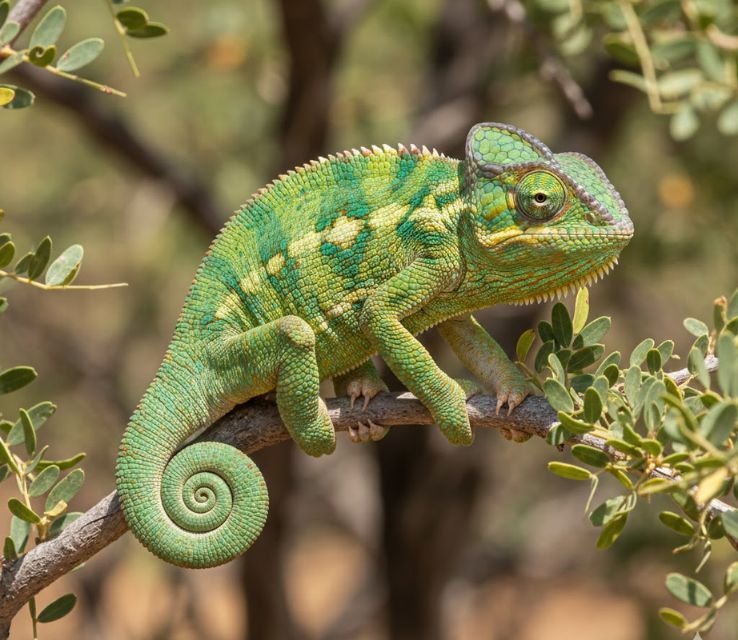
Their look is not merely for show; it serves practical purposes such as communication and temperature regulation. Veiled chameleons have prehensile tails and zygodactylous feet, giving them a remarkable grip as they navigate their arboreal habitats.
Green iguana
Scientific name: Iguana iguana
Class: Reptilia
Diet: Herbivore
Green iguanas are iconic representatives of arboreal wildlife, thriving in the trees of Central and South America. These impressive lizards can grow over six feet long, relying on their strong limbs and long tails for balance and agility among the branches.
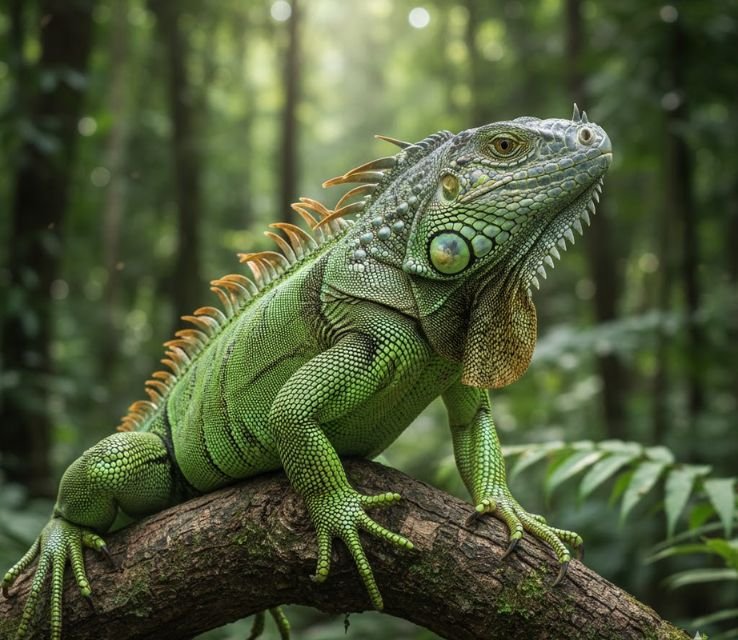
Their diet primarily consists of leaves, flowers, and fruits, helping to maintain the ecosystem’s health by aiding in plant propagation. The green iguana’s vibrant coloration is not just striking; it serves as a signal of their health and vitality in their lush environments.
Read Also: Explore Top 16 Stubborn Animals (With Images)
Binturongs
Scientific name: Arctictis binturong
Class: Mammalia
Diet: Omnivore
Binturongs, often overlooked in discussions of arboreal animals, are unique mammals native to Southeast Asia. With their bear-like appearance and prehensile tails, they maneuver gracefully through the treetops.
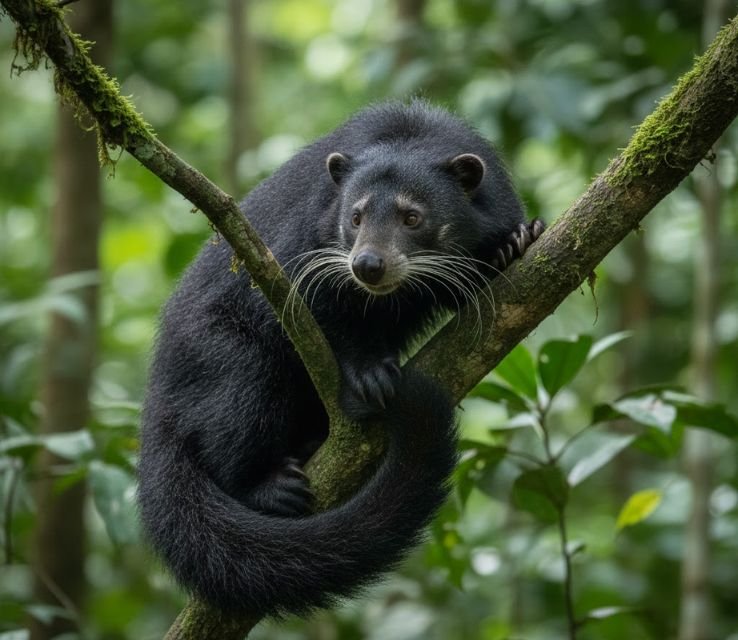
Known for their distinctive, popcorn-like scent, binturongs play a crucial role in seed dispersal, helping to maintain their forest habitats. Their slow-moving demeanor belies their agile capabilities, showcasing an extraordinary blend of strength and stealth.
Matschie’s tree kangaroo
Scientific name: Dendrolagus matschiei
Class: Mammalia
Diet: Herbivore
Matschie’s tree kangaroo is a striking example of adaptation, demonstrating how a terrestrial mammal can successfully thrive in an arboreal lifestyle. Endemic to Papua New Guinea, these kangaroos possess strong limbs and long tails that facilitate climbing among branches.
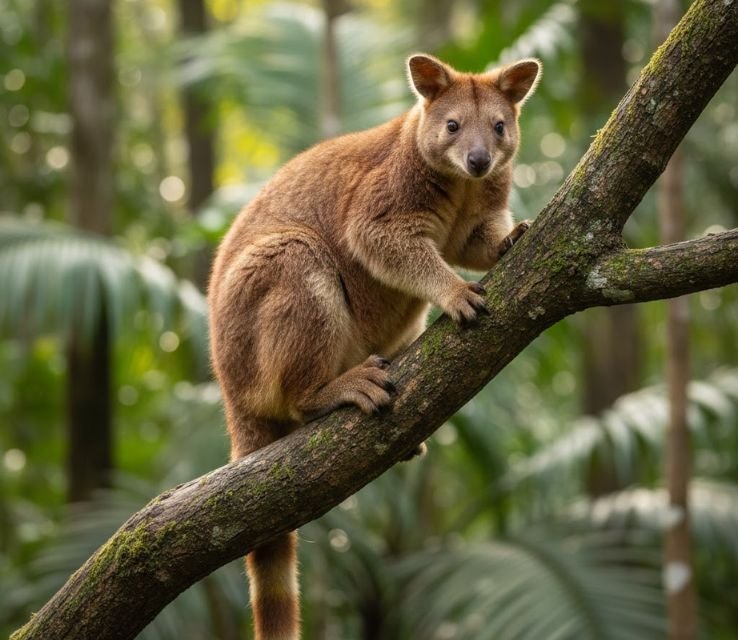
They are known for their striking fur patterns, which provide camouflage among the dappled light of their forested homes. This fascinating species is vital for its ecosystem, aiding in seed dispersal and maintaining the balance of their lush habitats.
Read Also: Top 20 Flippers Animals (With Pictures)
Banded geckos
Class: Reptilia
Diet: Carnivore
Banded geckos are small yet captivating members of the arboreal community, predominantly found in the deserts and shrublands of the southwestern United States. Their unique banding provides effective camouflage against predators while they hunt insects among low-hanging branches and foliage.
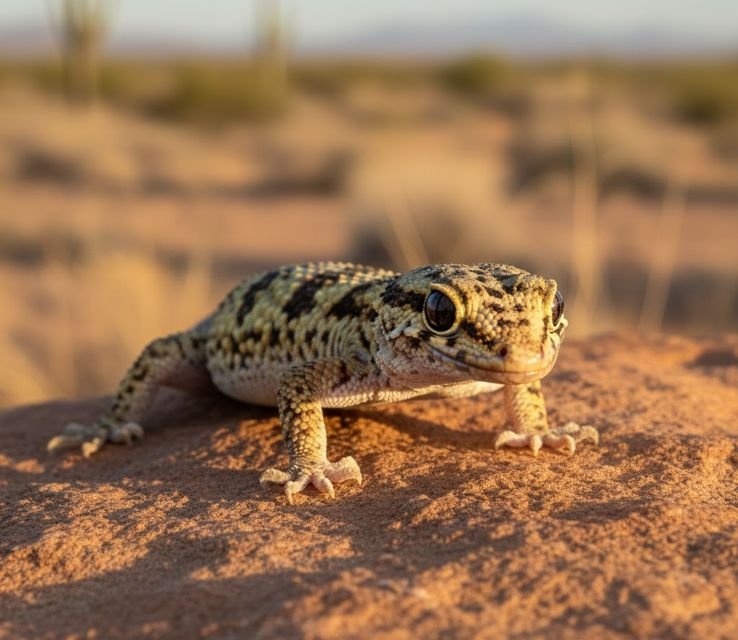
These nocturnal reptiles exhibit remarkable climbing abilities, utilizing their sticky toe pads to navigate their environment with ease. Often misunderstood, banded geckos play a crucial role in their ecosystems, keeping insect populations in check.
Leopards
Scientific name: Panthera pardus
Class: Mammalia
Diet: Carnivore
Leopards are quintessential arboreal animals, known for their striking rosetted coats and remarkable climbing abilities. They often seek refuge in trees to escape competition and hide their prey from scavengers.
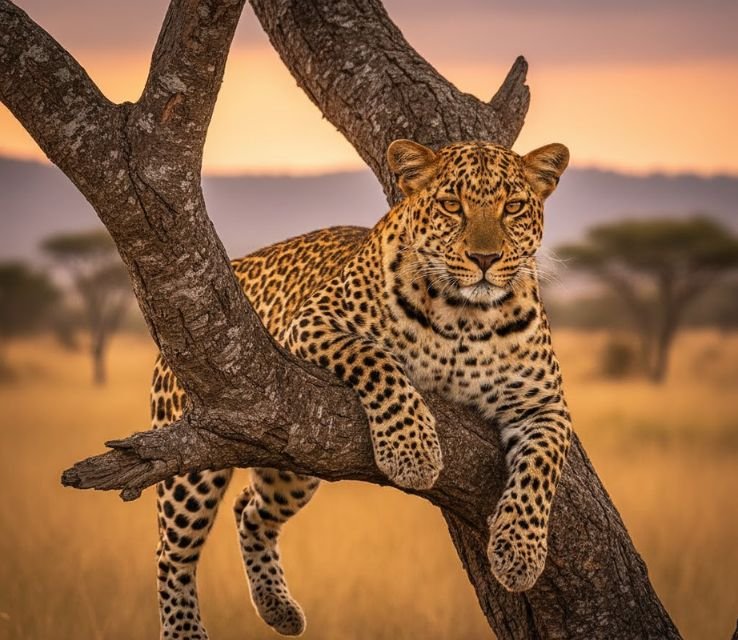
These solitary felines have mastered the art of stealth, using their spotted fur to blend seamlessly into the dappled sunlight of their forest habitats. With a keen sense of hearing and acute night vision, leopards are opportunistic hunters that thrive in diverse environments, from savannas to dense rainforests.
Rough green snake
Scientific name: Opheodrys aestivus
Class: Reptilia
Diet: Carnivore
The rough green snake is a vibrant example of arboreal finesse, often found lounging among the leaves of trees and shrubs. Its bright green coloration provides excellent camouflage, making it nearly invisible among foliage.
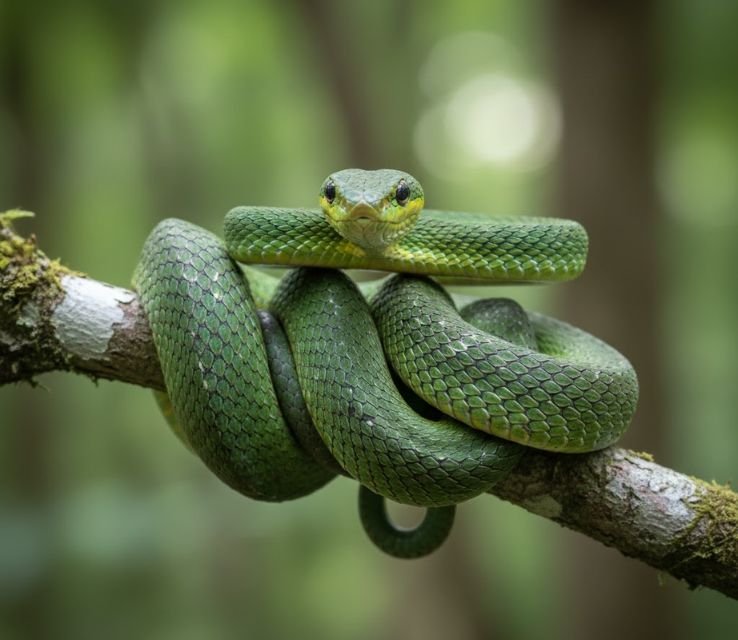
While primarily diet consists of insects, these snakes are adept climbers and utilize their slender bodies to navigate through branches with grace. They rely on their acute vision to hunt, blending seamlessly into their verdant surroundings.
Common brown lemurs
Scientific name: Eulemur fulvus
Class: Mammalia
Diet: Omnivore
Common brown lemurs are social, arboreal primates native to Madagascar, distinguished by their soft, fur-covered bodies and expressive faces. Living in family groups, they navigate the forest canopy with agility, feeding on fruits, leaves, and flowers.
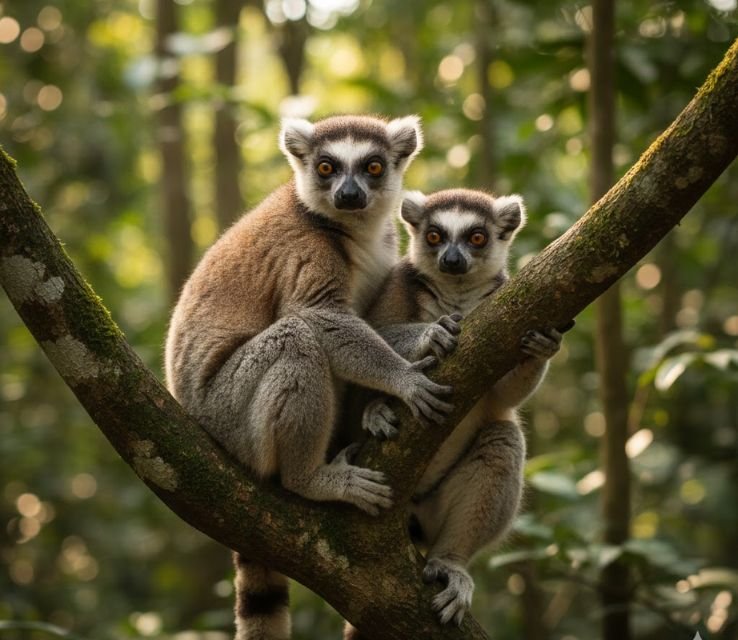
Their vocalizations echo through the trees, facilitating communication among group members. Unique to their species is the well-developed sense of smell, enabling them to identify ripe fruits vital for their survival in the lush environment they inhabit.
Southern Flying Squirrel
Scientific name: Glaucomys volans
Class: Mammalia
Diet: Omnivore
The southern flying squirrel is a remarkable arboreal animal, capable of gliding gracefully from tree to tree thanks to its unique patagium, a membrane that stretches from its wrists to its ankles. Active primarily at night, these agile rodents forage impulsively on nuts, fruits, and even fungi, relying on their keen sense of smell.
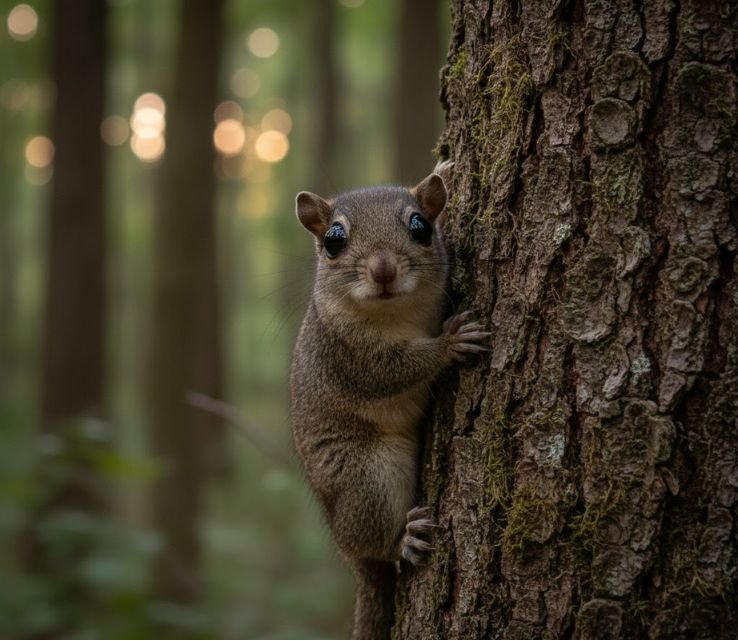
Their extraordinary ability to glide saves energy and allows them to evade predators while exploring their forest homes high above the ground. Social creatures, they often nest together, forming communal roosts that create a vibrant nocturnal community.
Read Also: Why Do Foxes Laugh? Surprising Key Facts in 2026
Black spider monkeys
Scientific name: Ateles paniscus
Class: Mammalia
Diet: Omnivore
Black spider monkeys, with their elongated limbs and prehensile tails, are masters of the treetops. These agile monkeys primarily inhabit the tropical rainforests of Central and South America, playing a vital role in their ecosystem by dispersing seeds.
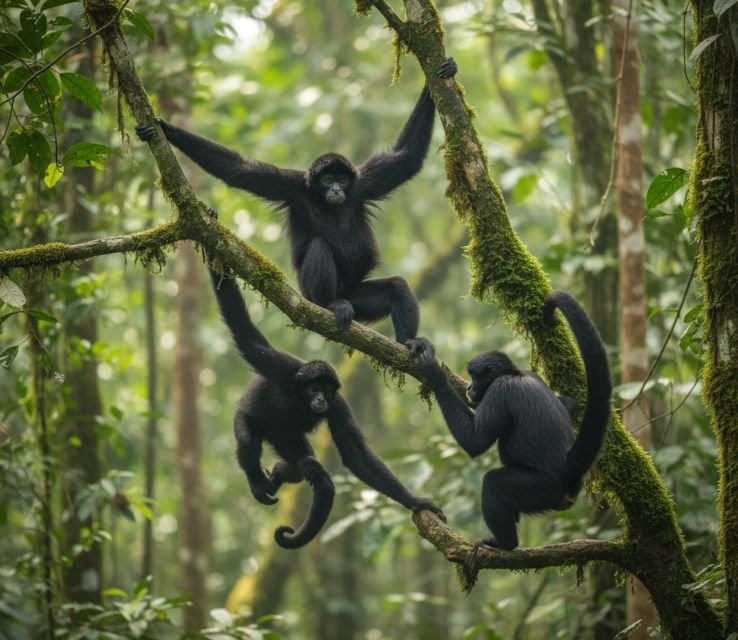
Their vocalizations travel through the canopy, creating a symphony of sounds that reinforces social bonds. Observing their acrobatics provides a glimpse into the fascinating world of arboreal animals, showcasing their adaptability and grace in navigating their vertical homes.
Orangutan
Class: Mammalia
Diet: Omnivore
Orangutans, the gentle giants of the canopy, epitomize arboreal life with their long arms and highly intelligent behaviors. Found in the rainforests of Borneo and Sumatra, they spend most of their time in trees, expertly swinging and foraging for fruits and leaves.
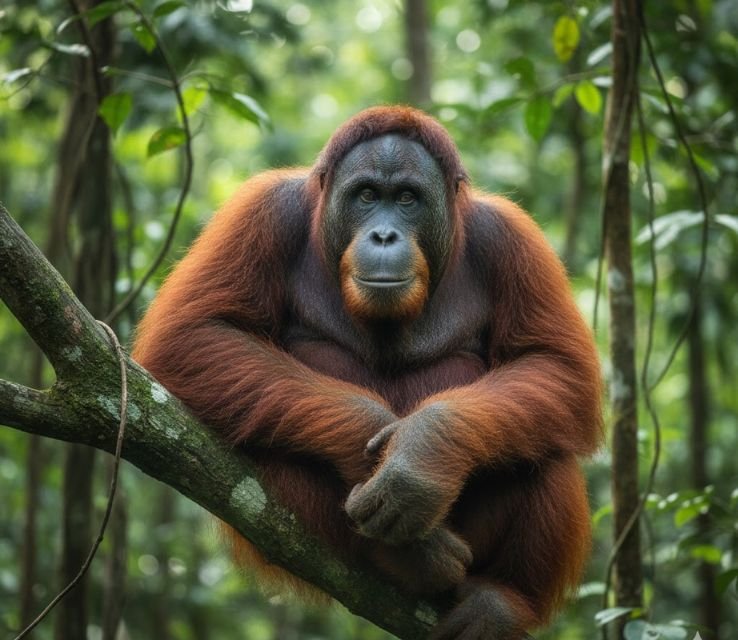
Their remarkable tool use showcases their intelligence, as they can manipulate branches and leaves to aid in their daily tasks. Conservation efforts are crucial to protect these magnificent primates, as their habitats face threats from deforestation and poaching.
Tree Frogs
Class: Amphibia
Diet: Carnivore
Tree frogs are the quintessential arboreal amphibians, known for their vibrant colors and adept climbing skills. Their specialized toe pads allow them to cling to tree branches, while their calls fill the humid night air, creating a symphony of sounds.
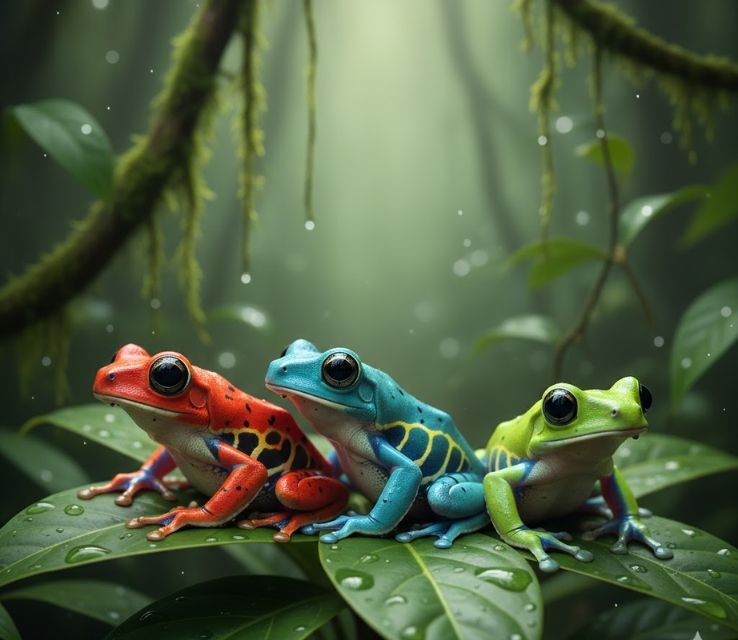
Inhabiting a range of ecosystems, from tropical rainforests to temperate woodlands, tree frogs play vital roles in pest control. Their sensitivity to environmental changes makes them key indicators of ecosystem health, emphasizing the interconnectedness of life within their arboreal realms.
Final Thoughts
The world of arboreal animals is rich and varied, showcasing a remarkable array of adaptations that allow these creatures to thrive in the treetops. From the agile spider monkey to the vibrant tree frog, each species plays a vital role in its ecosystem and contributes to the biodiversity of our planet.
Observing these fascinating animals in their natural habitats can provide invaluable insights into the delicate balance of forest ecosystems. As we continue to explore and learn about these unique creatures, it’s crucial to raise awareness about the conservation challenges they face.
FAQs
What Does Arboreal Mean?
Arboreal refers to organisms or activities that are primarily associated with trees or living in trees.
What Are 5 Examples Of Arboreal?
Examples include sloths, tree frogs, koalas, orangutans, and many species of squirrels.
What is An Arboreal Species?
An arboreal species is any plant or animal that primarily lives and operates in a tree-dominated environment.