Top 15 Animals That Eat Corns (With Images)
Corn is not just a staple for humans and a favorite snack for a surprising variety of animals. Animals that eat corns range from the tiniest critters to larger wildlife; numerous species indulge in this golden grain, making it a crucial part of their diets
This article will take you through the top 15 animals that eat corn, corn cobs, and corn kernels, highlighting their dietary preferences and why this seemingly simple grain is vital for them.
List of Animals That Eat Corn
Following is the list of animals that eat corn cobs.
| No. | Common Name: Corn-Eating Animals | Scientific Name |
| 1 | White-tailed Deer | Odocoileus virginianus |
| 2 | Wild Boar | Sus scrofa |
| 3 | Raccoon | Procyon lotor |
| 4 | Gray Squirrel | Sciurus carolinensis |
| 5 | American Crow | Corvus brachyrhynchos |
| 6 | Canada Goose | Branta canadensis |
| 7 | Domestic Chicken | Gallus gallus domesticus |
| 8 | Wild Turkey | Meleagris gallopavo |
| 9 | Black Bear | Ursus americanus |
| 10 | House Mouse | Mus musculus |
White-tailed Deer
Scientific Name: Odocoileus virginianus
Class: Mammalia
Diet: Herbivore
White-tailed deer, often found in forests and open fields, have a particular fondness for corn. These majestic creatures are not just foragers; they are attracted to the sweet, nutritious kernels that offer a rich energy source, especially in colder months.
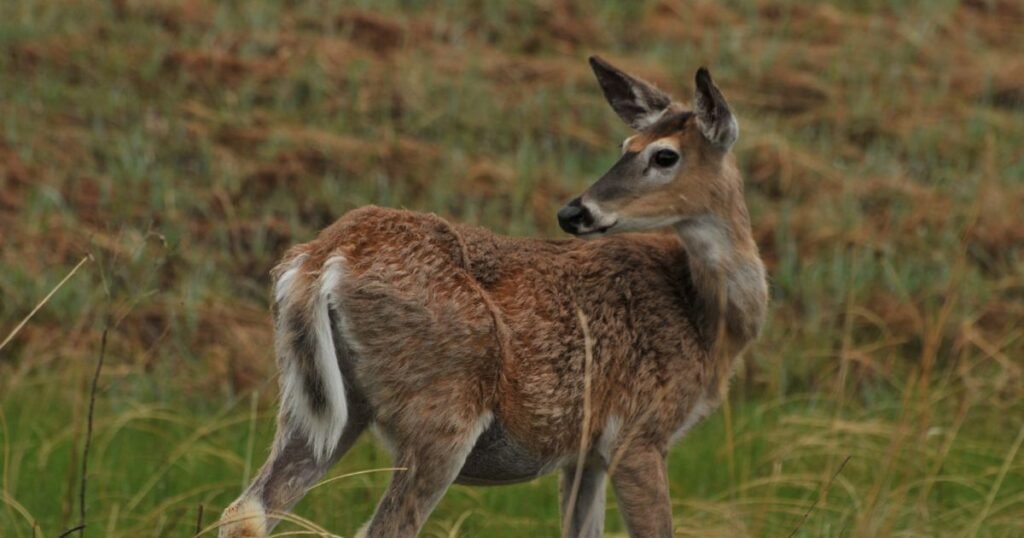
As they graze, it’s fascinating to observe how their behavior changes in the presence of corn. They become more alert yet comfortable, often feeding in groups, which can result in lively social dynamics among the herd.
White-tailed deer are also known to nibble on corn cobs left behind after harvesting. This adaptability showcases their survival instincts, as they make the most of available resources in their environment. While corn plants are a staple, it’s the soft and succulent kernels that truly draw them in.
Read Also: Animals with Fur
Wild Boar
Scientific Name: Sus scrofa
Class: Mammalia
Diet: Omnivore
Wild boars are notorious for their voracious appetites and adaptability, making them skilled foragers in various environments. Among the array of food sources, corn is a particularly favored delicacy, as these animals are drawn to the sweet taste and high-energy content of corn kernels.
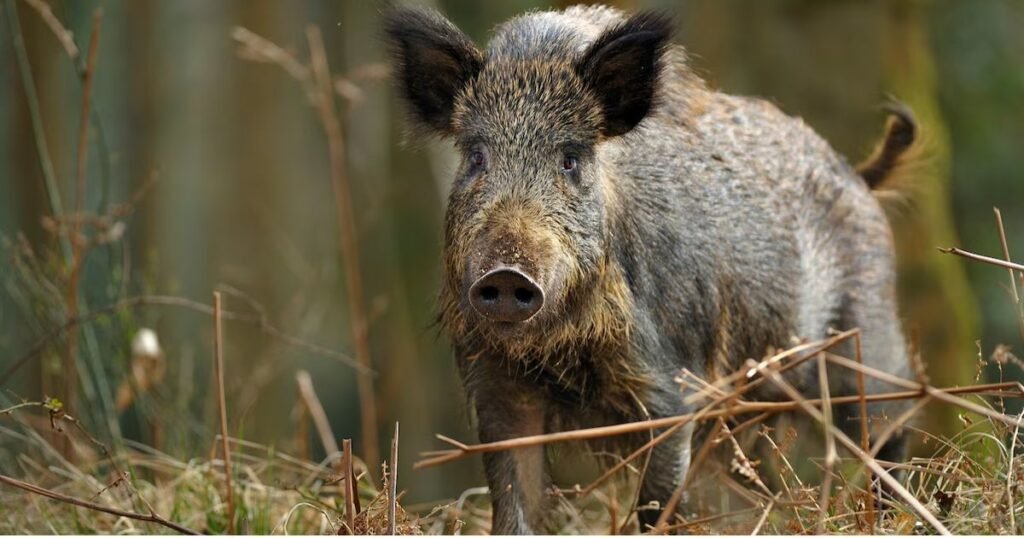
In agricultural regions, it’s not uncommon to see wild boars rummaging through fields, digging up corn plants, and devouring the cobs left behind. Their powerful snouts and strong jaws are perfectly designed for uprooting plants and dislodging cobs, turning a farmer’s hard work into an all-you-can-eat buffet.
The presence of wild boars in cornfields can serve as a double-edged sword. While they can impact crop yields by consuming tender shoots and kernels, fostering a local ecosystem’s balance is crucial. These animals play a role in seed dispersal and nutrient cycling, enriching the soil as they forage.
Raccoon
Scientific Name: Procyon lotor
Class: Mammalia
Diet: Omnivore
Raccoons love eating Corn, with their agile paws and clever minds, have become notorious for raiding gardens and farms in search of corn. These intelligent animals are attracted to the sweetness of corn kernels, often leaving behind a trail of half-eaten cobs as they indulge in their late-night feasts.
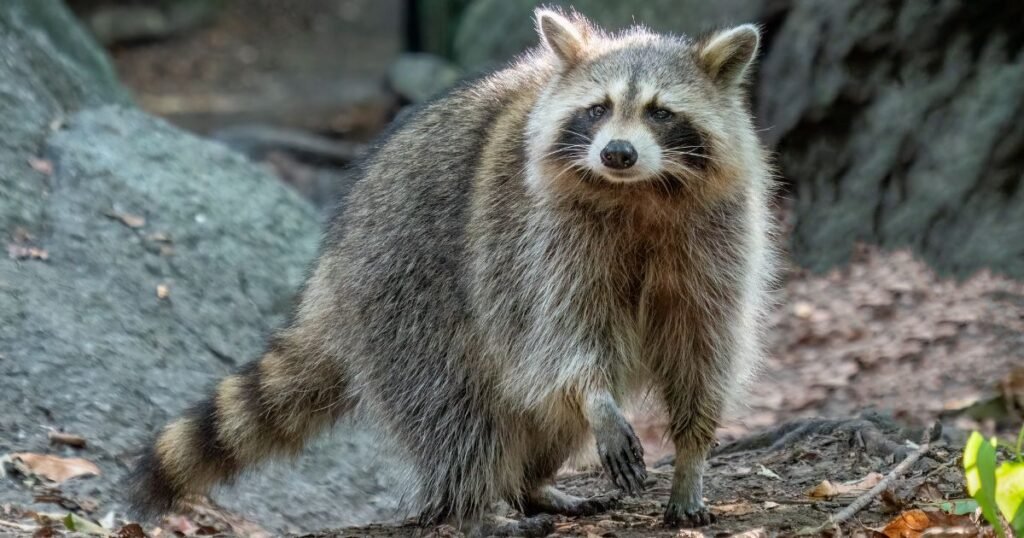
Their nimble fingers allow them to deftly peel back husks, showcasing a remarkable adaptability to exploit available resources. There’s something almost endearing about watching these masked bandits savor the juicy bounty of corn plants, a practice that speaks to their resourcefulness in urban and rural landscapes alike.
Raccoons are not alone in their foraging endeavors; they share their corn-loving habits with a variety of other wildlife. Deer, squirrels, and even birds often join the feast, turning fields into a veritable buffet of animals that eat corn cobs.
Read Also: Grumpiest Animals in the World
Gray Squirrel
Scientific Name: Sciurus carolinensis
Class: Mammalia
Diet: Omnivore
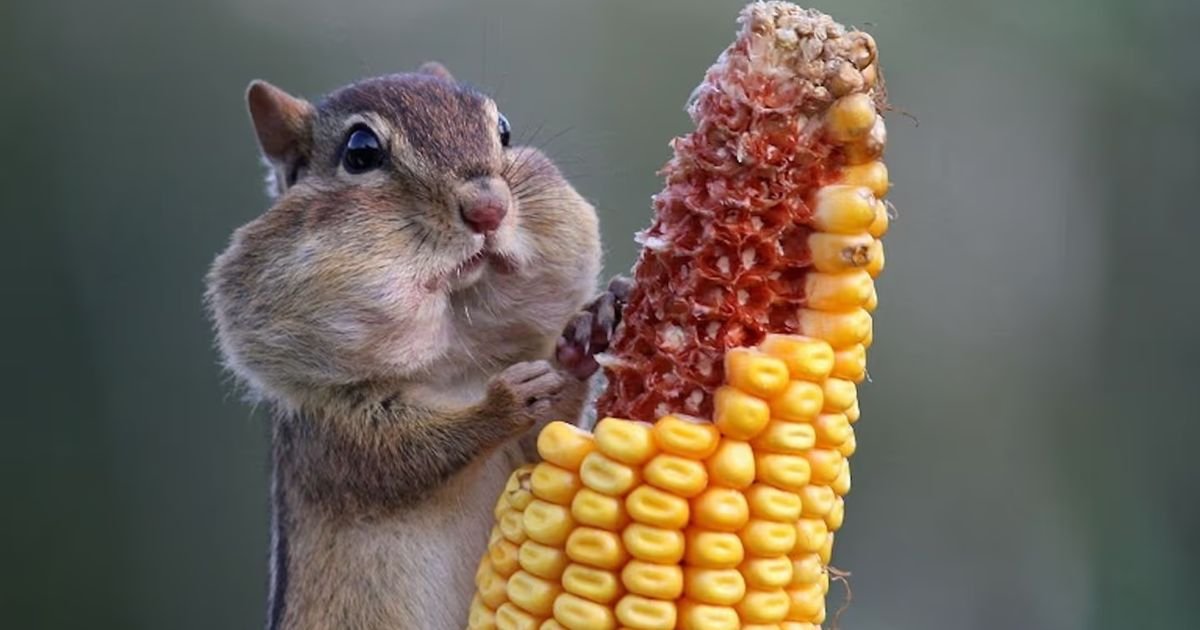
Gray squirrels are agile foragers, often spotted darting through backyards and parks in search of their favorite snacks. Among the array of foods they enjoy, corn holds a special place. These clever creatures eagerly nibble on corn kernels, which provide them with essential nutrients and energy for their active lifestyles.
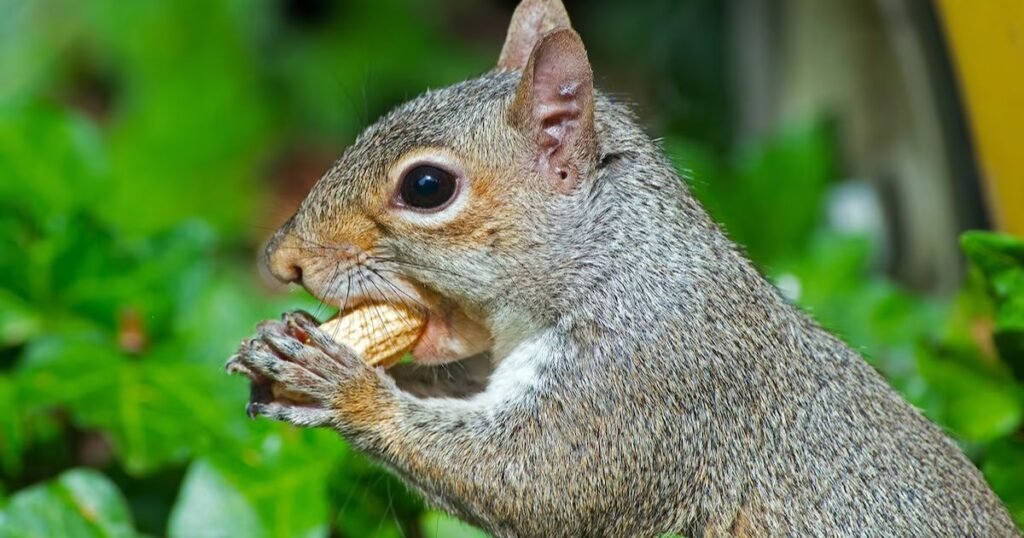
Corn plants serve as a delightful buffet for gray squirrels, offering a reliable food source throughout the growing season. The sight of squirrels scaling stalks and climbing over corn plants is a reminder of nature’s interconnected balance.
Their love for corn cobs highlights their adaptability; not only do they feast on the food itself, but they also harness the cobs as nests or tools to assist in storing their treasures for winter. In the grand tapestry of wildlife, these animals that eat corn display both remarkable intelligence and an instinctive understanding of survival.
Read Also: Top 14 Birds that Eat Fish
American Crow
Scientific Name: Corvus brachyrhynchos
Class: Aves
Diet: Omnivore
American crows are one of the corn-eating animals and are fascinating creatures, especially when it comes to their diet. Known for their intelligence and adaptability, these birds have a particular fondness for corn. In agricultural settings, they become a common sight, pecking at the golden kernels that farmers diligently cultivate.
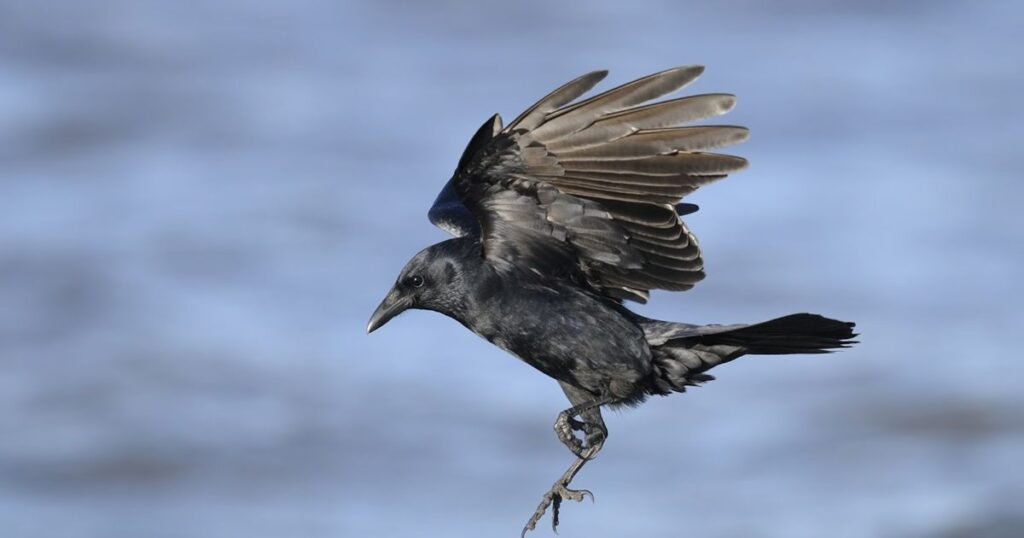
The unique behavior of crows foraging for corn highlights their problem-solving skills; they can often outsmart deterrents set up to protect crops, making them both admired and exasperated by farmers alike.
Crows don’t just stop at the processed kernels; they’ll also scavenge corn cobs, demonstrating a level of resourcefulness that speaks to their survival instinct. Their penchant for the entire corn plant is noteworthy, as they may strip leaves and husks for moisture and nutrients.
Canada Goose
Scientific Name: Branta canadensis
Class: Aves
Diet: Herbivore
Canada Geese are fascinating creatures that often graze on fields abundant with corn, making them one of the notable animals that eat corns. With their distinctive honking and graceful presence, these geese not only enjoy the sweet kernels and have a knack for foraging through leftover corn cobs after harvest.
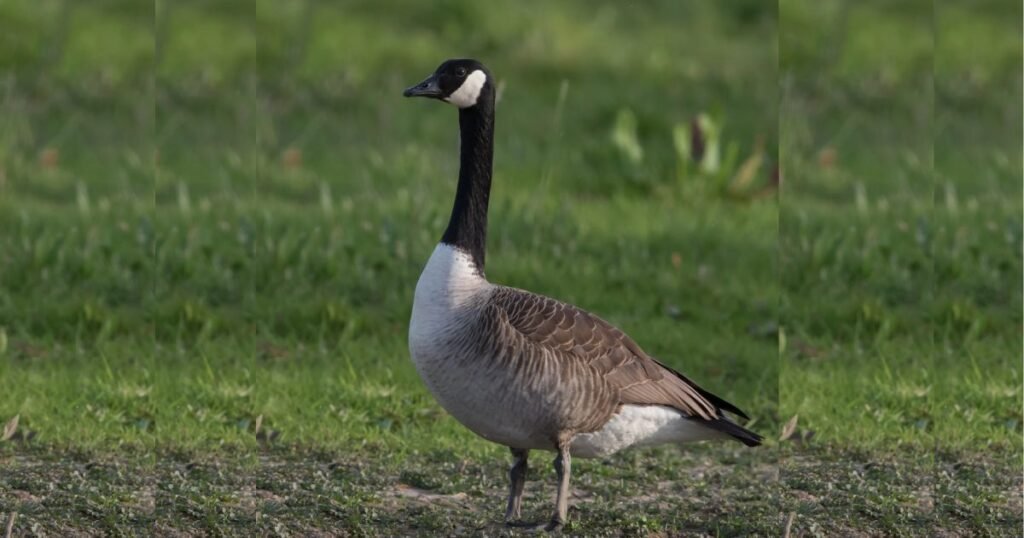
This behavior not only helps sustain their diet and plays a role in the management of agricultural landscapes, as they assist in controlling pests and weeds.
Their ability to thrive in various environments makes Canada Geese adaptable omnivores. When they nibble on the corn plant, they engage in a natural cycle that nourishes both themselves and the ecosystem. More than just a meal, corn serves as an energy source that supports their migratory patterns and reproductive success.
Related: Animals that Eat Ants
Domestic Chicken
Scientific Name: Gallus gallus domesticus
Class: Aves
Diet: Omnivore
Domestic chickens are often seen pecking eagerly at scattered grains of corn, their favorite treat. These lively birds not only enjoy whole kernels and relish corn cobs, which they can gnaw at until nothing is left. This affinity for corn is not just a taste preference; the high energy content helps maintain their active lifestyles and supports their egg production.
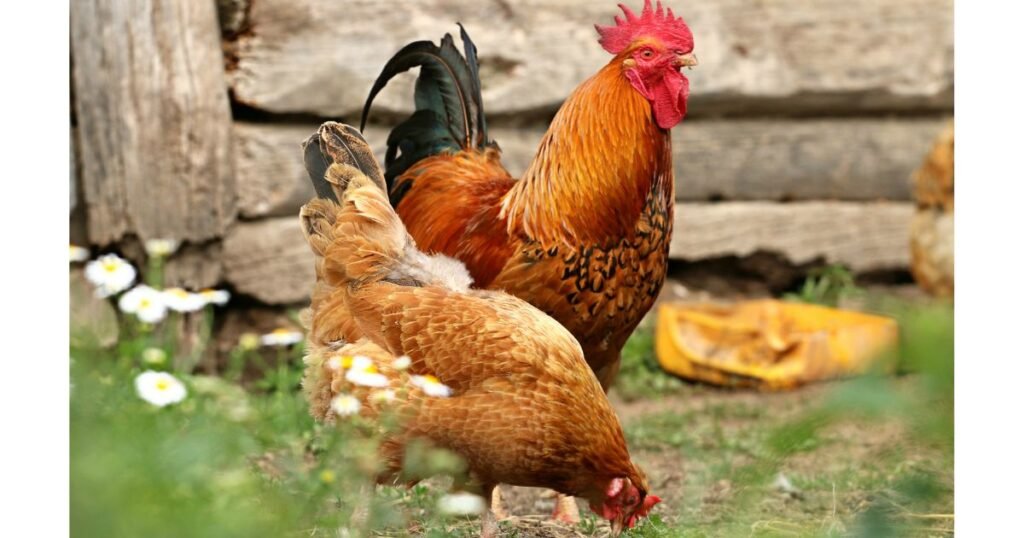
Chickens can also forage on corn plants, drawing from both the leaves and the husks, making them versatile foragers.The presence of corn in a chicken’s diet contributes to their vibrant yolk color, an aspect often sought after by farmers aiming for quality eggs. Feeding practices that incorporate corn can lead to healthier, more robust birds.
Consider the social aspect as well; when chickens forage together for corn, it enhances their natural behaviors, strengthening flock dynamics and promoting a more enjoyable farming experience. With domestication, these animals have become expert scavengers, adapting their foraging tactics to include a wide variety of corn products, showcasing their resilience and ingenuity.
Read Also: Dirtiest Animals in the World
Wild Turkey
Scientific Name: Meleagris gallopavo
Class: Aves
Diet: Omnivore
Wild turkeys are fascinating creatures, often spotted foraging in fields where corn plants grow abundantly. Among the diverse animals that eat corns, these birds show a particular fondness for corn kernels, which provide them with vital nutrients and energy.
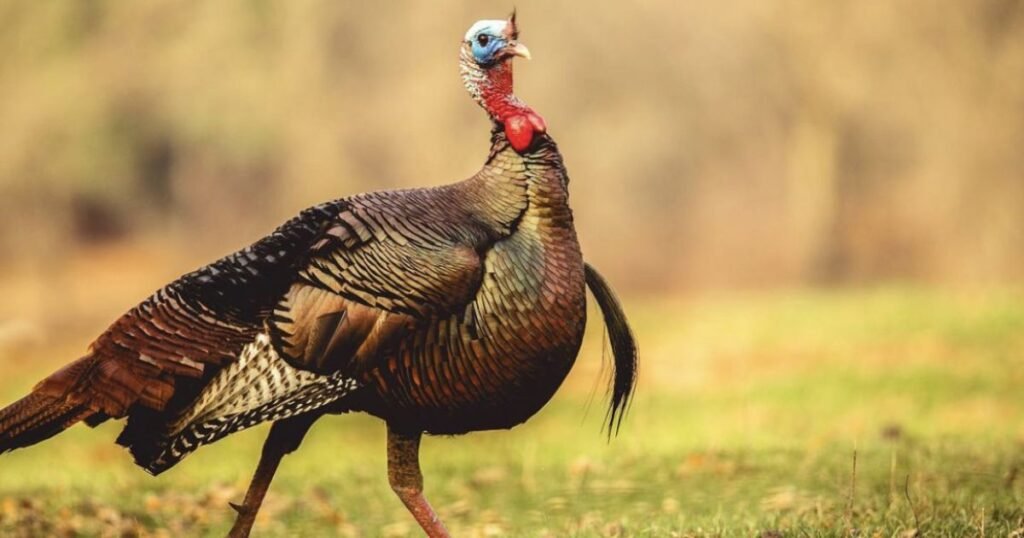
The sight of a wild turkey pecking at the ground, deftly searching for fallen corn cobs, is a reminder of the interconnectedness of nature; their diet directly impacts seed dispersal and local ecosystems.
Wild turkeys also thrive on the succulent parts of corn plants, including the young leaves and even the juicy stalks. This adaptability allows them to nourish themselves in various environments, showcasing their role as essential players in the food web.
Observing these animals that eat corn not only reveals their dietary preferences and highlights how wildlife foraging practices can influence agricultural landscapes, creating a symbiotic relationship between nature and farming.
Read Also: Independent Animals in the World
Black Bear
Scientific Name: Ursus americanus
Class: Mammalia
Diet: Omnivore
Black bears are opportunistic feeders, and their penchant for corn makes them particularly fascinating. When corn plants start to sprout in the summer sun, these animals often venture into fields, indulging in a feast that includes juicy corn kernels.
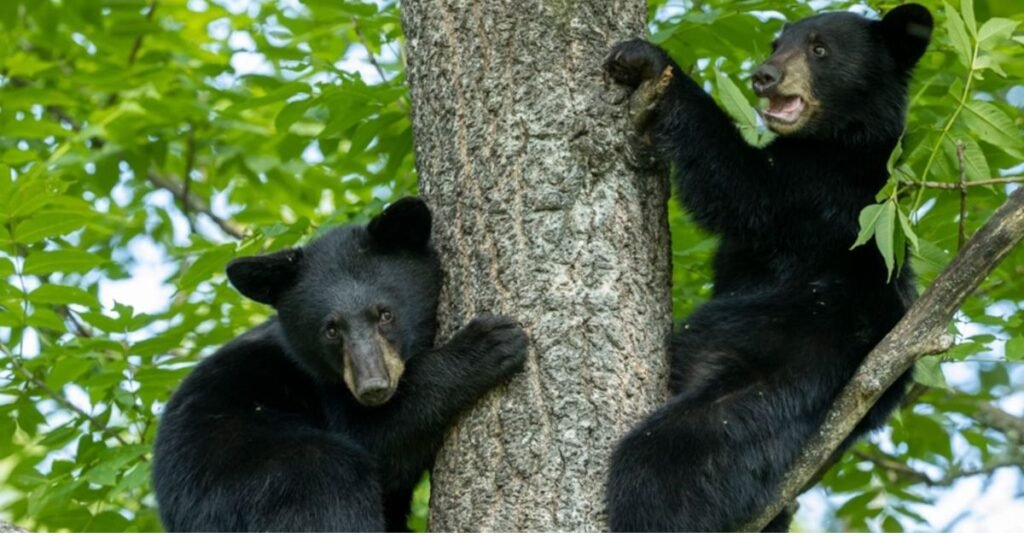
The sight of a massive black bear navigating through golden fields is a reminder of how interconnected wildlife is with agriculture. Bears can consume an astonishing number of corn cobs, effortlessly swiping entire ears from stalks and leaving behind an unmistakable trail of husks.
In addition to eating corn crops, black bears play a crucial role in the ecosystem by distributing seeds and enriching the soil with their droppings. This complex relationship highlights not only their role as animals that eat corn and as vital contributors to their habitat’s health.
Their interaction with these abundant food sources creates a delicate balance, while they may pose a challenge for farmers, their presence ultimately promotes biodiversity. Through understanding their behavior and dietary preferences, we can develop more effective strategies for coexisting with these majestic creatures.
House Mouse
Scientific Name: Mus musculus
Class: Mammalia
Diet: Omnivore
House mice are often underestimated in their dietary preferences, yet they play a surprisingly pivotal role in ecosystems dominated by cornfields. As opportunistic feeders, they enjoy nibbling on corn plants, devouring everything from tender shoots to sun-ripened cobs.
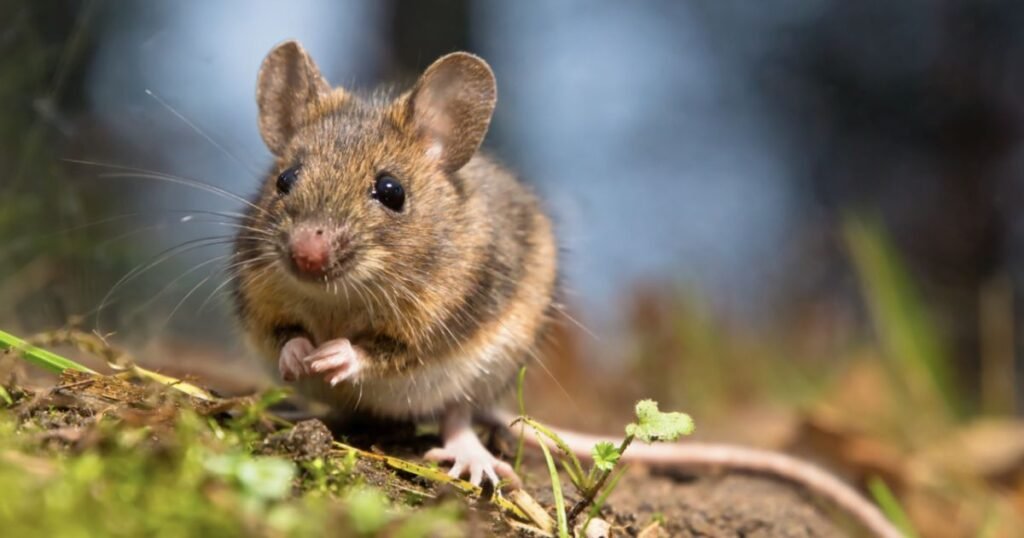
Their culinary curiosity leads them not only to fresh corn plants and to the delicate kernels that are a staple in many fields. This behavior not only impacts crop yields and highlights the intricate relationships within agricultural ecosystems.
In the grand tapestry of wildlife, house mice join a diverse array of animals that eat corns, ranging from the larger raccoons to various bird species like corvids. These animals, in their quest for sustenance, inadvertently assist in seed dispersal and soil regeneration, allowing corn crops to flourish season after season.
Observing these little creatures can be a reminder of nature’s delicate balance, where even the smallest of animals contribute to the agricultural abundance that feeds us all. By understanding the role of house mice and their appetite for corn, we gain insight into the complex dance of life that sustains our food sources.
Conclusion
Corn plays a vital role in the diets of various animals, ranging from common farm creatures like pigs and chickens to wild species such as raccoons and deer. These are animals that eat corns. These animals exhibit diverse feeding habits, showcasing corn’s universal appeal across habitats. While it serves as a primary food source for many, it also supports wildlife populations and helps maintain healthy ecosystems.
Understanding which animals are drawn to corn can aid in better agricultural practices and wildlife management. So, whether you’re a farmer or a wildlife enthusiast, consider investing in corn to enrich the diets of these fascinating creatures.
FAQS
What Animals Eat Corn?
Many animals eat corn, including deer, wild boars, raccoons, squirrels, crows, geese, chickens, turkeys, black bears, and mice. Corn is a high-energy food that attracts both herbivores and omnivores, making it one of the most commonly consumed grains in the wild and on farms.
Which Animals Eat Corn?
Many animals eat corn, including deer, wild boars, raccoons, squirrels, crows, geese, chickens, turkeys, bears, and mice. Corn is a nutritious food that provides carbohydrates, energy, and essential nutrients for both wild and domesticated animals.
Why Do Animals Eat Corn?
Animals eat corn because it is rich in carbohydrates, making it an excellent source of quick energy. It is also widely available in farms, fields, and wildlife feeding areas, making it an easy food source for many species.
Do Squirrels Eat Corn?
Yes, squirrels eat corn and often enjoy both fresh and dried kernels. They will readily feed on corn in gardens, cornfields, bird feeders, and wildlife feeding stations, especially when other food is scarce.