Discover 9+ Non Mammal Animals (With Pictures)
Did you know that nearly 95% of all animal species on Earth are non mammal animals? From vibrant fish darting through coral reefs to soaring birds that navigate the skies, these creatures play a crucial role in our ecosystem.
Understanding non mammal animals is essential not only for biodiversity but also for appreciating the intricate web of life that sustains us.
Lets explore various non mammal animals, their unique adaptations, and why they deserve our attention and conservation efforts.
What Are Mammals?
Mammals, a fascinating class of animals known for their warm-blooded nature and distinctive characteristics, showcase a remarkable range of diversity from the soaring bats to the gigantic blue whale.
One of the most defining features of mammals is their ability to nurse their young with milk produced by mammary glands, a trait that not only ensures the survival of their offspring but also fosters deeper bonds between mothers and their young. This nurturing behavior contrasts starkly with non mammal animals, such as reptiles and amphibians, where nurturing often ends after laying eggs.
Also Read: Top 11 Animals with Big Noses
List of Non Mammal Animals
- Birds
- Fish
- Reptiles
- Amphibians
- Great White Sharks
- Flamingos
- Emperor Penguins
- Cockroaches
- Pigeons and Doves
Birds
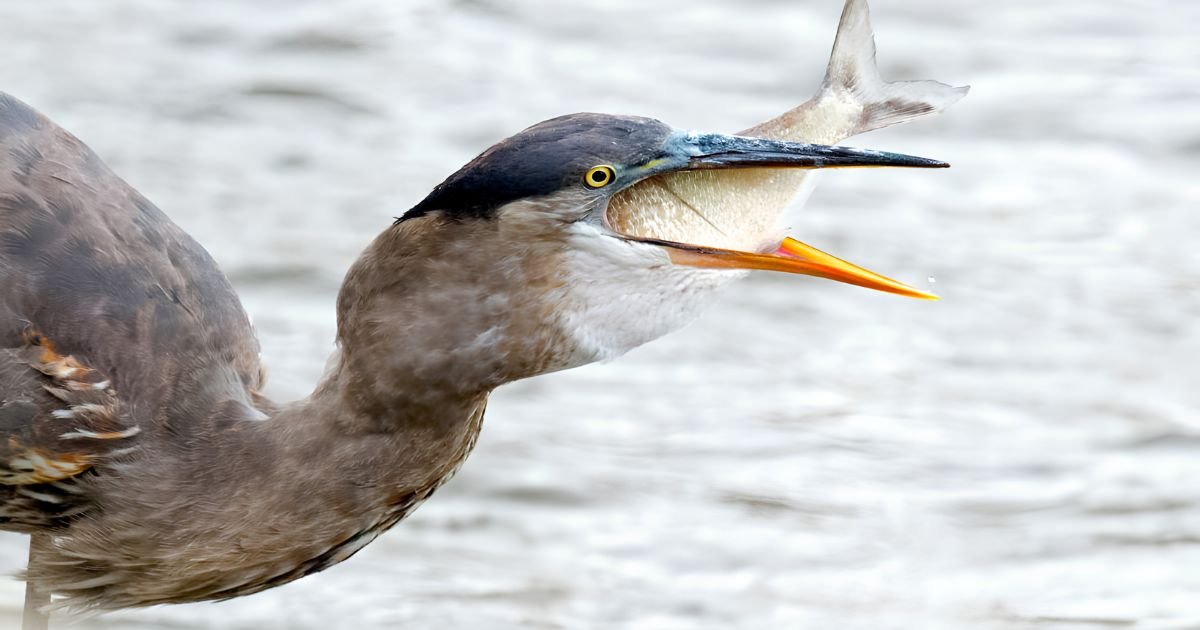
Birds, as remarkable members of the non mammal animals, showcase an astonishing variety that captivates naturalists and casual observers alike.
With over 10,000 species ranging from the vibrant peacock to the elusive kiwi, these avian creatures not only thrill our senses with their colorful plumage and enchanting songs but also play vital ecological roles. Their ability to traverse vast distances during migrations exemplifies extraordinary navigation skills, driven by innate instincts and environmental cues.
Birds offer rich insights into the evolutionary adaptations of non-mammal animals. From the unique beak shapes of finches that reflect dietary needs to the aerodynamic body structures of raptors designed for hunting, each species tells a story of survival and adaptation.
Fish
Fish, a remarkable subset of non mammal animals, thrive in diverse aquatic environments, from the vibrant reefs of the tropics to the frigid depths of polar waters.
With over 34,000 species, these fascinating creatures exhibit an array of adaptations that underscore their evolutionary success. Their streamlined bodies enable swift movement, while gills facilitate efficient oxygen extraction from water—making them perfectly suited for life underwater.
Beyond their biological marvels, fish play a crucial role in maintaining the balance of aquatic ecosystems. They serve as both predators and prey, creating a dynamic food web that supports everything from tiny plankton to massive marine mammals.
Their vibrant colors and intricate patterns not only captivate aquarists and nature enthusiasts but also contribute to their survival through camouflage and mating displays.
Reptiles
Reptiles, the fascinating non mammal animals that inhabit diverse ecosystems, showcase an astounding array of adaptations that enhance their survival. Ranging from the vibrant colors of tropical chameleons to the stealthy grace of crocodiles, these creatures embody a remarkable blend of resilience and versatility.
Their scaly skin, a defining characteristic, serves not only as protection but also as an evolutionary tool, helping them thrive in arid environments and cold climates alike.
One of the most intriguing aspects of reptiles is their varied reproductive strategies. While some lay eggs in the safety of terrestrial nests, others, like certain species of snakes, give live birth, allowing them to adapt to their surroundings more effectively.
This diversity reflects their ability to occupy various ecological niches, whether in lush jungles or arid deserts.
Related: Top Animals with Small Ears
Amphibians
Amphibians are remarkable non mammal animals, straddling life in both water and land with a unique life cycle. They begin their journey as aquatic tadpoles, breathing through gills, and undergo metamorphosis, transforming into adults equipped for terrestrial living with lungs and limbs.
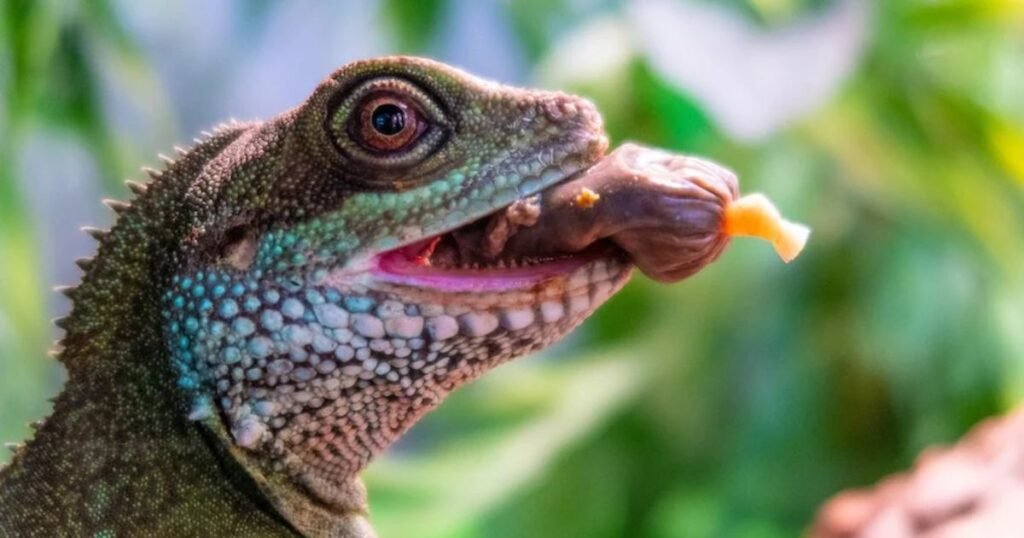
This dual existence not only showcases their adaptability but also highlights their vulnerability to environmental changes, such as habitat loss and climate shifts.
Amphibians play crucial roles in their ecosystems, acting as both predators and prey. Their permeable skin makes them sensitive indicators of environmental health; a decline in their populations often signals broader ecological disturbances.
With over 7,000 species globally, each adaptation enriches our understanding of evolution and survival strategies, challenging the view of amphibians as mere transitional forms between fish and reptiles.
Related: Animals with sharp claws
Great White Sharks
Great White Sharks are apex predators that embody the raw power and mystery of the ocean. These non mammal animals can grow up to 20 feet long and weigh over 2,000 pounds, showcasing a design perfected by millions of years of evolution.
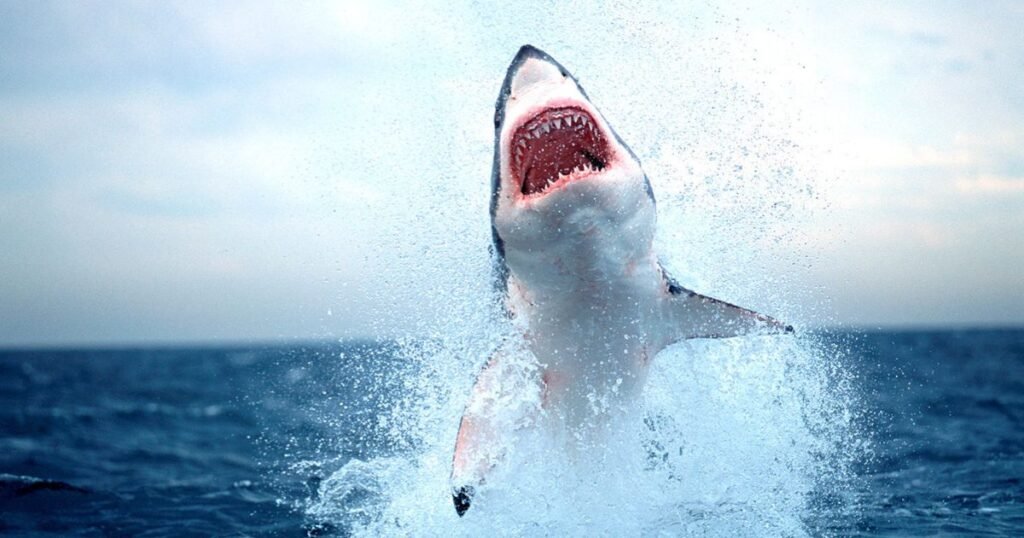
Their keen sense of smell allows them to detect a drop of blood from miles away, making them one of the ocean’s most effective hunters. Unlike many other fish, Great Whites are warm-blooded, which helps them maintain higher body temperatures in their cold marine environments, giving them a distinct advantage over prey.
Their social behavior is equally fascinating; Great Whites are known to exhibit complex patterns of interaction, including playful and curious behaviors. Recent studies have revealed their migratory patterns, where these sharks travel thousands of miles across oceans, demonstrating surprising intelligence and adaptability.
Read Also: Most Humble Animals in the World
Flamingos
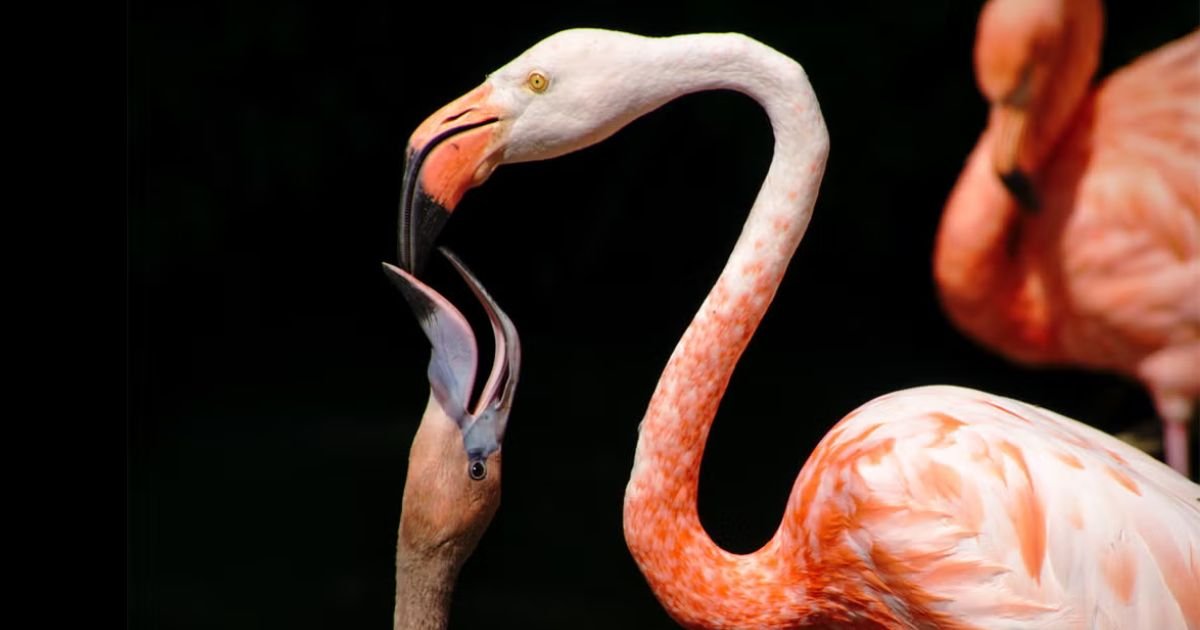
Flamingos are mesmerizing non mammal animals that captivate both wildlife enthusiasts and casual observers with their vibrant plumage and unique behaviors.
Their striking pink hue, often attributed to their diet of algae and crustaceans rich in carotenoids, is a testament to how nature’s palette can transform an animal’s appearance based on environmental factors. Interestingly, their distinctive coloration can change seasonally, reflecting their breeding status and the overall health of their habitat.
These social birds typically live in large colonies, which not only enhances their breeding success but also aids in protection from predators. Their fascinating feeding technique, involving the unique structure of their beaks, allows them to filter food from the water, showcasing their evolutionary adaptation to thrive in varying ecosystems.
Emperor Penguins
Emperor penguins, the majestic non mammal animals of Antarctica, are the largest of their kind, standing nearly four feet tall. These remarkable birds are uniquely adapted to survive the harsh, frigid climates of their icy habitat.
With their striking black and white plumage accented by vibrant orange patches, they are not just a wonder to behold but also exhibit fascinating social behaviors that set them apart from other species.
What truly sets Emperor penguins apart is their remarkable breeding cycle. In an extraordinary display of resilience, the males incubate the eggs by balancing them on their feet, enduring the brutal cold for up to 70 days without food. This commitment to nurturing the next generation showcases their incredible endurance and cooperative spirit.
Their fascinating adaptation to extreme conditions, including the ability to dive deep into icy waters for food , invites us to appreciate the resilience of non mammal animals in some of the planet’s most unforgiving environments.
Read Also: Mammals that cann't jump
Cockroaches
Cockroaches, often categorized as non mammal animals, are resilient creatures that have fascinated scientists for centuries.
With their flat bodies and long antennae, these insects are perfectly adapted to survive in a variety of environments, making them one of the oldest living species on Earth. Surprisingly, they are not just pests; they play crucial roles in ecosystems by breaking down organic matter, thus contributing to nutrient cycling.
What sets cockroaches apart from other insects is their incredible ability to endure harsh conditions, including radiation levels that would be lethal to humans. Their social behaviors and communication techniques are complex, often involving pheromones that help coordinate their activities within a colony.
Read Also: Top 20 Flippers Animals
Pigeons and Doves
Pigeons and doves, often lumped together, belong to the same family, Columbidae, yet they exhibit remarkable diversity in size, coloration, and behavior. While many associate these non mammal animals with urban landscapes, they are also found in a range of environments, from lush rainforests to arid deserts.
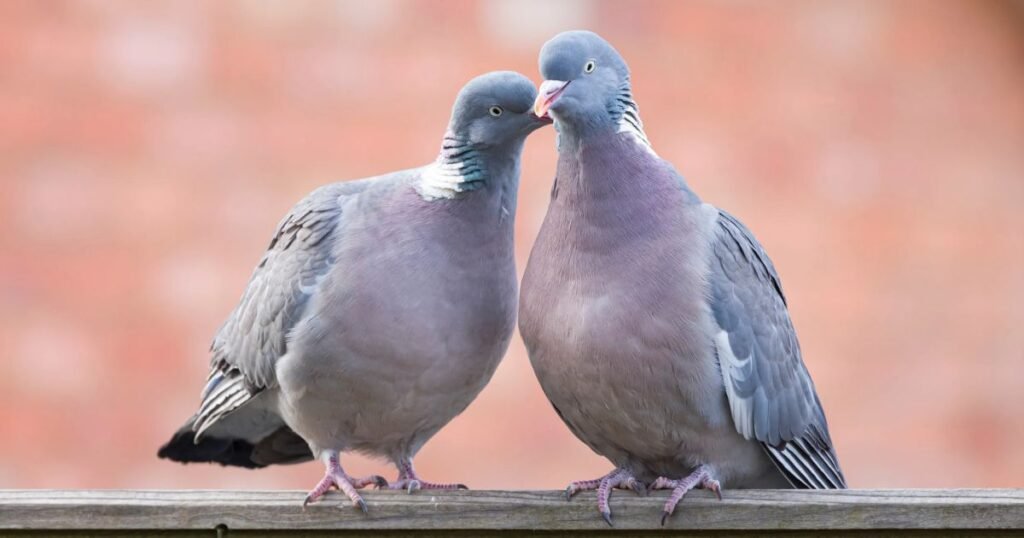
With over 300 species worldwide, they showcase an astonishing array of adaptations, including the ability to navigate vast distances with precision, making them exceptional homing birds.
Interestingly, pigeons and doves are not just symbols of peace; they possess unique traits that contribute to their survival. Some species cultivate strong pair bonds, engaging in elaborate courtship displays that include cooing and intricate flight patterns. Their transformative roles in different cultures highlight their intelligence and social behaviors, traits often underestimated in non mammal animals.
Conclusion
In exploring the diverse world of non mammal animals, we’ve uncovered a fascinating range of species that play vital roles in their ecosystems. From the graceful glide of birds in the sky to the mesmerizing colors of tropical fish beneath the waves, these creatures exhibit remarkable adaptations and behaviors.
They remind us of the complexity and beauty of life on Earth, showcasing how life can thrive in so many forms. Each non mammal species has its own unique story, contributing to the planet’s biodiversity.
FAQ’s
What defines non-mammal animals?
Non-mammal animals are species that do not belong to the class Mammalia, which means they do not possess mammary glands or fur and do not give live birth (with some exceptions).
What are some common examples of non-mammal animals?
Common examples include birds, reptiles, amphibians, and fish, as well as invertebrates like insects and mollusks.
3. Are non-mammal animals cold-blooded or warm-blooded?
Most non-mammals, such as reptiles and amphibians, are cold-blooded (ectothermic), meaning their body temperature fluctuates with the environment. Birds, however, are warm-blooded (endothermic).