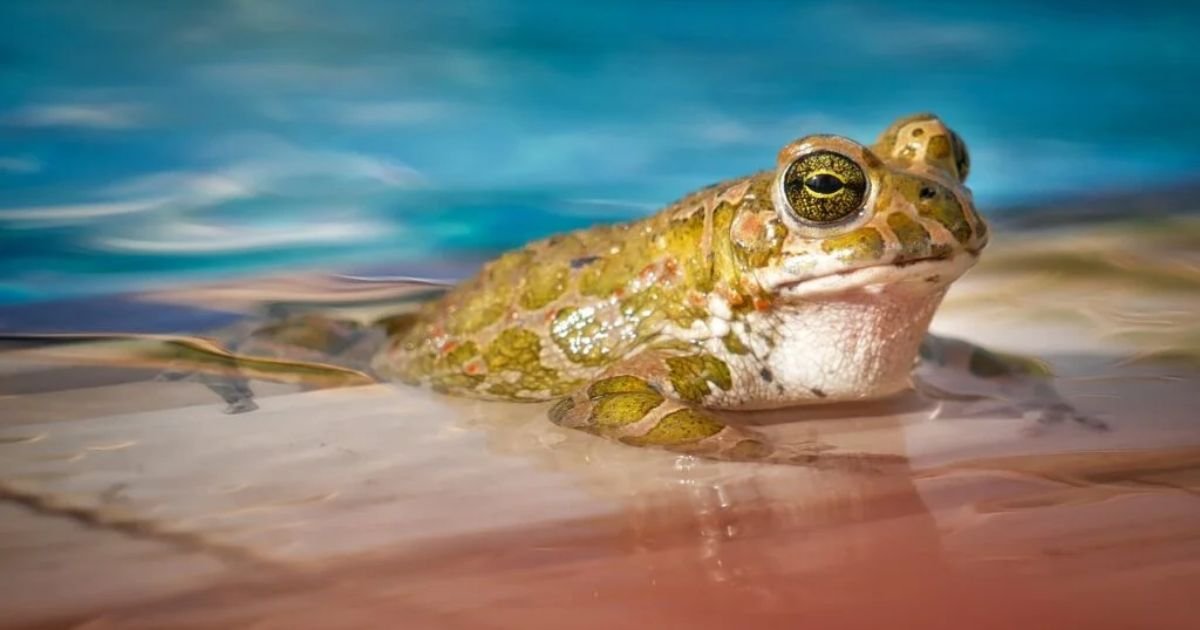
Top 18 Scavenger Animals In The World (With Images)
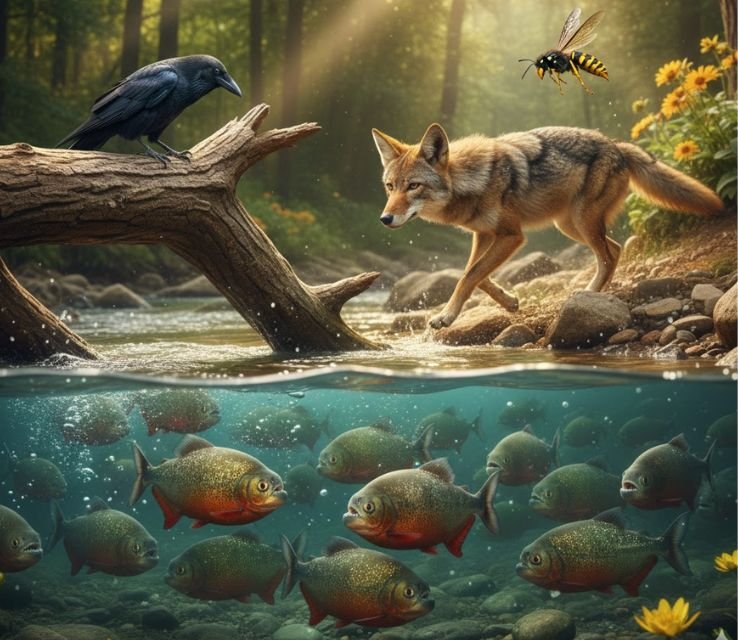
Scavenger Animals play a vital role in maintaining the balance of ecosystems around the world. These creatures feed on dead plants and animals, helping to recycle nutrients and clean up the environment. From cunning birds to resourceful mammals and insects, scavenger animals come in many shapes and sizes, each with unique strategies for survival.
In this article, we explore the top 18 scavenger animals in the world, complete with images, interesting facts, and insights into their fascinating behaviors.
What Are Scavenger Animals?
Scavenger animals play a crucial role in ecosystems by recycling nutrients and maintaining ecological balance. These opportunistic feeders, such as vultures, hyenas, and certain species of crabs, thrive on dead or decaying organic matter, ensuring that nothing goes to waste in nature.
While often misunderstood and viewed as grotesque, scavengers are nature’s cleanup crew, preventing the spread of disease and toxic waste that would otherwise disrupt habitats. The social dynamics among scavengers can be complex. For instance, vultures are not solitary; they often gather in large groups to feed.
They can adapt their foraging strategies based on environmental changes, showcasing an impressive level of problem-solving skill that challenges our perceptions of animal intelligence.
List of Scavenger Animals In The World
Below is the list animals that are scavengers:
| Number of animals | Scavenger animals list |
| 1 | Vultures |
| 2 | Crabs |
| 3 | Jackals |
| 4 | Ants |
| 5 | Ravens |
| 6 | Striped Hyena |
| 7 | Bottle flies |
| 8 | Coyote |
| 9 | Sharks |
| 10 | Eagles |
| 11 | Raccoons |
| 12 | Beetles |
| 13 | Wolves |
| 14 | Millipedes |
| 15 | Yellowjackets |
| 16 | Piranha |
| 17 | Lobster |
| 18 | Bears |
Vultures
Vultures are often misunderstood, viewed solely as grim harbingers of death. However, these remarkable scavengers play an indispensable role in maintaining ecological balance.
Consuming carrion, they effectively prevent the spread of disease and manage animal populations, acting as nature’s clean-up crew. Their keen eyesight allows them to spot carcasses from high altitudes, making them unparalleled in their scavenging efficiency.

What’s fascinating is their unique digestive system, which harbors powerful acids capable of breaking down harmful bacteria and pathogens.
This safeguards their health and ensures that the ecosystems they inhabit remain free from toxic decomposition.
Crabs
Scientific name: Infraorder Brachyura
Class: Malacostraca
Crabs, with their distinctive sideways scuttle and armored exoskeletons, are often viewed as coastal dwellers, but their scavenging habits reveal an unexpectedly complex role in marine ecosystems.
Belonging to the infraorder Brachyura, these crustaceans are essential in nutrient cycling, breaking down organic matter and recycling nutrients that sustain underwater life.
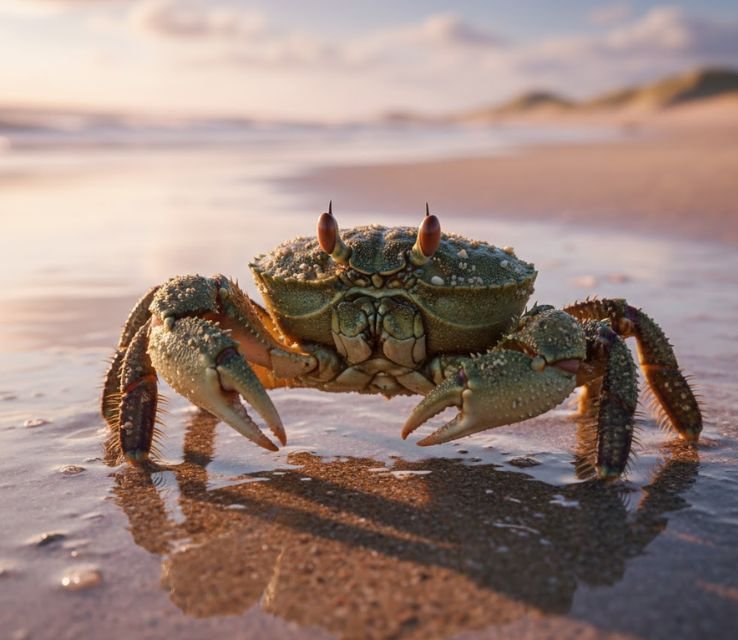
As they forage through sandy substrates or among rocky crevices, crabs consume detritus, dead fish, and plant matter, effectively cleaning their habitat while providing sustenance for other species in the food web.
Their scavenging behaviors serve as a fascinating demonstration of evolutionary adaptation. Some species have developed specialized claws that enable them to dig deeper into ocean floors or search hidden crevices for hidden morsels.
Jackals
Scientific name: Canis aureus
Class: Mammalia
Jackals, with their cunning adaptability, are often misunderstood as merely opportunistic scavengers. These sleek canines, primarily known for their clever foraging skills, play a vital role in their ecosystems.
Far from being mere scavengers, jackals also exhibit impressive hunting capabilities, often collaborating in pairs or small groups to take down prey.
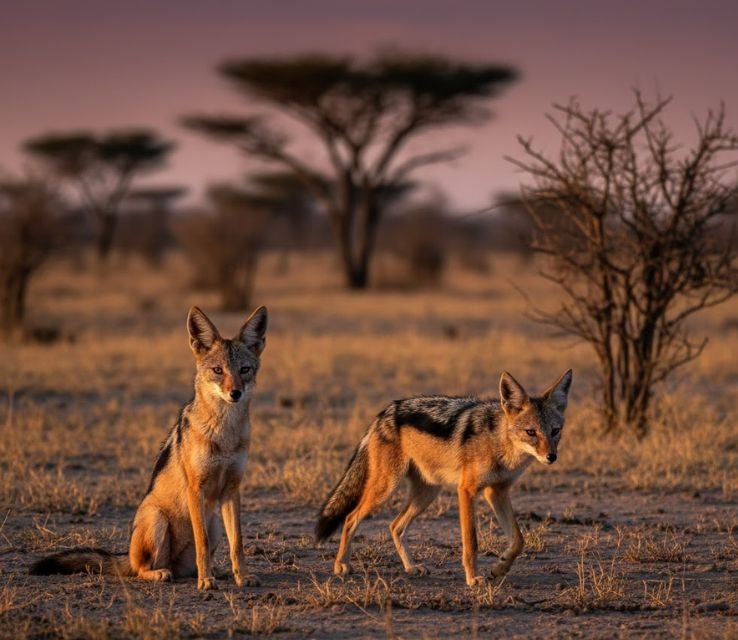
This adaptability allows them to thrive in diverse habitats, from arid deserts to bustling savannas. Their keen sense of hearing and sharp intelligence enable them to coordinate efforts when hunting or defending territory.
Their scavenging habits promote a healthy environment by aiding in the decomposition process, helping to control disease by consuming carrion that might otherwise spread illness.
Ants
Class: Insecta
Ants, often considered the unsung heroes of the ecosystem, play a pivotal role as scavenger animals.
These tiny titans exhibit a level of organization and teamwork that is nothing short of fascinating. With their hyper-efficient foraging behavior, ants scavenge not just for food, but for decomposing organic matter, thereby recycling nutrients back into the soil.
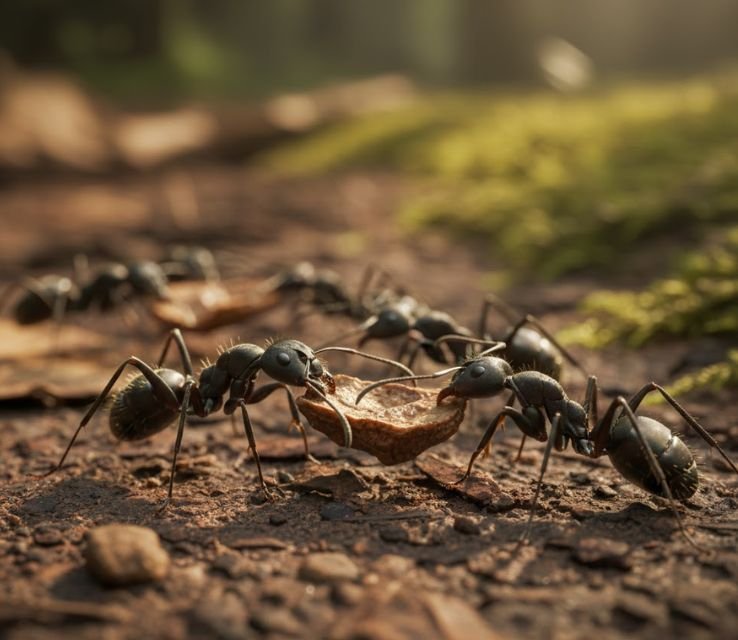
They traverse their territories, you might find them hauling bits of dead insects or even leftover human food, demonstrating their remarkable adaptability. Through the use of pheromones, they leave scent trails that guide fellow ants to resources, showcasing a sophisticated form of social networking in the animal kingdom.
Some species go a step further; for instance, leafcutter ants cultivate fungi by feeding on decaying plant material, which exemplifies a unique scavenging partnership.
Ravens
Scientific name: Corvus corax
Class: Aves
Ravens, with their glossy black feathers and intelligent eyes, are often underestimated members of the animal kingdom.
These highly adaptable scavengers possess an impressive ability to thrive in diverse environments, from urban landscapes to remote wilderness.

Their keen problem-solving skills have been documented in various studies, showcasing their capacity to use tools and even strategize when foraging for food. Ravens are more than mere opportunistic feeders; they actively partake in the ecosystem by participating in the cleanup of carcasses, which can prevent the spread of disease.
Their scavenging habits not only help maintain ecological balance but also reflect their roles as scavenger “supervisors,” often leading other species to food sources.
Striped Hyena
Scientific name: Hyaena hyaena
Class: Mammalia
The striped hyena, in stark contrast to its more famous spotted cousin, offers a unique glimpse into the often-overlooked world of scavenger animals.
Its distinctive fur adorned with dark stripes, this opportunistic carnivore thrives in arid landscapes of North and East Africa, the Middle East, and parts of India.
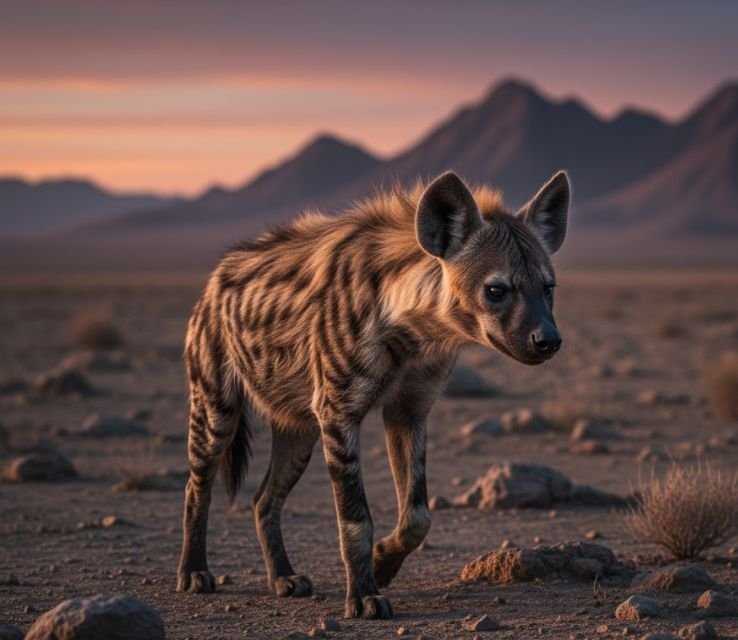
Unlike typical scavengers that often rely on brute strength or pack dynamics, the striped hyena exhibits a shrewd adaptability, using its keen sense of smell to locate carrion and even small prey.
This solitary hunter incorporates an impressive set of vocalizations, from whoops to growls, not only for communication but also to mark territory, showcasing a rich behavioral repertoire that adds depth to its scavenging lifestyle. Their omnivorous diet, which sometimes includes fruits and insects, highlights their versatility in an environment where competition for resources can be fierce.
Bottle flies
Class: Insecta
Bottle flies, belonging to the family Calliphoridae, are often overlooked in discussions about scavenger animals, yet they play a crucial role in ecosystems.
These vibrant, metallic-colored insects are nature’s cleanup crew, being among the first to arrive at decomposing organic matter.
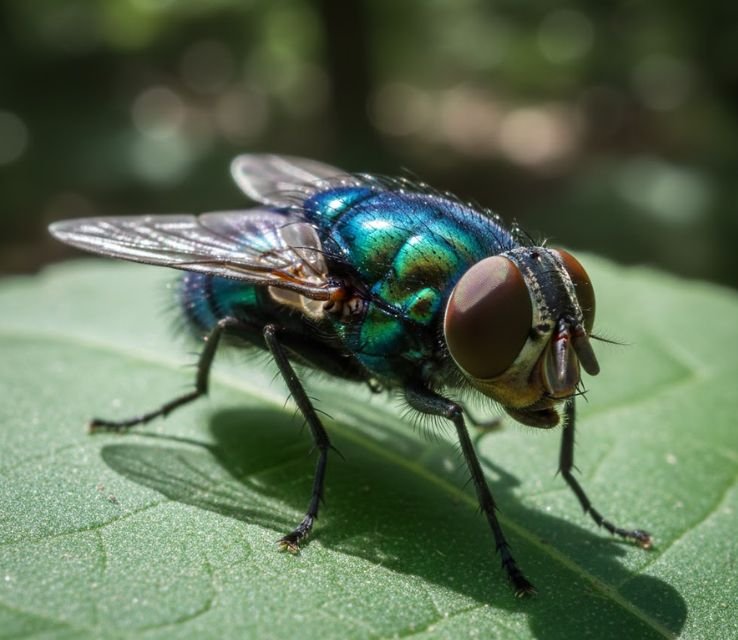
Their rapid reproductive cycle allows them to thrive in environments abundant with carrion, and in doing so, they accelerate the decomposition process. This quick turnover benefits soil health and aids in nutrient cycling, showcasing a remarkable balance in nature often unnoticed by human eyes.
Recent studies suggest their presence can influence the microbial community around decomposing materials, highlighting the complex interplay between scavengers and microorganisms that supports a diverse ecosystem.
Coyote
Scientific name: Canis latrans
Class: Mammalia
Coyotes, often misunderstood as mere opportunists, embody a fascinating blend of adaptability and cunning within their ecosystems.
As scavengers, these clever canines play a pivotal role in maintaining balance by consuming carrion and controlling populations of smaller mammals.

Unlike their wolf relatives, coyotes exhibit remarkable versatility, thriving not only in remote wilderness but also in urban landscapes, where they ingeniously exploit the rich array of discarded human food. They often hunt in pairs or family groups, demonstrating cooperative behaviors that enhance their scavenging efficacy.
This intricate social fabric not only elevates their scavenging success but also enriches the biodiversity of their surroundings, ensuring ecosystems remain dynamic and healthy.
Sharks
Scientific name: Superorder Selachimorpha
Class: Chondrichthyes
Sharks, often hailed as apex predators, play a crucial role in maintaining the balance of marine ecosystems, but their scavenging behaviors are equally fascinating.
While most know them as fearsome hunters, many species, like the tiger shark, thrive on a diet that includes carrion.
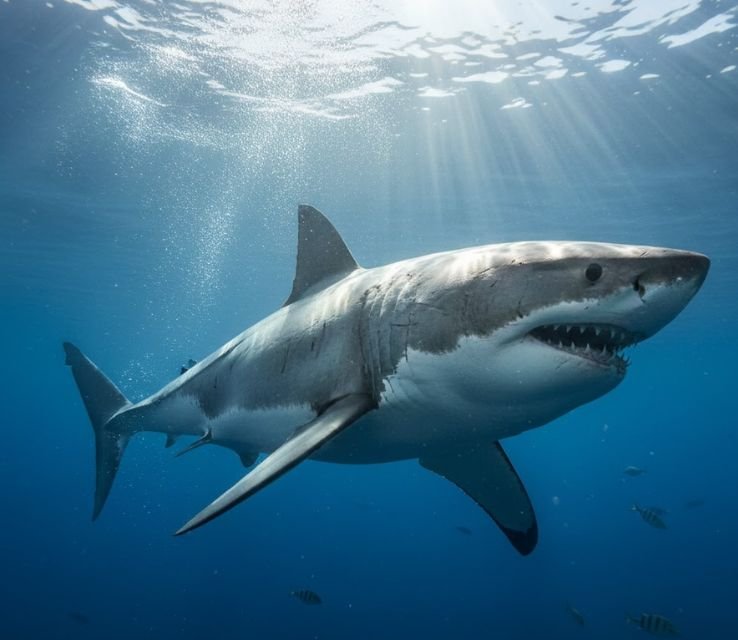
This scavenging showcases their adaptability and highlights their role as nature’s cleanup crew, consuming the remains of dead animals and preventing the spread of disease in the ocean.
Understanding sharks’ scavenging habits can shift our perception of them. Far from being mindless killers, their intelligence allows them to discern between live prey and potential meals that are less nimble.
This unique trait emphasizes their importance in sustaining the health of marine habitats, ultimately contributing to the biodiversity of our oceans.
Eagles
Class: Aves
Eagles, often regarded as majestic hunters, play a unique role as scavengers in their ecosystems. Many might envision them solely as fierce predators, but these skilled birds adeptly switch from hunting to scavenging, particularly when faced with scarcity.
With keen eyesight capable of spotting carrion from miles above eagles often capitalize on the hard work of other animals, turning a simple meal into a bounty of opportunity.

What sets eagles apart is their remarkable adaptability; they don’t just feast on the leftovers of other animals; they also exhibit a sophisticated understanding of timing.
Observing the movements of scavengers like vultures can lead them to fresh carrion, allowing them to swoop in and assert their dominance.
Raccoons
Scientific name: Procyon lotor
Class: Mammalia
Raccoons, with their masked faces and dexterous front paws, are often seen rummaging through urban dumpsters, embodying the quintessential scavenger.
Their adaptability is remarkable; they’ve mastered the art of thriving in diverse environments, from suburban backyards to dense forests.

These nocturnal creatures possess an exceptional sense of touch, which allows them to manipulate objects with surprising finesse, often described as “washing” their food in water despite scientific debate over the exact reason for this behavior.
What many might overlook is the raccoon’s social intelligence. They exhibit a complex system of communication involving vocalizations and body language, suggesting a level of social interaction previously underestimated in scavenger animals.
These traits enhance their foraging success and allow them to navigate the intricacies of inter-species competition and urban landscapes.
Beetles
Class: Insecta
Beetles, belonging to the class Insecta, are among nature’s most effective scavengers. With an estimated 350,000 species, their diversity is astounding, and their ecological roles are vital in nutrient cycling.
Consuming decomposing organic matter, they help break down complex materials and return essential nutrients to the soil, fostering a healthy ecosystem.
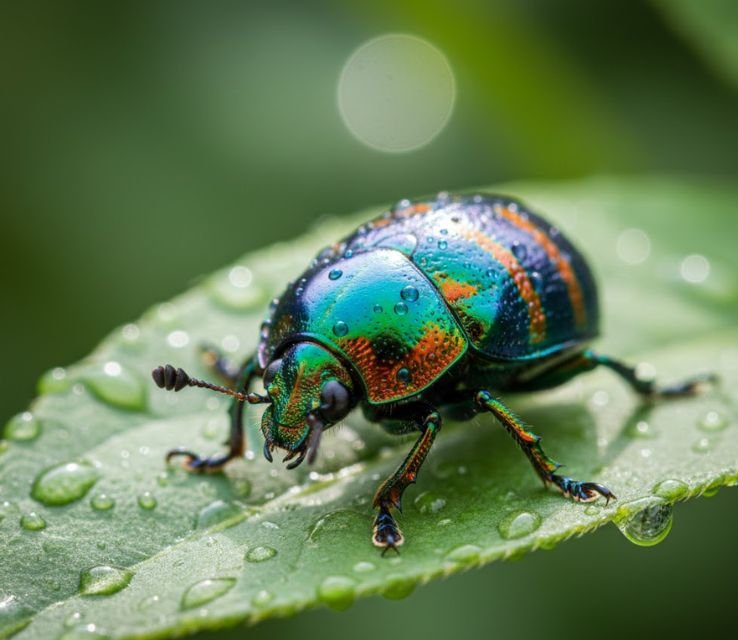
Their tough exoskeletons and impressive adaptability allow many species to thrive in diverse habitats, from rainforests to arid deserts.
Yet the fascinating world of beetles extends beyond mere decomposition. Some species, like the notorious dung beetle, take scavenging to an art form, creating intricate tunnels and nests from animal waste. This behavior aids in waste management and promotes soil aeration and fertility.
Wolves
Scientific name: Canis lupus
Class: Mammalia
Wolves, known scientifically as Canis lupus, are often romanticized as fearsome hunters, but their scavenging behavior reveals a nuanced side to their survival strategy.
In the wild, a wolf’s diet is not purely composed of fresh kills; these social animals exhibit opportunistic feeding habits, scavenging from carcasses left by larger predators or those that succumb to natural causes.

This adaptability not only helps them survive in challenging environments but also plays a vital role in their ecosystem, aiding in nutrient cycling as they help accelerate the decomposition process.
The complex social structures within wolf packs further enhance their scavenging efficiency. By working together, wolves can intimidate smaller scavengers, ensuring they gain access to valuable food resources.
This collaborative behavior fosters strong social bonds among pack members, showcasing their intelligence and emotional depth. These interactions underscore a larger ecological narrative: by consuming remains, wolves contribute to the health of their habitats, allowing vegetation to thrive in areas otherwise overwhelmed by carrion.
Millipedes
Class: Diplopoda
Millipedes, often misunderstood due to their somewhat unappealing appearance, are nature’s unsung heroes in the world of scavenger animals.
These fascinating creatures play a pivotal role in the ecosystem by breaking down decaying plant material, effectively transforming it into nutrient-rich soil.
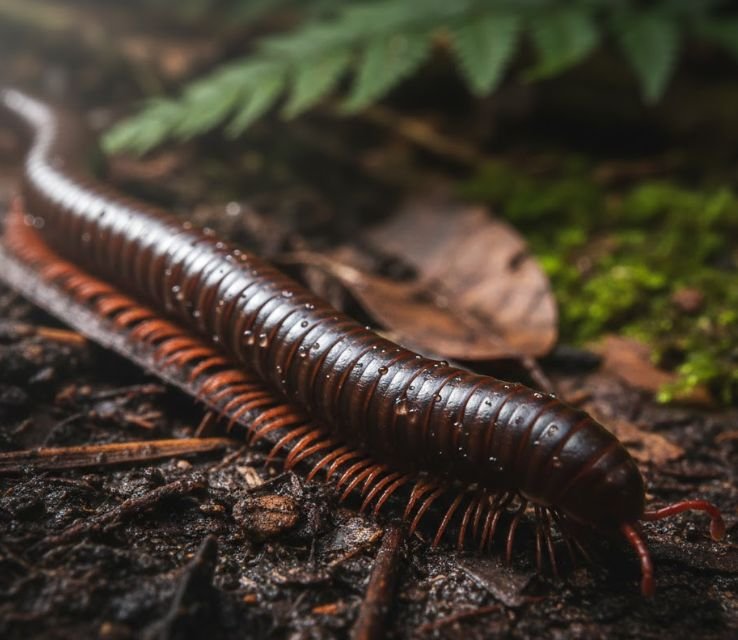
They wander through leaf litter and under logs, millipedes consume organic debris, helping to recycle nutrients and enhance soil health, which in turn supports the growth of plants and other organisms. Most of us picture a millipede as simply a long, wriggly body adorned with numerous legs, their anatomy is a marvel of evolutionary efficiency.
Each millipede possesses a segmented body, with each segment housing two pairs of legs, enabling them to navigate diverse terrains with surprising grace. Their slow movement allows them to scour the forest floor meticulously, ensuring that no morsel of detritus goes uneaten.
Yellowjackets
Class: Insecta
Yellowjackets, often seen as mere pests during summer picnics, play a crucial role in their ecosystems as scavengers.
These social wasps are not just aggressive foragers seeking sugar; they also contribute significantly to nutrient cycling by consuming decaying organic matter.
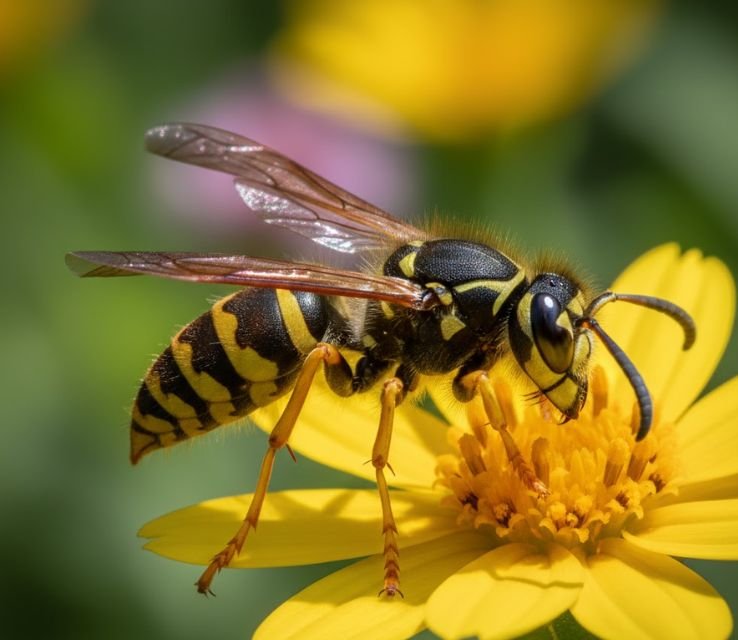
Their penchant for scavenging helps break down food waste, which in turn fosters microbial activity in the soil, promoting healthier ecosystems.
Yellowjackets exhibit a remarkable adaptability to their environment. They’re notorious for raiding picnics, their scavenging extends to dead insects and animal carcasses, which are rich in protein. This behavior aids in population control of other species and provides essential nutrients for their colonies, showcasing the interconnectedness of food webs.
Piranha
Class: Actinopterygii
Piranhas, often misunderstood as savage aquatic predators, play a crucial role in their ecosystem as scavengers.
While their reputation is built on tales of ferocity, these fascinating fish are opportunistic foragers, often consuming the remains of dead animals they encounter in the murky waters of the Amazon River and its tributaries.
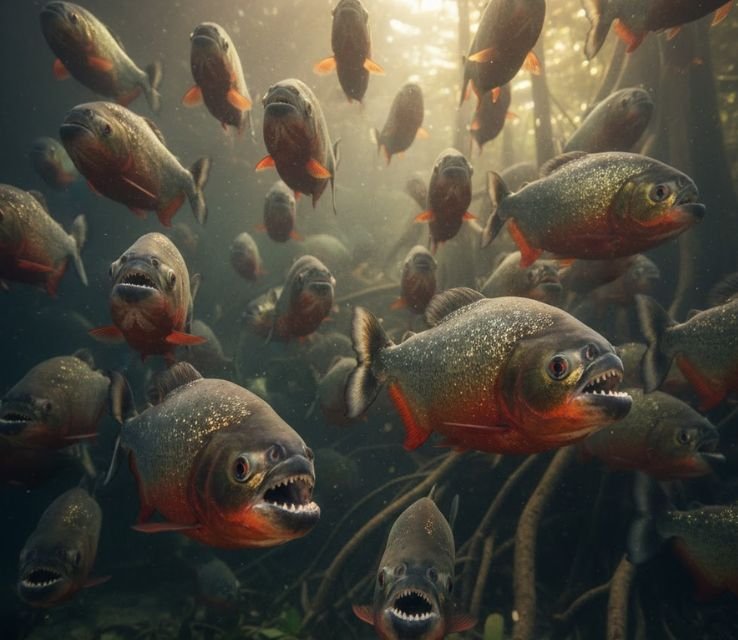
This scavenging behavior not only helps maintain the balance of the aquatic environment but also aids in the decomposition process, returning vital nutrients to the ecosystem.
Their sharp teeth and powerful jaws are indeed intimidating, but piranhas are equipped with a highly developed sense of sight and smell, which they use to locate carrion from considerable distances. This sensory prowess allows them to act swiftly, preventing disease spread by consuming decaying matter.
Observing piranhas in their natural habitat reveals a complex social structure; they often school together while scavenging, ensuring they are not only efficient foragers but also safer from larger predatory fish.
Lobster
Class: Malacostraca
Lobsters, often celebrated for their culinary appeal, play a crucial role as scavengers in marine ecosystems.
These crustaceans are nature’s clean-up crew, feasting on detritus, dead fish, and even the remains of other marine animals.
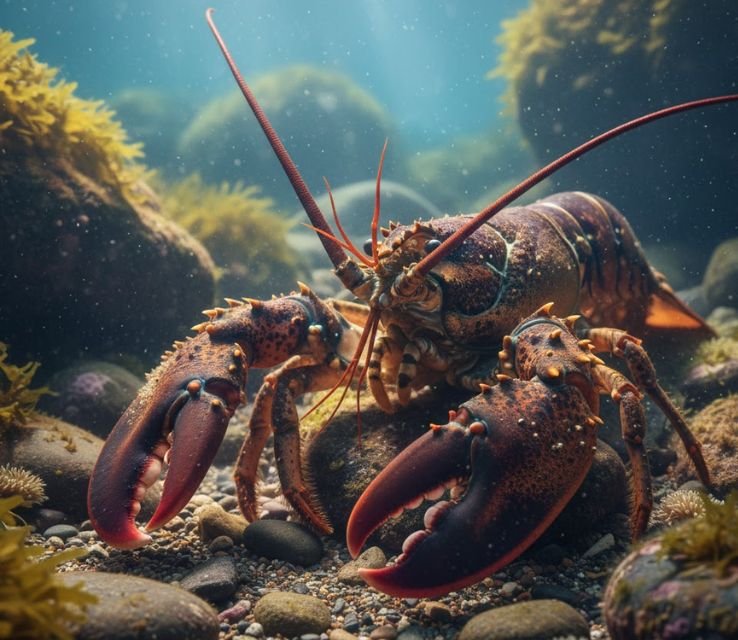
Consuming decaying organic matter, lobsters help maintain the balance of the ocean floor, preventing the buildup of waste that could harm various aquatic species.
Their scavenging behavior is not merely a matter of survival; it’s a fascinating dance of adaptation. Lobsters possess specialized sensory receptors, known as antennules, which allow them to detect food from considerable distances a testament to their evolutionary prowess.
Their remarkable ability to thrive in diverse environments, from rocky coastlines to deep-sea habitats, showcases the adaptability that enables them to excel as scavengers.
Every bite they take is a reminder of the interconnectedness of life in our oceans, where even the unassuming lobster plays a pivotal role in fostering vibrant marine ecosystems.
Bears
Class: Mammalia
Bears are often viewed primarily as formidable predators or solitary giants roaming the wilderness, but their role as scavengers adds a fascinating layer to their ecological profile.
Their acute sense of smell, which is seven times stronger than that of a bloodhound, bears can detect carrion from miles away.
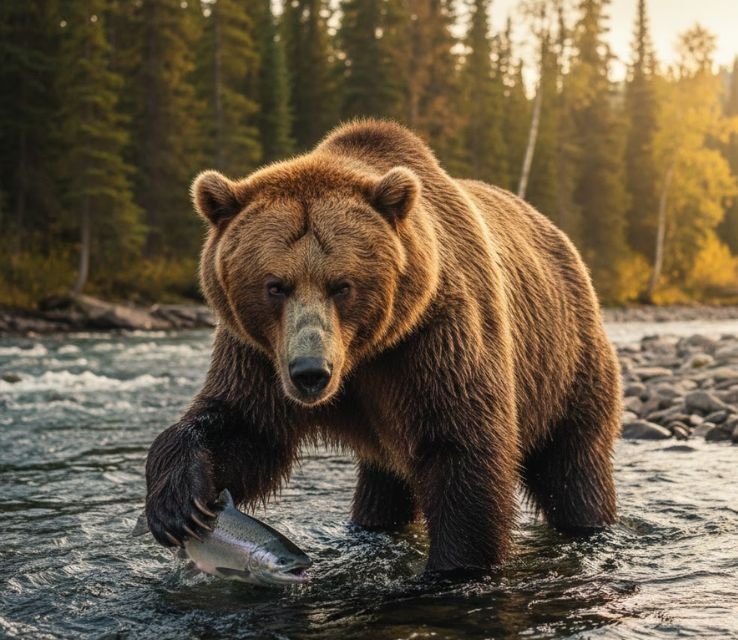
This keen olfactory ability not only aids them in locating food but also positions them as important regulators within their ecosystems, preventing the overpopulation of prey species. Consuming carrion, they help decompose organic matter, recycling essential nutrients back into the soil, which fosters plant growth and sustains diverse animal life.
Their scavenging habits can inadvertently create opportunities for other scavengers, like ravens and foxes, amplifying biodiversity and fostering a complex interplay of survival in their habitats.
Final Thoughts
Scavenger animals play an essential role in maintaining the balance of ecosystems. By consuming dead and decaying organic matter, these creatures help prevent the spread of diseases and recycle nutrients back into the environment.
Their presence fosters a healthier habitat for other species, showcasing the interconnectedness of nature. By understanding and appreciating the contributions of scavengers, we can promote biodiversity and ecological stability.
FAQs
What Are Scavenger Animals?
Scavenger animals are organisms that consume dead or decaying matter, including carrion, to obtain nutrients.
Do Scavengers Hunt For Their Food?
While some scavengers may occasionally hunt, most primarily feed on carcasses or waste, relying on the remains of other animals for sustenance.
How Do Scavengers Affect Animal Populations?
By consuming dead animals, scavengers help control disease spread and prevent overpopulation within species.
Can Scavengers Be Found in Urban Areas?
Absolutely! Many scavengers, such as raccoons and gulls, thrive in urban environments, where they can find ample food sources.