Animals That Have Trunk: 11 Amazing Creatures(With Pictures)
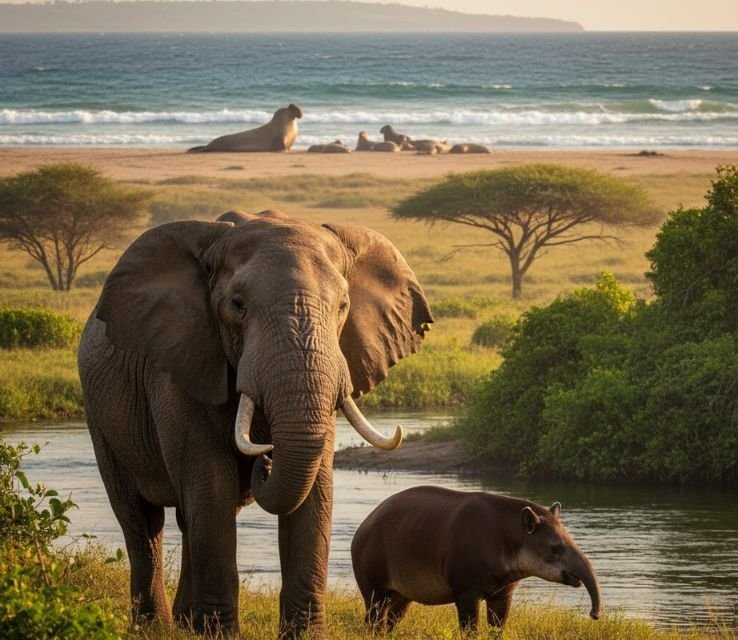
Animals That Have Trunk are some of the most fascinating creatures in the animal kingdom. These unique appendages are not just for show they help animals eat, breathe, communicate, and survive in incredible ways. From the mighty elephant to smaller, lesser-known species, trunks are a true example of nature’s creativity.
In this post, we’ll explore 11 amazing animals that have trunk and learn what makes each one special. With pictures included, you’ll get a closer look at these remarkable adaptations and appreciate the beauty of wildlife in a new way.
List of Animals That Have Trunk
Below is the list of animals with trunk:
| Number of Animals | Names of Animals That Have Trunk |
| 1 | Elephants |
| 2 | Tapirs |
| 3 | Giant Anteaters |
| 4 | Saiga Antelopes |
| 5 | Proboscis Monkeys |
| 6 | Wild Boars |
| 7 | Elephant Shrews |
| 8 | Aardvarks |
| 9 | Sawfish |
| 10 | Elephant Seals |
| 11 | Star-Nosed Mole |
Elephants
Class: Mammalia
Diet: Herbivore
Elephants, the colossal mammals of the African savanna and Asian forests, are the most recognized of the trunked animals. Their trunks, a marvel of evolution, serve multiple purposes from grasping delicate leaves to drinking water and communicating through low-frequency sounds.
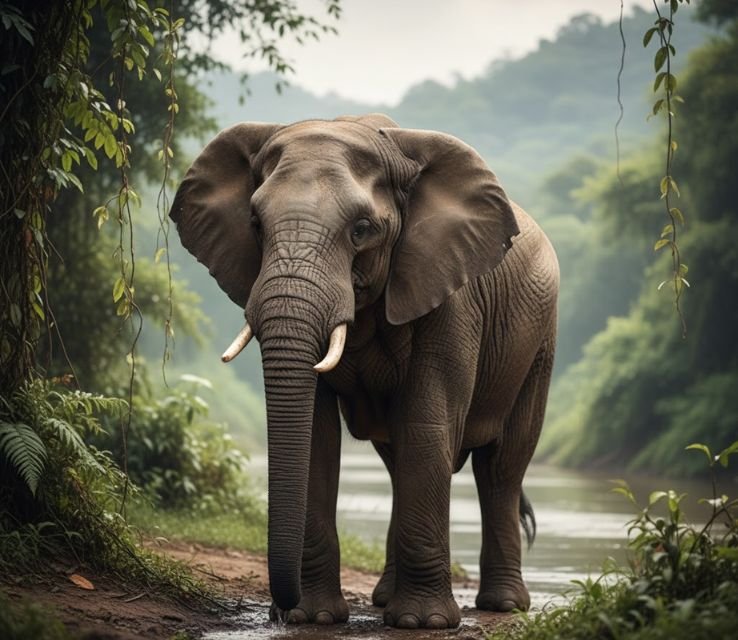
But beyond their size, elephants are deeply emotional creatures, known to mourn their dead and display empathy. Each herd functions like a tight-knit family, where matriarchs wield wisdom and experience, showcasing social structures that parallel our own.
Tapirs
Class: Mammalia
Diet: Herbivore
Tapirs inhabit the jungles and forests of Central and South America, as well as parts of Southeast Asia. Their snouts, resembling small trunks, are designed for foraging on leaves and fruits, providing them with a unique niche in their ecosystems.
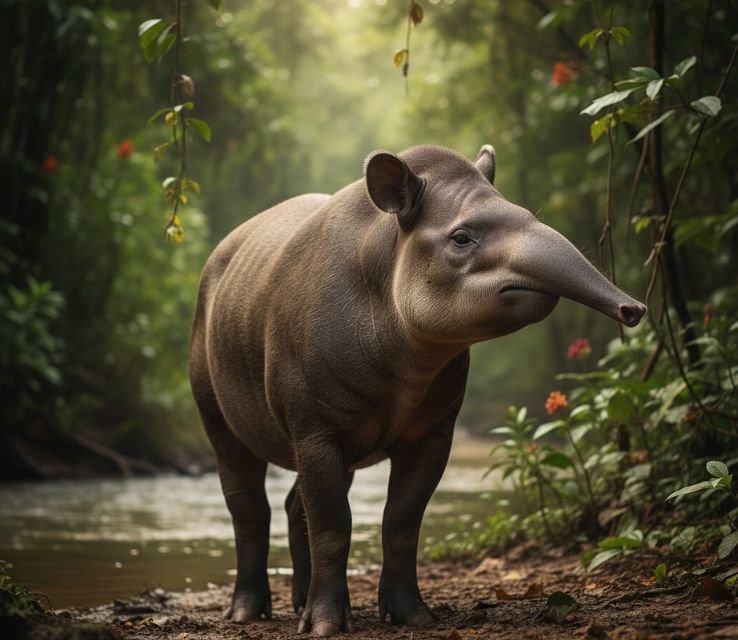
These elusive creatures play a vital role in seed dispersal, helping to maintain biodiversity. Observing a tapir wading through water is a serene reminder of nature’s quiet and often hidden wonders.
Giant Anteaters
Scientific Name: Myrmecophaga tridactyla
Class: Mammalia
Diet: Insectivore
With their distinctive elongated snouts, giant anteaters navigate South America’s grasslands and forests in search of their primary prey ants and termites. Unlike animals that have trunks, the anteater’s unique mouth structure allows for an astonishing feeding mechanism, extending their tongues up to 16 inches.
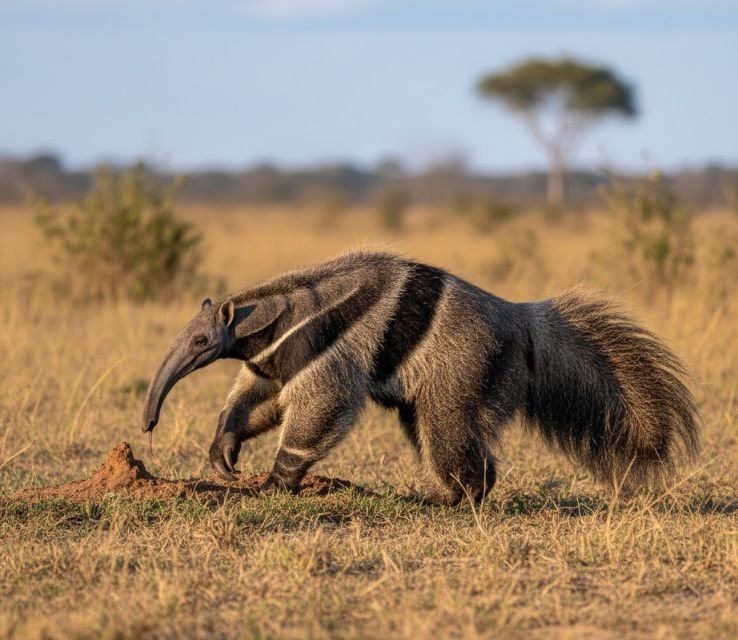
They often face threats from habitat destruction, yet their specialized feeding habits highlight the intricate balance within ecosystems where they play a critical role in pest control.
Read More:Are Flamingos Smart? Amazing Facts About Flamingo Intelligence (With Photos)
Saiga Antelopes
Scientific Name: Saiga tatarica
Class: Mammalia
Diet: Herbivore
Distinctive for their Bulbous Noses, saiga antelopes roam the vast plains of Central Asia. These critters utilize their unique nasal structures to filter out dust and regulate body temperature as they traverse arid terrains.
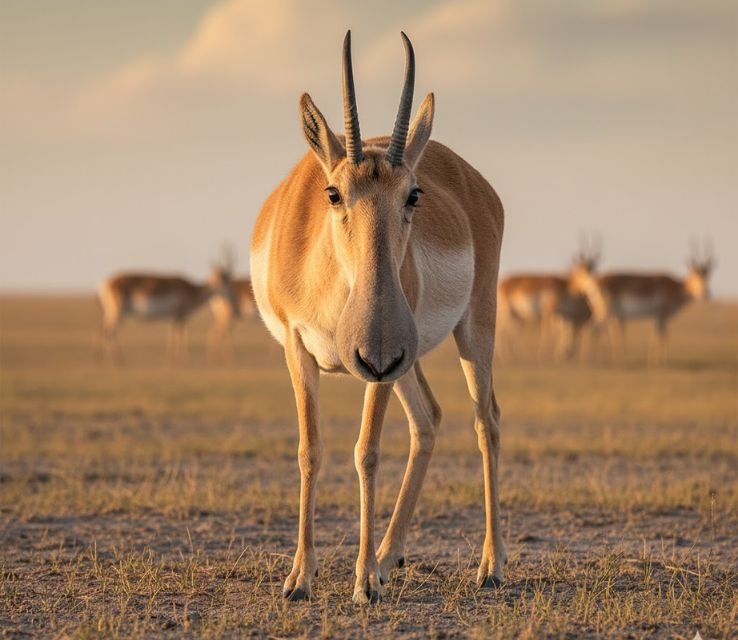
Once abundant, their populations have plummeted due to poaching and habitat loss, emphasizing the urgent need for conservation efforts. Their resilience in harsh climates serves as a testament to nature’s adaptability and endurance.
Proboscis Monkeys
Scientific Name: Nasalis larvatus
Class: Mammalia
Diet: Omnivore
Native to Borneo, proboscis monkeys are famed for their oversized noses, which enable deep vocalizations, crucial for social communication. Much like elephants, their social structures are fascinating; they live in harems led by a dominant male.
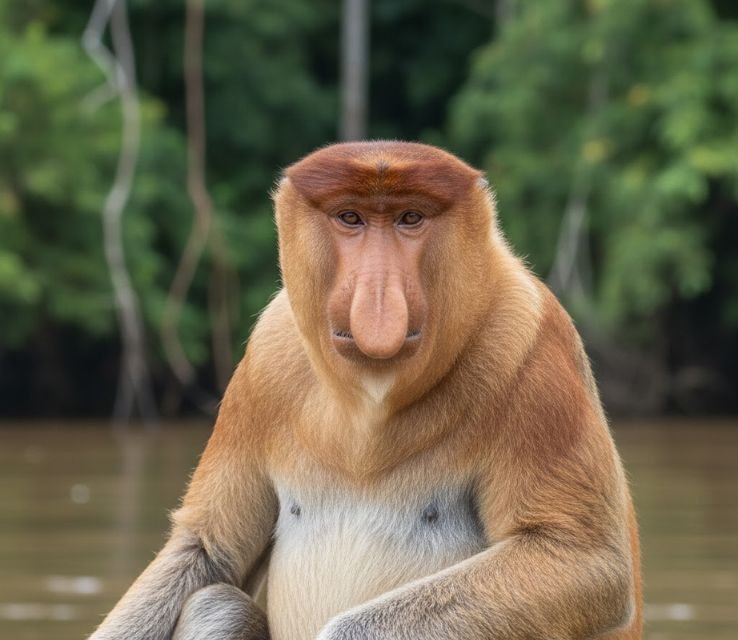
These monkeys primarily feed on young leaves and unripe fruits, playing an essential role in maintaining their ecosystem. Their unique adaptations and social behaviors make them a captivating species for wildlife enthusiasts.
Read More: Explore Top 16 Animals That Eat Frogs In The World (With Images)
Wild Boars
Scientific Name: Sus scrofa
Class: Mammalia
Diet: Omnivore
Wild boars are highly adaptable creatures that thrive in diverse environments, from dense forests to grasslands. Their sturdy bodies and powerful snouts allow them to root for food, unearthing underground treasures like tubers and roots.
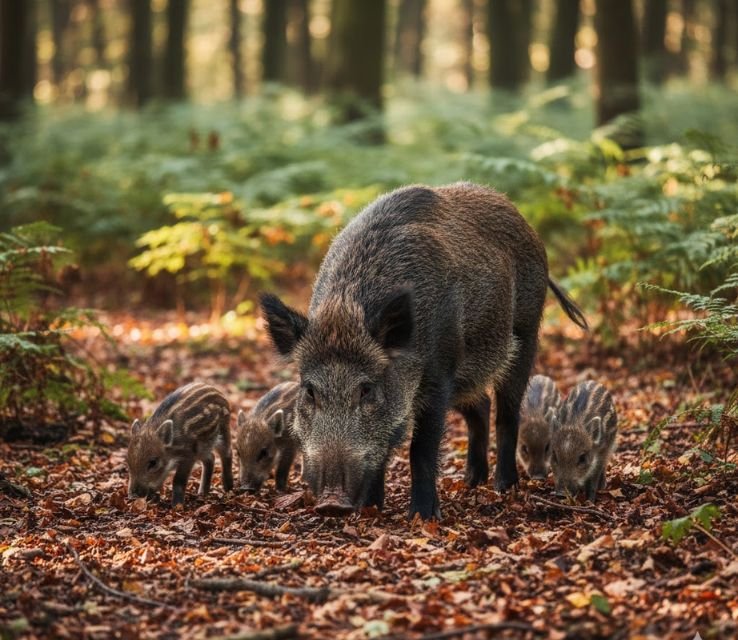
As a keystone species, wild boars influence the habitats they inhabit, facilitating growth for various plant species through their foraging habits. Despite their sometimes vilified reputation, they are a testament to nature’s resilience and the complex web of life in our ecosystems.
Elephant Shrews
Scientific Name: Macroscelides proboscideus
Class: Mammalia
Diet: Insectivore
Elephant shrews are not related to elephants; rather, they are small, agile mammals native to Africa. With long snouts and keen senses, these creatures are fascinating examples of convergent evolution.
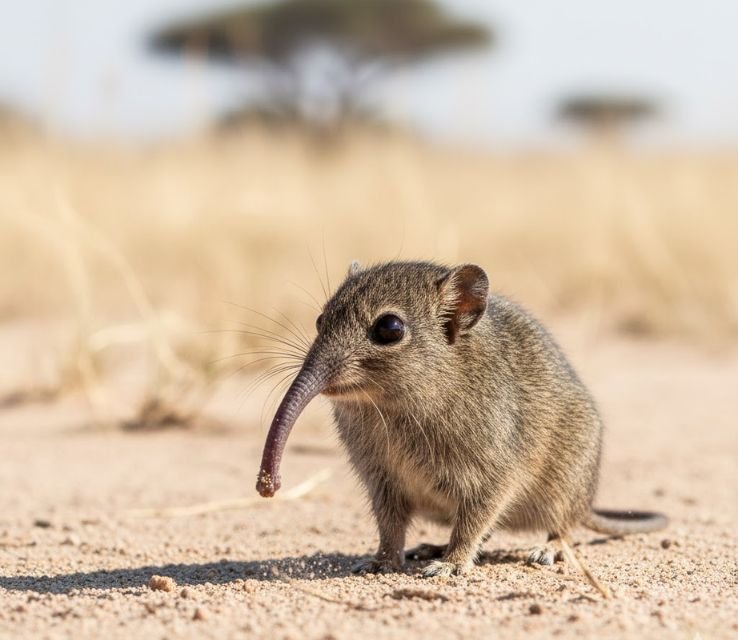
They serve a unique role in their ecosystems by foraging for insects and seeds, effectively controlling insect populations while dispersing plant seeds. Their distinct behavior, often characterized by quick bursts of speed and erratic movement, showcases their adaptability in diverse habitats, from dense forests to savannas.
Aardvarks
Scientific Name: Orycteropus afer
Class: Mammalia
Diet: Insectivore
Aardvarks, easily recognizable by their pig-like snouts and long ears, are unique nocturnal mammals native to sub-Saharan Africa. As the continent’s primary ant and termite eaters, they play a crucial role in maintaining ecological balance.
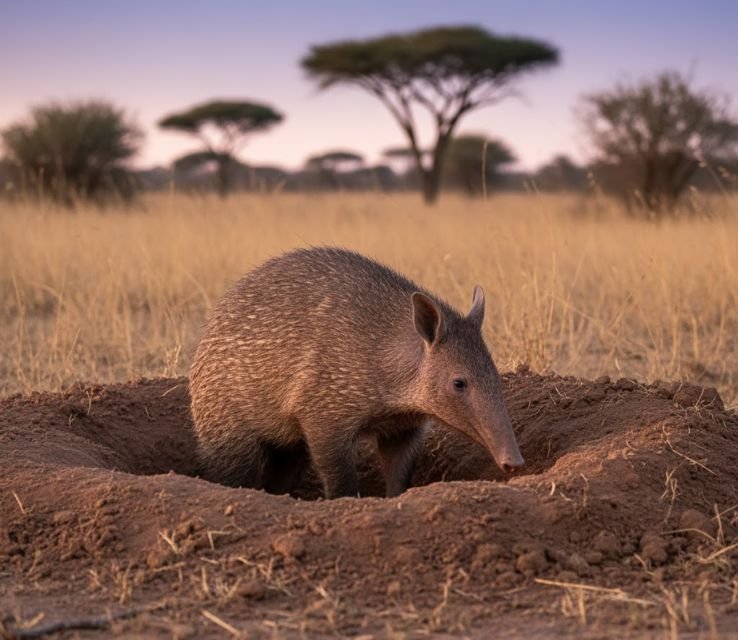
Their digging habits aerate the soil, benefiting plant growth and allowing for a rich ecosystem rich with nutrients. The aardvark’s unusual adaptations, including a powerful sense of smell and specialized claws, exhibit the remarkable ways animals have evolved to thrive in challenging environments.
Read More: Explore Top 8 Animals That Eat Oranges (With Pictures)
Sawfish
Class: Chondrichthyes
Diet: Carnivore
Sawfish elusive denizens of the sea are often overlooked among marine wildlife, yet they play a vital role in aquatic ecosystems. Characterized by their elongated snouts that resemble saw blades, these unique rays use their powerful bills to hunt and defend against predators.
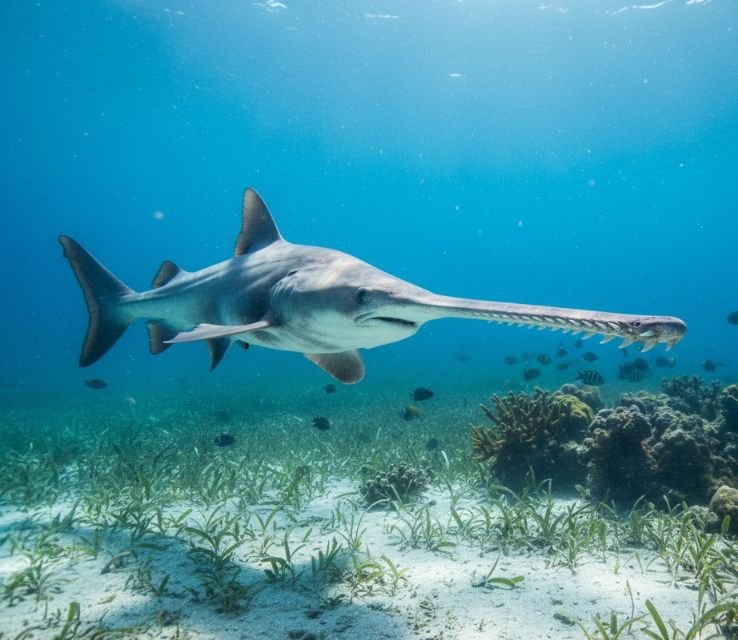
They are indicators of healthy marine habitats, as their presence signifies a balanced ecosystem. Though they face threats from overfishing and habitat loss, ongoing conservation efforts aim to protect these remarkable creatures and maintain the delicate balance of their watery domains.
Elephant Seals
Class: Mammalia
Diet: Carnivore
Elephant seals, with their impressive size and dramatic snouts, are the giants of the pinniped family. Males can weigh up to 4,500 pounds, boasting a unique propensity for deep diving reaching depths of over 5,000 feet to forage for squid.
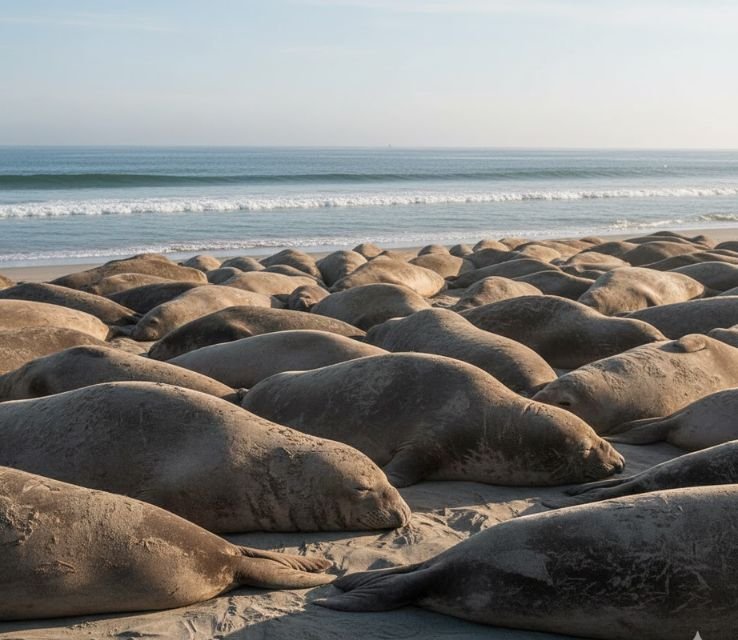
During the breeding season, their vocal displays create a cacophony, highlighting complex social structures and territorial behaviors. Their drastic weight fluctuations mimic a remarkable cycle of survival, adaptation, and resilience amid changing oceanic conditions.
Star-Nosed Mole
Scientific Name: Condylura cristata
Class: Mammalia
Diet: Carnivore/Insectivore
The star-nosed mole, renowned for its unique star-shaped appendages, is a master of tactile perception. Found in North America, it possesses over 25,000 Sensory Receptors in its distinctive nose, enabling it to detect prey in total darkness.
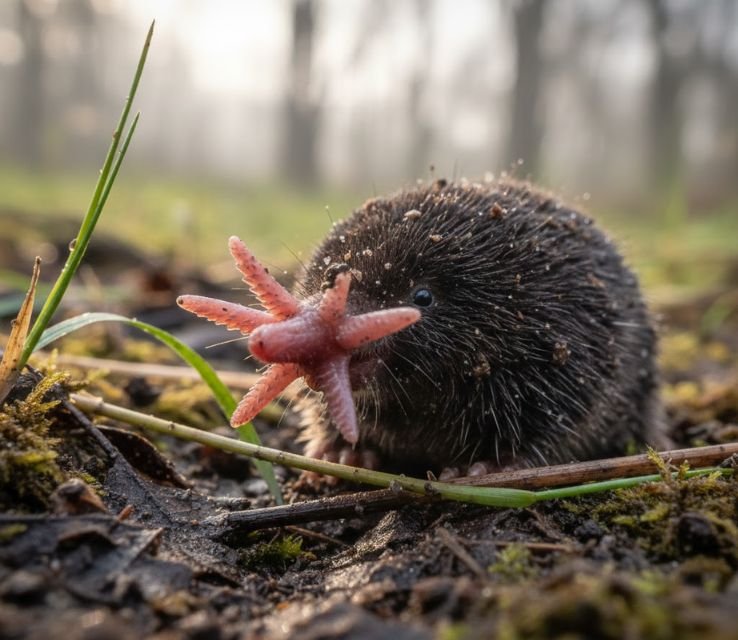
This adaptations make it one of the fastest foragers among mammals, able to identify and consume insects, worms, and aquatic invertebrates within milliseconds.
The star-nosed mole’s extraordinary sensory capabilities challenge our understanding of evolution, demonstrating that unconventional adaptations can lead to extraordinary success in niche environments.
Read More: Top 17 Incredible Jumping Animals (With Amazing Photos)
Final Words
The world of trunked animals is fascinating and diverse, showcasing the incredible adaptations these creatures have developed. From the towering elephants to the unique tapirs, each species brings its own charm and importance to the ecosystem.
Their trunks serve vital functions, enhancing their survival and social structures in various environments. As we explore the lives of these remarkable animals, we gain a deeper appreciation for the natural world’s complexity. Let’s continue to learn about and protect these extraordinary beings and their habitats.
FAQs
What Are the Main Animals That Possess Trunks?
The most well-known animals with trunks are elephants. However, some other species, like certain types of tapirs, exhibit trunk-like features.
What Functions Do Trunks Serve in Different Animals?
Trunks can be used for breathing, feeding, social communication, and even as a tool for manipulation, showcasing their versatility.
How Do Elephants Communicate Using Their Trunks?
Elephants use their trunks to produce a range of vocalizations and physical gestures, which are crucial for their social interactions.