Top 20 Sneaky Animals In The World (Images Included)
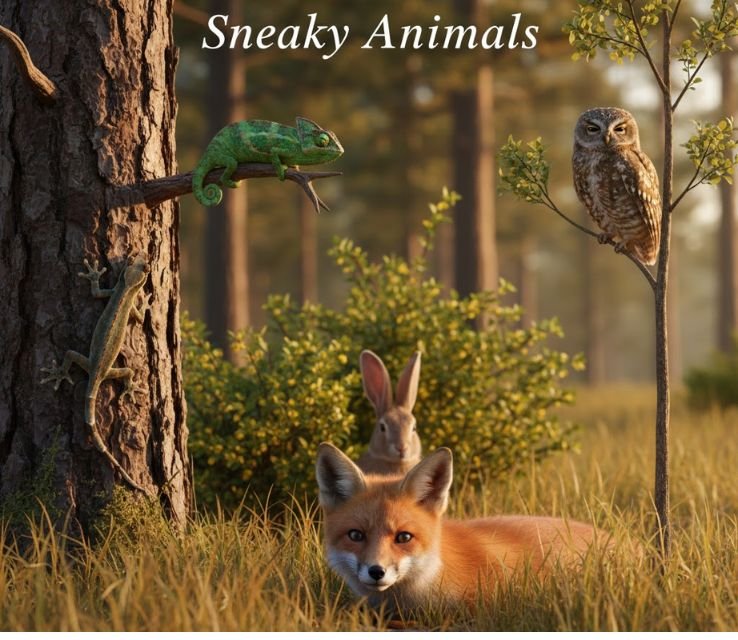
Sneaky Animals are some of the most fascinating creatures in the wild, known for their clever tricks, camouflage skills, and silent hunting abilities. From forests to oceans, these animals use intelligence and stealth to survive, escape predators, and catch their prey without being noticed. Their unique behaviors make them both mysterious and impressive.
The Top 20 Sneaky Animals in the World (Images Included), you’ll discover species that blend perfectly into their surroundings, move without a sound, and outsmart other animals with surprising strategies. These incredible creatures prove that survival in nature often depends on being smart rather than strong.
List of Sneaky Animals In The World
| Number of Animals | Sneaky Animals In The World |
| 1 | Skuas |
| 2 | Topi Antelope |
| 3 | Black Herons |
| 4 | Leopards |
| 5 | Alligators And Crocodiles |
| 6 | Golden Eagles |
| 7 | Weasel |
| 8 | Pearl Fish |
| 9 | Octopus |
| 10 | Owl |
| 11 | Cuckoo Bees |
| 12 | Cat |
| 13 | Foxes |
| 14 | Livingston’s cichlid |
| 15 | Butterflies |
| 16 | Orchid Mantis |
| 17 | Black Mamba |
| 18 | Chameleon |
| 19 | Leaf-Tailed Gecko |
| 20 | Brown Trout |
Skuas
Class: Aves
Diet: Carnivorous
Skuas are among the stealthiest animals and the ultimate scavengers of the seabird world, known for their boldness and opportunistic feeding habits. These sneaky animals have a knack for stealing food from other birds, showcasing a unique blend of intelligence and audacity.
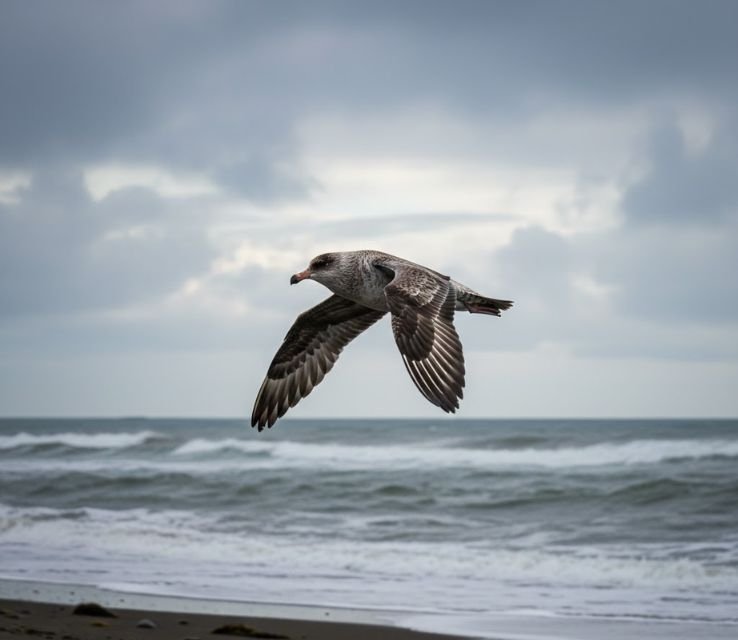
Found primarily in polar regions, skuas are easily identifiable by their robust bodies and sharp wings, making them fierce companions on any sea voyage. Their audacious tactics not only secure meals but also create a fascinating dynamic in avian ecosystems, pushing smaller birds to adapt their foraging behaviours.
Read More: Top 12 Animals with Shells: Names, Facts, and Pictures
Topi Antelope
Scientific Name: Damaliscus lunatus jimela
Class: Mammalia
Diet: Herbivorous
The topi antelope is one of the stealthy animals, mastering camouflage by blending seamlessly into the African savanna landscape. These agile grazers are notorious for their insistence on staying near water sources, making them vital to the ecosystem.
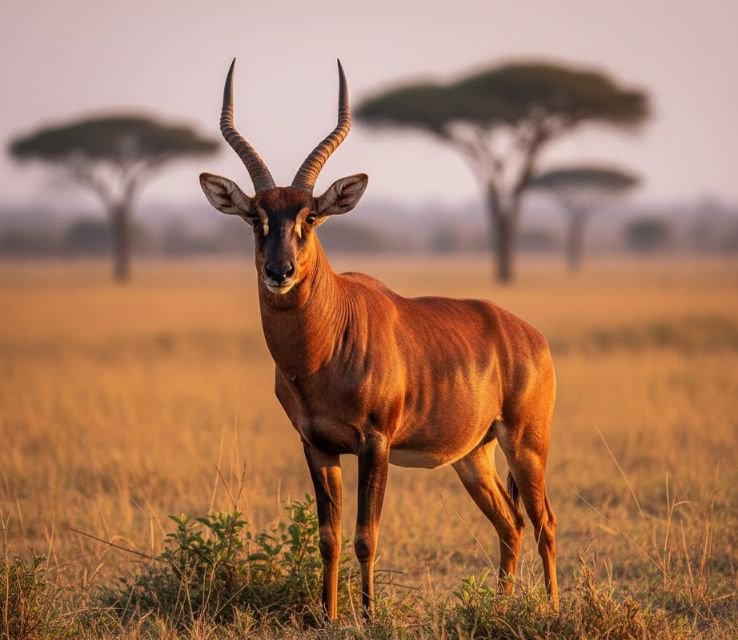
What makes them particularly intriguing is their behaviour; topi often engage in ‘lekking,’ where males gather to display their dominance and attract mates. This social structure is not just about reproduction; it showcases the topi’s ability to strategize and forge intricate social bonds, proving that even in the animal kingdom, gatherings can be filled with complexity and flair.
Black Herons
Scientific Name: Egretta ardesiaca
Class: Aves
Diet: Carnivorous
Black herons are renowned for their unique fishing technique known as “canopy feeding,” making them one of the most fascinating stealth animals. These sneaky birds use their wings to create a shadow over the water, luring unsuspecting fish into their striking range. This remarkable behaviour highlights their adaptability and demonstrates the intricate relationship between predators and their environment.
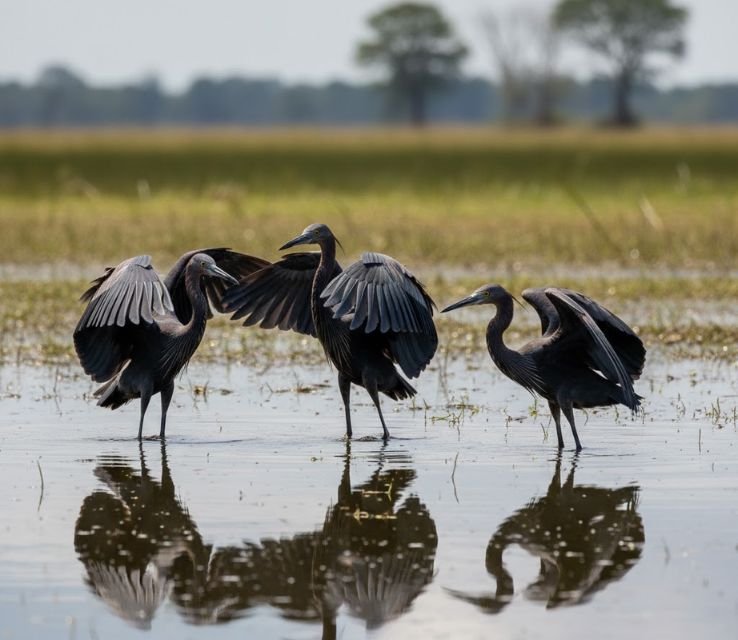
Found in wetlands across Africa and parts of Asia, black herons are a testament to how innovation in hunting strategies can thrive in harmony with natural habitats, inspiring us to appreciate the beauty of evolutionary creativity.
Read More: Explore Top 16 Stubborn Animals (With Images)
Leopards
Scientific Name: Panthera pardus
Class: Mammalia
Diet: Carnivorous
Leopards, the elusive spotted big cats of Africa and Asia, are often considered the answer to what is the stealthiest animal because of their exceptional stealth and hunting prowess. Known for their extraordinary climbing abilities, they often drag their prey into trees to shield it from scavengers. This sneaky behaviour underscores their skill as solitary hunters and elevates their status in the food web.
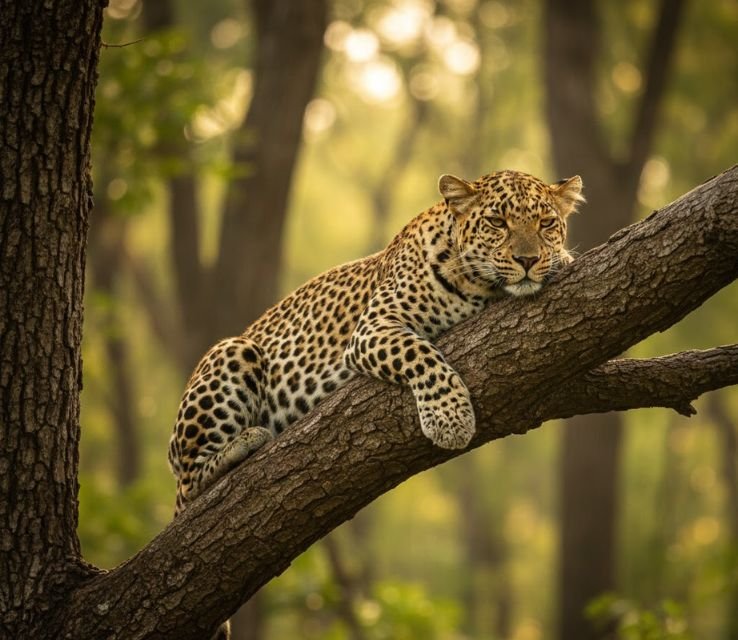
Leopards are vital to their ecosystems, helping control prey populations while reminding us of the importance of adaptability and strategy in survival. Their elusive nature makes them a symbol of mystery and intrigue, capturing the fascination of wildlife enthusiasts around the globe.
Alligators And Crocodiles
Scientific Name of Alligator: Alligator mississippiensis
Scientific Name of Crocodile: Crocodylus niloticus
Class: Reptilia
Diet: Carnivorous
Alligators and crocodiles, often mistaken for one another, are ancient reptiles and some of the most sneaky animals in aquatic environments. They blend effortlessly into their surroundings, using remarkable camouflage to ambush unsuspecting prey. While both species exhibit similar behaviors, their social structures vary significantly, with alligators often being more solitary.
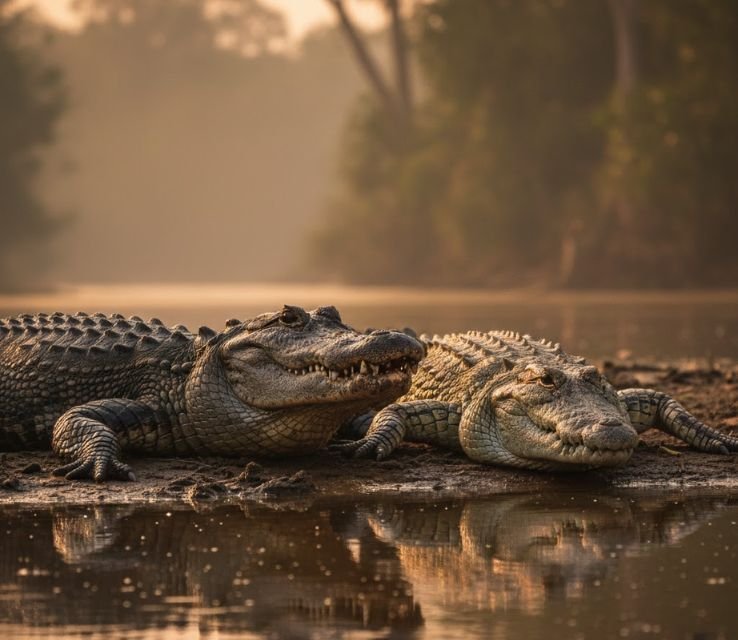
The complex interactions between these formidable predators and their habitats reveal essential insights into the conservation of wetlands. Their aggressive yet intelligent hunting tactics remind us of nature’s raw power, emphasizing the delicate balance that exists within their ecosystems.
Read More:Top 20 Flippers Animals (With Pictures)
Golden Eagles
Scientific Name: Aquila chrysaetos
Class: Aves
Diet: Carnivorous
Golden Eagles are some of the most majestic birds of prey and are among the animals that are sneaky when hunting. Known for their breathtaking hunting skills and keen eyesight, they soar at high altitudes while using their agility in the air to spot potential prey from miles away.
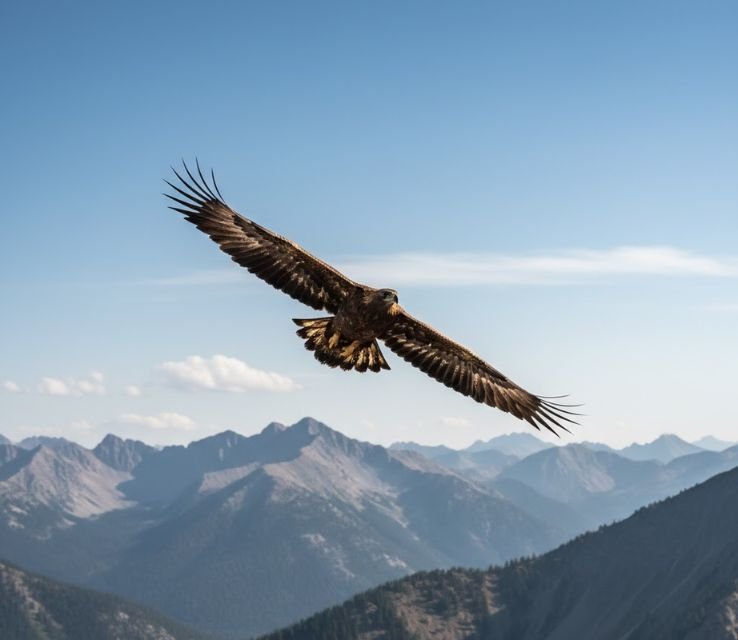
Their hunting methods often involve a stealthy approach, making them one of nature’s sneaky predators. Unlike many other eagles, Golden Eagles can hunt in pairs to tackle larger prey, showcasing their strategic cooperation in the wild.
Weasel
Scientific Name: Mustela nivalis
Class: Mammalia
Diet: Carnivorous
Weasels embody the essence of sneakiness in the animal kingdom. With their slender bodies and acute sense of hearing, they can navigate through dense underbrush with remarkable agility.
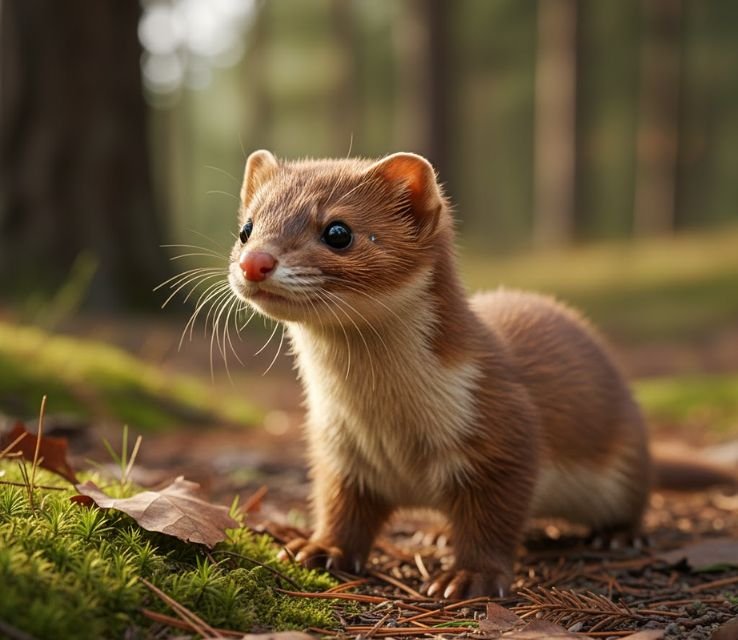
These cunning carnivores are among the animals known for being sneaky, using their speed and stealth to ambush smaller animals and outwit their prey. Their impressive ability to change fur color with the seasons adds another layer to their elusive nature, allowing them to blend seamlessly into their surroundings.
Read Also: Explore Top 8 Animals That Eat Oranges (With Pictures)
Pearl Fish
Class: Actinopterygii
Diet: Omnivorous
The Pearl Fish is a fascinating example when asking what animal is sneaky. It represents a unique lifestyle of sneaky symbiosis, living inside the rectums of sea cucumbers for shelter while gaining access to a nutritious food source.
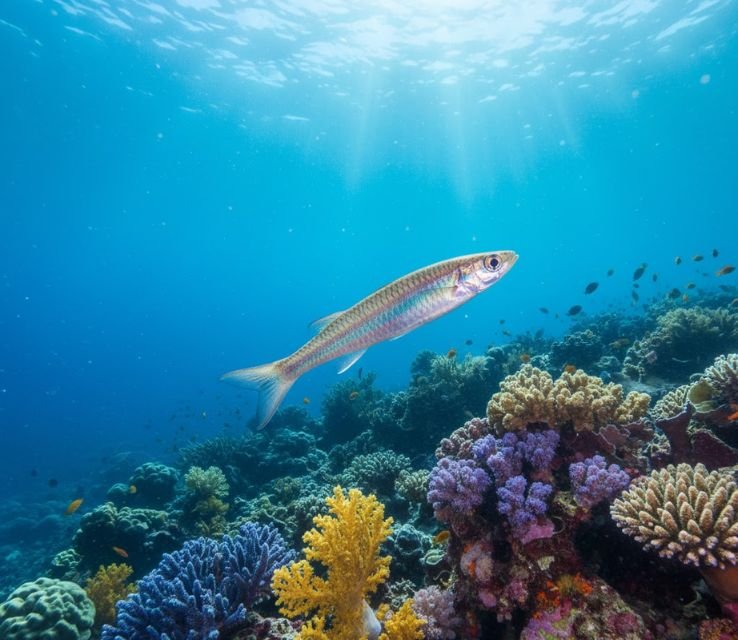
This peculiar relationship illustrates the complex interactions in marine ecosystems where survival often relies on cunning arrangements. Their ability to evade predators by hiding in such an unusual environment underscores their adaptability and mastery of survival.
Octopus
Scientific Name: Octopus vulgaris
Class: Cephalopoda
Diet: Carnivorous
Octopuses are regarded as some of the most intelligent and sneaky animals in the ocean. Their remarkable capacity for camouflage allows them to blend into their surroundings, making them nearly invisible to both predators and prey. This behaviour also relates to how do fish protect themselves? in marine environments, as many species rely on camouflage and stealth-like tactics to survive.
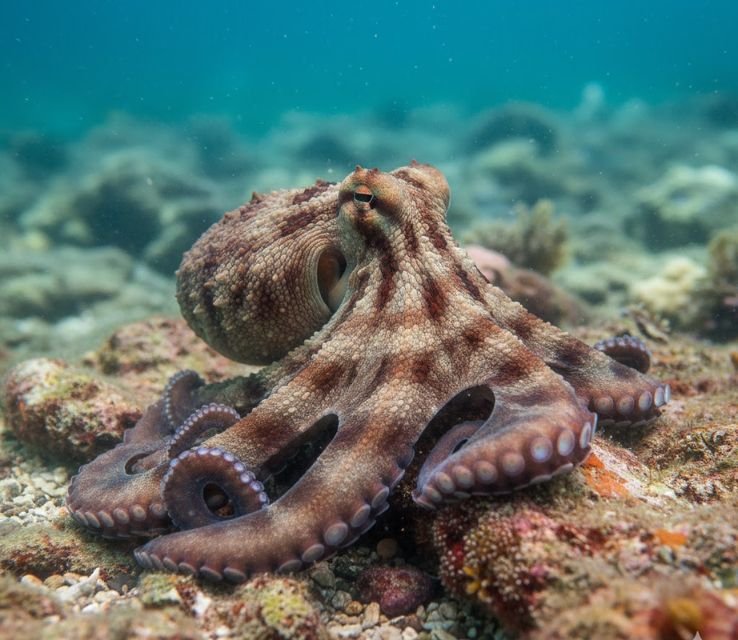
With their extraordinary problem-solving skills and dexterous arms, they can manipulate objects, escape enclosures, and even open jars demonstrating a level of ingenuity that captivates marine biologists. This combination of stealth and intelligence makes the octopus a true marvel of the underwater realm.
Owl
Scientific Name: Strigiformes
Class: Aves
Diet: Carnivorous
Owls are the quintessential nocturnal hunters, cloaked in silence as they glide through the night. Their specialized feathers enable silent flight, allowing them to sneak up on unsuspecting prey. Equipped with exceptional night vision and acute hearing, these birds can detect even the slightest movements in the dark. While not primarily known for mimicry, they are still among animals that use mimicry in broader ecological discussions of stealth and survival strategies.
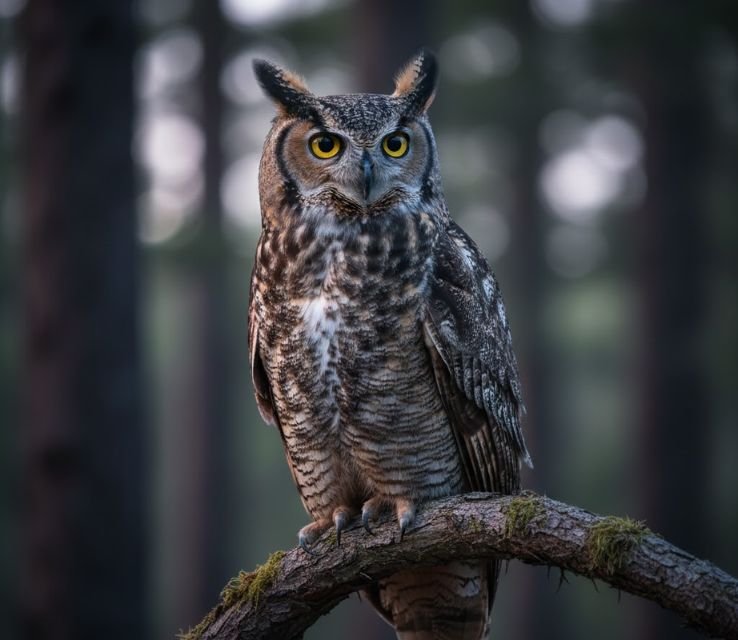
Owls symbolize wisdom in many cultures, but their sneaky hunting prowess reveals a more primal aspect of their existence, blending intelligence and instinct in a harmonious night-time ballet.
Cuckoo Bees
Class: Insecta
Diet: Adult bees consume nectar, while the larvae rely on other bees as parasites.
Cuckoo bees are nature’s masters of deception; they epitomize the term mimicry animals and “sneaky animals.” Unlike traditional bees that build and maintain their own nests, these clever insects lay their eggs in the hives of other bee species.
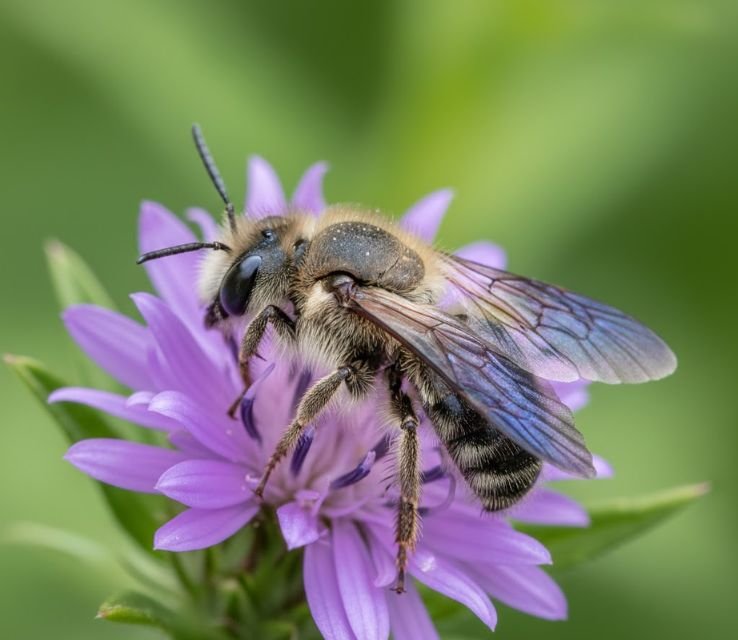
Once their larvae hatch, they often outcompete their hosts for food and care. This parasitic strategy not only supports their survival but also significantly impacts the dynamics within the bee community. Observing cuckoo bees can reveal fascinating insights into evolutionary adaptations and survival tactics in the wild.
Cat
Scientific Name: Felis catus
Class: Mammalia
Diet: Carnivorous
Cats, with their enigmatic charm, showcase a different kind of sneakiness. These agile creatures are skilled predators, often stalking their prey with a grace unrivaled in the animal kingdom. Their penchant for ambushing can be viewed as a tactical approach to survival, blending seamlessly into their environments, relating to animal mimicry.
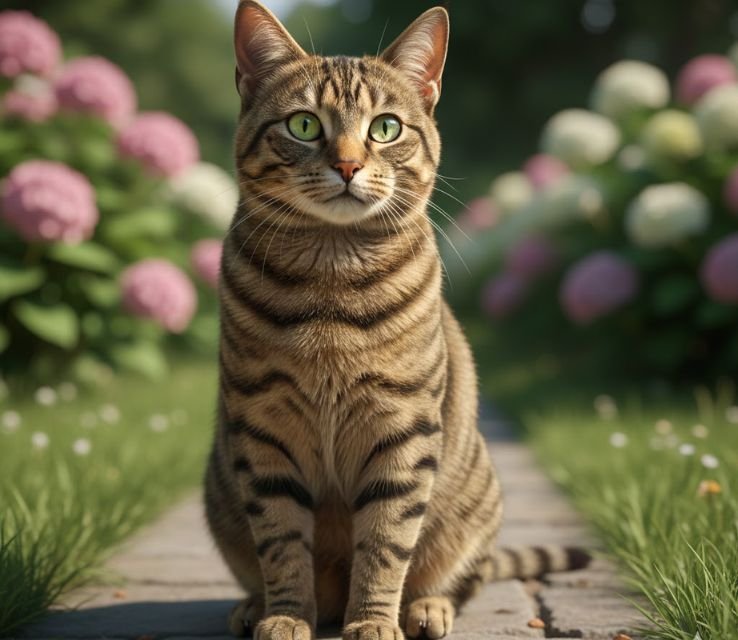
In domestic settings, cat behavior often mirrors these instincts, from pouncing on unsuspecting toys to stealthily navigating their territory. Their ability to balance independence with a playful spirit keeps cat lovers captivated, embodying a perfect blend of cunning and charm.
Read Also: Interesting Top 11 Animals with Big Noses (With Images)
Foxes
Scientific Name: Vulpes vulpes
Class: Mammalia
Diet: Omnivorous
Foxes are the ultimate survivors, employing clever tactics that classify them as Batesian mimicry examples among sneaky animals in the wild. Known for their adaptability, these canids thrive in diverse habitats, demonstrating exceptional problem-solving skills. Their use of camouflage and cunning hunting strategies allows them to outsmart prey.
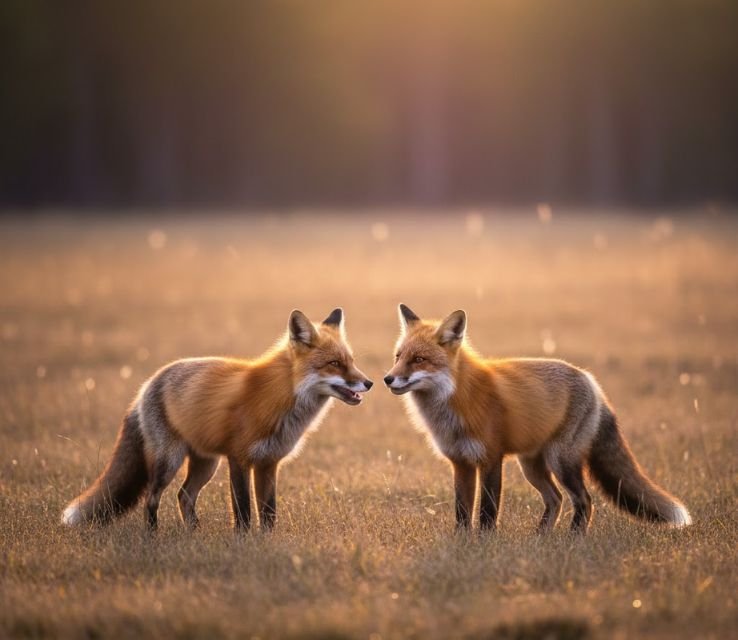
The iconic “fox trot” serves not only as a means of movement but also as a method to remain silent in their approach. This cleverness extends beyond hunting; foxes also display social intelligence within their packs, forging intricate relationships that enhance their survival.
Livingston’s cichlid
Scientific Name: Nimbochromis livingstonii
Class: Actinopterygii
Diet: Carnivorous
Livingston’s cichlid is a striking example of nature’s animal mimics and sneaky animals, employing a fascinating defense mechanism against predators. Found in the rich waters of Lake Malawi, these cichlids have adapted to blend seamlessly with their environment. Their unique coloration allows them to mimic the appearance of less palatable species, confusing potential threats.
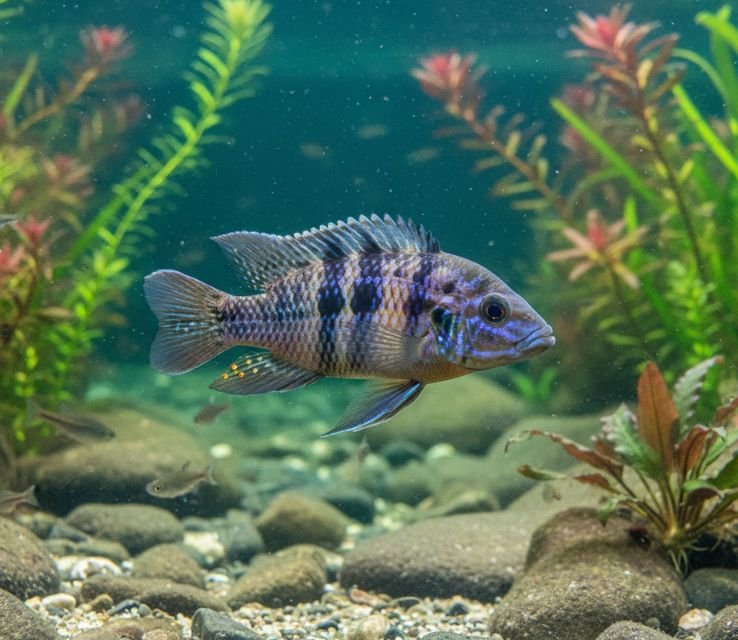
Their territorial behavior is a testament to their intelligence; they build intricate nests and establish dominance in preferred areas. Observing their behaviors reveals the complexity of aquatic life and the delicate balance of survival strategies in freshwater ecosystems.
Butterflies
Class: Insecta
Diet: Herbivorous
Butterflies, often perceived as delicate and ephemeral, also possess a sly side that belies their beauty. Many species utilize mimicry and camouflage to evade predators, effectively employing sneaky animals as a survival tactic. Some butterflies resemble toxic varieties, deterring potential threats without any real need for venom.
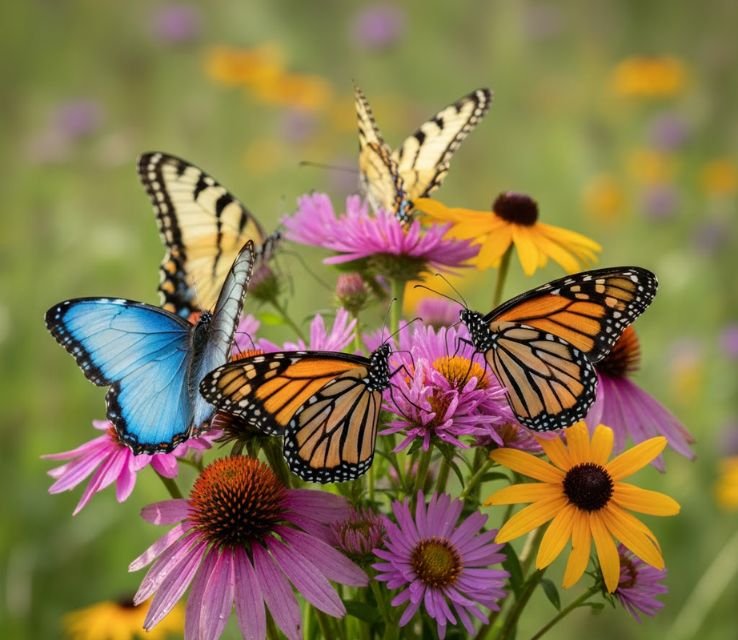
Their remarkable migration patterns are a testament to their intelligence; by flying to warmer climates, they outwit seasonal changes, ensuring their continuation. This duality of grace and cunning invites us to appreciate butterflies for their aesthetic beauty and for their remarkable adaptations in the face of challenges.
Orchid Mantis
Scientific Name: Hymenopus coronatus
Class: Insecta
Diet: Carnivorous
The Orchid Mantis is not your ordinary predator; its mimetic allure draws unsuspecting prey right into its grasp. Resembling a delicate flower, this what animals are sneaky lies in wait, blending seamlessly into its lush surroundings.
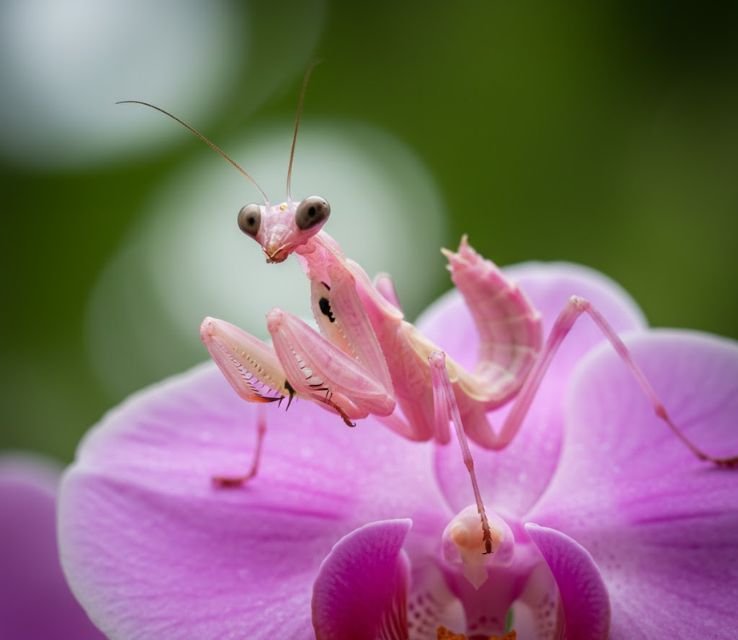
With exceptional agility and patience, it can strike at lightning speed, showcasing nature’s artistry in deception and survival. Their intricate patterns not only mesmerize potential meals but also serve as a marvel of evolution, demonstrating how beauty can be lethal.
Black Mamba
Scientific Name: Dendroaspis polylepis
Class: Reptilia
Diet: Carnivorous
Renowned as one of the most venomous snakes on the planet, the Black Mamba employs a stealthy approach that makes it a master of ambush. This sneaky serpent can reach speeds of up to 12 miles per hour, often surprising both prey and predators alike in its pursuit.
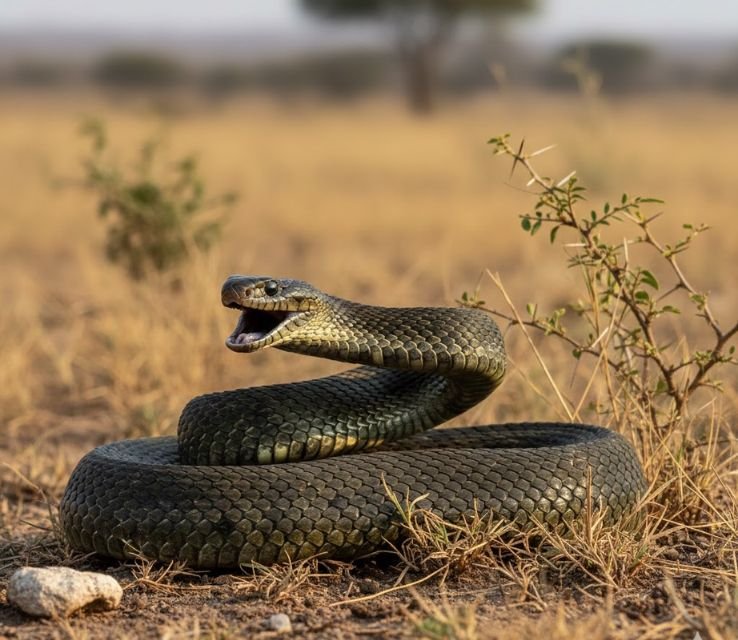
Its lethal venom acts swiftly, delivering a paralyzing blow within minutes. Beyond its grim reputation, the Black Mamba is among the sneakiest animals, playing a critical role in maintaining ecological balance, ensuring a controlled population of rodents and other pests.
Chameleon
Scientific Name: Chamaeleonidae
Class: Reptilia
Diet: Carnivorous
The Chameleon is the ultimate embodiment of adaptability in the animal kingdom and is often considered the sneakiest animal. With the ability to change color effortlessly, it communicates through vibrant hues and employs camouflage as its primary defense mechanism.
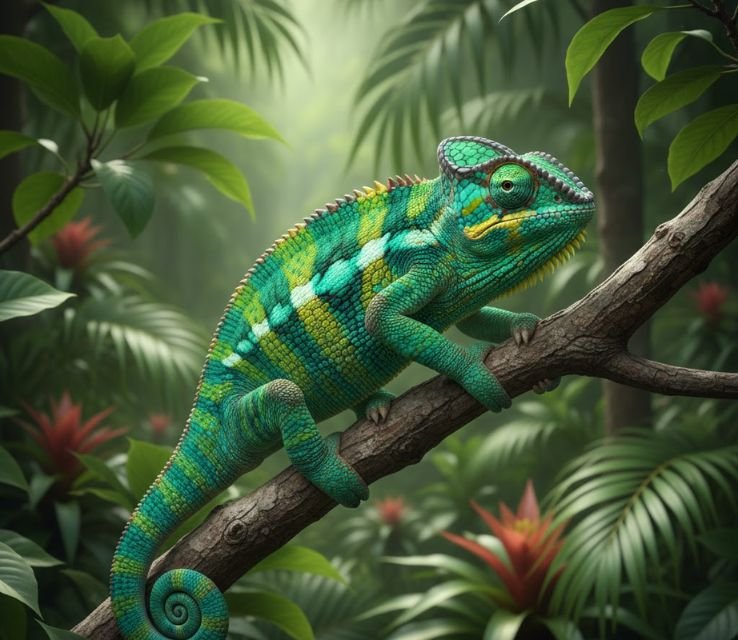
This sneaky animal can blend into foliage, becoming nearly invisible to predators and prey alike. As exceptional hunters, chameleons utilize their long, sticky tongues to capture insects from a distance, proving that stealth and patience are as vital in the wild as brute strength.
Leaf-Tailed Gecko
Class: Reptilia
Diet: Carnivorous
The Leaf-Tailed Gecko embodies the art of disguise perfected in the animal world and is among the stealthy animals. Its extraordinary ability to mimic the appearance of dead leaves or tree bark enables it to elude detection, making it one of nature’s sneakiest survivalists.
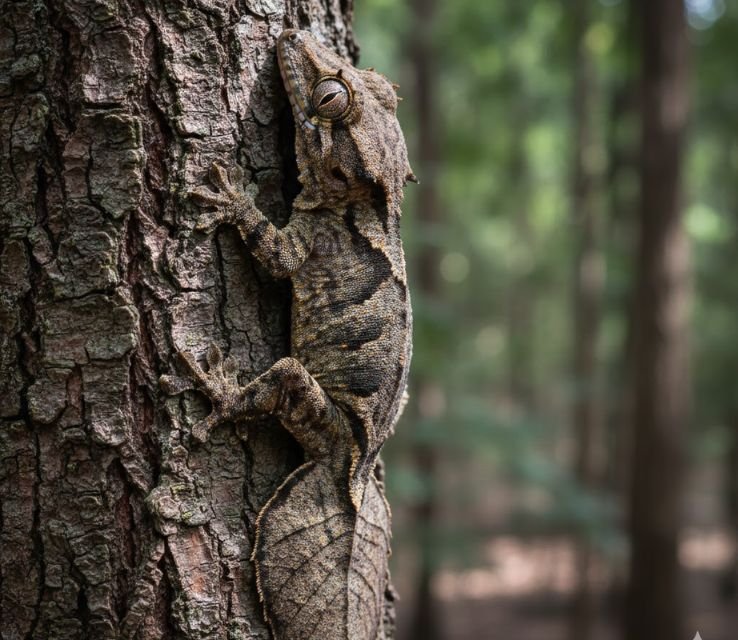
Found in Madagascar’s lush forests, this gecko employs both color and texture to blend into its surroundings perfectly, rendering it nearly invisible. When threatened, its remarkable stillness and cryptic design offer a fascinating glimpse into the lengths evolution can go to ensure survival.
Brown Trout
Scientific Name: Salmo trutta
Class: Actinopterygii
Diet: Carnivorous
Valued by anglers and ecologists alike, the Brown Trout is a stealthiest animals that thrives in freshwater habitats around the world. Known for its cunning and adaptability, this fish can often be found hiding among rocks and weeds, using upturned gravel and murky waters to its advantage.
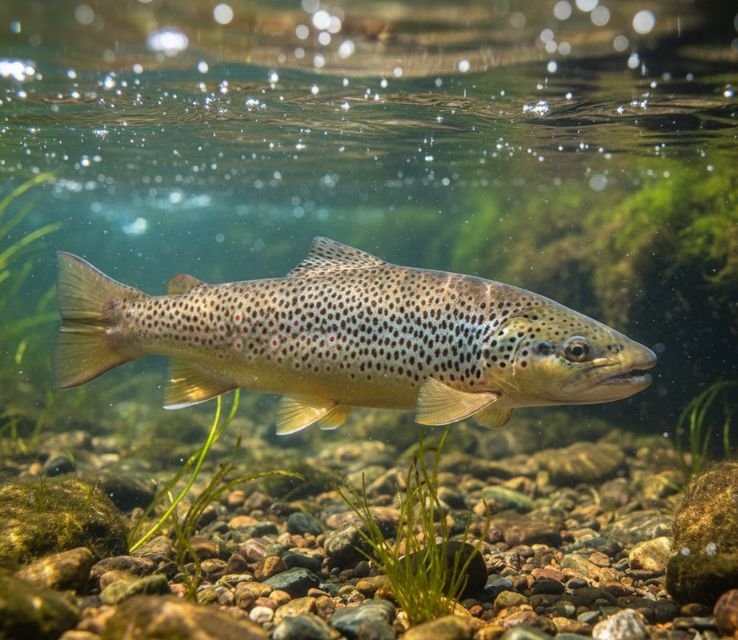
Its unique spotting pattern allows it to blend seamlessly into its environment, making it a challenge for predators and fishermen. This clever aquatic creature plays a role in maintaining the health of its ecosystem and a testament to the intricate balance between predator and prey.
Final Thoughts
Sneaky animals remind us that intelligence, patience, and strategy are powerful tools in the animal kingdom.
Whether through camouflage, mimicry, or silent movement, these creatures show how nature rewards adaptability and quick thinking, and are often described as manipulative animals. These animals increases our knowledge and deepens our appreciation for the hidden wonders of wildlife.
FAQs
What Animal is Associated with Sneaky?
The fox is often considered the quintessential sneaky animal, symbolizing cunning and trickery in various cultures.
What is the Most Secretive Animal?
The octopus is often cited as one of the most secretive animals, capable of camouflage and hiding in complex environments.
Which Animal has the Most Stealth?
The leopard is renowned for its stealth, utilizing its spotted coat to blend into its surroundings while hunting.
What Animal is known to be Sneaky?
Sneaky animals, the octopus often tops the list. These intelligent marine creatures have a remarkable ability to camouflage themselves, blending seamlessly into their surroundings to evade predators and surprise prey.
What are Some Deceitful Animals?
Deception in the animal kingdom often serves as a survival strategy, and many species have evolved fascinating methods to outsmart predators or prey.