25 Birds With Long Legs: Names, Facts & Pictures
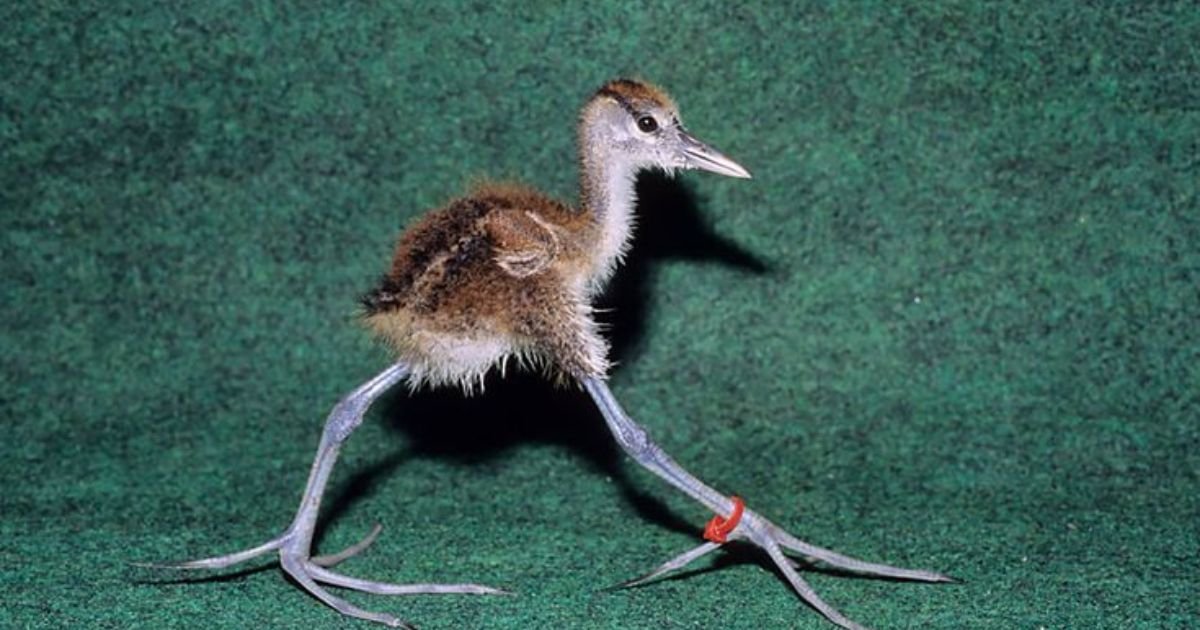
Remarkably graceful and often striking in appearance, birds with long legs have a unique charm that sets them apart in the avian world. From the elegant stilt to the majestic heron, these birds adapt to diverse habitats and showcase fascinating behaviors and survival strategies.
Here, you’ll discover 25 captivating species, along with intriguing facts and stunning photos that bring these remarkable creatures to life. By the end, you’ll have a deeper appreciation for the incredible diversity and beauty of birds with long legs.
List of Birds With Long Legs
Here is the list of animals that have long legs:
- Great Egret
- Sarus Crane
- Limpkin
- Scarlet Ibis
- Secretary Bird
- Purple Gallinule
- Green Heron
- Jabiru
- Purple Heron
- Shoebill
- Whooping Crane
- Reddish Egret
- Cattle Egret
- Flamingos
- Great Blue Heron
- Ostrich
- Black-winged Stilt
- White-faced Ibis
- Tricolored Heron
- Sandhill Crane
- Snowy Egret
- Roseate Spoonbill
- Gray Heron
- Wood Stork
- Emu
Great Egret
Scientific Name: Ardea alba
The Great Egret, scientifically known as Ardea alba, is a stunning bird recognized for its elegant white feathers and long legs. These birds gracefully wade through shallow waters, hunting for fish and frogs using a patient “still hunting” technique where they remain motionless before striking with precision.
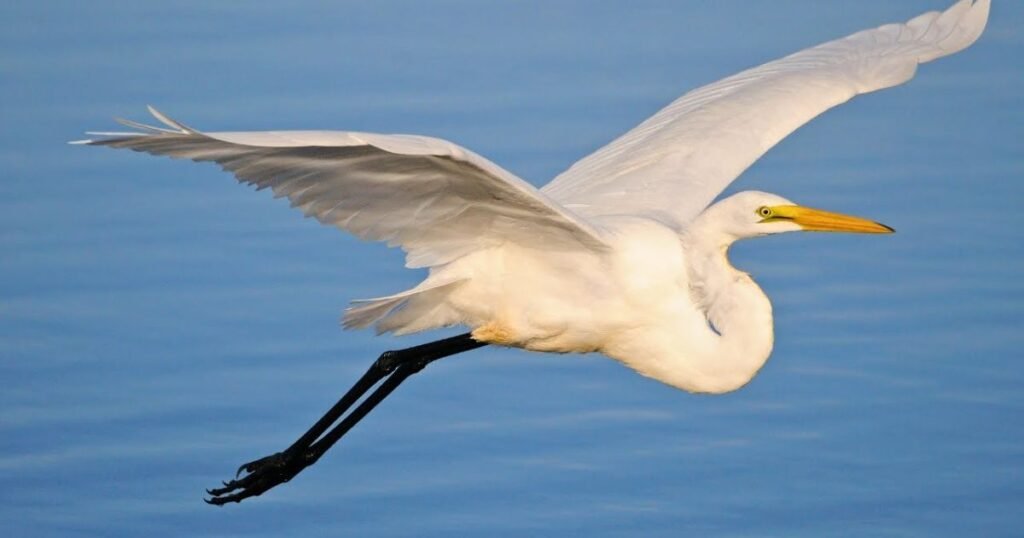
During the breeding season, male Great Egrets showcase their beauty with elaborate feathers, adding a captivating aspect to their courtship rituals. Observing them in their natural habitats highlights their grace and emphasizes the importance of protecting wetlands, which are vital ecosystems for their survival.
The Great Egret serves as a symbol of nature’s delicate balance and reminds us of our responsibility to preserve these environments for future generations.
Sarus Crane
Scientific Name: Antigone antigone
The Sarus Crane, scientifically known as Antigone antigone, are long legged birds that can stand nearly six feet tall. With its long legs, it gracefully navigates wetland habitats, foraging for plants and small creatures in shallow waters.
Watching these cranes move is like witnessing a beautiful dance, as their elegant motions reflect both their physical adaptations and their habitat needs.
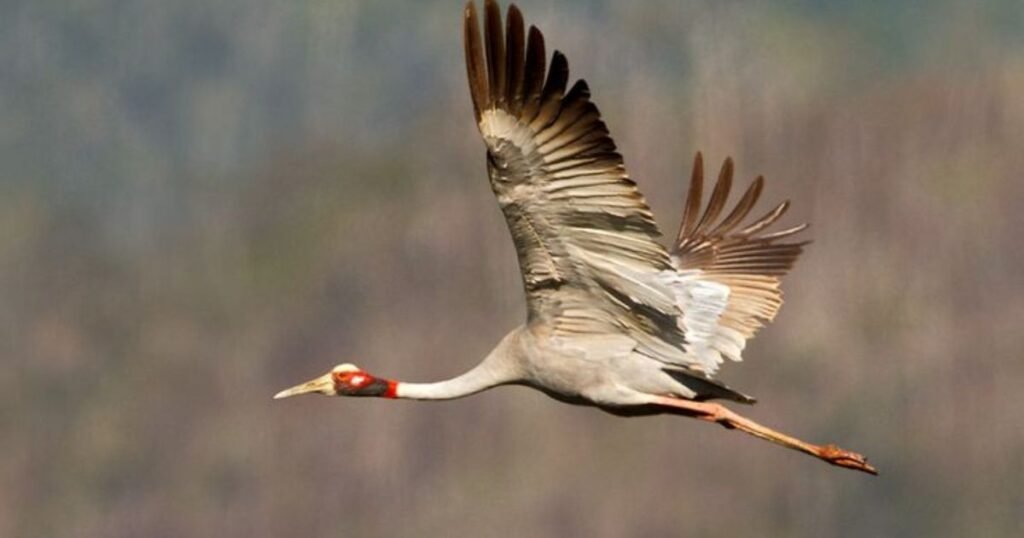
During mating season, their courtship displays are captivating. The cranes engage in intricate dances, showcasing their deep bond and commitment to each other, as they mate for life. This strong family connection is a rarity in the animal world, making the Sarus Crane a symbol of beauty and of unity in nature.
Limpkin
Scientific Name: Aramus guarauna
The Limpkin, scientifically known as Aramus guarauna, are bird with long legs that thrives in marshy wetlands. With its long legs and uniquely curved bill, it’s specially adapted to hunt for apple snails, using its keen sense of hearing to detect the snails retreating into their shells.
This auditory skill sets it apart from other wading birds, showcasing its unique role in the ecosystem.
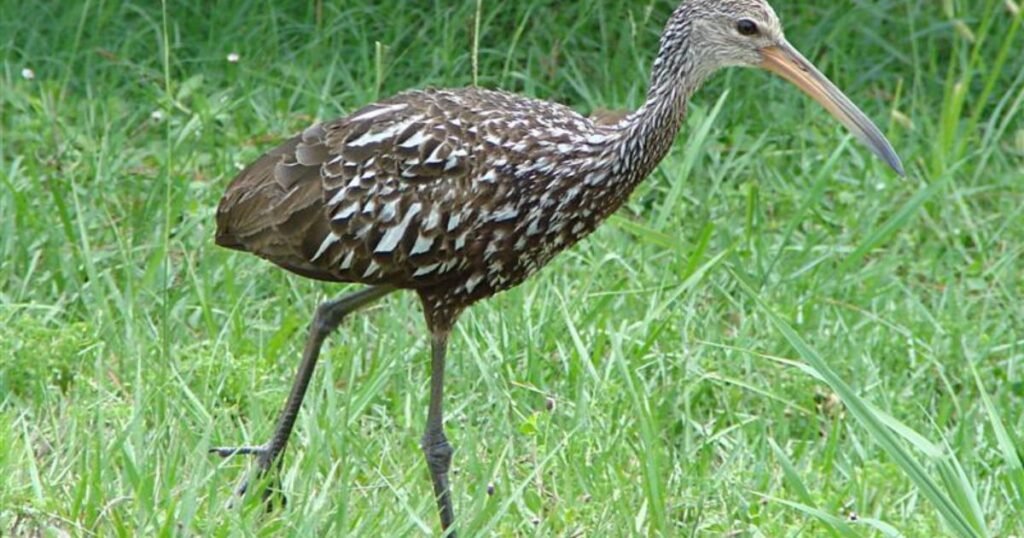
Their haunting, melodic calls create a beautiful soundtrack in their habitat, making it a pleasure to observe them in the wild. They may appear solitary, Limpkins often forage in small groups, revealing their social nature. Watching their graceful movements adds a sense of magic to the wetlands they inhabit.
Scarlet Ibis
Scientific Name: Eudocimus ruber
The Scarlet Ibis, scientifically known as Eudocimus ruber, is a striking bird famous for its vibrant red feathers and long legs, which allow it to thrive in wetlands like mangroves and marshes.
These beautiful birds primarily feast on crustaceans and small fish, providing a fascinating glimpse into how diet influences their brilliant coloration through carotenoids.
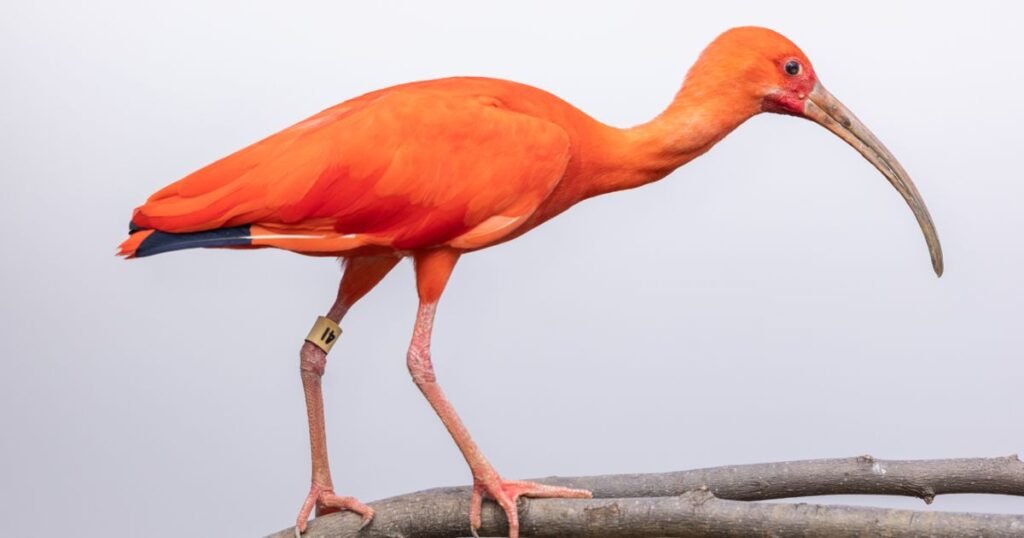
Scarlet Ibises are visually captivating, and they also serve as important indicators of environmental health, particularly as wetland habitats face threats from climate change and human activities.
Spotting these birds reminds us of the intricate balance in ecosystems and highlights the need to protect their habitats for the well-being of all wildlife.
Secretary Bird
Scientific Name: Sagittarius serpentarius
The Secretary Bird, scientifically known as Sagittarius serpentarius, is a unique bird long legs native to Africa’s savannas. With its long legs and impressive wingspan of up to 7.5 feet, it plays a vital role in the ecosystem by controlling populations of snakes and rodents through a distinctive hunting method called “stomping.”
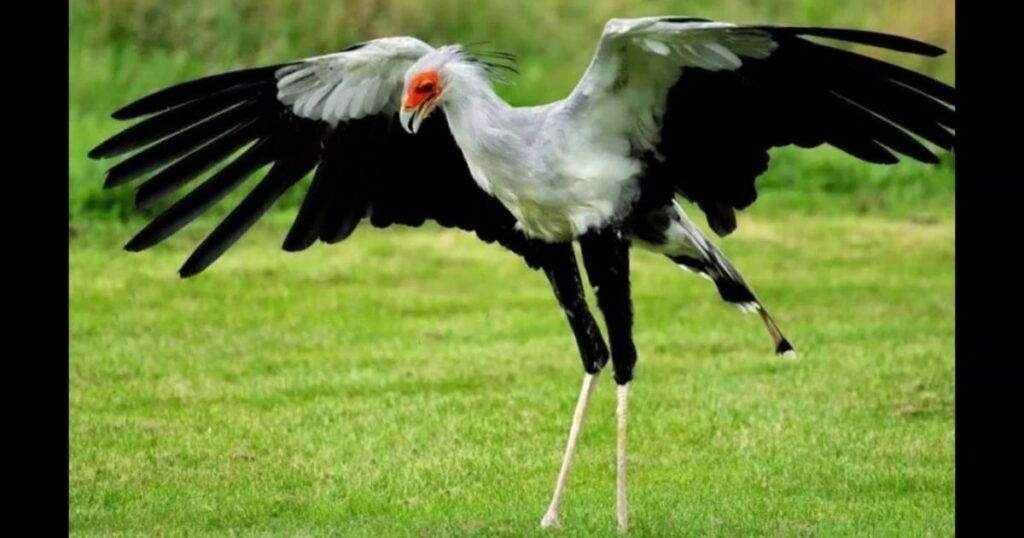
During mating season, Secretary Birds put on a captivating display, engaging in elaborate dances that include bowing and high-stepping. These performances attract mates and strengthen the bond between partners, showcasing the bird’s beauty and behavioral richness beyond mere appearance.
Purple Gallinule
Scientific Name: Porphyrio martinica
The Purple Gallinule, scientifically known as Porphyrio martinica, is a visually stunning waterbird found in marshy areas. Its vibrant blue and green feathers, along with a bright yellow bill and red frontal shield, make it truly captivating.
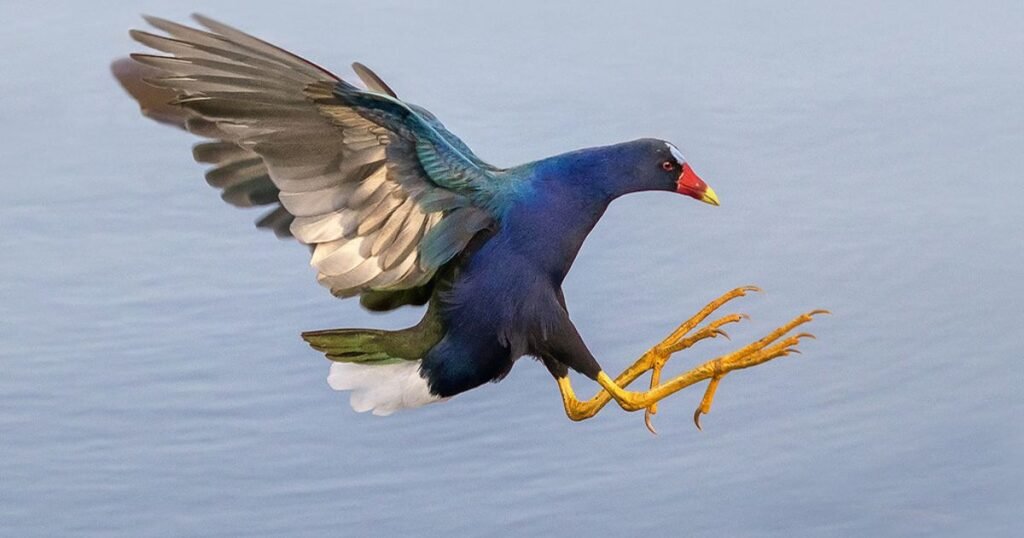
It has ability to adapt to its environment. It cleverly uses its feet to grasp lily pads, allowing it to access food that isn’t available to many other birds. This unique behavior showcases its ingenuity and highlights its evolutionary advantage in wetland habitats.
Read More: Top 15 Most Quiet Animals (With Images)
Green Heron
Scientific Name: Butorides virescens
The Green Heron (Butorides virescens) are long legged bird known for its striking appearance and long legs, which are crucial for its lifestyle in wetland habitats. These long limbs allow it to wade through shallow waters with ease, often standing still for prolonged periods as it patiently hunts for fish and other prey.
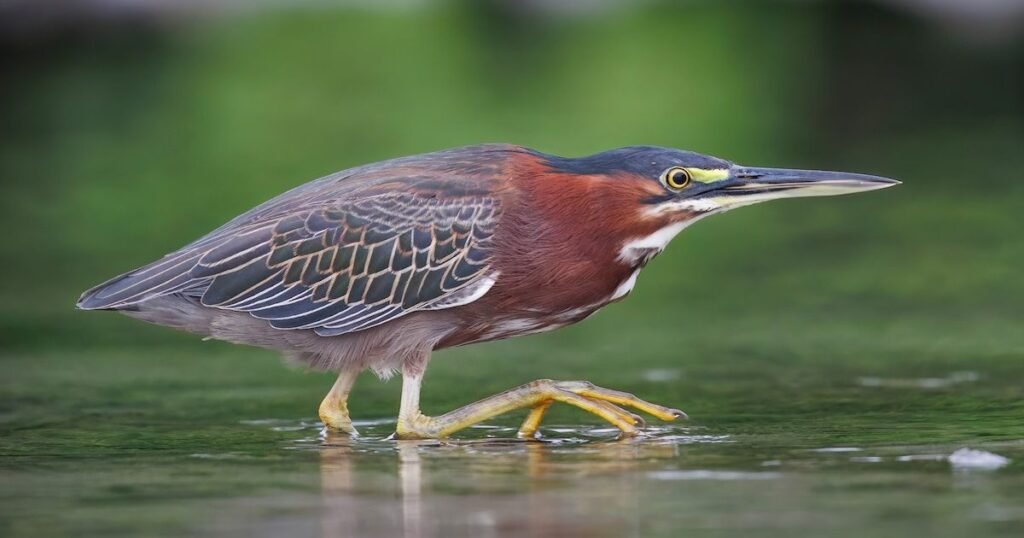
The intriguing aspects of the Green Heron is its use of unique hunting techniques, such as dropping bait items like bread or insects to attract fish. This clever behavior showcases its intelligence and highlights its adaptability in ever-changing environments. With their combination of grace and strategy, Green Herons are truly remarkable birds.
Jabiru
Scientific Name: Jabiru mycteria
The Jabiru (Jabiru mycteria) is a stunning stork-like bird, a birds with long legs and beaks known for its impressive wingspan exceeding 10 feet. With long, slender legs, it expertly wades through shallow waters, hunting for fish, amphibians, and crustaceans. The striking contrast of its black neck against a white body, along with a unique red or pink pouch under its beak, adds to its charm.
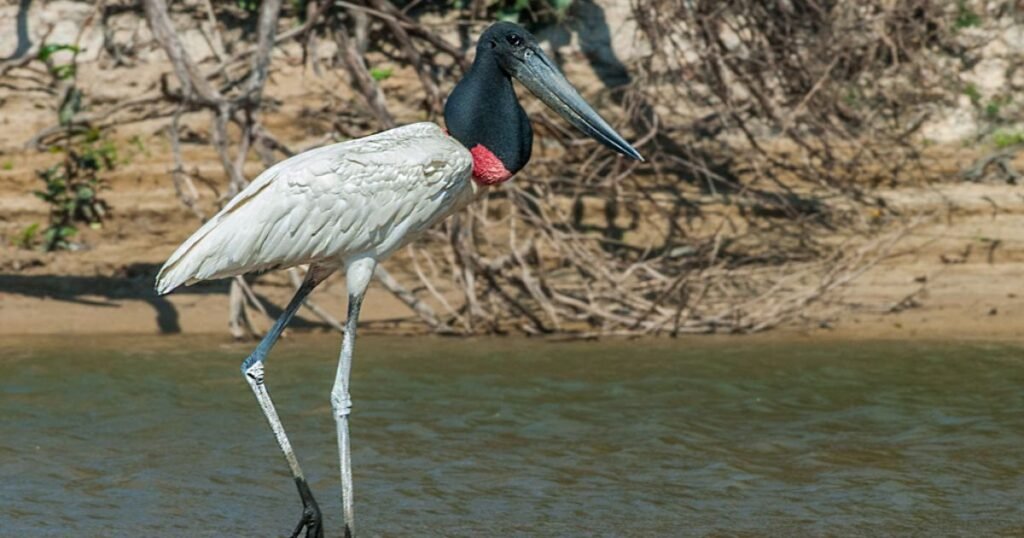
In addition to their striking appearance, Jabirus engage in captivating courtship rituals that include elegant dances and intricate calls.
These behaviors showcase their beauty and highlight the complex social dynamics within their nesting colonies. Found in various wetland environments, Jabirus are important indicators of ecological health, reminding us of the delicate balance between nature and human influences.
Read More: Top 14 Birds That Eat Fish: Names, Facts & Pictures
Purple Heron
Scientific Name: Ardea purpurea
The Purple Heron, scientifically known as Ardea purpurea, is a stunning wading bird renowned for its striking violet and chestnut colors. Its long legs allow it to navigate shallow waters effortlessly, helping it spot fish and other prey from a distance.
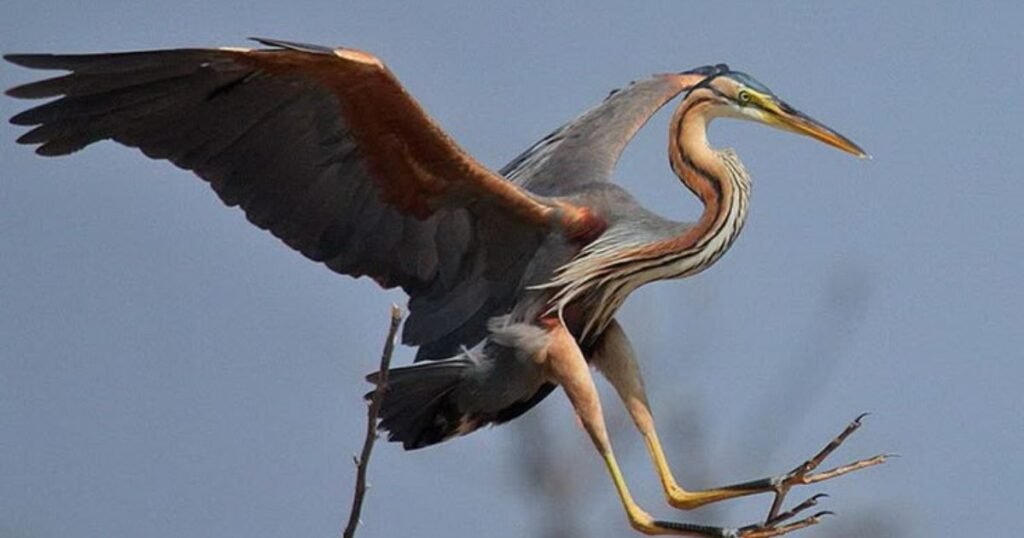
It combines patience with sudden bursts of speed, extending its neck swiftly to catch unsuspecting prey. This blend of calm observation and quick action is truly a marvel of nature, as it skillfully blends into the reeds, providing excellent camouflage against both prey and potential threats.
Shoebill
Scientific Name: Balaeniceps rex
The shoebill, or Balaeniceps rex, is a fascinating bird found in the swamps of East Africa. With its long legs and oversized, shoe-shaped bill, it’s perfectly equipped to hunt for fish and amphibians in murky waters.
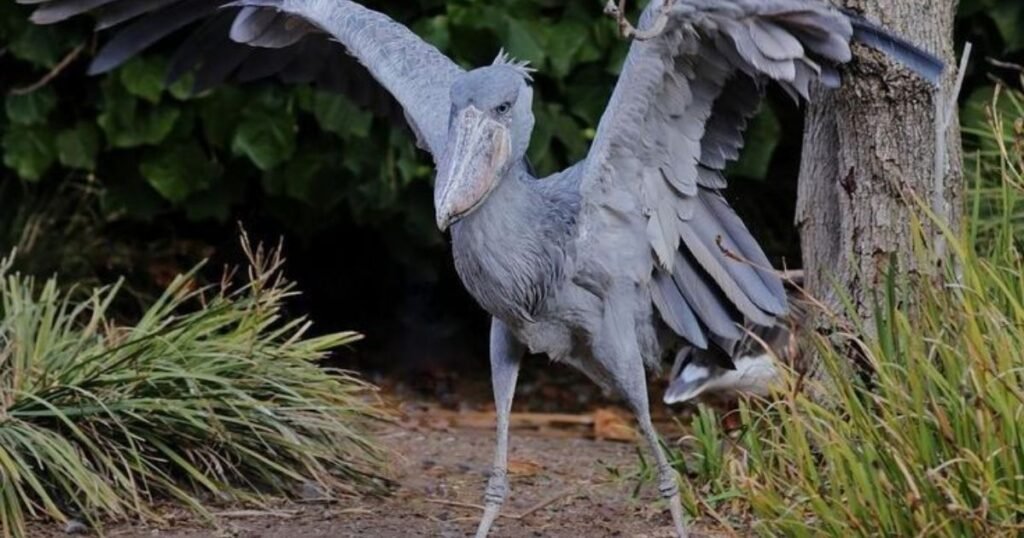
If compared to a living dinosaur, its striking appearance and calm demeanor capture the attention of birdwatchers everywhere. Hunting, the shoebill demonstrates incredible patience, standing still and waiting for the right moment to strike.
The shoebill faces serious threats from habitat loss due to wetland destruction. This decline puts its future at risk, highlighting the urgent need for conservation efforts. Protecting their natural habitats is crucial to ensure that these incredible birds continue to thrive in the wild.
Whooping Crane
Scientific Name: Grus americana
The Whooping Crane, or Grus americana, is an incredible bird known for its tall stature and striking white feathers. Standing up to five feet high, these cranes thrive in wetland habitats where their long legs allow them to wade through shallow waters to find food like frogs and fish. Their courtship dances are beautiful and essential for forming strong pair bonds, highlighting their social nature.
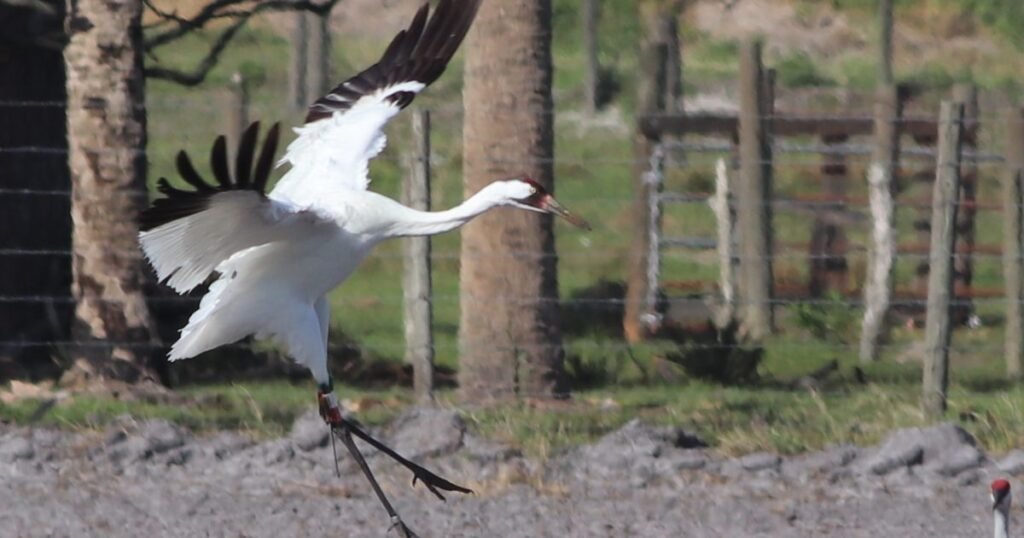
As these majestic birds face threats from habitat loss and climate change, they remind us of the vital need for conservation efforts. Watching Whooping Cranes in the wild is a breathtaking experience that emphasizes the importance of protecting their ecosystems for future generations. By supporting conservation initiatives, we can help ensure that these resilient birds continue to grace our skies.
Read More: Top 18 Animals With 2 Legs: Complete List Pictures
Reddish Egret
Scientific Name: Egretta rufescens
The Reddish Egret (Egretta rufescens) is a stunning bird known for its unique blend of gray and chestnut feathers. Unlike other herons, it stands out not just for its appearance but also for its lively hunting techniques.
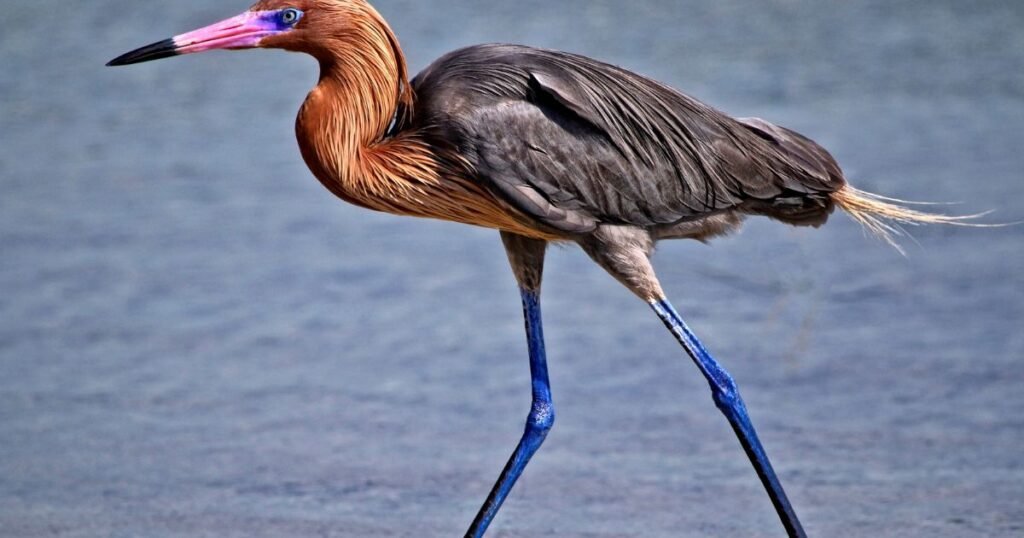
Fishing in shallow waters, this egret performs an enchanting dance, stirring up fish with its long legs, and creating ripples that reflect its vibrant colors. It leaps and flaps about, bringing excitement to its fishing routine. This whimsical strategy highlights both its intelligence and adaptability, making it a remarkable sight in the wild.
Cattle Egret
Scientific Name: Bubulcus ibis
Cattle egrets (Bubulcus ibis) are fascinating birds prominently recognized for their striking white feathers and long legs. They often forage alongside livestock, using their sharp beaks to catch insects disturbed by grazing cattle. This unique relationship highlights the interconnectedness of ecosystems, where different species support each other’s survival.
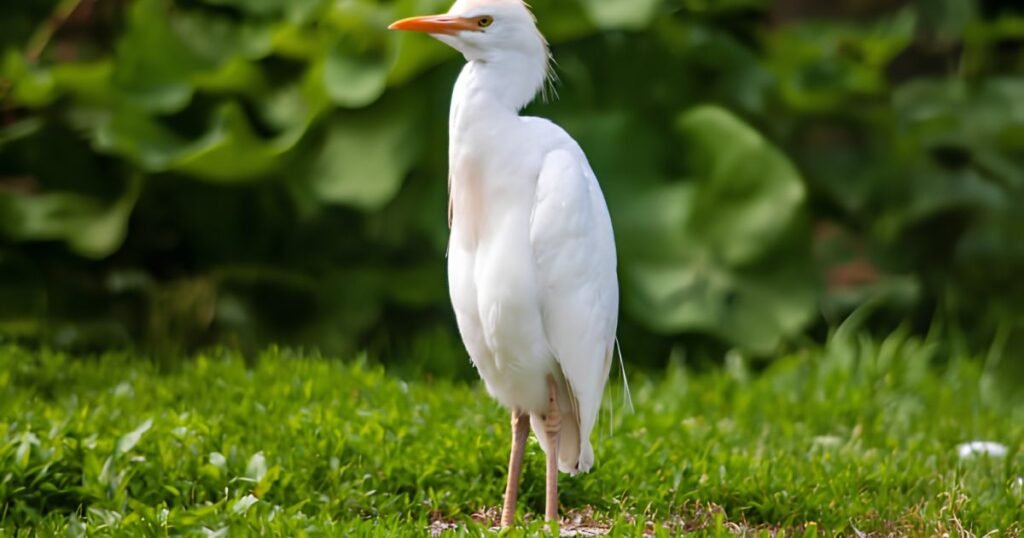
Adaptable and resilient, these egrets thrive in various habitats, from wetlands to coastal areas. During breeding season, males flaunt vibrant plumage to attract mates, showcasing the blend of beauty and purpose in nature. Their ability to adapt and cooperate with other species makes them a remarkable example of avian elegance and ecological balance.
Flamingos
Scientific Name: Phoenicopteridae
Flamingos, known scientifically as Phoenicopteridae, are truly captivating birds famous for their pink feathers and long legs. These long limbs help them wade through shallow waters, allowing them to filter-feed on tiny crustaceans and algae. This adaptation is critical for their survival, turning their lengthy legs into essential tools rather than just an eye-catching feature.
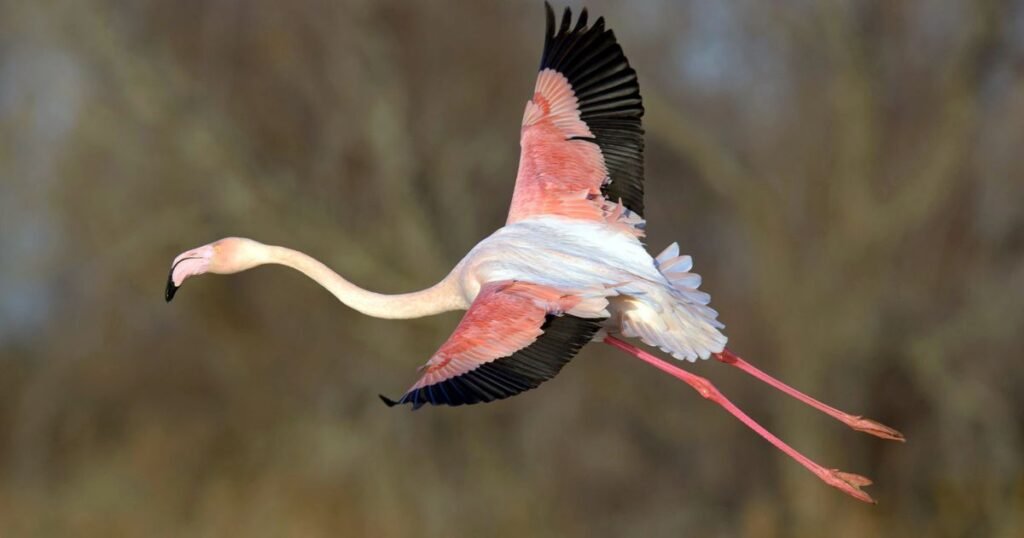
They are gray when they’re young, and their striking pink hue develops as they consume certain pigments from their food. This vibrant color helps attract mates and establishes social ranking within their flocks. Their stunning appearance is a testament to their resilience and adaptability in their wetland habitats.
Read More: Top 12 Animals That Look Like Capybara (With Pictures)
Great Blue Heron
Scientific Name: Ardea herodias
The Great Blue Heron, known scientifically as Ardea herodias, is a striking bird known for its tall stature and long legs, which help it maneuver gracefully in shallow waters. Standing nearly four feet tall, this elegant bird excels at spotting fish and other prey, making it a skilled forager in various ecosystems.
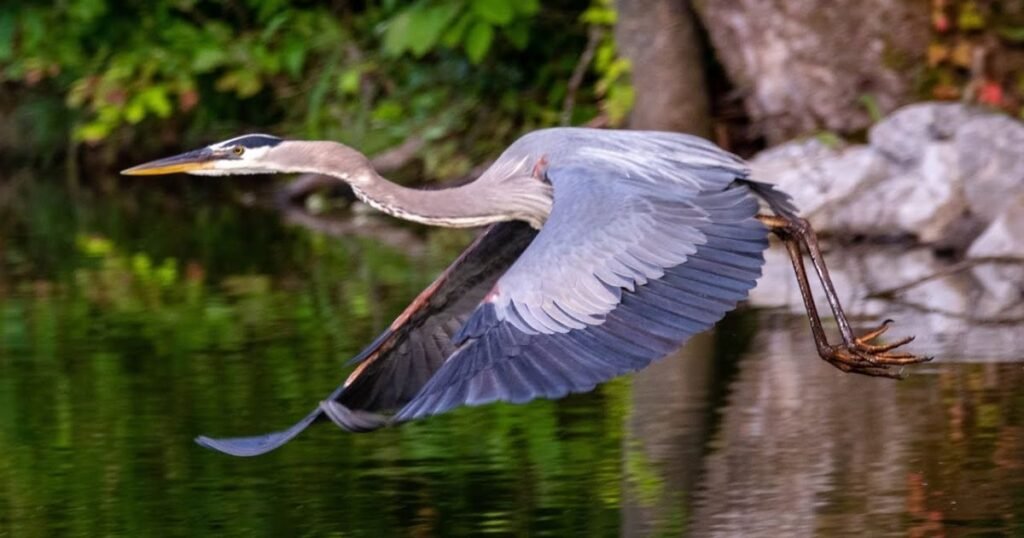
They can thrive in diverse environments, from coastal marshes to urban ponds, demonstrating resilience in changing habitats. Their patient and precise hunting style showcases their skill and reflects a deep connection to their surroundings, making each movement appear almost like a beautiful dance.
Ostrich
Scientific Name: Struthio camelus
The ostrich, known scientifically as Struthio camelus, is the largest bird in the world and is distinguished by its impressive legs. These long, powerful limbs enable the ostrich to run at speeds of up to 45 miles per hour, which is vital for escaping predators in the African savannahs where they live.
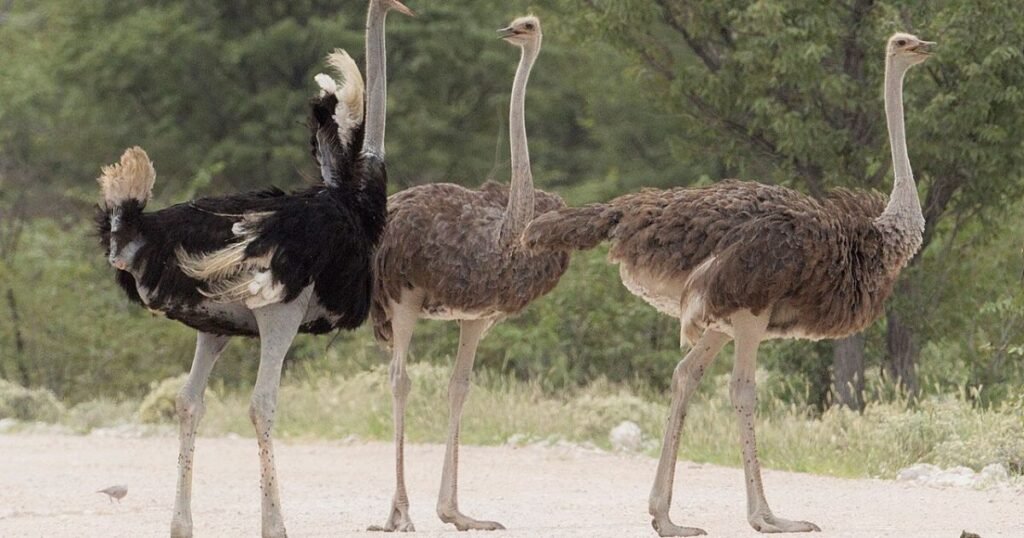
Unlike other birds that can fly, ostriches have adapted to prioritize running, which helps them cover large distances in search of food and water. Ostriches use their strong legs for social interactions, particularly during courtship displays.
Their agility and strength help them evade threats and play a significant role in their mating rituals. Observing ostriches provides insight into how evolution shapes not just their physical traits, but also their behavior and survival skills in challenging environments.
Black-winged Stilt
Scientific Name: Himantopus himantopus
The black-winged stilt, known scientifically as *Himantopus himantopus*, is a stunning wading bird easily recognized by its glossy black wings and bright white body. These birds thrive in shallow wetlands, using their long, slender legs to wade into deeper waters and hunt for a variety of aquatic invertebrates. Their unique foraging technique allows them to access food sources that many other waders can’t reach.
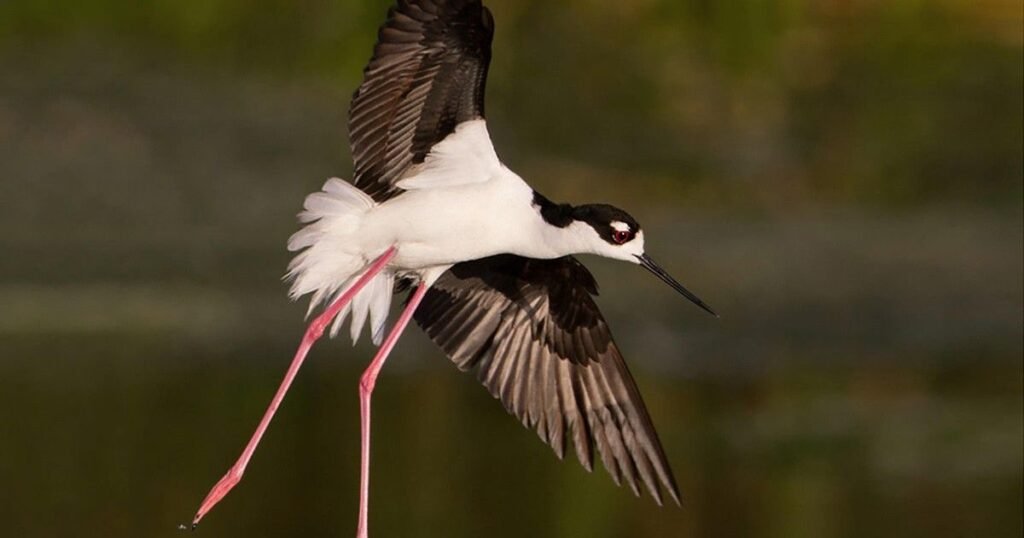
They nest in colonies and engage in synchronized displays, creating a beautiful dance that helps strengthen their pair bonds and offers extra protection against predators. This social behavior adds to their charm, making these birds a delightful sight along water’s edges.
Read More: Explore Top 10 Most Humble Animals In The World (With Images)
White-faced Ibis
Scientific Name: Plegadis chihi
The White-faced Ibis (Plegadis chihi) is a stunning bird known for its long legs and iridescent feathers. It thrives in shallow wetlands, where it skillfully forages for food like insects and plants with a unique pecking method that allows it to navigate murky waters.
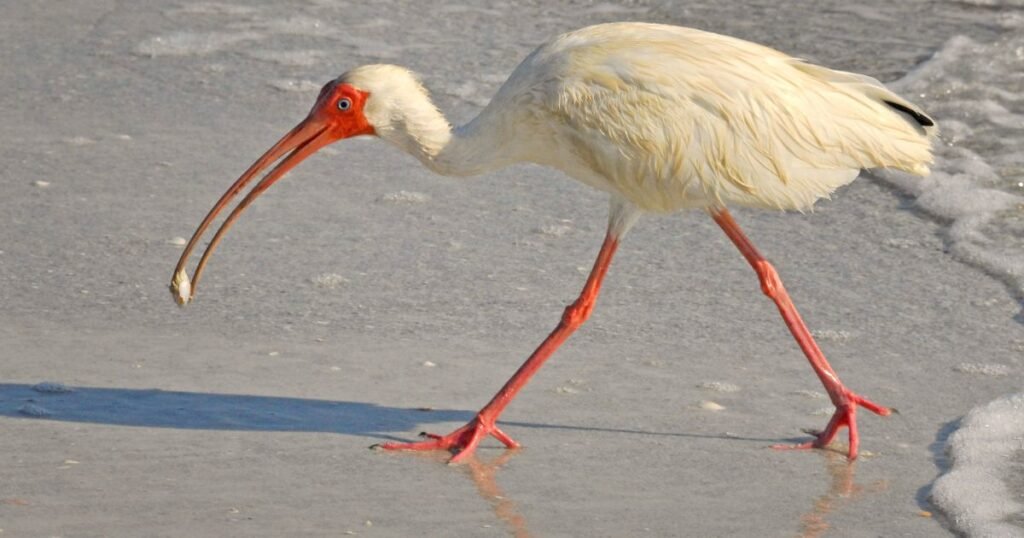
These ibises are also social creatures, often found in lively flocks that create a chorus of calls and interactions. Their synchronized movements and complex courtship dances showcase a
fascinating social structure, highlighting the interplay of beauty and community in nature. Observing them is not just a feast for the eyes but also a reminder of the intricate bonds among wildlife.
Tricolored Heron
Scientific Name: Egretta tricolor
The Tricolored Heron, or Egretta tricolor, is a stunning bird known for its tall stature and elegant movement. Commonly found in wetlands across the southeastern United States, it expertly stalks through shallow waters in search of fish and crustaceans with its long, slender legs. This heron’s unique feeding technique involves a rhythmic foot movement that stirs up sediment, revealing hidden prey.
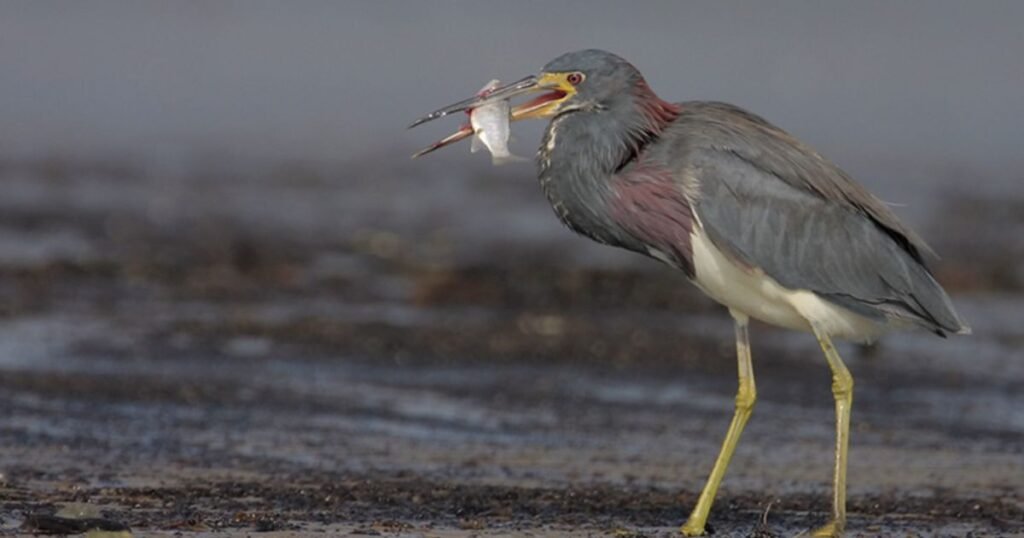
By blending in with its surroundings, it becomes a stealthy predator that highlights the delicate balance of nature. Watching these herons in action offers a glimpse into the intricate relationships between species and their environments.
Sandhill Crane
Scientific Name: Antigone canadensis
Sandhill cranes, known scientifically as Antigone canadensis, are remarkable birds that exemplify nature’s design. Standing up to four feet tall, their long legs are perfect for maneuvering through wetlands and grasslands, aiding in both foraging and flight. This versatility allows them to adapt well to various environments while staying alert to predators.
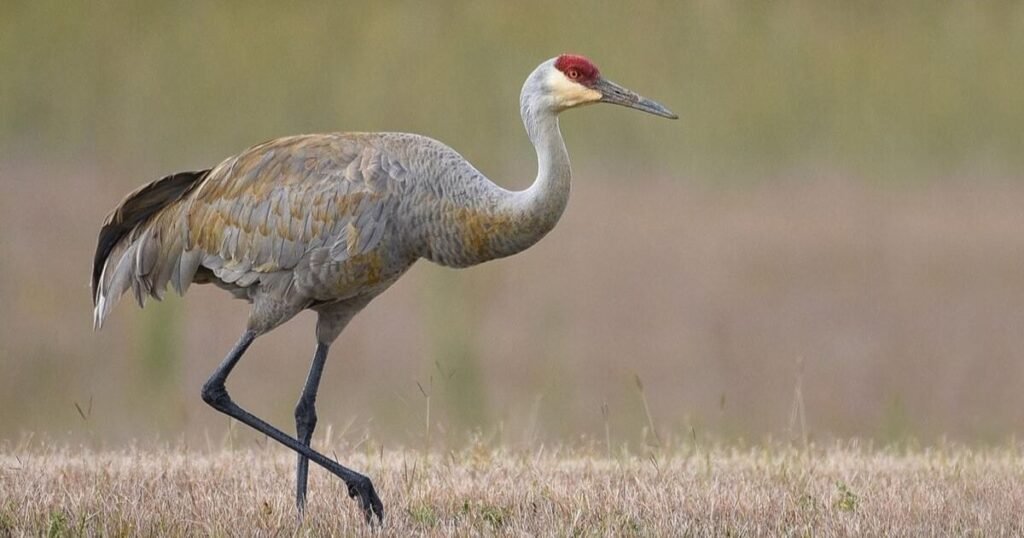
During migration, these cranes display captivating social behaviors, flying in large groups and communicating with their distinct trumpeting calls. This strengthens their bonds and helps them navigate over long distances. Watching their synchronized movements in the sky is a beautiful reminder of the intricate connections within nature.
Snowy Egret
Scientific Name: Egretta thula
The Snowy Egret, or Egretta thula, is a stunning bird commonly found in wetlands. With its sleek, all-white feathers and long, slender legs, it embodies elegance as it moves through shallow waters. These striking birds are skilled hunters, often searching for fish and crustaceans.
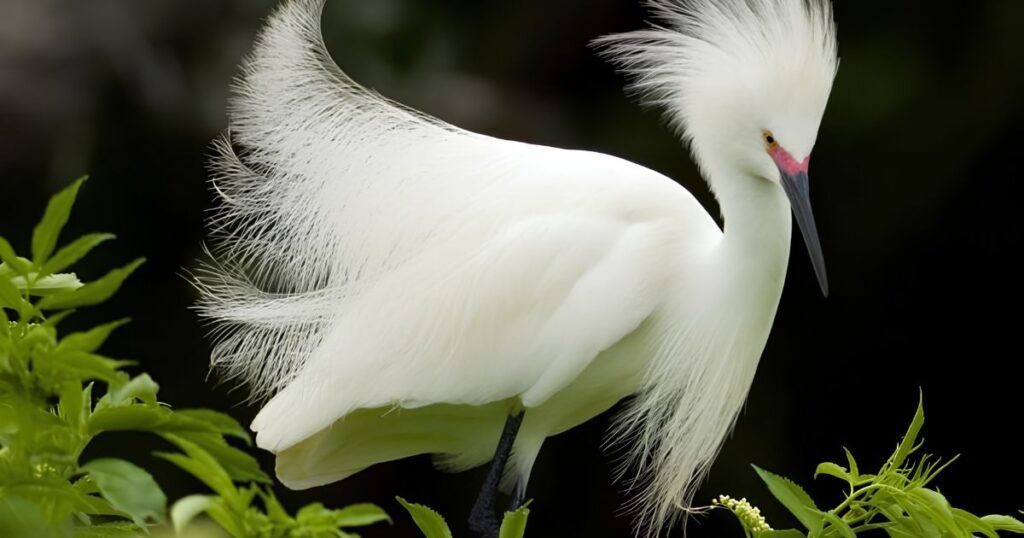
One of their most fascinating hunting techniques is the “foot-stirring” method. By tapping their feet in the water, they create movement that attracts fish, making them easier to catch. This unique approach showcases their remarkable adaptability and intelligence in the wild, allowing them to thrive in their marshy habitats.
Roseate Spoonbill
Scientific Name: Platalea ajaja
The Roseate Spoonbill, or Platalea ajaja, is a stunning bird known for its vibrant pink feathers and long legs, which allow it to gracefully wade through wetlands. These birds thrive in shallow coastal areas and marshes, using their legs to access food hidden in the mud, such as crustaceans and small fish.
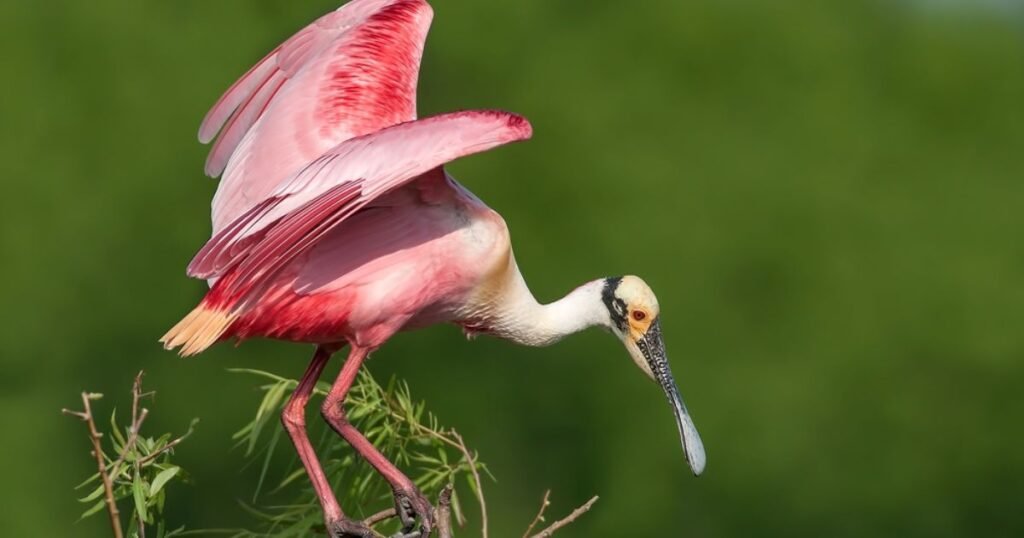
Their unique spoon-shaped bill is key to their feeding technique. As they sweep it side to side in the water, they appear to dance, perfectly adapting to their environment. This behavior showcases their hunting skills and highlights the fragile balance of their ecosystem, making them a fascinating species to observe.
Gray Heron
Scientific Name: Ardea cinerea
The Gray Heron, or Ardea cinerea, is a remarkable bird known for its long legs and beak, which make it an expert hunter in wetland environments. These elegant creatures glide effortlessly over rivers and marshes, using their stealth to catch fish, frogs, and crustaceans.
The most fascinating aspects of Gray Herons is their adaptability; they thrive in various habitats, from serene natural settings to bustling urban parks.
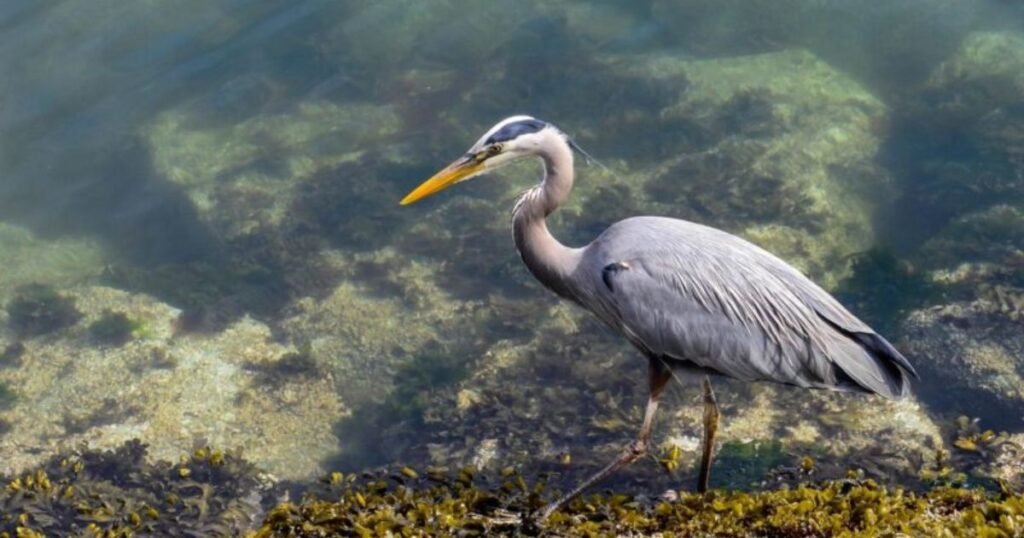
This ability to coexist with humans highlights an important relationship between nature and urban development. You might spot a Gray Heron foraging near fishing docks or quietly standing at the water’s edge, reminding us of the resilience of wildlife even in human-dominated spaces. Their presence enriches our environment, showcasing the beauty and interconnection between our world and the natural one.
Wood Stork
Scientific Name: Mycteria americana
The wood stork, scientifically known as Mycteria americana, is a fascinating wading bird primarily found in the wetlands of the southeastern U.S. and Central America. With its striking black-and-white plumage and long legs, it skillfully navigates shallow waters, hunting for fish and amphibians while remaining nearly invisible to its prey.
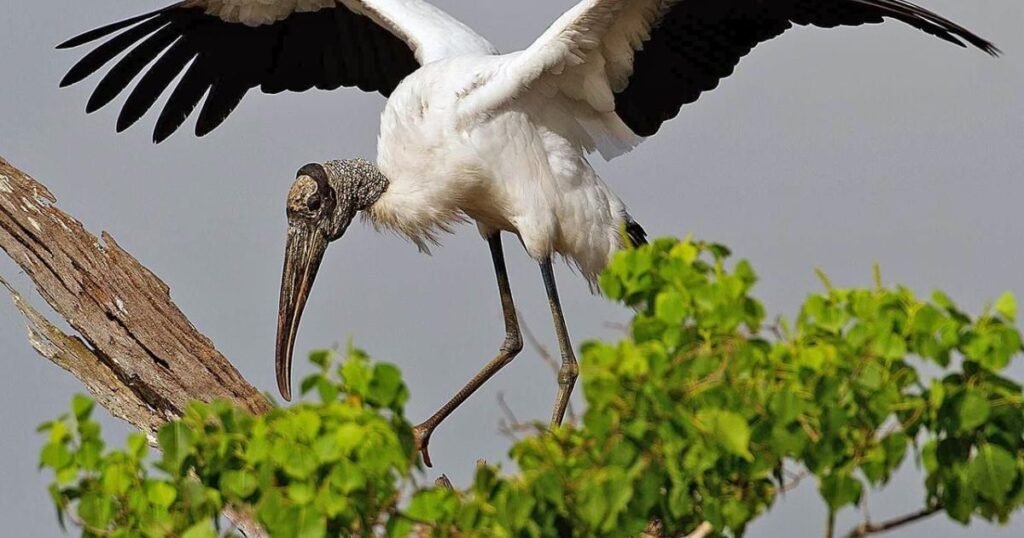
These birds are crucial to their ecosystems, serving as indicators of environmental health. Their social nesting behavior shows how important community is for their reproductive success.
They face threats from climate change and habitat loss, making conservation efforts vital for them,and for the entire ecosystem they support. By protecting their habitats, we help ensure a balance in the rich biodiversity that surrounds us.
Emu
Scientific Name: Dromaius novaehollandiae
Emus, native to Australia, are impressive flightless birds known for their long legs, which can measure over three feet. These legs allow emus to run at speeds of up to 30 miles per hour, helping them navigate the rugged Australian terrain with ease. Beyond speed, their powerful legs serve as a defense mechanism against predators, delivering strong kicks when threatened.
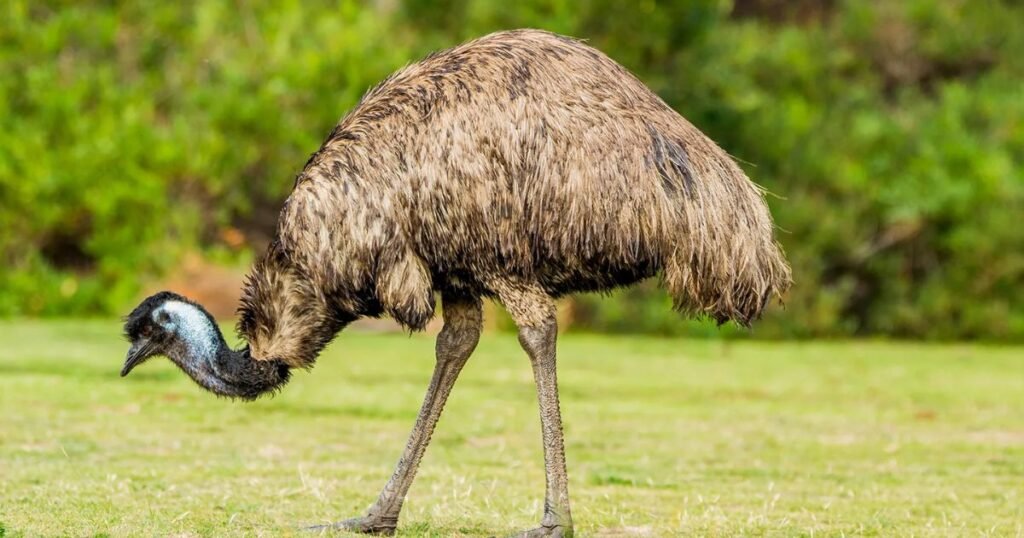
Emus also benefit socially from their height, as it enables them to see over longer distances while roaming in groups. This helps maintain communication and cohesion among their flock, showing how their physical adaptations enhance both survival and social interaction.
Final Thought
In exploring the fascinating world of birds with long legs, we’ve uncovered a diverse range of species that showcase unique adaptations for survival. Whether they are wading through shallow waters or traversing muddy marshes, these incredible birds have developed specialized limbs that set them apart from their avian counterparts.
From the elegant heron to the striking stilt, each bird brings its own charm and beauty to our ecosystems. Observing these long-legged creatures can be a rewarding experience for birdwatchers and nature enthusiasts alike. So, grab your binoculars and head out to discover the enchanting world of birds with long legs in your local area.
FAQ’s
What Kind of Birds Have Long Legs?
Birds with long legs include herons,egrets, and storks. These adaptations help them wade through water and catch fish or small animals more easily.
Where Do Robins Sleep At Night in The Winter?
In the winter, robins sleep in large groups, often tucked away in dense evergreen trees, thick shrubs, or even swamps. These cozy spots provide them protection from the cold and potential predators during the night.
Which is The Longest Legs Bird?
The ostrich holds the title for the longest legs of any living bird, reaching up to 9 feet in height. However, the black-winged stilt has the longest legs in proportion to its body size, making it a fascinating species in the bird world.