Do Wolves Purr? Surprising Wolf Facts You Need To Know
Wolves are often seen as fierce hunters, but many don’t realize their communication skills extend far beyond howls and growls. When exploring the fascinating world of wolves, one question that piques curiosity is, Do Wolves Purr?
Understanding this behavior reveals the complexity of their social interactions and helps break down the myths surrounding these majestic creatures. In this article, we’ll dive into the nuances of wolf sounds, examining what they really mean and why it matters in the animal kingdom.
What Kind of Sounds Do Wolves Make?
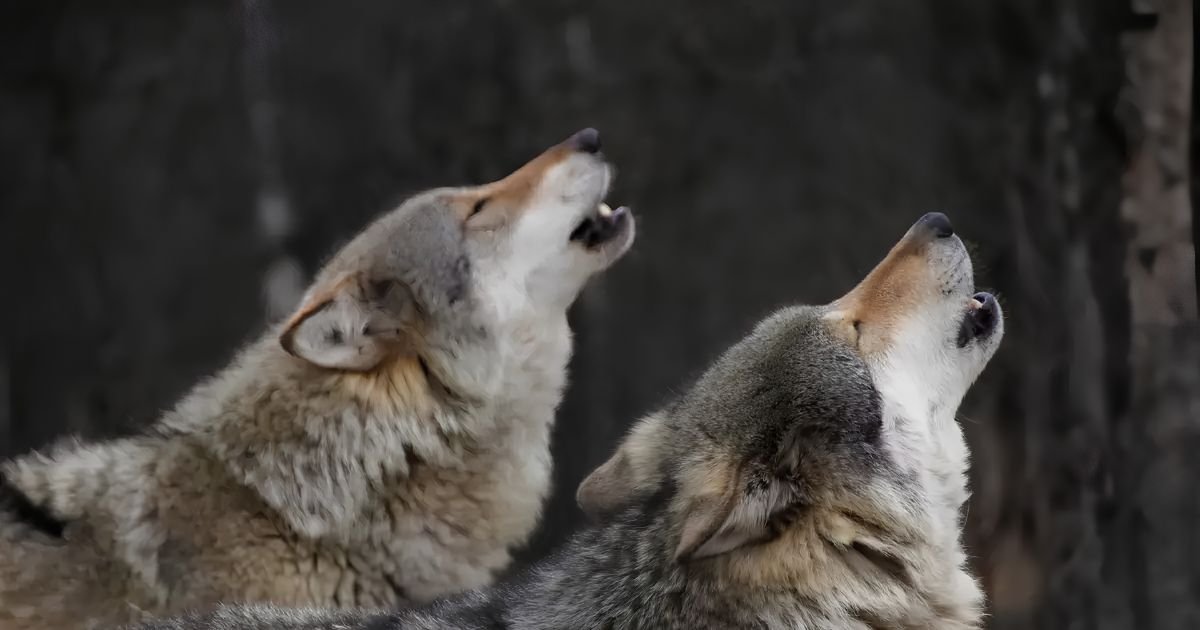
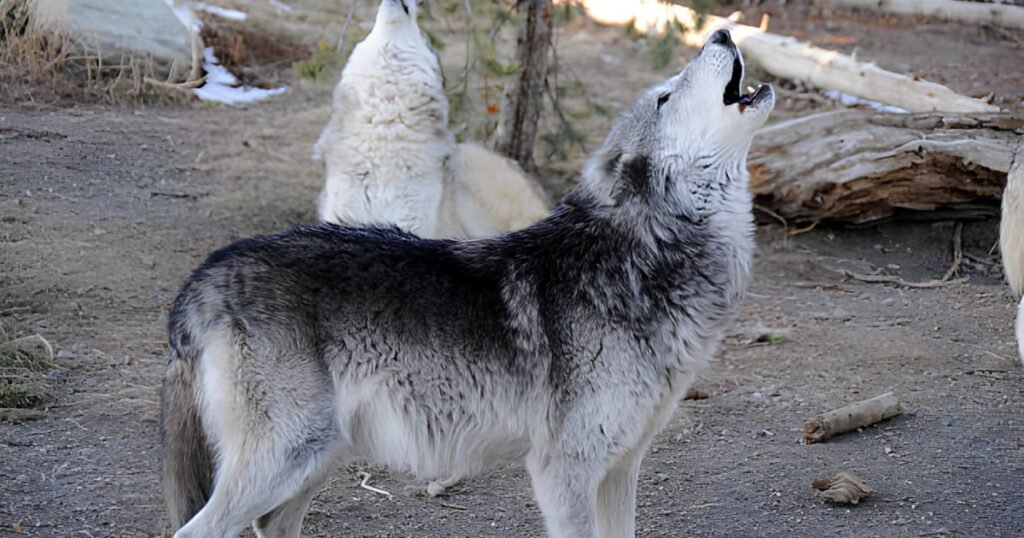
Wolves communicate using a variety of sounds, not just howls. Howling is the most recognizable, it serves important purposes like marking territory and helping pack members stay connected over long distances. Each howl carries a unique tone, allowing wolves to express their location and status within the pack.
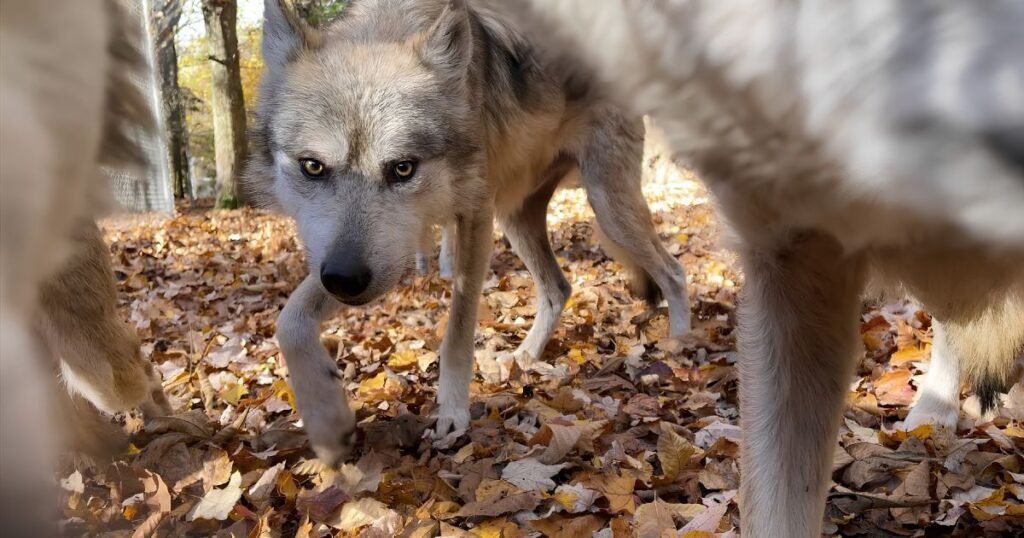
You’ll hear growls, whines, and barks. Growls might indicate a warning, while playful yips and barks often come from excited pups. Whining, particularly common in younger wolves, helps convey needs or seeks comfort from their parents.
This diverse range of sounds creates a rich communication system that strengthens pack bonds and aids their survival in the wild.
Whines
These are a key part of wolf communication, often revealing much about their emotions and social interactions. When a pup whines, it’s asking for food and strengthening its bond with its mother. These gentle sounds can express submission or even a need for attention, showcasing the complex dynamics within a pack.
Whines serve as signals of distress or uncertainty. When a wolf is feeling uncomfortable, whining can alert other pack members to come to their aid. This illustrates how empathy and social communication are vital to wolves, helping them navigate challenges together and reinforcing their tight-knit family structure.
Howls
Howls are a key part of wolf communication and serve multiple important functions. These iconic vocalizations can travel great distances, helping wolves navigate their vast territories and stay connected with their pack members. Each howl has unique characteristics, like pitch and duration, which can convey different feelings, whether it’s calling the pack together or expressing loneliness when alone.
Howling plays a crucial role in marking territory. By vocalizing, wolves announce their presence to other packs, effectively warning them to stay away from their hunting grounds. This protects their resources and strengthens social bonds within the pack, reinforcing their hierarchy and unity.
Growls
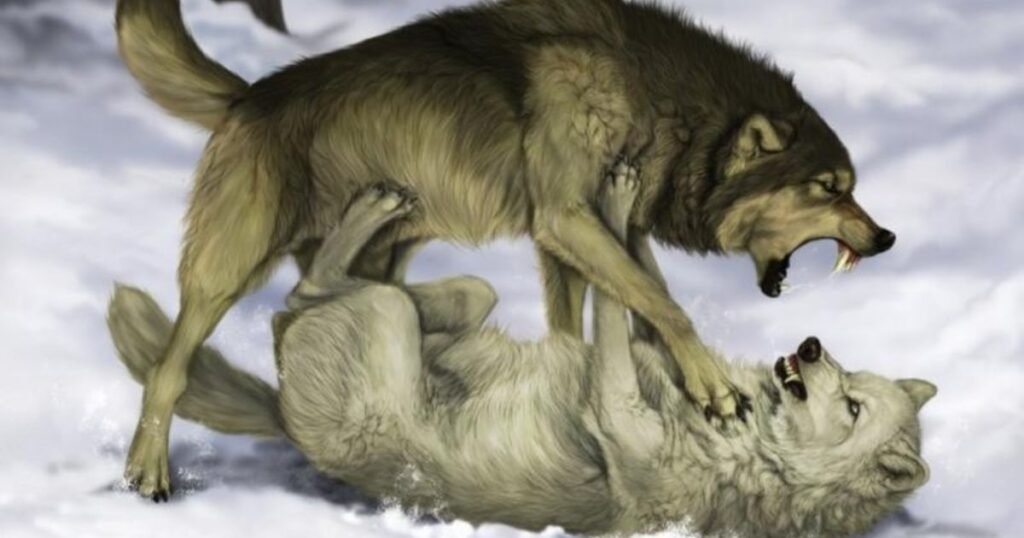
Wolves use growls as a key form of communication, expressing a range of emotions and social cues within their packs. These sounds are not just random; they serve important roles in marking territory and signaling danger. A growl can indicate everything from assertiveness to fear, helping to maintain the pack’s hierarchy and cohesion.
The tone and volume of a growl can change the message entirely. A soft growl may suggest discomfort and encourage a companion to back off, while a powerful, aggressive growl communicates readiness to defend territory. This ability to adapt their growls reflects the emotional intelligence of wolves, allowing them to navigate complex social interactions effectively.
Read More: Top 15 Animals With Big Foreheads (With Images)
Barks
Wolves don’t purr like cats do, but they do have a unique way of expressing themselves that goes beyond just barking. Their vocalizations, including low growls, howls, and yes, even barks, convey a wide range of emotions. A wolf’s bark can signal playfulness among pups or serve as a warning to threats, highlighting their complex social interactions.
This means that even a simple bark can carry significant meaning in their communication. It’s a testament to their emotional intelligence and close-knit family structure. So, They may not purr, wolves certainly have their own rich language that emphasizes both their individuality and their connection to the pack.
How Do Wolves Communicate With Each Other?
Wolves communicate using a variety of methods that go far beyond just howling. Their iconic howls can be haunting, they actually play an important role in bonding and establishing territory. Different pitches and lengths of howls send specific messages, whether calling pack members together or warning rival wolves to stay away.
They rely on body language and facial expressions to convey their feelings. For instance, a lowered head can show submission, while a playful bow indicates an invitation to play. They also use scent marking to communicate information about their presence and social dynamics.
Through these diverse methods, wolves demonstrate their intelligence and strong social connections within the pack.
Why Do Wolves Howl At Night?
Wolves howl at night primarily as a way to communicate with their pack. The darkness enhances their calls, which can carry for miles, making it easier for them to connect with each other across vast distances. Howling helps coordinate hunting, mark territory, and strengthen social bonds among pack members.
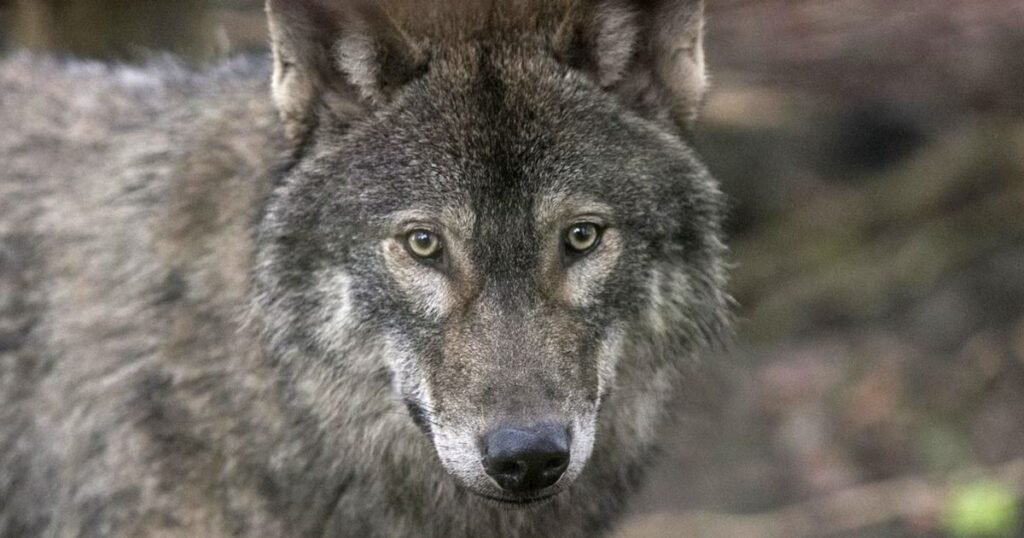
Their vocalizations are more about expressing emotions and rallying the pack. By howling, they can signal their location or invite responses from other packs, emphasizing their adaptability to their environment and the importance of teamwork in their survival.
What Noises Do Wolves Make When Happy?
They express their happiness through various vocalizations, with playful yips and howls being some of the most heartwarming sounds. When they’re excited, especially during social interactions or play, these high-pitched sounds signal joy and strengthen bonds within the pack.
Wolves may produce soft, melodic whines when they’re content, often directed towards other pack members. This gentle sound encourages interaction and shows their delight in being together. These vocalizations reflect their emotional depth and their intelligence in navigating social dynamics within the group.
Read More: Discover Top 20 Animals Similar to Foxes (With Images)
Do Wolves Cuddle?
Yes, wolves do cuddle, but in their own unique way! Within a pack, these animals engage in affectionate behaviors like nuzzling, grooming, and lying close to each other. These actions aren’t just for comfort but play essential roles in reinforcing their social bonds and hierarchy, which are vital for their survival.
When a wolf cuddles with another, it’s a powerful form of communication. It conveys trust and reassurance, helping to strengthen the emotional ties within the pack. Contrary to the fierce image often associated with them, wolves rely on empathy, loyalty, and close relationships to thrive in their environment. So, cuddling is just one of the ways they show love and support for one another!
How Do Wolves Show Affection?
Wolves show affection in several heartwarming ways, primarily through grooming, vocalizations, and playful interactions. The most significant acts is allogrooming, where wolves clean each other’s fur using their tongues. This removes dirt and parasites and strengthens their bonds, highlighting the importance of trust within the pack.
Vocalizations, like soft whines or playful barks, also express affection and reassurance among wolves. These sounds facilitate positive interactions and deepen their connections.
Young wolves often engage in playful nuzzling and mock fights, which reinforce trust and help develop social skills. These affectionate behaviors reflect the strong emotional ties that exist within wolf packs.
Conclusion
Do wolves purr as part of their vocalizations? While they may not produce a purring sound like domestic cats, wolves communicate through a variety of sounds, including growls, whines, and howls. These vocalizations serve essential purposes within their social structures, allowing them to express emotions and coordinate with their packs.
Understanding these communication methods enhances our appreciation for these majestic animals and their complex behaviors. So, take some time to learn more about wolves and the fascinating ways they connect with one another.
FAQ’s
Do Wolves Purr?
Wolves don’t purr like domestic cats because they don’t have the same anatomical structures. Instead, they use howls, growls, and other vocal sounds to communicate with each other
Do Wolves Purr Like Cats?
No, wolves do not purr like cats. Instead, they communicate through howls, growls, and barks to maintain social bonds within their packs.
What Sounds Do Wolves Make?
Wolves primarily communicate through howling, which helps them connect with other pack members over long distances. This vocalization can convey different messages, such as coordinating hunts, signaling their location, or warning others about potential threats.
Why Do Wolves Growl?
Wolves growl primarily as a way to communicate warnings and establish territory. This deep, rumbling sound helps them assert dominance and alert others to potential threats or intruders.