Top 12 Animals That Eat Ants (With Images)
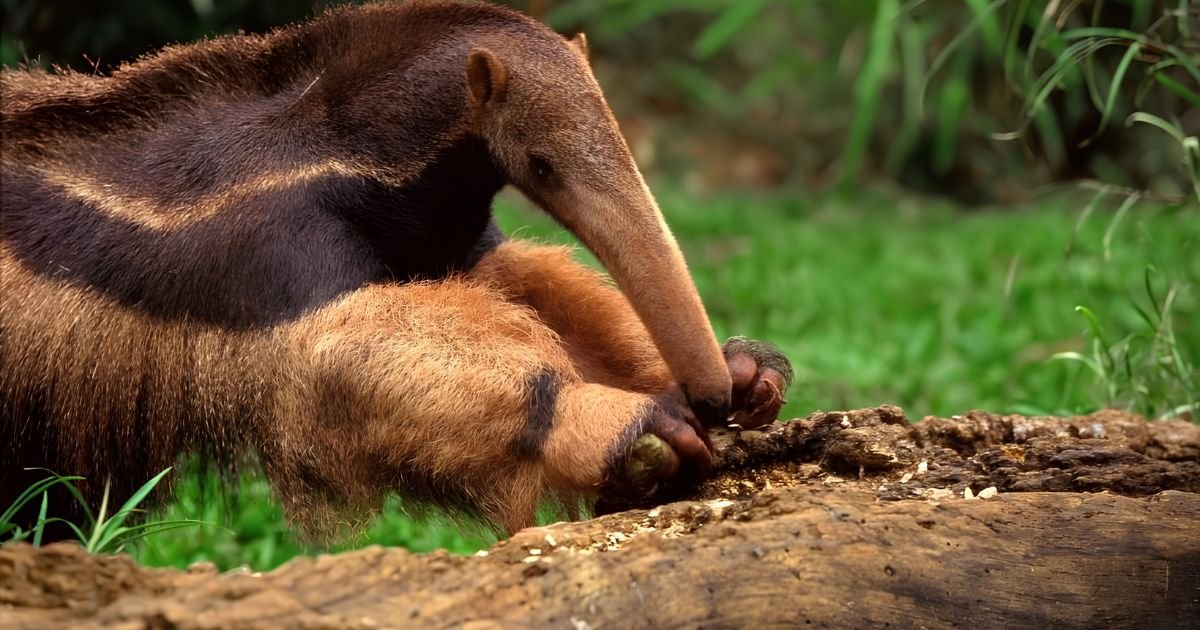
Did you know that some of the world’s most fascinating predators have made ants a staple in their diets? Animals That Eat Ants, we’ll delve into the top 12 remarkable creatures that thrive on this tiny, insect.
These relationships in nature highlights the importance of ants in the ecosystem and showcases the diverse feeding habits of different species. Get ready to discover stunning images and intriguing facts that will change how you view these everyday animals!
List of Animals That Eat Ants
Below is the list of animals that eat ants:
- Giant Anteater
- Jumping Spider
- House Gecko
- Antlions
- Aardvark
- Wrens
- Horned Lizards
- Pangolins
- Orangutan
- Echidnas
- Fire Ants
- Numbats
Giant Anteater
Scientific name: Myrmecophaga tridactyla
Class: Mammalia
The Giant Anteater is not just another ant-eating animal; it’s a marvel of adaptation. With its elongated snout and specialized tongue, it can flick in and out at an astonishing rate of up to 160 times per minute, capturing ants and termites with precision.
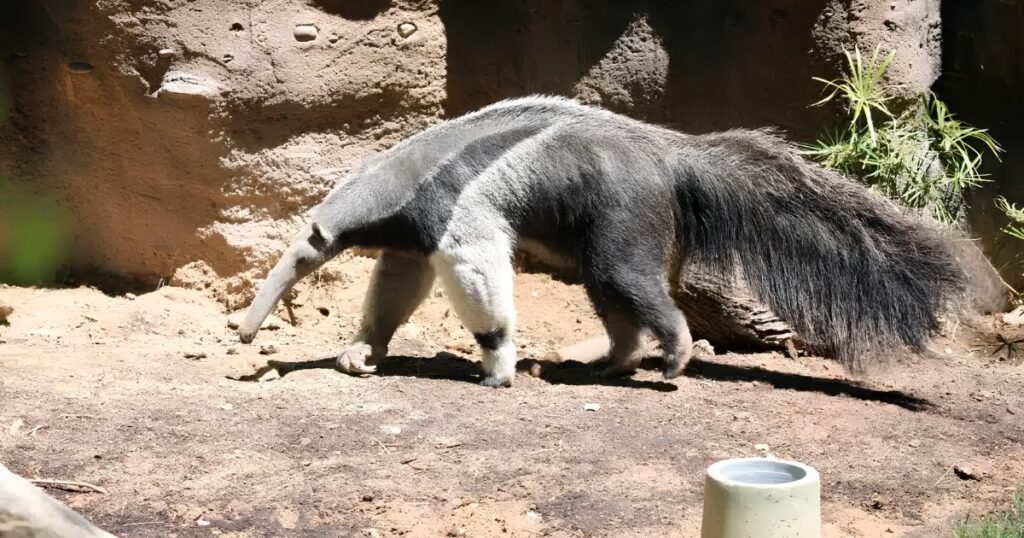
This unique feeding mechanism highlights an evolutionary ingenuity that has allowed the Giant Anteater to thrive in diverse habitats, from the savannas of South America to the lush forests.
It’s fascinating to consider the ecological role of this remarkable creature. As a primary consumer of ants, it helps maintain population balance in insect communities, acting as a natural regulator.
Jumping Spider
Scientific name: Salticidae
Class: Arachnida
The jumping spider, a marvel of nature’s engineering, showcases agility and a keen hunting strategy that sets it apart from its arachnid cousins. With their sharp vision and acrobatic prowess, these spiders can leap up to 50 times their body length, transforming them into miniature predators of the insect world.
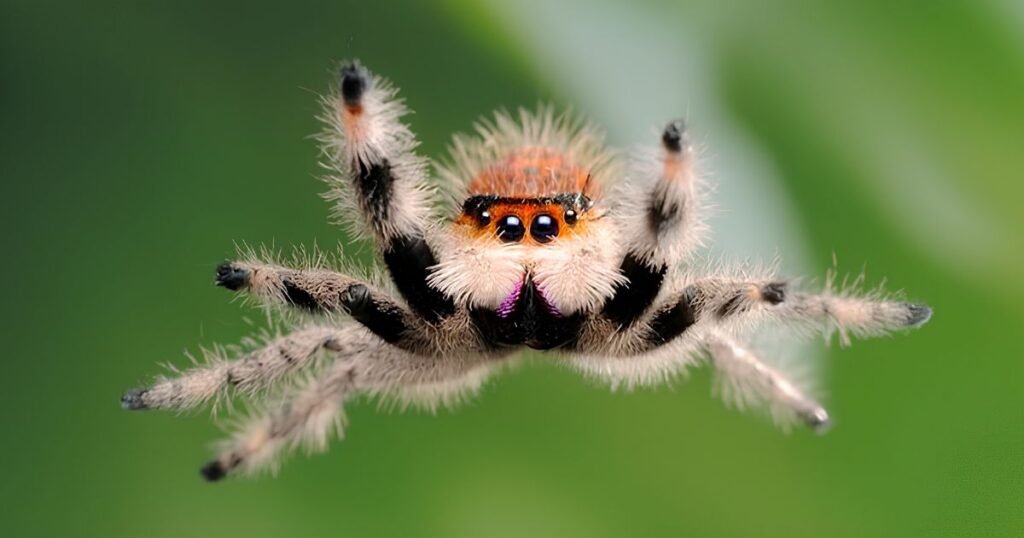
Many other spiders that rely on webs to capture prey, jumping spiders actively stalk and pounce, embodying a blend of elegance and efficiency. Aside from the usual suspects like birds and lizards, what animals eat ants is a broader ecological inquiry that highlights the interconnected web of life.
READ ALSO: 15 Animals That Look Like Muskrats (With Pictures & Facts)
House Gecko
Scientific name: Hemidactylus frenatus
Class: Reptilia
The House Gecko, a small but fascinating creature, plays a surprising role in controlling pest populations, particularly ants. These agile lizards are not just cute residents of our homes; they serve as nature’s unsung heroes.
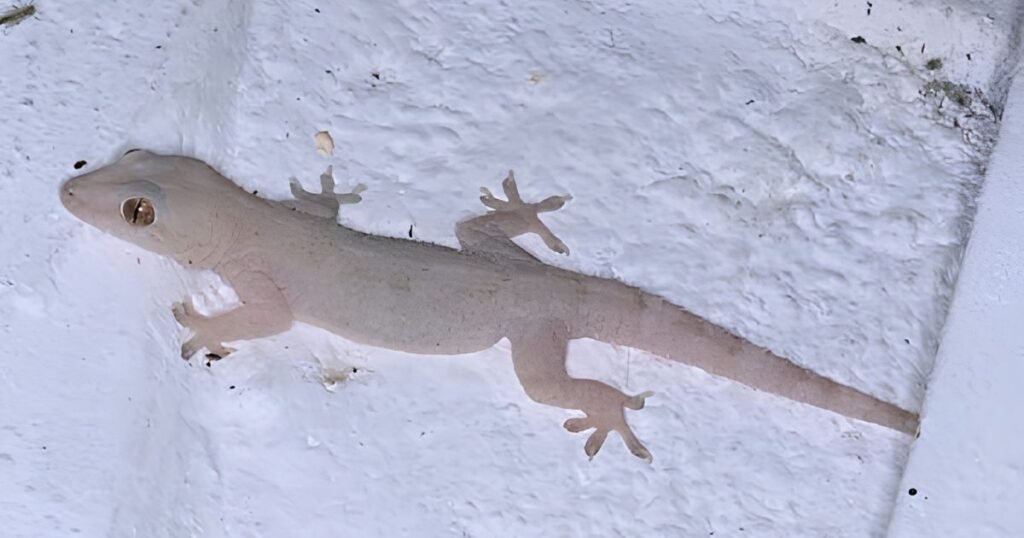
As they dart across walls and ceilings, they feast on a variety of insects, with ants being a standout in their diet. If you’ve ever wondered what eats ants, look no further than these sleek, stealthy predators. Beyond their pest-hunting prowess, House Geckos offer intriguing insights into urban ecology. They thrive in human habitats, showcasing adaptability often lacking in other wildlife.
Antlions
Scientific name: Myrmeleontidae
Class: Insecta
Antlions might seem innocuous at first glance, but they’re cunning predators in the world of insects. Often found in sandy or loose soil, these fascinating creatures create intricate traps to ensnare their prey. Their larval stage is particularly intriguing; a funnel-shaped pit serves as a deadly snare for unsuspecting ants and other small insects.
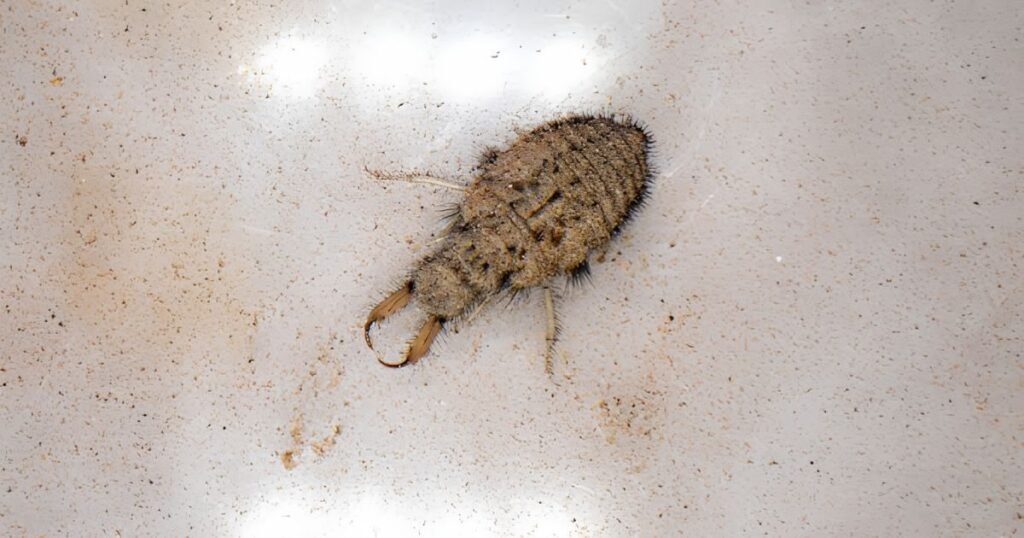
As an animal that eats ants, the antlion’s strategy showcases a masterclass in patience and deception. What’s more captivating is their transformation into adults. Once they emerge from their larval forms, they shed their predatory lifestyle to embrace a completely different existence.
Aardvark
Scientific name: Orycteropus afer
Class: Mammalia
Aardvarks, with their pig-like snouts and powerful digging claws, play a crucial role in their ecosystems. These nocturnal foragers are fascinating because of their unique appearance due to their diet, which primarily consists of ants and termites. In the world of predators, what bugs eat ants?
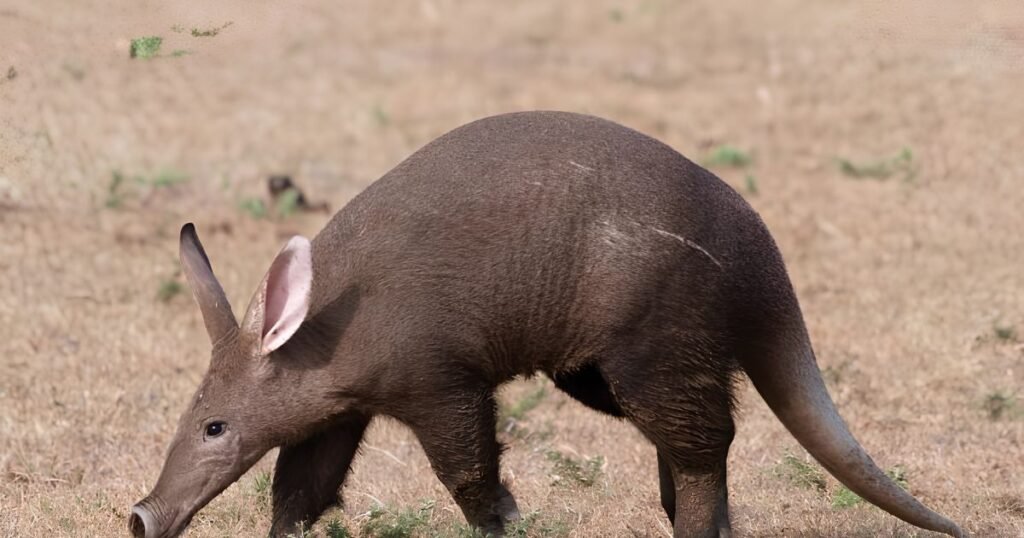
It’s aardvarks; other species, like anteaters and various birds, also target these industrious insects. Aardvarks have evolved specialized claws that allow them to dig deep into the earth, extracting their meal with remarkable efficiency. What truly sets aardvarks apart is their contribution to soil health.
Wrens
Scientific name: Troglodytidae
Class: Aves
Wrens are small, spirited birds that pack a punch with their vibrant personalities and enchanting songs. Whether hopping along garden walls or flitting through underbrush, these agile foragers contribute significantly to our ecosystem, particularly in controlling pests. A fascinating aspect of wrens is their diet, which often includes insects that eat ants.
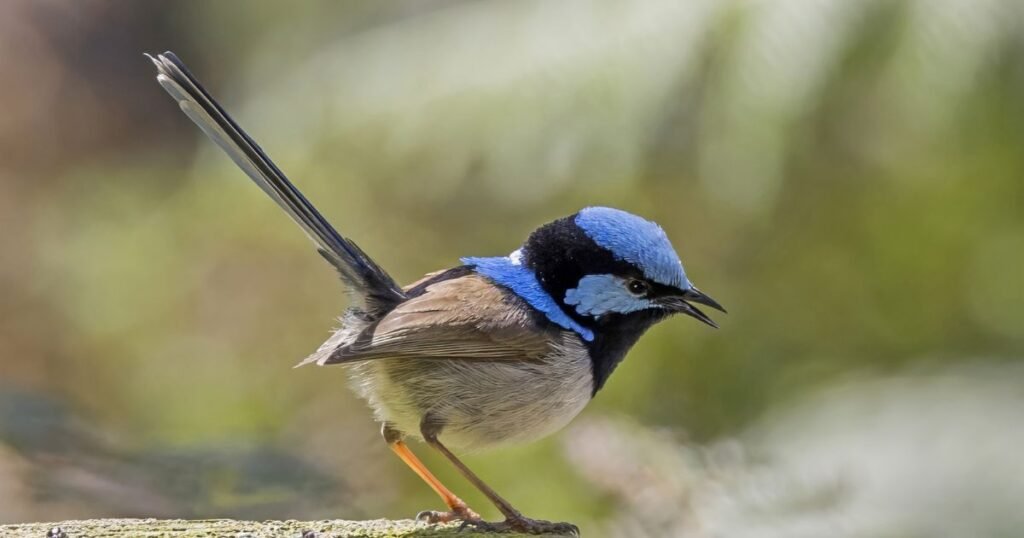
In the grand tapestry of nature, wrens serve as ecological champions. By consuming those insects that feast on ants, they indirectly protect other native species and support plant health. Their incessant foraging behavior showcases the intricate connections between species, emphasizing how each creature plays a vital role in its habitat. You hear a wren’s melodious call, remember: this tiny powerhouse is more than just a pretty songbird; it’s a pivotal player in the web of life.
Horned Lizards
Scientific name: Phrynosoma
Class: Reptilia
Horned lizards are nature’s tiny tanks, sporting remarkable adaptations that make them fascinating guardians of their desert habitats. With their impressive horns and flattened bodies, these reptiles are cute and masters of camouflage.
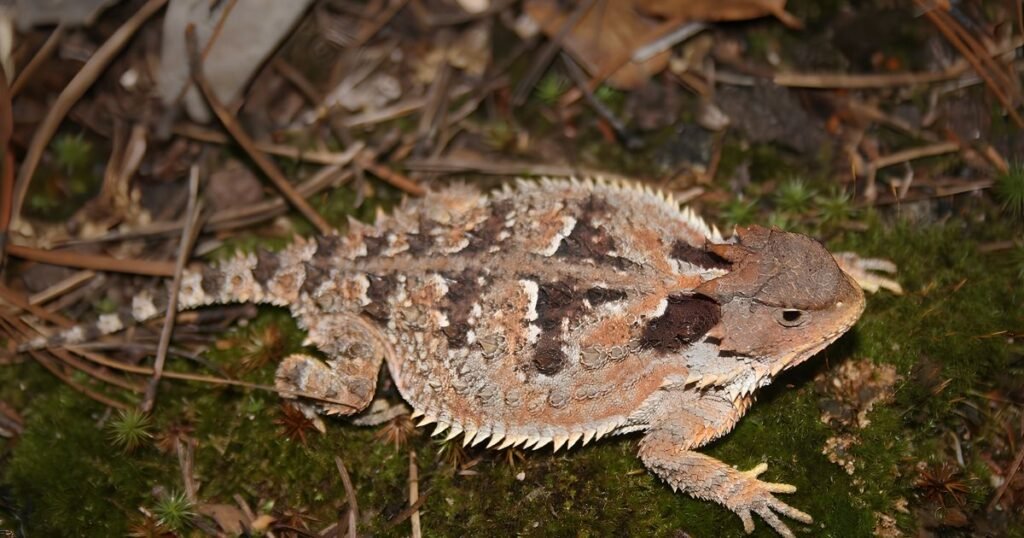
Their unique defense mechanism is nothing short of a spectacle; when threatened, they can squirt a stream of blood from their eyes, startling predators and giving them a swift chance to escape.
Lizards’ fascinating interactions with their food source opens up avenues for exploring broader questions about what animals eat ants and how these dynamics shape the environment. Every horned lizard is an ant eater, a keystone species in the web of life, reminding us of the interconnectedness of all creatures in their ecosystem.
Pangolins
Scientific name: Manis
Class: Mammalia
These are often dubbed the “scaly anteater,” and are nature’s remarkable ant assassins. With their long, sticky tongues, they’ve perfected the art of indulging in their favourite delicacy ants. What animal eats ants?
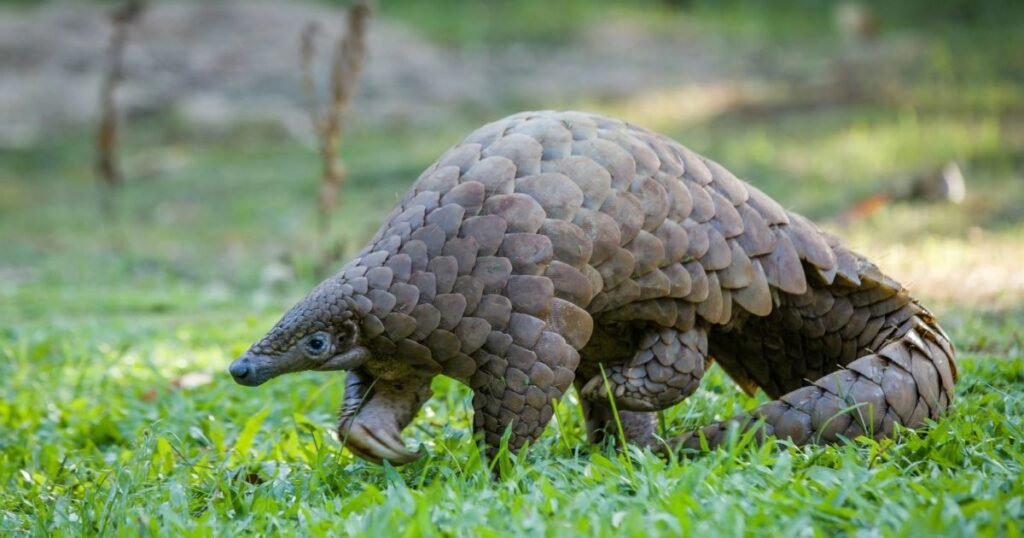
Look no further than the pangolin, uniquely suited for a diet primarily composed of these tiny insects. Their specialized digestive system helps them break down tough exoskeletons, showcasing nature’s intricate design. These enchanting creatures face increasing threats from poaching and habitat loss.
Despite their unique adaptations, pangolins are among the most trafficked mammals globally, primarily for their scales, which are erroneously believed to possess medicinal properties. Recognizing their ecological significance is crucial; without these remarkable creatures, ant populations could explode, disrupting local ecosystems.
Orangutan
Class: Mammalia
Orangutans, the magnificent forest dwellers of Southeast Asia, are our closest cousins in the animal kingdom and masters of adaptation. They boast an impressive diet, primarily consisting of fruits, but they are also known to indulge in animals that eat ants, showcasing their versatility.
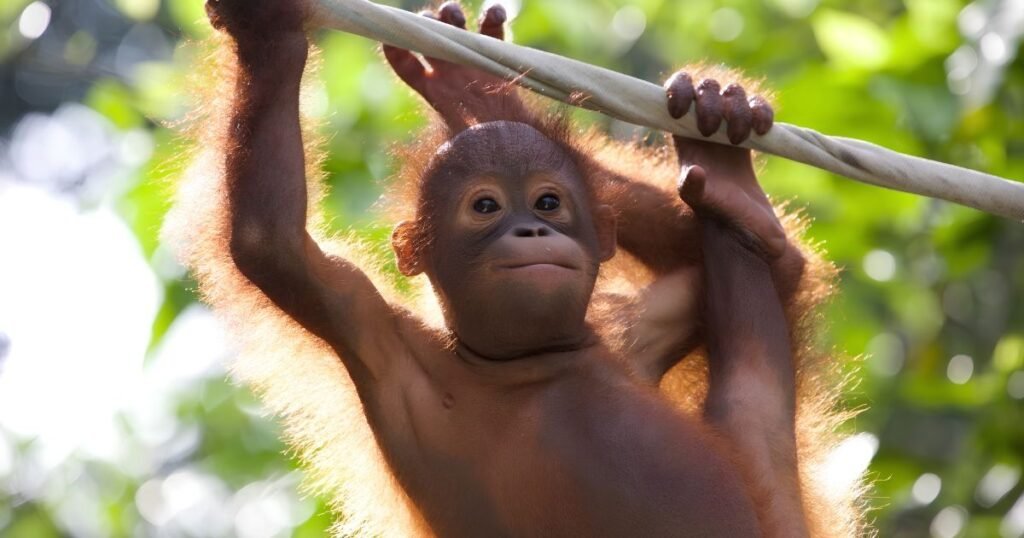
These intelligent primates use tools like sticks to extract termites and ants from their nests, illustrating a remarkable blend of instinct and ingenuity. This arboreal life isn’t just about survival; it’s a unique celebration of adaptability and social structure, as they form loose connections with others yet thrive in solitude.
While many assume that ants are insignificant in the diet of such a grand creature, these tiny insects provide protein and minerals, highlighting how even the smallest components of their environment play crucial roles in sustaining their health.
Echidnas
Scientific name: Tachyglossidae
Class: Mammalia
Echidnas, those spiky wanderers of the Australian outback, are much more than just adorable quirks of nature. Their unique foraging systems reveal an intricate relationship with their environment.
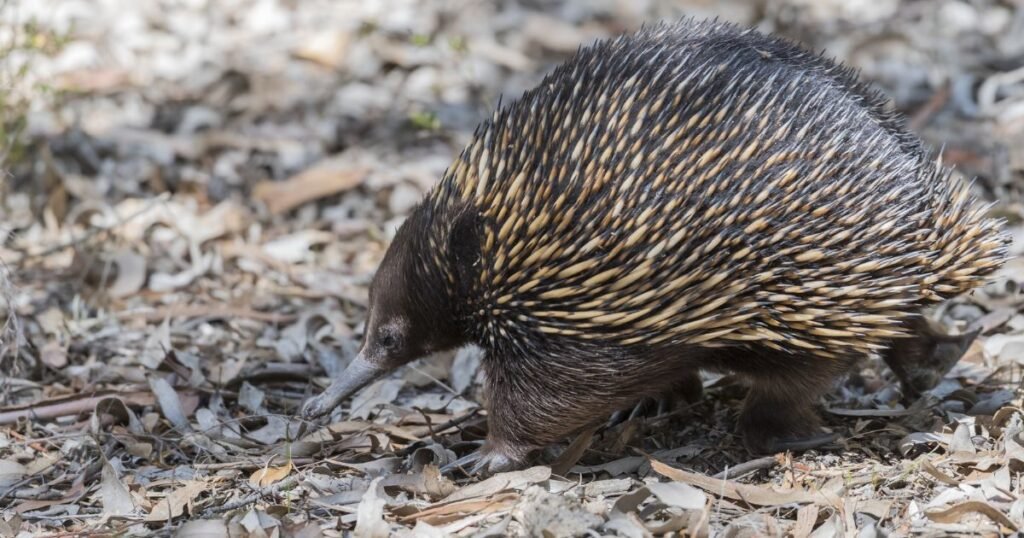
Echidnas are specialized insectivores, primarily feasting on ants and termites, and they have a remarkable adaptation: a long, sticky tongue that can stretch up to 18 centimeters! This tongue allows them to delve deep into nests, expertly grasping up to 2,000 ants in a single meal. What’s even more fascinating is how these remarkable creatures exemplify the evolutionary marvels of the animal kingdom.
As monotremes, echidnas lay eggs unlike most mammals, linking them to an ancient lineage that pre-dates many contemporary species. This weird and wonderful approach makes them a living fossil, offering insights into evolutionary processes over millions of years.
Fire Ants
Scientific name: Solenopsis
Class: Insecta
Fire ants, notorious for their aggressive behavior and painful stings, are a nuisance; they hold a significant place in the ecosystem. These tiny warriors play a dual role while they fiercely guard their mounds, they serve as a food source for various animals.
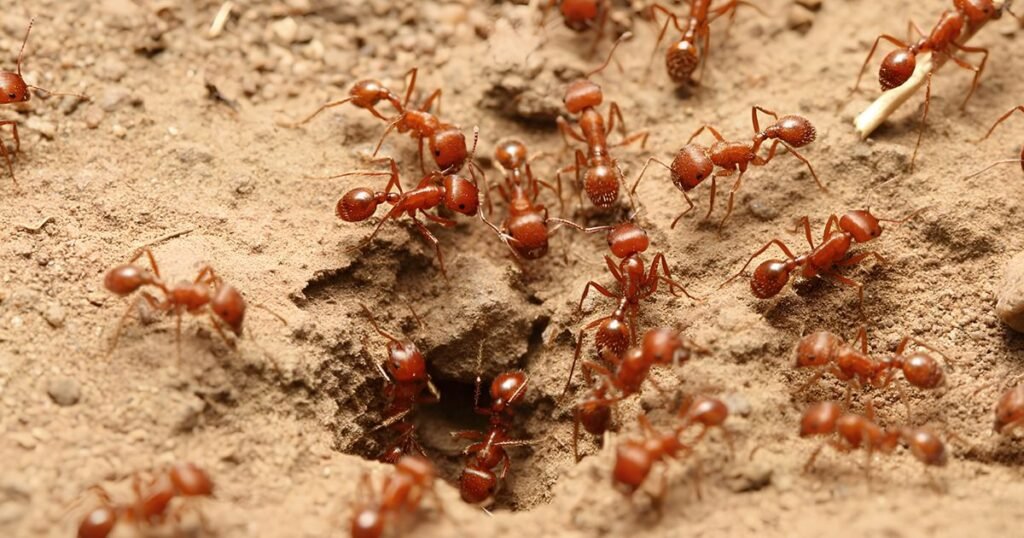
What animals eat ants? Birds, amphibians, and even some mammals feast on these energetic insects, creating a delicate balance within their habitats. Fire ants have developed a remarkable survival strategy: their colonies can thrive in diverse environments, adapting quickly to changing conditions.
This adaptability makes them resilient competitors, often outpacing native ant species and reshaping local ecosystems. Their ability to form rafts during floods demonstrates survival instincts but also teamwork, emphasizing the complexity of their social structures and interactions.
Numbats
Scientific name: Myrmecobius fasciatus
Class: Mammalia
Numbats are fascinating monotremes that showcase a unique adaptation: they are specialized insectivores. These small marsupials possess an extraordinary ability to sniff out and consume large quantities of termite and ant species.
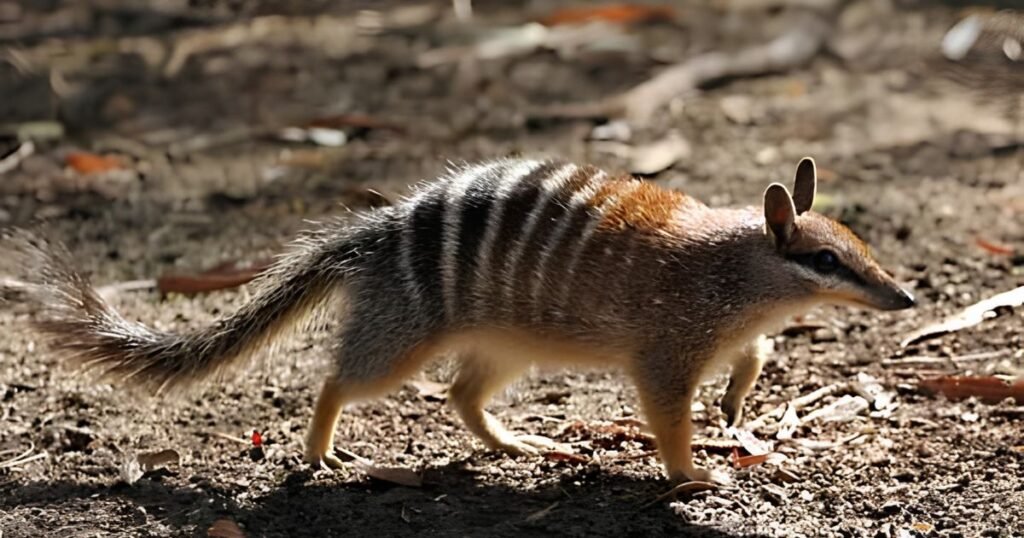
Their elongated snouts and sharp claws are perfectly crafted for prying apart protective mounds, allowing them to feast with unmatched precision. What sets wombats apart in the realm of animals that eat ants is their reliance on a diet consisting almost entirely of these tiny creatures.
Numbats are intriguing due to their diet; they embody a profound relationship with habitat conservation. As iconic symbols of biodiversity, their presence signifies the health of their environment. Conserving these vibrant marsupials is essential for their survival, the flourishing of a more extensive ecosystem that includes countless other species.
READ MORE: Top 14 Animals That Eat Mice: Natural Predators (With Images)
Final Thoughts
The fascinating world of ant-eating animals showcases nature’s incredible diversity and specialization. From the fierce anteater to the clever aardvark, these creatures have evolved unique adaptations to thrive on a diet primarily composed of ants.
Their role in the ecosystem highlights the interconnectedness of species and how different animals contribute to the balance of nature. Exploring this extraordinary topic deepens our understanding of wildlife but also sparks curiosity about other unique animal behaviors.
FAQs
What Animal Eats Ants the Most?
Anteaters are the most well-known animals that eat ants, specifically the giant anteater. With their specialized snouts and long, sticky tongues, they can consume thousands of ants in a single day.
Which Animal Eats Ants?
Ant-eating animals come in various shapes and sizes, showcasing nature’s incredible diversity. Among the most famous is the anteater, particularly the giant anteater.
What is the Largest Animal that Eats Ants?
The largest animal that eats ants is the giant anteater (Myrmecophaga tridactyla). This fascinating creature can reach lengths of up to 7 feet, including its long snout and tail. Giant anteaters are specially adapted for a diet primarily consisting of ants and termites.
What Type of Animals do Ants Eat?
Ants are omnivorous creatures, meaning they have a diverse diet that includes both plant and animal matter. They primarily consume nectar, honeydew, and various fruits, when it comes to protein, they’ll actively hunt and eat other insects like aphids, grasshoppers, and even small spiders.
What is an Ant’s Worst Enemy?
An ant’s worst enemy can be summed up in two primary foes: predators and pesticides. Predators like birds, lizards, and even other insects are constantly on the hunt for ants. These creatures often have a varied diet and see ants as a nutritious snack.