Top 19 Animals That Have Spots On Their Body (With Images)
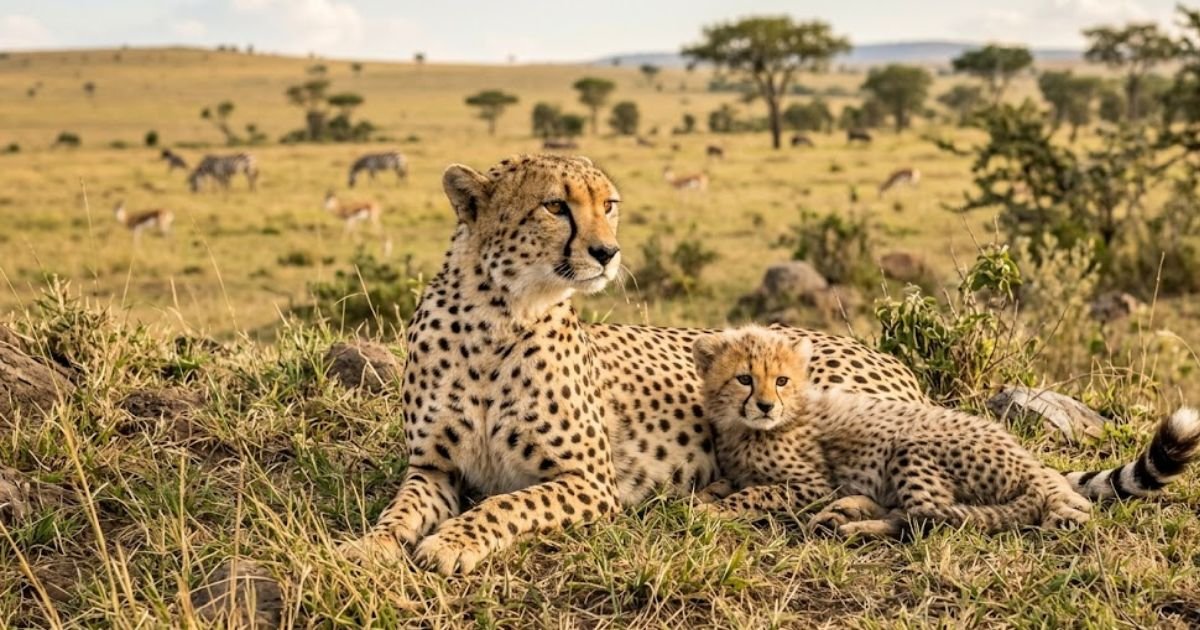
Animals That Have Spots On Their Body are some of the most fascinating and visually striking creatures in the animal kingdom. Their unique patterns not only make them stand out but also serve important purposes like camouflage, protection, and communication in the wild. From big cats roaming dense forests to tiny insects blending into their surroundings, these spotted designs are nature’s way of combining beauty with survival.
Exploring Animals That Have Spots On Their Body gives us a deeper understanding of how diverse and creative nature can be. Each species has its own pattern, shape, and purpose behind these spots, making them truly unique. Whether on land, in water, or even in the air, these animals capture attention and showcase the incredible artistry of the natural world.
List Of Animals That Have Spots
| Number of animals | Animals with spots |
| 1 | Cheetah |
| 2 | Ladybug |
| 3 | Ocelot |
| 4 | Whale shark |
| 5 | Spotted salamander |
| 6 | Burmese python |
| 7 | Giraffe |
| 8 | Spotted eagle ray |
| 9 | Hyena |
| 10 | Spotted Tail Quoll |
| 11 | Dalmatian |
| 12 | Spotted moray |
| 13 | Snow leopard |
| 14 | Spotted Skunk |
| 15 | Spotted deer |
| 16 | Appaloosa Horse |
| 17 | Marbled Polecat |
| 18 | Spotted turtle |
| 19 | Jaguar |
Cheetah
Scientific name: Acinonyx jubatus
Class: Mammalia
Diet: Carnivore
The cheetah, famed for its remarkable speed, is a fascinating member of the big cat family. Unlike other felines, it boasts a unique body structure that prioritizes agility, equipped with long legs and a lightweight frame, allowing it to reach speeds up to 75 miles per hour in short bursts.
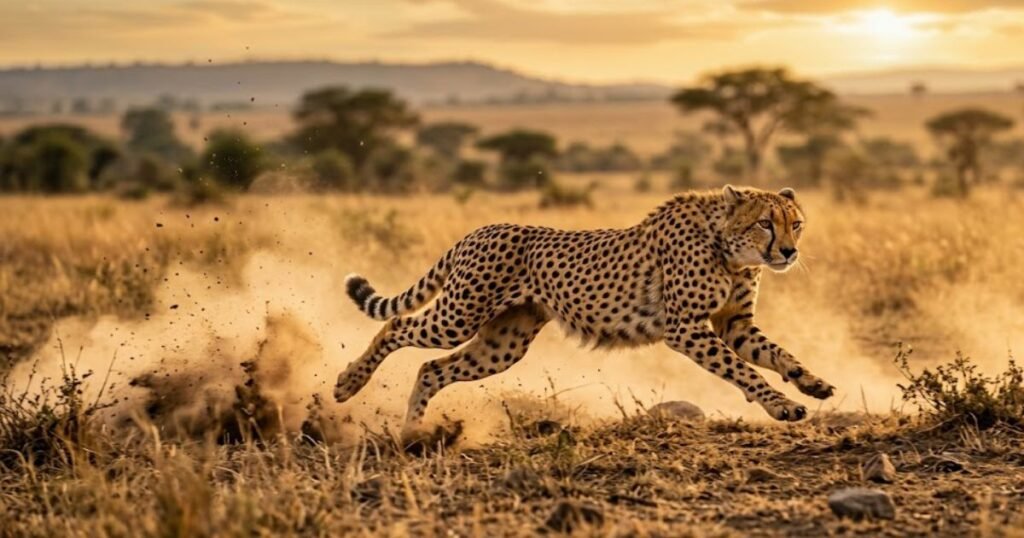
Their distinctive black spots not only enhance their beauty but also serve as excellent camouflage in the grasslands of Africa, helping them stalk prey. Despite their prowess as hunters, cheetahs face significant threats from habitat loss and poaching, making conservation efforts crucial for their survival.
Ladybug
Class: Insecta
Diet: Omnivore
Ladybugs are not just charming insects; they play an essential role in maintaining ecological balance. With their bright red shells adorned with black spots, they are often seen as symbols of good fortune. Beyond their aesthetic appeal, these tiny creatures are voracious predators of aphids and other garden pests, helping to reduce the need for chemical pesticides.
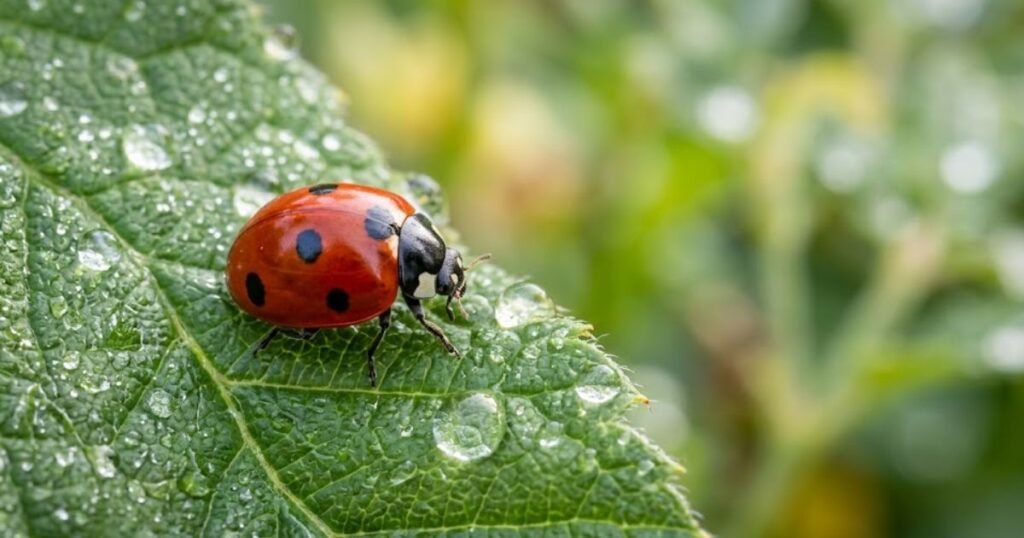
Their life cycle is equally captivating, with larvae being just as effective at controlling pest populations, making them valuable allies for gardeners. Urbanization continues to threaten their habitats, prompting the need for awareness about their ecological importance.
Read More: Top 19 Most Dirtiest Animals In The World (With Pictures)
Ocelot
Scientific name: Leopardus pardalis
Class: Mammalia
Diet: Carnivore
The ocelot, a small wild cat known for its gorgeous coat patterned with spots and streaks, is a master of stealth in its Central and South American habitats. These solitary hunters utilize their excellent night vision and keen sense of hearing to stalk prey, primarily small mammals and birds.
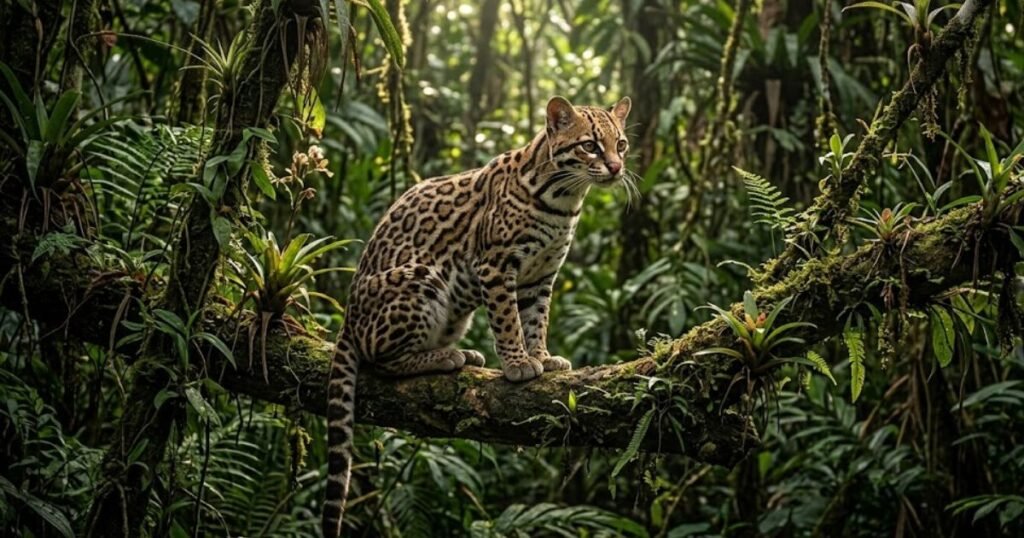
The complexity of their coat not only adds to their beauty but also aids in camouflage, allowing them to blend seamlessly into the dappled light of their forest environments. Habitat destruction and illegal hunting pose serious challenges to their population, highlighting the urgent need for conservation efforts to protect this enigmatic feline.
Whale shark
Scientific name: Rhincodon typus
Class: Chondrichthyes
Diet: Filter-feeder
As the largest fish in the ocean, the whale shark stands out with its mesmerizing pattern of spots and stripes that cover its body. These gentle giants can grow up to 40 feet in length and are filter feeders, primarily consuming plankton and small fish.
Found in warm tropical waters, they are a favorite among divers who seek the thrill of swimming alongside these magnificent creatures. Despite their colossal size and seemingly robust nature, whale sharks are vulnerable due to fishing pressures and habitat degradation, making it imperative to promote sustainable practices that ensure their survival for future generations.
Spotted salamander
Scientific name: Ambystoma maculatum
Class: Amphibia
Diet: Carnivore
The spotted salamander is a remarkable amphibian that showcases the perfect blend of beauty and function with its striking yellow or white spots against a dark, almost black body. Primarily found in eastern North America, they thrive in moist woodland environments and are often indicators of ecological health.
These nocturnal creatures play a vital role in controlling insect populations and act as prey for various predators. Their habitats are increasingly under threat from urban development and climate change, underscoring the need for dedicated habitat preservation initiatives.
Read More: Explore 6 Types of Marmots in North America (With Pictures)
Burmese python
Scientific name: Python bivittatus
Class: Reptilia
Diet: Carnivore
The Burmese python is a stunning reptile, known for its striking pattern of large, dark brown spots on a lighter background, making it a popular pet among exotic animal enthusiasts. These formidable constrictors can grow up to 23 feet long, supporting their impressive weight with strong, muscular bodies.
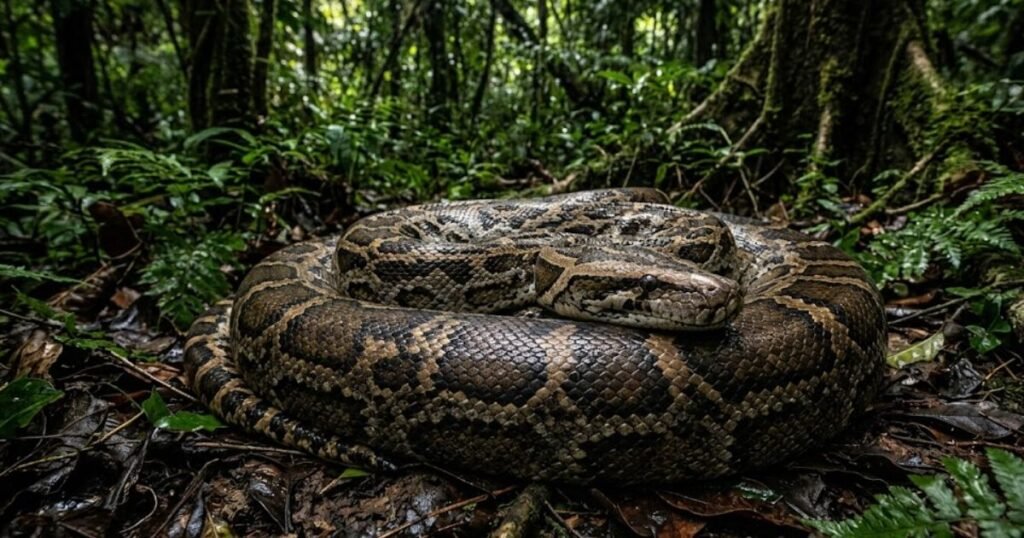
They inhabit various ecosystems, from tropical forests to grasslands, showcasing their adaptability. As ambush predators, they usually take down prey by coiling around it, demonstrating the balance of strength and stealth in animals that have spots on their body.
Giraffe
Scientific name: Giraffa camelopardalis
Class: Mammalia
Diet: Herbivore
Giraffes are among the most recognizable animals due to their towering height and unique coat pattern featuring irregular, brown patches bordered by lighter fur. These spots serve not only as camouflage in the dappled light of their savanna habitat but also play a role in thermoregulation, helping them manage body heat.
Each giraffe has a unique spot pattern, much like human fingerprints, which aids researchers in individual identification. Known for their social structure, giraffes form loose herds, fostering strong bonds that challenge the traditional views of animal relationships.
Spotted Eagle Ray
Scientific name: Aetobatus narinari
Class: Chondrichthyes
Diet: Carnivore
The spotted eagle ray glides gracefully through the oceans, exhibiting a mesmerizing array of white spots on a dark brown body, which enhances its beauty and provides camouflage against the ocean floor. These rays are not just visually striking; they play an important ecological role as both predators and prey, helping maintain the balance of marine ecosystems.
Adaptable to a range of environments from shallow coastal waters to deeper seas, their unique hunting technique of digging into the sand to find mollusks showcases their intelligence. Spotting an eagle ray in the wild is a magical experience that highlights the intricate connections within aquatic habitats.
Hyena
Scientific name: Crocuta crocuta
Class: Mammalia
Diet: Carnivore/Scavenger
Despite their often-misunderstood reputation, hyenas are highly social and intelligent animals with distinctive spotted coats that vary in darkness depending on the species. The spotted hyena, the most recognized of them, has a complex social structure and is known for its superior hunting skills, often working in groups to outsmart prey.
Their vocalizations, often mistaken for laughter, serve various social functions, providing insight into their communication intricacies. As scavengers and hunters, hyenas contribute significantly to the ecosystem, ensuring the balance of animal populations, while challenging traditional narratives about their role in the wild.
Read More: Explore Top 10 Most Humble Animals In The World (With Images)
Spotted Tail Quoll
Scientific name: Dasyurus maculatus
Class: Mammalia
Diet: Carnivore
The spotted tail quoll is an agile marsupial found in forests across Australia and New Guinea, with a striking coat of brown fur adorned with white spots, making it well-camouflaged among the foliage. As nocturnal hunters, they primarily feed on insects, small mammals, and birds, showcasing their adaptability in diverse habitats.
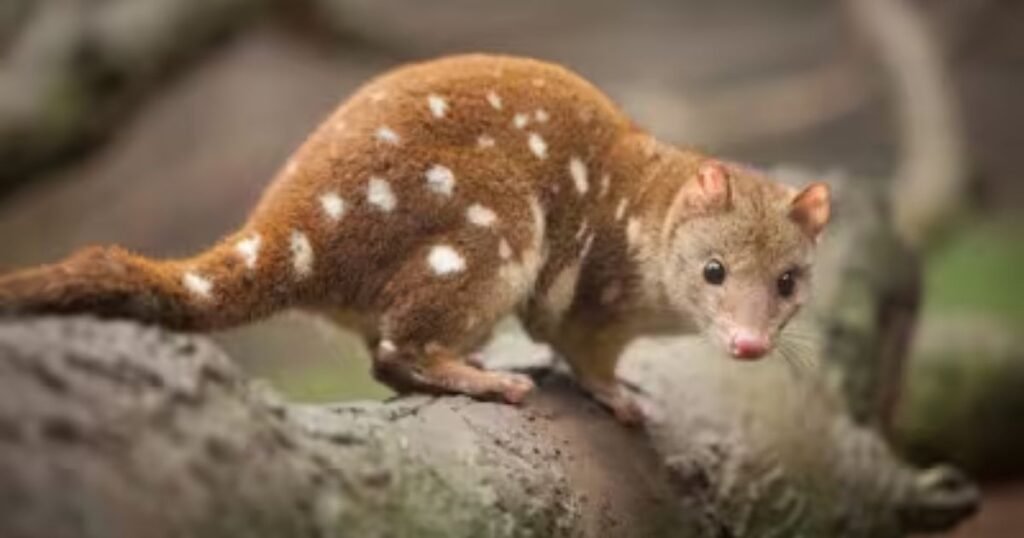
Due to habitat loss and competition with invasive species, their populations are declining, emphasizing the urgent need for conservation efforts. Quolls evoke a sense of wonder with their unique adaptations, serving as a reminder of the delicate ecosystems they inhabit.
Dalmatian
Class: Mammalia
Diet: Omnivore
Dalmatians are famous for their distinctive black or liver-colored spots against a sleek white coat, making them a perennial favorite in pop culture and as companions. Beyond their aesthetic appeal, these energetic dogs were historically used as carriage dogs, guarding horses and providing companionship on long journeys.
Their playful demeanor and high intelligence make them excellent participants in various canine sports, showcasing their versatility. While Dalmatians often capture attention for their looks, their rich history and loyal temperament reflect the bond shared between humans and one of the most iconic animals that have spots on their body.
Spotted moray
Scientific name: Gymnothorax moringa
Class: Actinopterygii
Diet: Carnivore
The spotted moray, a fascinating inhabitant of coral reefs, showcases its beauty through a unique pattern of spots that offer camouflage among the vibrant corals. This slender fish can grow up to five feet long and is known for its striking coloration, often a mix of yellow and black.
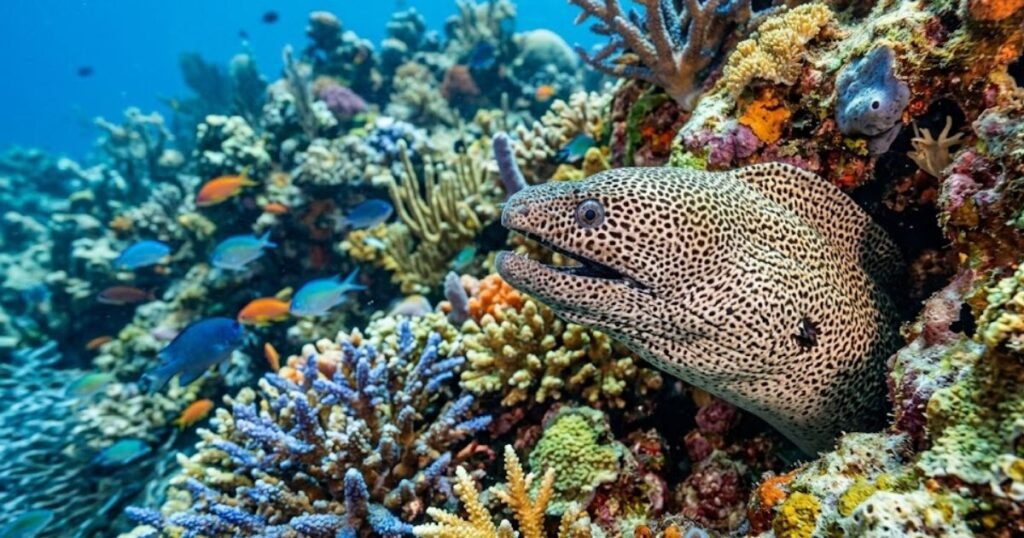
Unlike many other species, spotted morays have a less aggressive nature but possess strong jaws filled with sharp teeth, which they use to capture prey like crustaceans and smaller fish. Their secretive nature makes them an intriguing subject for divers, as these mammals often stay hidden in crevices.
Snow leopard
Scientific name: Panthera uncia
Class: Mammalia
Diet: Carnivore
The elusive snow leopard, native to the rugged mountains of Central and South Asia, is a master of camouflage, thanks to its beautiful rosettes and spots that blend seamlessly with rocky terrains.
As solitary hunters, snow leopards primarily prey on mountain goats and sheep, demonstrating remarkable stealth and agility. Their conservation status is vulnerable, emphasizing the importance of protecting their dwindling habitats in a rapidly changing climate.
Spotted Skunk
Class: Mammalia
Diet: Omnivore
The potted skunk, distinguished by its unique black and white fur pattern, is a small yet fascinating member of the Mustelidae family. Known for its potent spray, which can deter predators, this animal exhibits a playful demeanor and is often found in urban environments, where it forages for insects, small mammals, and fruits.
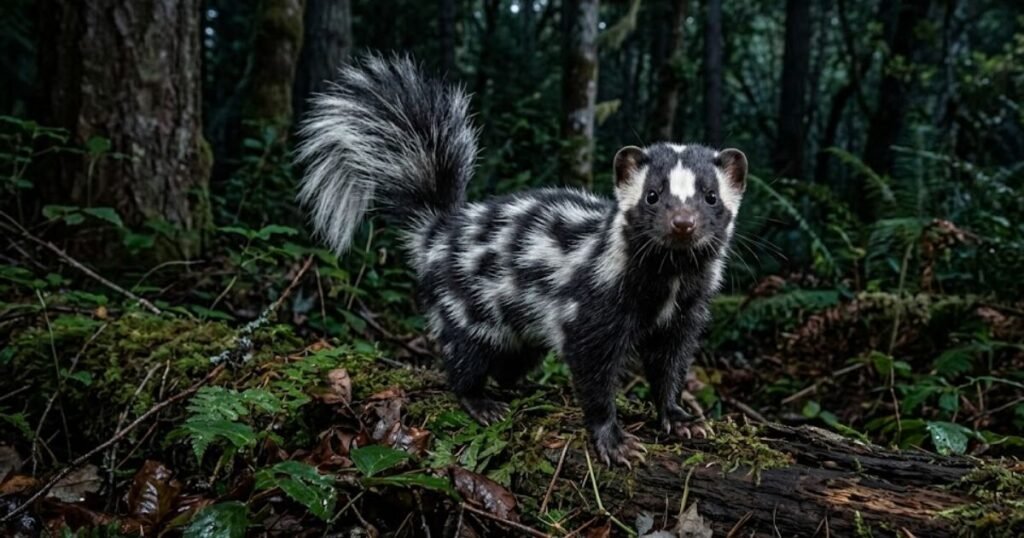
Unlike many other members of its family, the potted skunk has a more sociable disposition and can thrive in close proximity to humans, often becoming an overlooked but charming neighbor. Their spots not only make them visually interesting but also provide insights into their evolutionary adaptations.
Spotted Deer
Scientific name: Axis axis
Class: Mammalia
Diet: Herbivore
Spotted deer, also known as chital, are characterized by their striking white spots against a copper-brown coat, providing natural camouflage in the dappled light of their forest habitats. These social animals form large herds, promoting protection through numbers while allowing for complex social interactions.
Typically found in India and surrounding regions, spotted deer are agile and swift, primarily feeding on grass, leaves, and fruits. Their adaptability to various ecosystems highlights the importance of biodiversity, making them a crucial part of the food web.
Read More: Explore 6 Types of Marmots in North America (With Pictures)
Appaloosa Horse
Class: Mammalia
Diet: Herbivore
The Appaloosa horse stands out not only for its strong build but also for its distinctive spotted coat patterns, which can vary widely, from large spots to leopard-like spots. Originating from the Nez Perce tribe in North America, these horses are revered for their versatility, excelling in various equestrian disciplines from western riding to dressage.
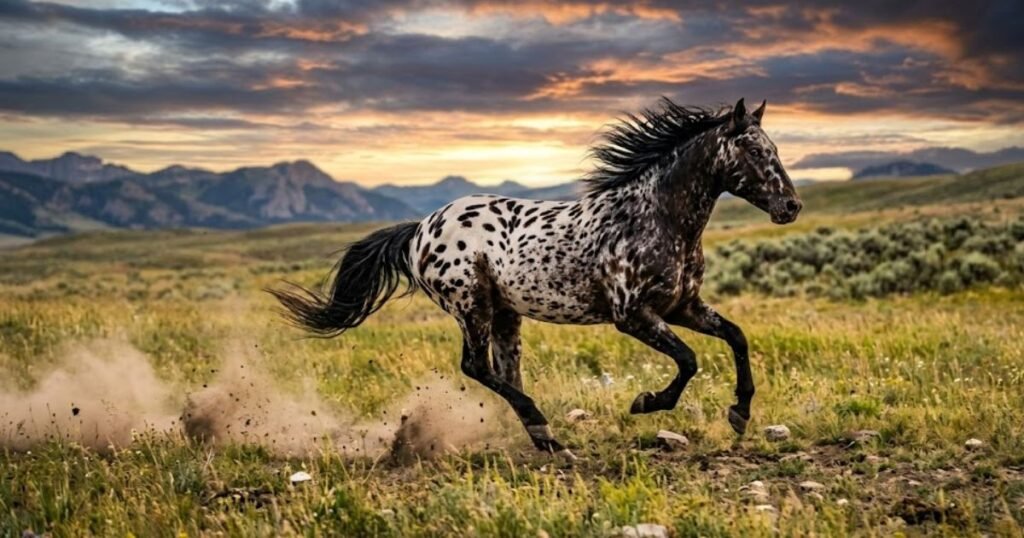
Beyond their athletic capabilities, Appaloosas are known for their kind disposition and intelligence, making them excellent companions. Their unique coat variations make them popular among horse enthusiasts, symbolizing the beauty and diversity found in animals that have spots on their body.
Marbled Polecat
Scientific name: Vormela peregusna
Class: Mammalia
Diet: Carnivore
The marbled polecat is a fascinating mustelid native to parts of Europe, Asia, and Northern Africa, displaying a striking coat with beautiful marbled patterns. These nocturnal creatures are known for their remarkable agility and adaptability, allowing them to thrive in diverse habitats ranging from grasslands to forests.
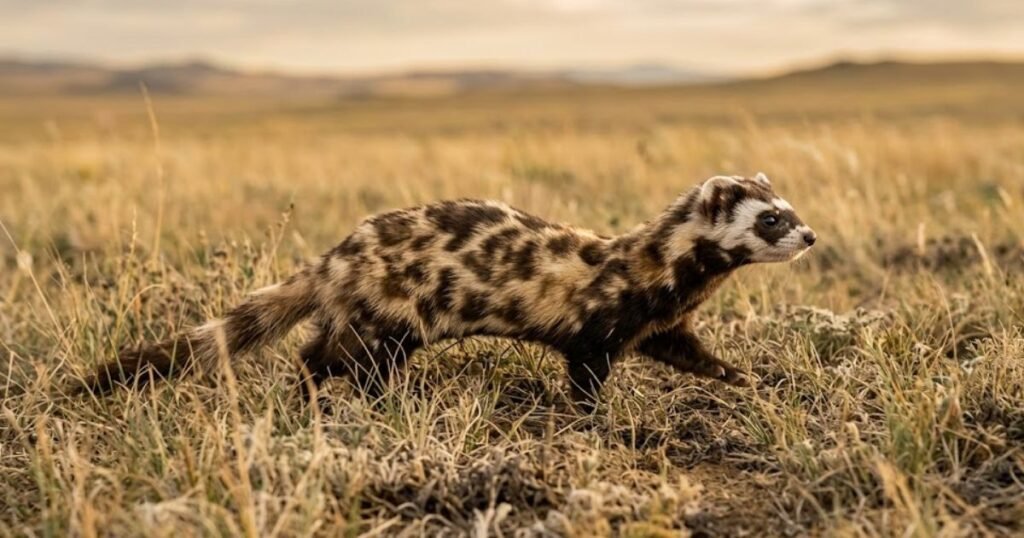
Marbled polecats are excellent hunters, preying on small mammals, birds, and insects, and their coloration serves as both camouflage and a warning, as they possess a noxious odor to deter predators.
Spotted Turtle
Scientific name: Clemmys guttata
Class: Reptilia
Diet: Omnivore
The spotted turtle, a charming small freshwater turtle found primarily in North America, is easily recognized by its striking black shell adorned with yellow or white spots. This species thrives in shallow, marshy waters, where it finds ample food from aquatic plants and small invertebrates.
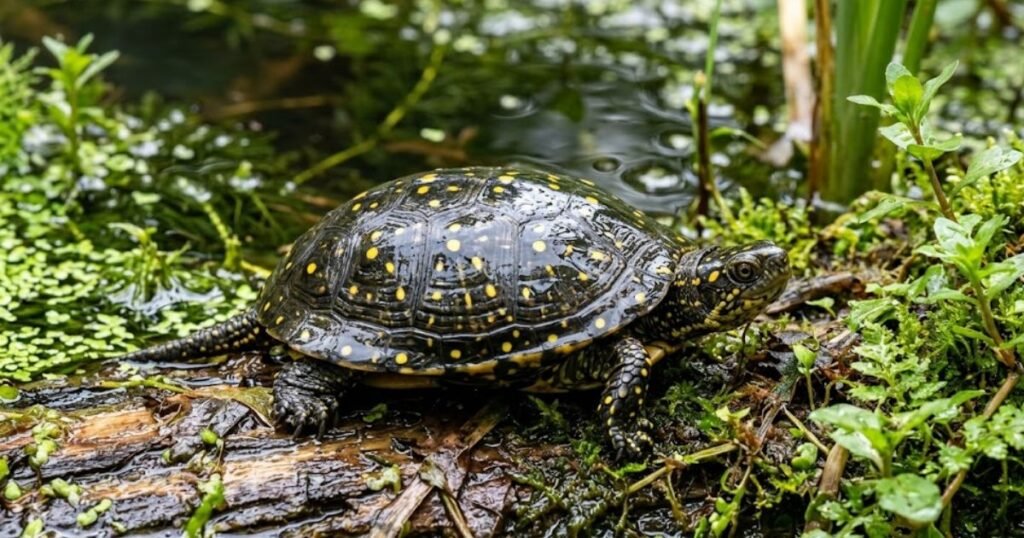
These turtles are often seen basking in the sun, which not only aids in thermoregulation but also helps them build strong shells and vibrant patterns. As climate change and habitat destruction threaten their populations, the spotted turtle’s unique design highlights the delicate interconnection between beauty and survival in nature.
Jaguar
Scientific name: Panthera onca
Class: Mammalia
Diet: Carnivore
The jaguar, a magnificent big cat native to the rainforests of Central and South America, is renowned for its powerful build and distinctive rosette-patterned coat. As one of the apex predators in its ecosystem, the jaguar plays a crucial role in maintaining the balance of its habitat by preying on a variety of animals, from capybaras to caimans.
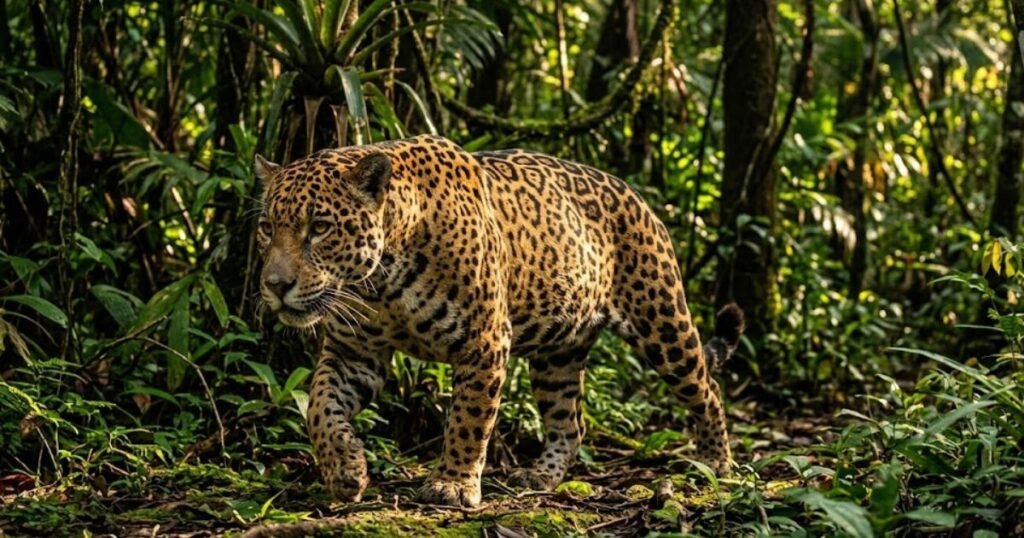
Unlike other cats, jaguars exhibit an impressive swimming ability, often hunting in water. Their spots serve a dual purpose: providing camouflage amongst the dappled sunlight of the jungle and signaling strength and beauty in the animal kingdom.
Conclusion
Animals That Have Spots On Their Body are not just beautiful to look at they play a vital role in helping animals survive and adapt to their environments. Their patterns tell a story of evolution, protection, and identity. Learning about these animals allows us to appreciate the wonders of nature and the hidden purposes behind every design.
FAQs
Which Animals Have Spots on Their Body?
Many animals exhibit spots, including leopards, giraffes, and dalmatians.
What Type of Animals Have Spots?
Both mammals and reptiles can have spots; examples include tigers, certain frogs, and fish.
Which Animal Has A Spot?
The jaguar is well-known for having distinctive spots on its fur.
What Animal Has Spots All Over It?
The giraffe has spots covering its whole body, allowing it to blend into its savanna habitat.