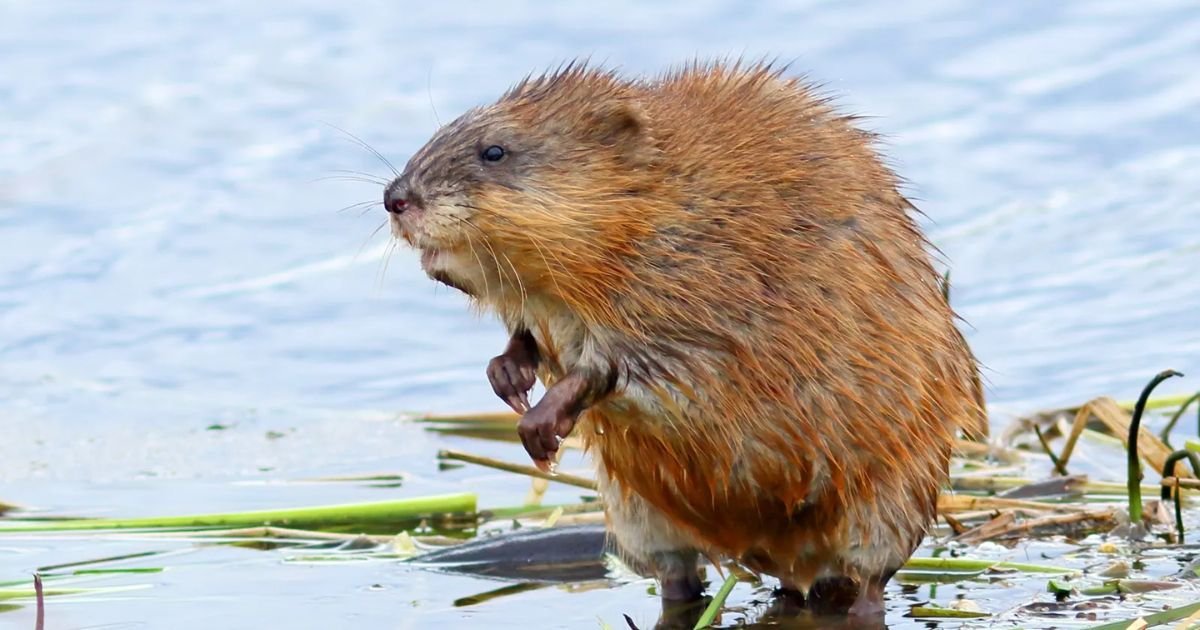
Explore Top 11 Animals Like Meerkats (With Pictures)
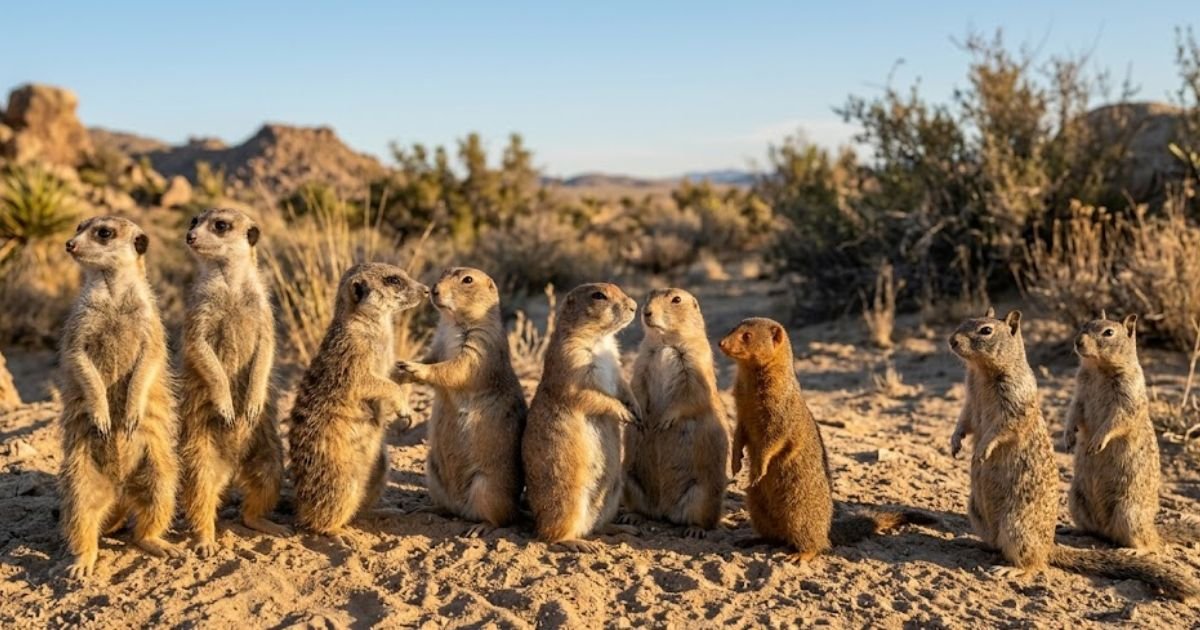
Animals Like Meerkats are small, social, and highly alert creatures known for their curious behavior and group living. These animals often share similar traits such as burrowing habits, sharp survival instincts, and strong family bonds. Many of them live in colonies and rely on teamwork to stay safe from predators.
Here, we’ll explore 11 amazing animals that are similar to meerkats in behavior, lifestyle, or physical traits. Each species has its own unique characteristics but shares that same lively and social energy. Let’s discover these interesting creatures and see what makes them comparable to meerkats.
List of Animals Like Meerkats
| Number of animals | Animals that look like meerkats |
| 1 | Raccoon |
| 2 | Coatis |
| 3 | Yellow Mongoose |
| 4 | Weasel |
| 5 | Chipmunks |
| 6 | Honey Badgers |
| 7 | Prairie Dog |
| 8 | Marmot |
| 9 | Banded Mongoose |
| 10 | Mink |
| 11 | Ferrets |
Raccoon
Raccoons are often dubbed as the masked bandits of the urban jungle. With nimble paws and a highly adaptable nature, these creatures can thrive in various environments, from forests to city streets.
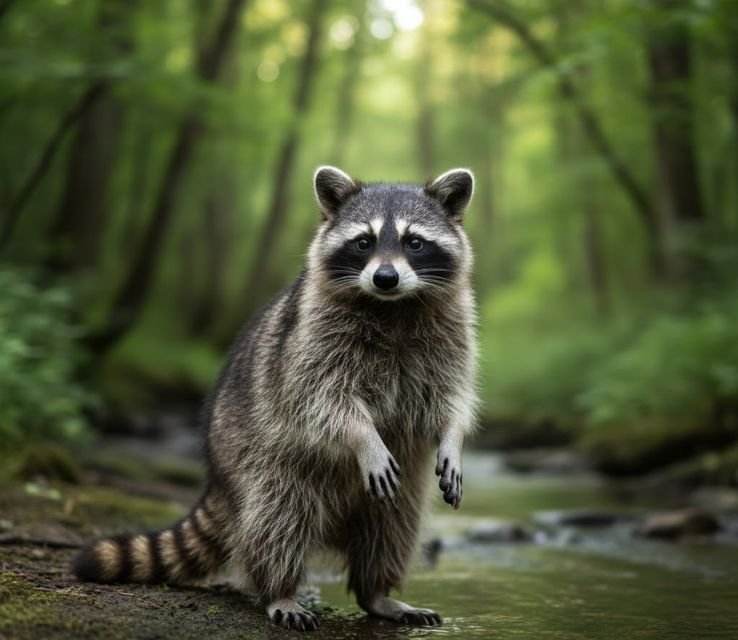
Raccoons can solve puzzles and open containers, showcasing a level of problem-solving that rivals many pets. They often work in pairs to forage for food, exemplifying social behavior reminiscent of animals like meerkats, who also rely on teamwork for survival.
Coatis
Coatis, often seen in small groups, are social creatures that engage in playful antics, reminiscent of their meerkat counterparts. With elongated snouts, they expertly forage for insects, fruits, and small reptiles.
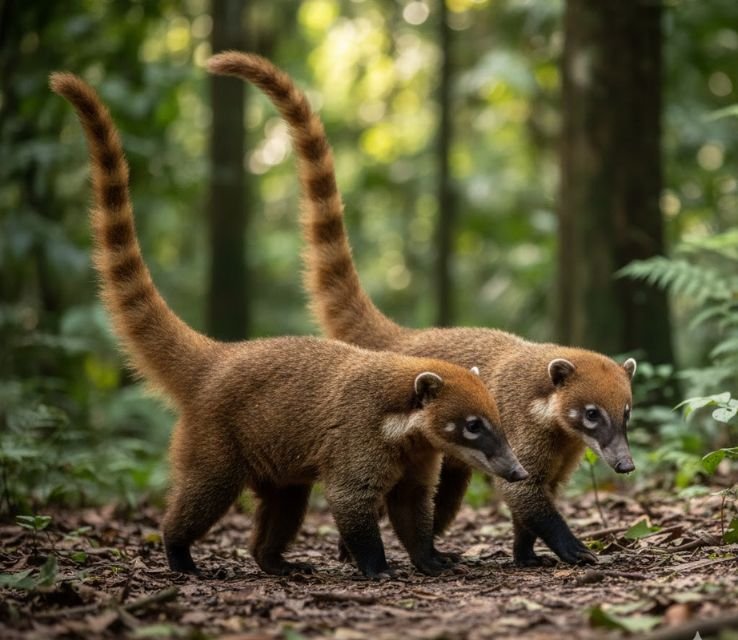
Their curious nature leads them to investigate new surroundings, and they display a unique blend of ground and tree-dwelling habits, which makes them fascinating to observe. Coatis also communicate through various vocalizations, adding a layer of social complexity akin to meerkat colonies.
Yellow Mongoose
Scientific Name: Cynictis penicillata
The yellow mongoose, with its striking coloration, is a small but agile creature that exhibits some of the most intriguing social behaviors among its kind. Often found in family groups, these animals resemble meerkats in their vigilance and communal living.
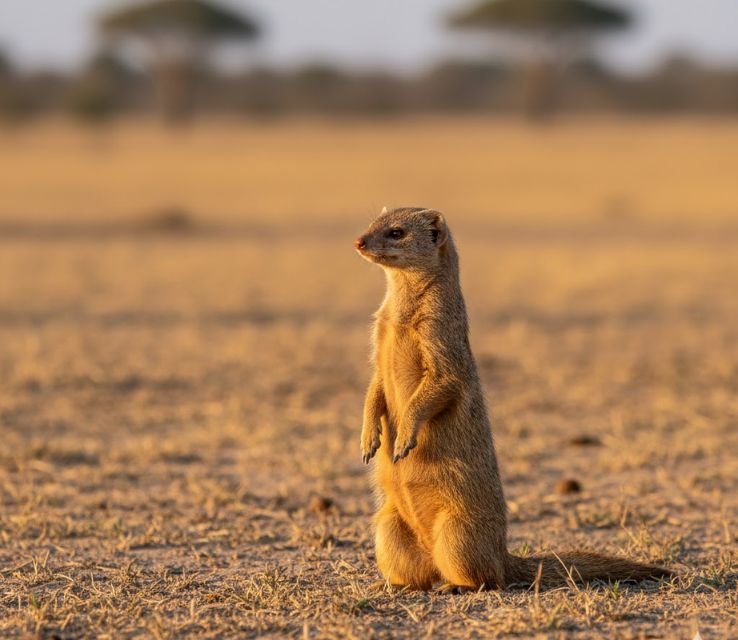
They have a keen sense of detection for predators, standing upright to survey their surroundings with curious yet alert expressions. Their diet ranges from insects to small rodents, showcasing their adaptability in diverse habitats.
Weasel
Scientific Name: Mustela nivalis
Known for their elongated bodies and remarkable agility, weasels are skilled hunters that embody stealth in action. These small carnivores utilize their flexibility to navigate tight spaces, often surprising larger prey.
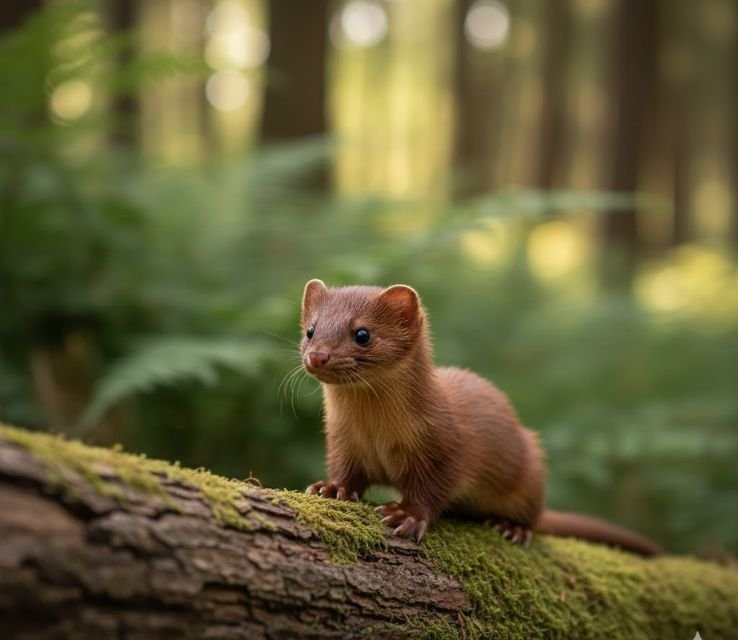
Like meerkats, they display complex social interactions during the breeding season, where males and females engage in elaborate courtship dances. Their fierce demeanor and tenacity in the wild make them formidable predators, constantly strategizing their next escape or ambush.
Top 11 Honey Eating Animals in the World: Names, Facts & Pictures
Chipmunks
Chipmunks may be small, but they are filled with a wealth of personality and adaptability. Similar to meerkats in their burrowing behavior, these critters create intricate underground homes, storing food for colder months.
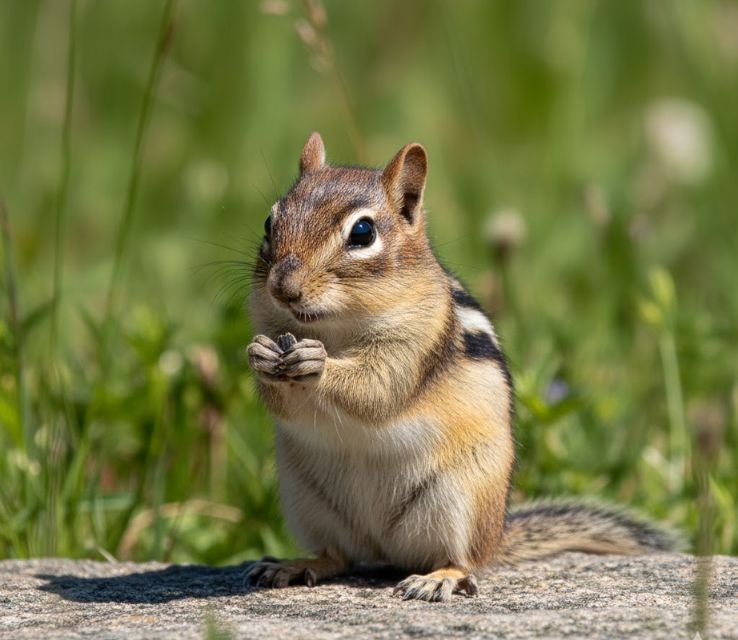
Busy little foragers, chipmunks dart between trees and underbrush, their cheek pouches bulging with snacks. Their lively antics often captivate observers, providing endless opportunities for observation much like watching a meerkat family at play.
Honey Badgers
Scientific Name: Mellivora capensis
Honey badgers have gained notoriety for their fearless nature, often facing off against animals much larger than themselves. Known for their toughness, these creatures possess an extraordinary resistance to venom and injury, allowing them to raid beehives and confront predators.
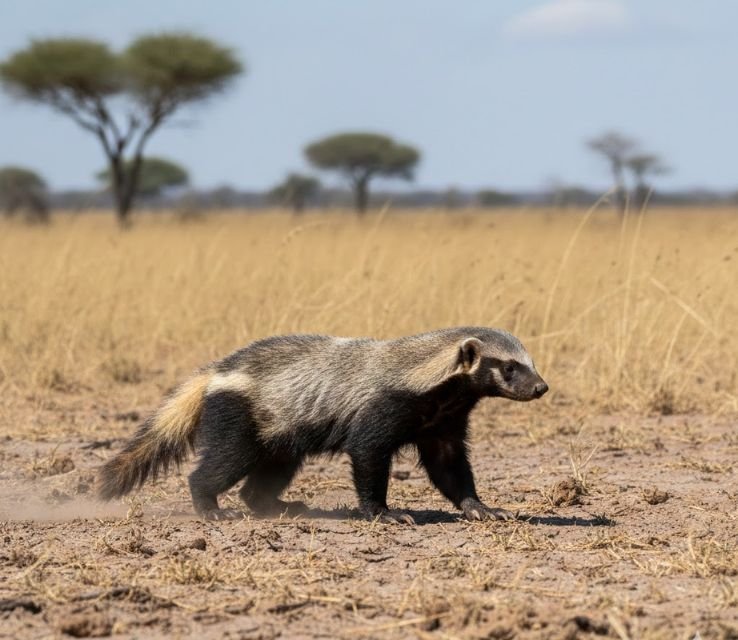
Their relentless pursuit of food and survival echoes the fierce determination seen in animals like meerkats, who also confront dangers head-on to protect their kin. With an unyielding spirit, honey badgers remind us that size doesn’t dictate strength in the wild.
Prairie Dog
Scientific Name: Cynomys
Prairie dogs are social creatures renowned for their intricate burrow systems and bustling colonies. Living in the grasslands of North America, these animals possess a highly advanced communication system, utilizing a variety of vocalizations to warn others of potential threats.
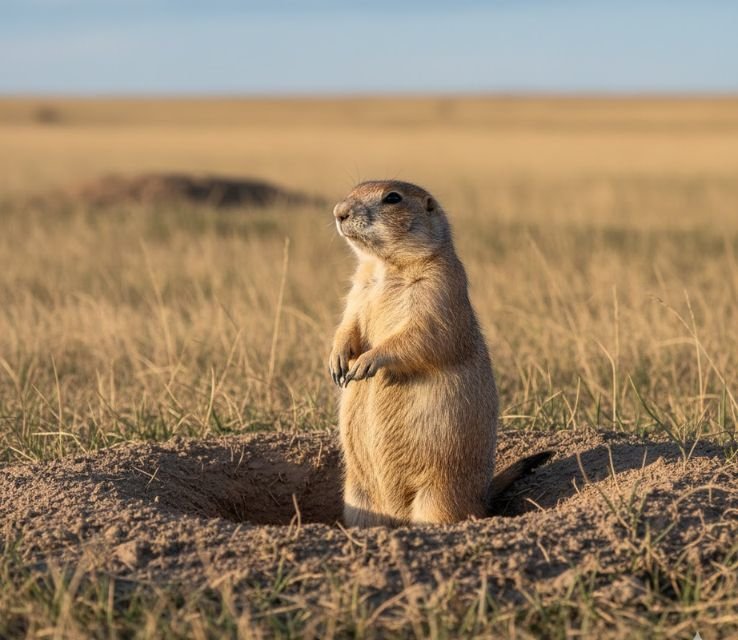
This fascinating social structure presents opportunities for teamwork, making them more than just your average rodent. Observing their behavior reveals a unique blend of community living and ecological impact, as they aerate the soil and create habitats for countless other species.
Marmot
Scientific Name: Marmota
Marmots, with their adorable, chunky bodies and expressive faces, thrive in mountainous or open alpine regions. These large ground squirrels are well-adapted to cold climates and exhibit a remarkable social structure, often forming tight-knit family units.
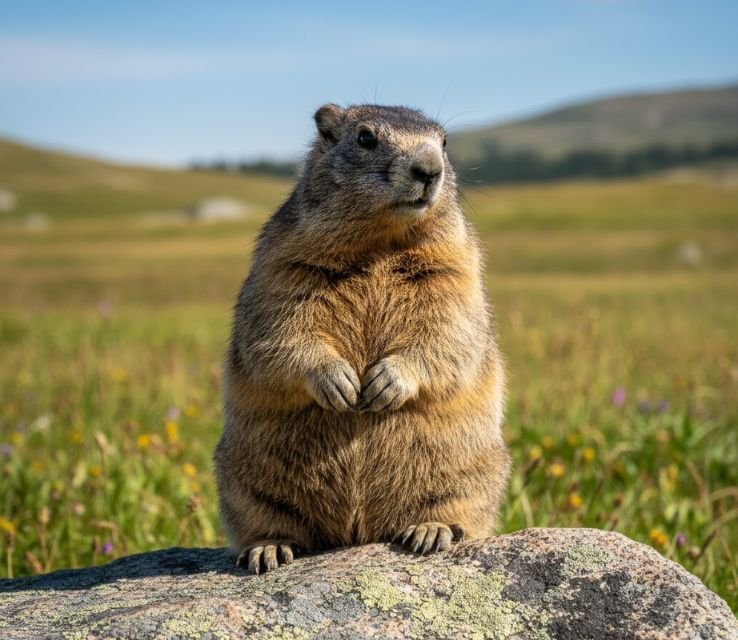
Their hibernation patterns reveal fascinating adaptations to extreme environments, cycling through periods of activity and dormancy. As social animals, marmots provide vital lessons in environmental stewardship, showcasing how collective behavior can enhance survival in challenging habitats.
Banded Mongoose
Scientific Name: Mungos mungo
Banded mongooses are intriguing animals like meerkats, known for their complex social hierarchies and cooperative behavior in the wild. They establish sophisticated systems within their groups, which can include hunting cooperation and communal babysitting duties.
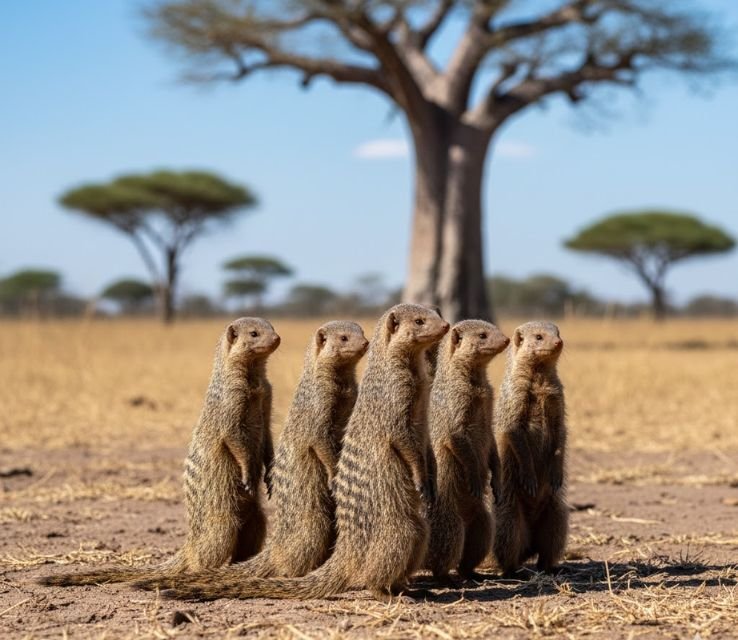
Their sharp intelligence allows them to adapt rapidly to varying environments, making them formidable foragers. A deeper dive into their behaviors reveals a rich tapestry of social interactions and survival strategies, showcasing their role as both predator and prey in their ecosystems.
Mink
Minks captivate observers with their sleek, elegant forms and playful demeanor. Found near water bodies, these semi-aquatic mammals are adept swimmers, showcasing their hunting prowess as they pursue fish and small animals.
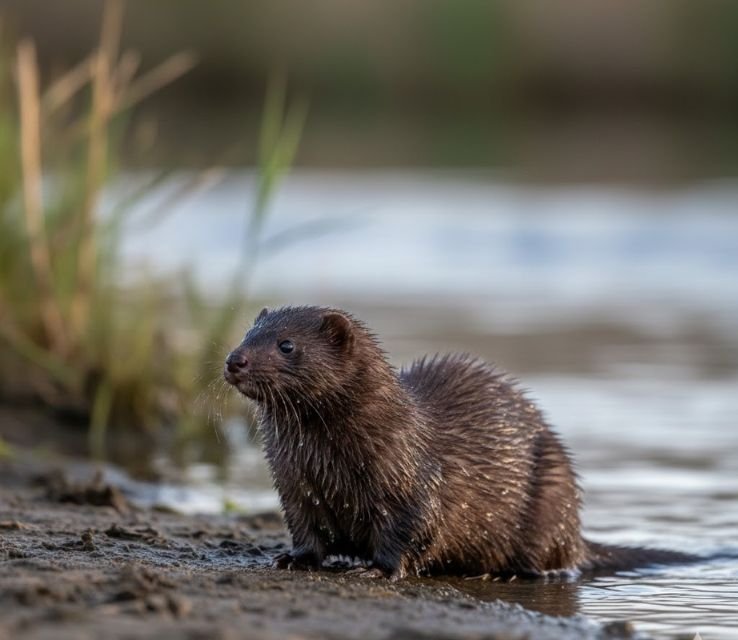
Their fur has long made them a target for fur trade, yet conservation efforts spotlight the importance of protecting their natural habitats. Beyond their beauty, minks embody the interplay of grace and survival, revealing how even the smallest ecosystems are vital to the interconnected web of life.
Ferrets
Scientific Name: Mustela putorius furo
Ferrets, energetic and curious, share many traits with animals like meerkats, particularly in their playful yet social behavior. Originally domesticated from wild ancestors, these creatures have become cherished companions while retaining some of their hunting instincts.
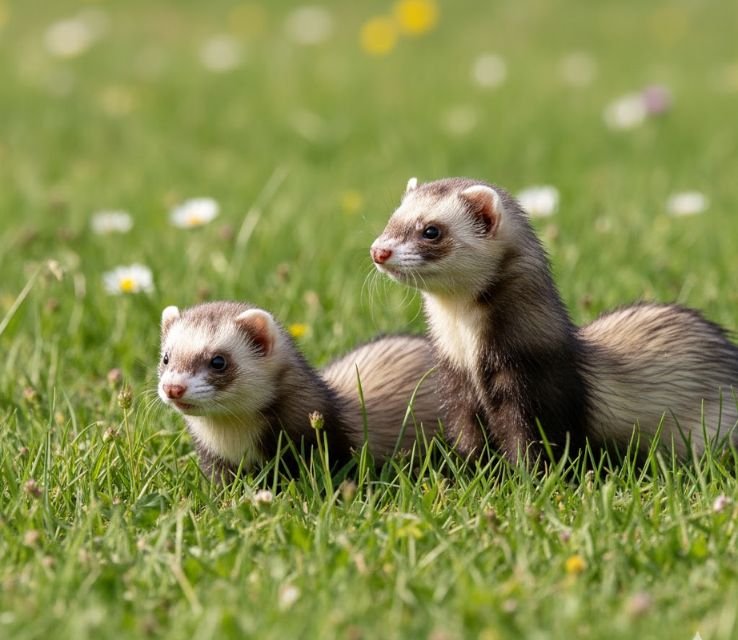
Ferrets thrive on interaction, often engaging in spirited play, which entertains updated strengthens their social bonds. Their wiry bodies and inquisitive nature hint at a blend of independence and sociability, making them intriguing animals to observe in both domestic settings and in the wild.
Final Thoughts
Animals like meerkats may belong to different species and habitats, but they share several important characteristics such as social structure, alert behavior, burrowing habits, and strong group coordination. These similarities highlight how survival in the wild often depends on teamwork and communication.
Exploring these 11 animals similar to meerkats expands our knowledge and shows how interconnected nature truly is. By learning more about these fascinating creatures, we gain a deeper respect for the role they play in their ecosystems
FAQs
What are Some Key Characteristics that make Meerkats Unique Compared to Other Animals?
Meerkats are distinguished by their social structure, characterized by cooperative behavior, sentry duty, and complex communication. Their burrowing habits and adaptability to arid environments also set them apart.
Why are Meerkats often Associated with being Social Animals?
Meerkats live in groups called clans or mobs, which fosters teamwork. Their social structure aids in survival, facilitating foraging, teaching young, and igilance against predators.
What Adaptations Do Animals like Meerkats have for their Environments?
Many similar species possess adaptations such as camouflage, burrowing abilities, and social coordination that enhance survival in harsh or arid habitats.
How Does the Cooperative Behavior of Meerkats Benefit their Survival?
By working together, meerkats enhance their foraging efficiency, provide protection against predators, and ensure the rearing of offspring, thereby increasing their overall survival rate.