Animals Like Skunks: 9 Unique Creatures (With Pictures)
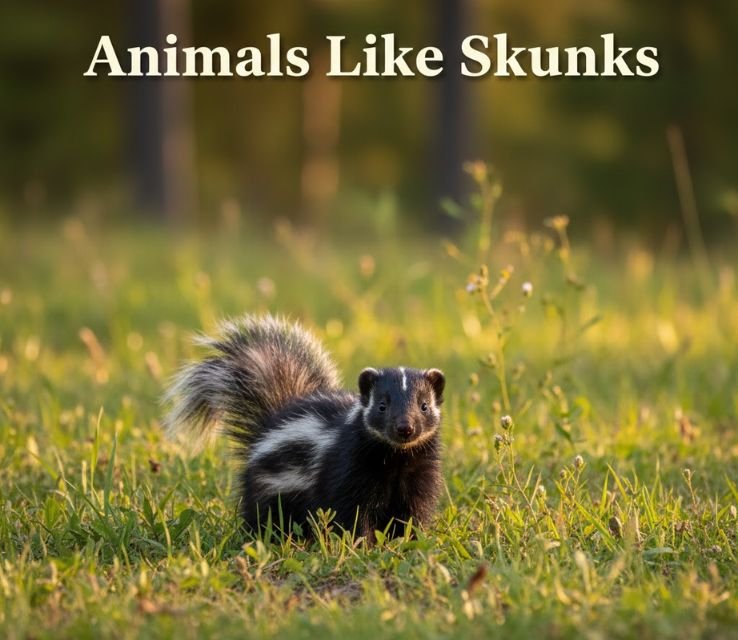
Animals Like Skunks are some of the most fascinating creatures in the wild, known for their unique defense mechanisms, striking patterns, and clever survival skills. From the bold-striped zorilla to the fearless honey badger, animals like skunks can be found across different regions of the world.
Exploring Animals Like Skunks not only helps us appreciate biodiversity but also reveals how nature equips different species with clever ways to survive predators. Each of these animals has its own story, making them just as interesting and unique as skunks themselves.
List Of Animals Like Skunks
| Number Of Animals | Names of animals like skunks |
| 1 | Honey Badgers |
| 2 | Striped Polecat |
| 3 | Wolverines |
| 4 | Raccoons |
| 5 | Otters |
| 6 | Stink badgers |
| 7 | Hedgehogs |
| 8 | Mongoose |
| 9 | Least Weasel |
Honey Badgers
Scientific Name: Mellivora capensis
Class: Mammalia
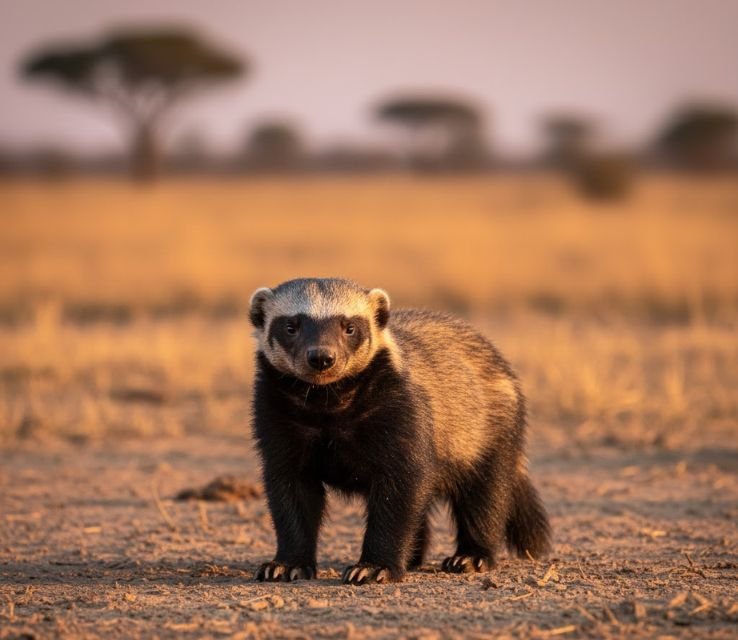
Renowned for their audacious demeanor, honey badgers are fearless foragers that challenge even the most formidable predators. These small mammals embody tenacity, often taking on snakes, bees, and larger animals without hesitation.
Their thick skin and sharp claws equip them not only for survival but also for burrowing, allowing them to access underground food sources. Observing a honey badger in action provides insight into the audacity of nature, showcasing how sheer determination can rival physical size.
Striped Polecat
Scientific Name: Ictonyx striatus
Class: Mammalia
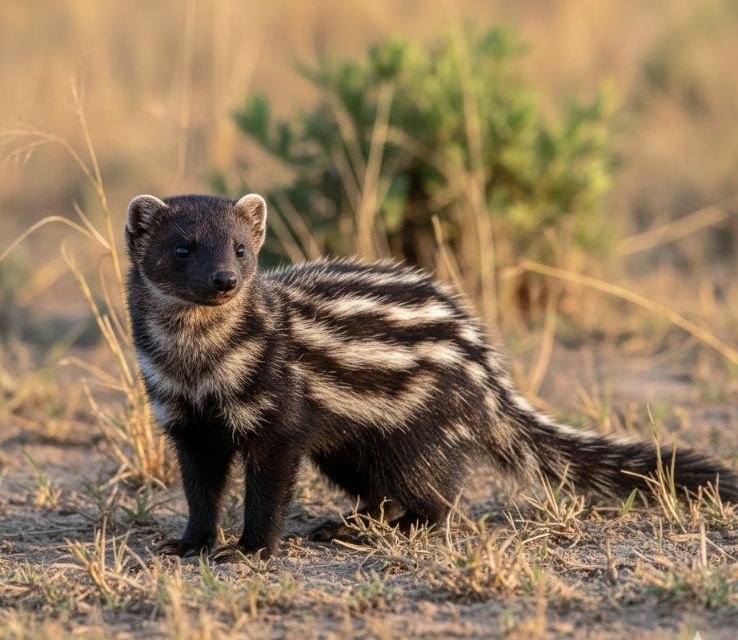
Often mistaken for a skunk due to their striking coloration, striped polecats are charismatic hunters with a flair for the dramatic. Their potent scent glands are their primary defense, allowing them to deter predators with a foul-smelling spray when provoked.
Unlike skunks, striped polecats are more agile and often engage in elaborate displays to intimidate threats before resorting to their aromatic arsenal. Exploring their behaviors reveals a fascinating intersection of strategy and survival in the animal kingdom.
Read Also: Amazing Striped Animals
Wolverines
Scientific Name: Gulo gulo
Class: Mammalia
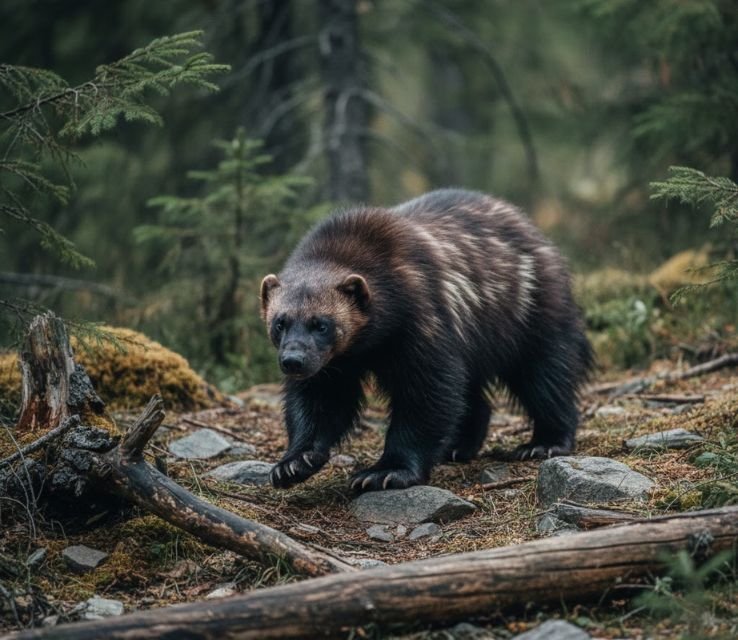
Wolverines might be one of the most underestimated carnivores, known for their burly bodies and remarkable stamina. Despite their size, they can cover vast distances in search of food, making them unparalleled scavengers in harsh environments.
Their fierce reputation is complemented by a unique ability to store leftovers for later meals, showcasing a different approach to resource management that many larger predators might overlook.
Watching a wolverine navigate its snowy domain can inspire admiration for adaptability and resilience in challenging habitats.
Read More: Top 18 Animals With 2 Legs: Complete List Pictures
Raccoons
Scientific Name: Procyon lotor
Class: Mammalia
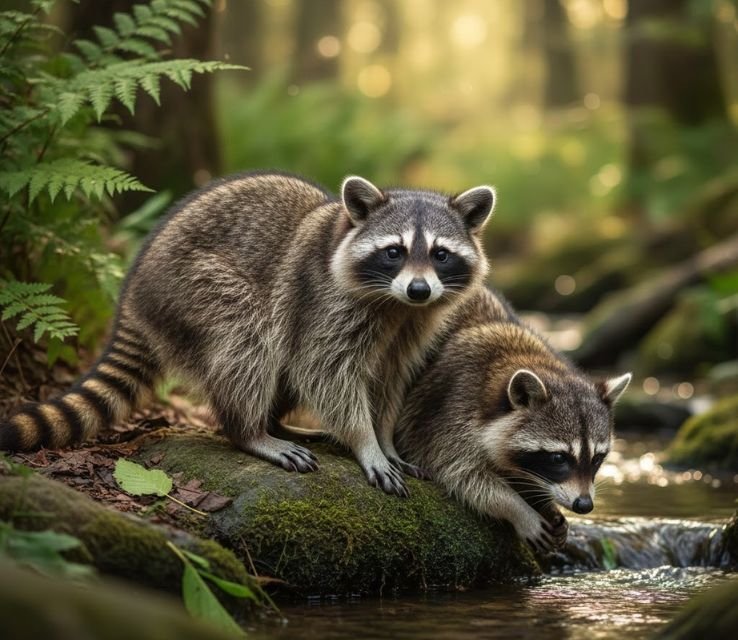
Raccoons are often perceived as clever bandits, but their intelligence goes beyond mere food theft. With dexterous paws and agile minds, these nocturnal creatures demonstrate remarkable problem-solving skills, often learning from socio-cultural cues within urban environments.
They exhibit a unique form of social learning, making them successful in adapting to human influences. Understanding the adaptability of raccoons invites a deeper appreciation for their role in Urban Ecosystems, where they often hold court as both scavengers and innovators.
Related: Top 14 Raccoons like Mammals
Otters
Class: Mammalia
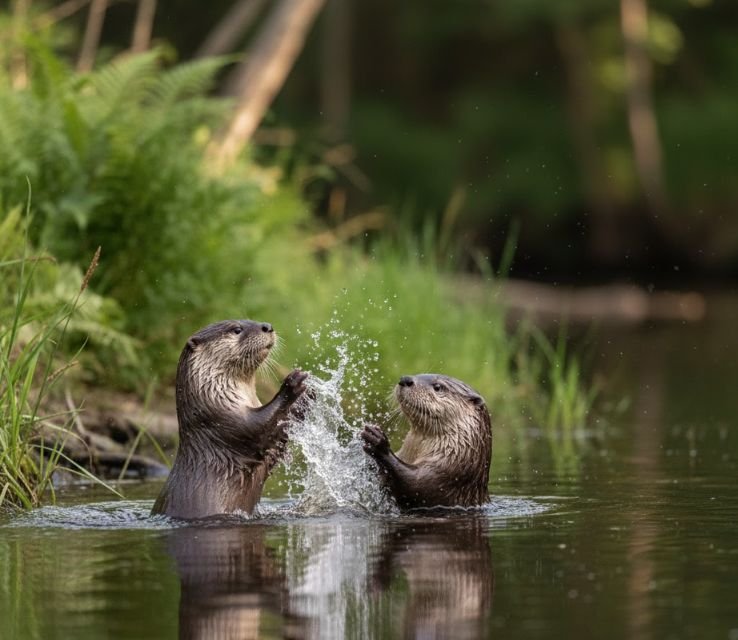
With their playful antics and undeniable charm, otters captivate anyone lucky enough to witness them in their natural habitat. These aquatic mammals are not just charming; they play a crucial role in maintaining ecosystem balance, controlling fish populations and promoting healthy aquatic vegetation.
Their use of tools, like rocks to crack open shellfish, showcases sophisticated cognitive abilities that challenge our understanding of animal intelligence. Observing otters at play reminds us of the joy of biodiversity and the vital roles each species plays in the intricate web of nature, echoing themes found in the behaviors of animals like skunks.
Stink badgers
Class: Mammalia
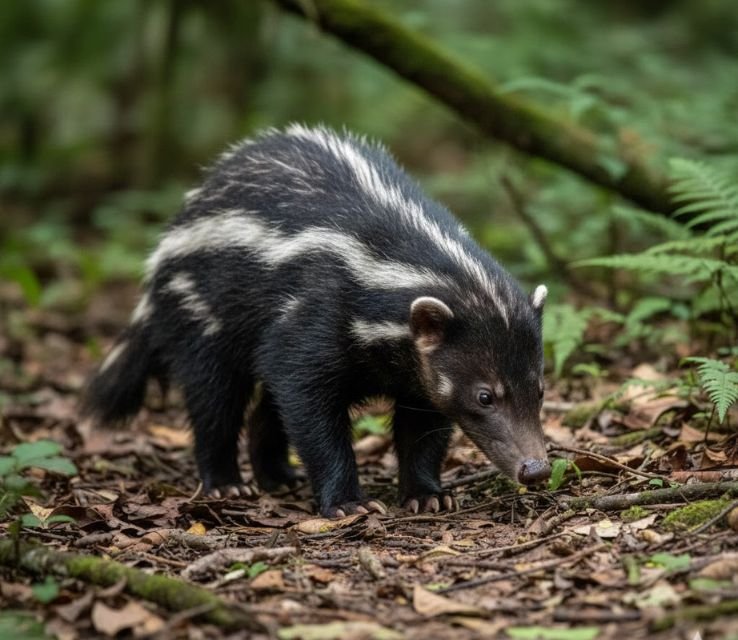
While often mistaken for skunks due to their potent scent, stink badgers possess unique adaptations that set them apart. Found primarily in Southeast Asia, these elusive creatures can spray an offensive musk that rivals their more well-known counterparts.
Unlike skunks, which spray as a defensive measure, stink badgers utilize their scent offensively, marking territory and deterring predators with a strikingly pungent aroma. Their fascinating behavior and lesser-known habits challenge common perceptions, making them a captivating subject for animal enthusiasts.
Hedgehogs
Class: Mammalia
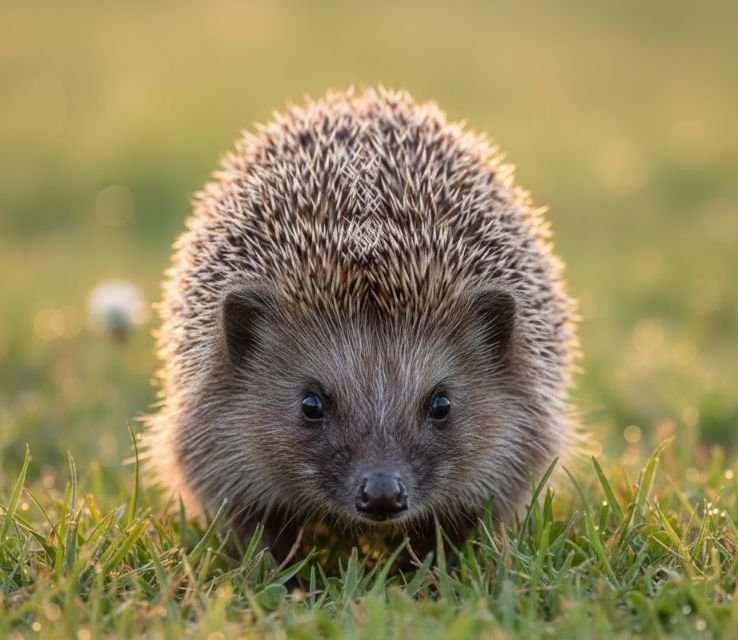
Hedgehogs are endearing little creatures that charm with their quirky personalities and adorable spiny exterior. Unlike stink badgers and skunks, hedgehogs use their defensive capabilities differently they roll into a tight ball, hiding their vulnerable underbelly.
This unique adaptation has helped them survive in a variety of habitats, from gardens to woodlands. Their role as insectivores also positions them as crucial players in local ecosystems, controlling pest populations while captivating nature lovers with their nocturnal antics.
Related: Animals that Eat Frogs in the World
Mongoose
Class: Mammalia
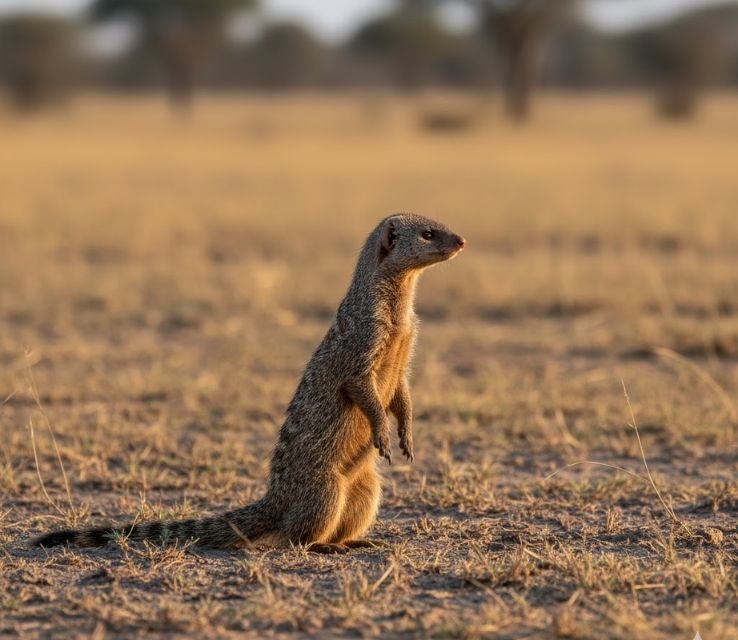
Mongooses are bold and agile predators, known for their remarkable ability to take on venomous snakes. These small mammals possess a unique resistance to certain snake venoms, setting them apart in the animal kingdom.
While they share certain similar habitats with skunks and stink badgers, mongooses are social creatures often seen in groups, displaying complex communication skills. This sociability enhances their hunting prowess and allows them to thrive in diverse environments, showcasing their adaptability unlike many other elusive carnivores.
Least Weasel
Scientific Name: Mustela nivalis
Class: Mammalia
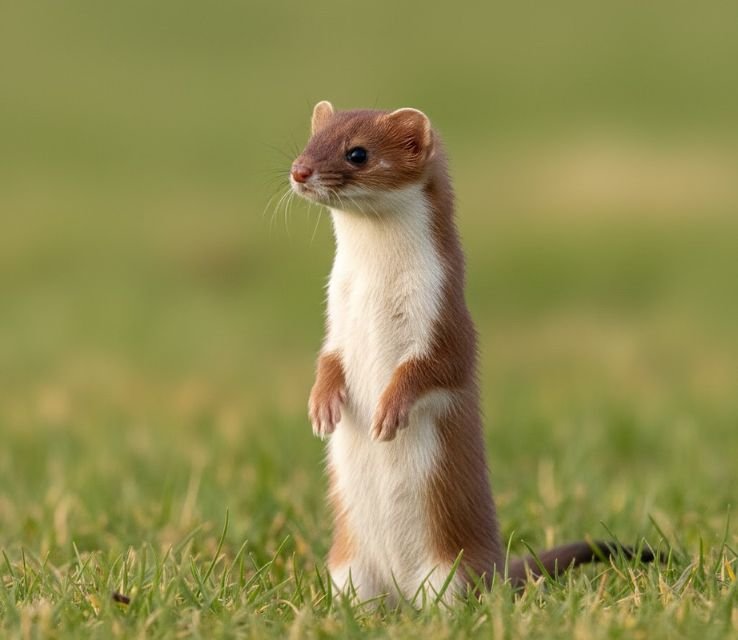
The least weasel, the smallest member of the weasel family, demonstrates a life of adaptability and agility that few animals can match. With their slender bodies and incredible speed, they are relentless hunters, often taking on prey much larger than themselves.
Unlike the defensive adaptations of stink badgers or skunks, the least weasel relies on stealth and cunning to survive. Their strategic hunting behavior and impressive metabolism allow them to thrive in various environments, showcasing a fascinating duality of being both predator and prey in the wild. This dynamic role emphasizes their significance in maintaining ecological balance.
Final Thoughts
The fascinating world of animals similar to skunks offers a glimpse into nature’s diversity and adaptability. From the charismatic meerkat to the elusive civet, each of these creatures has its own unique characteristics and behaviors that intrigue animal lovers and researchers alike.
Understanding their environments and habits not only deepens our appreciation for the animal kingdom but also emphasizes the importance of wildlife conservation.
As we explore these nine remarkable animals, we are reminded that every species plays a vital role in the ecosystem. Whether you’re an avid nature enthusiast or just curious about wildlife, take the time to learn more about these incredible animals and advocate for their protection.
FAQs
What Animal is Closest Related to Skunks?
The nearest relatives of skunks are the weasels, ferrets, and otters, all of which belong to the family Mustelidae.
What are the 12 Types of Skunks?
The 12 types of skunks include: Eastern Spotted Skunk, Western Spotted Skunk, Striped Skunk, Hooded Skunk, Pigmy Skunk, and several others, including those from specific regions or subspecies.
Do Skunks and Raccoons Coexist?
Yes, skunks and raccoons can coexist in the same habitats, often sharing similar food sources and environments without typically competing heavily.