12 Amazing Animals That Live in Fields (With Pictures)
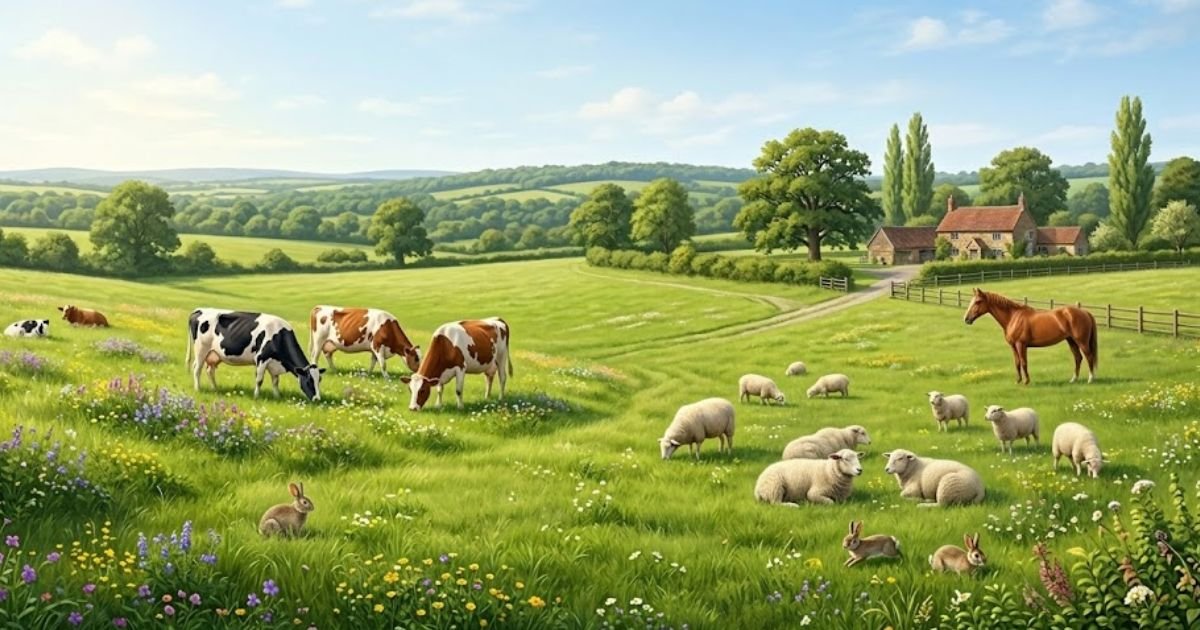
Animals That Live in Fields are some of the most fascinating creatures you can observe in nature. Open fields and grassy landscapes provide the perfect habitat for many animals because they offer plenty of food, space, and shelter.
From small mammals hiding in tall grass to birds searching for insects, these environments support a wide variety of wildlife. Fields are not just empty spaces; they are full of life, movement, and natural beauty.
In this article, we will explore 12 amazing animals that live in fields, along with pictures to help you recognize these incredible creatures and learn more about their unique lifestyles.
List Of Animals That Live in Fields
| Number Of Animals | Names Of Animals |
| 1 | Field Mice |
| 2 | Foxes |
| 3 | Opossums |
| 4 | Raccoons |
| 5 | Rabbits |
| 6 | Deer |
| 7 | Groundhogs |
| 8 | Squirrels |
| 9 | Skunks |
| 10 | Moles |
| 11 | Chipmunks |
| 12 | Turkeys |
Field Mice
Scientific Name: Apodemus sylvaticus
Class: Mammalia
Diet: Omnivore
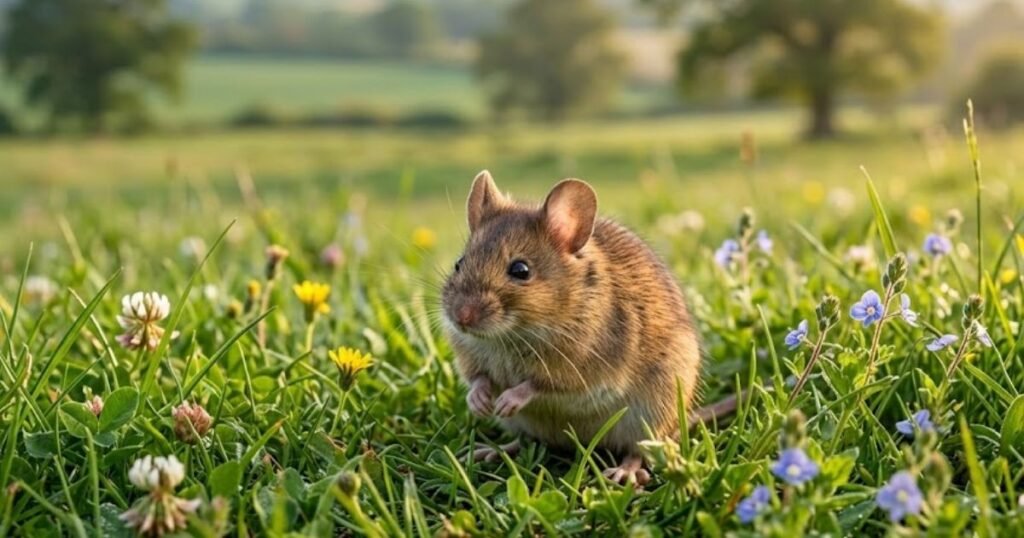
Field mice, small and nimble rodents, are often seen darting through grasslands and farmlands. These animals that Live in rice fields These creatures are vital to the ecosystem and serve as prey for a variety of predators, including birds of prey and snakes. With their keen senses, field mice thrive in meadows and agricultural areas, where they forage for seeds, grains, and roots.
They are small animals that live in fields. Their ability to reproduce quickly allows them to maintain a stable population, even in the face of numerous natural threats. Remarkably, field mice are also adept at creating complex burrow systems, providing safety from predators.
Foxes
Scientific Name: Vulpes
Class: Mammalia
Diet: Omnivore
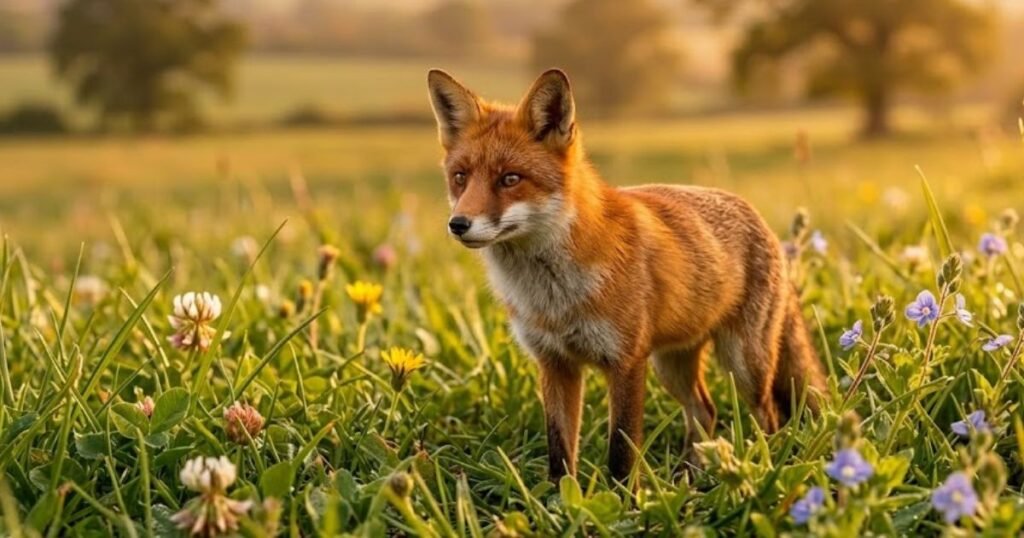
Foxes are intelligent, adaptable creatures that thrive in diverse environments, including fields and woodlands. Known for their cunning behavior, these animals are skilled hunters, often using strategic tactics to catch small mammals, birds, and insects.
Their striking red or gray fur provides excellent camouflage in nature, while their keen hearing aids in detecting prey. Foxes are also highly social animals, often living in small family groups. As scavengers, they play a crucial role in maintaining ecosystem balance by controlling rodent populations.
Related: Top 20 Animals Similar to Foxes
Opossums
Scientific Name: Didelphidae
Class: Mammalia
Diet: Omnivore
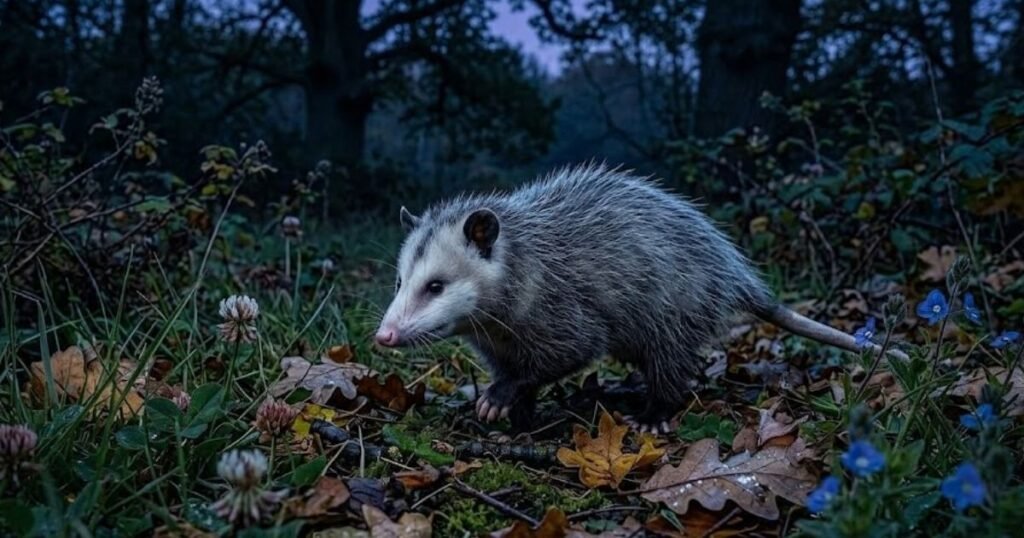
Opossums are fascinating marsupials that have a unique role in the field ecosystem. They are known for their ability to “play dead” as a defense mechanism against predators. These nocturnal animals are also important for their pest control capabilities; they consume large quantities of ticks, which helps reduce the spread of Lyme disease.
Opossums are not picky eaters and will scavenge for fruits, insects, and small rodents, making them versatile foragers. They are often seen as beneficial to agricultural areas, maintaining a natural balance among field inhabitants.
Raccoons
Scientific Name: Procyon lotor
Class: Mammalia
Diet: Omnivore
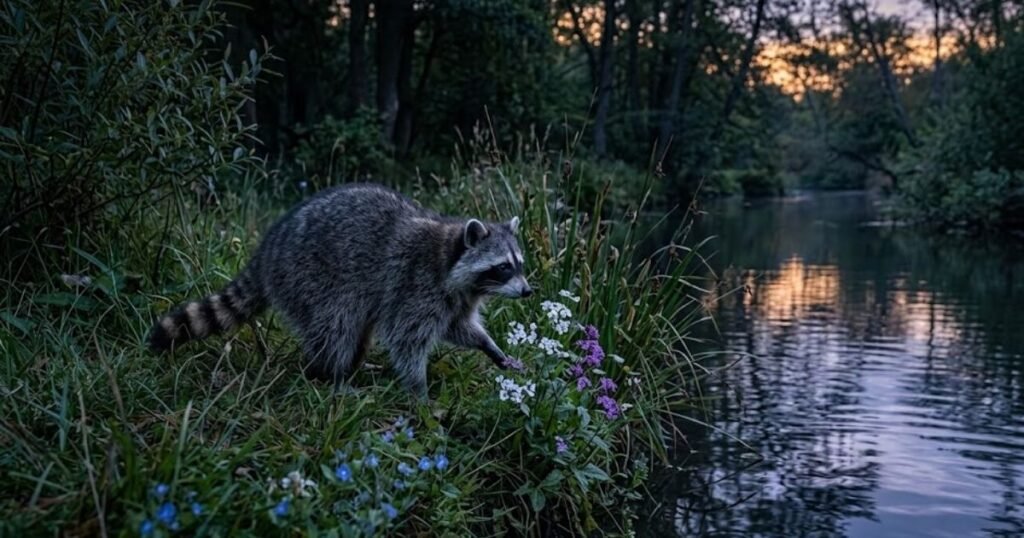
Raccoons are highly intelligent and resourceful animals that can be found in both urban and rural settings, including fields. With their dexterous front paws, they are known for their ability to open containers and forage for food a trait that often leads them to human habitats.
Raccoons are omnivorous, enjoying a diet that ranges from fruits and nuts to insects and small fish. Their adaptability to varied environments has made them successful survivors. They play a significant role in field ecosystems by scattering seeds, aiding plant growth.
Read Also: Top 14 Raccon like Animals
Rabbits
Class: Mammalia
Diet: Herbivore
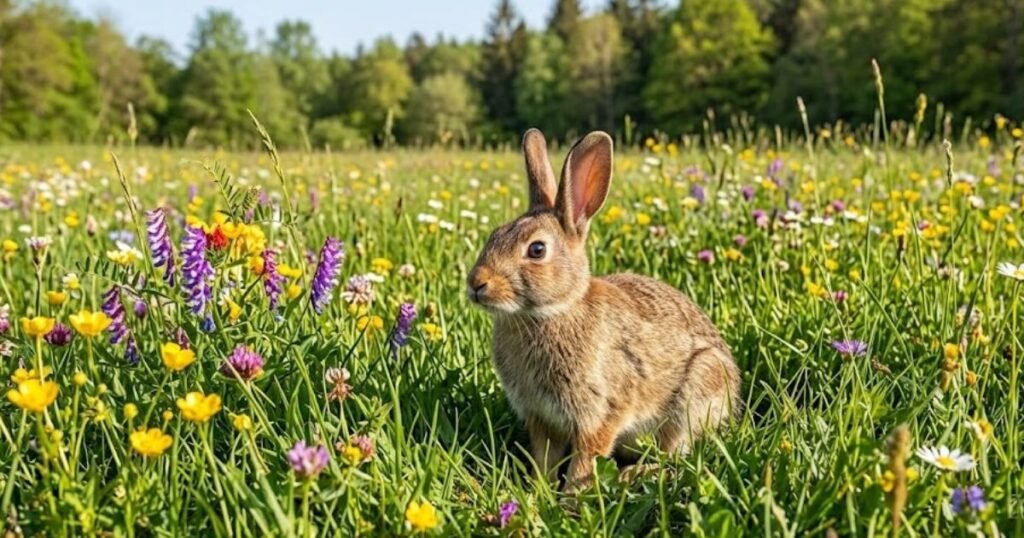
Rabbits are iconic inhabitants of fields, known for their fluffy tails and bounding leaps. These animals that live in flower fields. These herbivores are essential for maintaining the health of grasslands and meadows, as they help control vegetation growth through their feeding habits.
Their ability to reproduce rapidly means they can quickly populate areas, making them a staple prey for many predators, including foxes and hawks.
Rabbits also create burrows that provide refuge not just for themselves but for other species as well, enhancing biodiversity within their habitat. Their presence is often a sign of a thriving ecosystem, as they contribute to the balance between flora and fauna.
Read More: Top 18 Animals With 2 Legs: Complete List Pictures
Deer
Class: Mammalia
Diet: Herbivore
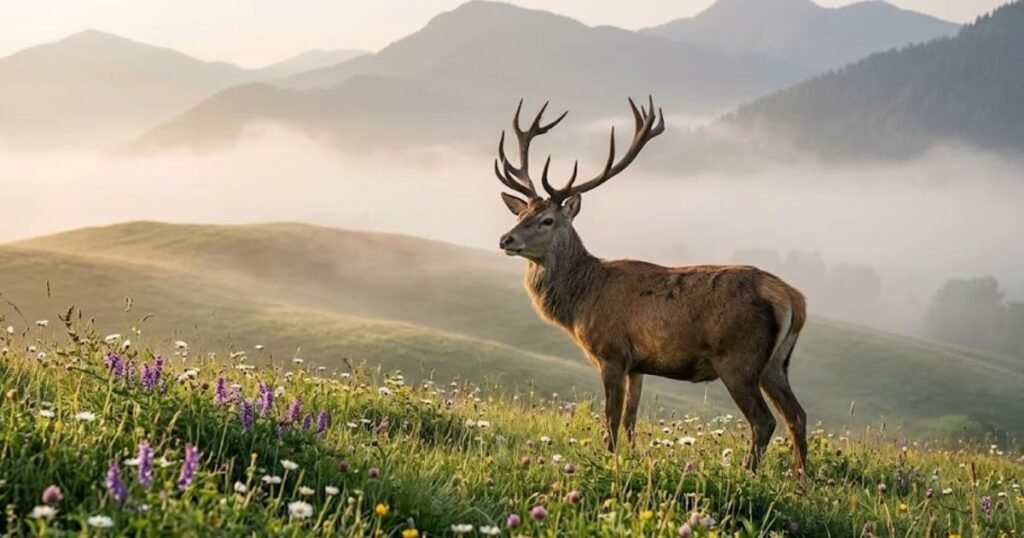
The majestic deer gracefully roam across fields, serving as herbivores that browse on shrubs and grasses. Their presence affects plant communities significantly, as they can help in promoting growth by keeping certain species in check.
Known for their keen senses and agility, deer are often prey for larger predators, thus maintaining the natural balance of the ecosystem. Their seasonal migrations not only showcase their adaptability but also help to maintain a dynamic environment that benefits many species in the field habitats they traverse.
Groundhogs
Scientific Name: Marmota monax
Class: Mammalia
Diet: Herbivore
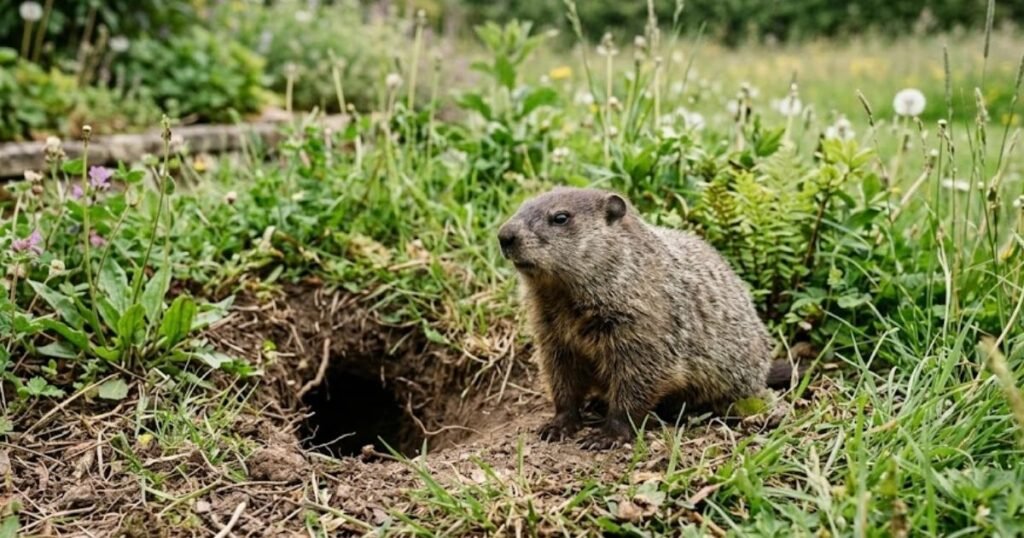
Groundhogs, also known as woodchucks, are robust members of the rodent family and are known for their burrowing abilities. Typically found in open fields, these animals enjoy a diet of plants, making them essential contributors to their ecosystem.
Groundhogs play a crucial role in soil aeration through their extensive burrow systems, promoting plant health and growth. Their cheeky behavior often entertains observers as they emerge from their homes to forage or sunbathe.
Squirrels
Class: Mammalia
Diet: Omnivore
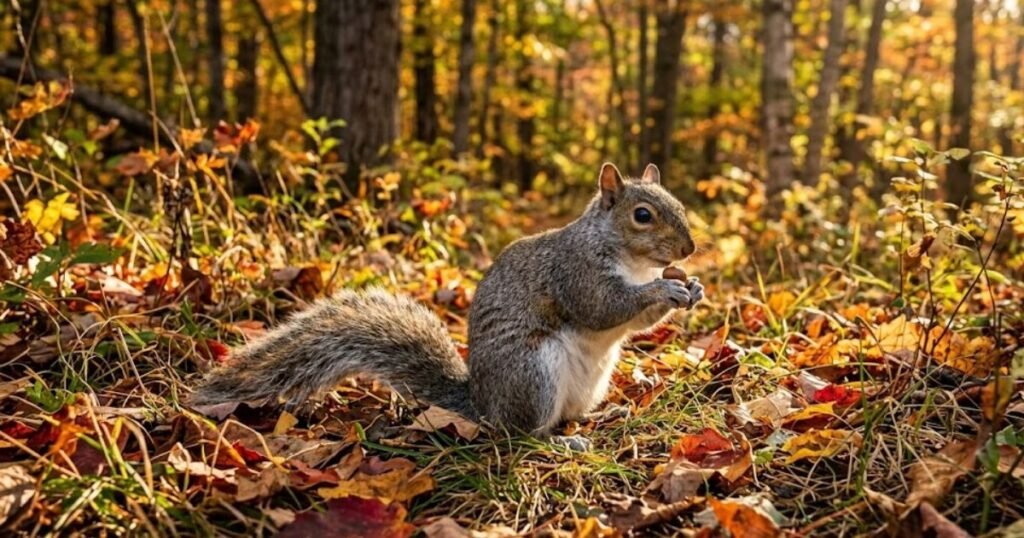
Squirrels, particularly the eastern gray, thrive in fields and wooded areas alike, showcasing their remarkable ability to adapt. These animals live in wheat fields. With their acrobatic skills and dexterous paws, they’re experts at climbing and foraging for nuts and seeds.
Their role as seed dispersers aids in the propagation of many tree species, making them vital players in maintaining healthy ecosystems. Their lively chatter and playful interactions with other squirrels provide delightful moments for field-goers.
Skunks
Class: Mammalia
Diet: Omnivore
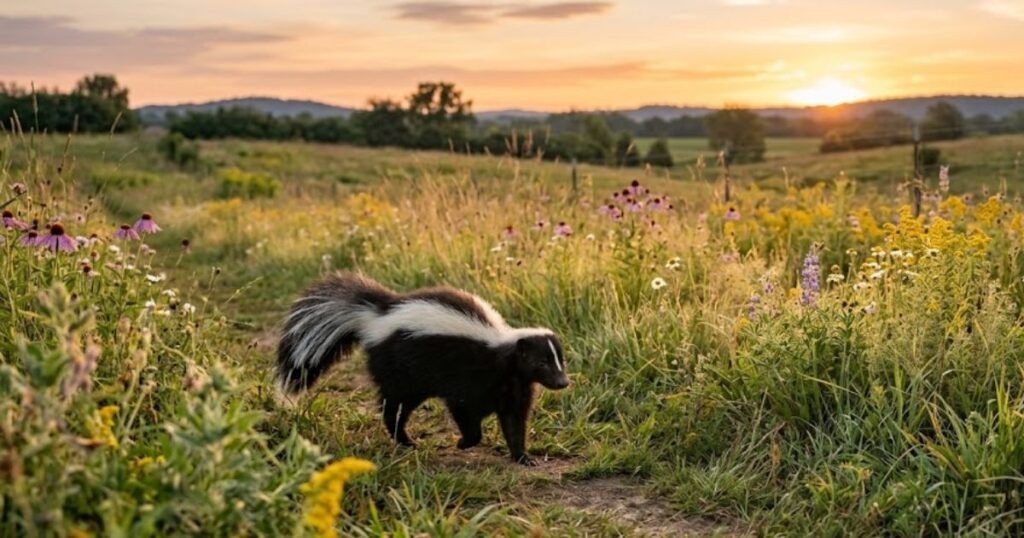
Skunks are often misjudged for their pungent defense mechanism, but these small mammals are far more than their scent would suggest. Found predominantly in fields, skunks are effective insectivores, helping control pest populations.
Their nocturnal habits allow them to avoid many predators, while their striking black and white coloration serves as a warning signal. Skunks also exhibit complex social behaviors, including vocalizations and grooming rituals among family members.
Related: Animals Like Skunks
Moles
Class: Mammalia
Diet: Carnivore/Insectivore
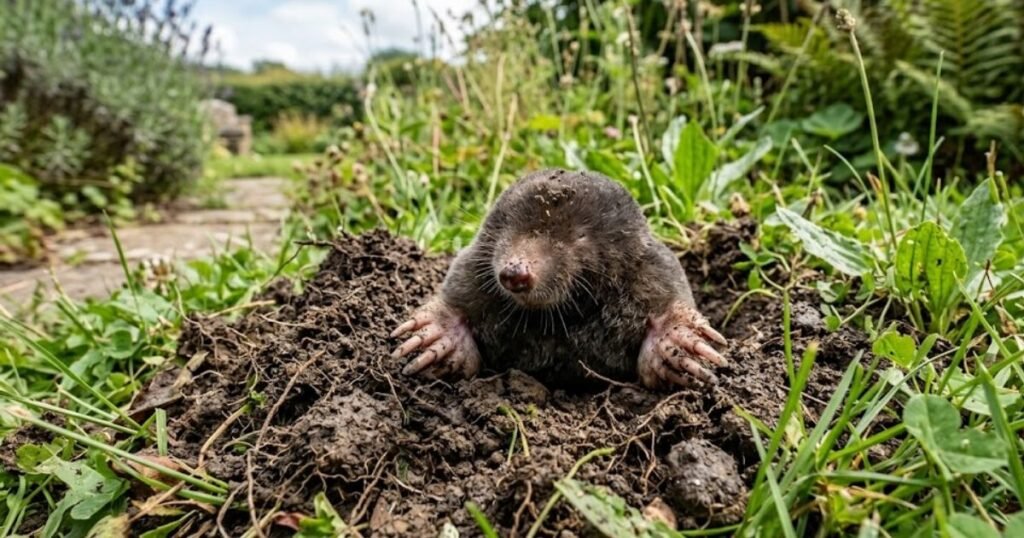
Moles are fascinating burrowers, spending most of their lives underground in tunnels beneath fields. Their velvety fur and powerful front paws make them exceptional diggers, allowing them to aerate the soil and promote Healthy Root Systems for plants.
Although rarely seen above ground, their presence is often indicated by raised ridges in the soil. Moles primarily feed on insects and worms, playing a crucial role in pest control.
Chipmunks
Class: Mammalia
Diet: Omnivore
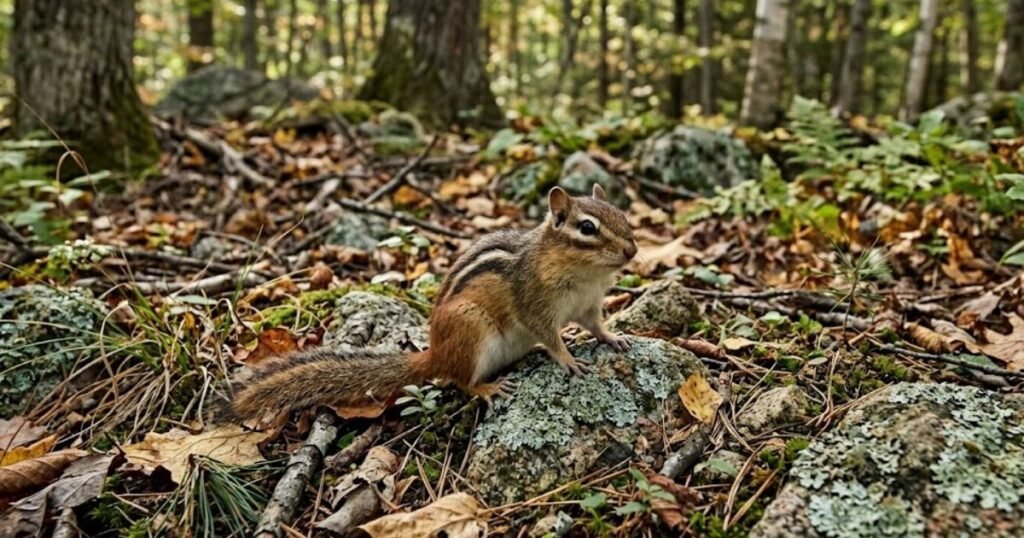
Chipmunks are small, energetic rodents that inhabit fields and forests, characterized by their distinctive stripes. Known for their cheek pouches, they collect and store food for winter, showcasing their adaptive survival strategies.
Chipmunks often share their habitats with a variety of other animals, contributing to a biodiverse ecosystem. Their playful antics and inquisitive nature not only captivate human observers but also enhance their adaptability in the wild.
Turkeys
Class: Aves
Diet: Omnivore
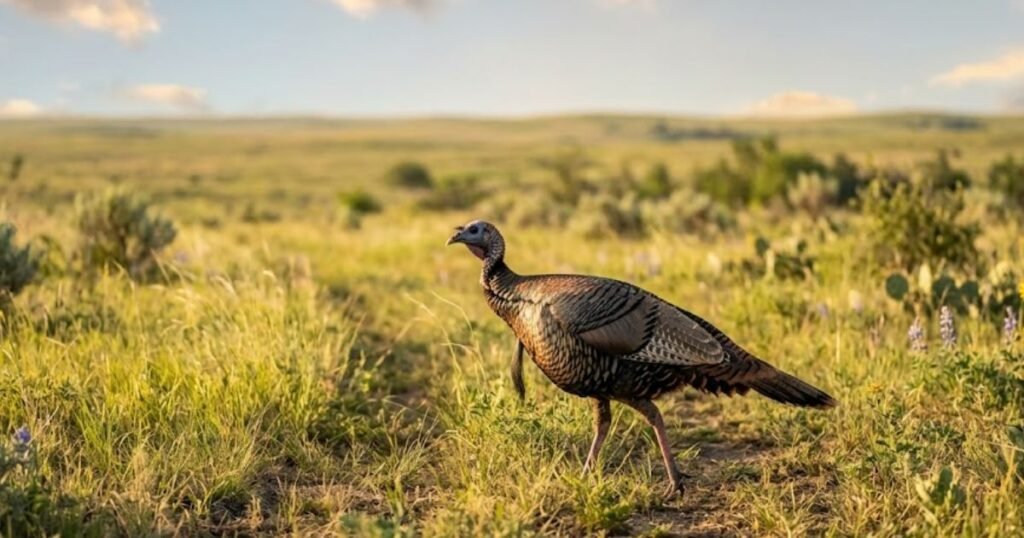
Wild turkeys are notable inhabitants of open fields, where they forage for seeds, nuts, and insects. They are social birds that often gather in flocks, displaying hierarchical structures within their groups. With their impressive feathers and elaborate mating displays, they exemplify the beauty of wildlife in open habitats.
Besides being a historical symbol of Thanksgiving, turkeys play a vital role in their ecosystems by helping to control insect populations and aiding in seed dissemination. Their adaptability in both rural and suburban settings highlights their resilience as a species.
Related: Top 11 Honey-Eating Animals in the World
Final Words
Fields and grasslands are important natural habitats that support many different types of animals. From tiny creatures hidden in the grass to larger animals roaming freely, each species plays a role in maintaining the balance of nature. Learning about animals that live in fields helps us appreciate the diversity of wildlife that exists all around us.
By understanding these animals and their habitats, we can also recognize the importance of protecting natural environments. The more we explore and learn about these fascinating creatures, the more we realize how valuable and beautiful the natural world truly is.
FAQs
What Animals Live in a Field?
Common animals found in fields include rabbits, deer, foxes, various birds, and insects like grasshoppers.
What are 5 Examples of Animals That Live on Land?
Examples of land animals include lions, elephants, bears, giraffes, and kangaroos.
What Animals Live in the Ground?
Animals that live in the ground include moles, worms, groundhogs, ants, and various species of beetles.
What Role Do Animals Play in Field Ecosystems?
Animals in field ecosystems contribute to pollination, seed dispersal, and soil aeration, helping maintain ecological balance.
Do Animals Live in All Types of Fields?
Yes, animals can inhabit various types of fields, such as grasslands, meadows, and agricultural areas, each hosting different species.