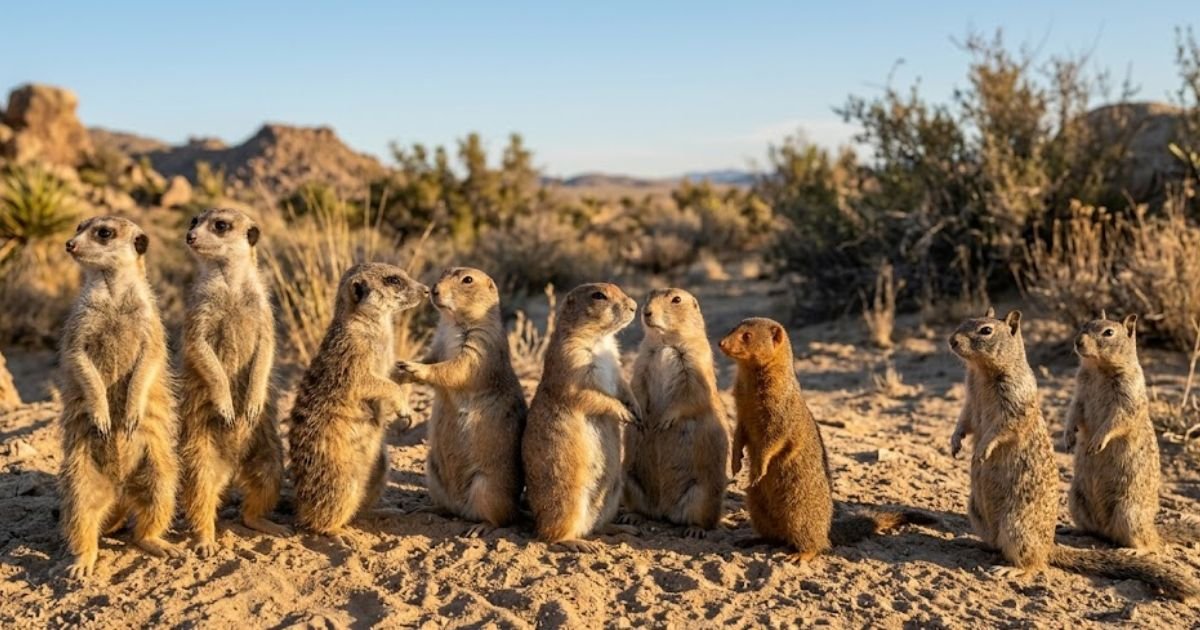
Top 15 Flexible Animals in the World (With Images)
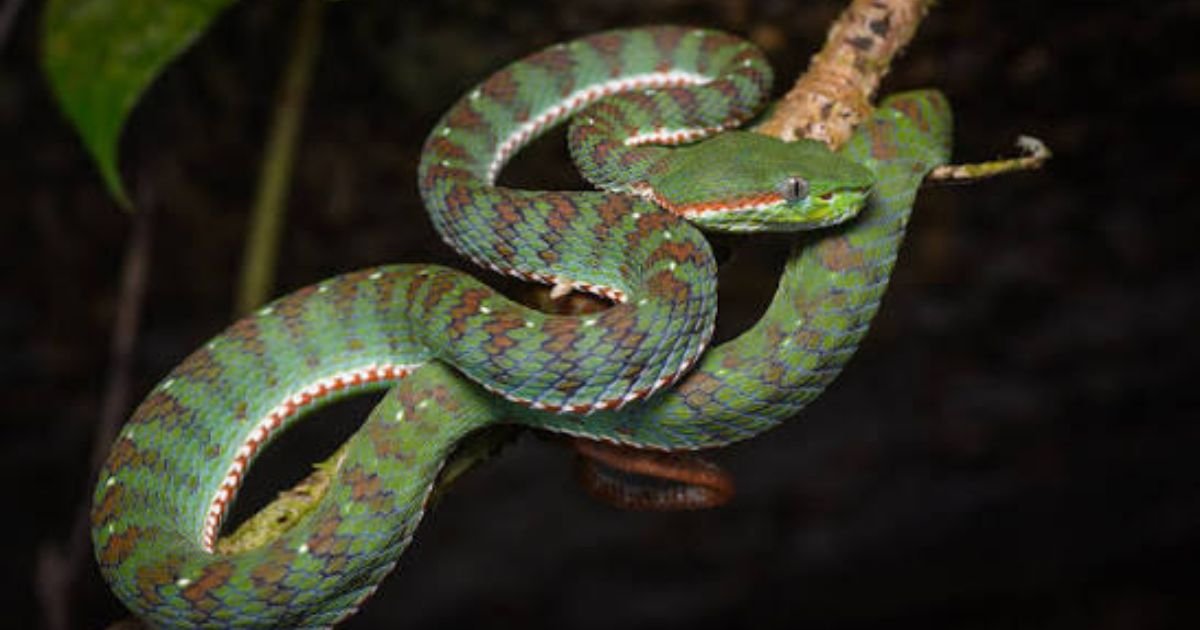
Some species have highly flexible spines, while others possess bendable limbs, elastic muscles, or soft bodies that help them survive. These remarkable adaptations make the flexible animals in the world some of the most agile and efficient creatures on Earth.
From the shape-shifting octopus to the acrobatic monkey and graceful snake, each animal has evolved unique physical abilities that improve its mobility and survival. In this article, you’ll discover the Top 15 Flexible Animals in the World, along with their scientific names, classifications, diets, and fascinating facts about why they are considered among the most flexible animals in nature.
List of Flexible Animals in the World
Following is the list of animals with flexible bodies.
| No. | Common Name | Scientific Name |
| 1 | Octopus | Octopus vulgaris |
| 2 | Snake | Python bivittatus |
| 3 | Cat | Felis catus |
| 4 | Monkey | Macaca mulatta |
| 5 | Leopard | Panthera pardus |
| 6 | Cheetah | Acinonyx jubatus |
| 7 | Dolphin | Tursiops truncatus |
| 8 | Ferret | Mustela furo |
| 9 | Squirrel | Sciurus vulgaris |
| 10 | Gecko | Gekko gecko |
| 11 | Sea Lion | Zalophus californianus |
| 12 | Otter | Enhydra lutris |
| 13 | Tiger | Panthera tigris |
| 14 | Spider Monkey | Ateles geoffroyi |
| 15 | Eel | Anguilla anguilla |
Octopus
Scientific Name: Octopus vulgaris
Class: Cephalopoda
Diet: Carnivore
The octopus is widely regarded as one of the most flexible animals on Earth because its body contains no bones except for its hard beak. This unique anatomy allows it to squeeze through tiny cracks and openings much smaller than its body.

An octopus can stretch, twist, and reshape itself while hunting prey or escaping predators. Its flexible body makes it one of the most fascinating marine creatures in the world. These extraordinary abilities make it one of the finest animals with flexible bodies and an excellent example of flexibility in nature
In addition to its physical flexibility, the octopus is highly intelligent and uses its adaptable body to explore coral reefs and rocky crevices. It can extend its arms in different directions independently while maintaining excellent control over each movement.
Snake
Scientific Name: Python bivittatus
Class: Reptilia
Diet: Carnivore
The snake is one of the best-known flexible animals in the world, thanks to its long body and highly flexible spine. With hundreds of vertebrae connected by movable joints, snakes can bend, coil, climb, and slither across a wide range of surfaces.

If someone asks what is the most flexible animal, many experts would include snakes among the top contenders because of their exceptional mobility. This flexibility allows them to move silently through forests, deserts, and wetlands while searching for prey or avoiding danger.
Snakes also use their flexible bodies to wrap around prey, climb trees, and swim through water with remarkable ease. Their muscles work together to create smooth, controlled movements that require very little energy.
Cat
Scientific Name: Felis catus
Class: Mammalia
Diet: Carnivore
Domestic cats are among the most agile flexible animals because of their highly flexible spine and loose shoulder joints. These features allow them to twist their bodies while jumping, climbing, or landing safely after a fall.

Cats can squeeze through narrow spaces and quickly change direction while chasing prey or playing. Their graceful movements are a result of millions of years of evolution as skilled hunters.
Cats also possess remarkable balance and coordination, making them excellent climbers and jumpers. Their flexible bodies help them maintain stability while walking on narrow surfaces or climbing trees.
Monkey
Scientific Name: Macaca mulatta
Class: Mammalia
Diet: Omnivore
Monkeys are among the smartest flexible animals in the world, using their flexible limbs and strong muscles to move effortlessly through forests. They climb, swing, leap, and balance on branches with remarkable precision while searching for food.

Their flexible shoulders, hips, and tails in some species allow them to reach places that many other mammals cannot access. This agility helps them escape predators and travel efficiently through the treetops.
In addition to their physical flexibility, monkeys display excellent coordination and problem-solving abilities. They frequently stretch, bend, and climb while interacting with members of their troop or exploring new environments. Their athletic lifestyle makes them outstanding examples of animals with flexible bodies that combine intelligence with exceptional mobility.
Related: Dangerous Animals in the World
Leopard
Scientific Name: Panthera pardus
Class: Mammalia
Diet: Carnivore
The leopard is one of the most flexible animals among the big cats because of its muscular body and highly flexible spine. This flexibility allows it to climb trees, leap great distances, and move silently while stalking prey.

Leopards can quickly twist their bodies during a chase, giving them excellent balance and control. Their graceful movements make them highly successful hunters in forests, mountains, and grasslands.
Leopards also use their flexibility to carry heavy prey into trees, protecting it from scavengers such as lions and hyenas. Their powerful limbs and adaptable body allow them to navigate steep cliffs and dense vegetation with ease. These remarkable abilities make leopards one of the finest animals that are flexible and among the most agile predators in the wild.
Cheetah
Scientific Name: Acinonyx jubatus
Class: Mammalia
Diet: Carnivore
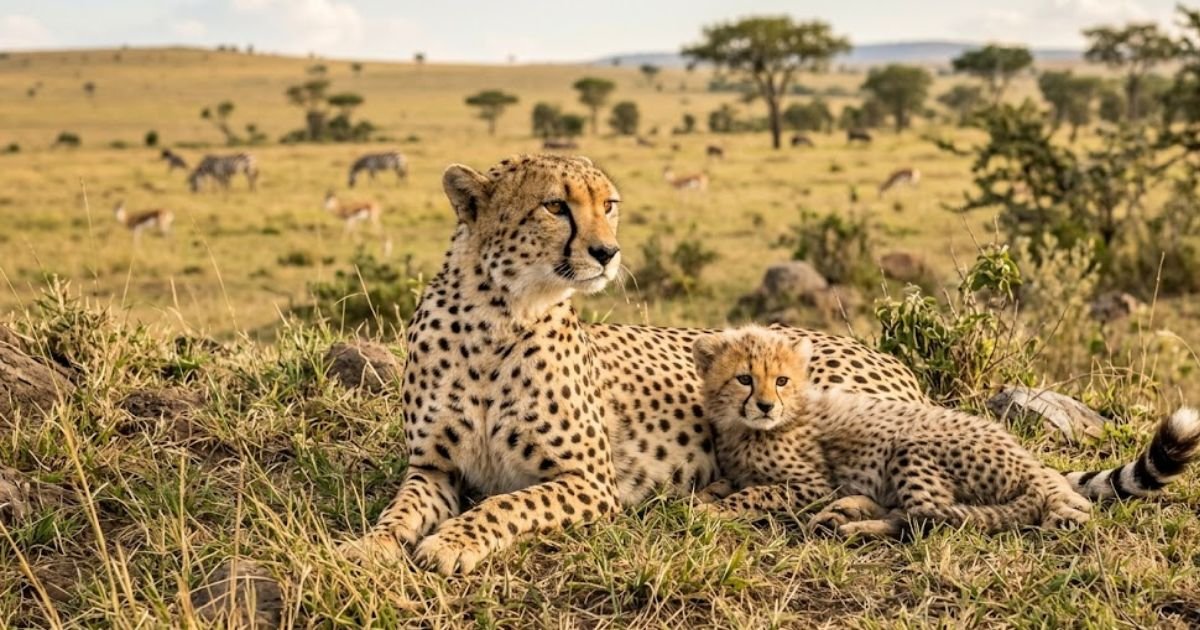
The cheetah is one of the most flexible animals in the world, with a highly flexible spine that allows it to achieve incredible speed. During a sprint, its spine bends and stretches like a spring, enabling the cheetah to cover several meters in a single stride.

This remarkable flexibility increases its acceleration and helps it reach speeds of up to 70 miles per hour. Combined with its lightweight body and long legs, this adaptation makes the cheetah the fastest land animal .Because of its unique body structure, it is considered one of the finest animals with flexible bodies and a perfect example of flexibility in mammals.
In addition to its speed, the cheetah uses its flexible body to make sharp turns while chasing prey across open grasslands. Its long tail acts as a counterbalance, allowing it to change direction without losing stability. These physical traits give the cheetah a major advantage when hunting agile animals such as gazelles.
Dolphin
Scientific Name: Tursiops truncatus
Class: Mammalia
Diet: Carnivore
The dolphin is one of the most graceful flexible animals in the world, thanks to its streamlined body and flexible spine. These adaptations allow it to swim rapidly through the ocean, leap high above the water, and make quick turns while chasing schools of fish.

Dolphins can twist and bend their bodies with ease, helping them navigate underwater environments efficiently. Their flexibility also reduces water resistance, making them powerful and agile swimmers.
Besides their physical agility, dolphins use their flexibility during playful interactions and cooperative hunting. They often perform spins, flips, and synchronized movements while communicating with members of their pod. Their muscular bodies provide both strength and smooth movement in the water.
Read Also: Hard-Working Animals in the World
Ferret
Scientific Name: Mustela furo
Class: Mammalia
Diet: Carnivore
The ferret is one of the smallest yet most impressive animals with flexible bodies, thanks to its long, slender frame and highly flexible spine. This body shape allows it to crawl through narrow tunnels and tight underground burrows while searching for prey.

Ferrets can twist, stretch, and squeeze into spaces that seem far too small for their size. Their agility has made them excellent hunters of rodents and rabbits throughout history.
Ferrets are naturally curious and constantly explore their surroundings by climbing, crawling, and squeezing through small openings. Their flexible bodies help them move quickly in confined spaces without difficulty.
This remarkable mobility makes them efficient predators and playful companions. Because of these unique abilities, ferrets are recognized as some of the most flexible animals among small mammals.
Squirrel
Scientific Name: Sciurus vulgaris
Class: Mammalia
Diet: Omnivore
The squirrel is one of the most agile flexible animals in the world, using its flexible body to leap between tree branches with incredible precision. Strong back legs, movable joints, and excellent balance allow squirrels to climb trees headfirst and land safely after long jumps.

These characteristics place squirrels among the finest animals that are flexible and perfectly adapted for life in the treetops. Their flexible spine helps absorb impact during landing while maintaining stability. These adaptations make squirrels highly successful at escaping predators.
Squirrels also use their flexible limbs to grip branches, gather food, and build nests high in trees. Their bushy tails provide additional balance while climbing and jumping through dense forests. Every movement demonstrates exceptional coordination and athletic ability.
Gecko
Scientific Name: Gekko gecko
Class: Reptilia
Diet: Carnivore
The gecko is one of the most fascinating flexible animals because it combines a flexible body with specialized toe pads that allow it to climb walls and ceilings. Its spine and limbs bend easily, enabling it to move across rocks, tree trunks, and smooth surfaces with remarkable agility. Geckos can quickly change direction while chasing insects, making them highly effective hunters despite their small size.

Another impressive feature of the gecko is its ability to squeeze into narrow cracks to avoid predators or find shelter. Its lightweight body and flexible joints help it navigate challenging environments with ease.
Some species can even detach and regrow their tails as a defense mechanism. These extraordinary adaptations make geckos outstanding animals with flexible bodies and excellent examples of flexibility in reptiles.
Sea Lion
Scientific Name: Zalophus californianus
Class: Mammalia
Diet: Carnivore
The sea lion is one of the most graceful flexible animals in the world, using its streamlined body and powerful flippers to move effortlessly through the ocean. Its flexible spine allows it to twist, roll, and turn quickly while swimming after fish, squid, and other marine prey.

Sea lions can rotate their hind flippers forward, making it easy for them to walk and climb on land. This unique ability gives them excellent mobility both in water and on rocky shores.
Sea lions are also highly agile during social interactions and playful activities. They perform fast underwater spins, leaps, and dives while communicating with members of their colony. Their flexible bodies help them avoid predators and catch fast-moving prey with ease.
Otter
Scientific Name: Enhydra lutris
Class: Mammalia
Diet: Carnivore
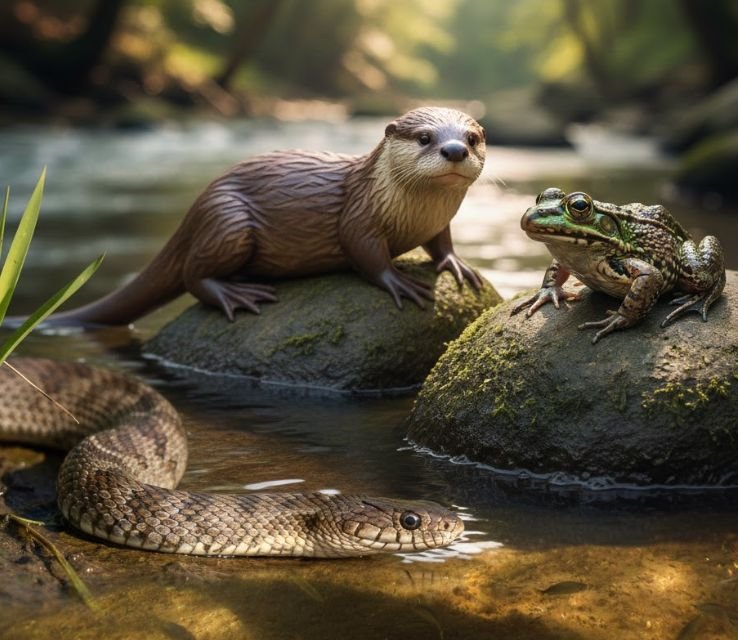
The otter is one of the most playful animals with flexible bodies, thanks to its long, streamlined body and highly flexible spine. It can twist, roll, and dive effortlessly while swimming through rivers, lakes, and coastal waters. These adaptations place otters among the most flexible animals and highlight the importance of flexibility in aquatic mammals.

Flexible limbs and webbed feet allow otters to make quick turns while chasing fish, crabs, and shellfish. Their agility makes them highly successful aquatic hunters.
Otters also use their flexibility while grooming their thick fur and handling food with their front paws. They often roll through the water, squeeze into rocky crevices, and climb onto riverbanks with ease. Their energetic lifestyle depends on their ability to move smoothly both in water and on land.
Tiger
Scientific Name: Panthera tigris
Class: Mammalia
Diet: Carnivore
The tiger is one of the largest flexible animals in the world, combining immense strength with surprising agility. Its flexible spine allows it to leap great distances, crouch low while stalking prey, and make sudden turns during a chase.

Powerful muscles and flexible joints enable tigers to move quietly through forests and grasslands without alerting nearby animals. This combination of strength and flexibility makes them exceptional hunters.
Tigers also rely on their flexible bodies to swim across rivers, climb steep slopes, and navigate dense vegetation. Their ability to stretch, twist, and pounce with precision helps them capture prey much larger than themselves. These impressive physical adaptations have earned the tiger a place among the finest animals that are flexible and one of the most powerful predators on Earth.
Read Also: Grumpiest Animals in the World
Spider Monkey
Scientific Name: Ateles geoffroyi
Class: Mammalia
Diet: Omnivore
The spider monkey is one of the most flexible animals in the world because of its exceptionally long limbs and fully prehensile tail. Its tail functions like an extra arm, allowing it to hang from branches while reaching for fruit or swinging through the forest canopy.

Flexible shoulders and hips give spider monkeys an extraordinary range of motion, making them among the most agile tree-dwelling mammals. These characteristics make spider monkeys outstanding animals with flexible bodies and excellent examples of nature’s athletic climbers.
Spider monkeys spend nearly their entire lives in the treetops, where flexibility is essential for survival. They leap between branches, climb effortlessly, and use all four limbs together with their tail for balance and movement. Their remarkable mobility allows them to travel quickly while avoiding ground predators.
Read Also: Top Independent Animals in the World
Eel
Scientific Name: Anguilla anguilla
Class: Actinopterygii
Diet: Carnivore
The eel is one of the most fascinating flexible animals in the world, thanks to its long, slender body and highly flexible spine. It moves through rivers, lakes, and oceans using smooth wave-like motions that allow it to swim efficiently in narrow spaces.

Their ability to bend and twist with exceptional ease makes them one of the finest animals that are flexible. Anyone wondering what is the most flexible animal will often find the eel included among the top examples because of its remarkable mobility.
This flexibility helps eels hide among rocks, plants, and underwater crevices while searching for food or escaping predators. Their body structure makes them perfectly adapted to aquatic life.
Eels also use their flexible bodies to navigate complex underwater environments where larger fish cannot easily travel. Some species can even move short distances across wet land to reach nearby bodies of water.
Conclusion
The flexible animals in the world demonstrate how remarkable physical adaptations help species survive and thrive in diverse environments. Whether squeezing through tiny spaces, climbing towering trees, diving deep underwater, or sprinting across open plains, each animal uses flexibility in a unique way. These adaptations improve hunting success, predator avoidance, and overall mobility.
Learning about these most flexible animals helps us appreciate the incredible diversity of the animal kingdom. From the boneless octopus and agile spider monkey to the lightning-fast cheetah and graceful dolphin, every species showcases the importance of flexibility in nature. Their extraordinary movements continue to inspire scientists, wildlife enthusiasts, and animal lovers around the world.
FAQs
What Are the Most Flexible Animals in the World?
Some of the most flexible animals include the octopus, snake, cat, cheetah, spider monkey, eel, gecko, dolphin, otter, and leopard. These animals have evolved flexible spines, limbs, or soft bodies that help them survive in different environments.
Why Are Some Animals So Flexible?
Many animals with flexible bodies have evolved this trait to hunt prey, escape predators, climb trees, swim efficiently, or move through narrow spaces. Flexibility improves mobility, balance, and survival in challenging habitats.
Which Mammal Is the Most Flexible?
The cat, cheetah, and spider monkey are among the most flexible mammals. Their flexible spines and joints allow them to jump, climb, run, and make quick directional changes with ease.
Which Flexible Animal Lives in the Ocean?
Several marine species are highly flexible, including the octopus, dolphin, eel, sea lion, and otter. Their flexible bodies help them swim, dive, hunt, and navigate underwater environments