Top 18 Thickest Skin Animals In The World (With Images)
Imagine having skin that protects you from the fiercest predators and environmental challenges; some animals make it a reality! Join us as we explore the top 18 thickest skin animals in the world, showcasing their astonishing resilience and adaptability.
This journey not only highlights the wonders of the animal kingdom and emphasizes the importance of conservation efforts.
List of Thickest Skin Animals in the World
The following is the list of thick-skinned animals on record.
| No. | Common Name of Thickest Layer Animals | Scientific Name |
| 1 | African Elephant | Loxodonta africana |
| 2 | Indian Rhinoceros | Rhinoceros unicornis |
| 3 | White Rhinoceros | Ceratotherium simum |
| 4 | Black Rhinoceros | Diceros bicornis |
| 5 | Hippopotamus | Hippopotamus amphibius |
| 6 | Walrus | Odobenus rosmarus |
| 7 | Cape Buffalo | Syncerus caffer |
| 8 | American Bison | Bison bison |
| 9 | Wild Boar | Sus scrofa |
| 10 | Warthog | Phacochoerus africanus |
| 11 | Southern Elephant Seal | Mirounga leonina |
| 12 | Northern Elephant Seal | Mirounga angustirostris |
| 13 | Gaur | Bos gaurus |
| 14 | Moose | Alces alces |
| 15 | Leatherback Sea Turtle | Dermochelys coriacea |
| 16 | Nile Crocodile | Crocodylus niloticus |
| 17 | Saltwater Crocodile | Crocodylus porosus |
| 18 | Giant Armadillo | Priodontes maximus |
African Elephant
Scientific Name: Loxodonta africana
The African elephant, renowned for its colossal presence, proudly holds the title of the thickest skin animal. Its skin can measure up to an astonishing one inch in depth, providing not only protection from environmental threats and serving as an impressive insulator against both heat and cold.
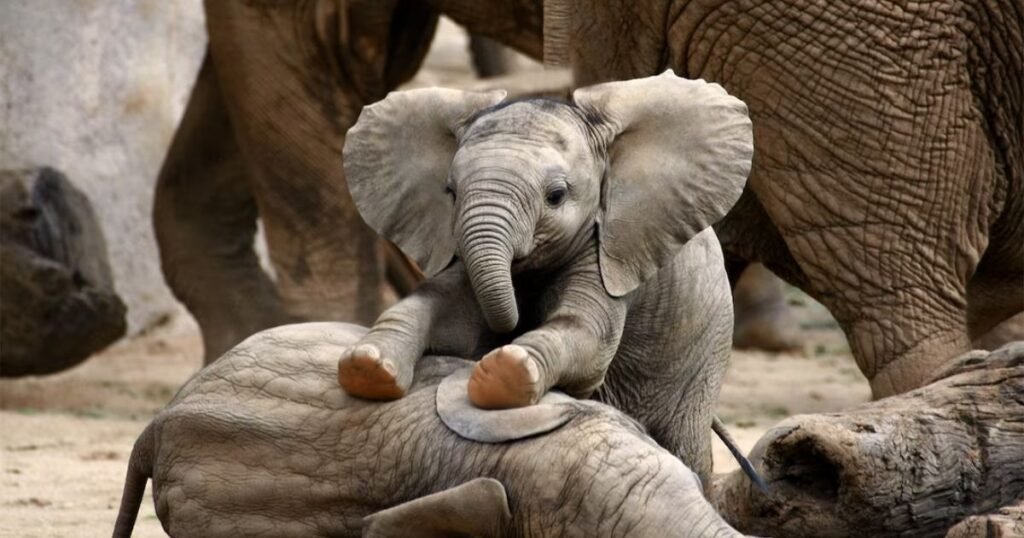
The thick skin of elephants is not just a barrier; it also plays a crucial role in their sensory perception. The unique structure of their skin contains a complex network of nerve endings, allowing these majestic creatures to feel even the gentlest of touches.
Other thick skin animals, like rhinos and hippos, boast similar protective features, the African elephant stands out for its highly social nature. Their communal behaviors and deep emotional bonds are uniquely facilitated by their sensitivity, allowing them to communicate and care for one another in ways that resonate deeply within their herds.
Related: Animals that Eats Ants
Indian Rhinoceros
Scientific Name: Rhinoceros unicornis
The Indian Rhinoceros, known for its impressively thick skin, is often cited as among the thickest-skinned animals in the world. This remarkable adaptation not only serves as a formidable defense against predators and acts as an armor against the harsh environmental elements of its grassland habitat. The skin, composed of folds and plates, affords protection, allowing for flexibility in movement, a unique evolutionary advantage.
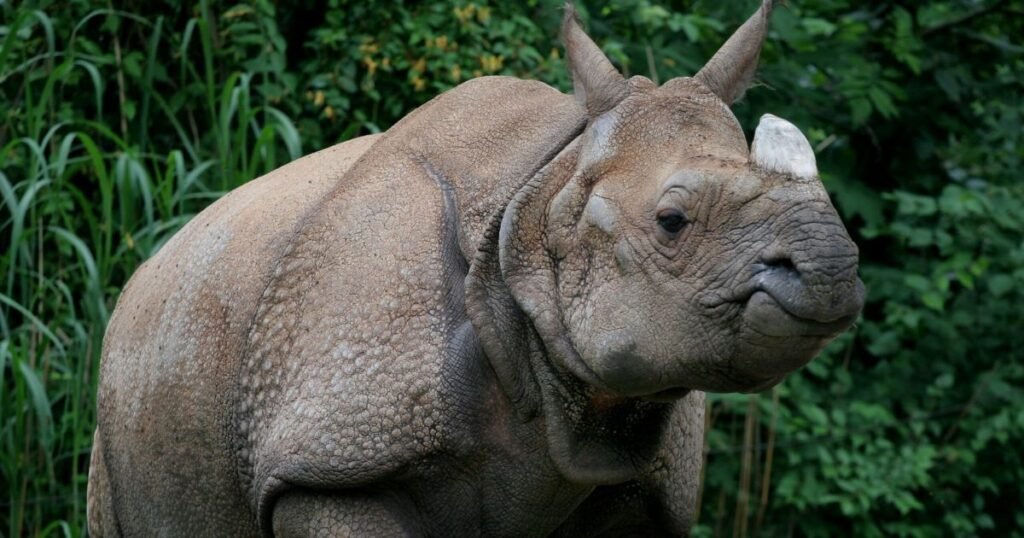
The Indian Rhino’s skin can reach up to two inches in thickness, making it a strong contender in the Guinness World Record for the thickest skin animals. Beneath this tough exterior lies a highly sensitive layer that allows the rhino to feel even the gentlest of touches, highlighting a fascinating contrast between its robust defenses and delicate sensory abilities.
White Rhinoceros
Scientific Name: Ceratotherium simum
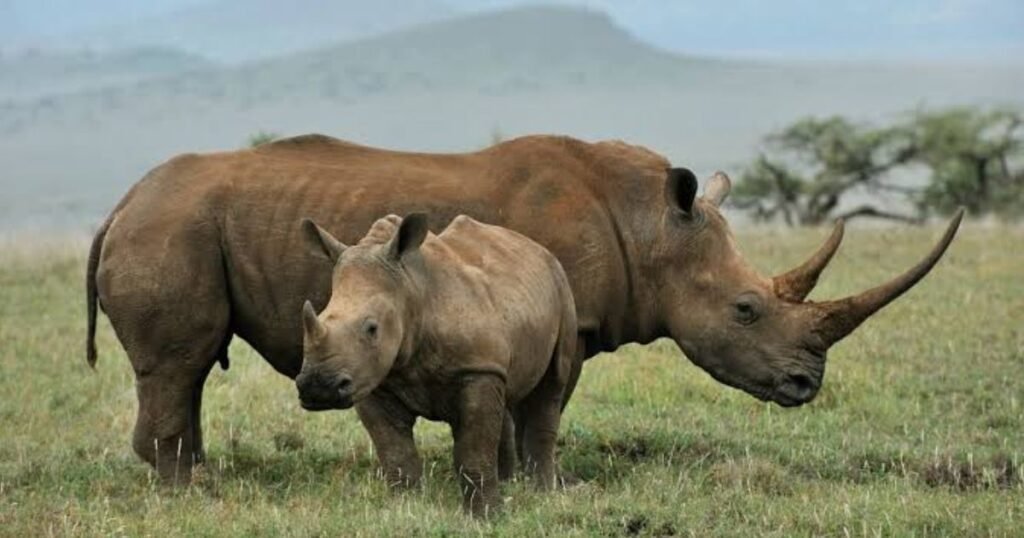
The white rhinoceros, celebrated as one of the thickest skin animals, boasts a remarkable hide that can measure up to two inches in thickness. This impressive armor serves not only as a protective barrier against predators and as a vital shield against the harsh elements of their African habitat.
The white rhino holds the title among thick-skinned animals, its tough exterior belies a gentle giant beneath. Despite weighing up to 5,000 pounds, this species prefers to dine on tender grasses rather than engage in aggressive behavior.
Many thick-skinned animals, including hippos and elephants, share similar vulnerabilities, suggesting that strength can coexist with sensitivity in the animal kingdom.
Black Rhinoceros
Scientific Name: Diceros bicornis
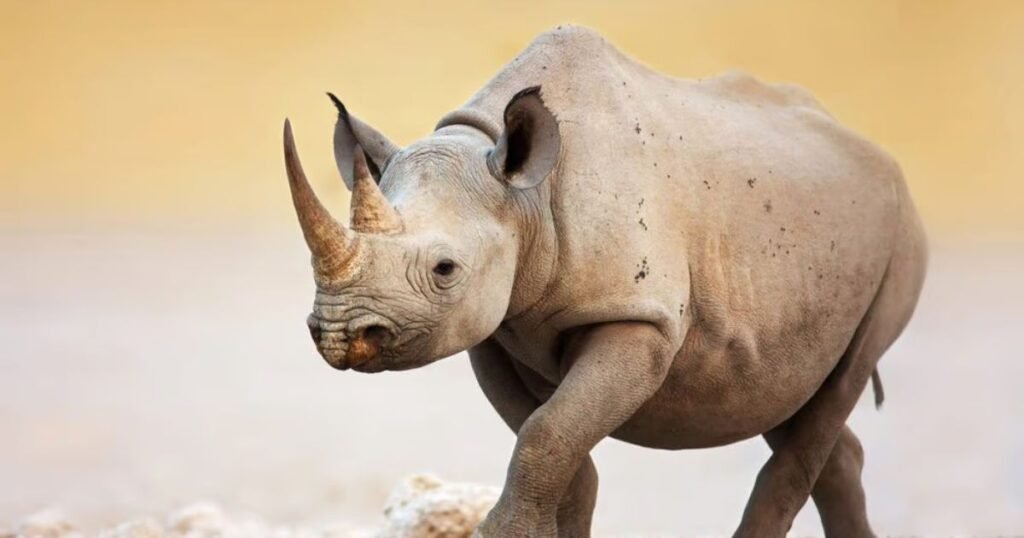
The Black Rhinoceros, recognized for its impressive bulk and robust form, is celebrated among the thickest skin animals in the animal kingdom. With skin measuring up to two inches thick in some areas, this remarkable creature not only embodies strength and serves as a vital protector against environmental threats and predators.
Their skin is both tough and sensitive; it protects them from harsh climates and insect bites, it is also equipped with sensory receptors that allow them to feel even the gentlest touch.
In the realm of thick skin animals, the Black Rhinoceros truly stands out, earning a spot in Guinness World Records as one of the most resilient species. and, this resilience faces modern challenges, as poaching and habitat loss threaten their survival. Their unique skin, a symbol of strength, also highlights the delicate balance of nature.
Hippopotamus
Scientific Name: Hippopotamus amphibius
The hippopotamus is often celebrated as one of the thickest skin animals in the world, boasting a skin thickness that can reach up to 2 inches in certain areas. This impressive feature serves more than just a protective role; it plays a critical part in the hippo’s temperature regulation. Considering their semi-aquatic lifestyle, the thick skin helps insulate them, submerged, allowing them to thrive in hot environments without overheating.
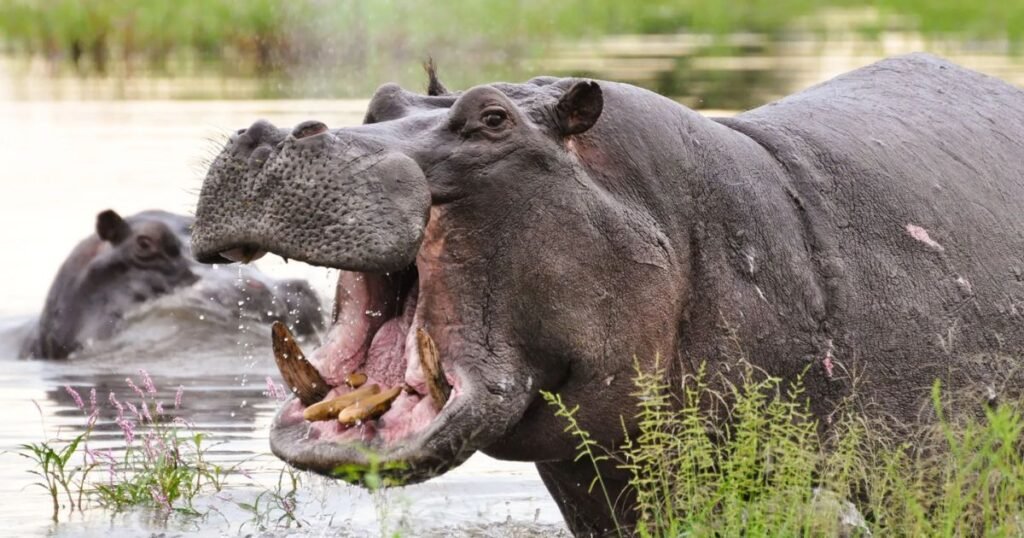
Despite their robust exterior, hippopotamus skin is also incredibly sensitive, which highlights a fascinating dichotomy between strength and vulnerability in thick-skinned animals.
In the realm of thickest skin animals, the hippopotamus often stands in a league of its own, even earning recognition in the Guinness World Records. Their skin is not just an adaptation for survival; it’s a combination of unique biology and environmental necessity.
Walrus
Scientific Name: Odobenus rosmarus
The walrus stands out as one of the thickest-skinned animals in the world, boasting skin that can reach up to two inches in depth. This remarkable adaptation serves multiple purposes; it not only provides a protective barrier against arctic temperatures and continues to evolve as a defense mechanism against predators like orcas and polar bears.
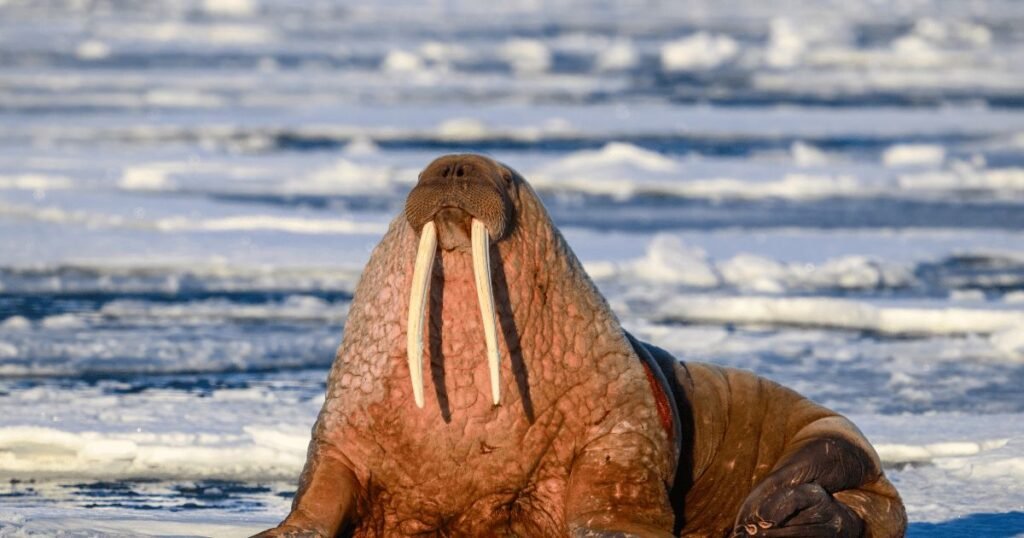
The walrus’s thick skin is laden with blubber, which not only insulates against the cold and acts as an energy reserve during leaner times , an essential trait for survival in its harsh habitat.
The walrus enjoys a celebrated status among the thickest skin animals, it shares the spotlight with other unique species recognized . From the mighty rhinoceros, whose skin can be up to an inch thick, to elephants with their rugged, protective layers, these thick-skinned animals exemplify nature’s ingenuity.
Cape Buffalo
Scientific Name: Syncerus caffer
Cape buffalo, renowned for their formidable presence in the African savannah, hold the title of having the thickest skin of any animal, making them one of the most resilient species in the animal kingdom. This remarkable adaptation not only provides protection against harsh environmental conditions and predators and plays a crucial role in their social hierarchy.
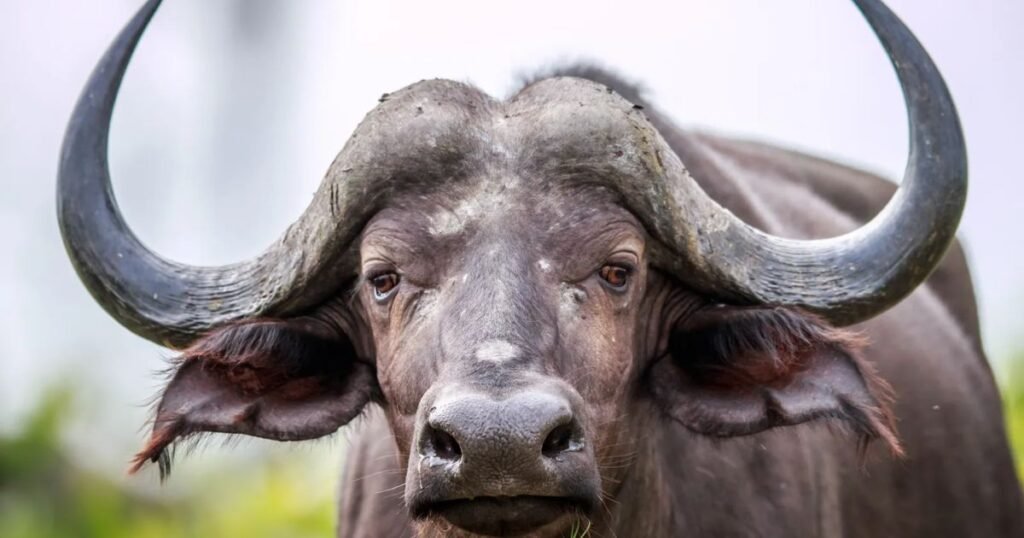
Unlike many thick-skinned animals, the Cape buffalo’s dermal armor can reach almost two inches in thickness, giving them an evolutionary edge that few can rival.
Besides serving as physical armor, the thick skin of these creatures is laden with a variety of sensory structures, enabling them to detect even the slightest disturbances in their surroundings. This keen awareness complements their social behavior, as buffalo often move in large, cohesive herds, providing safety in numbers.
Read Also: Sneaky Animals inthe World
American Bison
Scientific Name: Bison bison
The American bison, often celebrated for its majestic presence on the Great Plains, holds a unique claim to fame: it ranks among the thickest skin animals in the world. Its hide can measure up to an astonishing 5 to 7 centimeters thick, a remarkable adaptation that allows it to withstand harsh weather conditions and fierce predators. It helps in protecting the bison from the biting insects that swarm during the warmer months, ensuring its survival in the rugged terrain it calls home.
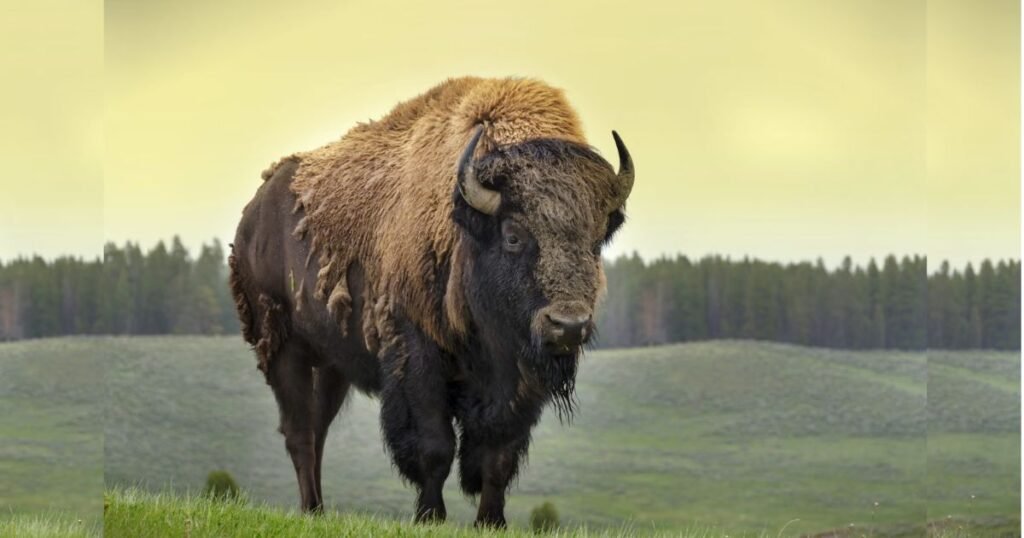
The bison’s thick skin is not just a defense mechanism; it also offers insights into the animal’s evolutionary history. As one of the thick skin animals recognized in the Guinness World Records, the bison embodies nature’s resilience, showcasing how adaptations can shape both behavior and lifestyle.
By studying these thick skin animals, researchers gain valuable knowledge about their habitats and the ecological balance in which they thrive, further emphasizing the need for conservation efforts. The American bison is a living testament to the wonders of evolution, reminding us of the profound connections between physical attributes and survival strategies in the animal kingdom.
Wild Boar
Scientific Name: Sus scrofa
The Wild Boar is a thickest skin animal known for its tough, durable hide that protects it from thorny vegetation, harsh environments, and attacks from predators. As a thick-skinned animal, adult males also develop a dense layer of tissue called a “shield” over their shoulders, which provides extra protection during fights with rival boars.
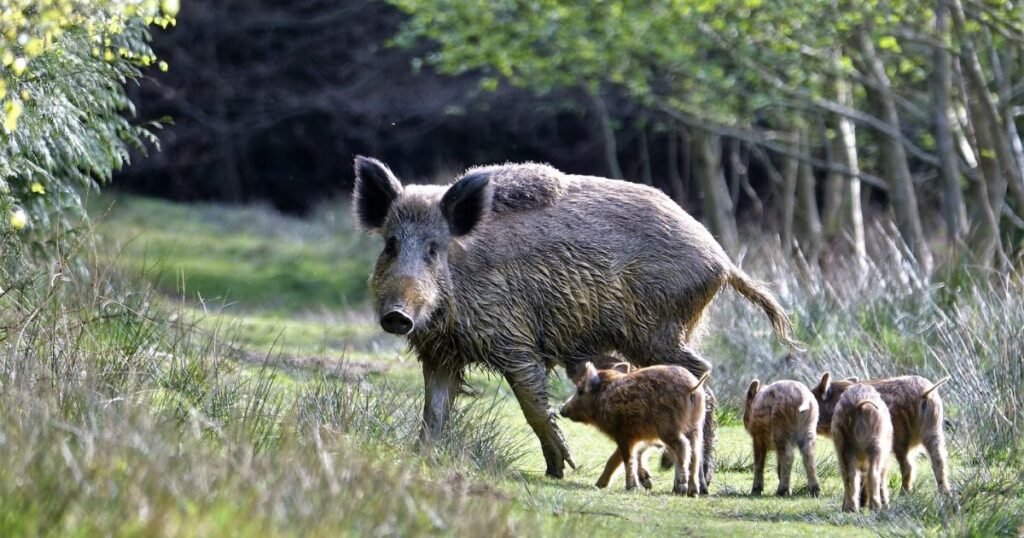
Although its skin is not as thick as that of an elephant or rhinoceros, the Wild Boar’s rugged hide makes it one of nature’s best-defended mammals and helps it survive in forests, grasslands, and wetlands across Europe, Asia, and parts of Africa.
Warthog
Scientific Name: Phacochoerus africanus
The Warthog is a thickest skin animal that relies on its tough, leathery hide for protection in the wild. As a thick-skinned animal, its durable skin helps reduce injuries from thorny bushes, rough terrain, and encounters with predators such as lions and hyenas.
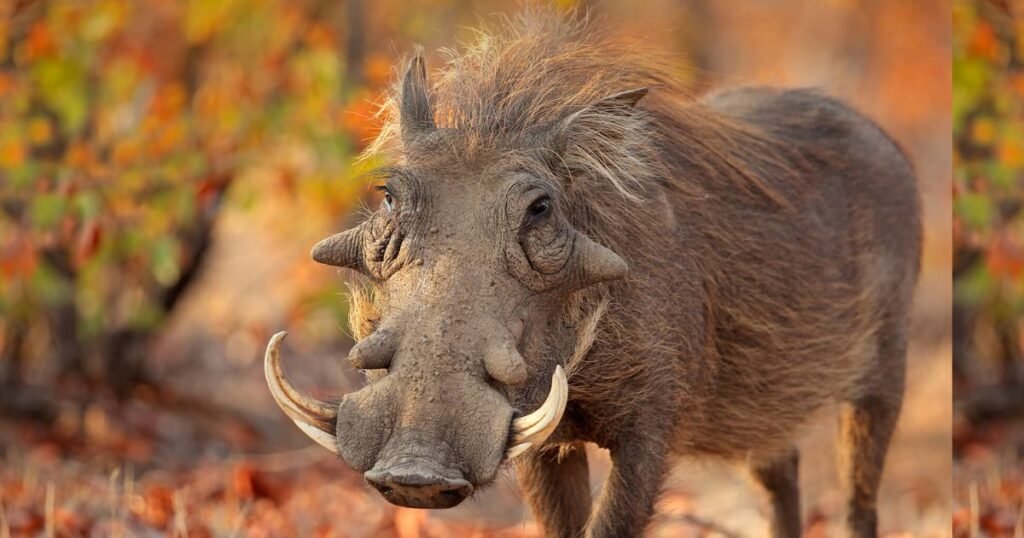
Warthogs also have a layer of coarse bristles that adds extra protection against the harsh African climate. Combined with their sharp tusks and quick speed, their thick skin is an important adaptation that helps these resilient animals survive on the African savanna.
Southern Elephant Seal
Scientific Name: Mirounga leonina
The Southern Elephant Seal is considered the thickest-skinned animal because of its exceptionally tough skin and thick layer of blubber. As a thick-skinned animal, it is well adapted to the cold waters of the Southern Ocean, where its durable skin helps protect against injuries, parasites, and the harsh marine environment.
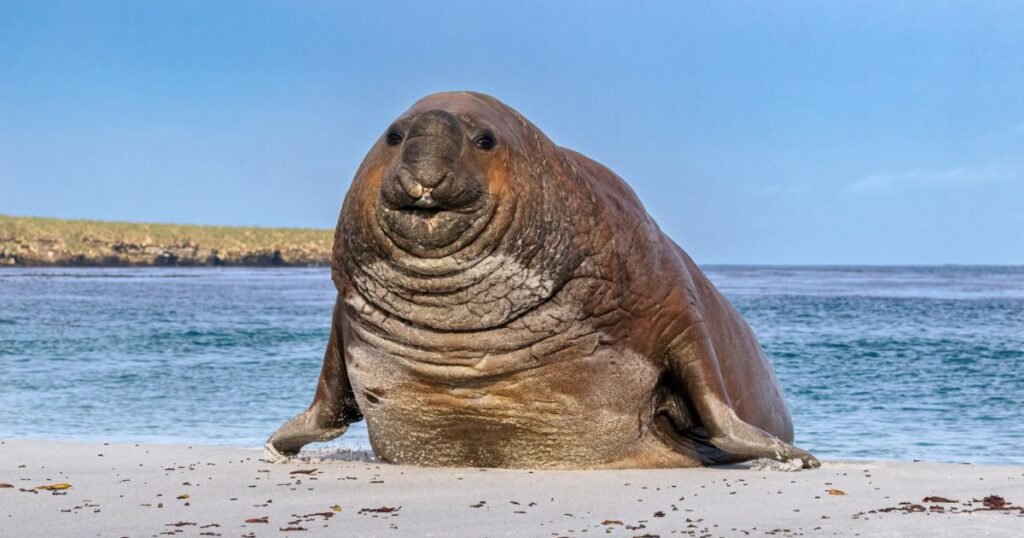
Adult males can weigh several tons, and their thick hide provides additional protection during intense battles with other males during the breeding season. This combination of thick skin and blubber makes the Southern Elephant Seal one of the most heavily protected marine mammals in the world.
Northern Elephant Seal
Scientific Name: Mirounga angustirostris
The Northern Elephant Seal is a thickest skin animal with a strong, durable hide and a thick layer of insulating blubber. As a thick-skinned animal, it is well adapted to life in the cold Pacific Ocean, where its skin helps protect against injuries, parasites, and extreme temperatures.
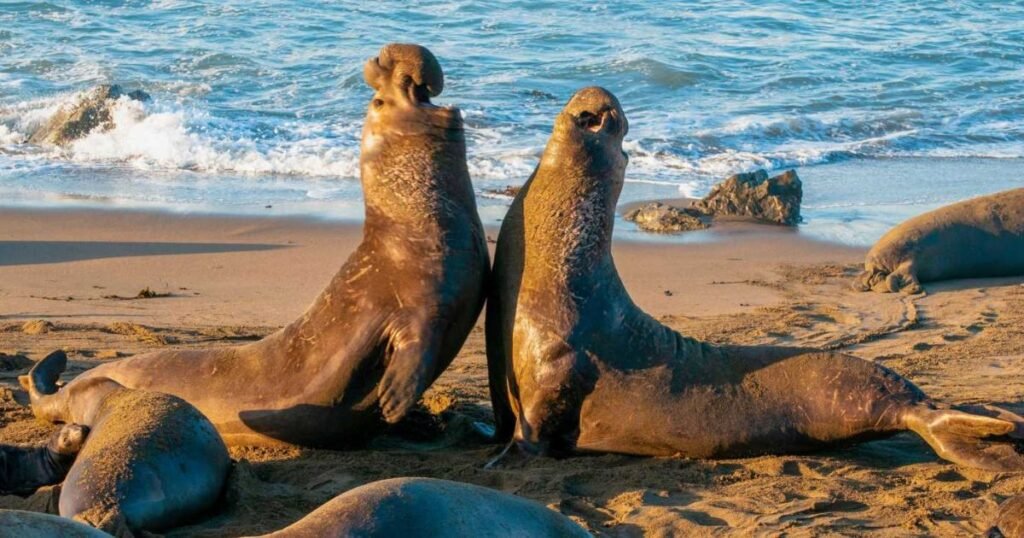
Adult males also rely on their tough skin during fierce breeding-season battles, reducing the risk of serious wounds. These protective adaptations allow the Northern Elephant Seal to thrive in one of the world’s most challenging marine environments.
Gaur
Scientific Name: Bos gaurus
The Gaur is a thickest skin animal recognized for its massive body and remarkably tough hide. As a thick-skinned animal, it uses its durable skin to protect itself from thorny vegetation, insect bites, and minor injuries moving through dense forests. This natural armor allows the Gaur to thrive in rugged habitats across South and Southeast Asia.
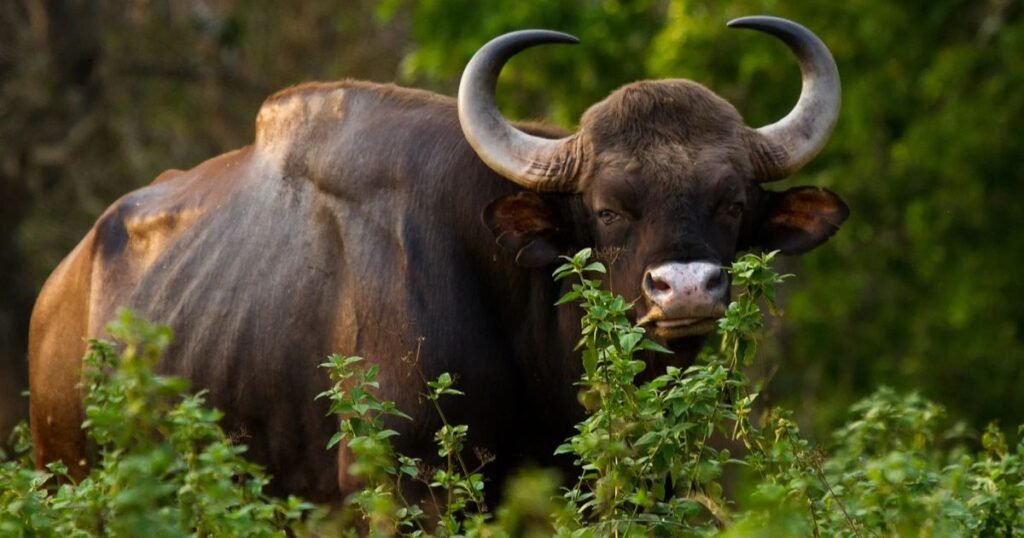
In addition to its thick skin, the Gaur relies on its powerful muscles, large curved horns, and impressive size to defend itself from predators such as tigers. Adult Gaurs can weigh more than 1,000 kilograms, making them the largest species of wild cattle. Their combination of strength, resilience, and protective hide makes the Gaur one of the most remarkable thick-skinned animals in the wild.
Moose
Scientific Name: Alces alces
Among the myriad of remarkable creatures on our planet, moose stand out not only for their impressive size and for possessing some of the thickest skin animals in the world. Their skin, thick and robust, can measure up to several inches in places, providing a formidable barrier against harsh environmental elements.
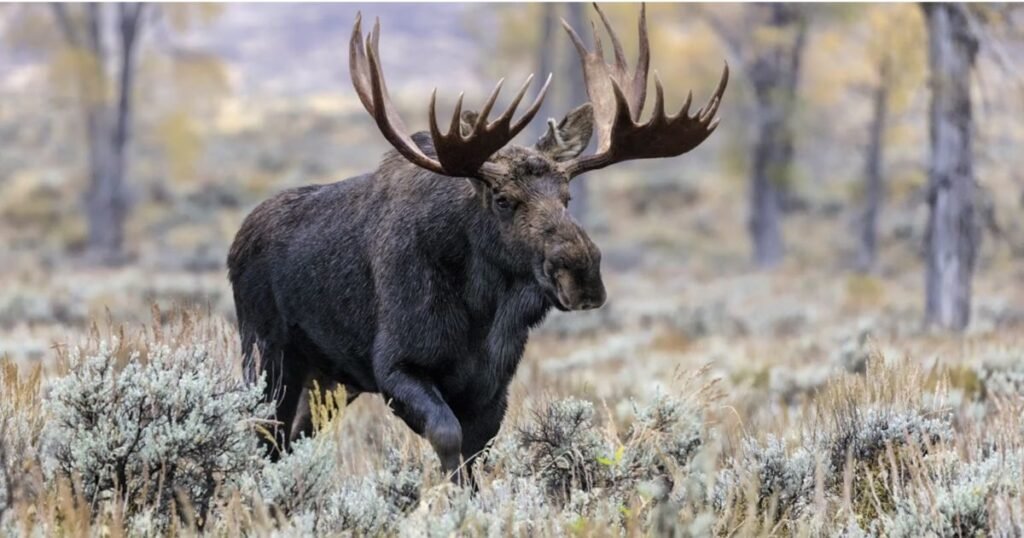
This thickness serves a dual purpose: it protects them from predators and insulates them against icy temperatures, particularly in their northern habitats. In fact, these magnificent mammals could easily earn a spot in the Guinness World Record for their extraordinary skin attributes, showcasing nature’s engineering at its finest.
Most think of thick skin as a defensive mechanism, in the moose, it plays a significant role in their adaptability. This resilience not only fosters survival and allows them to thrive in diverse ecosystems, from dense forests to wetlands.
Leatherback Sea Turtle
Scientific Name: Dermochelys coriacea
The Leatherback Sea Turtle proudly holds the title for having the thickest skin among all animals, showcasing a remarkable adaptation that makes it uniquely resilient in the ocean depths. With skin that can measure up to 4.5 centimeters thick, this gigantic reptile is not only a marvel of evolution and a testament to survival in harsh marine environments.
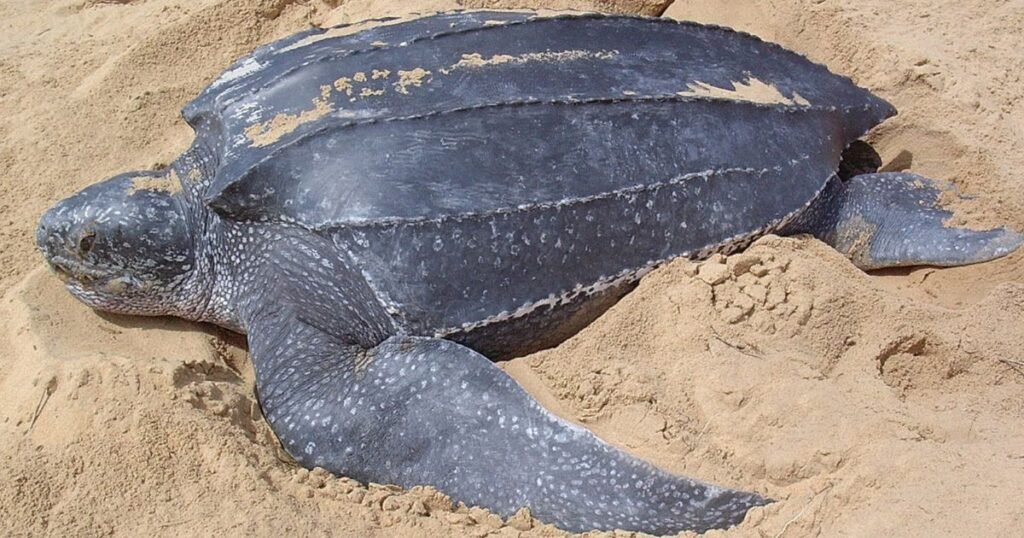
Its tough, leathery skin provides protection against predators and harsh environmental conditions, enabling it to dive deeper than any other species of turtle, often reaching depths of over 1,200 meters.
As one of the thickest-skinned animals in the world, the Leatherback’s adaptations extend beyond mere thickness. Its skin is imbued with a rich layer of oil that adds to its durability while facilitating thermoregulation, allowing it to maintain a stable body temperature in cold waters. This extraordinary feature has not only earned it a place in the Guinness World Record books and highlights the delicate balance of nature, demonstrating how every creature evolves unique traits to thrive in its habitat.
Nile Crocodile
Scientific Name: Crocodylus niloticus
Among the thickest skin animals in the world, the Nile crocodile stands out not only for its impressive armor and for its evolutionary prowess. Measuring up to 4 inches thick, their hide acts as an impenetrable shield against predators and environmental challenges alike.
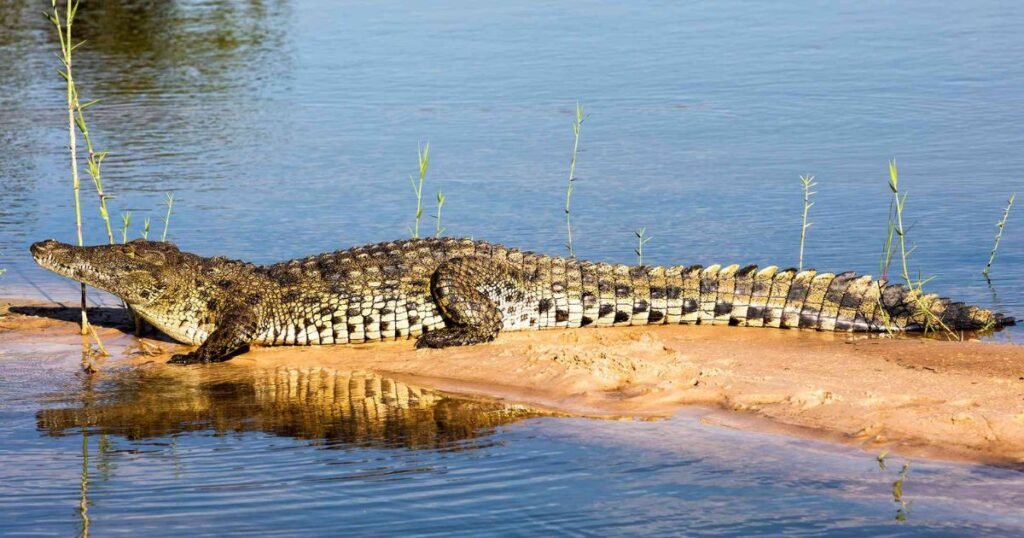
This remarkable adaptation allows them to thrive in harsh habitats, making them one of the oldest surviving species on the planet. Their skin isn’t just a protective layer; it also plays a crucial role in thermoregulation, keeping them cool under the harsh African sun.
According to the Guinness World Records, the Nile crocodile is not just formidable in size and in its skin’s resilience , an evolutionary advantage that has contributed to its survival for millions of years. This durability comes with a unique texture, featuring distinctive scales that, despite their hardness, somewhat hamper their mobility.
Saltwater Crocodile
Scientific Name: Crocodylus porosus
The saltwater crocodile stands out among the thickest skin animals, globally recognized for its remarkable dermal armor that can measure up to 2 inches in thickness. This extraordinary skin not only provides protection against predators and environmental hazards, and serves as a barrier against pathogens.
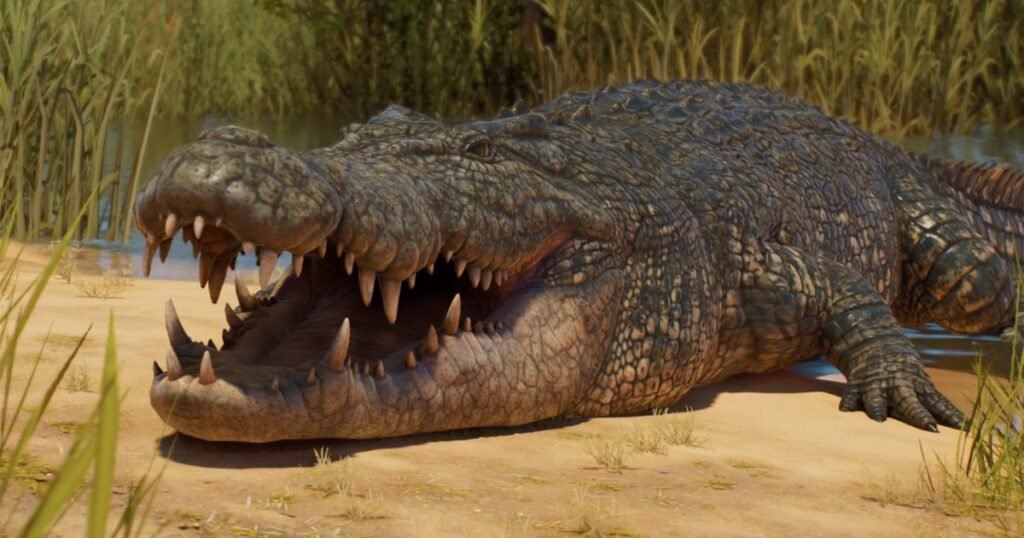
According to the Guinness World Records, the saltwater crocodile ranks as one of the toughest creatures on Earth, showcasing the evolution of these reptiles into proficient survivors in harsh habitats.
This impressive adaptation goes beyond mere defense; the thick skin plays a crucial role in thermoregulation and buoyancy. Living in diverse environments , from coastal waters to river systems , these reptiles depend on their skin to maintain optimal body temperatures and assist in their predatory behavior.
The unique texture of their skin, with its armored scales called scutes, enhances their ability to glide silently through the water, making them formidable hunters. In a world where survival often hinges on physical prowess, the saltwater crocodile is a vivid testament to nature’s ingenuity, redefining our understanding of the thickest skin animals in the world.
Giant Armadillo
Scientific Name: Priodontes maximus
The Giant Armadillo, an intriguing inhabitant of South America’s grasslands and forests, stands out as one of the thickest-skinned animals in the world. This remarkable creature, with its leathery armor, not only boasts skin that can be up to four times thicker than that of an elephant, but it also serves as an essential defense mechanism against predators like jaguars and humans.
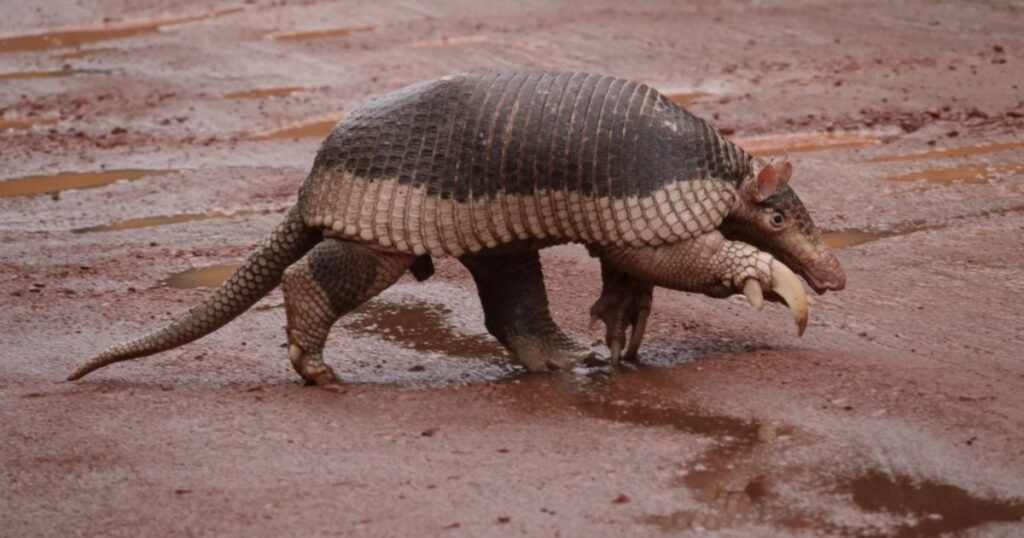
These armadillos can weigh up to 120 pounds, and their sizeable size combined with their skin’s toughness makes them formidable survivors in the wild.
The Giant Armadillo is a contender for the Guinness World Record for the thickest skin among terrestrial animals, it is essential to recognize that this remarkable adaptation is a double-edged sword. Their heavy, protective armor may keep them safe from many threats, but it also hampers their agility, forcing them to rely on their burrowing and digging skills to escape danger and find food.
List of Thickest Skin Animals in the Guinness World Record
Based on measured skin thickness reported in zoological and veterinary sources, the following animals are generally regarded as having the thickest skin:
| Rank | Animal | Scientific Name | Approximate Skin Thickness |
| 1 | African Elephant | Loxodonta africana | Up to 2.5–4 cm (1–1.6 in) |
| 2 | White Rhinoceros | Ceratotherium simum | Up to 5 cm (2 in) in some body regions |
| 3 | Indian Rhinoceros | Rhinoceros unicornis | Around 2.5–4 cm (1–1.6 in) |
| 4 | Hippopotamus | Hippopotamus amphibius | Up to 5 cm (2 in) in adults |
| 5 | Walrus | Odobenus rosmarus | Up to 4 cm (1.6 in), plus a thick blubber layer |
Conclusion
The thickest skin animals in the world showcase the wonders of evolution and the various ways species have adapted to their surroundings. Having evolved with such formidable skin, creatures like the hippopotamus and various species of reptiles illustrate the critical role that physical traits play in survival.
These animals not only inspire awe and serve as vital components of their ecosystems, contributing to biodiversity and ecological balance. As we continue to study these fascinating creatures, we must also advocate for their protection and the preservation of their natural habitats.
FAQ’S
Which land mammal has the thickest skin?
How thick is a rhinoceros’s skin?
Rhinoceros skin ranges from 1.5 cm to 5 cm thick. It acts like a suit of armor against predators and thorny brush, though they are still vulnerable to sunburn.
What animal has the thickest skin in the world?
The common hippopotamus holds the record for the thickest skin, measuring up to 2 inches (5 cm) in certain areas.
Why do some animals have thick skin?
Thick skin helps protect against predators, environmental factors, and reduces water loss, especially in harsh conditions.