Top 20 Snakes with Triangular Heads (With Images)
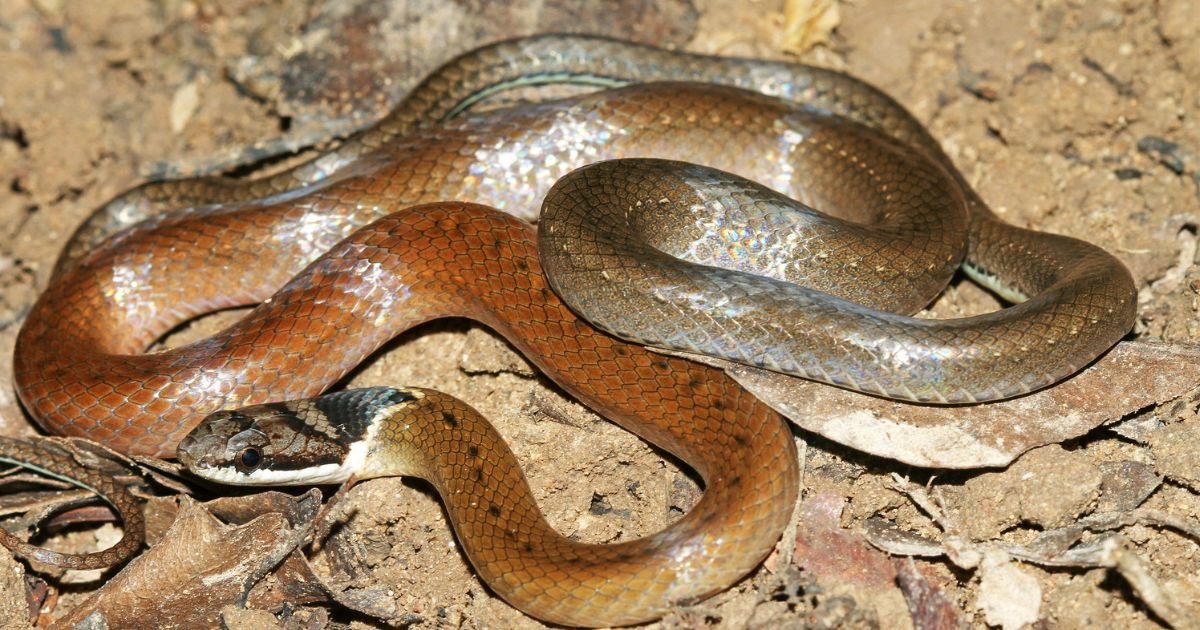
Imagine a snake with a head designed for effective hunting and camouflage, all while looking incredibly cool. Snakes with triangular heads can be found in various habitats, showcasing their evolutionary success and adaptability.
Let’s count down the top 20 snakes with triangular heads, discussing their characteristics and importance in the animal kingdom.
List of Snakes with Triangular Head
Following is the list of triangle shaped head snake.
| Number | Name of triangle-headed snake | Scientific Name |
| 1 | Copperhead | Agkistrodon contortrix |
| 2 | Cottonmouth (Water Moccasin) | Agkistrodon piscivorus |
| 3 | Timber Rattlesnake | Crotalus horridus |
| 4 | Eastern Diamondback Rattlesnake | Crotalus adamanteus |
| 5 | Western Diamondback Rattlesnake | Crotalus atrox |
| 6 | Mojave Rattlesnake | Crotalus scutulatus |
| 7 | Sidewinder | Crotalus cerastes |
| 8 | Prairie Rattlesnake | Crotalus viridis |
| 9 | Black-tailed Rattlesnake | Crotalus molossus |
| 10 | Bushmaster | Lachesis muta |
| 11 | Eyelash Viper | Bothriechis schlegelii |
| 12 | Fer-de-Lance | Bothrops asper |
| 13 | Gaboon Viper | Bitis gabonica |
| 14 | Puff Adder | Bitis arietans |
| 15 | Rhinoceros Viper | Bitis nasicornis |
| 16 | Nose-horned Viper | Vipera ammodytes |
| 17 | Russell’s Viper | Daboia russelii |
| 18 | Saw-scaled Viper | Echis carinatus |
| 19 | Palm Pit Viper | Bothriechis marchi |
| 20 | Malayan Pit Viper | Calloselasma rhodostoma |
Copperhead
Scientific Name: Agkistrodon contortrix
Copperheads, a fascinating snake, are easily identified by their distinctive triangle-shaped head, which serves as a crucial adaptation for hunting. This triangular head isn’t merely for aesthetics; it houses powerful venomous fangs that allow them to subdue their prey, primarily small rodents and amphibians.
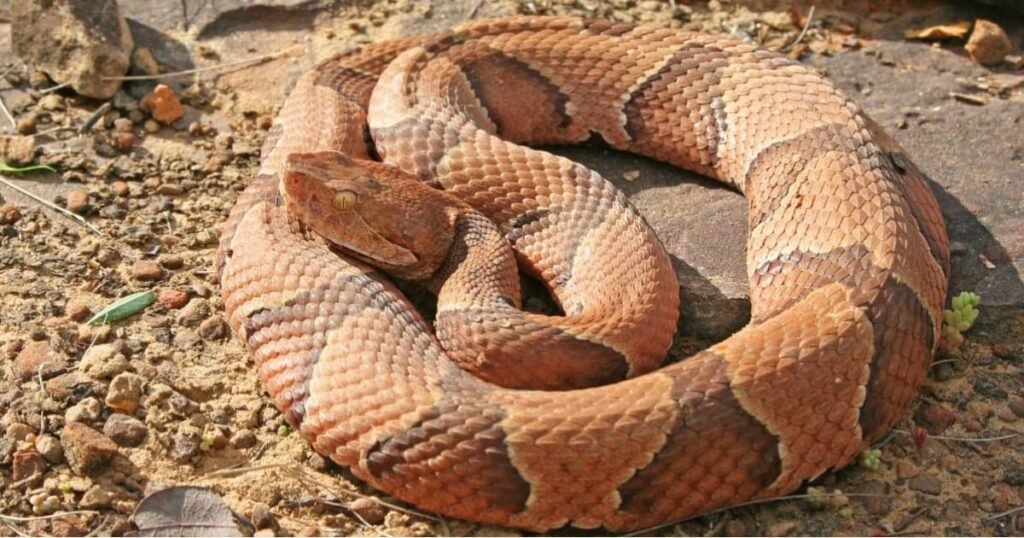
Found in the eastern United States, these snakes prefer habitats that balance both wooded areas and open spaces, allowing them to blend seamlessly into their surroundings. Their coloration, a beautiful coppery hue with darker hourglass patterns, enables them to camouflage effortlessly against the forest floor, making them adept ambush predators.
Their venom can cause pain and swelling; they are generally not aggressive and prefer to retreat when threatened. This behavior contrasts with more notorious snakes, showcasing their role in the ecosystem as both predator and prey.
Cottonmouth (Water Moccasin)
Scientific Name: Agkistrodon piscivorus
The Cottonmouth, often referred to as the Water Moccasin, stands out among snakes with a triangular head due to its distinctive, stout body and aggressive demeanor. This semi-aquatic venomous snake can be found in swamps, rivers, and marshlands across the southeastern United States. As one of the few venomous snakes with triangular head serves as a warning to potential threats, showcasing its potent defensive strategy.
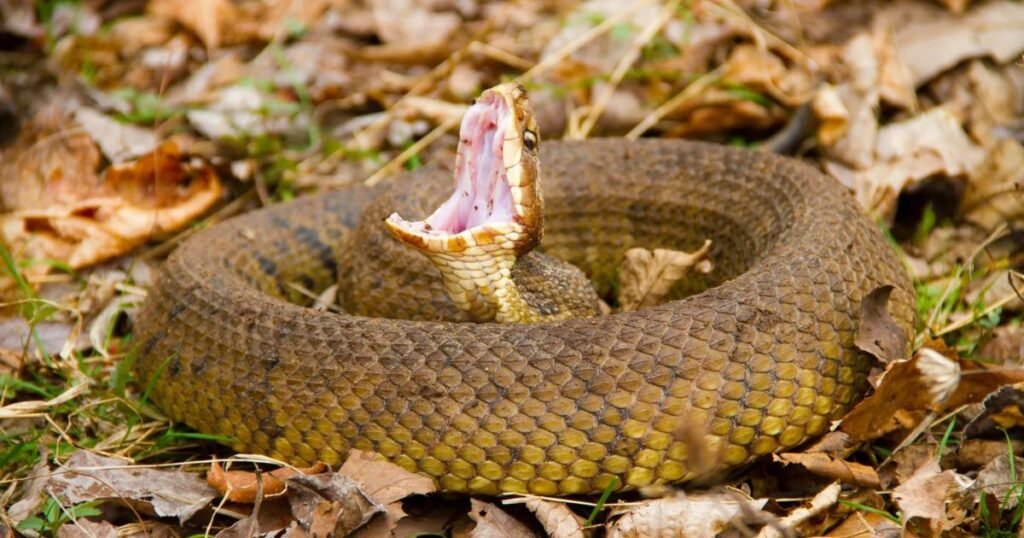
Unlike many snakes that rely on stealth, the Cottonmouth is known to exhibit boldness when threatened, often adopting a defensive posture with its mouth wide open, revealing a stark white interior. This characteristic not only intimidates predators but serves as a clear signal to unwitting human admirers.
Their diet is equally intriguing, as they are opportunistic feeders, preying on fish, amphibians, and even small mammals, showcasing their adaptability in diverse habitats.
Timber Rattlesnake
Scientific Name: Crotalus horridus
The Timber Rattlesnake is a majestic creature, often recognized by its distinctive triangle-shaped head that sets it apart from other snakes. This triangular head snake thrives in diverse habitats, ranging from deciduous forests to mountainous terrains, revealing a surprising adaptability.
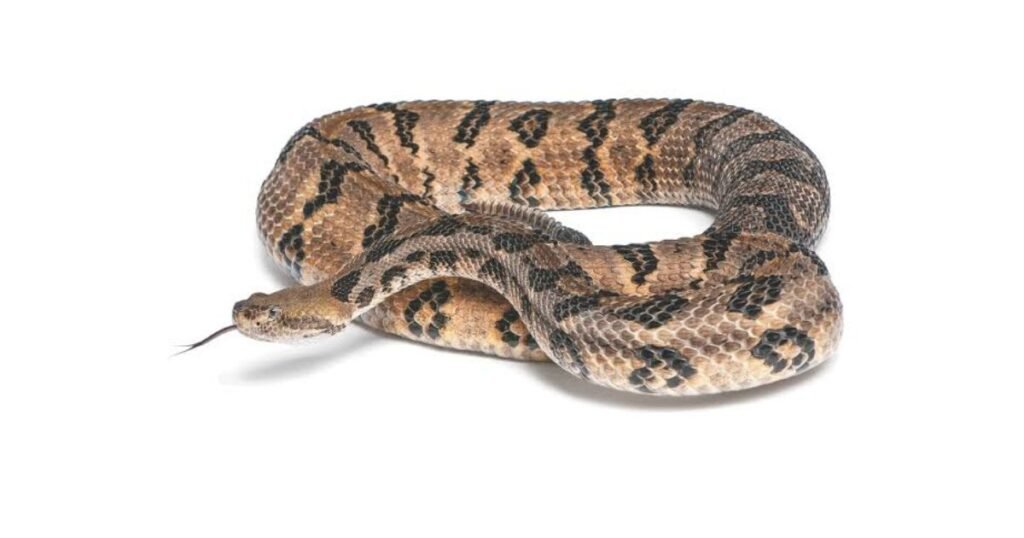
Its rich, patterned scales not only offer camouflage and tell a story of evolution, helping it blend seamlessly into the intricate tapestry of its environment. Their behavior and habitat preferences can reshape how we view these enigmatic reptiles, revealing a side often hidden beneath the rattle’s menacing sound.
As a top predator, it maintains the population balance of small mammals and pests, showcasing nature’s intricate web of life. Within communities, this snake often sparks misconceptions and fears, overshadowing its ecological importance.
Eastern Diamondback Rattlesnake
Scientific Name: Crotalus adamanteus
The Eastern Diamondback Rattlesnake, an iconic triangle-headed snake, is a striking example of nature’s artistry, distinguished not just by its impressive size and by its prominent, triangular-shaped head. This triangle-headed snake, one of North America’s largest rattlesnakes, can grow up to eight feet in length, showcasing a robust body adorned with intricate diamond patterns that help it blend seamlessly into its sandy surroundings.
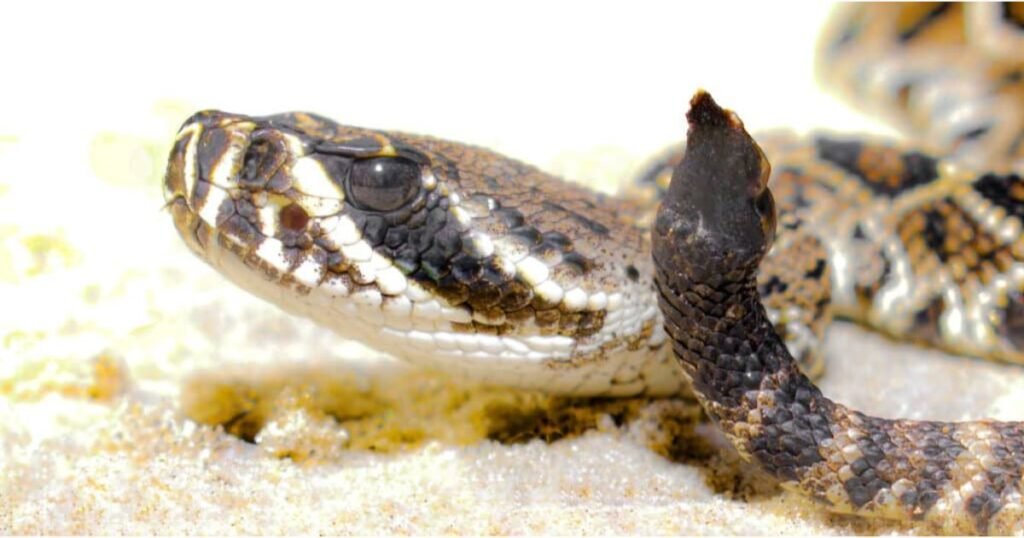
One fascinating aspect of the Eastern Diamondback is its unique hunting technique. Equipped with heat-sensing pits located between its eyes and nostrils, this triangle-shaped head snake can detect warm-blooded prey even in total darkness. This adaptation allows for precise strikes, ensuring successful hunts and survival in the wild.
The rattle at the end of its tail serves not just as a warning to potential threats and symbolizes a deep connection to the natural world, evoking both fear and fascination. These snakes play a crucial role in their ecosystems, controlling rodent populations and balancing local wildlife.
Western Diamondback Rattlesnake
Scientific Name: Crotalus atrox
The Western Diamondback Rattlesnake – dangerous triangle headed snake renowned for its striking triangular head, embodies the intriguing blend of beauty and danger in the natural world. This triangle-headed snake, commonly found in the southwestern United States, showcases a mesmerizing pattern of diamonds along its back, perfectly camouflaging it in arid landscapes.
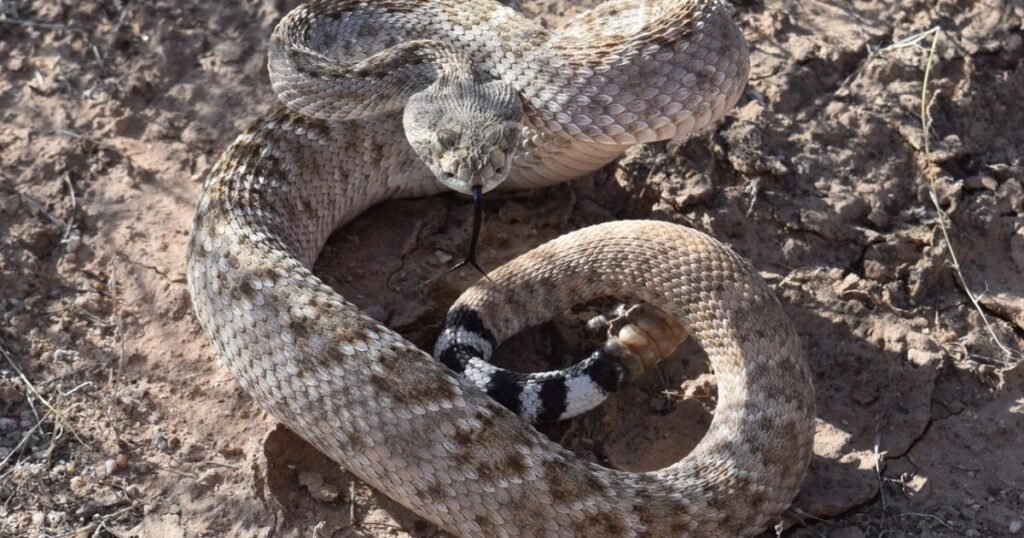
Adaptable and resilient, the Western Diamondback possesses a fascinating hunting strategy. Utilizing their triangular head to detect heat, these snakes excel at locating warm-blooded prey, making the most of their acute sense of smell and infrared sensing capabilities.
This triangle-shaped head snake has a specialized rattle, which it vibrates to warn potential threats, a clear reminder of its presence in the ecology. This striking appearance is not merely for aesthetics; it serves as both warning and protection as they rest among the rocks and desert flora.
Mojave Rattlesnake
Scientific Name: Crotalus scutulatus
The Mojave Rattlesnake – highly venomous triangle headed snake, is one of North America’s most iconic reptiles. Its unique morphology not only helps it to blend seamlessly into the arid landscapes of the Mojave Desert and serves a functional purpose.
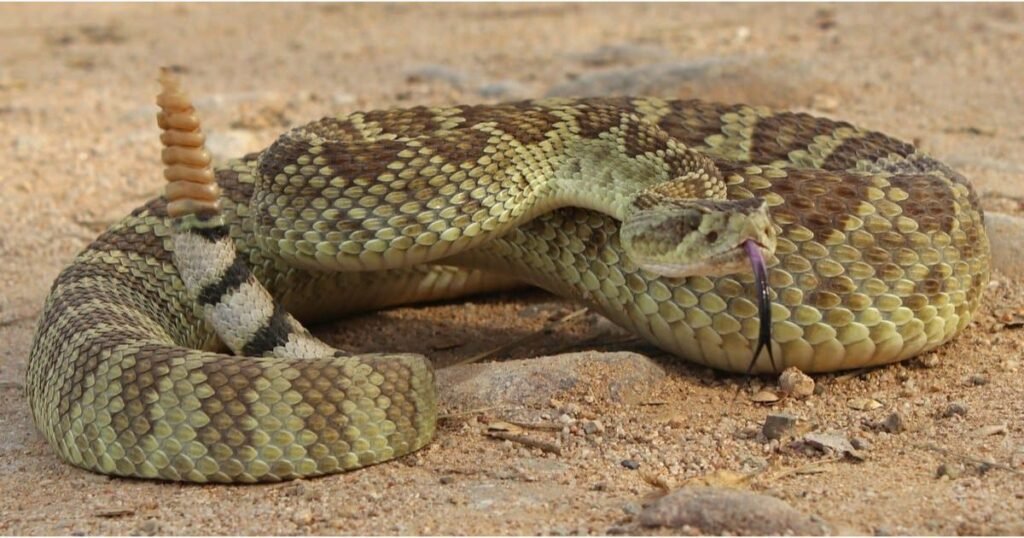
Beyond its striking appearance, the Mojave Rattlesnake possesses a potent venom that is both a tool for subduing prey and a means of defense against potential threats. Research suggests that its venom can vary significantly between individuals, offering insights into the evolutionary pressures faced by these snakes.
Sidewinder
Scientific Name: Crotalus cerastes
The Sidewinder, a desert-dwelling triangle-headed snake, a fascinating species of rattlesnake, is renowned for its unique method of locomotion, allowing it to glide effortlessly across sandy terrain. This adaptation not only enhances its speed and minimizes contact with the hot ground, ensuring its survival in arid environments.
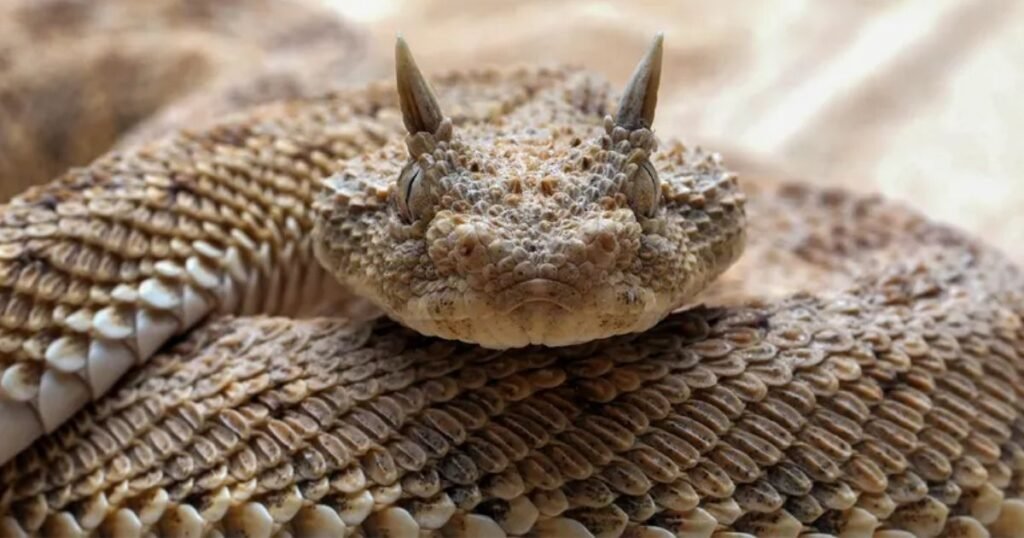
This triangle-headed black snake employs its exceptional camouflage, blending seamlessly into its desert surroundings. Its coloration varies from sandy hues to darker shades, making it a master of stealth while hunting for prey like small mammals and lizards.
The Sidewinder’s unique physical characteristics, such as its keeled scales and specialized body shape, enable quick burrowing and an agile escape from predators, highlighting the delicate balance between predator and prey in the ecosystems it inhabits.
Prairie Rattlesnake
Scientific Name: Crotalus viridis
The Prairie Rattlesnake – Grassland Triangle Headed Snake, is a fascinating creature that often evokes both fear and admiration. This striking snake exhibits a range of colors, draped in shades of brown and yellow, perfectly camouflaging it against its arid grassland habitat.
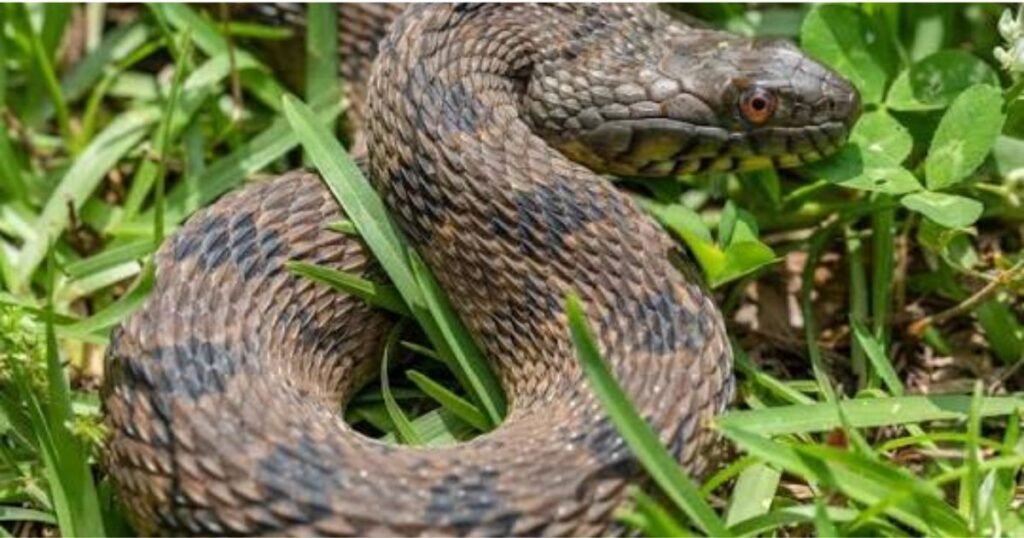
With its ability to blend in seamlessly, the Prairie Rattlesnake is a master of stealth, relying on its natural pattern to ambush unsuspecting prey. Its rattle, a signature feature, serves as both a warning to potential threats and a tool for communication with other rattlesnakes.
Many people are familiar with the triangle-headed black snake and its intimidating appearance, the prairie rattlesnake offers a unique perspective on the diversity within snake species.
Black-tailed Rattlesnake
Scientific Name: Crotalus molossus
The Black-tailed Rattlesnake, a mountain triangle-headed snake, is a fascinating creature that embodies the unique beauty of the desert Southwest. This snake is not just notable for its striking appearance, characterized by dark scales and a rattle at the end of its tail, and for its adaptive behaviors.
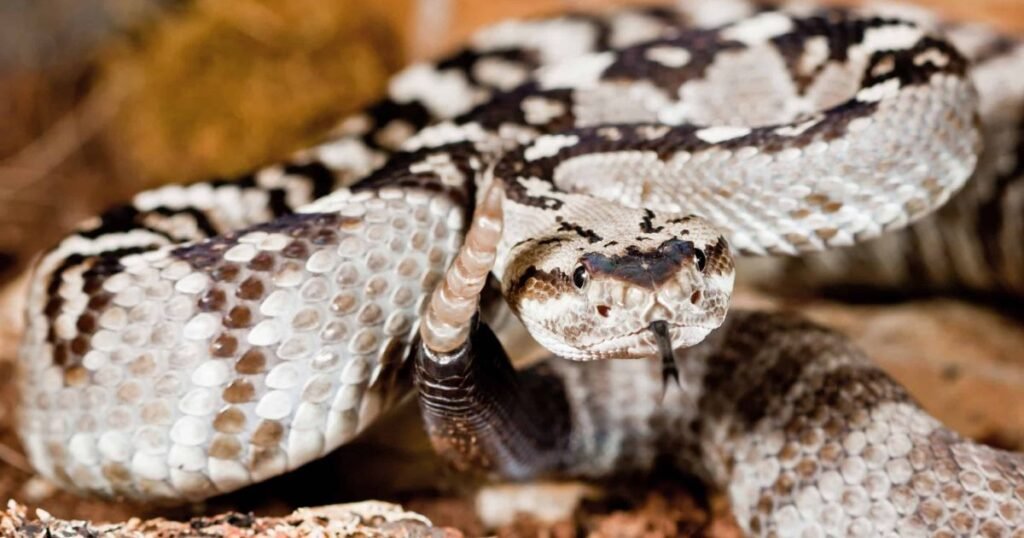
Often mistaken for other triangle-headed black snakes, the Black-tailed Rattlesnake has a personality that’s as intriguing as its looks. Often deemed aggressive, these snakes are more likely to freeze or rattle as a warning before striking.
Bushmaster
Scientific Name: Lachesis muta
The Bushmaster – Giant Tropical Triangle Headed Snake, is one of the longest venomous snakes in the world. With a triangular-shaped head that seamlessly blends into its robust body, it epitomizes the marvels of evolution, allowing for effective camouflage within its rainforest habitat.
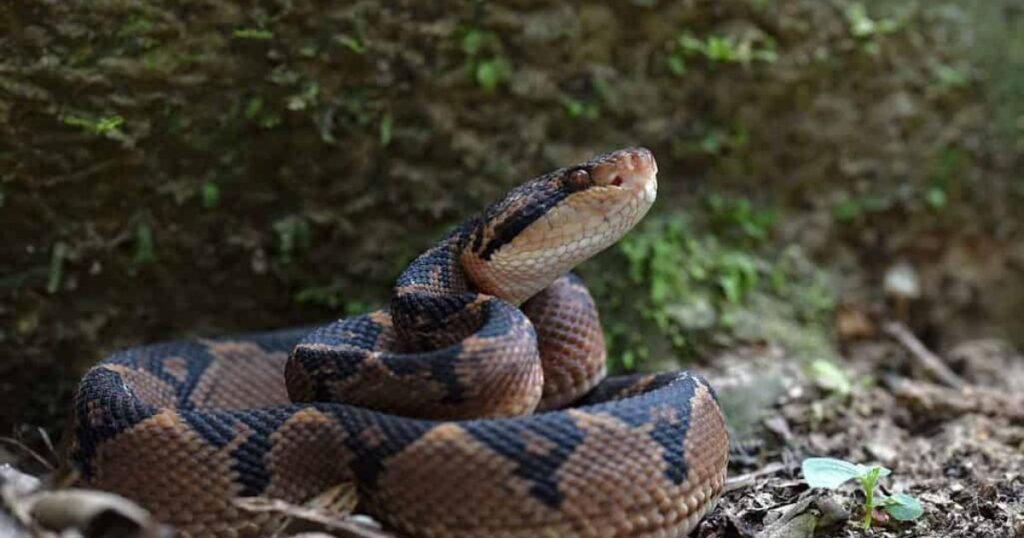
Beyond its striking appearance, the Bushmaster holds significant ecological importance. As both predator and prey, it plays a pivotal role in maintaining the balance of its ecosystem, controlling rodent populations and serving as a food source for larger predators.
Many indigenous cultures revere this snake, often attributing various traits to it, highlighting its influence in folklore and environmental health. The Bushmaster’s enchanting fearsome presence ignites curiosity and respect, reminding us of the intricate interconnections within nature.
Eyelash Viper
Scientific Name: Bothriechis schlegelii
The Eyelash Viper is a stunning representation of nature’s artistry, boasting a striking appearance that sets it apart among snakes with triangular heads. Native to the lush rainforests of Central and South America, this triangle-headed snake showcases vibrant colors, ranging from lime green to electric yellow, making it a visual feast for any herpetologist or wildlife enthusiast.
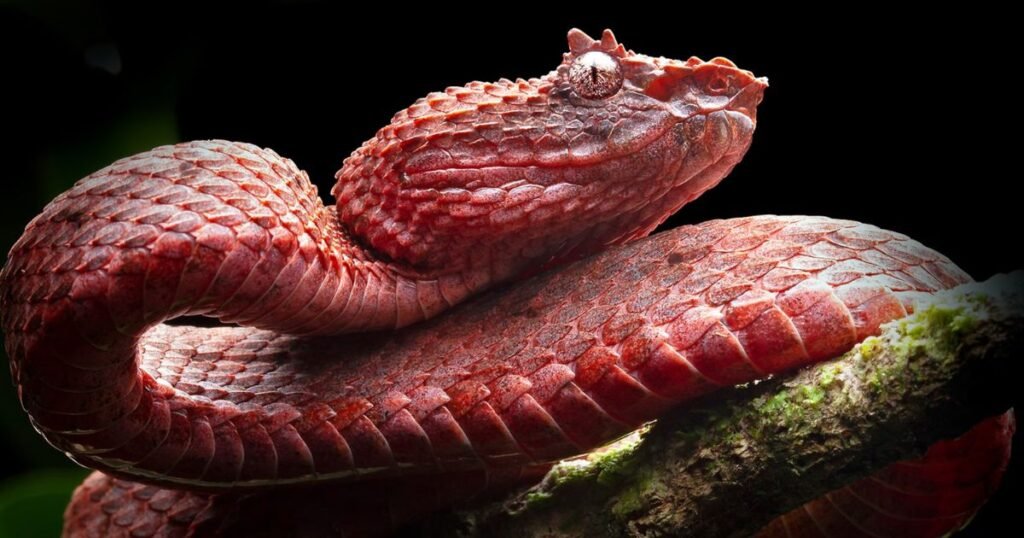
Its distinct eyelash-like scales above the eyes add an extra touch of allure, enhancing its cryptic camouflage among rich foliage.
This triangle head snake relies on ambush tactics, blending seamlessly into its environment, waiting patiently for unsuspecting prey to wander too close. Its toxic bite is a marvel of evolutionary adaptation, equipped with potent venom that quickly immobilizes its victims, whether they be frogs or small mammals.
Related: Most Muscular Animals In the World
Fer-de-Lance
Scientific Name: Bothrops asper
The Fer-de-Lance, often recognized for its striking triangular head, is one of the most notorious venomous snakes in Central and South America. This triangle-headed snake, belonging to the Bothrops genus, possesses a potent hemotoxic venom capable of causing severe tissue damage and systemic effects in its prey, and unfortunately, humans too.
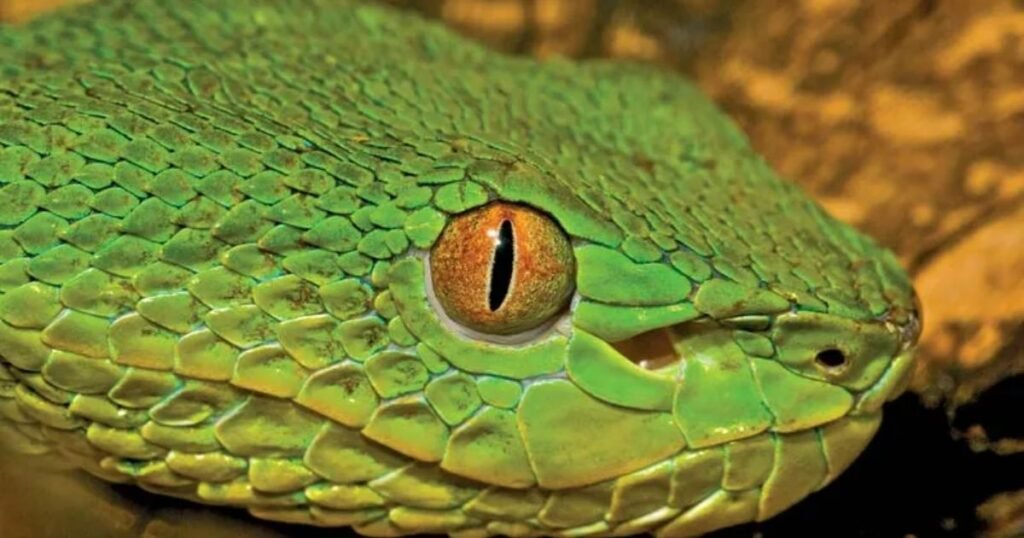
Its impressive camouflage makes it a master of stealth, blending seamlessly into its surroundings, which can sometimes catch unsuspecting onlookers off guard. Found in a variety of habitats, from rainforests to mountainous regions, this snake thrives in diverse ecosystems, demonstrating resilience in the face of environmental challenges.
The triangular shape of its head isn’t just for show; it plays a crucial role in thermoregulation, allowing the snake to sense changes in temperature and locate warm-blooded prey effectively. Those fascinated by the natural world often marvel at the balance of beauty and danger that this creature embodies, reminding us of the intricate interplay within ecosystems.
Gaboon Viper
Scientific Name: Bitis gabonica
The Gaboon Viper – Heavy-Bodied Triangle Headed Snake, is a marvel of nature. Known for its intricate pattern of browns and grays, its appearance allows it to blend seamlessly into the forest floor of the African rainforests. This triangle-headed snake employs its remarkable camouflage, hiding in plain sight patiently waiting for unsuspecting prey to wander by.
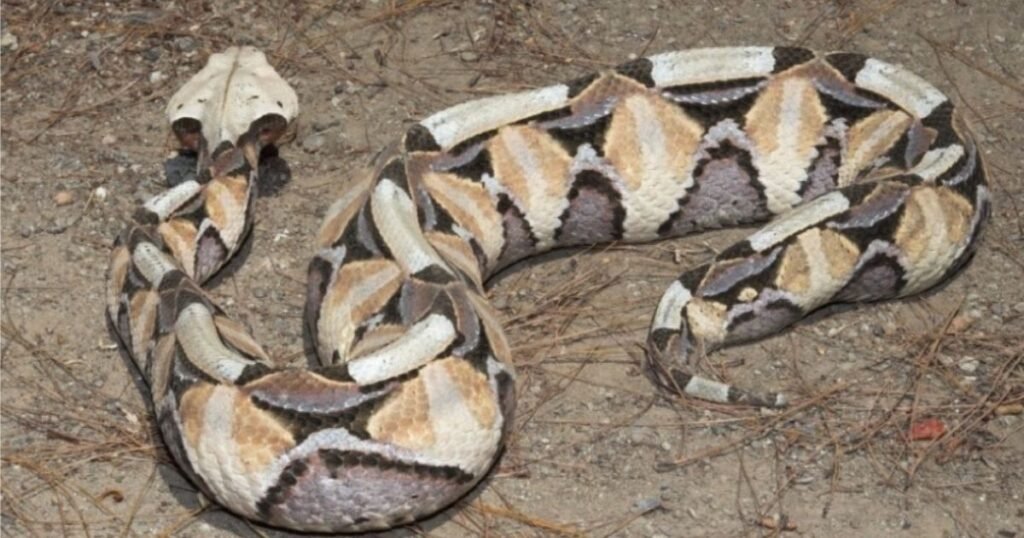
What sets the Gaboon Viper apart, beyond its captivating looks, is its formidable venom. Possessing one of the highest venom yields among snakes, this triangle-head snake venomous bite can deliver a cocktail of potent toxins that affect the victim’s blood and tissue.This snake is relatively docile, often choosing to rely on its stealth rather than aggression.
By preying on small mammals and birds, it helps maintain the delicate balance of its rainforest habitat. This showcases another layer of complexity within the world of snakes with triangular heads, reminding us that every creature plays a vital part in the tapestry of life.
Read Also: Dangerous Animals in Aruba
Puff Adder
Scientific Name: Bitis arietans
The Puff Adder, is a fascinating instance of nature’s design prowess. This triangle-headed snake is not only captivating in appearance but is also one of Africa’s most formidable venomous snakes. Its stocky body and camouflage patterns allow it to blend effortlessly into the underbrush, making it a master of ambush hunting.
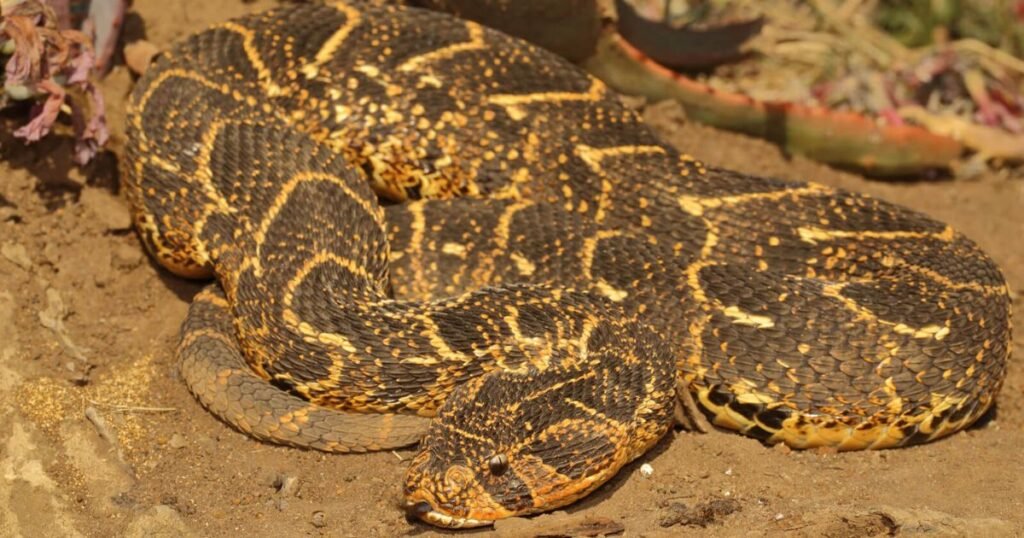
This triangle-headed snake’s bite can have severe consequences for humans, making it imperative to exercise caution when traversing its territory. Its fearsome reputation, the Puff Adder plays a critical role in its ecosystem, controlling rodent populations and serving as prey for larger predators.
Rhinoceros Viper
Scientific Name: Bitis nasicornis
The Rhinoceros Viper, with its strikingly beautiful, triangular head, dances between the realms of enchantment and danger. It showcases a mesmerizing blend of colors that serves as both camouflage and a warning to would-be predators. Its distinct, horn-like scales add an extraordinary touch, making it one of the most visually captivating snakes in the world.
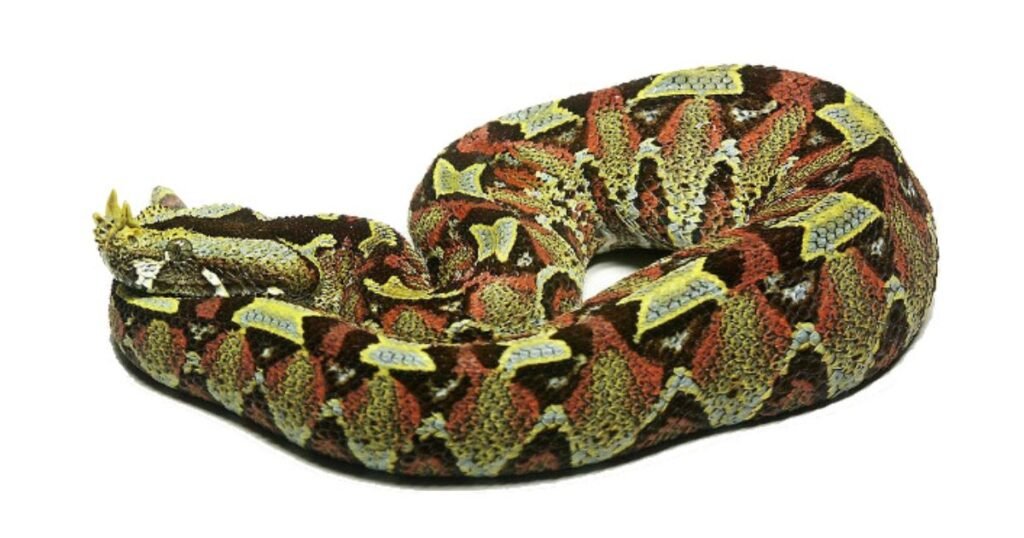
Many admire its aesthetic appeal, the rhinoceros viper is also a formidable predator, using its venomous bite to subdue prey with remarkable efficiency.
Few snakes can match the rhinoceros viper when it comes to its potent triangle-headed snake venomous nature. This snake’s venom is designed to incapacitate its prey quickly, striking with incredible speed before retreating to a safe distance. Interestingly, its bite is seldom fatal to humans, but it can cause severe pain and swelling, underscoring the importance of treating even minor encounters with caution.
Nose-horned Viper
Scientific Name: Vipera ammodytes
The nose-horned viper, is one of nature’s most fascinating serpentine marvels. Native to the arid regions of the Middle East, this snake boasts a unique physical adaptation: a pair of prominent, horn-like scales that protrude from its snout.
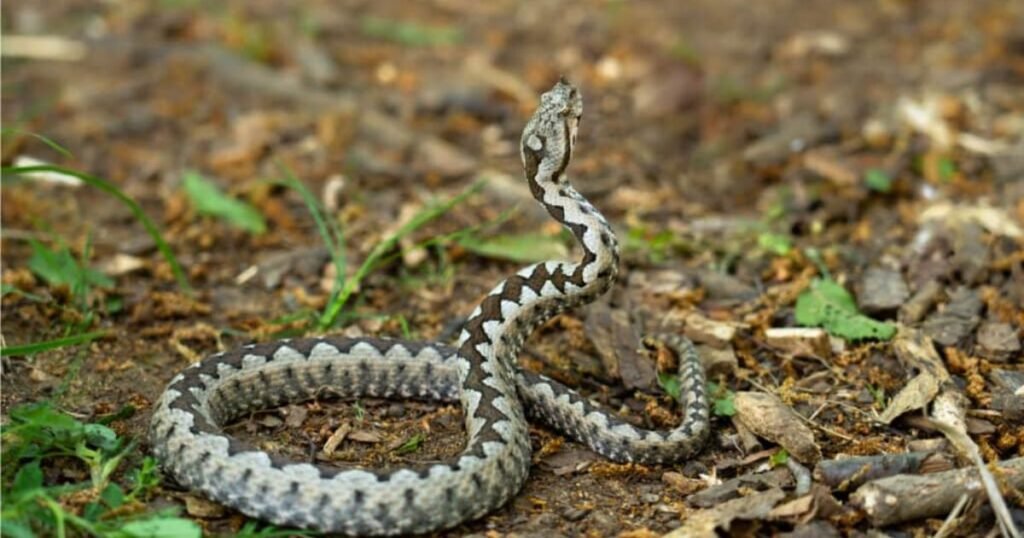
These “horns” are not just for show; they play a crucial role in camouflage, allowing the viper to blend seamlessly into its rocky surroundings, making it a master of stealth.
It is an ambush predator, relying on patience and precision. It hides beneath the sand, waiting for unsuspecting prey, which includes small mammals and birds. Its venom, while potent, serves not only to immobilize prey and to help in digestion, making it a fascinating example of evolutionary efficiency.
Russell’s Viper
Scientific Name: Daboia russelii
The Russell’s Viper exemplifies nature’s fascinating adaptations. This species, revered in both folklore and biology, showcases a breathtaking blend of beauty and danger.
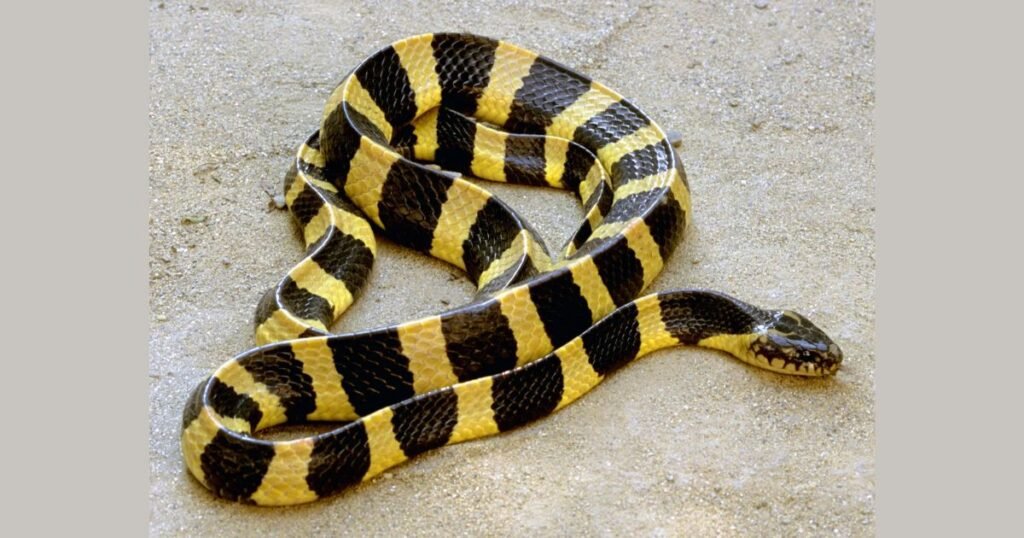
Its rich, patterned skin not only provides camouflage among the dry grasslands and rocky terrains of South Asia and serves as a reminder of the intricate balance within its ecosystem.
With a reputation for aggression, the Russell’s Viper has a venom that is not only potent and complex, containing a cocktail of proteins that can cause significant harm. Its triangular head is not just a visual marker; it plays a vital role in its hunting strategy by providing an enhanced sense of depth perception.
Saw-scaled Viper
Scientific Name: Echis carinatus
The Saw-scaled Viper, a small formidable snake, is a master of survival in arid environments. Its distinctive saw-like scales are not just for show; they are a critical adaptation for camouflage, blending seamlessly into the rocky terrain of its habitat.
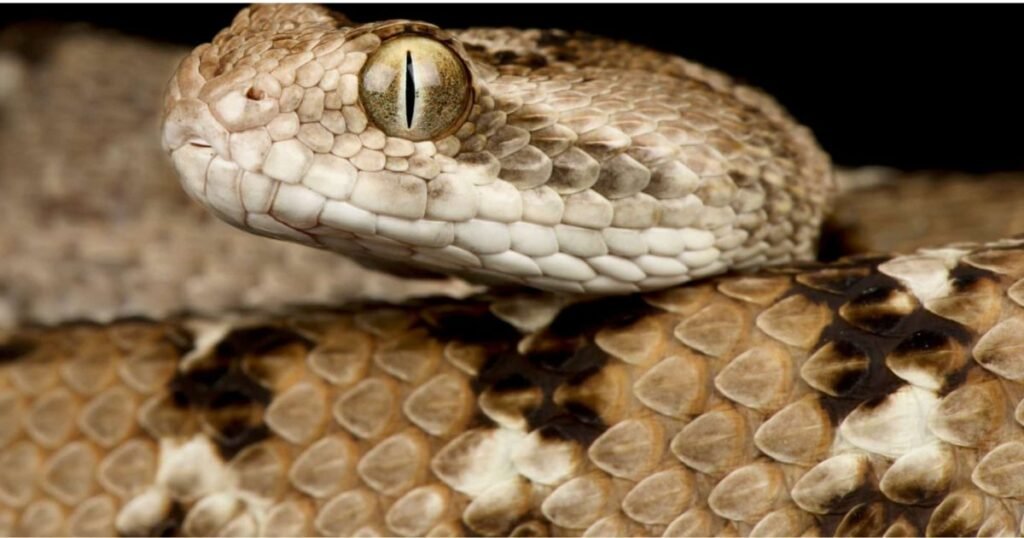
This viper, found mainly in Africa, the Middle East, and parts of Asia, employs a unique method of communication, producing a rasping sound by rubbing its scales together, which can alert other snakes and potential threats in its vicinity.
It is not just an expert ambush predator; it plays a vital role in its ecosystem. Preying on small mammals and lizards, it helps regulate populations and maintain balance within its habitat.
Palm Pit Viper
Scientific Name: Bothriechis marchi
The Palm Pit Viper, with its striking emerald hues, epitomizes the allure of rainforest serpents. This arboreal snake not only masters the art of camouflage among the foliage and showcases a fascinating adaptability, often altering its color based on environmental factors.
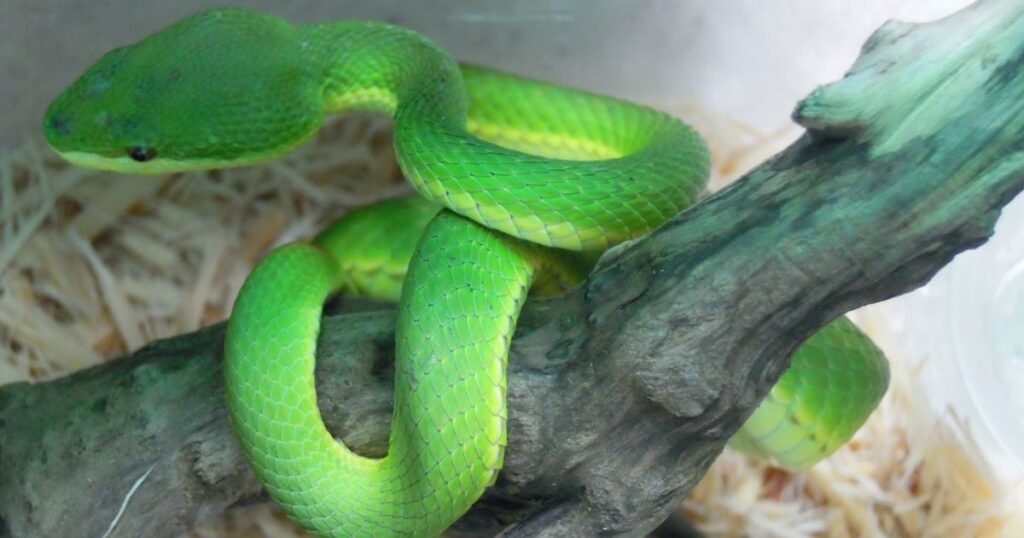
Unlike many of its serpentine cousins, the Palm Pit Viper has a unique hunting strategy, relying on its infrared-sensing capabilities to accurately detect warm-blooded prey at night, making it a formidable predator in the dense canopy.
Their venom, dangerous to potential predators and prey alike, has garnered interest in medical research, offering potential breakthroughs in pain management and cardiovascular health.
Malayan Pit Viper
Scientific Name: Calloselasma rhodostoma
The Malayan Pit Viper, with its striking triangular head, is a remarkable example of nature’s artistry and evolutionary prowess. Often basking in the humid forests of Southeast Asia, this elusive snake holds a special place in the ecosystem as both predator and prey. Its vivid coloration, ranging from bright green to earthy browns, allows it to seamlessly blend into its surroundings, a perfect strategy for ambush hunting.
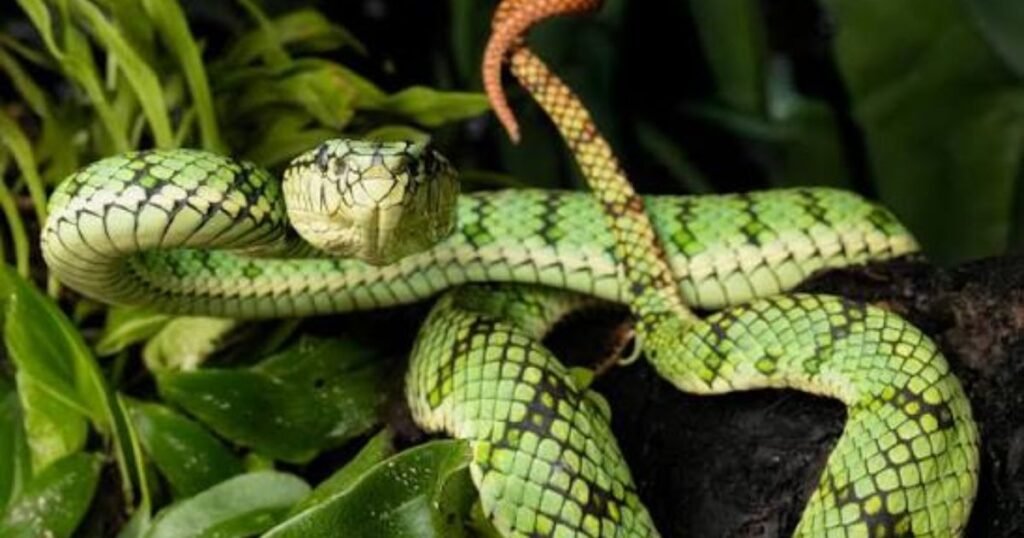
Its unique infrared sensing capability, which enables it to detect warm-blooded prey even in complete darkness. This feature, coupled with its potent venom, makes it a formidable hunter in its jungle habitat.
This species also plays a crucial role in maintaining ecological balance; by controlling rodent populations, it indirectly supports the health of local vegetation. The intertwining of beauty and danger in the Malayan Pit Viper transcends mere fascination, inviting a deeper reflection on the complex relationships within our natural world.
Conclusion:
Snakes with triangular heads represent a remarkable evolutionary feature that enhances their predatory efficiency and survival rates. By examining their adaptations, we gain valuable insight into the complexities of the natural world.
Each species exemplifies the incredible diversity found within the snake family and serves as a reminder of the importance of biodiversity.
As you delve deeper into the lives of these fascinating reptiles, consider how these adaptations contribute to their roles within ecosystems.
FAQs
What Types of Snakes Have Triangular Heads?
Common examples include the Gaboon viper, bushmaster, and some species of copperheads.
Can Harmless Snakes Have Triangular Heads?
Yes. Many non-venomous species (like water snakes and garter snakes) flatten their heads into a triangular, arrow-like shape as a defensive display to appear dangerous.
Do All Venomous Snakes Have Triangular Heads?
No. The triangular shape is typically found in vipers (pit vipers), but many other highly venomous snakes (like cobras and mambas) have slender, rounded heads.
How can I Identify a Snake by its Head shape?
Look for a distinct triangular shape in relation to the body; triangular heads typically appear broader than the neck.