Top 14 Animals That Eat Mice: Natural Predators (With Images)
Did you know that more than 100 species of animals rely on mice as a primary food source? In the wild, these small rodents play a pivotal role in the ecosystem, and their natural predators are just as fascinating.
The Top 14 Animals That Eat Mice, showcasing their hunting techniques and ecological significance. You’ll have a newfound appreciation for the circle of life and the crucial roles these animals play in maintaining balance in nature.
List of Animals That Eat Mice
Below is the list animals that eat mice:
- Owl
- Fox
- Coyotes
- Domestic cats
- Badgers
- Snake
- Hawk
- Weasels
- Bobcat
- Bear
- Wolves
- Eagle
- Komodo Dragon
- Raccoons
Owl
Scientific Name: Strigiformes
Class: Aves
Diet: Carnivore
These are silent hunters of the night, embody both grace and precision in the animal kingdom. As formidable predators among animals that eat mice, these raptors have mastered the art of stealth. Their ability to rotate their heads nearly 270 degrees, paired with exceptional night vision, allows them to spot even the slightest rustle of a mouse in the underbrush.
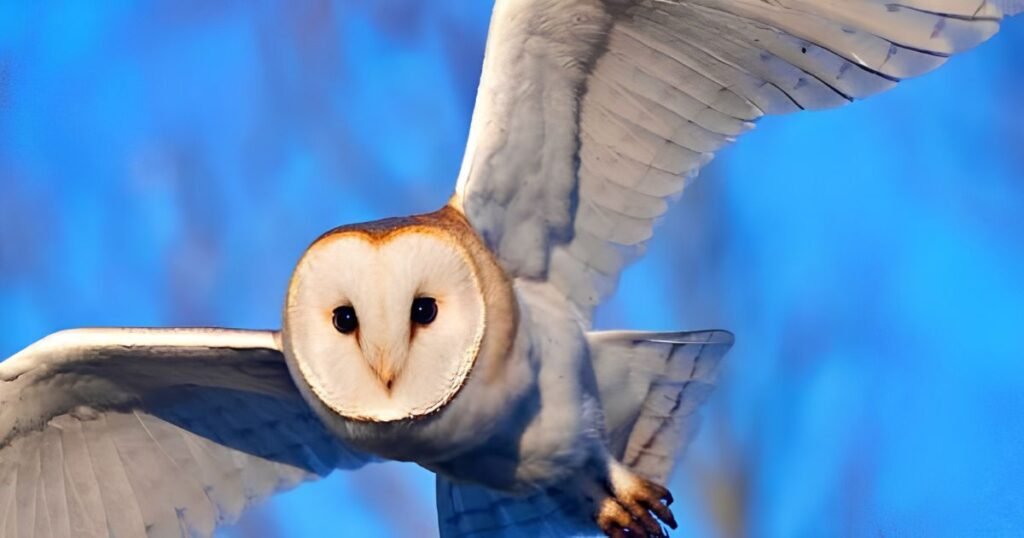
What truly sets owls apart is their unique hunting method. With a specialized feather structure that muffles sound, they can swoop down silently, often before their unsuspecting prey knows what’s coming.
Fox
Scientific Name: Vulpes vulpes
Class: Mammalia
Diet: Omnivore
The fox, a symbol of cunning in various cultures, plays a crucial role in maintaining ecological balance. As a predator, foxes primarily feast on small mammals, including the ubiquitous mouse. But their diet isn’t limited to these rodents; they also consume fruits, birds, and insects, showcasing a remarkable adaptability.
This dietary versatility allows them to thrive in diverse environments, from urban landscapes to dense forests. Foxes are skilled hunters, they are also prey for larger carnivores. Animals like eagles, wolves, and even the fierce bobcat have the fox in their sights.
Coyotes
Scientific Name: Canis latrans
Class: Mammalia
Diet: Omnivore
Coyotes are masterful survivors, showcasing a remarkable ability to thrive in diverse environments, from bustling cities to remote deserts. With a diet that includes small mammals like rodents, coyotes significantly impact the populations of animals such as mice, ensuring ecological balance.
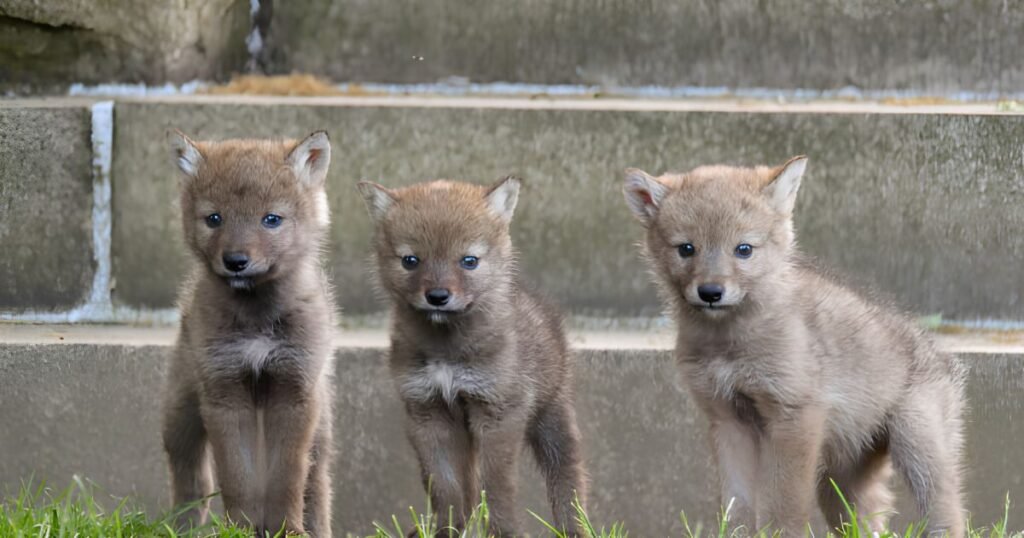
Their adaptability allows them to shift their diet based on availability, which is why their presence remains strong even amidst urbanization. What’s fascinating is the social structure of coyotes. Unlike many other solitary predators, they often hunt in pairs or small packs, a strategy that maximizes their hunting efficiency.
Domestic cats
Scientific Name: Felis catus
Class: Mammalia
Diet: Carnivore
Domestic cats are extraordinary natural hunters, often underestimated for their hunting prowess. Beyond their cuddly appearance and playful antics, they carry an ancestral instinct to stalk and pounce, making them adept at chasing down their primary prey mice. Many cat owners may not realize that their feline companions are pets; they are effective pest controllers!
While most people love their cats for their companionship, it’s fascinating to consider their role in the ecosystem. A single cat can prevent thousands of rodent births in a year, thereby helping to maintain a balance in their environment.
Badgers
Scientific Name: Meles meles
Class: Mammalia
Diet: Omnivore
These are the unsung heroes of the nocturnal world, formidable hunters cloaked in fierce determination. Their diet is notably diverse, but did you know that a badger can indeed name an animal that eats mice? Yes, their love for small rodents plays a critical role in maintaining ecological balance.
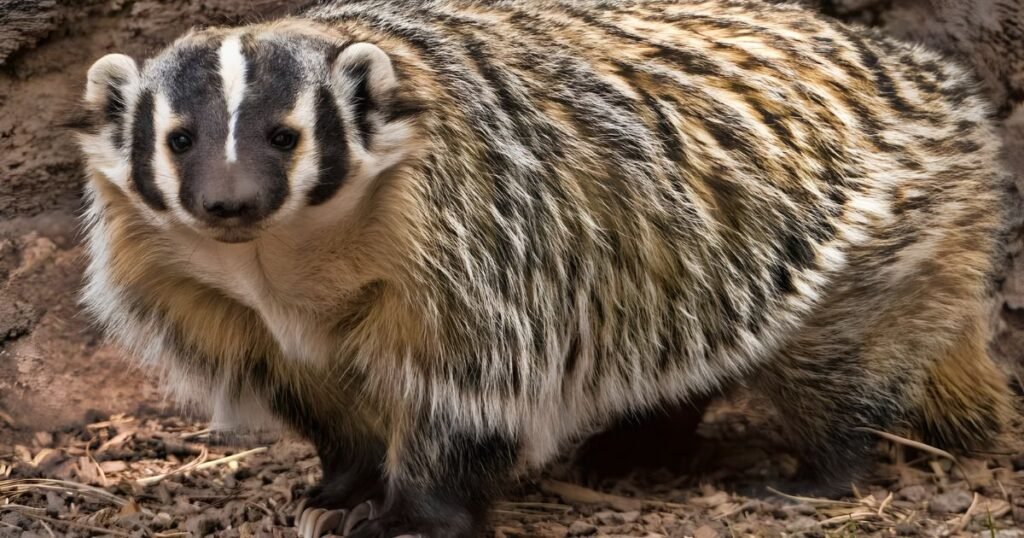
These industrious mammals have a unique social structure, often living in clans called cete, where loyalty and cooperation shine through, especially during hunting trips.
Snakes
Scientific Name: Serpentes
Class: Reptilia
Diet: Carnivore
These are fascinating predators that play a critical role in controlling rodent populations, including what eats mice in the wild. Their unique adaptations, such as flexible jaws and potent venom, allow them to subdue prey much larger than themselves. The Western Diamondback Rattlesnake uses a combination of ambush and quick strikes to catch unsuspecting rodents, showcasing a deadly elegance in their hunting techniques.
Snakes have evolved various strategies for survival, including camouflage and mimicry. Many species, like the Eastern Coral Snake, leverage their vibrant coloration as a warning signal to potential predators, a clever twist in the dance of survival.
READ ALSO: Animals Like Skunks: 9 Unique Creatures (With Pictures)
Hawk
Scientific Name: Buteo jamaicensis
Class: Aves
Diet: Carnivore
These are nature’s aerial acrobats, soaring high above the landscape with unparalleled grace. Their keen eyesight is legendary, allowing them to spot potential prey, such as mice, from great distances. What animals eat mice? The renowned hawk, the mouse, faces a myriad of predators, including owls, foxes, and even snakes, creating an intricate web of life in the food chain.
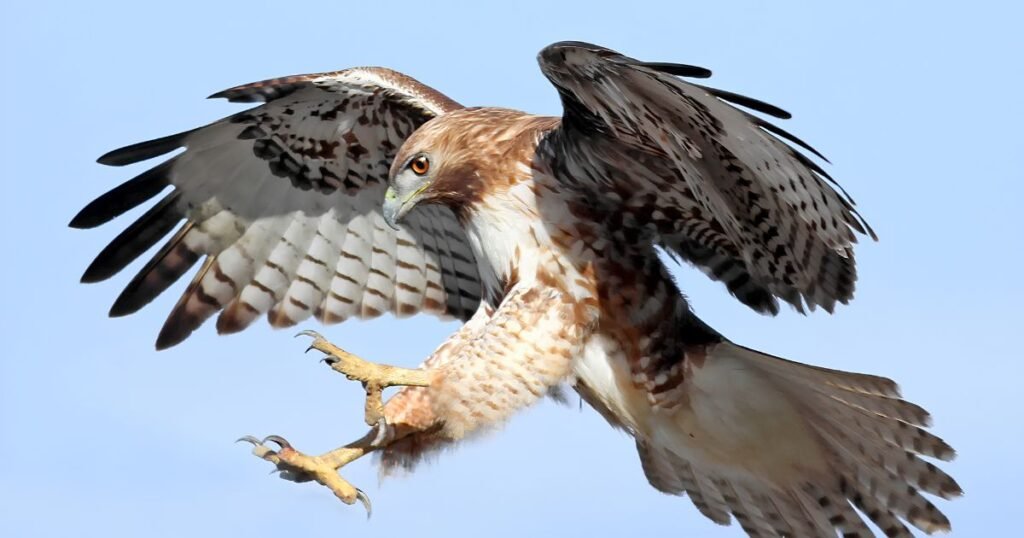
Their impressive wingspan and strategic hunting techniques demonstrate a mastery of flight that keeps them at the top of the food chain. As you observe a hawk in flight, consider the delicate balance it sustains in its environment, where each swoop and catch echoes through the interdependence of wildlife.
Weasels
Scientific Name: Mustela
Class: Mammalia
Diet: Carnivore
These are nature’s stealthy hunters, embodying both agility and cunning. Their slender bodies and sharp teeth make them perfectly designed for squeezing into tight spaces, allowing them to ambush unsuspecting prey. If you’ve ever wondered what eats mice, look no further; weasels are at the top of that list, adeptly patrolling fields and gardens in search of these small rodents.
Weasels are efficient hunters; they play a crucial role in maintaining the balance of their ecosystems. By controlling rodent populations, they prevent overpopulation that could lead to crop damage and disease spread.
Bobcat
Scientific Name: Lynx rufus
Class: Mammalia
Diet: Carnivore
The bobcat is a remarkable predator, thriving in diverse habitats, from dense forests to arid deserts. Known for its keen hunting skills, this agile feline plays a crucial role in controlling populations of small mammals, particularly rodent species. When considering what animals eat mice, bobcats are among the top contenders, wielding their sharp instincts and speed to secure these prey.
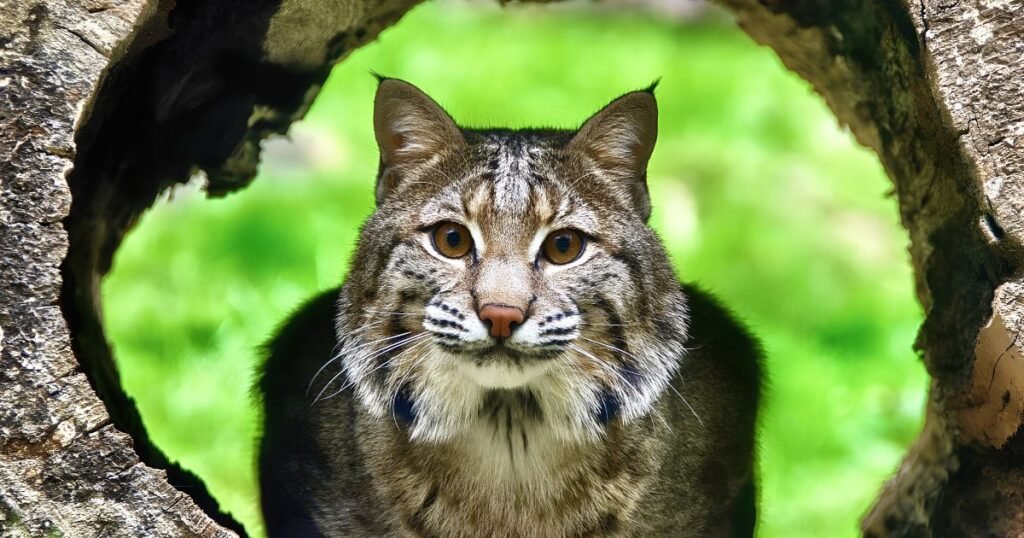
The bobcat’s diet isn’t limited to just mice; it also includes rabbits, birds, and even the opportunistic snag of a young deer. This versatility showcases their resilience as hunters and emphasizes their importance in maintaining ecological balance.
Bear
Scientific Name: Ursidae
Class: Mammalia
Diet: Omnivore
These, with their towering presence and formidable strength, often evoke images of wilderness and power. Beneath this fierce exterior lies a surprisingly diverse diet. What animal eats mice? While bears predominantly favor berries, fish, and larger mammals, they are opportunistic foragers.
This adaptability not only showcases their resourcefulness but also highlights the intricate balance within their ecosystems, where every meal matters. Bears’ dietary habits sheds light on broader ecological dynamics. In regions where food sources fluctuate seasonally, the bear’s role as a predator becomes pivotal.
Wolves
Scientific Name: Canis lupus
Class: Mammalia
Diet: Carnivore
These, revered and reviled, are more than just the embodiment of wilderness; they are intricate social beings. These apex predators have an unparalleled role in maintaining ecosystem balance. Their hunting strategies, honed through centuries, showcase their intelligence and pack dynamics.
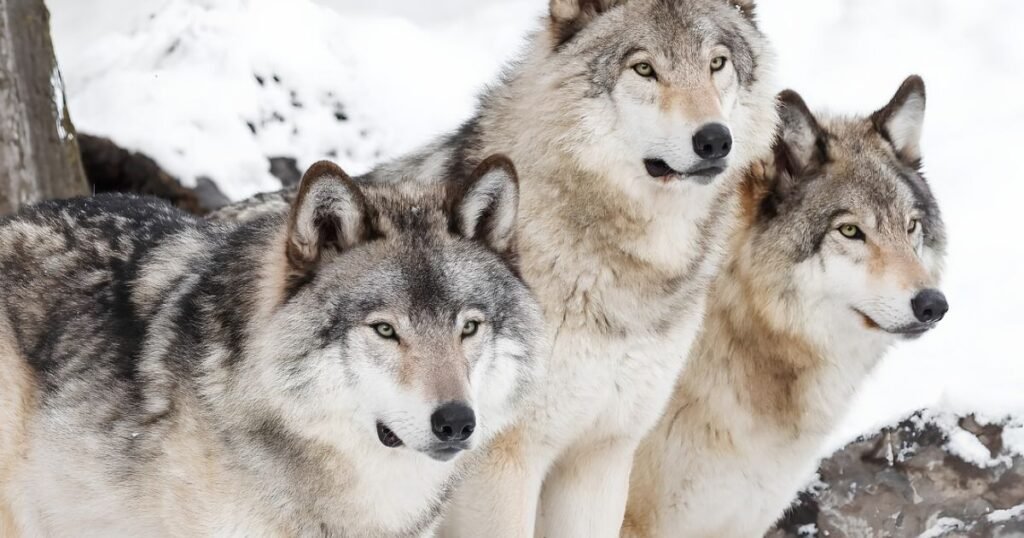
But let’s pivot to a lesser-known link: the interplay between wolves and birds. While the question of do birds eat mice often piques curiosity, the relationship extends further. As wolves hunt, they create opportunities for scavengers.
READ MORE: Top 18 Animals With 2 Legs: Complete List Pictures
Eagle
Scientific Name: Aquila chrysaetos
Class: Aves
Diet: Carnivore
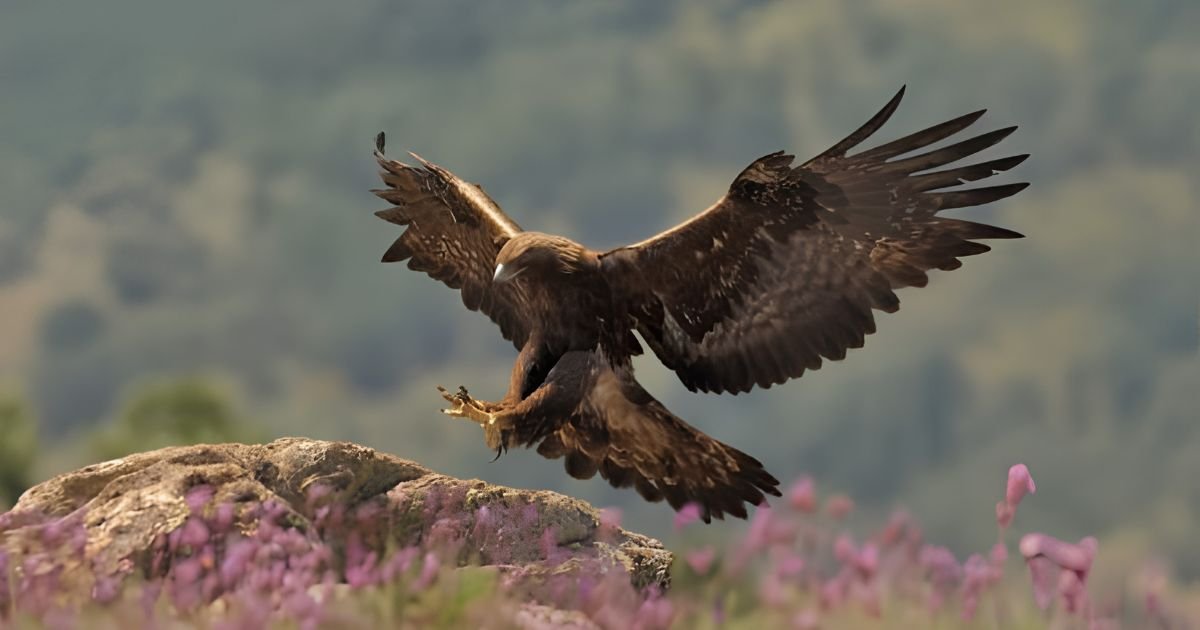
Eagles are magnificent aerial hunters; they are also masterful mouse predators, playing a crucial role in their ecosystem. Their hunting techniques are not merely about brute strength; they reflect an intelligent strategy, often employing height and stealth to catch unsuspecting rodents off guard.
Komodo Dragon
Scientific Name: Varanus komodoensis
Class: Reptilia
Diet: Carnivore
The Komodo Dragon, a titan of the reptile world, reigns supreme on the islands of Indonesia. With an astonishing length of up to 10 feet, it doesn’t merely intimidate with its size but also showcases an impressive hunting strategy.
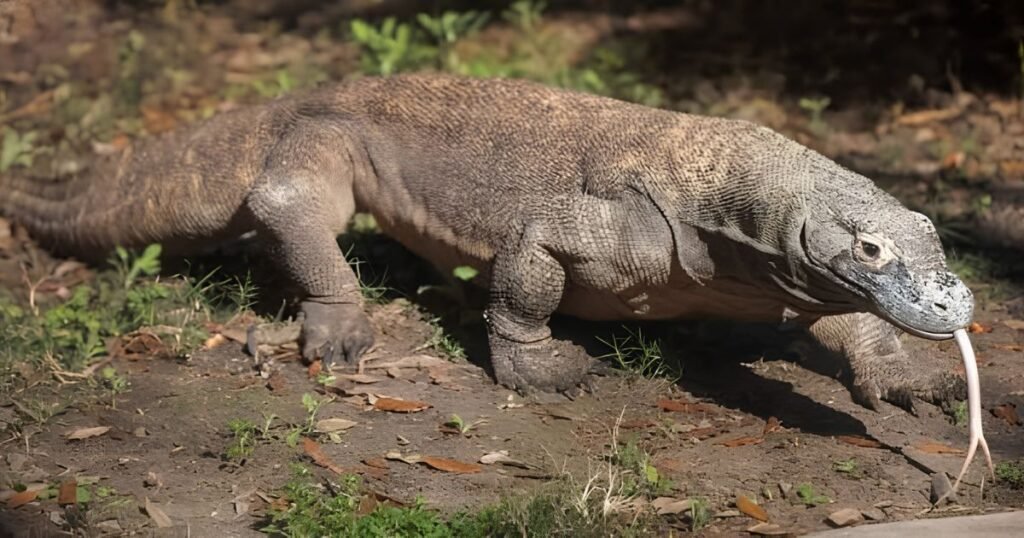
These ancient lizards exhibit an incredible ability to adapt, feasting on a variety of prey, from deer to smaller creatures. What eats mice? In the wild, these formidable predators use their keen sense of smell to track down small mammals, including mice, playing a crucial role in maintaining the ecological balance. Their saliva contains bacteria and venom, ensuring that an injured animal is unlikely to escape.
Raccoons
Scientific Name: Procyon lotor
Class: Mammalia
Diet: Omnivore
Raccoons are cute masked bandits; they possess remarkable intelligence that rivals some primates. This adaptability makes them masters of survival, able to thrive in diverse environments, from urban jungles to rural settings.
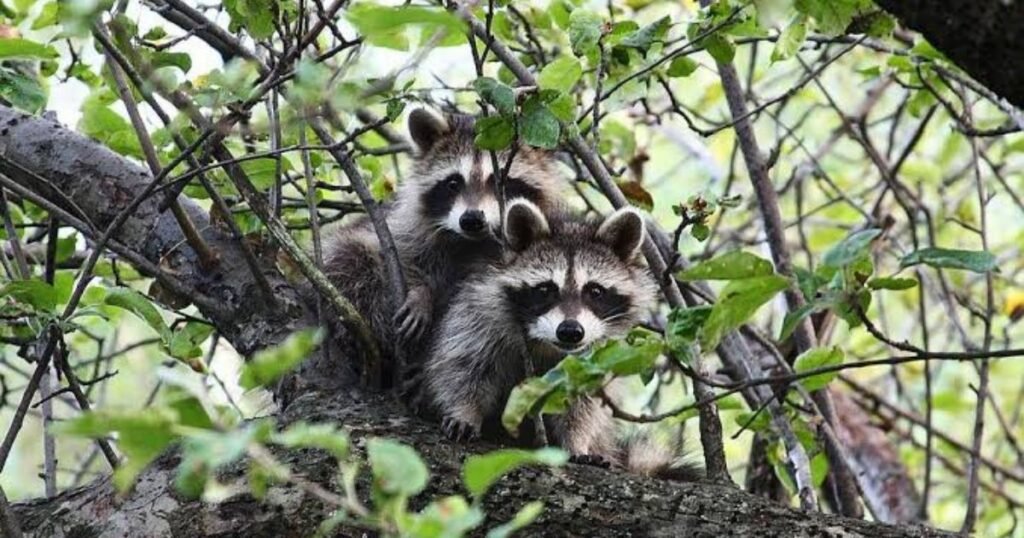
Raccoons can instinctively hunt creatures like rodents, which leads to the pressing question, what eats mice? Beyond raccoons, various predators like owls, snakes, and even domestic cats join the dance of nature’s predator-prey dynamics.
Final Words
The top natural predators of mice sheds light on the ecological balance within our ecosystems and emphasizes the remarkable adaptations of these predatory animals. From majestic birds of prey to stealthy terrestrial hunters, each plays a crucial role in controlling the mouse population.
These dynamics can help us appreciate the interconnectedness of wildlife. These creatures in their habitats, let us be mindful of their importance. Take a moment to learn more about these incredible predators and how they contribute to our environment!
FAQs
What Animal Eats Mice the Most?
Several animals are known for preying on mice, but the most prolific mouse hunters include birds of prey, snakes, and domestic cats. Owls and hawks are particularly effective because of their keen vision and silent flight, allowing them to swoop down on unsuspecting rodents.
Which Animal doesn’t Fear Humans?
Many animals exhibit a curious lack of fear towards humans, particularly those that have adapted to urban environments. One prime example is the Eastern gray squirrel.
What Animal Kills rats but doesn’t Eat Them?
Several animals are known to kill rats without consuming them, primarily for reasons like territorial defense or play. Many cats do hunt and consume small prey, it’s not uncommon for them to kill rats simply to assert dominance or engage their predatory instincts, leaving the carcass behind.
What is the Number One Killer of Mice?
The number one killer of mice is typically predation, particularly from natural predators such as cats, owls, and various snakes. These animals have evolved to hunt and thrive on rodents, which are a primary food source for them.