Top 20 Most Muscular Animals in the World (With Pictures)
Ever wondered which animals are packing the most muscle? From the gigantic grizzly bear to the powerful bull, the Top 20 Most Muscular Animals in the World showcase the strength and resilience of nature.
This guide will not only unveil some jaw-dropping data and visuals but also explain why these feats of strength matter in ecological and biological contexts. You’ll have a newfound appreciation for the muscular animals that dominate the animal kingdom.
List of Muscular Animals in the World
Here is the list of top muscular animals in the world.
| Number of Animals | Muscular Animal Name |
| 1 | Mountain Gorilla |
| 2 | African Elephant |
| 3 | Bengal Tiger |
| 4 | Lion |
| 5 | Grizzly Bear |
| 6 | American Bison |
| 7 | African Buffalo |
| 8 | Indian Rhinoceros |
| 9 | Hippopotamus |
| 10 | Gaur |
| 11 | Moose |
| 12 | Jaguar |
| 13 | Saltwater Crocodile |
| 14 | Komodo Dragon |
| 15 | Cheetah |
| 16 | Musk Ox |
| 17 | West Indian Manatee |
| 18 | Orca |
| 19 | Sperm Whale |
| 20 | Humpback Whale |
Mountain Gorilla
Scientific Name: Gorilla beringei beringei
Class: Mammalia
Diet: Herbivore
The mountain gorilla stands as an extraordinary example of a muscular animal, showcasing a physique crafted by its unique environment. Weighing up to 485 pounds, these primates possess massive upper bodies and powerful limbs, adapted for navigating the steep, rugged terrain of their mountainous habitat. Their muscular build isn’t just for show; it plays a crucial role in their survival. These strength-packed arms allow them to climb with agility, forage for high vegetation, and defend their groups against threats.
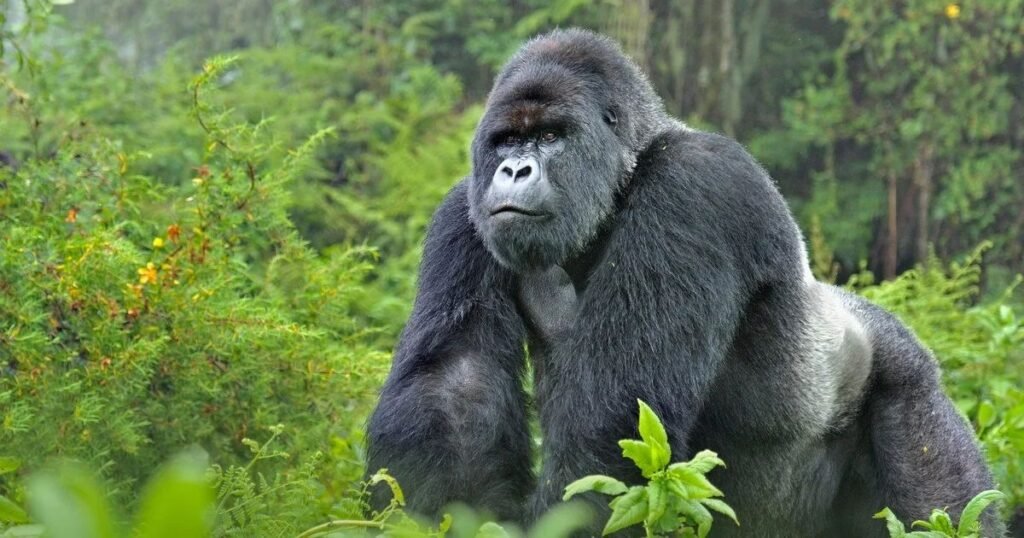
This remarkable musculature is complemented by an impressive level of flexibility. Mountain gorillas can exhibit a range of motion that defies their bulk, enabling them to swing through branches and leverage their strength in a variety of ways.
The gorilla’s muscle composition is enriched with type II fibers, which promote explosive strength, aiding them in short bursts of speed — a fascinating adaptation for both foraging and evading potential predators. Observing these noble giants in their natural habitat offers a striking reminder of how evolution shapes the muscular characteristics of such remarkable animals.
African Elephant
Scientific Name: Loxodonta africana
Class: Mammalia
Diet: Herbivore
The African elephant stands out as one of nature’s most muscular animals, characterized by its sheer size and strength. With males weighing between 10,000 and 14,000 pounds, their robust musculature supports massive bones and thick skin, essential for survival in harsh environments.
Their powerful limbs, designed not just for support but for formidable movement, allow them to traverse vast terrains with surprising agility, even at such a colossal scale. Their muscular build isn’t solely for brute force; it plays a crucial role in social interactions as well. African elephants utilize their strength during complex rituals, from displays of dominance to nurturing behaviors.
For example, during the mating season or when establishing hierarchy in a herd, strong individuals engage in physical contests, showcasing their muscular prowess.
Bengal Tiger
Scientific Name: Panthera tigris tigris
Class: Mammalia
Diet: Carnivore
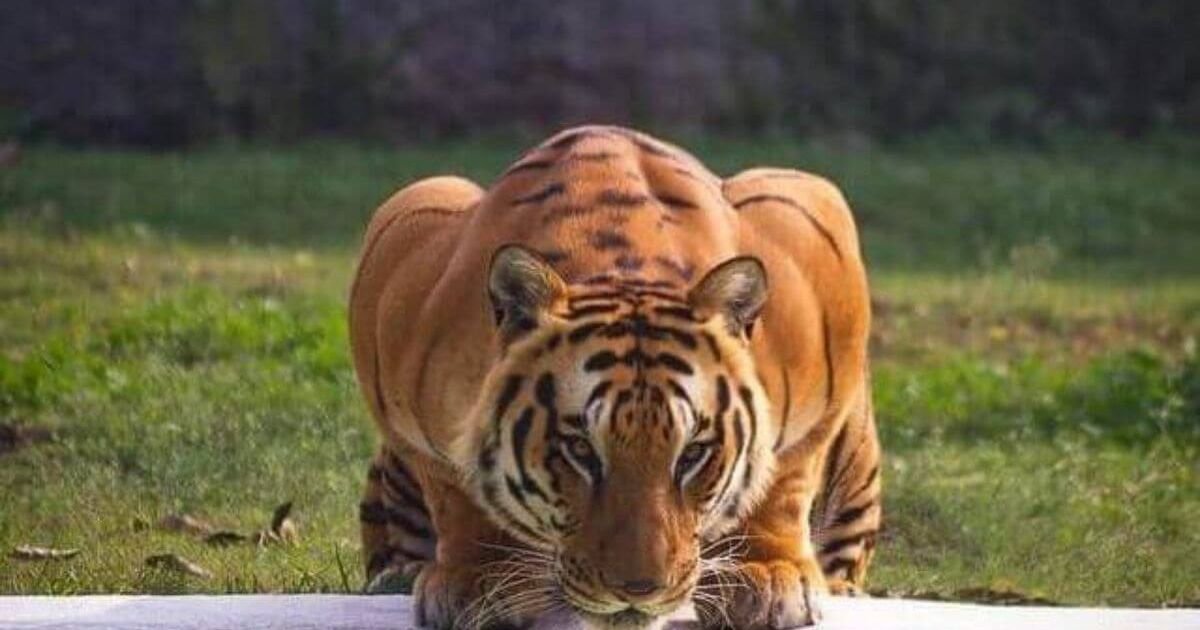
The Bengal tiger, a stunning apex predator, showcases a remarkable musculature that underscores its prowess in the wild. Unlike many animals, the Bengal tiger’s robust body features a unique combination of strength and agility. Its powerful forelegs are designed for swiping at prey, while the hind legs provide explosive bursts of speed, enabling the tiger to close distances swiftly when stalking.
Beyond sheer size, the Bengal tiger’s musculature is engineered for endurance. These muscular animals can cover vast territories while hunting or patrolling, showcasing a stamina that rivals other big cats. With a well-defined chest and strong, flexible spine, they can execute impressive leaps and sharp turns, making their hunting technique both effective and adaptable.
Related: Most Dangerous Animals in Puerto Rico
Lion
Scientific Name: Panthera leo
Class: Mammalia
Diet: Carnivore
The lion, often dubbed the “king of the jungle,” epitomizes the muscular animal archetype. With a powerful physique built for strength and endurance, lions can sway the dynamics of their environment.
Their robust muscles are not merely for show; they are finely tuned for explosive speed and agility, allowing these majestic predators to close distances rapidly during a hunt. The weight of their muscular build can be deceptive, as it supports impressive agility, enabling them to leap and twist with remarkable finesse.
Lionesses exhibit a specific musculature that enhances their hunting prowess. Unlike their male counterparts, they possess leaner yet equally powerful builds, optimized for stamina and coordinated group hunting tactics. This muscular differentiation underscores the social dynamics of the pride, where teamwork becomes essential for taking down larger prey.
Grizzly Bear
Scientific Name: Ursus arctos horribilis
Class: Mammalia
Diet: Omnivore
Grizzly bears are fascinating examples of muscular animals, showcasing power and strength that are uniquely adapted to their environments. Their robust physique is not merely for show; these bears possess one of the highest muscle-to-fat ratios in the animal kingdom, enabling them to perform remarkable feats of endurance and strength.
Their large forelimbs, equipped with strong, agile muscles, allow grizzlies to dig for roots and burrow for food — traits that are essential for their survival, especially in harsh climates.
These muscles provide leverage and power, allowing the grizzly to rise onto its hind legs to survey its surroundings or intimidate rivals. Their muscular structure plays a crucial role in their hunting prowess, enabling swift sprints over short distances despite their bulk.
Read also: Top 18 Animals with Sharp Claws
American Bison
Scientific Name: Bison bison
Class: Mammalia
Diet: Herbivore
The American bison, often revered as a symbol of the Great Plains, is a remarkably muscular animal, showcasing a combination of power and endurance that defines its very essence. With massive shoulders and a distinctive hump formed by its powerful neck muscles, the bison embodies raw strength, enabling it to traverse rugged terrains with ease.
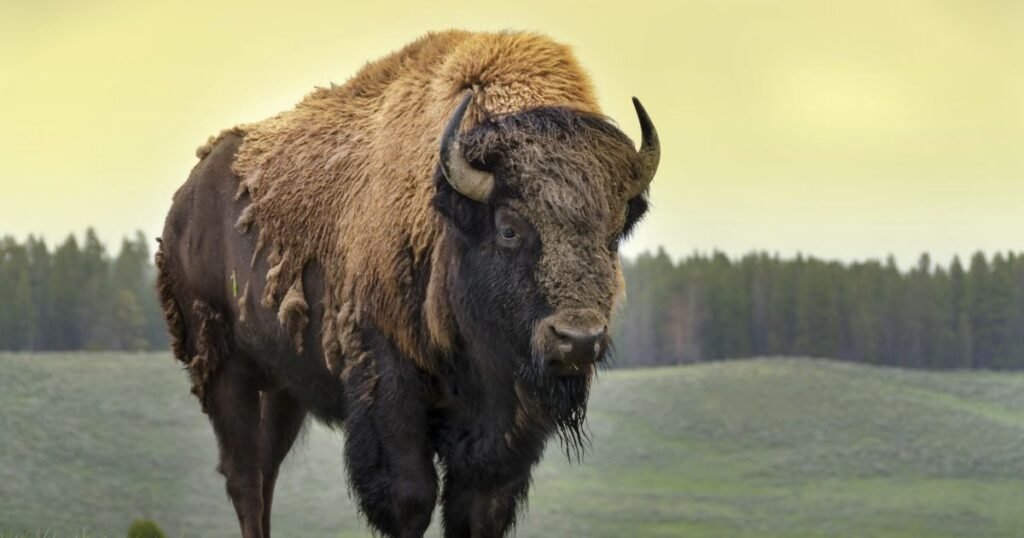
This muscular structure supports its hefty frame, weighing up to 2,000 pounds, while also allowing for agile movements when evading predators or engaging in social displays within herds.
Beyond mere bulk, the bison’s muscles are finely tuned for survival. Their large, sturdy legs allow for impressive bursts of speed despite their size, making them one of the fastest large mammals in North America. The unique arrangement of muscle fibers in their bodies provides resilience against harsh climates and the ability to migrate over vast distances.
African Buffalo
Scientific Name: Syncerus caffer
Class: Mammalia
Diet: Herbivore
The African buffalo, a quintessential muscular animal, exemplifies power and resilience in its physique. With robust shoulders and a deep chest, these creatures are perfectly adapted for a range of environments, from savannas to dense woodlands.
Their well-defined muscles are not merely for show; they enable agility and stamina, allowing buffaloes to travel great distances in search of food and water while evading predators.
A particularly striking feature of the African buffalo is its formidable neck and compact legs, which contribute to a surprisingly swift burst of speed despite its bulk. This muscular build plays a critical role in the dynamics of herd protection, as they often face threats from lions and other predators.
In defensive behavior, the sheer strength of their musculature enables them to mount a formidable counter-attack, showcasing not just physical prowess, but also the social intelligence of these animals in coordinating group defense strategies.
Indian Rhinoceros
Scientific Name: Rhinoceros unicornis
Class: Mammalia
Diet: Herbivore
The Indian Rhinoceros, or rhinoceros unicornis, showcases remarkable muscular properties that translate into both strength and agility despite its hefty appearance. These muscular animals possess a robust framework, with well-developed limbs that support their substantial weight while allowing for surprising bursts of speed when necessary.
The intricate arrangement of their muscles is adapted for combat, particularly during mating seasons when males engage in fierce battles for dominance. The sheer force generated by their muscular build can be awe-inspiring, as they charge with incredible velocity, proving that size does not always dictate speed.
The Indian Rhinoceros also demonstrates unique adaptations, such as the dense, protective folds of skin that, while adding to their bulk, also contribute to extraordinary strength and resilience in harsh environments.
Hippopotamus
Scientific Name: Hippopotamus amphibius
Class: Mammalia
Diet: Herbivore
The hippopotamus is a prime example of a muscular animal that defies conventional expectations. Despite their somewhat rotund appearance, hippos possess remarkable strength and power, boasting muscles that allow them to weigh up to 8,000 pounds.
Their large, barrel-shaped bodies are supported by thick, robust limbs, which enable them to launch themselves out of the water and run surprisingly fast on land. This strength is crucial not just for survival, but also for maintaining dominance in their social hierarchies.
Unique to hippos is the composition of their muscle fibers, which are a blend of both slow-twitch and fast-twitch fibers. This allows them to sustain high levels of energy during prolonged periods spent in the water while also delivering explosive bursts of strength when necessary.
Their jaw muscles are particularly powerful; a hippo’s bite can exert more than 1,800 pounds of pressure, making them one of the strongest jaws in the animal kingdom.
Gaur
Scientific Name: Bos gaurus
Class: Mammalia
Diet: Herbivore
The Gaur, often considered one of the most muscular animals in the wild, boasts a remarkable physique that captures the attention of wildlife enthusiasts and researchers alike. This powerful bovine stands out not just for its impressive size, reaching heights of up to 2 meters at the shoulder, but also for its sheer muscle density.
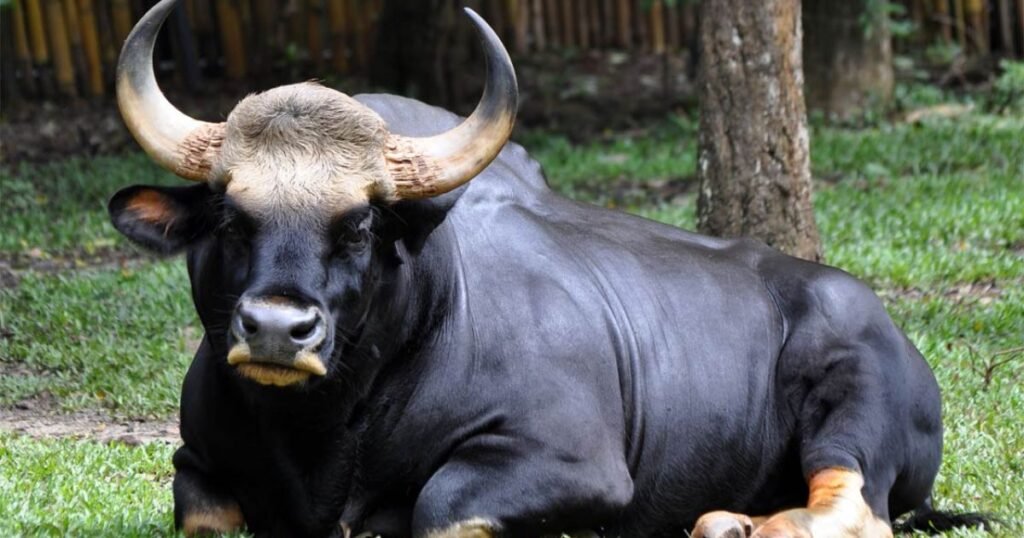
Each Gaur is equipped with massive forequarters and a deep chest, which enable it to navigate the rugged terrains of its native forests with astonishing agility. Beyond their sheer bulk, the muscular properties of the Gaur extend to their incredible stamina and endurance. These animals can traverse vast distances in search of food, displaying not just strength but also an innate adaptability to various habitats.
Their muscularity plays a crucial role in their social dynamics, as dominant males often engage in displays of strength to assert their position within the herd. This unique combination of power and grace makes the Gaur a fascinating subject for those interested in the evolutionary advantages possessed by muscular animals.
Moose
Scientific Name: Alces alces
Class: Mammalia
Diet: Herbivore
Moose, among the largest and most powerful of the cervid family, showcase muscular properties that are as fascinating as they are functional. Their substantial musculature supports a robust frame, allowing them to thrive in challenging environments like dense forests and icy terrains.
These muscular animals possess long, strong legs that not only facilitate impressive speed—reaching up to 35 miles per hour in short bursts—but also enable them to navigate through deep snow, showcasing a unique blend of strength and agility.
Beyond their sheer size, moose have adaptations that highlight their evolutionary advantages. Their muscle mass is particularly developed in the shoulder region, aiding in the capability to push through thick underbrush in search of food. This muscular build is crucial during mating season, where males engage in fierce battles, using their antlers, which are also supported by powerful musculature, to compete for dominance.
Jaguar
Scientific Name: Panthera onca
Class: Mammalia
Diet: Carnivore
The jaguar stands out as one of the most muscular animals in the wild, a true testament to the power and grace of nature’s design. With a robust body, large paws, and broad shoulders, these felines are engineered for strength and agility.
Their muscular structure allows them to execute remarkable feats, such as climbing, swimming, and ambushing prey with explosive speed. The jaguar’s powerful jaw is one of its distinctive features, enabling it to crush the shells of turtles and crack open bones, reflecting its position as an apex predator.
What sets the jaguar apart from other muscular animals is its unique hunting style. Unlike lions or tigers that rely on a pride or stealth, the jaguar often hunts alone, using its strength to tackle formidable prey in densely vegetated environments. This solitary approach demands not only brawn but also exceptional adaptability, as they can thrive in various landscapes from rainforests to wetlands.
Saltwater Crocodile
Scientific Name: Crocodylus porosus
Class: Reptilia
Diet: Carnivore
The saltwater crocodile, a premier example of muscular animals, possesses a unique musculature that enables it to excel both in water and on land. Their powerful bodies are a testament to evolutionary engineering, showcasing muscular adaptations that allow for explosive bursts of speed despite their hefty size.
With jaws that can exert immense pressure—reportedly one of the strongest of any living animal—these reptiles don’t just rely on sheer force but also demonstrate efficiency in their movements, striking with precision. Their muscular structure is optimized for both endurance and power, enabling them to perform sustained swims over long distances while also engaging in short, powerful chases.
This duality enriches their predatory prowess, illustrating why they are at the top of the aquatic food chain. The strength of their limbs not only aids in swimming but also supports powerful terrestrial locomotion, revealing the versatility of these muscular creatures in adapting to diverse environments.
Komodo Dragon
Scientific Name: Varanus komodoensis
Class: Reptilia
Diet: Carnivore
The Komodo dragon stands out as one of the most formidable, muscular animals in the world, possessing an impressive fusion of strength, agility, and endurance. Weighing up to 200 pounds, these reptiles have a robust musculature that enables them to overpower prey far larger than themselves.
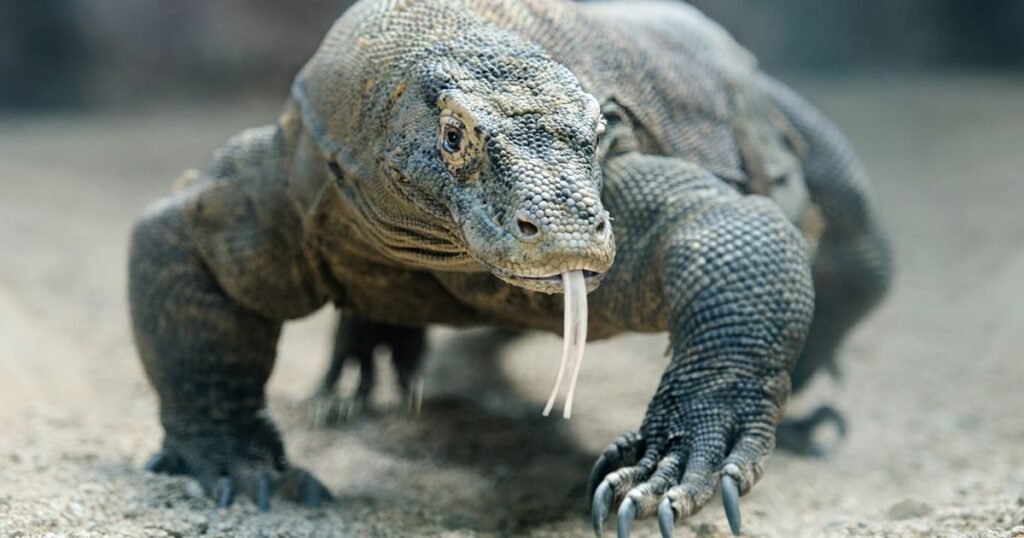
Their powerful limbs, equipped with strong claws, allow for both speed and stability, making them effective ambush predators on the rugged terrains of their island habitats. What sets Komodo dragons apart from other muscular animals is their unique blend of slow, deliberate movements paired with bursts of explosive speed when necessary.
Their muscular tails serve not just for balance but also as a weapon, delivering powerful strikes to both prey and rivals. , the combination of muscle density and stamina allows these creatures to maintain surprising agility, as they can chase after their quarry for distances that would exhaust lesser predators.
Cheetah
Scientific Name: Acinonyx jubatus
Class: Mammalia
Diet: Carnivore
The cheetah stands out among muscular animals, showcasing a unique blend of speed and agility that sets it apart in the animal kingdom. Its muscle fibers are primarily composed of fast-twitch fibers, allowing for explosive acceleration; this is crucial for hunting in the wild.
In fact, a cheetah can reach speeds of up to 70 miles per hour in short bursts, thanks to its powerful limb muscles and elongated spine that provides enhanced flexibility during high-speed chases.
Unlike other large predators, the cheetah sacrifices raw power for athleticism. While lions and tigers sport larger, bulkier muscles for strength, the cheetah’s lean physique is a testament to its evolutionary specialization. This sleek build enables it to maintain a high velocity while navigating the complex terrain of its savannah habitat.
Musk Oxen
Scientific Name: Ovibos moschatus
Class: Mammalia
Diet: Herbivore
Musk oxen, those robust symbols of enduring strength, showcase fascinating muscular properties that enable them to thrive in frigid environments. Their unique adaptations allow for extraordinary stamina and resilience; these muscular animals are built for the harsh Arctic conditions.
The anatomy of a musk ox includes dense, powerful muscles concentrated in their large shoulders and robust legs, which support their weighty frames and allow them to traverse snow-covered terrains with surprising agility.
A remarkable feature of musk oxen is their layered musculature, designed specifically for energy preservation during long migrations. The muscle fibers in their bodies are enriched with myoglobin, optimizing oxygen storage for sustained endurance. This physiological adaptation not only supports their massive bulk but also allows them to employ competitive behaviors, particularly during the breeding season, showcasing displays of strength and dominance.
West Indian Manatee
Scientific Name: Trichechus manatus
Class: Mammalia
Diet: Herbivore
The West Indian manatee, an impressive example of muscular animals, showcases a unique blend of strength and grace in its aquatic habitat. These gentle giants possess a robust musculature that not only supports their sizable bodies — averaging up to 1,200 pounds — but also allows for surprising agility in the water.
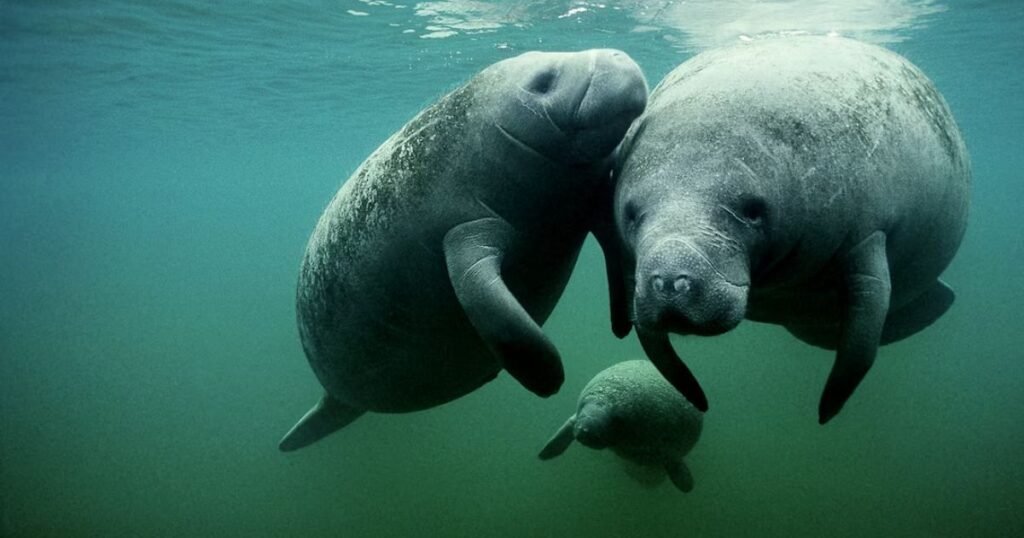
Their flippers, composed of dense muscle, enable them to maneuver effortlessly through seagrass beds and coastal waters, demonstrating that this slow-moving creature possesses hidden athleticism.
The manatee’s muscular system is adapted for endurance rather than speed, crucial for their lifestyle of grazing on aquatic vegetation. These animals can hold their breath for up to 20 minutes while foraging, making their efficient respiratory muscles essential for feeding and social interactions.
Orcas
Scientific Name: Orcinus orca
Class: Mammalia
Diet: Carnivore
Orcas, or killer whales, are among the most muscular animals in the ocean, showcasing incredible strength and grace. Their robust bodies, supported by a layer of blubber, enable them to maintain buoyancy while slicing through water with astounding agility.
The muscle structure in orcas is not just for show; it plays a critical role in their hunting techniques, allowing them to propel themselves at speeds of up to 34 mph when chasing prey. This sheer power is complemented by their remarkable stamina, enabling them to sustain lengthy bursts of energy during group hunts.
The muscular adaptations of orcas are starkly evidenced in their social structures, as these apex predators often collaborate in pods to outmaneuver larger prey. Their coordinated hunting strategies highlight a muscle memory honed through generations, illustrating the blend of physical prowess and learned behavior.
Sperm Whale
Scientific Name: Physeter macrocephalus
Class: Mammalia
Diet: Carnivore
The sperm whale, one of the largest muscular animals on the planet, showcases a unique blend of strength and agility. Its powerful, streamlined body is designed for deep ocean dives, allowing it to reach over 10,000 feet while holding its breath for upwards of 90 minutes.
The muscular structure of its tail fluke, which can span nearly 25 feet, is the powerhouse behind its impressive swimming ability. This robust musculature enables the sperm whale to propel itself through the water with remarkable speed, often reaching velocities of 30 miles per hour during brief bursts.
Beyond sheer muscle mass, the sophisticated arrangement of the sperm whale’s muscles reflects its evolutionary adaptations to a life spent in the deep sea. The deep musculature around the core supports not just its immense size, but also enhances buoyancy control, essential for navigating various depths.
Humpback Whale
Scientific Name: Megaptera novaeangliae
Class: Mammalia
Diet: Carnivore
The humpback whale is a fascinating example of nature’s muscular prowess, blending power and grace in a single majestic form. These colossal marine mammals boast a unique musculature that allows them to navigate the oceans with astonishing agility.
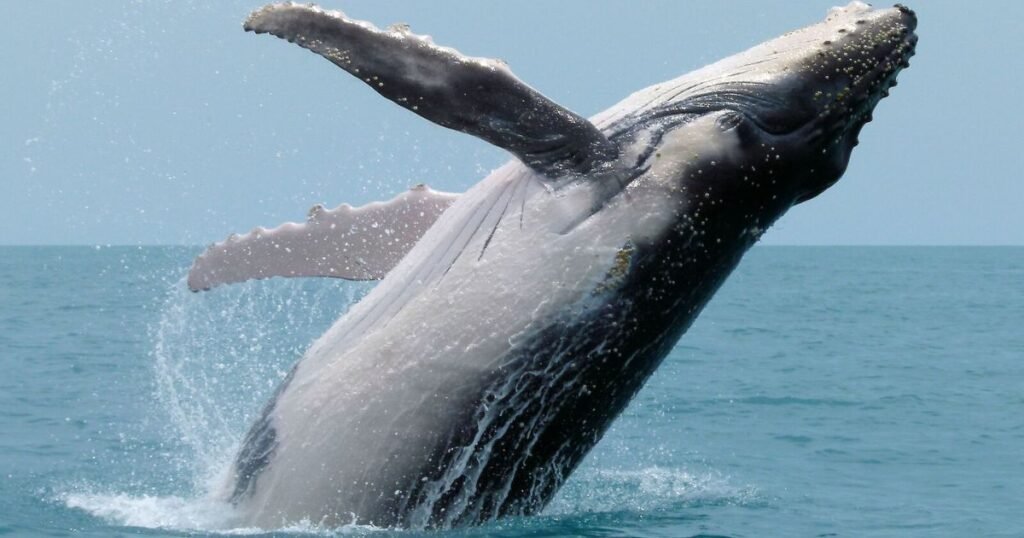
Their robust bodies are supported by large pectoral fins, which can stretch up to 16 feet in length. This muscular development facilitates acrobatic maneuvers like breaching and slapping the water — a stunning expression of both strength and fluidity.
Unlike many muscular animals that rely solely on brute force, humpback whales exhibit a remarkable level of finesse. Their body composition includes a complex arrangement of fast-twitch and slow-twitch muscle fibers, enabling both bursts of speed during hunting and prolonged endurance for long migrations.
This duality allows them to dive deep and breach spectacularly, captivating those lucky enough to witness it.
Final Thoughts
The top 20 most muscular animals highlight the remarkable feats of strength found throughout the animal kingdom. Each species mentioned has evolved in ways that optimize muscle performance, enabling them to thrive in their respective habitats.
Whether it’s the sheer power of the grizzly bear or the impressive speed of the cheetah, these animals remind us of the majesty of nature’s designs. Recognizing their strength also entails acknowledging the pressing need for conservation efforts to protect these incredible species.
FAQ’S
Why are some animals more muscular than others?
Muscularity in animals is influenced by factors such as genetics, diet, habitat, and the physical demands of their environment.
Why are some animals more muscular than others?
Muscularity in animals is influenced by factors such as genetics, diet, habitat, and the physical demands of their environment.
Which animal has the highest number of muscles?
It’s not a mammal. An octopus is about 85% muscle by weight, and it utilizes thousands of muscles across its eight tentacles, while some caterpillars boast around 4,000 individual muscles.