Top 14 Animals that Eat Coconuts (With Pictures)
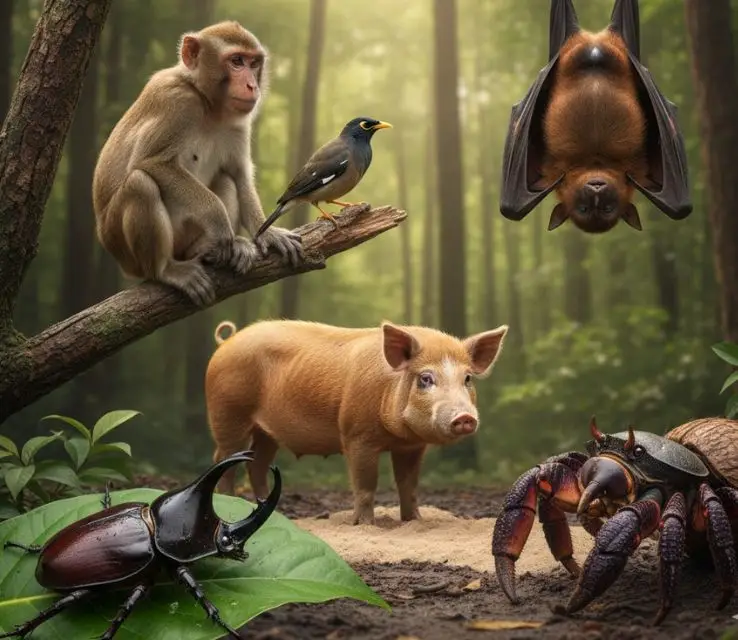
Animals that Eat Coconuts include a surprising mix of mammals, birds, and even primates that have learned how to crack, chew, or break open this hard tropical fruit. Coconuts are rich in nutrients, healthy fats, and water, making them a valuable food source in coastal and island ecosystems.
In this article, we explore the top 14 animals that eat coconuts, along with pictures and interesting facts that show how these animals use strength, intelligence, or sharp tools to enjoy this tough but nutritious food. Animals that eat a lot, like elephants and monkeys, also include some animals that eat coconuts as part of their heavy daily diet.
List Of Animals that Eat Coconuts
Here is the list of animals that like to eat coconuts:
- Monkeys
- Common Myna
- Pigs
- Squirrel
- Palm cockatoo
- Gorillas
- Aye-aye
- Elephants
- Sun Bears
- Rhinoceros Beetles
- Coconut Crabs
- Humans
- Rats
- Fruit Bats
Monkeys
Scientific Name: Simiiformes Catarrhini
Type of Animal: Mammal
Diet: Omnivore
Monkeys are often seen as the most playful and curious of the coconut consumers, showcasing an impressive versatility in their diet. Among the Simiiformes Catarrhini, certain species like macaques and capuchins have mastered the art of cracking open coconuts, using rocks or their strong jaws to access the sweet, nutritious meat inside.
Their dexterity and intelligence allow them to be opportunistic foragers, often climbing high into coconut palms or scavenging fallen coconuts on the ground.
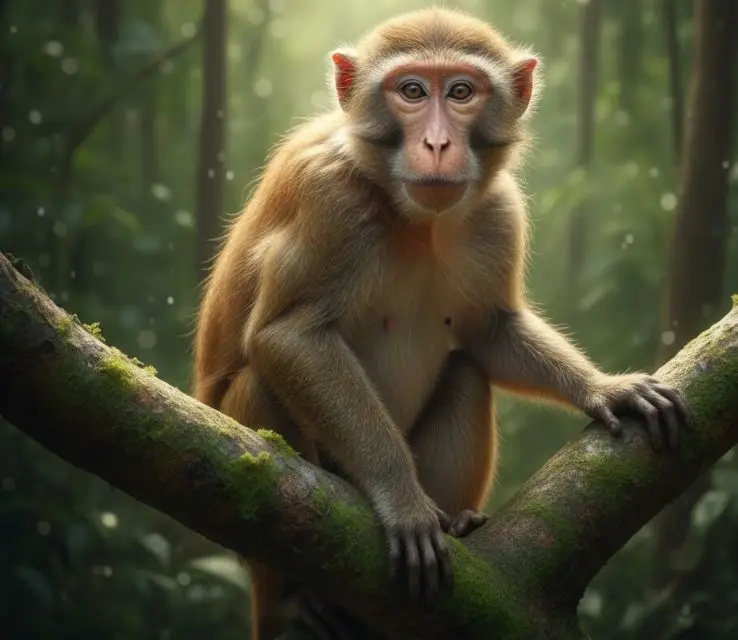
What makes monkeys particularly fascinating is their social behavior surrounding food-sharing. In many troops, individuals organize themselves hierarchically during foraging, allowing dominant members first access to the prize while lower-ranking monkeys learn the best techniques for opening the tough shells.
This not only reinforces social bonds but also fosters learning and survival strategies within the group.
Common Myna
Scientific Name: Acridotheres tristis
Type of Animal: Bird
Diet: Omnivore
The Common Myna, recognized for its striking yellow wing patches and vocal nature, has a surprisingly diverse diet that includes coconuts. Found primarily in tropical Asia, this adaptable bird showcases a remarkable ability to exploit various food sources in its environment.
Observations reveal that Mynas partake in the sweet coconut water and soft, pulpy flesh, especially when other food options are scarce. This behavior not only highlights their omnivorous tendencies but also showcases their ingenuity in foraging.
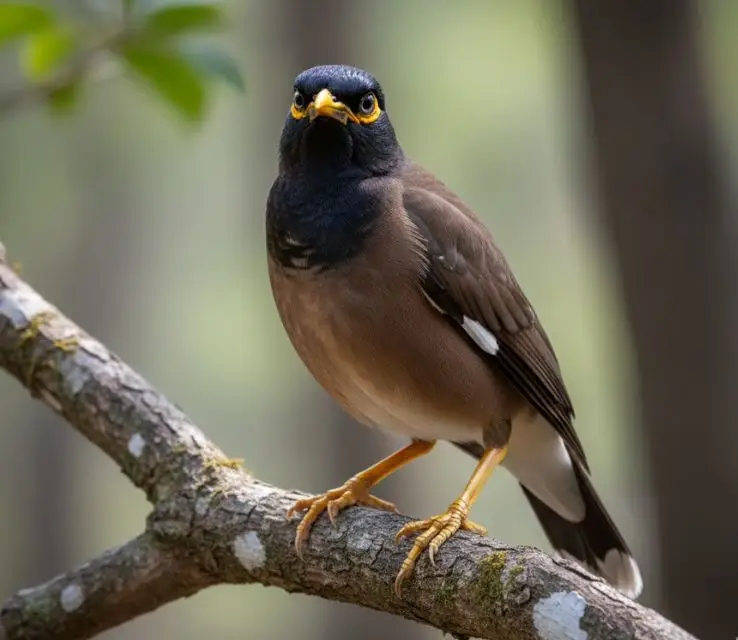
The Common Myna’s role in the ecosystem extends beyond mere consumption; their foraging habits help in the dispersal of coconut seeds.
They peck at coconuts, they inadvertently assist in spreading these vital plants, which play a crucial role in coastal ecosystems. Their presence serves as a reminder of the complex relationships within ecosystems and how even small creatures contribute to the larger narrative of nature.
Pigs
Scientific Name: Sus scrofa domesticus
Type of Animal: Mammal
Diet: Omnivorous
Pigs are surprisingly adept at cracking open coconuts, showcasing their impressive problem-solving skills and dexterous snouts. These intelligent creatures use their powerful jaws to chomp down on the hard shells, revealing the succulent flesh and refreshing water inside.
In tropical regions, where coconuts are abundant, wild and domestic pigs often roam beaches and coconut groves, turning this nutrient-rich fruit into a favored snack.
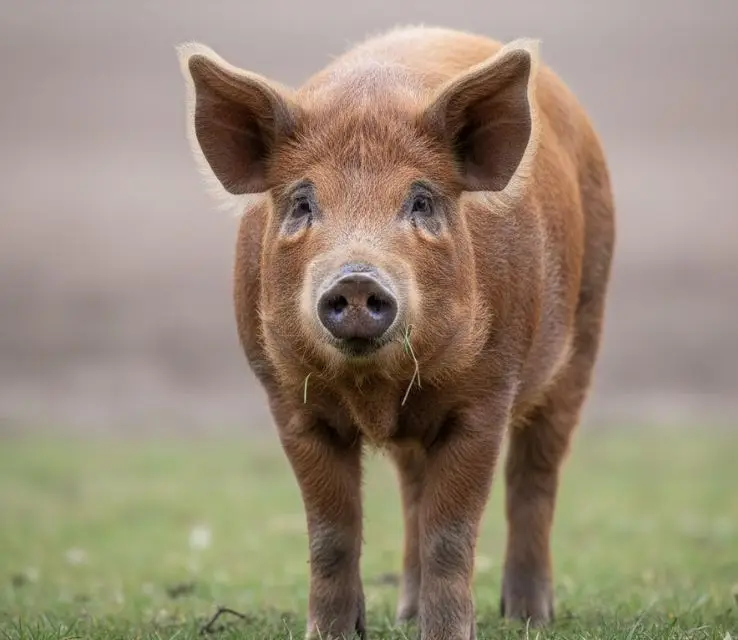
Just a food source, the relationship between pigs and coconuts highlights the adaptability of these mammals.
This symbiotic relationship underscores the interconnectedness of species within their habitats, reminding us that nature often has intricate loops of survival and sustenance that go beyond mere consumption.
Squirrel
Scientific Name: Sciuridae
Type of Animal: Tree-dwelling rodent
Diet: Herbivores
Squirrels are surprisingly adept at cracking open coconuts, showcasing their impressive dexterity and powerful teeth. These tree-dwelling rodents are often associated with acorns and other nuts, their foraging behavior extends to tropical territories where coconuts thrive.
After skillfully scaling palm trees, they use their strong incisors to gnaw through the tough outer shell, revealing the sweet, nutritious meat and refreshing water inside. This adaptation not only diversifies their diet but also provides essential hydration in hot environments.
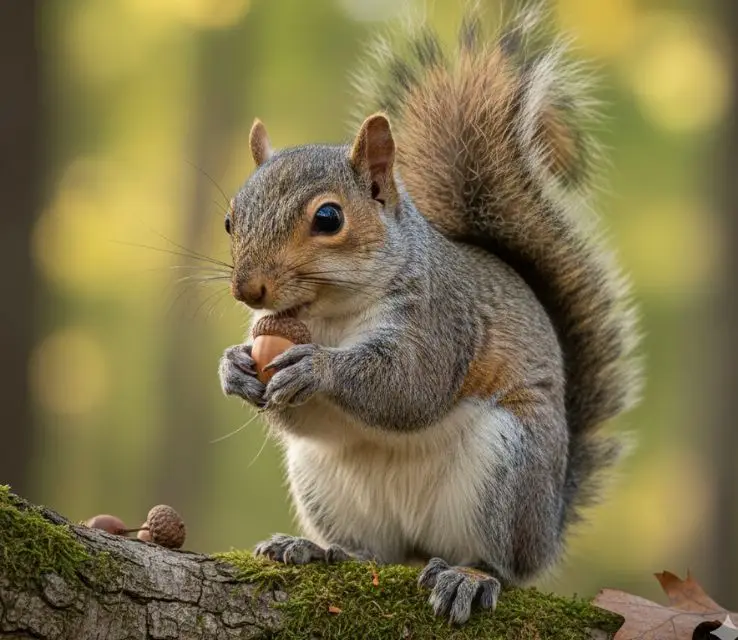
The role of squirrels in coconut ecosystems goes beyond mere consumption. By feeding on fallen or damaged coconuts, they help in seed dispersal, promoting healthy regeneration of palm populations.
This mutualistic relationship underscores the intricate interconnectedness of species within their habitat, highlighting how even small creatures like squirrels contribute to the larger ecological balance.
Palm cockatoo
Scientific Name: Probosciger aterrimus
Type of Animal: Bird
Diet: Omnivores
The palm cockatoo, known for its striking appearance and impressive beak, adds an intriguing twist to the roster of coconut-eating animals.
In the lush rainforests of New Guinea and surrounding islands, these birds showcase exceptional intelligence and dexterity, allowing them to crack open tough coconut shells with remarkable ease. Their strong, curved beak is not just for show; it serves as a powerful tool that allows them to extract the nutrient-rich meat hidden within.
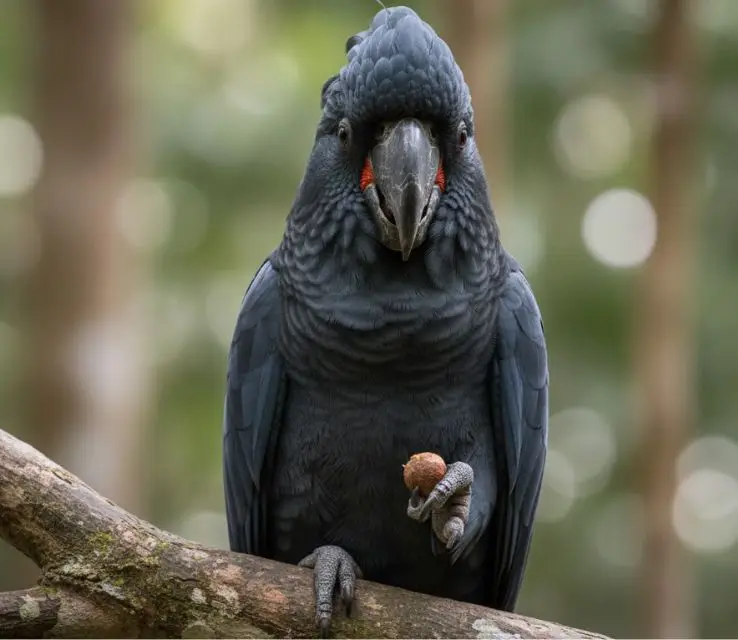
What sets palm cockatoos apart is their unique foraging behavior. They often engage in rhythmic drumming by tapping their beak against tree branches or the ground, which may serve both as a means of communication and a strategy to attract mates.
Their omnivorous diet includes fruits, seeds, and insects, making them adaptable foragers in their tropical habitat.
Observing these charismatic birds not only highlights their role in seed dispersal but also underscores the delicate balance within their ecosystem, as they contribute to the growth of palm trees that support a myriad of other life forms.
Gorillas
Scientific Name: Gorilla
Type of Animal: Mammal
Diet: Herbivore
Gorillas, known for their impressive stature and intelligence, are not just your typical herbivores; they have a surprisingly diverse diet that includes coconuts. They primarily feed on leaves, stems, and fruits, these mighty primates have developed unique techniques for accessing this nutritious tropical treasure.
Their strong jaws and powerful teeth allow them to crack open coconut shells with impressive ease, showcasing their natural tool-use abilities.
This diet supplement provides essential fats and proteins, which are especially important for the energetic lifestyle of these social animals.
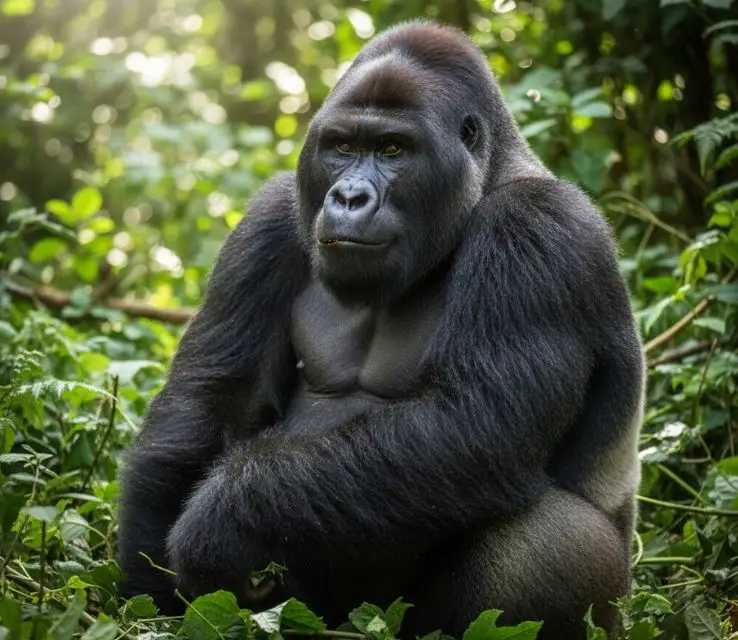
Coconuts also play a role in gorilla social interactions. When a group of gorillas comes across a coconut, the event can turn into a playful competition, where younger members showcase their strength and agility.
This behavior reinforces social bonds and stimulates the cognitive skills of younger gorillas.
Aye-aye
Scientific Name: Daubentonia Madagascariensis
Type of Animal: Mammal
Diet: Omnivore
The aye-aye, a unique lemur native to Madagascar, boasts an extraordinary adaptation that aids its coconut consumption: an elongated, thin middle finger. This remarkable digit allows it to tap on trees, locating grubs and, intriguingly, the husk of fallen coconuts.
Its keen sense of hearing, the aye-aye expertly navigates the rugged rainforests, showcasing its intelligence in opening hard-shelled treats and extracting the delicious fruit within.
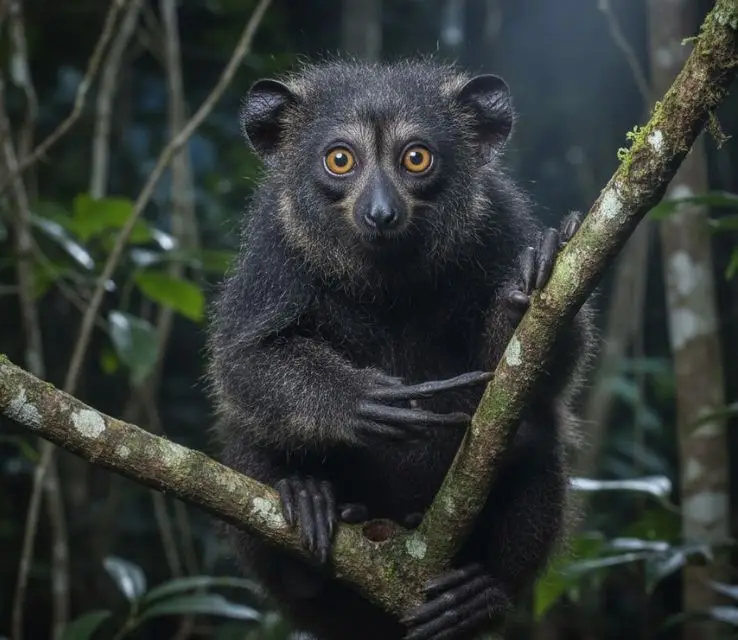
Beyond just cracking coconuts, the aye-aye embodies the intricate relationship between species and their ecosystems.
It forages, this enigmatic creature plays a vital role in seed dispersal and forest regeneration. Inspired by their quirky feeding habits, researchers have drawn attention to the aye-aye’s adaptive strategies, shedding light on the importance of biodiversity and the conservation of Madagascar’s unique habitats.
Elephants
Scientific Name: Loxodonta
Type of Animal: Mammal
Diet: Herbivore
Elephants, known for their impressive size and intelligence, are surprisingly adept at cracking open coconuts, showcasing their remarkable problem-solving skills. Living in tropical regions, these gentle giants often encounter coconut palms in their natural habitats.
Their powerful trunks, elephants can knock coconuts down from the trees and use their tremendous weight to break the hard shells open, revealing the sweet, nutritious flesh inside.
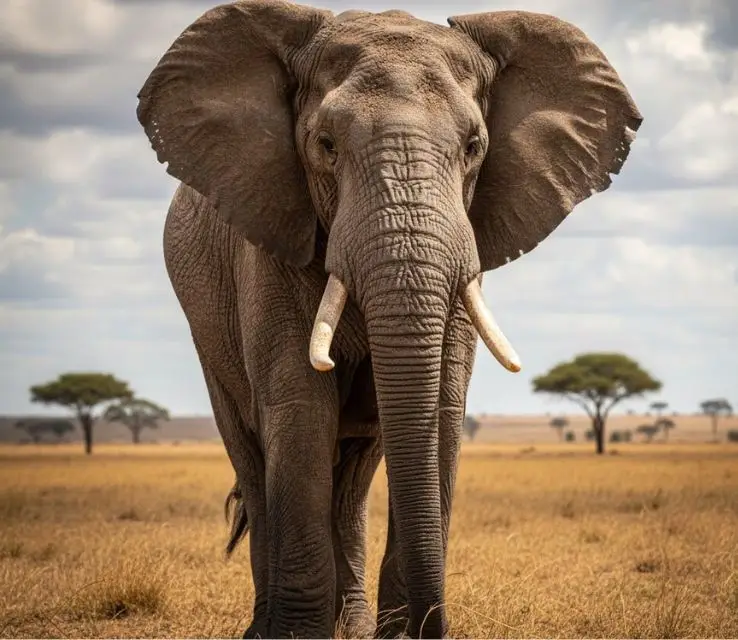
Coconuts play a role in the social behavior of elephant herds. When one elephant discovers a coconut, it often attracts the attention of others, fostering a unique communal experience as they join in the feast.
This shared activity not only strengthens bonds within the herd but also highlights their social intelligence. The process of opening coconuts also demonstrates their dexterity and adaptability, allowing them to thrive in various environments.
Sun Bears
Scientific Name: Helarctos Malayanus
Type of Animal: Mammal
Diet: Omnivore
Sun bears, with their strikingly short stature and distinctive yellowish crescent on their chest, are fascinating creatures that often surprise us with their dietary choices. Omnivores, they have a varied palate, but it’s their knack for cracking open coconuts that highlights their resourcefulness.
Employing their strong forelimbs and sharp claws, these bears can effortlessly break through the tough exterior of coconuts to reach the water and meat inside.
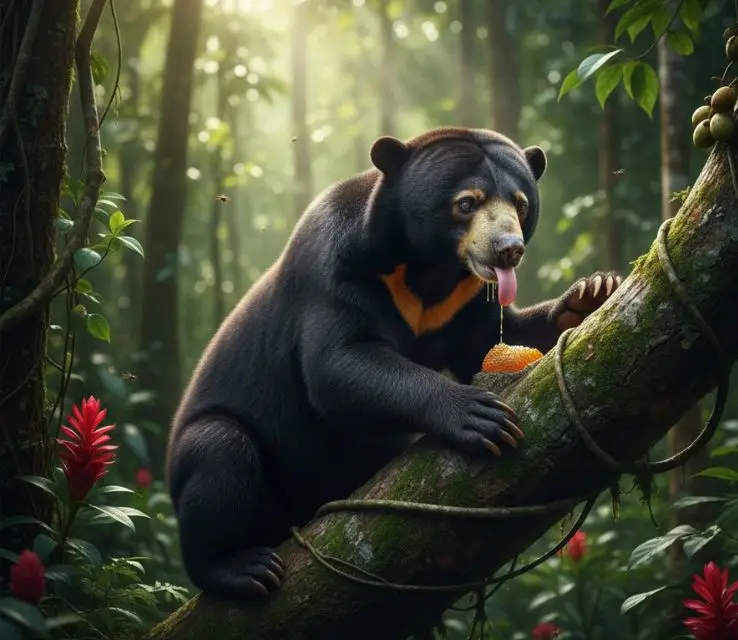
Beyond just satiating their hunger, sun bears’ coconut consumption plays a pivotal role in their ecosystem. By enjoying these tropical fruits, they inadvertently help in seed dispersal, contributing to forest regeneration.
This interaction between the sun bear and its environment underscores how even the simplest of dietary habits can have a broader impact, reminding us of the interconnectedness found in nature.
Observing these bears in their natural habitat, you can see how their playful curiosity brings life to the forest floor, inviting us to appreciate the unique relationships between species and their environments.
Rhinoceros Beetles
Scientific Name: Dynastinae
Type of Animal: Insect
Diet: Herbivore
Rhinoceros beetles may be small in size, but their appetite for coconuts is nothing short of impressive. These robust insects utilize their formidable horns not just for defense, but also to aid in breaking open the tough, fibrous husks of coconuts.
Once they’ve cracked the shell, they gorge themselves on the nutrient-rich flesh within, showcasing their adaptability and strength, which belies their relatively diminutive stature.
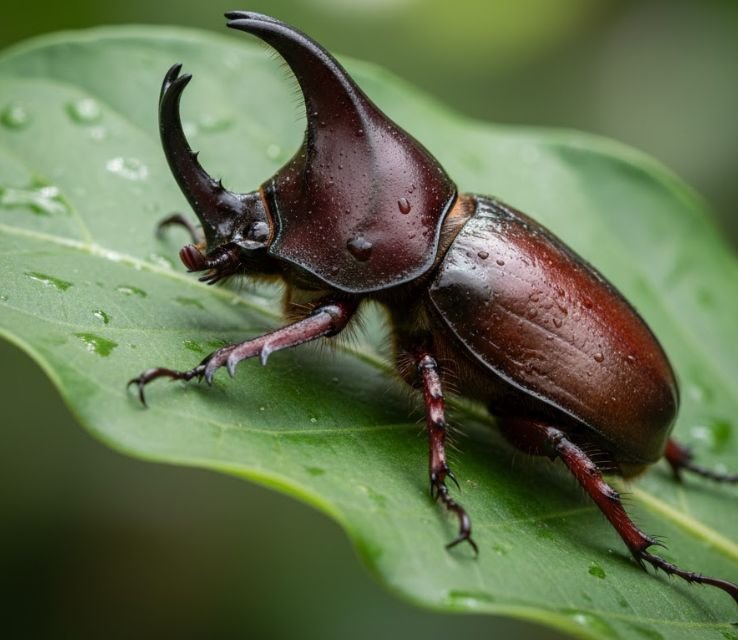
The rhino beetle’s role in the ecosystem extends beyond just being a coconut consumer; they are also crucial for decomposition.
Feasting on decaying organic matter, they recycle nutrients back into the soil, ultimately encouraging plant growth. In tropical regions where coconuts thrive, these insects play an essential part in maintaining the balance of their habitats, serving as a reminder of nature’s intricate web of interdependence.
Observing them in action highlights the often-overlooked dynamics of life that thrive around palm ecosystems.
Coconut Crabs
Scientific Name: Birgus Latro
Type of Animal: Crustacean
Diet: Omnivore
Coconut crabs, the largest terrestrial arthropod in the world, have an intriguing relationship with coconuts that goes beyond mere consumption. Their powerful pincers, these remarkable creatures can crack open hard coconut shells, a feat that many animals struggle to accomplish.
Found primarily in the islands of the Indian and Pacific Oceans, coconut crabs are not just opportunistic feeders; they are masters of their environment, displaying behaviors of problem-solving and tool use as they navigate their habitat.
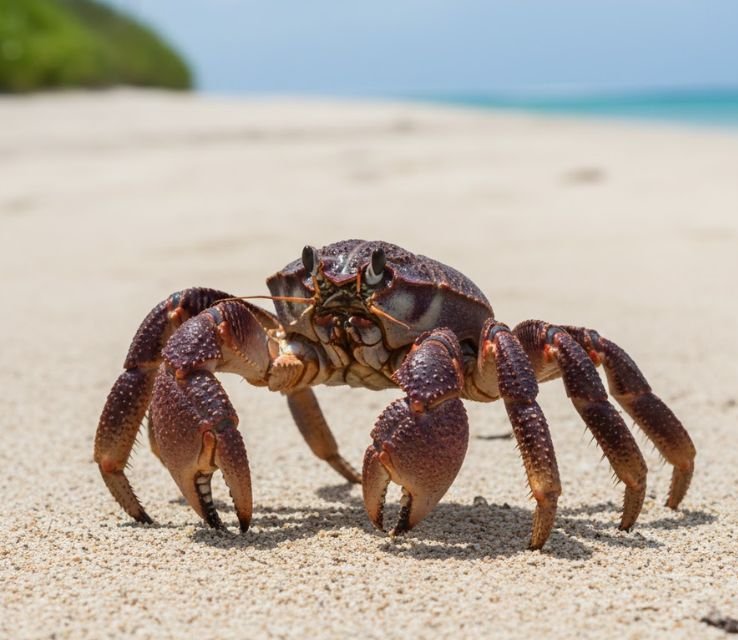
What makes these crabs even more fascinating is their impressive life cycle. After hatching, coconut crab larvae drift in the ocean for several weeks before migrating to land, showcasing a unique adaptation to life both on the water and onshore.
Their role in the ecosystem extends beyond eating coconuts; they help in seed dispersal, contributing to the health of tropical forests.
Humans
Scientific Name: Homo Sapiens
Type of Animal: Mammal
Diet: Omnivore
Humans have long celebrated the coconut for its versatility, using its meat, milk, and oil in culinary delights and personal care products. Our indulgence, we’ve engineered methods to harvest coconuts efficiently and sustainably, ensuring these tropical wonders are available year-round.
In island cultures, the coconut is not just food but a symbol of community and resourcefulness, fostering unique traditions and cuisines that revolve around this singular fruit. Humans are not alone in their appreciation for coconuts. Our ingenuity often extends to exploring their uses, from creating coconut-infused beverages to cosmetic products that enhance our well-being.
Rats
Scientific Name: Rattus
Type of Animal: Mammal
Diet: Omnivore
Rats, often savvy scavengers, demonstrate their resourcefulness by adeptly consuming coconuts whenever the opportunity arises. These small mammals use their powerful teeth to break through the hard shell, gaining access to the creamy flesh and refreshing water inside.
Their omnivorous diet allows them to thrive in diverse environments, and coconuts serve as a valuable food source, especially in tropical regions where these nuts are abundant.
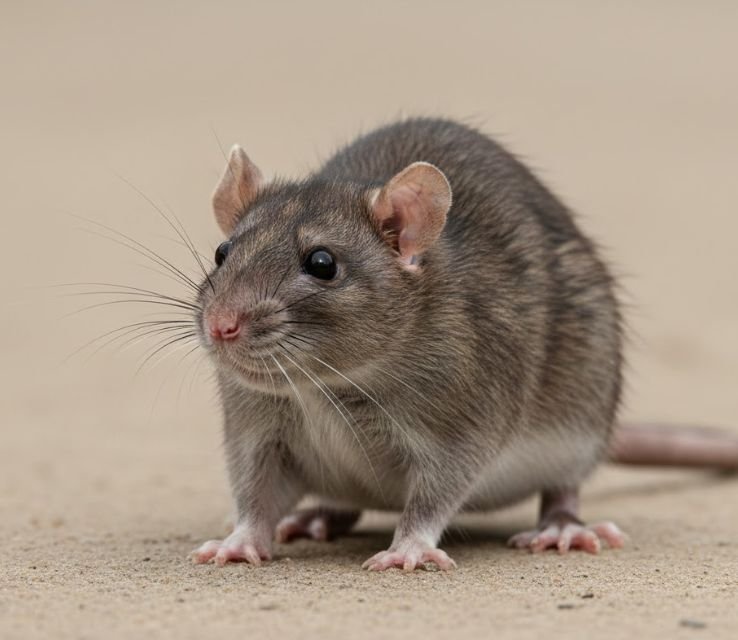
Remarkably, rats aren’t just opportunistic eaters; their foraging behavior plays a crucial role in coconut seed dispersal.
They transport bits of coconut to their nests, they inadvertently plant seeds in new locations, promoting the growth of coconut palms. This symbiotic relationship highlights the interconnectedness of ecosystems, showcasing how even small creatures like rats contribute to the health and propagation of tropical flora.
Their adaptability and clever feeding habits underscore the importance of studying all animals that engage with plant species, offering insight into biodiversity and ecological balance.
Fruit Bats
Scientific Name: Pteropodidae
Type of Animal: Mammal
Diet: Frugivore
Fruit bats, belonging to the family Pteropodidae, possess a fascinating relationship with coconuts that goes beyond mere dietary preference. Their frugivorous diet showcases their vital role in forest ecosystems as natural seed dispersers.
When these impressive creatures gnaw on coconuts, they not only indulge in this nutritious treat but also aid in the growth of new plants by scattering seeds far and wide, facilitating the regeneration of their habitats.
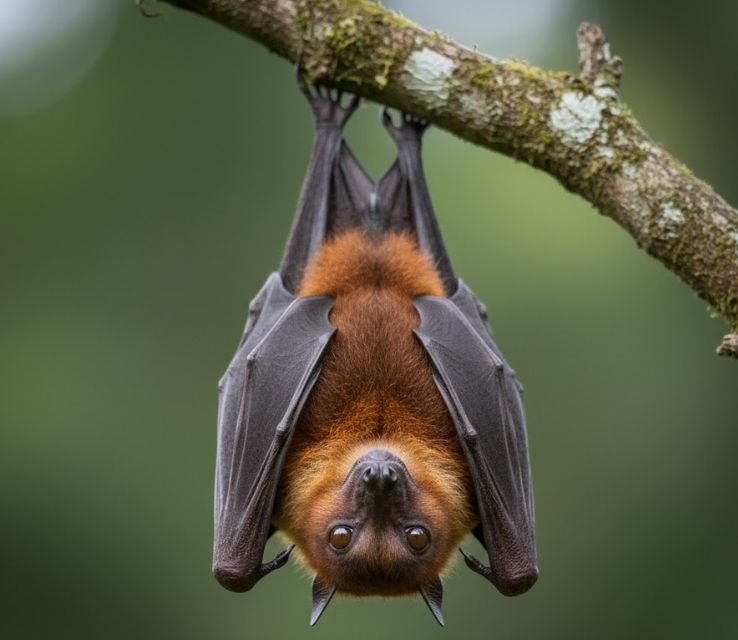
The feeding habits of fruit bats also highlight the interconnectedness of species within tropical ecosystems.
They consume coconuts, they often inadvertently attract other wildlife, creating a vibrant community around the food source. Observing these bats in their natural setting reveals not just a glimpse of their eating habits but also the intricate web of life that thrives off the humble coconut.
Appreciating these bats, we gain a deeper understanding of biodiversity and the critical roles that such unique animals play in sustaining their environments.
Final Thoughts
the fascinating world of animals that eat coconuts showcases nature’s incredible adaptability and resourcefulness. From the agile coconut crab to the nimble monkeys, these creatures have developed unique methods to access the nutritious fruit, demonstrating their ingenuity.
The interactions between these animals and their environment highlight the importance of ecosystems in supporting diverse wildlife. As we continue to explore these relationships, we gain a deeper appreciation for the role of coconuts in sustaining various species.
FAQs
What Animals are Known To Eat Coconuts?
Various animals, including monkeys, squirrels, rats, and certain birds like parrots, have been observed eating coconuts.
Are Coconuts Harmful to Animals?
Generally, coconuts are safe for animals to consume in moderation, but the hard shell can pose a choking hazard.
How Do Animals Open Coconuts?
Many animals use their strong teeth or claws to crack open the hard shell, while some might drop them from heights to break them open.
Can Animals Digest Coconut Shells?
ost animals cannot digest the hard coconut shell and will only consume the flesh or water inside.